


Mauni Amavasya is not merely a date in the Hindu lunar calendar; it is a profound spiritual threshold where silence transforms into sadhana, restraint becomes revelation, and the human soul is gently guided toward self-realisation. Observed on the Amavasya (new moon) of Krishna Paksha in the sacred month of Magha, Mauni Amavasya is revered as one of the most spiritually charged days in Sanatan Dharma. On this day, the external world fades, and the inner cosmos begins to speak.
The very essence of Mauni Amavasya lies in Mauna-silence-not as absence of speech, but as mastery over the senses, thoughts and ego. It is a day when seekers consciously step away from noise, desire and distraction, choosing instead the subtle language of the soul.
Etymology and Philosophical Meaning
The term “Mauni” originates from Mauna, which in yogic philosophy signifies inner silence, not just verbal restraint. A Mauni is one who has subdued the turbulence of mind and speech. Hindu scriptures describe Mauna as a higher form of tapasya, superior even to ritualistic sacrifices, because it purifies consciousness itself.
Mauni Amavasya is also known as Manu Amavasya, connecting it to Manu, the primordial sage and progenitor of mankind. Manu is regarded as the first lawgiver who received divine knowledge through deep contemplation and silence, establishing the moral and social order (Manusmriti). His spiritual attainment through Mauna gives this day its timeless sanctity.
Mythological Origins and Scriptural References
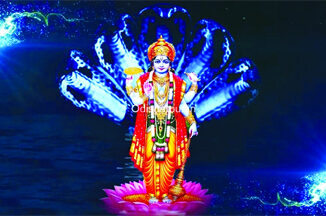
Ancient Puranic literature accords Mauni Amavasya exceptional merit. According to the Padma Purana and Skanda Purana, Manu undertook intense penance on this Amavasya, observing complete silence and austerity to receive divine wisdom from Lord Vishnu. It was through this disciplined silence that the foundations of dharma were laid for humanity.
Another legend associates Mauni Amavasya with Lord Vishnu’s cosmic rest, symbolising the withdrawal of divine energy from manifestation back into stillness. The new moon represents dissolution, introspection and renewal-making this Amavasya ideal for spiritual rebirth.
The Mahabharata and Dharma Shastras repeatedly emphasise that charity, fasting and holy baths performed on Mauni Amavasya yield inexhaustible spiritual merit, equivalent to performing Ashwamedha Yajnas.
Astrological and Cosmic Significance
From an astrological perspective, Mauni Amavasya occurs during Magha month, considered one of the holiest periods in the Hindu calendar. The Sun remains in Capricorn (Makara Rashi), while the Moon merges with the Sun, symbolising the union of mind and soul.
Spiritual traditions believe that on this day, cosmic energies are inward-moving, aiding meditation, detachment and karmic cleansing. Silence harmonises the individual with these subtle vibrations, making spiritual efforts immensely fruitful.
The Profound Spiritual Significance
Mauni Amavasya represents the highest spiritual discipline of restraint. It teaches that silence is not emptiness but awareness, not withdrawal but refinement.
Mauna as Inner Yajna
Speech is considered a powerful force capable of both creation and destruction. Observing silence conserves spiritual energy (ojas) and channels it inward. Yogic texts describe Mauna as an internal yajna, where ego, anger and desire are symbolically offered into the fire of awareness.
Liberation from Karmic Burdens
Fasting, charity and silence on this day are believed to neutralise accumulated karmas. The new moon symbolises a blank slate-an opportunity to release past impressions (samskaras).
Gateway to Moksha
Mauni Amavasya is regarded as especially auspicious for those seeking liberation. Scriptures affirm that sincere observance of Mauna with devotion brings the seeker closer to Vishnu, Shiva and the eternal truth (Brahman).
Rituals and Sacred Observances
Holy Bath (Mauni Amavasya Snan)
The most significant ritual is bathing in sacred rivers. A dip at dawn in rivers like the Ganga, Yamuna, Saraswati (Triveni Sangam), Godavari, Narmada and Shipra is believed to cleanse sins accumulated over lifetimes. This snan holds special importance during the Magh Mela and Kumbh Mela, where Mauni Amavasya marks one of the holiest bathing days.
Silence (Mauna Vrat)
Devotees observe silence from sunrise to sunset, and ascetics often maintain Mauna for several days. Silence is practiced not only verbally but mentally-avoiding negative thoughts and emotional turbulence.
Fasting and Self-Discipline
Fasting ranges from fruit-based diets to complete nirjala vrat. Food restraint symbolises control over cravings, reinforcing spiritual focus.
Charity and Compassion
Donations made on Mauni Amavasya are believed to yield eternal merit. Offering food, clothes, blankets, sesame seeds, ghee and money to the needy, saints and Brahmins is considered highly auspicious. Feeding cows, birds and the poor reflects the spirit of universal compassion.
Worship and Meditation
Devotees worship Lord Vishnu, Lord Shiva and Pitrs (ancestors). Mantra japa, meditation, scriptural reading and contemplation form the spiritual core of the day. Gayatri Mantra, Vishnu Sahasranama and Om Namah Shivaya are commonly recited.
Mauni Amavasya and the Kumbh Tradition
Mauni Amavasya holds extraordinary significance during the Kumbh, Ardh Kumbh and Magh Mela, especially at Prayagraj. The Shahi Snan on this day witnesses the majestic procession of Naga sadhus, akharas and ascetics-symbolising renunciation, silence and supreme detachment. Millions of pilgrims gather, making Mauni Amavasya the largest spiritual congregation on Earth, united by faith, silence and sacred immersion.
The Inner Symbolism of Silence
Spiritually, Mauni Amavasya teaches that truth reveals itself only in silence. The Upanishads declare that ultimate reality cannot be spoken-it must be experienced. Silence dissolves ego, sharpens awareness and allows divine wisdom to emerge naturally.
In a world overwhelmed by noise, Mauni Amavasya serves as a reminder that inner stillness is the highest form of prayer. It encourages humanity to pause, purify and realign with cosmic order.
Mauni Amavasya transcends ritualistic observance. It is a spiritual reset, urging seekers to embrace silence, simplicity and self-restraint. By withdrawing from excess and noise, one rediscovers the sacred presence within. In essence, Mauni Amavasya is a sacred dialogue between the soul and the infinite-where silence becomes wisdom, restraint becomes liberation, and the human spirit moves closer to eternal truth.

The next time I read a blog, I hope that it doesnt disappoint me as much as this one. I mean, I know it was my choice to read, but I actually thought youd have something interesting to say. All I hear is a bunch of whining about something that you could fix if you werent too busy looking for attention.