


Ratha Saptami, also widely known as Surya Saptami, is one of the most revered solar festivals in Hindu tradition. Observed on the seventh day (Saptami) of the bright half (Shukla Paksha) of the month of Magha (January-February), it symbolizes the Sun’s northward journey (Uttarayana) and the renewal of energy, prosperity, and spiritual enlightenment. It is celebrated with devotion across India, often referred to as the birthday of the Sun God, who sustains all life and illuminates the cosmos with divine light.
Mythological Origins and Legends
Ratha Saptami is steeped in Vedic and Puranic lore. According to the Skanda Purana, Vishnu Purana, and Bhavishya Purana:
The Chariot of Surya
Surya, the Sun God, travels across the sky in a divine chariot (Ratha) drawn by seven horses, representing the seven days of the week and the seven colors of the rainbow, which symbolize the spectrum of knowledge, energy, and spiritual awakening. On Ratha Saptami, his chariot is said to turn towards the northern hemisphere, marking the change of season and the start of longer, brighter days.
Surya as a Life-Giver
Hindu cosmology portrays Surya as the father of all beings and the source of life on Earth. Ancient texts describe him as Aryaman, Savitr, Mitra, and other Vedic forms, highlighting his dual role as a physical source of energy and a spiritual illuminator.
Legend of Sage Mandavya
A popular story recounts how Sage Mandavya’s devotion and penance pleased Surya, who granted him long life, health, and prosperity. This legend emphasizes that devotion to the Sun purifies the mind and body, leading to material and spiritual benefits.
Symbolic Significance
The day also marks the beginning of agricultural preparation in many regions, as farmers pray to Surya for bountiful crops, reflecting the cosmic connection between humans and nature.
Spiritual Significance
Ratha Saptami is much more than a festival of light. It is a day to honor energy, health, vitality, and spiritual wisdom:
– Health and Vitality: Sun worship is believed to strengthen the body, boost immunity, and energize the mind.
– Removal of Ignorance: Surya symbolizes knowledge and truth. Devotees seek his blessings to eradicate negativity and spiritual darkness.
– Prosperity and Growth: The festival is considered highly auspicious for career growth, financial stability, and overall prosperity.
– Spiritual Awakening: It encourages inner reflection, meditation, and aligning oneself with cosmic rhythms and dharma.
Observing Ratha Saptami:
Rituals and Practices
The rituals of Ratha Saptami are both elaborate and symbolic, reflecting the deep connection between human life, nature, and the cosmos.
Early Morning Rituals and Surya Arghya
– Devotees wake up before sunrise to bathe and purify themselves.
– Facing the east, they offer water (Arghya) to Surya, usually mixed with milk, turmeric, and sacred leaves, reciting mantras like *Om Suryaya Namah* or the Gayatri Mantra.
– The water offering is said to remove sins, strengthen the heart, and energize the nervous system.
Chariot Symbolism and Puja
– A Ratha (chariot) is drawn on the floor or altar, using turmeric, rice, or colored powders. This represents Surya’s cosmic journey and reminds devotees of the movement of time, energy, and life cycles.
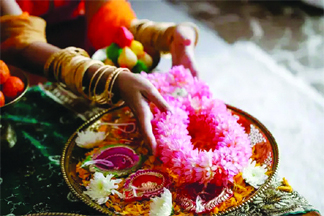
– Flowers, red cloth, and lamps are offered to the Sun, red being the color of vitality and life force.
Fasting and Offerings
– Many observe a partial or full fast, consuming milk, fruits, and light vegetarian meals.
– Special dishes include til (sesame) laddoos, kheer, halwa, or rice-based sweets, symbolizing warmth, sustenance, and sweetness in life.
– Charity (dana) is encouraged, reflecting the Sun’s universal generosity.
Astrological and Medicinal Practices
– In Ayurveda, Sun exposure in moderation is believed to boost metabolism, vitamin D, and energy.
– Devotees sometimes apply herbal pastes or turmeric during morning baths to strengthen the skin and purify the body.
– Astrologically, the Sun governs the soul (Atma), authority, and mental clarity. Worship on this day is said to reduce malefic effects of Surya in one’s horoscope.
Yoga and Surya Namaskar
– Practicing Surya Namaskar (Sun Salutations) at dawn is highly auspicious.
– Each posture is a meditation in movement, aligning the body with solar energy and cosmic rhythm.
Regional Celebrations
– Maharashtra and Gujarat: Devotees perform Ratha Saptami Puja near rivers or temples, offering bilva leaves, flowers, and water to Surya.
– Tamil Nadu and Karnataka: Temples hold processions of Surya idols on chariots, and devotees offer til and jaggery-based sweets.
– Odisha: Sun temples, especially in Konark, see ritual baths and recitation of Surya stotras.
– North India: Devotees often observe fasts and perform early morning Surya Arghya, followed by charity and feeding the needy.
Symbolism and Spiritual Lessons
The Chariot with Seven Horses
– Represents seven days of the week, seven chakras, and seven colors of light, symbolizing balance, energy, and spiritual awakening.
Rising Sun and Uttarayana
– The northward movement of the Sun signifies knowledge, positivity, and victory of light over darkness, reflecting the inner journey toward self-realization.
Offering Water (Arghya)
– Symbolizes purification, devotion, and surrender to the divine. The water is both literal and metaphorical, cleansing body, mind, and soul.
Spiritual Practices for Devotees
– Morning Meditation: Sit facing the rising sun, visualizing divine energy entering the body and cleansing the mind.
– Chanting Mantras: Reciting Surya Gayatri, Aditya Hridayam, or simple Om Suryaya Namah infuses vitality and mental clarity.
– Yoga & Sun Salutations: Enhances physical stamina, spiritual awareness, and inner balance.
– Charity and Good Deeds: Aligns personal life with cosmic generosity, spreading warmth and light to others. Even today, Ratha Saptami reminds us to:
– Align our daily routines with natural cycles for health and mental clarity.
– Express gratitude to the Sun as the universal giver of life and energy.
– Recognize that spiritual growth requires devotion, discipline, and balance between material and inner life.

I found your weblog website on google and check a few of your early posts. Proceed to keep up the very good operate. I just further up your RSS feed to my MSN Information Reader. In search of ahead to studying extra from you afterward!…