


Every autumn, as the monsoon retreats and a crisp brightness fills the air, India transforms into a spectacle of radiance. Lamps flicker in courtyards, fireworks paint the skies, and the fragrance of sweets mingles with the sound of laughter. It is Diwali-the festival of lights, of joy, and of renewal. Yet, behind its glittering façade lies a rich and layered history that stretches across millennia, faiths, and philosophies. From the epic of Ramayana to the age of industrial India, Diwali has continuously evolved-its lights adapting to the changing contours of civilization while retaining their ancient glow of hope and righteousness.
Mythological Origins: The Triumph of Light over Darkness
At its heart, Diwali celebrates Deepa (light) as a symbol of dispelling Avidya (ignorance) and Adharma (evil). Its most widely known origin lies in the Ramayana. After fourteen years of exile and the epic battle in Lanka, Lord Rama, accompanied by Sita and Lakshmana, returned to Ayodhya. The citizens lit rows of clay lamps to illuminate the path of their beloved king. The flickering flames symbolized the victory of virtue over vice, of dharma over arrogance. Thus, Deepavali-literally “a row of lights”-became an eternal metaphor for human aspiration to overcome darkness within and without.
Krishna and the Slaying of Narakasura: Joy after Darkness
In South India, Diwali is deeply associated with Lord Krishna’s triumph over the demon king Narakasura. According to legend, Narakasura, swollen with power, had imprisoned 16,000 celestial maidens and tormented the world. With Satyabhama’s assistance, Krishna slew the tyrant, liberating his captives. The day of Narakasura’s death-Naraka Chaturdashi-came to be celebrated with cleansing baths at dawn, symbolic of purification, and the lighting of lamps to commemorate the restoration of righteousness. This tale embodies the same spiritual victory that Diwali across India represents, but through Krishna’s divine compassion and valor.
Mahavira’s Nirvana: The Jain Light of Liberation
For the Jain community, Diwali holds a profoundly different but equally luminous significance. It marks the Nirvana or final liberation of Lord Mahavira, the 24th Tirthankara, in 527 BCE at Pawapuri, Bihar. On that moonless night of Kartika, Mahavira attained moksha, and the cosmos was said to glow with a divine radiance. His disciples, led by Gautam Swami, lit lamps to symbolize the light of wisdom that would continue to guide humanity in his absence. Even today, Jains observe Diwali with meditation, charity, and recitation of scriptures, emphasizing the inner illumination of the soul over external festivity.
Goddess Lakshmi: The Radiant Mother of Prosperity
In the Vaishnava tradition and much of northern India, Diwali is primarily devoted to Mahalakshmi, the goddess of wealth and fortune. The night of the new moon in the month of Kartika is considered her chosen time to bless homes that are clean, pure, and illuminated. The story intertwines with the Samudra Manthan-the churning of the cosmic ocean-when Lakshmi emerged resplendent, seated on a lotus, symbolizing the birth of abundance through divine effort. Thus, Diwali became a festival of renewal, of new beginnings in trade and life. Business ledgers are opened afresh, coins are worshipped, and prayers are offered for prosperity in the year ahead.
Sikh Light: Bandi Chhor Diwas and Guru Hargobind’s Return
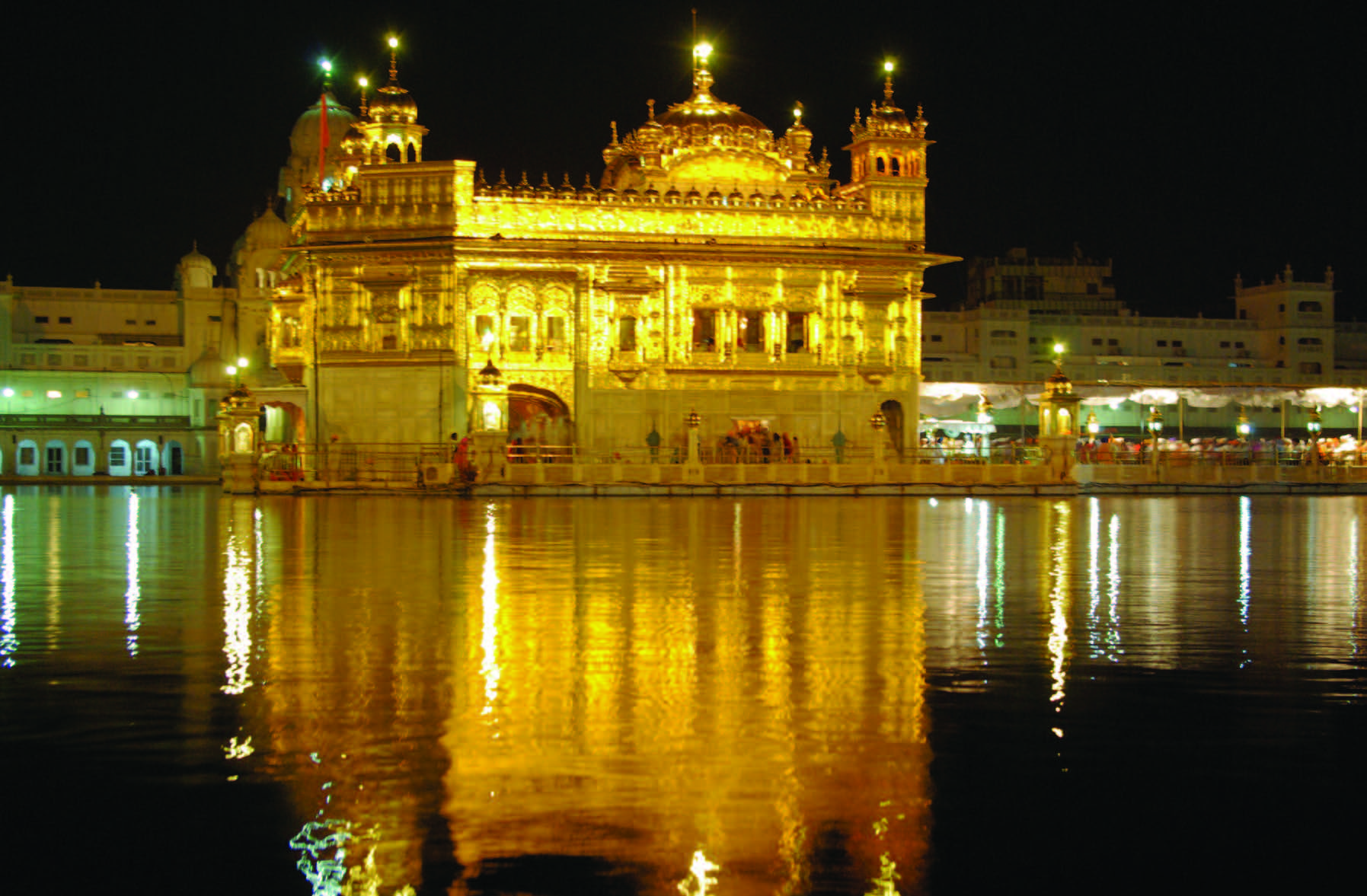
Among Sikhs, Diwali resonates as Bandi Chhor Divas-the Day of Liberation. In 1619, Guru Hargobind Sahib, the sixth Sikh Guru, was released from imprisonment in Gwalior Fort by Emperor Jahangir. Refusing to leave without freeing 52 detained kings, the Guru ensured their liberation too. As he returned to Amritsar, the Golden Temple was illuminated in celebration. Since then, the festival’s spiritual meaning for Sikhs has been one of freedom from bondage, compassion, and divine justice. The illuminated Harmandir Sahib on Diwali night continues to be one of India’s most breathtaking spiritual sights.
Regional Legends and Rituals: Unity in Diversity
Diwali’s beauty lies in its plurality-it is not a single-day event but a pan-Indian festival spanning five days, each carrying its own symbolism. In Gujarat and Maharashtra, it begins with Vasu Baras and Dhanteras, days for honoring cattle and wealth. In the north, Govardhan Puja commemorates Krishna lifting the mountain to protect the villagers of Gokul from Indra’s wrath, teaching the value of humility and faith. In Bengal, Kali Puja coincides with Diwali night, where Goddess Kali-the fierce mother who annihilates ignorance-is worshipped with tantric rituals and devotion. In the south, homes glow with Deepams, bursting crackers symbolize the destruction of evil, and sweets embody life’s sweetness renewed.
Evolution through the Centuries: From Lamps to Lanterns
The Diwali of ancient times was intimate-a family and village affair where lamps made of clay and ghee lit up dark rural nights. As trade flourished under the Mauryas and Guptas, Diwali also became an occasion for merchants to close their accounting year and start anew, linking religion with commerce. During the Mughal era, even emperors like Akbar and Shah Jahan are said to have participated in Diwali festivities, appreciating its cultural inclusiveness. Colonial India saw Diwali evolve further, with fireworks, electric lights, and printed greeting cards becoming symbols of modern celebration. Today, in the age of LEDs and social media, Diwali has become both local and global-a festival celebrated in Times Square as much as in Ayodhya, uniting the diaspora with ancestral light.
The Spiritual Core: Lighting the Inner Lamp
Beyond rituals, gifts, and grandeur, Diwali’s essence remains profoundly spiritual. The lamp represents the human soul-the flame of consciousness that must remain unwavering amidst life’s winds. The cleaning of homes signifies purging negativity, while the exchange of sweets symbolizes sharing goodwill. Every diya lit is a prayer for enlightenment-not only for oneself but for society at large. In the words of the Upanishads, “Tamaso m? jyotir gamaya”-from darkness, lead us to light.
Diwali in the Modern World: Sustainability and Social Spirit
In recent years, awareness around environmental impact has reshaped the way Diwali is celebrated. Eco-friendly lamps, organic colors, and community feasts have replaced excessive fireworks and waste. Many now use the occasion to light not just their homes but lives-through charity drives, education funds, and acts of kindness. Urban India’s Diwali is increasingly about illumination that uplifts both the spirit and society.
The Eternal Flame
Whether one sees it as Rama’s homecoming, Krishna’s victory, Mahavira’s liberation, or Lakshmi’s grace, Diwali’s enduring message is clear-the human yearning for light, harmony, and goodness transcends time and creed. Its many lamps may burn differently in each region, but together they weave a luminous tapestry of faith and festivity. As long as there is darkness to overcome, ignorance to dispel, and hope to renew, the lamps of Diwali will continue to burn-reminding us that light, in all its forms, is humanity’s truest heritage.

Be the first to comment