
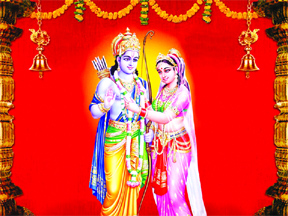

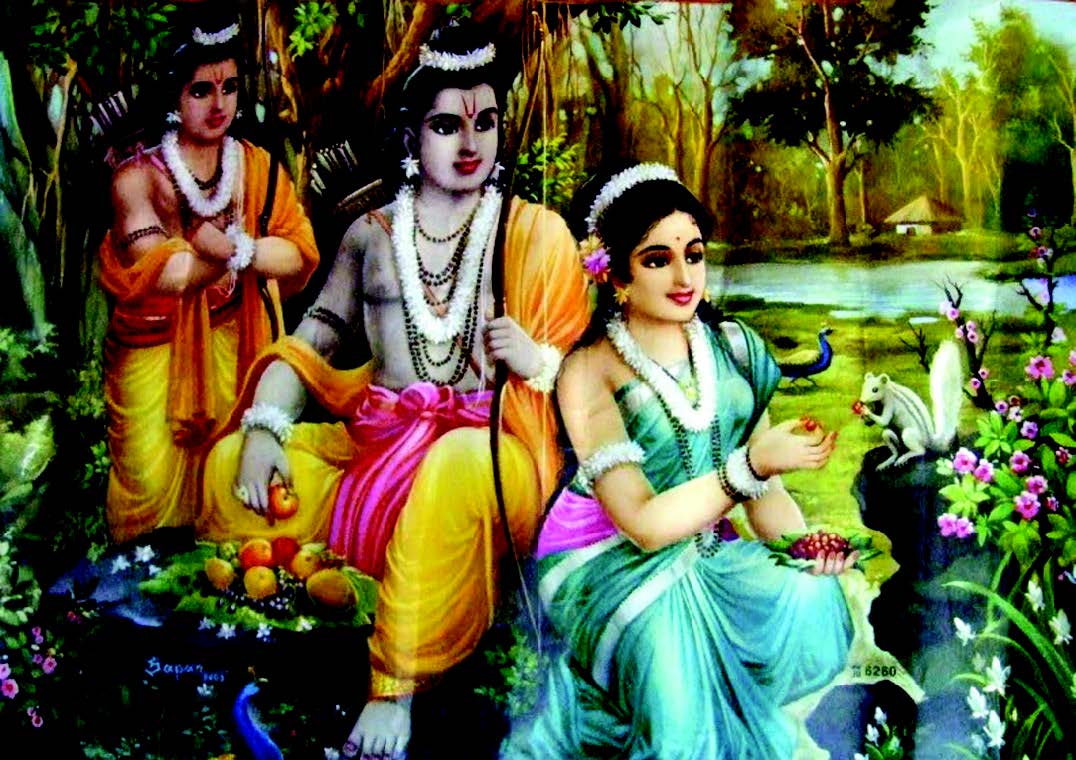
Vivaha Panchami, observed on the fifth day of the bright half of the Hindu month of Margashirsha (November-December), commemorates one of the most cherished episodes in the Ramayana: the sacred wedding of Lord Rama and Goddess Sita in the ancient kingdom of Mithila. More than a festival, it is a spiritual remembrance of an ideal marriage founded on dharma, devotion, purity, and cosmic balance. Across India and Nepal, particularly in Janakpur and Ayodhya, the day is celebrated with extraordinary reverence, drawing lakhs of pilgrims who come to witness the re-enactment of this celestial union.
Origins of Vivaha Panchami in the Ramayana Tradition
The story traces back to the Bal Kand of the Valmiki Ramayana. When King Janaka discovered baby Sita emerging from the earth while ploughing a sacred field, he raised her as his daughter. As she grew into a woman of unparalleled beauty, grace, and strength, Janaka announced a swayamvara with a unique condition: whosoever would lift and string the mighty Shiva Dhanusha-the divine bow guarded for generations-would win Sita’s hand.
Many kings and warriors failed the challenge. But when Prince Rama, the eldest son of King Dasharatha of Ayodhya, arrived with sage Vishvamitra, he effortlessly lifted, bent, and broke the bow-a moment that shook the heavens and marked the divine pairing as destined by cosmic law. The wedding, described in lyrical detail by Tulsidas in the Ramcharitmanas, became the model for righteous marital union.
The Significance of Rama
and Sita’s Marriage
More than an event, the marriage symbolizes the union of Purusha and Prakriti, the cosmic masculine and feminine principles. Rama embodies:
– Maryada (righteousness)
– Dharma (duty)
– Satya (truth)
Sita represents:
– Shakti (energy and strength)
– Karuna (compassion)
– Pavitrata (purity)
Their union teaches that marriage is not merely a social contract but a sacred journey of shared responsibility, sacrifice, and spiritual growth. Vivaha Panchami thus becomes a reminder of ideal companionship rooted in harmony.
Celebrations in Janakpur: The Heart of Vivaha Panchami
Ram-Sita Vivah Mandap – The Centre of Devotion
In Janakpur, the ancient kingdom of Mithila, the festival is celebrated with an authenticity unmatched anywhere else. The Janaki Mandir and Ram-Sita Vivah Mandap become the epicentre of the festivities as priests perform rituals recreating the ancient wedding.
The Grand Procession (Baraat) from Ayodhya
A symbolic procession representing Rama’s wedding party arrives at Janakpur. Devotees dress as sages, princes, courtiers, and dancers, filling the streets with colour, music, and devotion. The atmosphere resonates with shlokas, bhajans, and traditional Maithili folk songs.
Rituals and Ceremonies
– Kanyadaan of Sita by King Janaka
– Vedic mantras chanted by priests
– Mangal Fera around the sacred fire
– Cultural plays and Ramayana performances
The wedding is enacted not as a drama but as a deeply spiritual ritual experienced with tears, prayers, and the belief that the divine couple truly descends to bless the devotees.
Ayodhya’s Celebrations: The Groom’s Homeland
In Ayodhya, Vivaha Panchami is marked with:
– Special darshans in Ram Janmabhoomi and Kanak Bhawan
– Recitations of Ramcharitmanas, especially the Vivah Geet
– Processions depicting the departure of Rama for Mithila
– Decorated temples and night-long bhajans
The mood remains festive yet devotional, celebrating both the joy of marriage and the glory of dharma.
Rituals Followed by Devotees
Fasting and Worship
Many observe a vrat, offering prayers to Rama and Sita for marital harmony and blessings. Married couples worship the divine couple seeking protection and strength in their relationships.
Reading of Vivah Kanda
Reciting the Vivah Kanda from the Ramcharitmanas is believed to cleanse the mind, remove obstacles in marriage, and invoke divine grace.
Charity and Community Feasts
Feeding the poor, distributing prasad, and organizing community dinners reflect the spirit of sharing and abundance that the divine wedding signifies.
Symbolism and Spiritual Essence of Vivaha Panchami
– Ideal Marital Conduct
The festival sets forth the values of mutual respect, patience, support, and emotional strength.
– Victory of Humility Over Ego
Rama’s gentleness, even after breaking the bow, teaches humility in victory.
– Divine Balance
The union reflects cosmic balance-neither dominance nor submission, but harmony.
– The Blessing of Stability
Sita’s steadfastness, courage, and moral clarity exemplify the strength needed to uphold dharma within the household.
Regional Traditions Across India and Nepal
Mithila (Bihar & Nepal)
– Maithili songs like Suhavnaa Vivah and Sita Swyambar Geet
– Folk dances and traditional kohbar motifs
– Unique marriage rituals performed in the name of Rama and Sita
Uttar Pradesh
– Temples in Ayodhya, Varanasi, and Chitrakoot hold special recitations and public feasts.
Maharashtra & Gujarat
– Bhakti sammelans, Ramayan discourses, and community pujas form the core celebrations.
South India
– In some temples, Vivaha Panchami merges with Kalyanotsavam traditions where devotees witness the divine wedding ceremony.
Modern Relevance of Vivaha Panchami
In an era where relationships often struggle for stability, the festival reminds us of:
Shared dharma in marriage
– Emotional resilience during hardships
– The need for mutual respect
– Patience and trust as foundations of love
– The ideal of partnership as service to each other and society
– Couples today see Vivaha Panchami as an opportunity to renew vows, resolve differences and seek divine guidance.
Vivaha Panchami stands not only as the commemoration of Rama and Sita’s marriage, but as a timeless celebration of sacred companionship. It invites people to seek purity of intention, balance in relationships, and devotion to dharma. Whether celebrated in Janakpur, Ayodhya, Mithila, or homes across the world, the festival transports devotees to an age when divine love walked on earth and blessed humanity with the perfect ideal of marriage.
Be the first to comment