

From the mystical landscapes of Ashok Vatika and the sacred waters of Seetha Amman Temple to Ravana’s caves and the dramatic beauty of Ella, Sri Lanka offers a fascinating journey through places associated with the Ramayana. Blending mythology, spirituality, nature and history, the island invites travelers to explore the legendary world of Lord Rama, Sita and Ravana.
There are journeys that take travellers to beautiful destinations, and then there are journeys that transport them into the pages of ancient epics. Sri Lanka offers a rare combination of both. Beyond its palm-fringed beaches, mist-covered mountains, tea plantations and wildlife sanctuaries lies a fascinating network of places associated with the Ramayana, one of India’s greatest epics.
Known for its connection with the legendary kingdom of Lanka ruled by Ravana, the island attracts pilgrims, history enthusiasts and curious travellers interested in exploring the locations associated with the epic. From the believed site of Ashok Vatika, where Sita was held captive, to caves traditionally linked with Ravana’s meditation and the landscapes associated with the final battle, these destinations form an intriguing spiritual and cultural trail.
The Ramayana sites are spread across different parts of the island, making the journey as much about discovering Sri Lanka’s natural beauty as exploring its mythological heritage. Although these associations belong to religious traditions and local beliefs rather than independently established historical evidence, they remain an important part of the island’s cultural landscape.
Seetha Amman Temple:
Where Sita’s Memory Lives On
One of the most significant stops on the Ramayana trail is the Seetha Amman Temple near Nuwara Eliya. Surrounded by lush greenery and cool mountain air, this colourful Hindu shrine is traditionally associated with the place where Sita spent her days in captivity after Ravana abducted her.
According to the Ramayana, Ravana brought Sita to Lanka and kept her in Ashok Vatika, where she refused his advances and remained devoted to Lord Rama. The temple is believed by devotees to mark part of this sacred landscape.
A stream flows beside the temple, and local tradition associates the surrounding rocks and water with the period of Sita’s captivity. Visitors can see images of Sita, Rama, Lakshmana and Hanuman, making the shrine an important destination for Hindu pilgrims. The peaceful surroundings, prayerful atmosphere and mountain scenery make this a particularly moving stop on the journey.
Hakgala Botanical Garden:
The Legendary Ashok Vatika
A short distance from Nuwara Eliya lies Hakgala Botanical Garden, another destination associated with the Ramayana. Many local traditions identify the Hakgala area with the legendary Ashok Vatika, the beautiful garden where Ravana is believed to have kept Sita. The landscape, with its towering rocks, flowering plants and cool climate, offers an evocative setting for this ancient story.
Today, Hakgala is known for its impressive collection of plants, colorful flowers, landscaped gardens and spectacular mountain views. Established during the British colonial period as an experimental garden for cinchona cultivation, it subsequently developed into one of Sri Lanka’s celebrated botanical attractions.
For visitors following the Ramayana trail, the garden offers an opportunity to experience the natural beauty of a landscape deeply connected with local mythology.
Sri Bhakta Hanuman Temple: Following
the Footsteps of the Divine Messenger
Situated amid the picturesque hills of Ramboda, the Sri Bhakta Hanuman Temple is another important destination on the Ramayana trail. Built by the Chinmaya Mission, the temple is dedicated to Lord Hanuman, who travelled to Lanka in search of Sita.
According to local tradition, these hills were among the places where Hanuman searched for Sita before discovering her whereabouts. The temple houses a striking statue of the deity and attracts devotees throughout the year.
The journey to Ramboda is equally rewarding. Tea-covered slopes, winding mountain roads and spectacular waterfalls make this region one of the most scenic parts of Sri Lanka. Visitors can combine their temple visit with a stop at the beautiful Ramboda Falls.
Divurumpola: The Place Associated
with Sita’s Agni Pariksha
Located near Welimada, Divurumpola Temple holds a special place in the Ramayana tradition. It is believed to be the location where Sita underwent Agni Pariksha, the trial by fire, to establish her purity after being rescued from Ravana. The story describes how Sita entered the sacred fire and emerged unharmed, with Agni, the fire deity, affirming her innocence. The site is revered by devotees as a symbol of faith, courage and steadfastness.
Interestingly, local traditions associate the temple with the taking of oaths and promises. Its relatively peaceful surroundings make it a meaningful stop for those interested in exploring the spiritual dimensions of the epic.
Ravana Falls and Ravana Cave:
Exploring the Kingdom of Legends
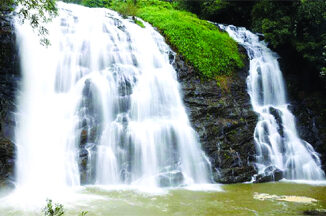
Ravana Falls is a spectacular waterfall cascading down a rocky mountainside. Local folklore connects it with Ravana, who is believed to have used the surrounding caves and hills as hiding places during Sita’s captivity.
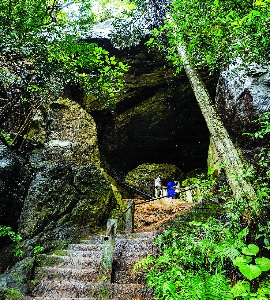
A short distance away is Ravana Cave, a cave traditionally linked with the legendary king. Reaching it involves a steep climb and requires reasonable physical fitness.
Beyond their mythological associations, these attractions offer wonderful opportunities to experience Sri Lanka’s dramatic highland scenery. The combination of waterfalls, rugged cliffs, forested slopes and ancient-looking caves makes Ella a memorable destination.
Munneswaram Temple:
Rama’s Prayers to Lord Shiva
Near Chilaw, the Munneswaram Temple is an important Hindu pilgrimage centre associated with the Ramayana. According to tradition, after defeating Ravana, Lord Rama sought the blessings of Lord Shiva to absolve himself of the sin of killing a Brahmin. Shiva advised him to install and worship Shiva lingams at sacred locations.
The temple is therefore associated with Rama’s prayers for spiritual purification following the battle. Its colourful architecture, elaborate sculptures and devotional atmosphere make it an important stop for pilgrims.
Another significant shrine in this region is Manavari Temple, traditionally believed to be the first place where Rama installed a Shiva lingam after the war. The lingam is popularly known as Ramalingam.


Be the first to comment