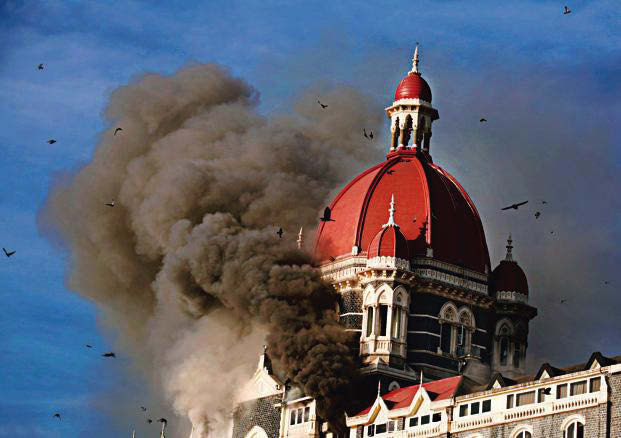
Tag: Terror Attacks – Bomb Blasts – Terrorism

  • ISI, LeT funded terror operations in India: Headley

    ISI, LeT funded terror operations in India: Headley

    MUMBAI (TIP): Making fresh disclosures on the brazen 26/11 attacks, Pakistani-American terrorist David Coleman Headley on February 11 exposed how ISI and LeT majorly funded terror operations in India and financed him from time to time and that Pakistan native Tahawwur Rana visited Mumbai before the terror strikes.

    Resuming his deposition before a court here today via video-link after a day’s break due to a technical glitch at the US end yesterday, the LeT operative also said that RBI has turned down a request to open a bank account for their office in India.

    Giving details of his funding, he said, “Before coming to India in September 2006, he received USD 25,000 from ISI’s Major Iqbal.”

    “I also got 40,000 in Pakistani currency from LeT operative Sajid Mir between April and June 2008,” he told the court, adding that Major Iqbal used to regularly sent him money in instalments.

    Also, Major Iqbal gave me counterfeit Indian currency once or twice in 2008, he said.

    Besides Abdul Rehman Pasha, also from ISI, gave me Rs 80,000, Headley said.

    “Tahawur Rana (Headley’s associate and a Pakistani native who operated a Chicago-based immigration business) used to send me money from the US in September 2006 when I came to India to do intelligence work on instructions of LeT,” he told the court.

    The 55-year-old, who recently turned approver in the case, also said that “it was my idea to open an office in India. It was a part of my cover (as an immigration consultant). I had discussed about this with Major Iqbal and Sajid Mir and they both agreed to it.”

    “I also told Rana that Major Iqbal had asked me to do intelligence work in India. Iqbal told me that if Rana was reluctant to be associated with this (Headley’s India operations) then he (Headley) should appeal to his
    (Rana’s) sense of patriotism towards Pakistan,” he testified.

    “But Rana was not reluctant and he agreed readily for me to go to India,” Headley said.

    Headley also revealed that Rana had visited Mumbai before the terror attacks.

    “I advised Rana to leave India before the attacks as I was afraid that he would be in danger,” he told the court.

    Headley also disclosed that Rana had asked Raymond Sanders (who ran an immigrant law centre in Chicago) to submit an application to the RBI to open a bank account for their office in India.

    However, RBI turned down the request, he said.

    Later, in January 2009, Major Iqbal told Headley to close down his office in India, the court was told.

    Earlier on Tuesday, Headley had told the court that terror outfits like LeT, Jaish-e-Mohammad and Hizbul Mujahideen were given moral, financial and military support by the Pakistani intelligence agency besides making fresh revelations including about an aborted plan to target Indian defence scientists and famous Siddhivinayak temple here.

    He said he was working for ISI besides LeT (Lashkar-e-Taiba) and that he knew about ISI official Brigadier Riyaz being the handler of LeT’s top commander Zaki-ur-Rehman Lakhvi, who was the mastermind of the November 26, 2008 attacks in Mumbai.

    He named three officials of the Pakistan army and ISI –Colonel Shah, Lt Colonel Hamza and Major Samir Ali- besides retired army officer Abdul Rehman Pasha who was closely working with LeT and Al-Qaeda.

    Headley said his assessment was that ISI and LeT were coordinating with each other.

    “ISI provides financial, military and moral support to terror outfits Jaish-e-Mohammed, LeT and Hizbul Mujaideen,” he said, even though he claimed that his opinion was formed on the basis of hearsay.

    Headley, who had visited Mumbai seven times to scout for targets, revealed that plans to harm the metropolis had started over a year before the attacks in 2008 and that LeT initially wanted to attack a conference of Indian defence scientists at Taj Mahal Hotel for which even a dummy of the hotel was prepared.

    But the plan to target scientists was dropped because of logistical reasons, like difficulty in smuggling in weapons and personnel and lack of details about the schedule of the meet, he said.

    The LeT operative had said he had also conducted a recce of the famous Siddhivinayak Temple and Naval air station.

    He said the LeT group as a whole is responsible for the terror attacks in India and it can be speculated that all orders come from Lakhvi since he is its “top commander”.

    He had also told the court that he was a “true follower” of LeT, and said that ISI official Brigadier Riyaz was the handler of Zaki-ur-Rehman Lakhvi. When shown a photograph of Lakhvi, the LeT operative had identified him.

    The LeT operative said he had been asked by Pakistan’s ISI to recruit Indian armymen to spy for them.

    About plan to target Siddivinayak Temple, Headley said, “Sajid Mir
    (Headley’s handler in LeT) specifically asked me to make a “video” of it.

    Prior to November 2007, he said, the targets in Mumbai had not been decided.

    Source: PTI

  • Headley Confirms Ishrat Jahan Was Let Operative

    Headley Confirms Ishrat Jahan Was Let Operative

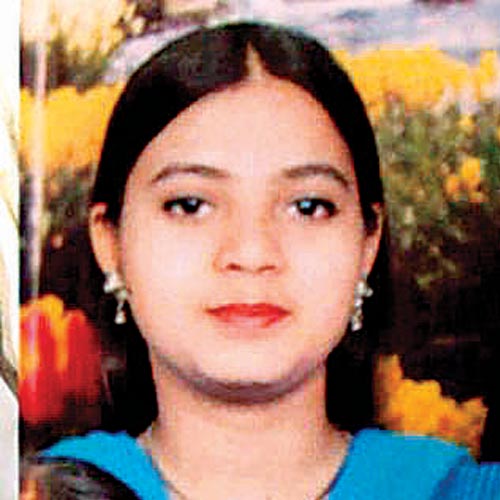
    MUMBAI – Pakistani-American terrorist-turned-informant David Coleman Headley Feb. 11 said Thane collegian Ishrat Jahan, shot dead in an alleged shootout with police in 2004, was a Lashkar-e-Taiba member and hinted that she could have been a potential suicide bomber.

    “Jahan was an LeT member,” Headley said in his sensational disclosure while deposing before Special Terrorist and Disruptive Activities Court Judge A. Sanap, via video-conferencing from a US jail.

    Headley said the 2008 Mumbai attack mastermind Zakiur Rehman Lakhvi told him about “a botched up operation in India” of shooting at the police at a check-post in Gujarat.

    A LeT woman operative was involved, said Headley identifying her as Thane college student Ishrat Jahan, out of the three names: Noorjehan Begum, Ishrat Jahan and Mumtaz Begum, given by Special Public Prosecutor Ujjwal Nikam.

    Muzammil Bhatt was the head of their group before Sajid Mir took over, Headley said, replying to questions by Nikam.

    The revelation came when Nikam asked whether there was a women’s wing of the LeT to which Headley replied in the positive and said its female head (whose name he did not know) was the mother of an LeT operative Abu Aiman.

    Reacting to the deposition, former Gujarat Deputy Inspector General of Police D.G. Vanzara told media persons that Headley’s testimony on Ishrat is “very important” and proved his contention it was “a genuine encounter.”

    “She was from the LeT and the Gujarat Police knew it in 2004. She was a LeT suicide bomber; it has been told in the open court,” said the 62-year-old IPS officer who is facing allegations of ‘extra-judicial’ killings in the case.

    On June 15, 2004, Ishrat Jahan and three persons accompanying her – Javed Sheikh alias Pranesh Pillai, Zeeshan Johar and Amjad Ali Rana – were shot dead on a road near Kotarpur on Ahmedabad’s outskirts.

    The police team was led by Vanzara, who was later jailed for his alleged involvement in the Sohrabuddin Sheikh case.

    The police then claimed that Jahan and her associates were LeT operatives plotting to assassinate the then Gujarat chief minister Narendra Modi.

    Subsequently, investigations revealed in 2009 that the Jahan shootout case was staged.

  • David Headley Deposes To Indian Court Two LeT Attempts To Attack Mumbai Before 26/11 Failed

    David Headley Deposes To Indian Court

    Two LeT Attempts To Attack Mumbai Before 26/11 Failed

    In the first deposition on a terror act from foreign soil, Pakistani-American LeT operative David Headley on Monday told a court via video-link that Pakistani terrorists attempted to attack Mumbai twice before the 26/11 strikes that killed 166 people but failed both times.

    In his deposition which began at 7 AM, Headley said that he was a “true follower of LeT” and came to India eight times–seven before the terror attack on November 26, 2008 and once after that.

    Headley, who was made an approver in the 26/11 case, said that his main contact in LeT was Sajid Mir, also an accused in the case.

    He told the court that LeT made two unsuccessful attempts to carry out terror attacks before finally striking in November 2008, once in September and another in October.

    Headley said that he joined LeT after being “influenced” by its head Hafeez Saeed and took his first “course” with them in 2002 at Muzaffarabad.

    Headley, who is currently serving 35 years prison sentence in the US for his role in the terror attacks, also said he changed his name from Dawood Gilani to David Headley in 2006 so that he could enter India and set up some business.

    “I applied for change in name on February 5, 2006 in Philadelphia. I changed my name to David Headley to get a new passport under that name. I wanted a new passport so that I
    could enter India with an American identity.

    “After I got a new passport I disclosed it to my colleagues in LeT of which one of them was Sajid Mir, the person with whom I was dealing with. The objective for coming to India was to set up an office/business so that I can live in India. Before the first visit, Sajid Mir gave me
    instructions to make a general video of Mumbai,” Headley told the court here.

    Headley also said that in his Indian visa application he had furnished all “wrong” information “to protect his cover”.

    He reportedly visited India many times between 2006 and 2008, drew maps, took video footage and scouted several targets for the attacks including the Taj Hotel, Oberoi Hotel
    and Nariman House.

    His reconnaissance provided vital information for the 10 LeT terrorists and their handlers, who launched the attack.

    Speaking to reporters, Headley’s lawyer Mahesh Jethmalani said has “he (headley) has confirmed that he joined LeT after being influenced by Hafeez Saeed. He told the court that two unsuccessful attempts to carry out terror attacks were also made before 26/11″. He has not explained the role of LeT in attacks”.

    The court is currently trying key plotter Sayed Zabiuddin Ansari alias Abu Jundal, who is facing trial for his alleged role in the terror attacks, which held the city to ransom for three days.

    The deposition of Headley, assumes significance as it may unravel the conspiracy behind the brazen terror strike, which left 166 people dead.

    The court had on December 10, 2015, made Headley an approver in the case and directed him to depose before the court on February 8.

    He had then told Special Judge GA Sanap that he was “ready to depose” if granted pardon.
    Judge Sanap had then made Headley an approver, subject to certain conditions and granted him pardon.

    Last year, the Mumbai Police had on October 8 moved an application before the court saying that Headley deserves to be tried by this (Mumbai) court together with 26/11 key plotter Abu Jundal in the case as both of them are conspirators and abettors behind the dastardly act.

    In the application, the Mumbai Police said that from the judgement passed by the US court against Headley, it was clear that he was a member of LeT and he had played an active role
    in the criminal conspiracy in the terror attack.

    The application also said that Headley had entered into a plea agreement with US in 2010 and thereby willingly and voluntarily agreed that he had conspired.

    It is evident, the police had said, that Headley has committed the offences of conspiring with LeT for committing illegal acts in India; waging war against the government of India and offences under the Unlawful Activities (Prevention) Act.

    He has also been accused of intentionally aiding and abetting the LeT in Pakistan for committing illegal acts in Mumbai, mischief by fire with intent to destroy Hotel Taj,
    Oberoi and Nariman House, offences under Explosives Act and Explosives Substances Act as also under the Prevention of Damage to Public Property Act.

    “This is for the first time in the Indian legal history that a ‘foreign terrorist’ will appear before an Indian court and testify,” Special Public Prosecutor Ujjwal Nikam had said yesterday.

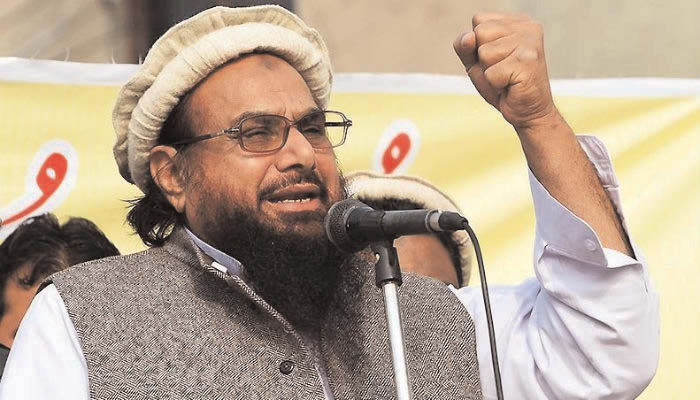
  • HAFIZ SAEED CALLS FOR MORE ATTACKS ON INDIA

    HAFIZ SAEED CALLS FOR MORE ATTACKS ON INDIA

    MUZAFFARABAD (TIP): Jamaat-ud-Dawa (JuD) chief Hafiz Saeed, the mastermind of the 2008 Mumbai attacks, on Wednesday praised last month’s terror attack at Indian Air Force’s base in Pathankot and encouraged similar attacks against India.

    Addressing a rally of around one thousand people in the Pakistan-occupied Kashmir, Saeed said: “800,000 Indian troops are committing genocide on Kashmiris. Don’t they have a right to carry out Pathankot-style attacks for their defence?”

    Saeed also lauded Kashmiri militant leader Sayed Salahuddin, who heads the United Jihad Council (UJC) that has claimed responsibility for the attack.

    “You have only seen one attack on Pathankot. Matters could easily escalate.”

    Crowds at the rally shouted slogans including “The war will continue until the liberation of Kashmir” and “We are ready for jihad”.

    Strategic analyst Ayesha Siddiqa said Saeed’s praise of Salahuddin could be part of a “deflection strategy” to steer blame away from JeM, and by extension Pakistan, where it is based.

    The airbase attack occurred just a week after Prime Minister Narendra Modi paid a surprise visit to Lahore, raising hopes for peace between the two countries.

    Seven security personnel were killed and several others were injured when six militants, suspected to owe allegiance to Pakistan-based Jaish-e-Mohammad, stormed the Pathankot air base in first week of January.

    Further planned talks between the top diplomats of both countries that had been due in mid-January were subsequently postponed.

    (Agencies)

  • JeM Chief dares India: says ‘have prepared an army’

    JeM Chief dares India: says ‘have prepared an army’

    LAHORE (TIP): Even as Pakistan has reportedly asked for more evidence from India in the Pathankot airbase terror attack, terror group Jaish-e-Mohammad (JeM) has openly dared India once again.

    According to an article reportedly published in Al-Qalam magazine, JeM chief Maulana Masood Azhar has said that he has prepared an army.

    Masood has also said that his army won’t let his enemies celebrate and that no one can uproot his army, read a January 26 article in the magazine.

    Terrorists belonging to the JeM are believed by India to be behind the Pathankot terror attack on January 2 in which seven security personnel were killed.

    Pakistan had confirmed arrests of several activists of JeM while claiming to have made “considerable progress” in investigations being carried out against terrorist elements in connection to the Pathankot airbase attack.

    The Pakistani team is also waiting for more proof on the JeM chief, reported Pakistani media.

  • NIA sniffs link between Dinanagar, Pathankot terror attacks

    NIA sniffs link between Dinanagar, Pathankot terror attacks

    NEW DELHI (TIP): The National Investigation Agency (NIA) has found similarities in the Pathankot terror attack and last year’s July 27 Dinanagar attack in which militants had attacked a police st-ation. To probe it further, the agency has asked the Punjab police to provide details of the Dinanagar case.

    Three heavily-armed militants in Army fatigues, believed to have infiltrated from Pakistan, had on July 27 last year sprayed a moving bus with bullets and stormed a police station in Dinanagar, Gurdaspur, killing eight people, including a superintendent of police, before being killed in the counter-offensive. The case is being probed by the Punjab police.

    Punjab’s deputy chief minister Sukhbir Singh Badal had refused to hand over the Dinanagar case to the NIA, which is probing the Pathankot attack.

    Terrorists had attacked the Pathankot Indian Air Force base on the intervening night of January 1 and 2.

    They were killed in a counter-operation by Indian forces that lasted for about three days and also claimed the lives of seven security personnel.

    The federal investigative agency may again seek to take over the Dinanagar probe as well since there has not been much headway in the investigation conducted by the Punjab police.

    Meanwhile, Gurdaspur SP Salwinder Singh is reportedly giving conflicting statements about his abduction after which it has been decided that he will be confronted with his cook Madan Gopal and Somraj, the caretaker of the Panj Peer dargah which Salwinder said he had visited on the day of his kidnapping.

    The sources said that the confrontation was necessitated after conflicting statements were emerging from all the three and added that a final decision on whether to conduct a polygraph (lie detector) test on Salwinder or the others will be done after Friday’s questioning. While Salwinder has been questioned for the last four days, Gopal and Somraj recorded statements for the first time.

  • Return of terror in Indonesia

    Return of terror in Indonesia

    The multiple terror attacks in Jakarta, the Indonesian capital, which left at least seven dead, mark the return of organized Islamist violence to the country after a brief period. The Southeast Asian country witnessed several terror attacks during the last decade, including the 2002 Bali bombing that killed over 200 people. Most of such attacks were carried out by the home-grown terrorist group, Jemaah Islamiyah, which has links with al-Qaeda. An effective military campaign against the JI by the government, along with U.S.-model counter-terror strategies, helped Indonesia break up the extremist network and arrest the tide of terror strikes. But Thursday’s attack, the first major terror assault in the country in six years, has rekindled fears that extremists are regrouping themselves at a time when it is going through a tough economic phase. Indonesia has blamed Islamic State for the attack. The apparent target of the attackers was a downtown mall with outlets of Starbucks and Burger King, as well as a diplomatic quarter in Jakarta. It’s evident that the attackers wanted to inflict maximum damage, much the same way the Bali tourist hotspot was attacked. But the plan didn’t succeed, according to initial reports, as the gunmen were stopped at the mall and sent back to a police post, where they opened fire.

    Though major attacks were halted after the Malaysian leader of the JI was killed in a shootout in rural Indonesia in 2009, Jakarta has stepped up security measures in recent times in the wake of growing Islamist challenges. If militants radicalized at home and trained in Afghanistan posed security challenges in 2000-09, now radicalized youth get military training in Syria and Iraq. Up to 700 Indonesians are estimated to have traveled to Syria and Iraq to join Islamic State. The government has expressed concern that their return would reinforce the broken extremist networks, bringing back another phase of organized violence. There was a massive crackdown on suspected Islamists on New Year’s eve. For the Islamists, Indonesia has always been a high-stakes game. Though their influence among Indonesian society is negligible and their networks were broken up by the state, the latest attacks show they still possess the capability to hit life. It is bad news for the government of President Joko Widodo, which faces the challenge of rejuvenating an economy hit by a slowdown and falling commodity prices. Mr. Widodo, who came to power in 2014, has been trying to portray Indonesia as a peaceful, stable place to attract investments to fund growth. Terror attacks would certainly make his job harder. A bigger challenge is to prevent the return of attacks along the model of the last decade. To stop Islamists making inroads into the world’s largest Muslim society, the government has to take on both the extremist organizations and the extremists’ ideas. President Widodo should not let Islamists have their way.

  • Terrorism Returns to Indonesia: 7 Dead

    Terrorism Returns to Indonesia: 7 Dead

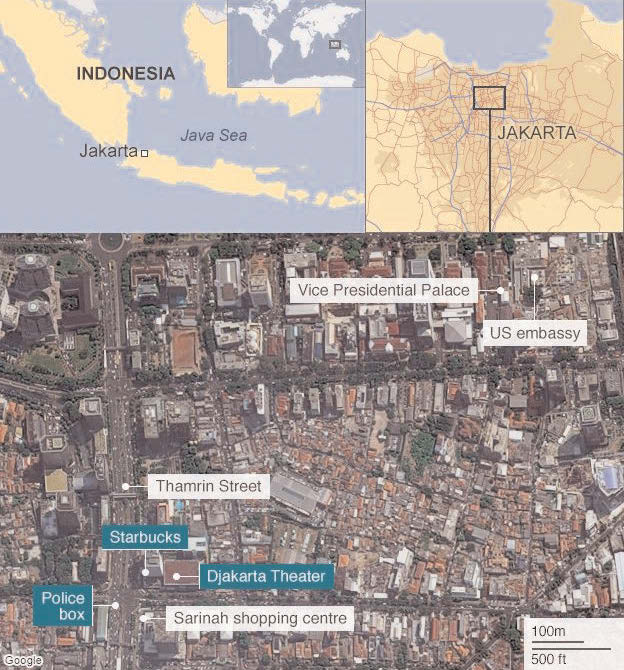
    JAKARTA (TIP): The Jakarta attacks began, January 14, at about 10:40 local time (03:40 GMT) with a series of bomb blasts at an intersection near the Sarinah shopping mall and a Starbucks coffee shop.

    Reports say that there were at least six explosions in fairly quick succession.

    The first blast took place outside the Starbucks cafe, which had its windows blown out.

    As people inside ran out, two gunmen waiting outside opened fire.

    At least two militants also attacked the police box in the centre of the intersection in a suicide bomb attack.

    Armed police quickly sealed off the area and moved in on the attackers, initially using cars and later armoured vehicles as cover.

    Gunmen in the area continued firing at bystanders and police, with sporadic gunfire reported for several hours afterwards.

    During a shootout, militants took cover in the Djakarta Theatre cinema, in the same building as Starbucks. Police said three attackers were killed in front of the cinema.

    Reports said gunfire and explosions were also heard elsewhere in Jakarta, but it is not clear where those took place.

    There have been conflicting reports – police initially warned there could be as many as 14 attackers.

    However, they later said that the situation was “under control” after five militants were killed, including a foreigner.

    Police said two attackers had died in a suicide bomb attack outside the police box, while three attackers were killed in a shootout with police at the Djakarta Theatre cinema.

    However, in its statement, IS put the number of militants at four.

    ‘We are not afraid’

    People in Jakarta have responded defiantly to the attacks in their city by posting the Indonesian phrase for “We are not afraid” on Twitter.

    The hashtag #KamiTidakTakut has emerged in the aftermath of Thursday’s attacks.

    A common meme, of a peace sign with a Jakarta landmark in its centre, was adapted from an image used on social media after the Paris attacks.

    Where the Eiffel Tower stood in the Paris version, this shows Indonesia’s National Monument.

    It stands in the centre of Jakarta as a symbol of the country’s struggle for independence. It is a famous landmark and popular meeting point in the city.

    Some Twitter users wrote alongside it: “Fear is not in our dictionary.”

    Another popular hashtagwas #JakartaBerani, which can be translated as “Jakarta is Brave”.

    The Islamic State’s influence & role in Indonesia 

    Indonesia has been expecting an attack from jihadist groups for months now.

    Just before Christmas, police arrested nine people over planned terror attacks and seized bomb-making equipment in raids across Java.

    The so-called Islamic State (IS) said it had carried out the attacks, in an online statement that could not be independently verified.

    Indonesian police said they believed Bahru Naim, an Indonesian currently thought to be in Syria had masterminded the attack and been “planning this for a while” and that they had received funding from Syria for the attacks.

    Police chief Tito Karnavian told local media Bahrun Naim wanted to be IS’s leader in the region.

    “All leaders (of IS) in Southeast Asia are competing to be the chief. That’s why Bahrun Naim plotted this attack,” he said. He also added that he believed the attacks in the city were part of a continuing rivalry between Filipino jihadist groups and Bahrun Naim over who would lead any potential IS group in the region.

    Following the Paris terror attacks in November, he published a post on his personal blog – now unavailable – praising them and noted a number of “lessons” he said could be learned, including the way the terror cells in Europe were united and how orderly their operations were.

    Meanwhile, national police spokesman Maj Gen Anton Charilyan said the militants had imitated the recent Paris attacks. However, security experts say the gunmen appeared to be inexperienced, with little training.

    The fact that the Jakarta attacks were claimed by IS but also preceded by a message from al-Qaeda specifically targeting Indonesians is some indication of the continuing interest the two groups have in the country.

  • NEWSMAKERS IN INDIA

    NEWSMAKERS IN INDIA

    The year 2015 was full of events, controversies and change. The year 2015 witnessed many ups and downs in India’s politics and victory of Arvind Kejriwal in Delhi and Nitish Kumar’s in Bihar hinted for another political change. Prime Minister Narendra Modi grabbed the headline throughout the year while actor Salman Khan drew media attention because of his conviction and acquittal in the 2002 hit-and-run case. Actor Aamir Khan was in centre of storm for his ‘intolerance’ remarks. Patel agitation led by Hardik Patel, mysterious case of Indrani Mukerjea, execution of Yakoob Memon, arrest of Chhota Rajan and shocking revelations about Radhe Maa- all this and more grabbed the headlines in 2015. As we come to part ways with 2015, we list the Top 15 Newsmakers of the year.

    Arvind Kejriwal1 – Arvind KejriwalAam Aadmi Party (AAP) led by Arvind Kejriwal wrested power in Delhi Assembly Elections 2015 with historic mandate. AAP registered victory on 67 seats of the total 70 seats of Delhi Assembly and Kejriwal became chief minister on 14 February. Since then, Kejriwal and his MLAs were in news for good and bad reasons. Kejriwal continued to hit headlines locking horns against Narendra Modi government at Centre and Delhi lieutenant governor Najeeb Jung.

    Narendra Modi2 – Narendra Modi

    Prime Minister Narendra Modi was given more coverage than anyone else. Modi was applauded for strengthening India’s relationship with other countries and initiatives like Make in India and Swach Bharat Abhiyaan. He was also criticized for maintaining deafening silence on much talked about issues like Vyapam scam and intolerance. Modi established that whether you like him or hate him but you can’t ignore him.

    Salman Khan3 – Salman Khan

    Actor Salman Khan has been in the news for months for his involvement in the 2002 hit-and-run case. A sessions court had on May 6 convicted the 50-year-old actor on the charge of culpable homicide not amounting to murder under IPC and other offences. An aggrieved Salman filed an appeal in the High Court which granted him bail before hearing arguments in the case. Later Salman Khan was acquitted of all charges by Bombay High Court on December 10.

    Radhe Maa

    The self-styled godwoman Radhe Maa made headlines after she was booked under the Dowry Prohibition Act for instigating husband and in-laws of a woman to demand dowry from her. 4 – Radhe Maa The 32-year-old victim alleged that Radhe Maa demanded Rs 7 lakh cash, golden jewelleries ornaments and other perks. Besides that, obscene pictures of Radhe Maa went viral on social media and created lot of buzz. The incident once again exposed the real face of godman and godwoman who exploit people in the name of religion.

    Yakub Memon5 – Yakub Memon

    Over 22 years after the 1993 Mumbai blasts, Yakub Memon, the sole convict on death row, was hanged on his 53rd birthday (July 30) after failure of last-gasp efforts by his counsels to stall the execution that led the Supreme Court to hear his plea in the wee hours before throwing it out. Memon, whom the Supreme Court had described as the “driving spirit” behind the worst terror assault till date that left 257 dead and 713 wounded, was hanged at the Nagpur Central Jail shortly before 7 am, just about two hours after his last-ditch attempt to gain reprieve came to naught.

    Rahul Gandhi6 – Rahul Gandhi

    This year, Congress vice president Rahul Gandhi initially grabbed space in newspapers and channels when he went on unexplained leave. But after his brief sabbatical, Rahul Gandhi emerged as stronger leader of his party and became more active in politics. He intensified his attack at Narendra Modi government and delivered some fiery speeches in the Parliament.


    Lalit Modi7- Lalit Modi

    The entire monsoon session of the Parliament was washed out over the visa controversy around scam-tainted former IPL boss Lalit Modi after it was reported that External Affairs Minister Sushma Swaraj helped him in his travel documents. Congress led Opposition attacked government for helping a fugitive paralyzing the Parliament.

    Hardik Patel8- Hardik Patel

    The 22-year-old Hardil Patel became most popular face of Patel agitation overnight. Hardik has brought the Gujarat state to a standstill with a massive protest, that also turned violent. He has been demanding reservation for Patels in education and jobs and a major newsmaker this year.

    Indrani Mukrjea9- Indrani Mukrjea

    Indrani Mukrjea, wife of media tycoon Peter Mukerjea, dominated headlines for months after she was arrested in the mysterious murder case of his daughter Sheena Bora. Sheena (24), Indrani’s daughter from an earlier relationship, was allegedly strangled in a car and then her body burnt and dumped in a forest in Raigad, about 84 kms from Mumbai. Indrani (43), her former husband Sanjeev Khanna and her ex-driver Shyamvar Rai have been chargesheeted in the murder case. Apart from the case, the complicated relationships and her family tree confused the people and investigators more.

    Mohan Bhagwat10-Mohan Bhagwat

    RSS chief Bhagwat’s comment on reservation triggered controversy as well as damaged BJP’s chances in Bihar Assembly Elections. In an interview with the Hindu right-wing group’s mouthpiece, Oraganiser and Panchjanya, RSS chief said that the policy of reservation should be reviewed. Bhagwat’s statement infused the fear among backwards class people in Bihar that BJP might scarped reservation given to them if it wins election.

    Nitish Kumar11- Nitish Kumar

    Janata Dal (United) leader emerged as a strong opposition for ruling Bharatiya Janata Party and Narendra Modi after his party along with Lalu Prasad Yadav’s RJD and Congress registered massive victory in the much-talked about Bihar Assmbly Elections.

    Sania Mirza12- Sania Mirza

    Indian tennis ace Sania Mirza played exceptionally this year and won ten titles. Sania registered victories alongside her doubles partners in the Wimbledon, US Open and Indian Wells and made India proud.


    Shah Rukh Khan13- Shah Rukh Khan

    Actor Shah Rukh Khan found himself at receiving end after he said that there was “extreme intolerance” in the country. “There is intolerance, there is extreme intolerance…there is I think… there is growing intolerance,” Khan had told India Today TV. SRK’s comment led to protest with right-wing activists boycotting his ‘Dilwale’ and the Box Office collections of the movie suffered due to the controversy.

    Chhota Rajan14- Chhota Rajan

    After being on the run for 27 years, Chhota Rajan, whose real name is Rajendra Sadashiv Nikalje was arrested by Indonesian Police in Bali on October 25. The 55-year-old gangster, once a close aide of fugitive terrorist and underworld don Dawood Ibrahim, was brought to the country to face trial in over 70 cases of murder, extortion and drug smuggling in Delhi and Mumbai.

    Aamir Khan15- Aamir Khan

    Bollywood superstar Aamir Khan sparked controversy when he joined the chorus of intelligentsia against growing intolerance, saying he has been “alarmed” by a number of incidences and his wife Kiran Rao even suggested that they should probably leave the country. The controversy over Aamir Khan’s ‘intolerance’ remarks refused to die down for several days with people lambasting and backing the actor for his statement.


    [vc_row][vc_column][vc_posts_slider type=”flexslider_slide” count=”6″ interval=”3″ slides_content=”teaser” slides_title=”1″ thumb_size=”250×100″ orderby=”date” title=”Featured” posttypes=”post” categories=”featured”][/vc_column][/vc_row]
     

  • Pathankot terror attack: NSG LT COL AMONG SEVEN CASUALTIES

    Pathankot terror attack: NSG LT COL AMONG SEVEN CASUALTIES

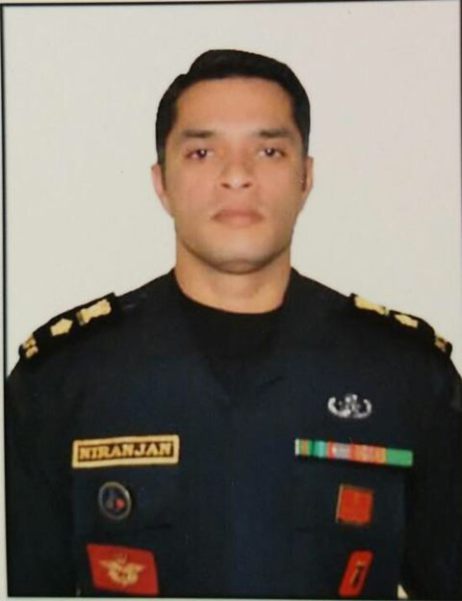
    A Lieutenant Colonel heading the National Security Guards’ (NSG) bomb disposal squad was among the seven fatalities in the terrorist attack on the Pathankot Air Force station. Five NSG commandos were among the 20 who sustained injuries.

    The high number of casualties and injuries despite “specific Intelligence inputs” is being viewed in security circles with concern. Particularly a senior officer of an elite counter-terrorist force losing his life during sanitisation operations. A commando from the IAF’s Garud special force, Gursevek Singh, was also killed.

    Lt Col Niranjan E Kumar
    Lt Col Niranjan E Kumar

    Lt Col Niranjan E Kumar was commissioned into 10 Engineer Regiment in 2004 and moved to the NSG on deputation in May 2014. He leaves behind his wife and an 18-month-old daughter.

    The last rites are scheduled to be performed at his hometown, Palakkad in Kerala, tomorrow.

    The mortal remains would be airlifted to Bengaluru and thereafter ferried by road.

    A tweet by the Home Minister, Rajnath Singh, stated that the officer was killed in “mopping-up operations”.

    Reports suggested that the NSG casualties occurred due to an explosion from either an IED that the terrorists were carrying or a booby-trapped body that was moved by them.

    One of the NSG jawans, Bhoop Singh, who sustained serious head injuries, has been airlifted to Chandigarh.

    Hailing from Ambala, IAF commando Gursevak had been hit during the initial gunfire. He carried on fighting and later succumbed to his injuries. He got married a month ago.

    Most of the other fatalities were from the Defence Security Corps (DSC), a branch comprising retired armed forces personnel who are reemployed for undertaking guard duties at military establishments. They included 51-year-old national shooting champion Subedar Fateh Singh and Hav Kulwant Singh, both of whom were from Gurdaspur, and jawans Jagdish Singh and Sanjiv Kumar.

    One of the DSC jawans had chased a terrorist and killed him with the terrorist’s own weapon before falling to fire from the other intruders.


    Pathankot Operation Continues: Government denies security lapse

    NEW DELHI — A shootout between Indian security forces and armed gunmen stretched into its second day on Sunday, January 3, at the Pathankot air force base in Punjab, near India’s border with Pakistan. At least seven Indian personnel and at least four terrorists have been killed in the fighting so far, as per statements released by officials in media.

    Operations to clear the Pathankot air base continue as at least two gunmen were still holding out against the security forces on Sunday, Jan 3, said Rajiv Mehrishi, home secretary, in a televised news conference in New Delhi, while admitting that they came to know about the two more terrorist only on Sunday morning when the duo started firing during the cleaning exercise.

    “We are sure that still there are at least two more terrorists as firing has come from two different places,” Mr. Mehrishi said.

    The gunmen have also wounded eight air force personnel and 12 members of the National Security Guard, he said.

  • Pathankot Operation Continues: Government denies security lapse

    Pathankot Operation Continues: Government denies security lapse

    NEW DELHI — A shootout between Indian security forces and armed gunmen stretched into its second day on Sunday, January 3, at the Pathankot air force base in Punjab, near India’s border with Pakistan. At least seven Indian personnel and at least four terrorists have been killed in the fighting so far, as per statements released by officials in media.

    Operations to clear the Pathankot air base continue as at least two gunmen were still holding out against the security forces on Sunday, Jan 3, said Rajiv Mehrishi, home secretary, in a televised news conference in New Delhi, while admitting that they came to know about the two more terrorist only on Sunday morning when the duo started firing during the cleaning exercise.

    “We are sure that still there are at least two more terrorists as firing has come from two different places,” Mr. Mehrishi said.

    The gunmen have also wounded eight air force personnel and 12 members of the National Security Guard, he said.

  • PAK CONDEMNS PATHANKOT ATTACK

    PAK CONDEMNS PATHANKOT ATTACK

    January 2: Pakistan condemned the terror strike at an Air Force base in Pathankot by heavily-armed Pakistani terrorists and asserted that building on the goodwill created during the recent high level contacts, it remained committed to partner India in tackling terrorism.

    Read More : Pathankot Terror Attack: All 5 Terrorists Neutralized | Jaish-E-Mohammed Blamed

    “Pakistan condemns the terrorist incident in Pathankot, India, today, in which many precious lives have been lost. We extend heartfelt condolences to the government and people of India and the bereaved families and wish the wounded speedy and full recovery,” a Pakistan Foreign Office statement said.

    The attack by terrorists, suspected to belong to Jaish-e-Mohammed outfit, took place at around 3.30 AM and three security personnel, including a Garud commando of the IAF, were killed in it. Four terrorists were also killed by the security forces.

    “Building on the goodwill created during the recent high level contacts between the two countries, Pakistan remains committed to partner with India as well as other countries in the region to completely eradicate the menace of terrorism afflicting our region,” the Foreign Office statement said.

    The attack came just a week after Prime Minister Narendra Modi made an unscheduled visit to Pakistan and met Prime Minister Nawaz Sharif with an aim of improving ties and also ahead of the talks between the foreign secretaries of the two countries here on January 15.

    Pathankot terror attack: Calls between terrorists and handlers accessed

    Details of the calls made between the terrorists and their handlers in Pakistan have been reported by TIMES NOW.

    Four calls took place between the attackers and the handlers between 12-30 AM and 2-30 AM on the intervening night of January 1 and January 2.

    The conversations were made in Punjabi and Multani language where the handlers briefed locations to the attackers.

    Heavily-armed Pakistani terrorists today attempted to storm the Air Force base in Pathankot, triggering a day-long gunbattle in which three securitymen and all the five infiltrators were killed, days after Prime Minister Narendra Modi’s surprise stopover in Lahore.

    Read More : Pathankot Terror Attack: All 5 Terrorists Neutralized | Jaish-E-Mohammed Blamed

  • Pathankot terror attack: Calls between terrorists and handlers accessed

    Pathankot terror attack: Calls between terrorists and handlers accessed

    Details of the calls made between the terrorists and their handlers in Pakistan have been reported by TIMES NOW.

    Four calls took place between the attackers and the handlers between 12-30 AM and 2-30 AM on the intervening night of January 1 and January 2.

    The conversations were made in Punjabi and Multani language where the handlers briefed locations to the attackers.

    Heavily-armed Pakistani terrorists today attempted to storm the Air Force base in Pathankot, triggering a day-long gunbattle in which three securitymen and all the five infiltrators were killed, days after Prime Minister Narendra Modi’s surprise stopover in Lahore.

    Read More : Pathankot Terror Attack: All 5 Terrorists Neutralized | Jaish-E-Mohammed Blamed

    Pak condemns Pathankot attack

    January 2: Pakistan condemned the terror strike at an Air Force base in Pathankot by heavily-armed Pakistani terrorists and asserted that building on the goodwill created during the recent high level contacts, it remained committed to partner India in tackling terrorism.

    “Pakistan condemns the terrorist incident in Pathankot, India, today, in which many precious lives have been lost. We extend heartfelt condolences to the government and people of India and the bereaved families and wish the wounded speedy and full recovery,” a Pakistan Foreign Office statement said.

    The attack by terrorists, suspected to belong to Jaish-e-Mohammed outfit, took place at around 3.30 AM and three security personnel, including a Garud commando of the IAF, were killed in it. Four terrorists were also killed by the security forces.

    “Building on the goodwill created during the recent high level contacts between the two countries, Pakistan remains committed to partner with India as well as other countries in the region to completely eradicate the menace of terrorism afflicting our region,” the Foreign Office statement said.

    The attack came just a week after Prime Minister Narendra Modi made an unscheduled visit to Pakistan and met Prime Minister Nawaz Sharif with an aim of improving ties and also ahead of the talks between the foreign secretaries of the two countries here on January 15.

  • Pathankot terror attack: All 5 terrorists neutralized | Jaish-e-Mohammed Blamed

    Pathankot terror attack: All 5 terrorists neutralized | Jaish-e-Mohammed Blamed

    Sunday January 3 (TIP): Five attackers and three members of the security forces were killed in an attack on an Indian air force base near the Pakistani border, officials confirmed.

    Security personnel secured Pathankot base on Saturday, January 2 evening, after a battle lasting more than 14 hours. The fierce gunbattle claimed the lives of three securitymen, while five infiltrators were killed, the attack came days after the Indian and Pakistani leaders, Narendra Modi and Nawaz Sharif, met in Lahore to launch a surprise peace initiative.

    The heavily-armed gunmen had entered the base dressed in Indian army uniforms.

    “I congratulate our armed forces and other security forces on successfully neutralising all the five terrorists in ‘Pathankot Operation,” tweeted Home Minister Rajnath Singh after the operation ended.

    Singh also offered condolences to the security men killed in the attack.

    “We have also lost security personnel in Pathankot attack. My heartfelt condolences to their families.We can never forget their sacrifice,” he further tweeted.

    “The nation is proud of its brave security forces who have always rose to the occasion. I salute our forces on successful operation in P’kot”, he tweeted.

    Prime Minister Narendra Modi also hailed the bravery of the security personnel on successfully neutralising all the five terrorists.

    “Enemies of humanity who can’t see India progress, such elements attacked in Pathankot but our security forces did not let them succeed,” Modi said.

    “Why it that there have been two attacks within five months in Punjab, a state that had not seen any terrorism activities over 20 years?” questioned Congress leader Randeep Surjewala.

    No group has said it carried out the attack, which is being seen as an attempt to undermine those efforts.

    Pakistan condemned the attack and called it a “terrorist incident”, adding that it remained committed to peace efforts with India.

    Here are the key updates

    • Prime Minister Narendra Modi today hailed the bravery of the security personnel.”Enemies of humanity who can’t see India progress, such elements attacked in Pathankot but our security forces did not let them succeed,” he tweeted.
    • Home Minister Rajnath Singh congratulated the security forces for the successful Pathankot operation. “I congratulate our armed forces and other security forces on successfully neutralising all the five terrorists in ‘Pathankot Operation’,” he tweeted.
    • The attack is suspected to have been carried out by the terror outfit Jaish-e-Mohammed
    • Security forces neutralised five terrorists following an attack on the Indian Air Force Station in north Punjab today.
    • Three Indian Force personnel were also killed in the encounter.
    • An hour after the gunbattle to weed out the remaining terrorists ended, gunshots were again heard. Security forces said it is likely a fifth terrorist is still inside the premises of the air force base.
    • Heavy firing could be heard from the IAF station area till 7.30 am.
    • The attack began with gunfire around 3.30am on Saturday.
    • Security forces were already on high alert over the past 24 hours after an incident in a nearby area where a senior police officer was abducted in his car late Thursday and later released.

    Some Indian security officials suggested the Islamist militant group Jaish-e-Mohammed was to blame.

    India says the group is backed by Pakistan, but Islamabad denies this.

    In July 2015 seven people were killed in a similar attack when gunmen stormed a police station in nearby Gurdaspur district.


  • Terror attack Hits Pathankot Air Force station in Punjab; 2 terrorists killed – Live Updates

    Terror attack Hits Pathankot Air Force station in Punjab; 2 terrorists killed – Live Updates

    Two terrorists have been killed, reports suggest 4-5 terrorists stormed base in Indian army fatigues. Fierce gun battle underway between security forces and terrorists.

    This story has been updated : Pathankot Terror Attack: All 5 Terrorists Neutralized | Jaish-E-Mohammed Blamed

    Two terrorists had been killed in the operation, whereas two or three others were still holed up in the area.

    Sources said that one air force personnel has also died during the gunbattle, while five others have been injured.

    According to ANI, four-five gunmen stormed base in Indian army fatigues. the firing is supposed to have taken place in technical area, and not near the hangers, according to sources.

    A fierce gunbattle is underway between the security forces and the attackers.

    As per latest reports, the terrorists have been contained to non-operational areas.

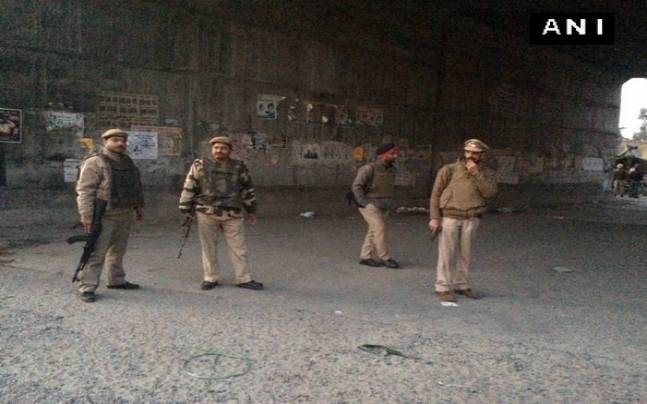
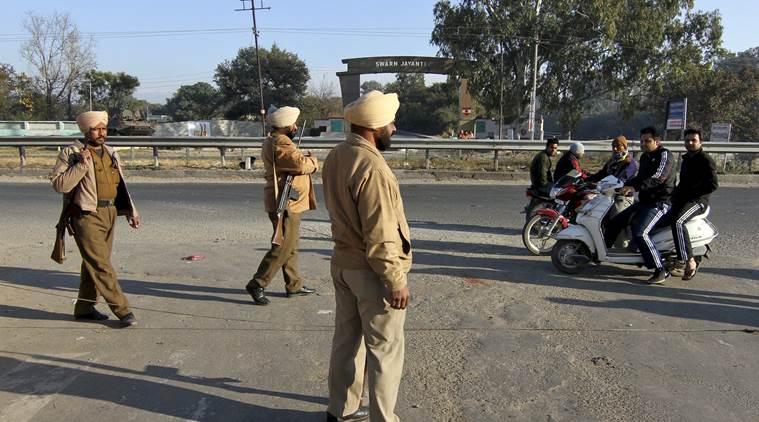
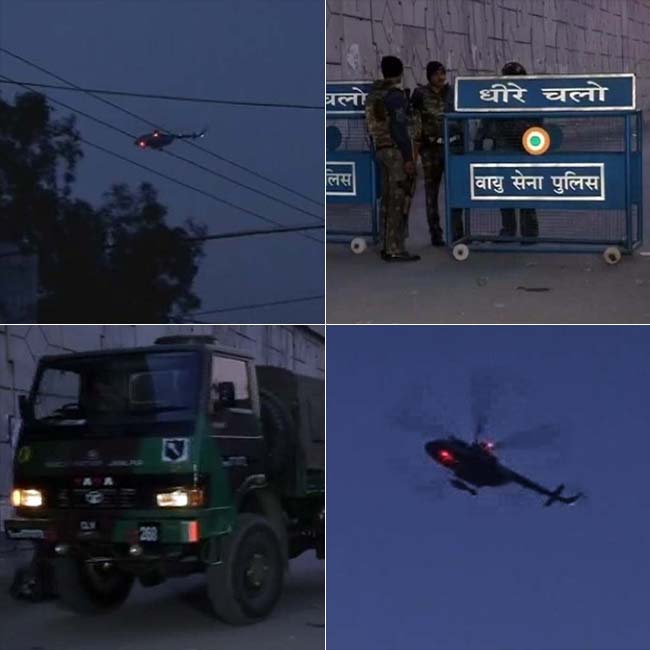
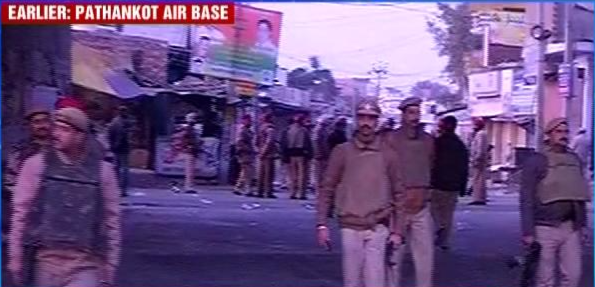
    At least two terrorists have been killed in a gun battle with the armed forces at the Pathankot Air Force Station on the Jammu-Pathankot highway. The BSF and Punjab Police have thrown a cordon around the air base and four military choppers are hovering over it.

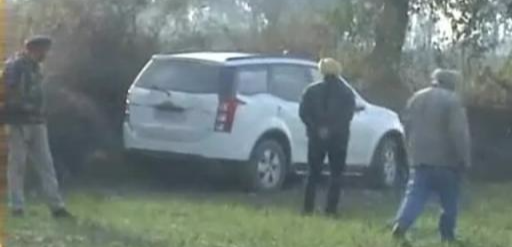
    According to initial reports, the incident is being linked to the missing car of a Punjab SP on Friday morning.

    Meanwhile, authorities said the helicopters and other equipment in the Air base was safe. The entire area has been cordoned off, police said. The attackers had also made calls to Pakistan, police said.

    The attack comes days after PM Narendra Modi’s unscheduled visit to Pakistan. It is the second big terror attack in Punjab within less than a year as last year three militants stormed a police station in Diana Nagar before being eliminated after 12 hour gun battle.


  • Suicide car bomb attack kills 1 near Kabul airport

    Suicide car bomb attack kills 1 near Kabul airport

    KABUL (TIP): A suicide car bomb attack killed at least one civilian on Monday near the Kabul international airport, Afghan government officials said.

    Another 13 civilians were wounded in the attack, Kabul Police Chief Gen. Abdul Rahman Rahimi told reporters at the blast site. “As a result of the explosion one of our citizens was martyred and 13 others were wounded,” said Rahimi. Early reports had only four civilians wounded.

    The attack occurred near the eastern entrance of the airport, said Afghan Interior Ministry spokesman Sediq Sediqqi. Several nearby shops, houses and vehicles were damaged as a result of the attack according to an AP photographer at the scene of the attack.The Taliban claimed responsibility for the attack, and said the target was a convoy of foreign forces.

    The attack came one week after another suicide attack carried out by the Taliban in which six US soldiers were killed and two others along with an Afghan were wounded near Bagram Airfield, just north of Kabul. The troops were killed when an attacker rammed an explosives-laden motorcycle into their patrol in a village near the airfield.

    Meanwhile, in the southern province of Kandahar, a woman distributing polio vaccinations to children was shot dead by unknown gunmen, said Samim Khpolwak, spokesman for the provincial governor.

  • Blast at a govt office in Pakistan kills 23

    Blast at a govt office in Pakistan kills 23

    ISLAMABAD (TIP): At least 23 people were killed and 60 wounded on Tuesday when a suicide bomber rammed his motorcycle into a government office gate at Mardan in Pakistan’s northwestern Khyber Pakhtunkhwa province.

    Police officer Saeed Wazir said the bomber blew himself up after he was stopped at the National Database and Registration Authority (Nadra) office gate. “The bomber was on a motorbike and he drove it into the gate after being denied entry ,” he said. Officials feared the death toll could rise as many wounded were critical.

    The attack was the deadli est in Pakistan since December 2014 when Taliban terrorists slaughtered 142 people, mostly kids, in an attack on an army-run school in Peshawar. The Peshawar attack had forced the Pakistan military to intensify its anti-Taliban Zarbe-Azab operation in tribal areas bordering Afgha nistan. The operation has led to a major decline in Taliban terrorism. Jammatul Ahrar, a Pakistani Taliban faction, claimed responsibility for the at tack. “It (Nadra) was targeted because it is an important part of this war (on Taliban),” said the group’s spokesman Ehsanullah Ehsan. (TNN)

  • Suicide car bombs kill 10 in northeast Syria

    Suicide car bombs kill 10 in northeast Syria

    BEIRUT (TIP): At least 10 people were killed and dozens wounded on Dec 11 in a triple suicide car bomb attack in a town in northeastern Syria’s Hasakeh province, a monitor said.

    The Syrian Observatory for Human Rights said three separate suicide car bombings struck different locations in Tal Tamr, which is controlled by Kurdish forces and has been the target of attacks by the Islamic State jihadist group in the past.

    The Britain-based monitor’s chief Rami Abdel Rahman said it was not immediately clear if all the casualties were civilians, noting that one of the blasts took place in front of a local security post.

    Syrian state television also reported the blasts, saying at least nine people had been killed and dozens more injured.

    The Islamic State group overran much of the Khabur region in which Tal Tamr lies in February, and kidnapped at least 220 Assyrian Christians from the area during its offensive.

    But Kurdish fighters from the People’s Protection Units (YPG) subsequently recaptured the region and dozens of the IS-held hostages have been released in recent months.

    Yesterday, some 25 Assyrian hostages, including two children, were freed by IS, according to the Assyrian Human Rights Network. (AFP)

  • Witness turns hostile, tells 26/11 trial that Kasab is alive

    Witness turns hostile, tells 26/11 trial that Kasab is alive

    LAHORE (TIP): Prosecution in Mumbai attack case faced embarrassment when a key witness turned hostile saying that Ajmal Kasab, the lone gunman caught alive after the assault and later hanged, was alive.

    “Mudassir Lakhvi, the headmaster of a primary school in Faridkot, where Ajmal Kasab studied for three years told the court that he taught Kasab and he is alive,” a court official said on Thursday.

    The hearing of the case was held by the Anti-Terrorism Court Islamabad judge at Adiala Jail Rawalpindi on Wednesday, around the same time when Pakistan assured India of “steps being taken to expedite the early conclusion” of the Mumbai attack trial. The headmaster made no reference to Kasab (hanged in India) and did not mention if he (Kasab) was the same person who studied in the school in Faridkot. The witness earlier had also claimed that Kasab could be produced in court if needed. The next hearing in the case would be held on December 16.

  • Alleged architect of Paris attacks killed in raid

    Alleged architect of Paris attacks killed in raid

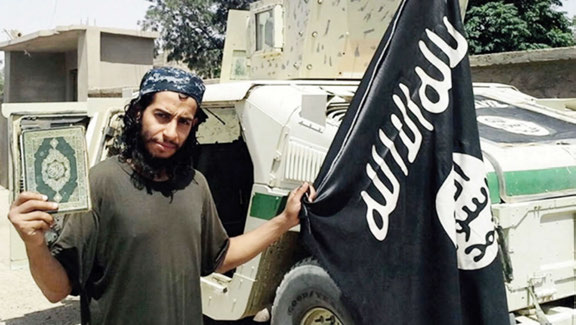
    Abdel-hamid Abaaoud holding the Quran & the ISIS Flag
    Abdel-hamid Abaaoud holding the Quran & the ISIS Flag

    PARIS (TIP): The suspected ringleader of the Paris attacks was killed Wednesday, November 18, in a massive pre-dawn raid by French police commandos, two senior European officials said, after investigators followed leads that the fugitive Islamic State militant was holed up north of the French capital and could be plotting another wave of violence.

    More than 100 police officers and soldiers stormed an apartment building in Saint-Denis, a bustling suburb home to many immigrants, during a seven-hour siege that left at least two people dead, officials said.

    The dead – included the key suspect behind the Paris bloodshed, Abdel-hamid Abaaoud, according to the two senior European officials. A woman Hasna Aitboulahcen, 26, also died in the raid and was believed to be Abaaoud’s cousin. She detonated a suicide vest after a brief conversation with police officers.

    French police are still looking for another alleged attacker, the 26-year-old French national Salah Abdeslam, who is on the run.

    Abaaoud, a 27-year-old Belgian extremist of Moroccan origin, allegedly orchestrated the attacks claimed by Islamic State of Iraq and the Levant.

    Bernard Cazeneuve, the French interior minister, said that Abaaoud had been involved in at least four previous foiled attacks, including an incident in August when  a gunman tried to kill passengers on a high-speed train between Amsterdam and Paris.

    “[The cases] would have all involved attacks perpetrated by European jihadists sent to France … Europe must coordinate itself and defend itself against this threat,” he said on Thursday, November 19, calling for a more effective arms strategy in the continent. “The fight against terrorism is crucial.”

    Paris terror attacks: A timeline

    November 13, 9:20pm Stade de France

    The first of the three explosions is heard in the stadium where Hollande and 80,000 fans are watching France play Germany in a friendly football match.

    November 13, 9:20pm Stade de France
    Stade de France before the blast are heard
    November 13, 9.25 Le Carillon & Le Petit Cambodge

    Located in one of the liveliest areas around the Canal Saint-Martin district, the bar and restaurant are packed. A car stops at the crossroads. Two men holding Kalashnikovs get out; one sprays bullets at Le Carillon, the other fires directly at Le Petit Cambodge, killing 15 people.

    Candles next to a flower in a broken window of Le Carillon restaurant in Paris, the site of one of the attacks in the French capital on Friday. (Image courtesy Venance/AFP/Getty)
    Candles next to a flower in a broken window of Le Carillon restaurant in Paris, the site of one of the attacks in the French capital on Friday. (Image courtesy Venance/AFP/Getty)


    November 13, 9.30: Second Stade de France bomb

    Sirens can be heard outside, but the game goes on. An aide informs Hollande of the unfolding attacks. A decision is taken to get the president out of the ground. Two suicide bombers and one man died outside the stadium. A third attacker detonates an explosive vest at a nearby McDonald’s at about 21:53.

    An aide informs French president Franc?ois Hollande about the attacks
    An aide informs French President Hollande about the attacks
    November 13, 9.32 Casa Nostra

    Again, a black Seat pulls up and an armed man dressed in black gets out. After more than 100 rounds five people are dead and eight  seriously injured.

    Bullet holes are seen in the windows of the Casa Nostra pizzeria on rue de la Fontaine-au-Roi, Paris (Photo  courtesy  Ian Langsdon/EPA)
    Bullet holes are seen in the windows of the Casa Nostra pizzeria on rue de la Fontaine-au-Roi, Paris (Photo courtesy Ian Langsdon/EPA)
    November 13, 9.36pm: Belle Équipe

    “The shooting lasted five minutes. They did not give anybody a chance”  – an eyewitness to the attack on the restaurant on rue de Charonne  tells BFM TV. When it was all over 19 people lay dead. Most had been sitting outside at candle-lit tables.

    Flowers and candles in front of the Belle Equipe cafe in Paris ( Photo courtesy Ian Langsdon/EPA)
    Flowers and candles in front of the Belle Equipe cafe in Paris ( Photo courtesy Ian Langsdon/EPA)
    November 13, 9.40pm: suicide bomber

    A man walks into the Comptoir Voltaire cafe  on Boulevard Voltaire and as waitress approaches he detonates an explosive vest. Fifteen people are injured.

    Coats on the ground outside the Comptoir Voltaire cafe after the attack.  ( Photo  courtesy AFP)
    Coats on the ground outside the Comptoir Voltaire cafe after the attack. ( Photo courtesy AFP)
    November 13, 9.45pm: State of emergency

    President Hollande, who has been taken to the Élysée Palace following the second bomb at the Stade de France, prepares to call a state of emergency.

    French Prime Minister Manuel Valls and  President Hollande at an emergency meeting at the Interior Ministry on Friday, November 13th ( Photo  courtesy AFP)
    French Prime Minister Manuel Valls and President Hollande at an emergency meeting at the Interior Ministry on Friday, November 13th ( Photo courtesy AFP)
    November 13, 9.49pm: Bataclan theatre

    Gunmen enter the Bataclan theatre on Boulevard Voltaire, where more than 1,500 people are at an Eagles of Death Metal concert, shooting as they move. The band is still playing as the shots ring out – some think it’s part of the show. The music stops. There is panic and scenes of terror as people try to escape. By the time police storm the building  at 00:20, 89 people are dead.

    Bataclan Theatre
    Bataclan Theatre
    November 13, 11.30pm: Hollande – “It’s a horror”

    In a live television address to the nation, President Hollande declares a state of emergency. The emergency has since been extended for another 3 months.

    Hollande declares state of emergency  (Photo courtesy Getty Images)
    Hollande declares state of emergency (Photo courtesy Getty Images)
    BELGIUM RAIDS

    The search for the attackers spreads to Belgium. A discarded parking ticket in a car near the Bataclan in Paris leads detectives to the Brussels suburb of Molenbeek. A series of raids and arrests are made across the city over several days targeting those believed to have links with Bilal Hadfi, a 20-year old jihadist who blew himself up outside Stade de France in Paris.

    SAINT-DENIS RAID

    GERMANY

    A series of raids and arrests are made on Tuesday, November 17, in Alsdorf, near Aachen, close to the Belgium border.  The Germany vs Netherlands friendly in Hanover is called off after police say authorities have “concrete information” about a bomb threat. However, no explosives were found.

    SAINT-DENIS RAID

    French police and security forces launch a major operation on Wednesday, November 18, where the target – Abdelhamid Abaaoud, said to be the leader of  November 13 attacks, is killed. His death was confirmed  by authorities on Thursday, November 19.

    RAIDS CONTUINUE IN FRANCE & BELGIUM

    Police officers have broken down doors in towns and villages from Paris to Brussels in more than 600 raids and searches since Friday. There have been 414 raids in France alone over the three nights early in the week, Bernard Cazeneuve, the French interior minister, said in a statement on Wednesday. Sixty people were arrested and detained, and 75 weapons were seized. The statement added that 118 people were put under house arrest.

    Prime Minister Manuel Valls of France said  “We don’t know at this point in the investigation if there are groups, individuals, who are directly linked to the attack on Friday evening, in Paris, in St-Denis”. “We don’t know yet, one can imagine. That’s why the threat is still there.”

    On Thursday, November 19,  several police raids were carried out in the Brussels area, many of them targeting friends and relatives of Bilal Hadfi, one of the stadium bombers. At least nine people were detained.

    The Belgian authorities on Thursday arrested nine people — seven of them as part of an investigation into Bilal Hadfi, 20, who detonated his explosive vest outside the Stade de France on Friday. Belgian police searched homes in the Brussels neighborhoods of Laeken, Uccle, Jette and Molenbeek. Molenbeek was the base of Mr. Abdeslam; his brother Ibrahim, who was one of the seven attackers who died; and Mr. Abaaoud.

  • ISIS claims attack on Italian priest in Bangladesh

    DHAKA (TIP): The Islamic State (ISIS) on Thursday claimed it was behind the shooting and injuring an Italian priest in Bangladesh, in the third attack on foreigners in the country by the dreaded group.

    The 57-year-old priest Piero Parolari was shot at from close range by unidentified motorbike-borne assailants while he was cycling down to a Catholic missionary hospital in northern Dinajpur where he also worked as a doctor.

    The priest, who came to Bangladesh 35 years ago, suffered serious injuries in his neck and skull and was the second Italian national to have been targetted by the ISIS in recent weeks.

    “Security detachments of soldiers of the caliphate in Bangladesh carried out some unique operations (including)… Targeting the Italian crusader foreigner Piero Parolari,” the jihadist monitoring organization SITE (Search for International Terrorist Entities) quoted ISIS as saying.

    The outfit also claimed two operations in Rangpur including an attack on a Bahai community leader, according to Rita Katz, director of SITE intelligence group, who posted the information on her official twitter handle.

    “Piero Parolari is 3rd foreigner to be claimed by ISIS in Bangladesh since September 29, making the country hot spot for such attacks,” she said.

    Parolari is also the third foreigner to have been attacked in Bangladesh in the past three months. Another Italian national, a 50-year-old aid worker Cesare Tavella, was shot and killed on September 28, and a similar attack just five days later on the outskirts of Rangpur city in which a 66-year-old Japanese farmer, Hoshi Kunio, was also killed by unidentified assailants riding motorbikes.

  • Paris comes under terrorist attacks

    Paris comes under terrorist attacks

    PARIS (TIP): Terrorists, in the form of masked suicide bombers and gunmen, November 13 evening, launched a series of terror attacks in and around Central Paris which left over 160 people dead across six sites, including at least eight attackers with unknown motivations. Death toll reports varied in the confusion of the immediate aftermath of the attacks.

    This was on a night when thousands of Paris residents and tourists were reveling and fans were enjoying a soccer match at Stade de France between France and world champion Germany before being ripped by coordinated attacks, leaving a nation in mourning and the world in shock.

    The map shows locations of terrorist strikes
    The map shows locations of terrorist strikes

    After the attacks, President Hollande declared a state of emergency and announced that he was closing the country’s borders. Hollande, who had to be evacuated from the stadium when the bombs went off outside, said in a televised address that the nation would stand firm and united.

    An estimated 100 people were killed inside Le Bataclan, a concert hall in the 11th arrondissement, after a trio of terrorists armed with AK-47’s detonated explosive vests during a show by the American rock band Eagles of Death Metal. The suicide bombing followed a hostage standoff between the attackers and French police stationed outside the venue, with the madmen executing hostages one by one inside.

    One eyewitness inside the Bataclan told the New York Times that one of the gunmen blamed the French president, yelling in French, “This is because of all the harm done by Hollande to Muslims all over the world.”

    The Paris prosecutor Francois Molins’ office said that eight attackers were dead after a string of attacks around the French capital, seven of them in suicide bombings. The eighth attacker was killed by security forces when they raided the Bataclan.

    Barrack Obama called Hollande to offer the condolences of the American people, the White House said.

    “The President reiterated the United States’ steadfast, unwavering support for the people of France, our oldest ally and friend, and reaffirmed the offer of any necessary support to the French investigation,” the White House said.

    British Prime Minister David Cameron who was hosting Indian PM Modi, said in a message on Twitter: “I am shocked by the events in Paris tonight. Our thoughts and prayers are with the French people. We will do whatever we can to help.”

    Prime Minister Narendra Modi condemned the deadly terrorist attacks in Paris that has killed at least 160 people, saying that the “news from Paris is anguishing and dreadful”.

    “News from Paris is anguishing & dreadful. Prayers with families of the deceased. We are united with people of France in this tragic hour,” Modi tweeted soon after the attacks.

    Russian leader Vladimir Putin sent his condolences to Hollande and the people of France. “Russia strongly condemns this inhumane killing and is ready to provide any and all assistance to investigate these terrorist crimes,” he said.

    France has been on edge since Islamic extremists attacked the offices of the satirical newspaper Charlie Hebdo and a kosher grocery store early this year. Twenty people, including three attackers, were left dead in the slaughter.

    ISIS has claimed responsibility for the attacks, according to some media reports & eye witness accounts.

    A witness told BFM television that he heard rounds of automatic rifle fire and someone shouting

    “it’s for Syria” and “Allahu Akbar” – the Arabic for “God is great” – before slaughtering around 100 music fans at a concert hall.

    The attacks came just hours after British ISIS butcher Jihadi John was said to have been killed by a US drone strike in Syria.


  • White House condemns ‘horrific terrorist attacks’ in Beirut

    WASHINGTON (TIP): The White House condemned the “horrific terrorist” twin bomb blasts claimed by the Islamic State extremist group that killed 41 people in Beirut on Nov 12.

    “Such acts of terror only reinforce our commitment to support the institutions of the Lebanese state, including the security services, to ensure a stable, sovereign, and secure Lebanon,” national security council spokesman Ned Price said in a statement.

    (Source: AFP)

  • Another blast hits Chinese city where explosions killed 7

    Another blast hits Chinese city where explosions killed 7

    BEIJING (TIP): An explosion damaged a six-storey building on Thursday in southern China, less than a day after more than a dozen blasts triggered by explosive devices delivered in mail packages killed at least seven people and injured over 50 in the same county in southern China, officials and state media said.

    The latest blast hit a civilian’s house near a highway administration bureau in Liucheng in Guangxi region, which borders Vietnam, but it was not immediately known if there were any casualties, according to the official Xinhua News Agency.

    The ministry of public security said it was treating the blasts on Wednesday as a criminal act, and not terrorism. It said a 33-year-old local man, identified only by his family name of Wei, was considered a suspect, but provided no further details, including a possible motive or whether the man had been detained. Local media reported that the suspect had been apprehended.

    Xinhua said that the suspect had hired others to help deliver the bombs.

    A local Communist Party newspaper, the Guangxi Daily, cited police as saying there were 17 explosions Wednesday afternoon in Liucheng, leaving seven people dead, two missing and 51 injured.

    Police in Liucheng said they will hold a news conference later Thursday.

    Oct 1 explosions, which occurred between 3:15pm and 5pm, hit a hospital, local markets, a shopping mall, a bus station and several government buildings, including a jail and dormitories for government workers, according to a police statement posted by the local newspaper Nanguo Zaobao.

    “There were so many of them, and they were so loud, everyone in (Liucheng) could hear them,” said a hotel employee who gave only his family name, Li. The hotel is near a township office building that was hit by one of the explosions.

    “They sounded like someone was blasting rocks in the mountains,” Li said.

    Zhou Changqing, the police chief for the city of Liuzhou, which has jurisdiction over Liucheng, said the blasts were triggered by explosive devices delivered in several mail packages, state broadcaster CCTV reported.

    A supermarket employee said the store was evacuated immediately when an adjacent supermarket was hit by an explosion.

    “All of us heard the blast. It was very loud,” he said by phone.

  • Prosecution seeks death for 8 convicts in 7/11 case

    Prosecution seeks death for 8 convicts in 7/11 case

    MUMBAI (TIP): Describing them as “merchants of death”, the prosecution in the 7/11 serial train blasts on Wednesday sought capital punishment for eight of the 12 convicts who planted bombs in crowded Western Railways suburban locals in Mumbai.

    The blasts claimed over 200 lives and injured over 1,000 people. For the remaining four accused, the Anti-Terrorism Squad (ATS), the prosecuting agency is demanding life imprisonment.

    Additional Sessions Judge Y D Shinde, who presides over a special court set up under Maharashtra Control for Organised Crime Act (MCOCA), reserved the next hearing for September 30, when he would pronounce the quantum of sentence.

    On September 11, Judge Shinde convicted 12 of the 13 accused in the case. The blasts was planned by Bahawalpur-based Lashkar-e-Toiba (LeT) commander Azam Cheema alias Babaji, who double up as an ISI operative. He and his close aides took the help of homegrown activists of banned Students Islamic Movement of India
    (SIMI), which over the years has taken shape as Indian Mujahideen (IM).

    The lone accused to be acquitted is Abdul Wahid Din Mohammed Shaikh (38) and he has been released from prison.

    “Considering their role, eight convicts deserve death penalty,” Special Public Prosecutor Raja Thakre said.

    The convicts for whom death was sought are- Kamal Ahamed Ansari, Dr Tanvir Ahmed Ansari, Mohammed Faisal Shaikh, Ehtesham Siddiqui, Shaikh Alam Shaikh, Mohammed Sajid Ansari, Naved Hussain Khan and Asif Khan. For the remaining four convicts — Mohamid Majid Shafi, Muzzammil Shaikh, Soheil Shaikh and Zamir Ahmed Shaikh — life jail term was sought.

    While giving reference to the recent Law Commission recommendation on death penalty, Thakre said: “The Commission says that death penalty should be gradually done away with, but in terror cases, it is there and  everyone’s desire is that such offences call for no mercy. Law must respond to the society’s cry for justice.”