Tag: US Healthcare

  • FBI warns ransomware assault threatens US health care system

    FBI warns ransomware assault threatens US health care system

    Assault could lead to data theft and disruption of health care services

    BOSTON (TIP): The FBI and two federal agencies say cyber criminals are unleashing a major ransomware assault against the US healthcare system, according to an AP report. Independent security experts say it has already hobbled at least four US hospitals this month, and could potentially impact hundreds more.In a joint alert, the FBI and two federal agencies say they have credible information of an imminent cybercrime threat to US hospitals and health care providers. They say malicious groups are targeting the sector with ransomware that could lead to data theft and disruption of health care services. The attacks do not appear to have any connection to the US presidential election.

  • Congress votes to avert shutdown, provide money for children’s health insurance

    Congress votes to avert shutdown, provide money for children’s health insurance

    WASHINGTON (TIP): To everybody’s relief, Congress has once again averted a government shutdown — with a short-term funding measure through mid-January — and temporarily extended funding for health insurance for children from low-income families.

    The House voted 231-188 Thursday to approve a short-term spending bill that would fund most government programs at current levels through Jan. 19.

    The Senate quickly followed suit, passing the bill on a 66-32 vote.

    Congress was forced to act because the government was scheduled to run out of money at midnight Friday, raising the possibility of a partial shutdown heading into Christmas.

    Temporary funding is needed because Congress has been unable to agree on long-term government spending levels since the 2017 fiscal year ended last September. Instead, the government has been operating on a series of short-term extensions of last year’s budget.

    The measure approved Thursday, December 21, keeps the government operating for a few more weeks but puts off until next year a number of tough decisions, including the reinstatement of government subsidies for health insurers providing coverage to low-income clients and protections for young Americans brought into the United States illegally by their parents.


  • US House passes Bill to repeal Obamacare with 217 Ayes and 213 Nays

    US House passes Bill to repeal Obamacare with 217 Ayes and 213 Nays

    Next test of strength in the Senate


    The rich to benefit from new Republican Healthcare plan

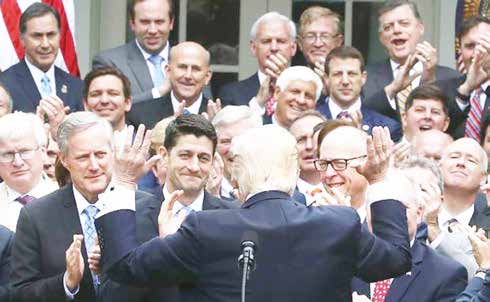
    In what could be seen as arare victory on the domestic turf for President Trump, the US House of Representatives approved a Bill on Thursday, May 4, to repeal major parts of Obamacare and replace it with a Republican healthcare plan. The passage of the Bill which Republican leadership has been struggling with and having met with disappointment earlier, is the legislative victory for President trump and House Speaker Paul Ryan.

    With the 217-213 vote, Republicans obtained just enough support to push the legislation through the House, sending it to the Senate for consideration. No Democrat voted for the Bill. The Bill’s passage represented a step toward fulfilling a top Trump campaign pledge and a seven-year Republican quest to dismantle Democratic former President Barack Obama’s signature healthcare law.

    But the effort now faces new hurdles in the Senate, where the Republicans have only a 52-seat majority in the 100-seat chamber and where just a few Republican defections could sink the Bill.

    Thursday’s vote was also a political victory for House Speaker Paul Ryan, demonstrating his ability to pull together a fractured Republican caucus after two failed attempts this year to win consensus on the healthcare law.

    Democrats are hoping that the Republicans’ vote to repeal Obamacare will spark a voter backlash in next year’s midterm congressional poll.

    Some 20 million Americans gained healthcare coverage under Obama’s 2010 Affordable Care Act, which has recently gathered support in public opinion polls. But Republicans have long attacked it, seeing the program as government overreach and complaining that it drives up healthcare costs.

    The Republican Bill, known formally as the American Health Care Act, aims to repeal most Obamacare taxes, including a penalty for not buying health insurance.

    But, the battle is not over yet. It is over to senate now. Though the Bill’s passage represented a seven-year Republican quest to dismantle former President Barack Obama’s signature healthcare law, the American Health Care Act now faces new hurdles in the Senate

    The Republicans have only a 52-seat majority in the 100-seat chamber and just a few Republican defections in the Senate could sink the Bill. The Democratic senators remain firmly unified against any repeal of Obamacare

    The new Bill repeals the individual mandate requiring those who can afford it to have health insurance. Those have who been without coverage for more than two months would face a 30% surcharge for new policy

    It repeals Obamacare’s requirement for companies with 50 or more staff to provide insurance coverage for employees

    Meanwhile, reactions to the bill passed in the House on May 4 are pouring in. Generally, hospitals, doctors, health insurers and some consumer groups, with few exceptions, are speaking with one voice and urging significant changes to the Republican health care legislation.

  • Indian American Medical fraternity praises contribution of its member, former US Surgeon General Dr. Vivek Murthy

    Indian American Medical fraternity praises contribution of its member, former US Surgeon General Dr. Vivek Murthy

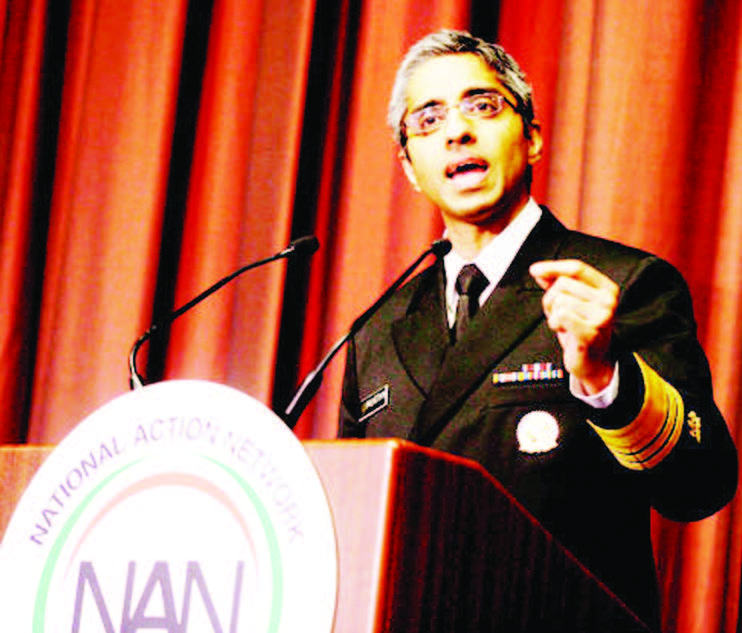
    NEW YORK (TIP): “On behalf of the American Association of Physicians of Indian Origin (AAPI), I want to applaud the many contributions and initiatives of Dr. Vivek Murthy, our AAPI member, in the healthcare sector in very short span of about two years since he became US Surgeon General in 2014,” said Dr. Ajay Lodha, President of AAPI.

    Dr. Murthy has attended several AAPI meetings and has always acknowledged the contributions of AAPI and the Indian community in his statement which he quoted as, “I am proud of our community of Indian physicians for all the progress that we have made over the years, and I know that AAPI has been a critical force in making this process possible. The advice you shared and assistance you kindly offered were important pieces of this journey,”

    The growing influence of doctors of Indian heritage is evident, as increasingly physicians of Indian origin hold critical positions in the healthcare, academic, research and administrative positions across the nation. With their hard work, dedication, compassion, and skills, they have thus carved an enviable niche in the American medical community. AAPI’s role has come to be recognized as vital among members and among lawmakers.

    The surgeon general represents the Health and Human Services Secretary in addressing public health practice in the nation. Murthy, 39, was America’s youngest-ever top doctor, and is also the first surgeon general of Indian-American representing the next generation of Indian American physician. His ethics, quiet leadership style and impeccable credentials made him the smart choice for this position.

    Dr. Murthy, grandson of a farmer, second generation Indian American physician, said, he will always be grateful to “our country for welcoming my immigrant family nearly 40 years ago and giving me this opportunity to serve.

    Dr. Murthy played key role in bringing to the forefront many crucial health issues confronting the nation. In a landmark report on addiction released in November, said dependency on opioids and other substances must not be looked on as a “character flaw,” in the first publication from a surgeon general that has addressed drug and alcohol addiction.

    Murthy embarked on a three-month listening tour of the U.S. ahead of a ceremonial swearing in to listen to the people and professionals before taking on this important role.

    AAPI is shocked and saddened with his departure and wishes him well as he moves on to a new phase in life and is confident that his talents. skills, and experiences will be utilized effectively for the greater good of the nation.


  • Dr. Vivek Murthy fired as America’s Top Doctor by Trump

    Dr. Vivek Murthy fired as America’s Top Doctor by Trump

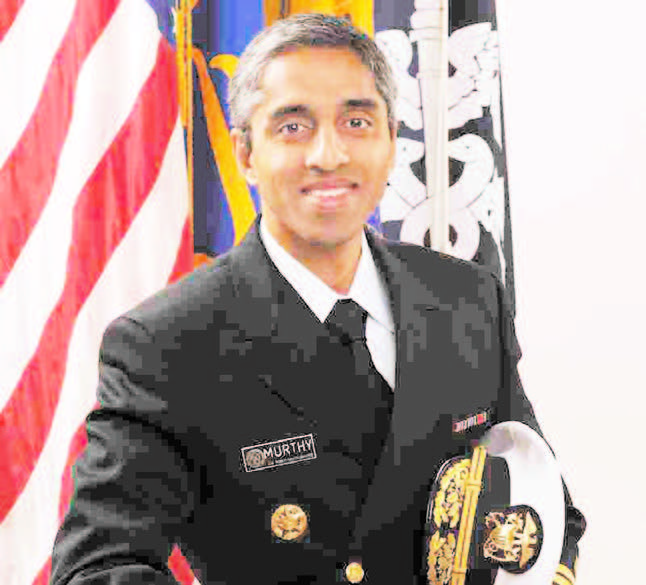
    WASHINGTON (TIP): The Indian American Hero Dr. Vivek Murthy, America’s top doctor, was dismissed by Donald Trump’s administration on Friday, April 21, 2017 as the US Surgeon General.

    Dr. Vivek Murthy taking charge as the US Surgeon General cemented the reputation physicians of Indian origin have across America. President Obama made the right choice in naming a highly-qualified physician to serve as America’s surgeon general.

    The surgeon general, known as “America’s doctor,” represents the Health and Human Services Secretary and Assistant Secretary in addressing public health practice in the nation. Murthy, 39, was America’s youngest-ever top doctor, and he is also the first surgeon general of Indian-American descent. Dr. Vivek Murthy represents the next generation of Indian American physician. His ethics, quiet leadership style and impeccable credentials made him the smart choice for this position.

    Murthy was named America’s top doctor by President Barack Obama in 2014, making him the first Indian American ever named to the post, one among many growing achievement of a tiny but economically powerful ethnic community. In a very short span of time, Dr. Murthy had played key role in bringing to the forefront many crucial health issues confronting the nation. Dr. Murthy said, being picked for the job was a “uniquely American story” for the “grandson of a poor farmer from India.”

    It was not immediately clear why Murthy was relieved from duty, the New York Times said while noting that employees at the Department of Health and Human Services privately expressed surprise at his sudden departure. Murthy, the 19th Surgeon General, and the first Indian American to hold this post said in a Facebook Post that it was an honor and privilege to work for this prestigious position.

    “For the grandson of a poor farmer from India to be asked by the President to look out for the health of an entire nation was a humbling and uniquely American story. I will always be grateful to our country for welcoming my immigrant family nearly 40 years ago and giving me this opportunity to serve,” he said.

    In a post on Facebook, Murthy said. “For the grandson of a poor farmer from India to be asked by the President to look out for the health of an entire nation was a humbling and uniquely American story. I will always be grateful to our country for welcoming my immigrant family nearly 40 years ago and giving me this opportunity to serve,” he added.

    Murthy went on to recount his goals and achievements as surgeon general and said he “had hoped to do more to help our nation tackle its biggest health challenges, (but) I will be forever grateful for the opportunity to have served”. He says he was the ‘grandson of a poor farmer from India’.

    The US health and human services said in a statement on Friday he had been asked “to resign from his duties as surgeon general after assisting in a smooth transition into the new Trump Administration … (and stood) relieved of his duties”.

    Rear Admiral Sylvia Trent-Adams, a nurse by training and currently deputy surgeon general, was named to serve as the acting surgeon general and assume leadership of the US public health service commissioned corps.


  • Dr. V. K. Raju: Proud of Ancient Indian Medical Traditions

    Dr. V. K. Raju: Proud of Ancient Indian Medical Traditions

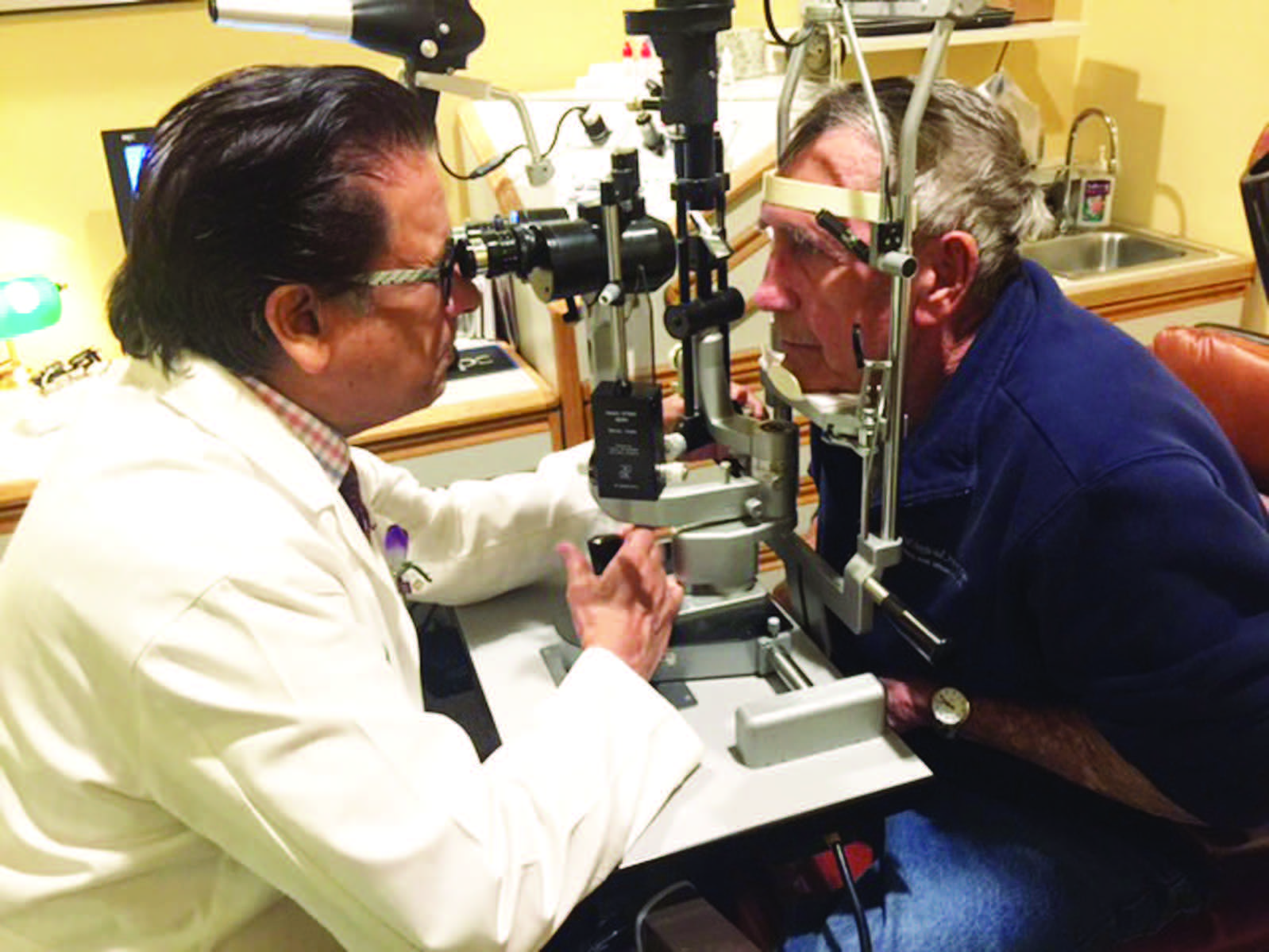
    The inside walls of Dr. V. K. Raju’s eye clinic in this picturesque town of Morgantown in West Virginia are covered with a variety of historical facts about the history of eye treatment in the world. The exhibit not only informs the visitor about the need to protect one’s vision, but also educate about major developments in the field of eye surgery in Western countries as well as in India.

    Exhibits at Dr. Raju's Eye Care Clinic
    Exhibits at Dr. Raju’s Eye Care Clinic

    Dr. Raju moved to Morgantown almost forty years ago. “This is the place I settled down after moving to America”, he said. Morgantown is situated among the hills of West Virginia offering a wide variety of natural wonders just a few miles away from the urban society. As his practice thrived in this town, Dr. Raju continued to treat his patients with care and teach at the West Virginia University. All along his journey as an eye doctor, he remained deeply committed to helping people in India, who needed help for restoring their vision.

    A native of Rajahmundry, India, Raju was educated in India, Great Britain, and the US. He serves as an adjunct clinical professor of ophthalmology at West Virginia University’s School of Medicine. “Many years ago, when I was visiting India, I met a villager who needed immediate surgery of his eyes. Unfortunately, I hadn’t carried my surgical equipment with me. I felt very sad for not being able to help him. Since then I realized the need to do much more for those who needed care for their eyes”, he recalled.

    Dr. Raju continued to visit India where he volunteered his time conducting eye camps to provided free service to patients. In order to institutionalize his efforts he established the Eye Foundation of America in 1979. Today, the foundation has touched many lives in USA and in India. “The foundation has partnered with many organizations with similar goals in order to maximized its capabilities”, he told me.

    Raju also helped found the Goutami Eye Institute in 2006, a fully equipped eye hospital in Rajahmundry, India, where a wing is dedicated to children’s eye problems. The Institute, also a teaching hospital, has trained 200 ophthalmologists, served 400,000 patients, and performed 50,000 surgeries since its operation.

    “The medical facilities are still out of reach for poor people in India”, Dr. Raju said as he was discussing the ancient traditions of Ayurveda in India. “Even today, we hear news about people losing their visions due to after surgery complications. It is not because eye camps are not capable of treating patients with eye problem. We lack after care facilities for them”, he said.

    Dr. Raju proudly talked about India’s golden age of surgery. Pointing to one of the exhibits on the wall depicting the tools used for surgeries during the ancient time of famed eye surgeon Susruta, he said, “RishiSusruta, who may be called the father of surgery due to his extensive work found in ‘Susruta-Samhita’, taught and promoted ophthalmology and cataract surgery in India way back in 600 BC. For hundreds of years India was a leader in medical practices. We have since lost most of our ancient traditions of medicine and surgery. It is sad that majorities of eye ailments have been successfully eradicated in the West while treatable eye problems leaves children blind for life”, he commented with a sad face.

    Title page of Dr. Raju's recently released book, 'Musings on Medicine, Myth, and History'
    Title page of Dr. Raju’s recently released book, ‘Musings on Medicine, Myth, and History’

    In a recently released book, ‘Musings on Medicine, Myth, and History’, that Dr. Raju authored along with his physician daughter Leela, he wrote extensively on problems faced by children and poor people in India, ‘…three quarters of the world’s blind children live in developing countries, and about five hundred thousand become blind each year. In India alone such childhood blindness results in a four billion dollar economic loss.” (Page 82)

    Dr. Raju told me that Goutami Eye Institute conducts workshops and other programs to teach its staff about new medical techniques and equipment. This program has been expanded to include physicians and medical practitioners from all over the world. Some workshops provide Continuing Medical Education (CME) credits. Fellowships available through Goutami Institute allow postgraduate physicians from India to further their education.Residents at the hospital are expected to participate in screenings during an eye camp for a day after which they examine outpatients with consultants in the clinics and gain hands-on experience with supervision in the operating room. The OR portion of this experience is geared toward 3rd year residents and 2nd year residents with previous experience in performing cataract surgery. First year residents will gain an exposure as assistants to the consultants.

    Dr. Raju can be described as a human being who touches the heart of everyone. His long time technician EJ Clark, who has been working with him for the past 30 years comments about him, “The most important thing I like about Dr. Raju is the way he cares for the children of the world. He cares for everyone and treats his patients with equal care.”

    “West Virginia is little bit like India”, Mr. Clark, who confidently said that she will retire when Dr. Raju will retire, commented about similarity among the people of West Virginia and India, “We are very friendly people. Some parts of the state is poor and need care, very much like those in India.”

    The Eye Clinic of Dr. VK Raju in Morgantown, WV
    The Eye Clinic of Dr. VK Raju in Morgantown, WV

    Dr. Raju continued to elaborate upon his vision, also posted on the wall in his office, “There are three things people need, Education, education and education.” I laughed, “Can’t agree more with you, Doc!”, I said complimenting him for his untiring services for eradicating blindness among adults in general and children in particular.

    As I lay down in bed in the night, I scrolled the pages of his book and stopped to read, “But if people around the world can remember the contributions to medicine that sages like Charaka and Susruta once made, perhaps they will be encouraged to lend their assistance to India-and India will finally enter another golden age of medicine and will once again be a world leader in the study and practice of medicine.” (Page 84)


    Can’t agree more with you, Doc!


  • Indian American Pharmaceutical Leader Sanjiv K. Patel named President and CEO of Relay Therapeutics

    Indian American Pharmaceutical Leader Sanjiv K. Patel named President and CEO of Relay Therapeutics

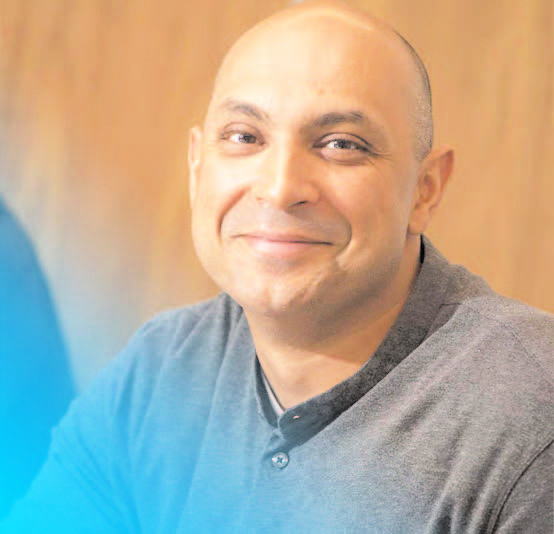
    WASHINGTON (TIP): Dr. Sanjiv K. Patel has been named President and CEO of Relay Therapeutics, a biotech company dedicated to developing breakthrough medicines by focusing on insights in protein motion. Dr Patel brings to Relay over 20 years of life sciences industry experience. He succeeds interim CEO Alexis Borisy, a Partner at Third Rock Ventures, who is assuming the position of Chairman of the company’s Board of Directors.

    “We are thrilled to welcome Sanjiv as the CEO of Relay Therapeutics. Sanjiv’s strategic acumen and business experience coupled with his deep commitment to patients will help fulfill the transformational potential of Relay,” said Borisy, in a statement. “Along with this key leadership appointment, our new board members, Laura Shawver and Markus Warmuth bring to Relay an incredible depth of research, development and entrepreneurial experience in building great biotech drugs and companies. We are enthusiastic to partner with them as Board members as we build a great company that will make a transformative difference for patients.”

    Prior to Relay, Patel was at Allergan for over 10 years, and played a key part in Allergan’s sustained growth and value creation over that period. He was most recently part of Allergan’s Executive Team, as Chief Strategy Officer and at the center of some of the industry’s largest transactions. Prior to this, he held roles of increased responsibility, including leading Global Strategic Marketing for all franchises and general management of Allergan’s fastest growth geographic region, the Emerging Markets.

    Prior to Allergan, Patel was a Management Consultant at Boston Consulting Group in London and he started his career as a surgeon in the U.K.’s National Health Service. Dr. Patel received his MBA from INSEAD, MBBS from the University of London and has a M.A. in Neurosciences from Cambridge University.

    “This is a rare opportunity to join a team that is fully dedicated to treating diseases where today, no truly effective therapy exists,” said Patel, in a statement. “Relay is uniquely positioned to design innovative drugs by visualizing protein motion through integrating emerging computational and experimental methods. I look forward to working with the team to build a pipeline of groundbreaking therapies with an initial focus in oncology.”

  • Indian American Congressman Ami Bera welcomes annulment of Health Care Repeal Bill

    Indian American Congressman Ami Bera welcomes annulment of Health Care Repeal Bill

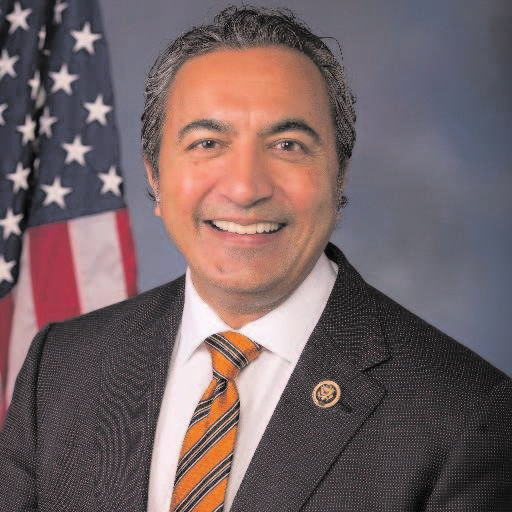
    WASHINGTON (TIP): After the House majority cancelled a vote to repeal the Affordable Care Act, popularly known as ObamaCare, Indian American Congressman Ami Bera welcomed the move noting that ‘Affordable Care Act Repeal Bill would have Kicked 100,000 in Sacramento County off Health Care.’

    “This bill would have kicked millions of hardworking Americans off their health care, raised the cost of coverage for families, and imposed an age tax on our parents and grandparents. I hope that after cancelling this vote, the Speaker and the majority will hear loud and clear that playing politics with peoples’ health care is not going to work. Now is the time for Democrats and Republicans to come together, because the job isn’t over until every American has affordable and accessible healthcare. Real lives are at stake here and I’m ready to get to work”, said Berawhois one of just two Democratic doctors in Congress, and practiced internal medicine, taught at the UC Davis School of medicine, and served Sacramento County as Chief Medical Officer before being elected to Congress.

    It’s estimated that more than 100,000 hardworking Americans in Sacramento County would have lost their health care under the proposed legislation.

  • Dr. VK Raju to be inducted in to Global Medical Missions Hall of Fame at University of Toledo

    Dr. VK Raju to be inducted in to Global Medical Missions Hall of Fame at University of Toledo

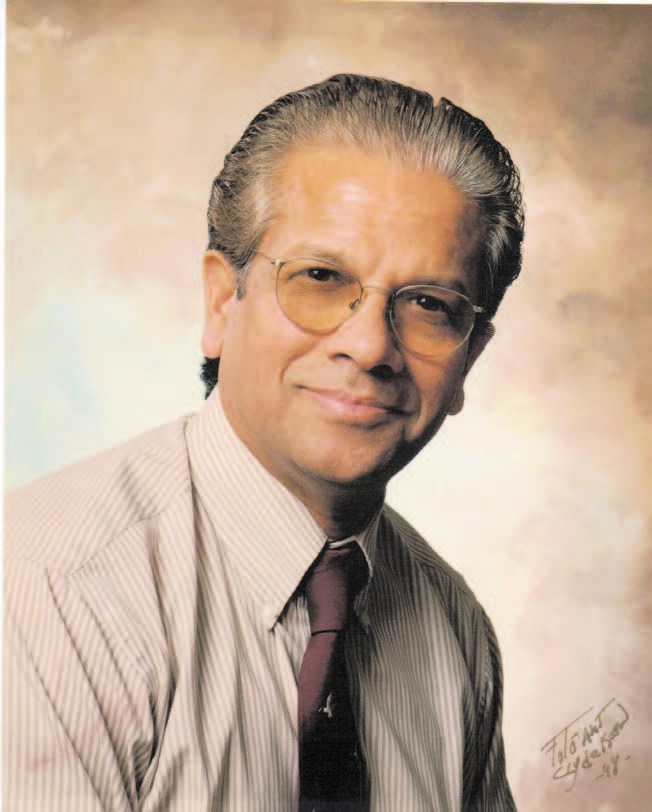
    COLUMBUS, OH (TIP): Dr. V.K. Raju, MD, FRCS, FACS, the Founder and Medical Director of the Eye Foundation of American, who is on a crusade to eliminate avoidable blindness around the world, has been selected for induction in to the Global Medical Missions Hall of Fame.

    Eye Foundation of America began its work in 1979 in Morgantown, West Virginia, USA. EFA grew out of his earlier work providing services and treatment near his birthplace in Rajahamundry, a town in Southeast India’s Andhra Pradesh. Raju organized teams to go to remote areas and deliver eye care in areas where there otherwise were none. These traveling clinics were known as “eye camps.” (Eye camps remain a standard part of the Foundation’s services today.)

    Raju dedicated virtually all the spare time he had outside his busy ophthalmological practice in West Virginia and used his own funds to cover many of the expenses. Eventually it became apparent that the lack of accessible, affordable eye care was very large and shared by an enormous number of people worldwide. In order to battle avoidable blindness on a global scale and to gain strength by partnering with other organizations, Raju created the 501 © 3 nonprofit organization that we know today as the Eye Foundation of America.

    Today, Foundation has grown far beyond its original size and scope but never outgrew the vision of its founder, who continues to look ahead. EFA has built modern eye hospitals and trained ophthalmic assistants and other personnel to carry on our work. We provide workshops and fellowships for physicians and medical students throughout the world. We also conduct research to find better ways of preventing blindness, to learn how to distribute Vitamin A efficiently

    His team has done wonders, considering the tremendous work done by them.

    *          2 million+ outpatients

    *          300 thousand+ eye surgeries

    *          25 thousand+ on children

    This is completed by the Eye Foundation of America team since 1977 in India and 21 other developing countries. Additionally, the Eye Foundation of America lays great emphasis on teaching and training of health professionals who receive the Foundation’s support at every level.

    The induction ceremony will be held on Saturday, April 1, 2017 in the Howard L. Collier Building on the UT Health Science Campus. Following the induction ceremony, which begins promptly at 7:30 p.m., there will be a plaque unveiling and reception in the Jacobs Interprofessional Immersive Simulation Center Atrium.

  • PHYSICIAN SPEAKS AT UNITED NATIONS ABOUT MEDITATION

    PHYSICIAN SPEAKS AT UNITED NATIONS ABOUT MEDITATION

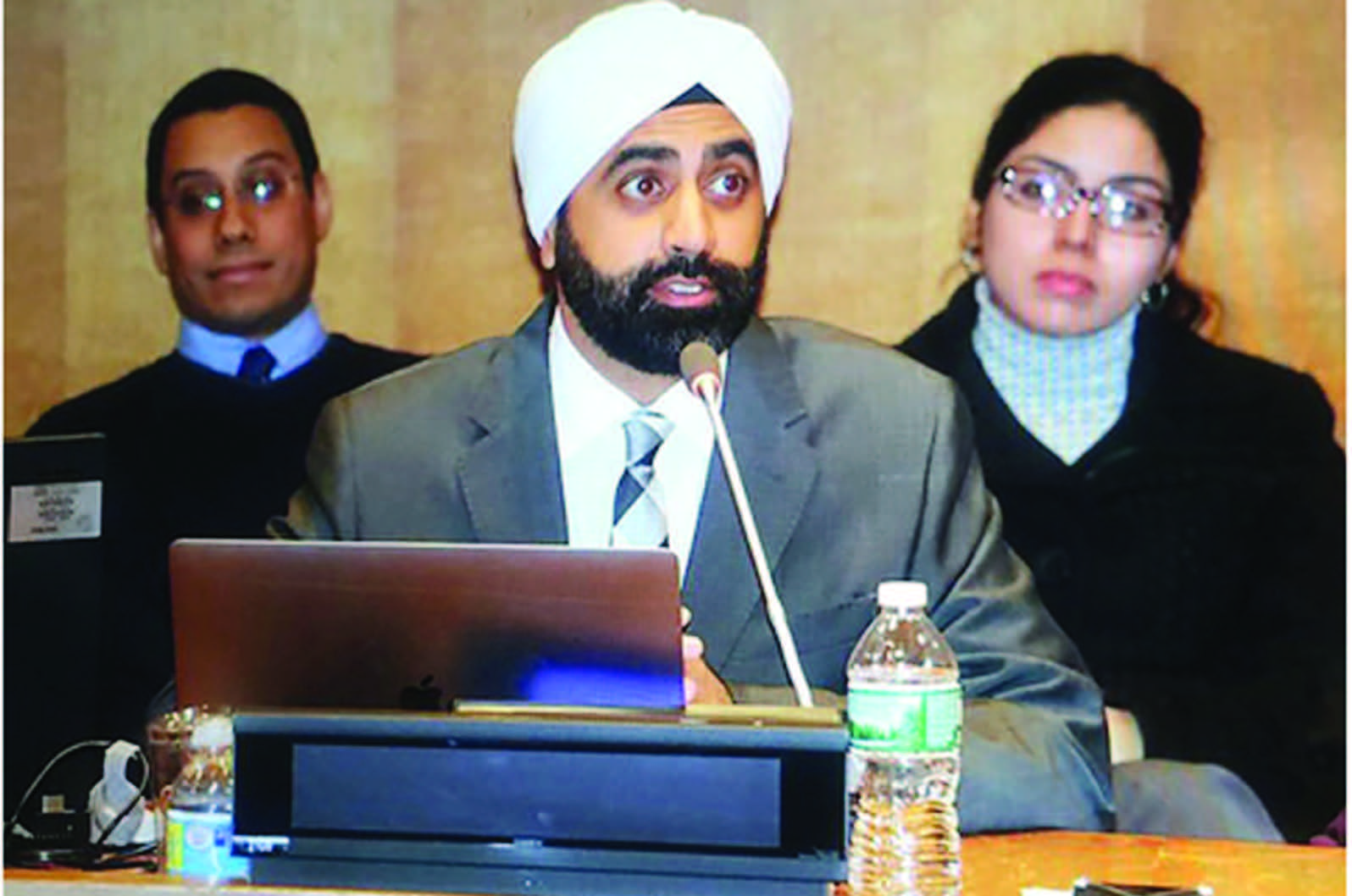
    UNITED NATIONS (TIP): When you can go to the United Nations to hear a talk about meditation, you know something has changed in the world.

    On Friday, March 10, 2017, Dr. Kunwarjit Singh Duggal, guest of the United Nations Salus Well-Being Network, spoke to a packed audience in the Secretariat Conf. Room 8 on “Cultivating Inner Peace for Outer Peace.” He began: “My main message here is to talk about peace. How do we achieve peace? . . . In order to take peace to the next level, we have to find peace within ourselves first before we can go on helping the rest of society.”

    By his own admission, Dr. Duggal is quite passionate about meditation as an intervention for many of life’s challenges, whether worldly or personal – a universal paradigm.

    His topic on Friday, particularly timely today,detailed the latest scientific research on theproven benefits of meditation. Noting the many different types of meditation, he talked about several significant studies, most focused on peace, stress and anxiety.

    He quoted one randomized controlled study in which people were asked to meditate each morning for 21 days straight for a short duration of time. The researchers measured cortisol (the stress hormone) levels before and after 21 days and found a significant decrease in every participant. Notable studies also found that for patients undergoing orthopedic rehabilitation those who meditated benefitted twice as much as those who were treated only with therapeutic exercise.

    One telling example was an experiment done in a troubled San Francisco school district in whichtwo 15-minute periods of quiet time wereinstitutedfor students. The results were improved test scores, attendance, psychological state and enhanced concentration. These students also reported increased calmness and decreased anger. By increasing the calmness in these students, their corresponding troubled geographical regions noted decreased crime rates and improved safety.

    Dr. Duggal then presented the meditation technique practiced in Science of Spirituality, Jyoti meditation, after which everyone had a chance to meditate for a short period.

    The afternoon concluded with a lively question and answer session.

    Dr. Duggal was at the United Nations representing the Science of Spirituality,(NGO), a worldwide, spiritual organization dedicated to transforming lives through meditation. His father, Sant Rajinder Singh Ji Maharaj, head of Science of Spirituality, spoke at the UN last May on “Meditation as Medication for the Soul.”

    Dr. Duggal is a Board-Certified Physical Medicine and Rehabilitation Specialist and Assistant Professor at Rush University Meditation Center in Chicago. He lectures extensively on meditation as an effective intervention for physical and emotional medical disorders.

    For more information about Science of Spirituality: www.sos.org.

  • Indian American Seema Verma sworn in as Healthcare Chief

    Indian American Seema Verma sworn in as Healthcare Chief

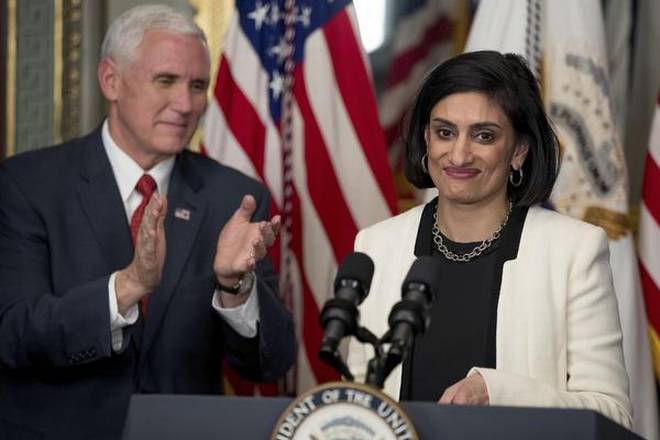
    WASHINGTON (TIP): Indian-American healthcare consultant Seema Verma, on March 14, was sworn-in as the head of a key healthcare agency in the Donald Trump administration. The Senate on March 13 confirmed Verma as administrator of the Centers for Medicare & Medicaid Services (CMS) in a 55-to-43 vote. She was sworn in by U.S. Vice President Mike Pence as administrator of CMMS, which is part of the Department of Health and Human Services and oversees the Obamacare insurance markets, Medicare, and Medicaid.

    “President Donald Trump has chosen one of the leading experts in America on state-based healthcare solutions to lead this important agency,” Vice President Pence said at the swearing-in ceremony at the White House. On November 29, 2016, President-elect Donald Trump nominated Verma to serve as administrator of the CMMS.

    Verma is the founder and CEO of SVC Inc., a health policy consulting firm. She is president and CEO of the company, which has worked with the states of Indiana, Iowa, Kentucky, Maine, Michigan, Ohio, and Tennessee. In preparation for the implementation of Obamacare, Verma and SVC Inc. have worked with state insurance agencies and public health agencies to redesign their Medicaid programs. She developed Medicaid reform programs, including waivers, for Ohio, Kentucky, and Iowa. Her firm provided technical assistance to the state of Michigan in the implementation of their Section 1115 Medicaid waiver. SVC also assisted Tennessee in their coverage expansion proposal and supported Iowa’s Medicaid transition to managed care.

    Following the passage of Obamacare, Verma worked with Indiana Governor Mitch Daniels on health care policy. She was the architect of the Healthy Indiana Plan. The health insurance program, designed for people with low income, requires participants to pay into a health savings account and has high deductibles.[3] According to Verma, “you have to make your contribution every month, with a 60-day grace period. If you don’t make the contribution, you’re out of the program for 12 months. It’s a strong personal responsibility mechanism.” The Healthy Indiana Plan received support from the Indiana legislature and passed into law in January 2008. She later created the related “HIP 2.0” under Governor Mike Pence.

    Prior to consulting, Ms. Verma served as Vice President of Planning for the Health & Hospital Corporation of Marion County and as a Director with the Association of State and Territorial Health Officials (ASTHO) in Washington D.C.

  • American Association of Cardiologists of Indian Origin Honors 4 at 2013 Fall Meeting

    American Association of Cardiologists of Indian Origin Honors 4 at 2013 Fall Meeting

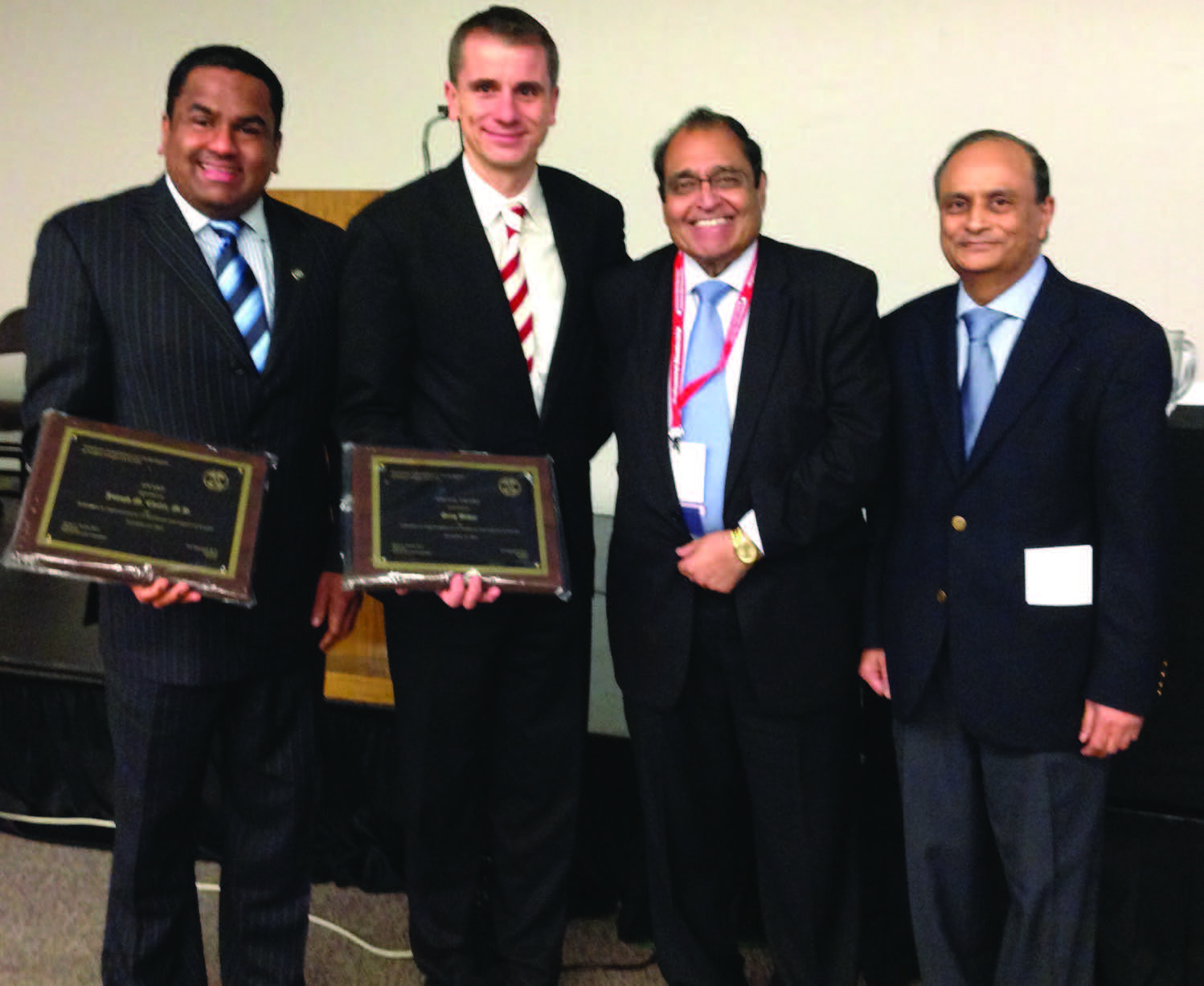
    DALLAS (TIP): American Association of Cardiologists of Indian Origin (AACIO), at its Fall meeting December 4, honored Greg Behar, President and CEO of Boehringer lngelheim Pharmaceuticals, Inc., Dr. Joseph M. Chalil, Associate Director, Health Science Executives, Boehringer Ingelheim USA, and Dr. Dinender K. Singla, a graduate of Post Graduate Institute of Medical Education and Research, Chandigarh, India for their achievements in the field of Cardiology.

    In addition, AACIO Young Investors Award was given to Dr. Ganesh Athappan and the Dr. Madhukar Deshmukh awards were given to Dr. Forum Kamdar and Dr. Manavjot Siddhu. AACIO awards the Dr. Krishna Ramaswamy and two Dr. Madhukar Deshmukh Young Investigator Awards at the AACIO dinner meetings held each year during the American College of Cardiology and the American Heart Association annual convention in March and November. The finalists presented their abstract at the meeting and each received $1000.00 award and a plaque The Fall 2013 annual event, organized by AACIO in coordination with Texas Indo- American Physicians Society (TIPS), North East Chapter and American Association of Physicians of Indian Origin was held at the Dallas Convention Center Theater Complex in Dallas, TX on November 17th, and was attended by over 200 physicians from around the nation.

    Dr. Navin Nanda, the Founding President and Chairman of the AACIO Board of Directors, while lauding honorees for their contributions and achievements, said, “AACIO is proud to honor some of the stalwarts of the pharmaceutical industry like Greg Behar and Chris Kaplan as well as some of the upcoming personalities like Jo Chalil. They have made significant contributions to medical therapeutics in the area of cardiology.” Dr. Nanda is a Distinguished Professor of Medicine and Cardiovascular Disease, Senior Scientist, Minority Health and Research Center and UAB Center for Aging, and UAB Comprehensive Cardiovascular Center, University of Alabama at Birmingham, Alabama. Dr. Ravi Jahagirdar, President Elect, who had represented AAPI at the event, congratulated AACIO for its consistent good work, both in the academic and the applied fields, and reaching out successfully to American Heart Association, and working in tandem with them in many spheres.

    He had special praise for the three Scholarship Awards that are given out each year to young aspiring medical students for poster sessions and in investigative sectors. “We at the national AAPI are proud of these activities,” he said. Dr. Jahagirdar, who will assume charge as the president of the national AAPI in June next year, pledged AAPI’s continued support in the future. In his inaugural address, Dr. Kul Aggarwal, president of AACIO, and Professor of Clinical Medicine, University of Missouri and Chief, Cardiology Section, Harry S. Truman Veterans Hospital, Columbia, Missouri, stated that AACIO provides a central forum for physicians and scientists of Indian origin, living in the United States, who have interest in Cardiovascular Medicine. “Indian Cardiologists are playing an increasingly important role in the provision of Cardiovascular services and also as academic thought leaders in the United States. We are proud of our colleagues.

    AACIO is your organization and joining it adds strength to all of us,” he said. The American Association of Cardiologists of Indian Origin (aacio.org) was formed in 1986 and after crossing puberty, the organization has reached the excited stage of youth after nineteen years. A Symposium, which was part of the meeting was organized by Drs. Navin C. Nanda and Kul Aggarwal. In his insightful presentation on “Newer anticoagulants in the management of a trial fibrillation and stroke prevention” Dr. Sanjeev Saksena, Clinical Professor of Medicine, Rutgers-RWJ Medical School Medical Director, Piscataway, New Jersey, Electrophysiology Research Foundation, Warren, New Jersey & Editor-in- Chief, Journal of Interventional Cardiac Electrophysiology, provided an overview of modern trends. Dr. Amit Khera, Associate Professor, Director, Preventive Cardiology Program, Program Director, Cardiology Fellowship and Dallas Heart Ball Chair in Hypertension and Heart Disease, UT Southwestern Medical Center, Dallas Texas, addressed the audience on “Emerging therapies in dyslipidemia management, beyond statins.” Dr. Nanda educated the audience on “Choice of anti-platelet therapy in acute coronary syndromes.”

    With more than 15 years in the pharmaceutical industry, Greg’s experience includes leadership roles in marketing, sales, business operations and general management. Greg joined Boehringer lngelheim in 2009 as Corporate Vice President of the Cardiovascular and Metabolic Franchise. That same year he became Vice President, Corporate Division Prescription Medicine, leading 14 countries including Northern Europe, Canada and Australia. Prior to Boehringer lngelheim, Greg worked at Novartis Pharma AG in roles of increasing responsibility in Spain and at global headquarters in Switzerland. Another honoree, Dr. Singla has received numerous honors and awards, and has been invited to give talks throughout the world. He also served as a chair/co-chair for scientific meetings, and well published in various peer reviewed journals. He is funded by the National Institute of Health and the American Heart Association grant awards since 2004.

    He has served as an editorial board member for different journals, and is the current Academic Editor for Plos one and Associate Editor for Canadian Journal of Physiology and Pharmacology. Srinivas Reddy Gunukula serves on the Board of Directors of The Heart Hospital Baylor Plano and Director of Center for Advanced Cardiovascular Care at the Heart Hospital McKinnney Campus. He is well known among the Cardiology community in Dallas. Dr. Joseph M. Chalil is a Fellow of American College of Healthcare Executives and is Board Certified in Healthcare Management. He serves as Co-Chair, AAPI Industry Physician Committee and Scientific Advisor, AAPI Cardiovascular, Diabetes and Stroke Network. Dr. Chalil holds three US Patents involving usage of sensors inside Human Body in addition to other applications. His research background includes Clinical Trial Management in Cystic Fibrosis, Multiple Myeloma, and publications in American Journal of Respiratory and Critical Care Medicine. The Asian American Business Development Center, NY has awarded Dr. Chalil the 2013 Outstanding 50 Asian Americans in Business Award. He is a Visiting Professor at various Universities and serves on various company Boards. He is an expert in US Healthcare policy and a strong advocate for patient centered care.

  • Ranbaxy launches cevimeline hydrochloride capsules in US market

    Ranbaxy launches cevimeline hydrochloride capsules in US market

    NEW DELHI (TIP): Ranbaxy Pharmaceuticals on Tuesday launched the authorised generic cevimeline hydrochloride 30 mg capsules in the US market under an agreement with Daiichi Sankyo. Cevimeline hydrochloride is meant for the treatment of symptoms of dry mouth associated with Sjogren’s syndrome, an autoimmune disorder affecting the moistureproducing glands.

    It is now distributed by Daiichi Sankyo under the brand name Evoxac. “We see a continuing opportunity to leverage our combined strengths of innovation and the manufacture and marketing of affordable, high quality, generic medicines through this collaboration,” Arun Sawhney, Chief Executive Officer and Managing Director, Ranbaxy, said. Evoxac generated total annualised sales of $62.4 million as of June 30, 2012 in the US market.

    “This launch further underscores Ranbaxy’s resolve to bring high quality, affordable generic medicines to the US healthcare system to meet the growing needs of patients and prescribers,” Bill Winter, Vice-President – Trade Sales and Distribution, North America, Ranbaxy, said.Ranbaxy Pharmaceuticals, based in Jacksonville, Florida, is a wholly owned subsidiary of Ranbaxy Laboratories Ltd. It is engaged in the sale and distribution of generic and branded prescription products in the US healthcare system.

  • US Healthcare  System Wastes  $750  Billion a Year: Report

    US Healthcare System Wastes $750 Billion a Year: Report

    WASHINGTON (TIP): The U.S. health care system squanders $750 billion a year – roughly 30 cents of every medical dollar – through unneeded care, byzantine paperwork, fraud and other waste, the influential Institute of Medicine said Thursday, September 6 in a report that ties directly into the presidential campaign.

    President Barack Obama and Republican Mitt Romney are accusing each other of trying to slash Medicare and put seniors at risk. But the counter-intuitive finding from the report is that deep cuts are possible without rationing, and a leaner system may even produce better quality

    “Health care in America presents a fundamental paradox,” said the report from an 18-member panel of prominent experts, including doctors, business people, and public officials. “The past 50 years have seen an explosion in biomedical knowledge, dramatic innovation in therapies and surgical procedures, and management of conditions that previously were fatal …

    “Yet, American health care is falling short on basic dimensions of quality, outcomes, costs and equity,” the report concluded.

    If banking worked like health care, ATM transactions would take days, the report said. If home building were like health care, carpenters, electricians and plumbers would work from different blueprints and hardly talk to each other. If shopping were like health care, prices would not be posted and could vary widely within the same store, depending on who was paying.

    If airline travel were like health care, individual pilots would be free to design their own preflight safety checks – or not perform one at all.

    How much is $750 billion? The one-year estimate of health care waste is equal to more than ten years of Medicare cuts in Obama’s health care law. It’s more than the Pentagon budget. It’s more than enough to care for the uninsured.
    Getting health care costs better controlled is one of the keys to reducing the deficit, the biggest domestic challenge facing the next president. The report did not lay out a policy prescription for Medicare and Medicaid but suggested there’s plenty of room for lawmakers to find a path.

    Both Obama and Romney agree there has to be a limit to Medicare spending, but they differ on how to get that done. Obama would rely on a powerful board to cut payments to service providers, while gradually changing how hospitals and doctors are paid to reward results instead of volume. Romney would limit the amount of money future retirees can get from the government for medical insurance, relying on the private market to find an efficient solution. Each accuses of the other of jeopardizing the well-being of seniors.

    But panel members urged a frank discussion with the public about the value Americans are getting for their health care dollars. As a model, they cited “Choosing Wisely,” a campaign launched earlier this year by nine medical societies to challenge the widespread perception that more care is better.

    “Rationing to me is when we are denying medical care that is helpful to patients, on the basis of costs,” said cardiologist Dr. Rita Redberg, a medical school professor at the University of California, San Francisco. “We have a lot of medical care that is not helpful to patients, and some of it is harmful. The problem is when you talk about getting rid of any type of health care, someone yells, ‘Rationing.’ ”

    More than 18 months in the making, the report identified six major areas of waste: unnecessary services ($210 billion annually); inefficient delivery of care ($130 billion); excess administrative costs ($190 billion); inflated prices ($105 billion); prevention failures ($55 billion), and fraud ($75 billion). Adjusting for some overlap among the categories, the panel settled on an estimate of $750 billion.

    Examples of wasteful care include most repeat colonoscopies within 10 years of a first such test, early imaging for most back pain, and brain scans for patients who fainted but didn’t have seizures.
    The report makes ten recommendations, including payment reforms to reward quality results instead of reimbursing for each procedure, improving coordination among different kinds of service providers, leveraging technology to reinforce sound clinical decisions and educating patients to become more savvy consumers.

    The report’s main message for government is to accelerate payment reforms, said panel chair Dr. Mark Smith, president of the California HealthCare Foundation, a research group. For employers, it’s to move beyond cost shifts to workers and start demanding accountability from hospitals and major medical groups. For doctors, it means getting beyond the bubble of solo practice and collaborating with peers and other clinicians.

    “It’s a huge hill to climb, and we’re not going to get out of this overnight,” said Smith. “The good news is that the very common notion that quality will suffer if less money is spent is simply not true. That should reassure people that the conversation about controlling costs is not necessarily about reducing quality.”
    The Institute of Medicine, an arm of the National Academy of Sciences, is an independent organization that advises the government.