

As Americans prepare for the November 3 midterm elections, a reminder that democracy draws its strength not merely from the right to vote, but from the willingness of citizens to exercise that right.
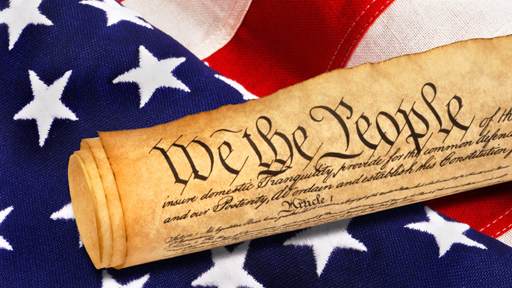
The Constitution of the United States begins with three immortal words: “We the People.” They are not merely an introduction to a historic document. They are a declaration that the ultimate authority in our Republic belongs to the people. Governments are created to serve them, representatives are elected to speak for them, and public institutions derive their legitimacy from their consent.
But there is a question that deserves our attention as Americans approach the November 3 midterm elections: What becomes of the sovereignty of the people when the people themselves choose not to exercise it?
Across the country, Americans are preparing to elect members of Congress, governors, state legislators and other public officials. In several states, voting has already begun. Millions will participate enthusiastically, exercising a right that generations before them struggled to secure and protect.
Yet many others may remain indifferent. Some believe their individual vote makes little difference. Some are disillusioned with political parties and candidates. Others find politics so unpleasant that they prefer to stay away from it altogether. And there are those who simply postpone the decision until Election Day has passed.
To all such Americans, we offer a respectful appeal: Do not surrender your opportunity to participate in shaping the government that will make decisions affecting your life, your family and your country.
The Power of One Vote
It is easy to underestimate the significance of a single ballot.
What difference, one might ask, can one vote make among millions?
The answer lies in the very nature of democracy. Every electoral majority is composed of individual votes. Every representative elected to Congress, every governor chosen to lead a state, and every local official entrusted with public responsibility receives authority through the participation of individual citizens. No vote is insignificant merely because it is one among many.
An election may not be decided by a single ballot. Indeed, most are not. But every outcome is the accumulated expression of individual choices. A single vote may appear small. Millions of individual decisions to vote—or not to vote—determine the direction of a nation. And the value of voting extends beyond deciding who wins.
A ballot communicates public priorities. It registers approval or dissatisfaction. It reminds those seeking office that their authority must be earned, not presumed. The act of voting affirms that government remains answerable to the governed.
Democracy Cannot Afford Indifference
The American people have never lacked opinions about their government. We debate taxation, inflation, healthcare, education, immigration, national security, foreign policy and the responsibilities of government. We discuss the conduct of presidents, the performance of Congress and the decisions of courts. These are not distant questions reserved for politicians. They influence the cost of living, employment opportunities, public safety, retirement security, the education of our children and the future awaiting generations yet unborn.
Yet there is a contradiction in passionately discussing these matters while declining to participate in the democratic process through which representatives are chosen. We cannot reasonably expect government to reflect our concerns if we are unwilling to make our preferences known when the opportunity arises. That does not mean every citizen must support a particular political party. Nor does it mean every candidate deserves enthusiastic approval. Democracy accommodates disagreement, disappointment and uncertainty. But it is strengthened when citizens remain engaged rather than withdraw from public life. A healthy Republic requires more than political leaders who seek office. It requires citizens who understand that the authority of those leaders originates with them.
The Lessons of Participation
The figures from previous elections deserve reflection. According to the U.S. Census Bureau, approximately 52.2 percent of the citizen voting-age population participated in the 2022 congressional elections. That means nearly half did not vote. The same report found that among registered citizens who did not vote, conflicting work or school schedules were the most frequently cited reason.
These findings remind us that nonparticipation is not always indifference. Some Americans confront genuine obstacles involving employment, transportation, health, disability, family responsibilities or access to voting facilities. Our democracy must continue working to make lawful participation accessible to every eligible voter. But the figures also remind us how much potential civic participation remains unrealized. Imagine the additional range of experiences, concerns and aspirations that could be reflected in electoral outcomes if more citizens took part. A representative democracy is at its strongest when participation is broad enough to reflect the diversity of the society it serves.
Midterms Are Not Minor Elections
Presidential elections naturally attract extraordinary attention. The contest for the White House dominates political conversation, advertising and news coverage. Midterm elections sometimes receive less attention from citizens. That is unfortunate, because their consequences are substantial.
All 435 seats in the House of Representatives are contested every two years. Approximately one-third of the Senate is elected at the same time. Congress makes laws, approves federal spending, exercises oversight and plays a central role in the constitutional system of checks and balances.
State and local elections can be equally consequential. Decisions concerning schools, infrastructure, public services, housing and numerous other matters are often made much closer to home than Washington.
The ballot is therefore not simply a choice between national political personalities. It is an opportunity to select people who will make decisions affecting everyday life. And those decisions will be made whether we participate or not. When we decline to vote, we do not remove ourselves from the consequences of government. We merely leave the choice of government to others.
The Responsibility That Accompanies a Right
Voting is a right. Its exercise should remain a free and personal decision. But rights also invite reflection upon responsibility. Americans today inherit a democratic tradition enlarged through generations of struggle. The franchise was not always extended equally. Women fought for the right to vote. African Americans struggled against discriminatory barriers. Other communities worked to secure fuller participation in the political life of the nation.
The history of American voting rights is therefore also a history of citizens insisting that the promise of “We the People” should include them. We honor that history not merely by remembering it, but by understanding the value of the rights now available to us. Voting need not be an expression of unquestioning faith in politicians. Indeed, it may be an expression of precisely the opposite: the conviction that those entrusted with public authority must remain accountable. The citizen who votes thoughtfully is not surrendering judgment to a political party. That citizen is exercising judgment.
An Appeal to Those Who Feel Unrepresented
We recognize that some Americans are deeply disappointed with contemporary politics. They hear promises that remain unfulfilled. They see bitter divisions, personal attacks and campaigns that sometimes appear more concerned with defeating opponents than addressing public problems. Their frustration deserves to be heard. But disappointment with political leadership need not become withdrawal from democracy.
Citizens can examine candidates’ records, compare their proposals, question their claims and decide which choices most closely reflect their priorities. They can support different parties in different contests. They can evaluate individual candidates independently of party labels. And they can continue holding elected representatives accountable long after the ballots have been counted.
Participation does not require agreement with everything a candidate says. It requires a willingness to exercise one’s own judgment.
For those facing practical difficulties, early voting, absentee voting and other lawful options may provide alternatives, depending on state rules. Election offices can explain the applicable deadlines and procedures. A little preparation can prevent an important opportunity from being lost.
The Republic Belongs to Its People
America celebrates its 250th anniversary of independence this year. That milestone invites us to remember not merely the founding of a nation, but the endurance of an idea: that legitimate government derives its authority from the consent of the governed. The founders did not establish a Republic in which citizens were expected to remain silent spectators. They created a system in which public authority would ultimately depend upon the people. That principle remains as relevant in 2026 as it was in 1776.
Democracy is not sustained by constitutional language alone. It is sustained by institutions that respect the Constitution and citizens who remain willing to participate in public life.
No election will solve every national problem. No candidate will satisfy every voter. And no single ballot can guarantee the future we desire. But participation gives citizens a voice in choosing those who will exercise authority on their behalf. A vote may take only a moment to cast, but its consequences can shape the years ahead.
As November 3 approaches, we invite every eligible American to reflect upon the privilege, responsibility and opportunity of participating in our Republic. Examine the issues. Consider the candidates. Make an informed choice according to your own conscience. And remember that the future of democracy does not rest with political leaders alone. It rests with the people whose consent gives those leaders their authority.
The Republic belongs to all of us. Our voices matter. Our participation matters.
We the People.

Be the first to comment