Month: January 2014

  • The American city

    The American city

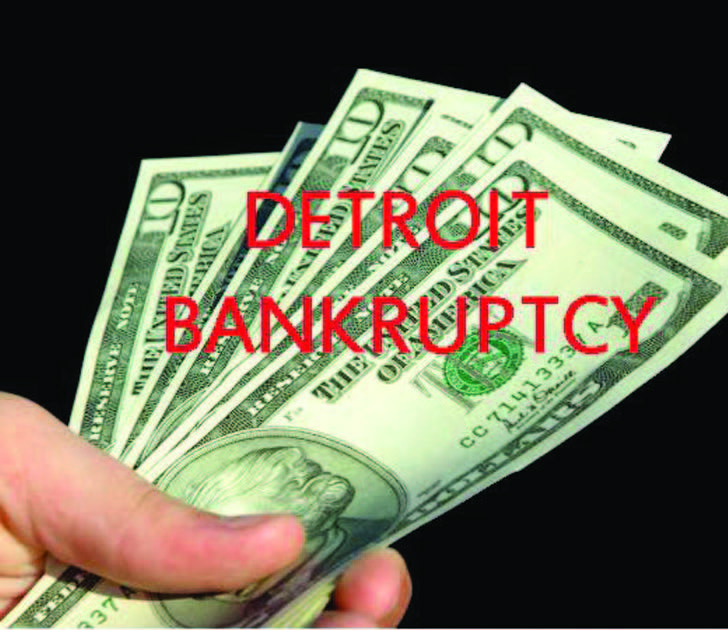
    The American city of Detroit filed for bankruptcy on July 18. It was the largest municipal bankruptcy filing in the US history by debt, estimated to be $18-20 billion

  • Typhoon Haiyan,

    Typhoon Haiyan,

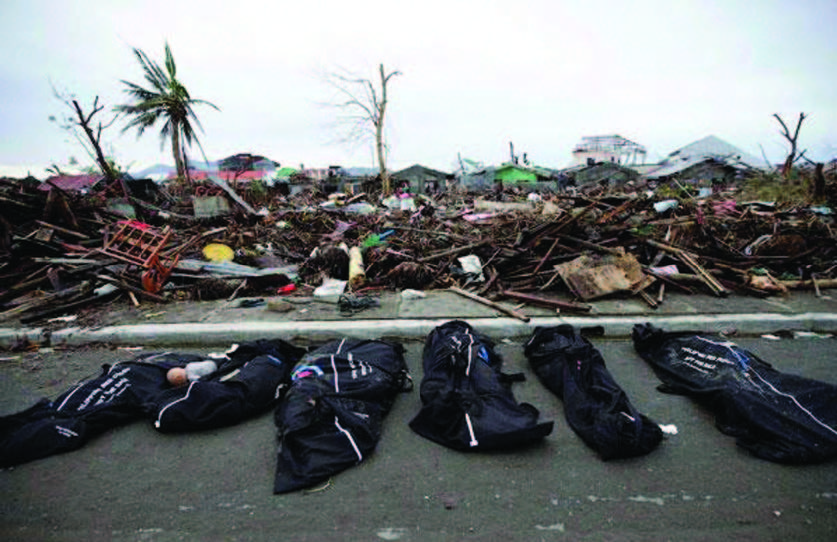
    Typhoon Haiyan, an exceptionally powerful tropical cyclone, devastated the Philippines in early November. Over 6,000 people were killed in the typhoon.
  • THE KUMBH MELA AND BOLLYWOOD’S 100 YEARS

    THE KUMBH MELA AND BOLLYWOOD’S 100 YEARS

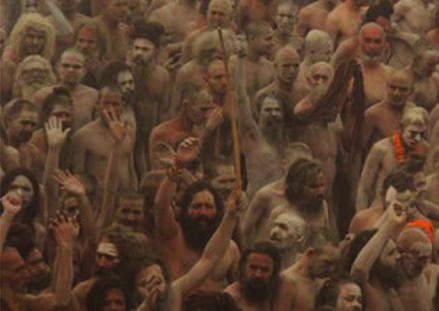
    The year also witnessed a show like no other as the world’s largest gathering took place in the northern city of Allahabad on 11 February. Several million people bathed at the confluence of the Ganges and Yamuna rivers during the two-month long Kumbh Mela festival. The event, held every 12 years, is billed as the biggest gathering on Earth and attracts Nagas (naked holy men), assorted gurus and tourists from all over the world. And finally, India’s Bollywood celebrated 100 years of Indian cinema in 2013.

  • Seventy-two people

    Seventy-two people

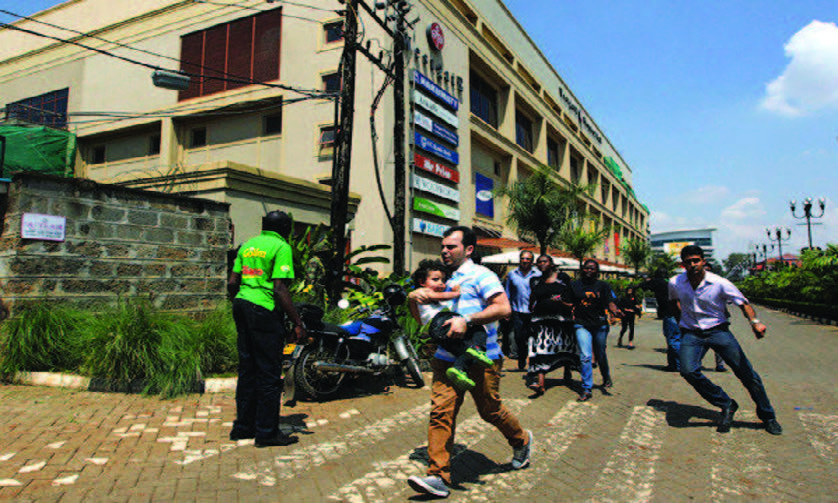
    Seventy-two people were killed after the famous Westgate Shopping Mall in Nairobi in Kenya was attacked by unidentified gunmen on September 21.
  • THE ‘MODI WAVE’

    THE ‘MODI WAVE’

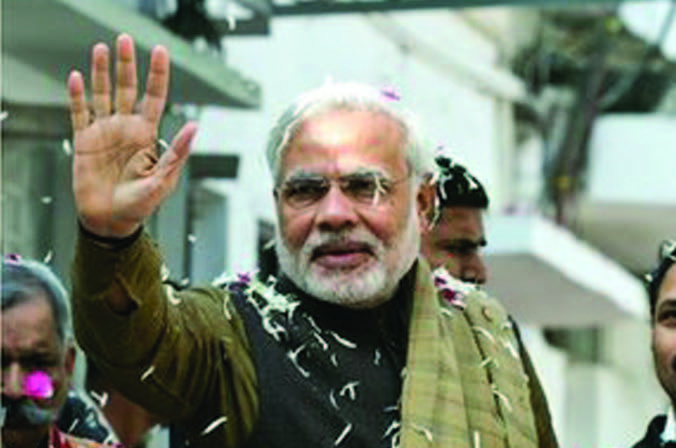
    The year also marked the rise of controversial Hindu nationalist leader Narendra Modi as the main opposition Bharatiya Janata Party’s candidate for PM in next year’s general elections. The Gujarat chief minister, accused of not doing enough to protect Muslims in the 2002 riots, is a deeply polarising figure in Indian politics. He, however, has always denied these allegations. India’s ruling Congress party claims Mr Modi’s accession to the throne will divide the country on religious lines.

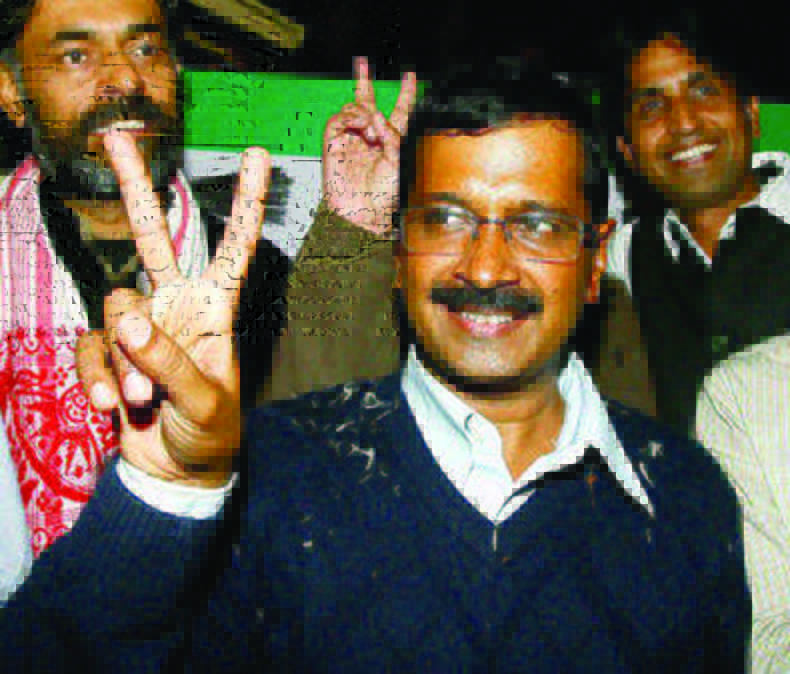
    However, Mr Modi’s stature seems to be growing both inside and outside his party largely due to his energetic, nationalist speeches. He strongly attacks the Congress for corruption and promises to resolve the country’s economic problems. The year also marked the outstanding debut of the Aam Aadmi Party (AAP) or Common Man’s Party, born out of a strong anti-corruption movement and tapping into popular disenchantment with the major political parties. The party won 28 seats in the Delhi assembly elections and its leader Arvind Kejriwal has become the chief minister of the state. Analysts say the AAP has offered itself as a credible alternative to people fed up with corruption, unresponsive politicians and high inflation.

  • Eighty-five-year-old

    Eighty-five-year-old

    Eighty-five-year-old Pope Benedict XVI resigned on February 28 on ground of health, thus becoming the first Pope to resign since 1415. Jorge Mario Bergoglio succeeded him as the Pope in March.
  • GOD OF CRICKET RETIRES

    GOD OF CRICKET RETIRES

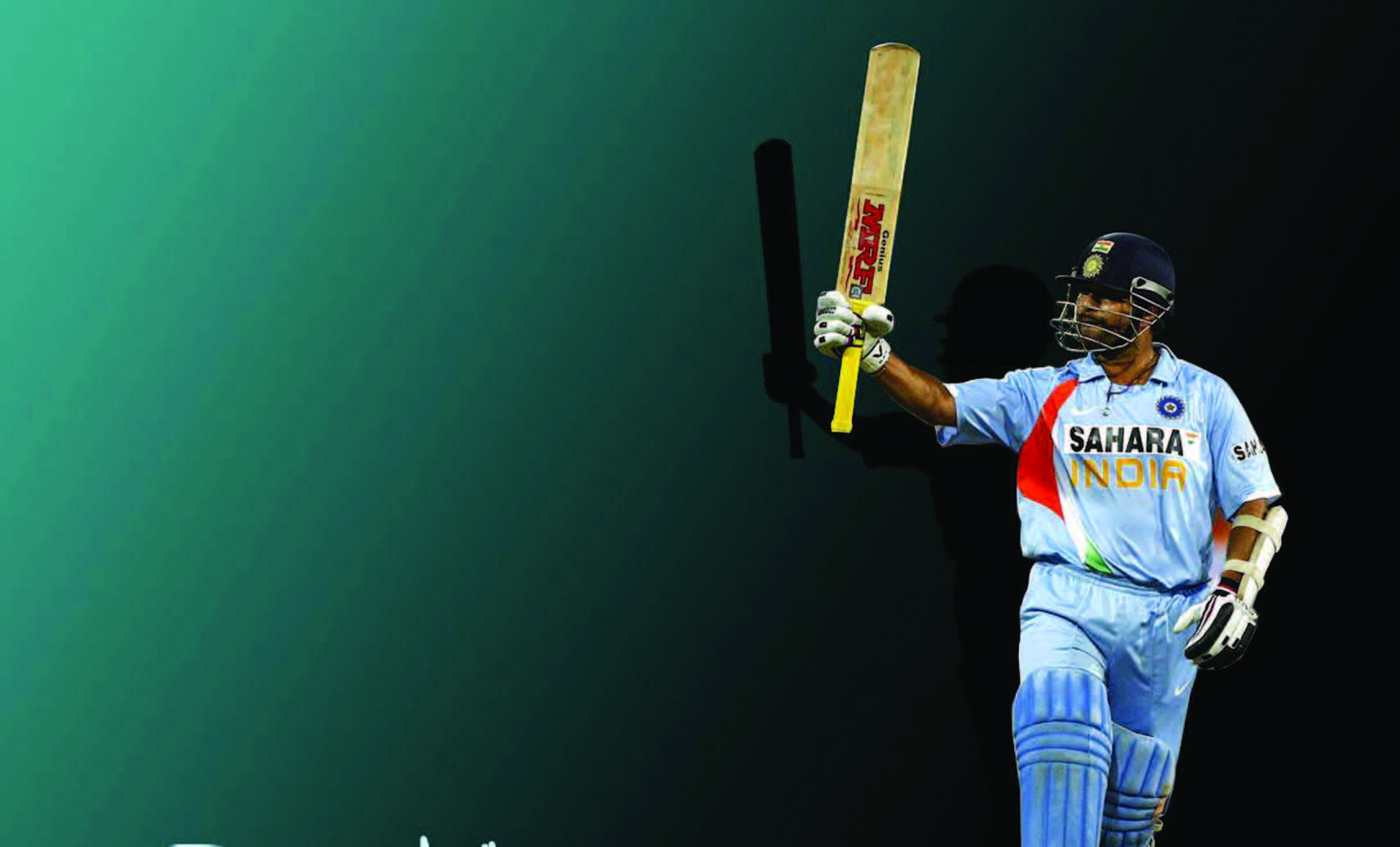
    Thank you – these two words very much summed up India’s mood on 16 December when Tendulkar bowed out from all forms of cricket. The legend carried the hopes and aspirations of a billion people and it was only apt when fans stood up to salute a hero who had united India like nobody else in the past 25 years. Tendulkar’s formidable cricketing records aside, most people will remember him as a player who remained humble and grounded despite his stardom. The news about his retirement, arguably the biggest story of the year, sparked emotions of sadness, joy and pride in the media as writers filled pages with what can be best described as their love for the Little Master, as Tendulkar was fondly called.

  • TELEGRAM SERVICE ENDS

    TELEGRAM SERVICE ENDS

    The world sent its last telegram when India’s state-owned telecom company shut its 163-year-old telegraph service on 15 July. The service had become largely irrelevant due to the advent of the mobile phone and computers, but that did not stop many from reminiscing over the rich history of the service. The closure sparked a feeling of nostalgia in newspapers as they remembered the telegram’s importance during the British rule and the role of the humble postman, who was the bearer of all kinds of news, in connecting India’s villages to its cities. The service had a deep connection with India as it was regularly shown as a mode of communication in early Bollywood films – where the news ranged from a hero sending a telegram to his father about his new job or a family receiving information about the death of their breadwinner in a battle field. Telegrams always triggered a sense of excitement and it wasn’t surprising when thousands queued up to send a final “nostalgic telegram” on 15 July.

  • Seventy-nine people

    Seventy-nine people

    Seventy-nine people were killed while 140 were injured after a train overturned and got derailed due to over speeding. The tragedy occurred between Madrid and Ferrol on July 24.

  • The sungrazing

    The sungrazing

    The sungrazing comet disintegrated after coming close to the sun on November 28. The US federal government witnessed a shutdown and halted most of its routine operations after the Congress failed to enact a legislation to appropriate funds for the 2014 fiscal. The shutdown went on from October 1- 16, causing major damage to the economy.

  • Egyptian President

    Egyptian President

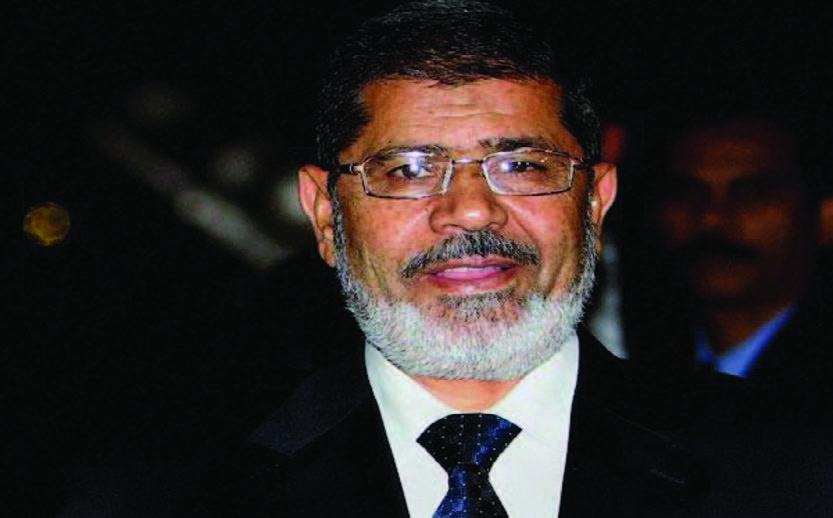
    Egyptian President Mohammed Morsi, who came to power in June 2012 after the fall of a long dictatorial regime, was ousted from power by the military on July 3.

  • Cultural Organizations or Trojan Horses?

    Cultural Organizations or Trojan Horses?

    The author finds fault with cultural organizations who dabble in politics. In fact, US administration will do well to screen these organizations who, if allowed to have their own way, may pose a threat to security of the US nation. A thorough overhaul of the mechanism for formation and functioning of these organizations is the need of the hour.

    In ordinary times, a U.S. House resolution ( 417) that calls for ‘reaffirming the need to protect the rights and freedom of the religious minorities while praising India’s rich religious diversity and commitment to tolerance and equality’, may not have ruffled any feathers let alone garnered some media attention. However, in a surprising twist, emotions were flying high over the move by the US lawmakers with some of the national and local Indian organizations that are quite active on the Capitol Hill in lobbying for various causes back in India.

    In particular, the Hindu American Foundation (HAF) and the Indian American Muslim Council (IAMC) are at loggerheads over this resolution that may not bode well for the larger interest of India. There is a potential that the ongoing fight might imperil India’s image as well as damage national interests among the US legislators at the Capitol. We have heard of charges and counter-charges by both sides and it is time to examine not only the veracity of these charges but also the propriety of actions undertaken by some of these organizations ‘on behalf of the community’ and ‘for the sake of India’. The recent incident involves a Modi supporter and Chicago-based entrepreneur Shalabh “Shalli’ Kumar who tried to hijack a carefully planned event by the Republican Party to woo Indian Americans to GOP.

    Once the story broke, many organizations and individuals like Mr. Juned Qazi, the Executive Committee member and the President of the Madhya Pradesh Chapter of Indian National Overseas Congress (I) USA wrote to the Republican lawmakers stating that the Republican Party was going against its own fundamental principles and traditions of tolerance and dignity by hosting and promoting such an event. The leaders of the GOP woke up and learned of the nefarious design by Mr. Kumar under the aegis of the National Indian American Public Policy Institute, to promote Narendra Modi and his candidacy for Prime Minister of India in the upcoming election. Mr. Kumar has committed the egregious error – and is probably in violation of the US ethics rules that prohibit the use of the Congressional seal, stationary and indicia – used the House seal and circulated a flyer that indicated Modi would address the meeting via video link. This action orchestrated by Mr. Kumar probably in collusion with other Modi supporters brought shame and disrepute to our community.

    A simplistic view might be that this is an isolated incident. However, if one examines the growth of the Indian Organizations and their activities under cover, a much clearer picture would seem to emerge. NIAPPI is not the first nonprofit organization that engaged in this sort of activity. Many of these organizations are founded to promote cultural or religious activities. To an average Indian American, these are noble objectives and for which they would volunteer their time, efforts and resources to promote the heritage and culture of India in a faraway land. It appears to be rewarding especially when these efforts are directed to educate the younger generations of age-old traditions and customs, and build bridges between the two countries and two cultures. However, some of these organizations seem to be operating under dubious objectives. The US India Political Action Committee (USINPAC), an organization that is dedicated to lobby Congress to promote India’s interest in the US has generally done a credible job promoting US-India relations.

    Their recent intervention on behalf of BJP and Narendra Modi exposes their narrow hidden agenda. A newly issued statement says ‘USINPAC has successfully led a grassroots lobbying efforts in Washington DC to stop the above Resolution from going to the House Floor for a vote. ‘ From now until the National elections in India anticipated in mid.2014, USINPAC will spare no effort in making sure the U.S. Congress does not intentionally or unintentionally influence the outcome of India’s upcoming elections. India is a sovereign nation and its citizens have a right to choose their leaders’ a recent press release stated. Yes, it appears that USINPAC would like to see the election impacted only one way: to assure a Modi victory! Sadly, the organization that is supposed to stand up for the common values and principles both the nations cherish, has decided to throw in their lot with a leader of a party that is no longer welcome in the U.S.

    That also explains the deafening silence on their part when minorities in India fall victims to human rights violations in places like Gujarat. Hindu American Foundation (HAF), is an organization that is said to promote and protect the Hindu philosophy and way of life in U.S. However, lately it has become the lightening rod for the ‘ Hindutva’ agenda. They professes to be ardent supporters of the separation of church and state in US often aligning them with ACLU to fight any Christian symbolism and yet supportive of a supremacist agenda of Rashtriya Swayamsevak Sangh (RSS) that has pushed the Narendra Modi candidacy for the Prime Minister in the upcoming election in India. Dr. Raja Swamy, a spokesperson for the ‘Coalition Against Genocide’ recently commented, “American audiences need to know that HAF and its ilk are rooted in supremacist and majoritarian ideologies. They pay lip service to caste oppression issues and pluralism but have a monoculture and elitist view of the Indian society. They want pluralism and minority rights for themselves here in the US but want minorities, Dalits and women to be second class citizens in India”.

    They ought to examine whether they truly share the same values both these countries are founded upon, freedom, liberty and justice for all. Federation of Indian Associations (FIA), the umbrella organization for various cultural and regional outfits in NY Tristate area was established in 1970’s to bring the community together. Their flagship event is the India Day Parade in New York every August to coincide with India’s Independence Day. If one carefully analyzes these events, the guest lists often include some of those vehemently anti- Congress leaders from India who would participate in the Parade and then go on to do negative propaganda on the UPA Government led by the Congress Party. This year, one of the invitees made the rounds openly promoting Bharatiya Janata Party (BJP). In a nutshell, some of these organizations are carrying on with a stealth agenda to promote the BJP and advance the cause of Narendra Modi. This overt political activity by cultural organizations might be in direct violation of the by-laws or the approved Constitutions and some of them may even be putting their hard-earned tax-exempt status at risk .

    Another disturbing aspect in the Asian Indian public arena is the notion that like some other communities, we could maneuver through the political process using money power to achieve any narrow political objectives from some of the largely unsuspecting and often naïve political leaders in this country. Shalli Kumar’s action is a prime example of such behavior. Two top members of a US Congress constituted commission on religious freedom have recently expressed sadness over nomination of Gujarat Chief Minister Narendra Modi as BJP prime ministerial candidate, terming him as the ‘poster boy’ of India’s failure to punish the violent. “It was another son of Gujarat, Mahatma Gandhi, who once offered a broad, tolerant vision for the country and its multireligious society” wrote Katrina Lantos Swett and Mary Ann Glendon in an Op-ed to CNN. It is a known fact the Gujarat’s High Court rapped Modi for inaction and ordered compensation for religious structures that suffered damage. In 2005, the U.S. State Department agreed with United States Commission for International Religious Freedom (USCIRF) and others and revoked Modi’s visa. It is time to ask a pertinent, albeit rhetorical question to many of these organizations that are acting as Trojan Horses on behalf of Modi: would these USbased organizations support for example, a Chris Christie Candidacy for Presidency if he is to show the same ‘inaction’, as Modi did in 2002 for not protecting the lives and properties of all Indians alike who live in New Jersey?

  • Twenty-four persons

    Twenty-four persons

    Twenty-four persons were killed while 377 were injured after a deadly tornado hit Moore, Oklahoma and other adjacent areas in the USA between on May 20.
  • Iran signed

    Iran signed

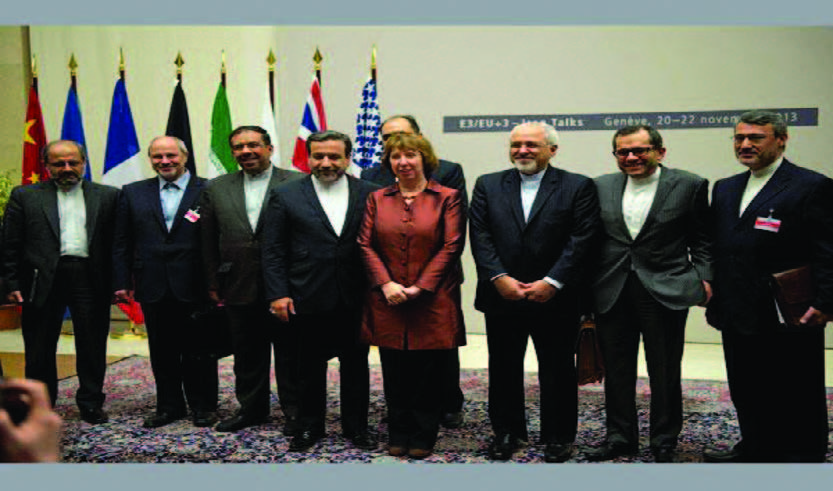
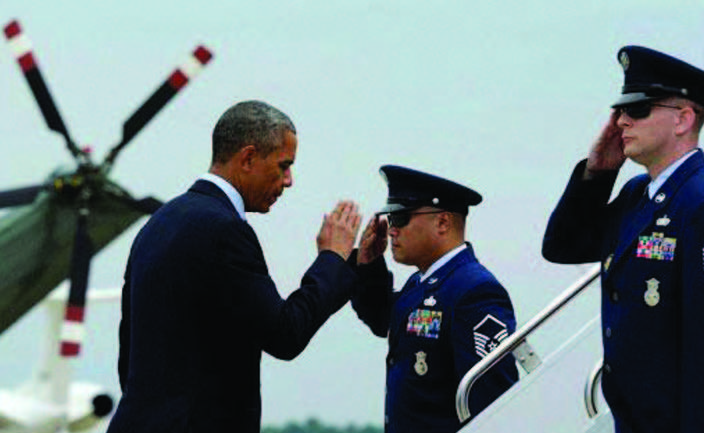
    Iran signed a crucial nuclear deal with the USA and five other world powers on November 24, marking it as a significant foreign policy achievement of the Barack Obama Presidency.
  • As the world kept

    As the world kept

    As the world kept on expecting that the USA would launch a military strike against the tyrannical regime of Bashar al-Assad in Syria, President Obama did not give the final go-ahead signal to his forces despite putting them on high alert.

  • Punjabis in search of their Punjab

    Punjabis in search of their Punjab

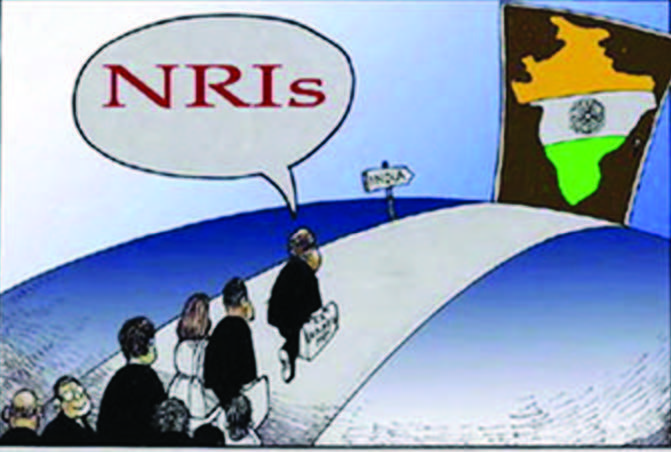
    “NRIs in Punjab face peculiar problems and fear of exploitation keeps expatriate Punjabis from investing in industry in Punjab”, says the US based author

    Most NRIs are very genuinely reluctant to visit Punjab. According to their perception and actual experiences, the crime as reported abroad in the newspapers and Punjabi television channels, is simply too much in the state and that scares them from visiting their villages. On paper, the police in the state and the other government machinery is very helpful, but in actuality, when need arises, the role of the officials is otherwise. The NRI visitors are viewed as prime targets for exploitation. NRIs even dread going to the exclusive NRI police stations. The record of NRI police stations so far in solving the common problems of the expatriate community appears far from satisfactory.

    The NRI office in Jalandhar is a nice place to visit but it does not fare any better. The bornabroad second generation finds Punjab simply devoid of any attraction to visit. Barring a few very affluent NRIs, who visit Punjab at least once every year, on an average an NRI visits Punjab only once in three years. Some have not visited Punjab for more than a decade. The good or bad experiences of their latest Punjab visit linger for years in the psyche of the NRI visitors. Expatriate Punjabis are indeed very hardworking, at least when they earn their livelihood abroad. Finding time for a Punjab visit from their jobs and businesses is very difficult for them. So on coming to Punjab, they don’t want to face unnecessary hassles and procedural wrangles in doing their business. They are simply not used to face clumsy obstructionism in their countries of domicile.

    Woes of expatriates
    Common problems of the Punjabi diaspora include vacation of adverse possession of their land holdings and residential and commercial properties back home. The occupiers are generally their close relatives or politically influential people of their area. Political backing of the illegal occupants of the NRI properties makes it difficult to evict them. In spite of government’s assurances, even the court cases linger for years and the NRIs don’t have time to relentlessly pursuing their cases sitting idle in Punjab for indefinite durations. They also know that once they are airborne, the cases they initiate shall be put on the backburner. Such a scenario sounds scary for the NRIs. Such cases are too numerous to count in Punjab. Every NRI loves Punjab and he/she wants to contribute his/her bit to make things somewhat better in his/her village.

    Promises not kept
    The Punjab Government is very generous in making promises to the NRIs. In 2007, the Punjab Government had made a commitment to match dollar for dollar if the NRI community contributes money for development projects in their villages. Subsequently they hiked the matching grant to twice the contribution of the NRIs. And now the state’s contribution against each dollar contributed by the NRI is three times. The irony is that in most cases neither dollar for dollar was matched, nor twice compared to a dollar was matched nor three dollars for each dollar is being matched these days. The common folks feel cheated in this situation. Why make a promise and then make a mockery of that. According to NRIs, their biggest priorities are improvement of school buildings, panchayat ghars, dispensaries, hospitals and janj ghars in their villages.

    They are more than willing to spend money on common facilities. If we look at the school buildings in the six NRIdominated districts viz Hoshiarpur, Nawanshahar, Jalandhar, Kapurthala, Ludhiana and Moga, thanks to the NRIs, most of their school buildings are relatively in good shape. But if we consider the Punjab Government’s contribution towards it, barring some villages of politically wellconnected people, the government’s role is negligible. The NRIs of Doaba are worried at the fast-depleting underground water in Punjab. The water table is going down even in some underserved canal irrigated areas of Doaba and Majha. The ever-deepening tubewells are a double edged sword.

    It costs a lot to deepen the well and it costs even more to the power companies to foot the bill of free power to the deepened tubewells. The power company’s loss is recovered from industrial and urban consumers. This becomes a never-ending vicious cycle. The Bist Doab Canal primarily serves the districts of Nawanshahar (Shaheed Bhagat Singh Nagar) and Jalandhar. More than half of land owners on both sides of this canal and its distributaries have at least one person settled abroad. In the last one-and-a-half decade, this canal has not been dredged in real sense. As a result, its flow capacity has been seriously inhibited. As of today, this canal can’t carry even half the discharge it was designed to carry. Weeds and cattails are growing in its bed. In some areas, some people have dumped construction and demolition debris in it.

    If the canal is not carrying full quantity of water, it is supplying much less water to the farmers. The shortfall in canal water means that the tubewells will run more. That leads to ever-deepening tubewells. The NRIs end up paying for the cost of deepening of the tubewells. If this cost can be saved, the NRIs and power companies can spend the spared money on other productive works elsewhere. As far as investing in industry in Punjab is concerned, the NRIs don’t appear to be in a serious mood to do so. The past experiences of their friends have not been very pleasant. They are once bitten, twice shy. Those involved in the IT industry are most interested in investing in Gurgaon, Pune, Bangalore and Hyderabad. Some have already done that. Punjab is not yet on their radar. I hope some positive thinking takes shape during the coming two-day NRI conclave.

    Welcome Notes
    An NRI web portal www.nripunjab.gov.in has been opened for expatriate Punjabis. NRIs will be able to register their complaints and grievances online on the portal. The portal also contains a photo gallery, along with information on Punjab. The Punjab Government is contemplating setting up special fast track courts for the speedy redress of complaints of NRIs pertaining to civil cases. The state Cabinet would soon allocate budget for setting up of the courts in the state.

  • On September 16,

    On September 16,

    On September 16, a gunman shot 12 people and injured three others in a mass shooting at the Naval Sea Systems Command (NAVSEA) headquarters inside the Washington Navy Yard in Southeast Washington DC.

  • On February 16,

    On February 16,

    On February 16, a meteorite exploded over Chelyabinsk in Russia and rained fireballs over a vast area that damaged property and injured over 1,000 people.

  • Pakistan’s teenage

    Pakistan’s teenage

    Pakistan’s teenage activist Malala Yousufzai stole the headlines throughout the year. On July 12, she spoke at the United Nations where she stressed access worldwide access to education. She also received various awards.
  • The tenure of Hillary Clinton

    The tenure of Hillary Clinton

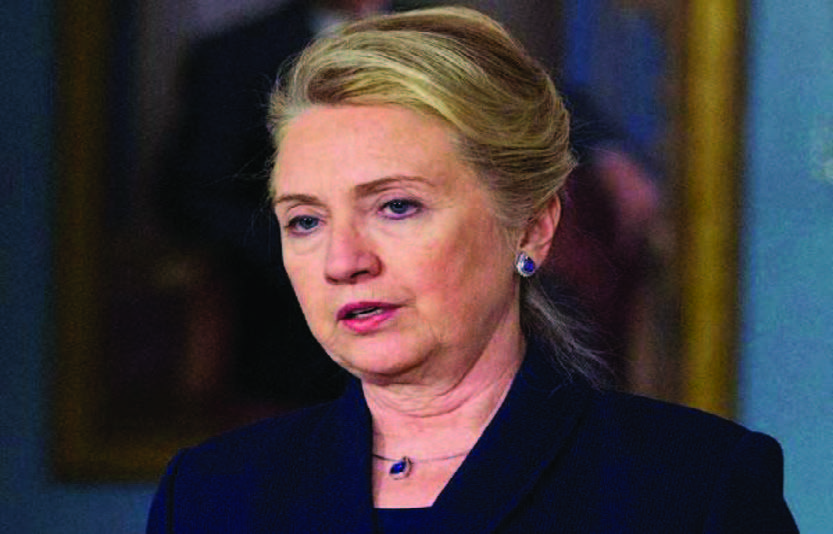
    The tenure of Hillary Clinton, wife of former US President Bill Clinton, as the US Secretary of State came to an end on February 1. She was succeeded by John Kerry. Clinton, sources said, is likely to be on the race for the US Presidency in 2016.

  • Enjoy your Time in the New Year

    Enjoy your Time in the New Year

    Another year is gone. And here we have a new one. We human beings tend to calculate time too much. Time is money. We keep thinking in America in terms of hourly wage. No time has to be lost. Wordsworth would definitely have shed tears to see everyone in a rush. No time to stand and state. No time to look at the passing beauty of Nature. I have seen many rushing out with a beverage in hand, forcing themselves in to rattling ahead. They are in a hurry. They probably have to catch a train or a bus. They can’t afford to be late. It is a question of money. I keep thinking if time were not linked with money, will my friends then also be in such a rush. I believe they will not be.

    It is in fact the dollars that make them dance. But then again, a question stares me in face. We all need money to get going. For some, it may be a luxury. But for many, it is a necessity. Money ruins time. Money ruins life. One way or the other. If you do not have it you are miserable. And if you have plenty of it, it keeps bothering you with multiple worries. Either way, money ruins life. Let us, in the New Year, try to save ourselves from ruination at the hands of money. Let us have time that is not necessarily money. Let us have some peace. Remember, money may be lost but time is never lost. Time past is present in Time future and Time future is contained in Time past, is what the famous poet T.S. Eliot said. Enjoy your time in the New Year.

  • LOK PAL BILL

    LOK PAL BILL

    The historic anti-graft bill The Lok Pal Bill has been passed by both houses of the Parliament and the UPA Government deserves the gratitude in sensing the sentiment of the people and doing the right thing for the nation. ‘This landmark legislation will have profound impact on the country in detecting corruption and dealing strongly with culprits who engage in the practice’ said George Abraham, Chairman, Indian National Overseas Congress (I), USA.We want to congratulate all those party leaders who worked together on this landmark legislation and Ms. Sonia Gandhi for fulfilling a promise and Mr. Rahul Gandhi in particular for his strong leadership in pushing for the final passage.

    A special tribute is also in order for Mr. Anna Hazare who rekindled the imagination of the ordinary folks in the street that resulted in demanding quick action from their political leaders to establish a framework to deal with this growing menace. We hope that soon the States will follow suit and constitute its own Lokayukta to put a check on the growing cases of corruption. This legislation is line with the Right to Information Act that was implemented by the UPA Government that has unearthed scores of cases of corruption and became a catalyst for the enactment of this new and remarkable legislation.

    TEN KEY PROVISIONS OF THE LANDMARK LEGISLATION:
    Lokpal members shall not be affiliated to any political party. A panel of Prime Minister, Leader of Opposition (Lok Sabha) and Chief Justice of India to appoint the Lokpal. An eminent jurist to be one of the members of Lokpal. The President of India to appoint eminent jurist on the recommendations of the selection panel. The Prime Minister’s Office will be under the Lokpal’s purview. The body also covers societies, trusts and associations funded by the government.Non-Governmental Organizations or NGOs remain outside its ambit. Investigations under the Lokpal to be time-bound. A maximum punishment of 10 years for those convicted under the Act.

    CBI to have separate Director (Prosecution), to be appointed on the recommendations of the Chief Vigilance Commissioner,who reports to the agency’s director. CBI Director and Director (Prosecution) to have fixed term of two years. Transfer of investigating officers can only take place with the approval of the Lokpal President can suspend a Lokpal member on the recommendation or interim order of the Supreme Court. A Lokpal member can be removed by the President after a Supreme Court inquiry. Supreme Court can probe Lokpal member on reference from President of India after a petition signed by at least 100 Members of Parliament. Each state must have a Lokayukta within one year of the notification of the Lokpal Act.

  • MP TEMPLE STAMPEDE

    MP TEMPLE STAMPEDE

    The Navratra festivities ended in tragedy when 110 pilgrims including women and children were killed and more than 100 injured in a stampede on a bridge leading to the historic Ratangarh temple in Datia district of Madhya Pradesh on October 13 It was a disastrous re-run of the 2006 stampede when more than 50 pilgrims had got washed away falling in panic into the Sindh river off the same bridge in 2006.

  • 2013: A CHALLENGING TIME FOR INDIA-US RELATIONS

    2013: A CHALLENGING TIME FOR INDIA-US RELATIONS

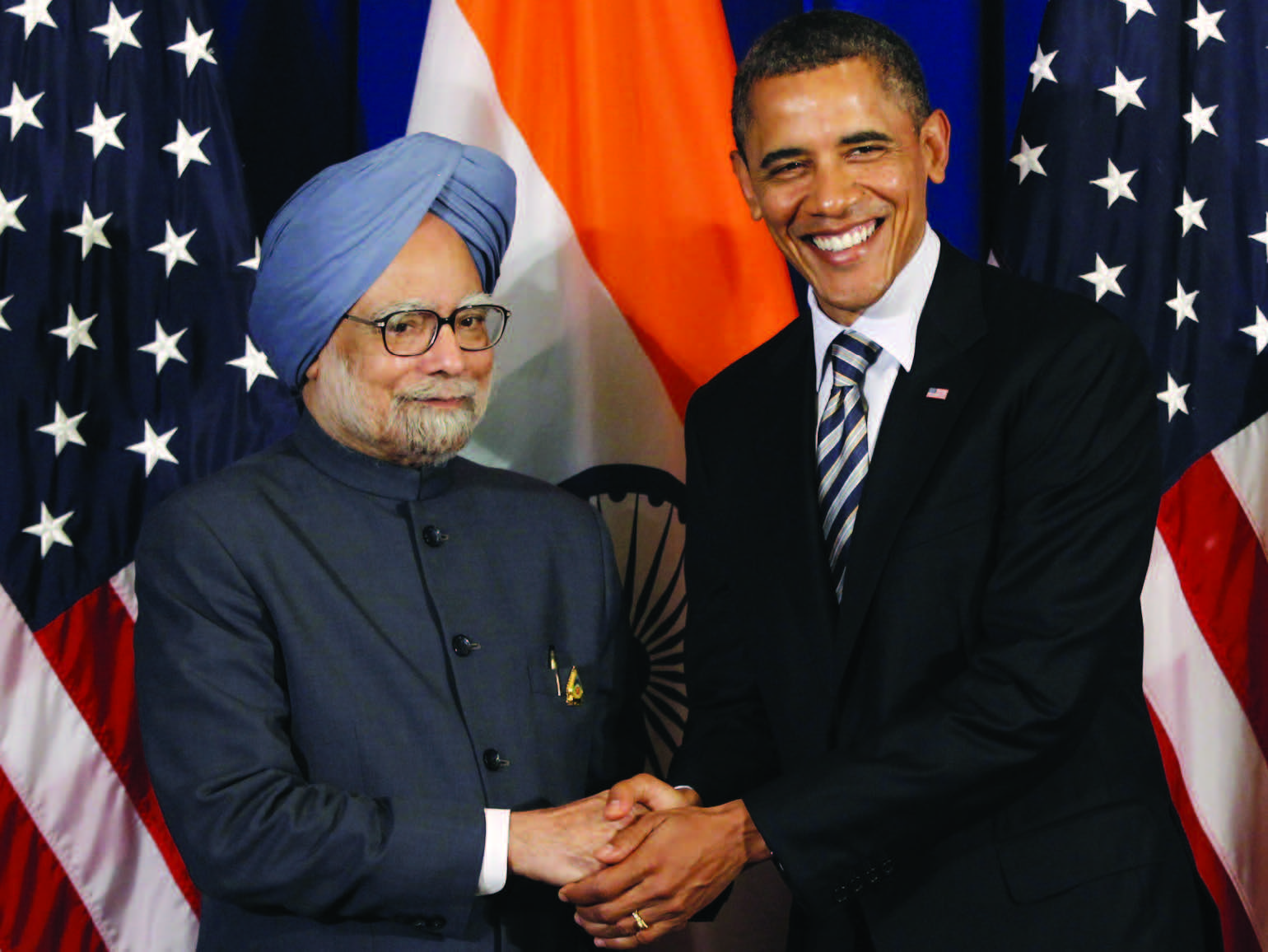
    The year 2013 will be remembered for the challenges it threw up for the ties between the world’s two largest democracies, including a row triggered by the arrest and strip-search of an Indian diplomat in the US. Prime Minister Manmohan Singh held a successful meeting with US President Barack Obama at the White House and Vice President Joe Biden made a rare trip to India, but the strain in bilateral relations was evident throughout 2013 especially over India’s nuclear liability act.

    Also, over 200 American lawmakers made an unprecedented move to vent their ire against India’s economic policies. However, the events of the year were capped by the arrest of senior diplomat Devyani Khobragade, the Deputy Consul General in New York, on visa fraud charges. While the US asserted that by arresting her, it was enforcing the law of the land, India fought back by taking a series of reciprocal measures like withdrawing special privileges of US Embassy personnel in New Delhi.


    41 copy

    Following the arrest, one of the rare occasions when an Indian diplomat was detained overseas, the India-US ties came to a standstill. Even earlier, many experts had said that it has plateaued. This was mainly because both the Congress and the influential American industry – the main drivers of India-US ties in the past decade – openly expressed their anger and anguish over India’s economic policies. Through a series of letters, more than 240 Congressmen and Senators and Corporate America sought Obama’s help to address what they described as policy paralysis in India.

    But when Prime Minister Singh held his highly successful meeting with Obama in September, which was preceded by India visits by Vice President Biden and Secretary of State John Kerry, it looked like the two countries were working together to address their differences and take steps to strengthen bilateral ties. With Obama himself showing personal interest in deepening ties with India, which he considers central to re-balancing his policy for the Asia-Pacific region, the White House meet resulted in a US-India Joint Declaration on defence cooperation.

    The joint declaration, a product of what is being called the “Clinton-Menon” initiative, put India at par with the closest American allies and paved the way for joint defence codevelopment and co-production. The year also saw for the first time visits by the heads of all the three wings of India’s armed forces to the US. The US Army Chief Raymond Odierno too made a rare visit to India. While defense cooperation grew by leap and bounds, sharp differences between the two sides on key economic issues gradually came out in the open.

    The US raised the issue of foreign direct investment, intellectual property rights and taxation, and sought reforms in key sectors like insurance. India and Indian companies were upset over the comprehensive immigration bill, which they argued would be harmful to the Indian economy and badly hit Indian companies in the US. Despite repeated efforts, the US did not offer any concrete promise on the issue.

    Also, the US lawmakers expressed their concerns over nuclear liability act. The act, passed by both houses of Indian parliament, aims to provide a civil liability for nuclear damage and prompt compensation to the victims of a nuclear incident through a nofault liability to the operator.

  • BJP WINNER, CONG ZERO, AAP HERO

    BJP WINNER, CONG ZERO, AAP HERO

    Congress party’s 0-4 mauling and BJP’s triumph in Madhya Pradesh, Rajasthan and Chhattisgarh in what was billed as the “semifinal” for the 2014 elections was the big headline, but the central takeaway was Aam Aadmi Party’s stunning debut in Delhi, prising open space in national politics for an outsider.