Year: 2017

  • Ram Rahim Singh’s supporters riot after his conviction- Breaking News

    Ram Rahim Singh’s supporters riot after his conviction- Breaking News

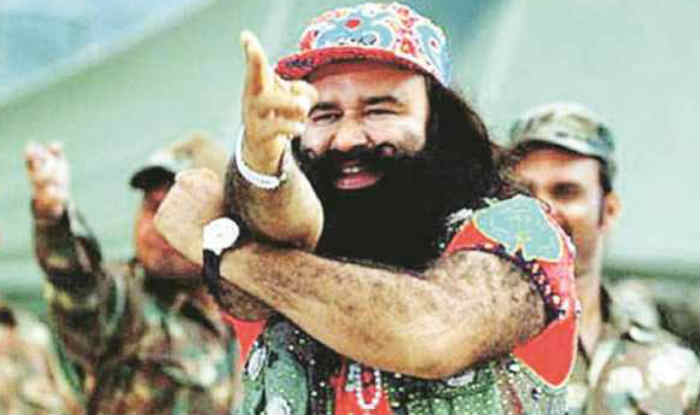
    Close to 30 people killed and many wounded as supporters of Gurmeet Ram Rahim Singh protest the  verdict against the MSG.

    Nearly 30 people have been killed in India as violent protests erupted after a court convicted the self-styled “godman” Ram Rahim of raping two female followers.

    Friday’s verdict angered and raged thousands of Gurmeet Ram Rahim Singh’s supporters who said he was innocent.

    Singh was found guilty in a case dating back to 2002 at the headquarters of his Dera Sacha Sauda group in the northern town of Sirsa.

    Supporters rampaged in response, setting fire to government buildings, attacking railway stations, petrol stations and television vans in towns across the northern states of Punjab and Haryana soon after the verdict was announced, witnesses said.

    Hundreds of Indian police and soldiers patrolled Panchkula, the town where the court gave its verdict on Singh, as local officials feared an outbreak of violence.

    Police fired tear gas and water cannon to disperse the protesters.

    The violence left at least 30 dead, including some with bullet wounds, and more than 250 injured, according to BS Sandhu, a top Haryana police official.

    He said more than 1,000 of the guru’s supporters had been detained in Panchkula on charges of arson and destruction of public property.

    A spokesman for the guru’s , Dera Sacha Sauda, urged his supporters to remain calm. “I just want to request everyone to maintain peace at the moment,” said Dilawar Insan. “We will explore what legal options are available to us.”

    Dozens of cars were burning in Panchkula town while a bloodied body lay in the middle of a road.

    “The [police] have updated us on the law and order situation in Panchkula… The situation is still tense, but not out of control,” said federal home secretary Rajiv Mehrishi said in New Delhi.

    A curfew was imposed in four districts in Punjab that are strongholds of the Dera Sacha Sauda group.

    “There has been violence in some towns in Punjab, we are taking all measures to maintain peace,” said the state chief minister Amarinder Singh.

    A defence spokesman said six columns of the Indian army, amounting to about 600 men, had been deployed in Panchkula to help police and paramilitary contain violent mobs.

    Section 144 enforced in Ghaziabad, Noida

    In view of the violence in and Punjab, authorities in the NCR towns of and under western have enforced prohibitory orders under Section 144 of CrPC.

    District Magistrate Ministhy S. Nair, while proclaiming the enforcement of preventive measures in the district, said initially the prohibitory measures would be in place for two weeks and the situation would be reviewed later.

    Prohibitory orders have also been enforced in Gautam Budh Nagar district comprising and Greater

    District Magistrate B.N. Singh said Section 144 was already in place and in view of the developments in the adjoining state, it has been extended.

    Source: News agencies & IANS

    This is Developing Story…..do log in to get more updates only on The Indian Panorama


  • Amit Shah, Smriti Irani sworn-in as Rajya Sabha MPs

    Amit Shah, Smriti Irani sworn-in as Rajya Sabha MPs

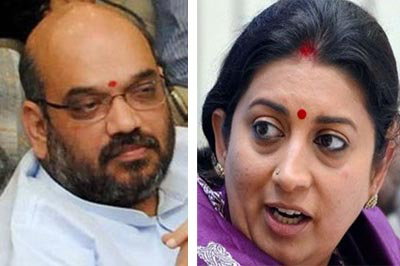
    New Delhi (TIP): Bharatiya Janata Party (BJP) president Amit Shah and Union Minister Smriti Irani took oath as Rajya Sabha MPs, in Delhi, on Friday. Chairman, M Venkaiah Naidu, administered the oath of secrecy to both the BJP leaders.

    This is Amit Shah’s debut in the Parliament and was elected to the Upper House from Gujarat earlier this month.

    Shah has been a five-term MLA in the Gujarat Assembly. Congress leader Ahmed Patel also won in the Gujarat elections, even though few legislators deserted the party days before the election and cross-voting.

    The BJP lacks majority in the House and it is being said that Shah’s entry into the Rajya Sabha would give a boost to the party. Source: ANI

  • FOCUS ON FLOODS, INFRA AS INDIA, NEPAL INK 8 PACTS

    FOCUS ON FLOODS, INFRA AS INDIA, NEPAL INK 8 PACTS

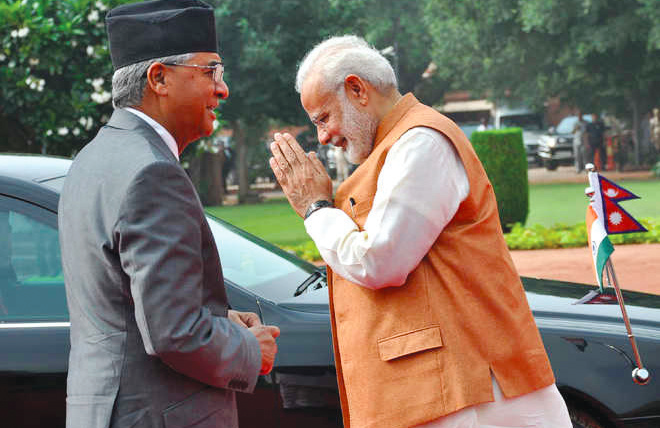
    NEW DELHI (TIP): Infrastructure development, measures to improve connectivity, earthquake reconstruction and a concerted effort to tackle the perennial problem of floods on both sides figured prominently during the comprehensive talks between India and Nepal here today.

    A range of bilateral issues came up for discussion during talks between PM Narendra Modi and his Nepalese counterpart Sher Bahadur Deuba on his first overseas visit after assuming office in June.

    Nepal also reassured India that it would never allow any anti-India activity from its soil as both sides discussed defence and security matters. Modi identified defence and security as important aspects of bilateral ties.

    At the joint media meet, Modi said both sides had a positive meeting that reviewed the gamut of the partnership and that he had assured Deuba about India’s commitment towards Nepal’s development.

    The two leaders jointly inaugurated the Kataiya-Kusaha and Raxaul-Parwanipur cross-border power transmission lines. Eight MoUs were signed — four pertaining to earthquake reconstruction; and one each for narcotics control; cooperation in field of standardisation; construction of Mechi bridge; and Chartered Accountants institutes.

    Deuba’s visit comes amid the standoff between India and China at Doklam, a development on which Nepal has preferred to remain neutral. Foreign Secretary S Jaishankar said Doklam did not figure in any of the PMs’ talks.

    India also walked the extra mile to welcome Deuba whose predecessor KP Sharma Oli had tilted towards Beijing much to the discomfort of New Delhi. Deuba also called on President Ram Nath Kovind and Vice-President M Venkaiah Naidu.

    On Madhesis, India reiterated its stand that the broadest possible consensus of people and society should be considered while making the Constitution. Deuba said Nepal was making efforts in that direction and it was a work in progress.

    Source: The Tribune

  • CBI GRILLS PC’S SON KARTI IN GRAFT CASE

    CBI GRILLS PC’S SON KARTI IN GRAFT CASE

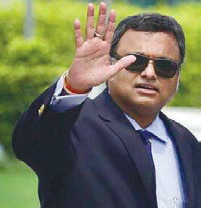
    NEW DELHI (TIP): The CBI grilled Karti Chidambaram for about eight hours in connection with an alleged irregularity in Foreign Investment Promotion Board (FIPB) clearance given to a media group, INX Media, for receiving funds from Mauritius when his father P Chidambaram was the Union Finance Minister.

    The CBI investigators prepared 100 questions on different aspects of the case to ask Karti, who was directed by the Supreme Court to appear for questioning, sources said.

    Karti reached the CBI office at about 10.20 am and left around 7 pm. He would again be examined on August 28 along with four other accused. Karti is the first person in the case to be questioned in Delhi.

    It is alleged that a firm “indirectly controlled” by him received money from INX Media, run by Indrani and Peter Mukerjea who are in jail in the murder case of Indrani’s daughter Sheena Bora. The CBI had issued a notice to Karti to appear for questioning in June but he had sought time.

    Later, a lookout circular was issued against him to prevent him from leaving the country. Karti then approached the Madras High Court, which stayed the circular.

  • Rahul Gandhi, Mayawati to skip RJD rally on August 27

    Rahul Gandhi, Mayawati to skip RJD rally on August 27

    Video clips of chief minister Nitish Kumar’s statements against PM Narendra Modi before the 2015 assembly elections and Modi’s DNA comment and other remarks against Kumar will be played at the rally.

    PATNA (TIP): RJD chief Lalu Prasad’s proposed ‘BJP Bhagao, Desh Bachao’ rally at Gandhi Maidan in Patna on August 27 seems to have lost its sheen.

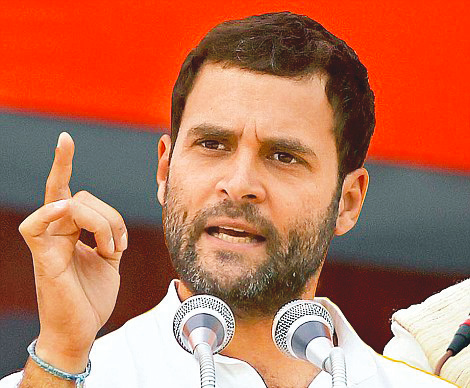
    The rally, an effort at uniting the opposition parties to take on the BJP-led NDA in the 2019 Lok Sabha poll, will not be attended by Congress leaders Sonia Gandhi or Rahul Gandhi and BSP supremo Mayawati. However, the Congress will be represented by Ghulam Nabi Azad.

    Mayawati on Thursday justified her decision to skip the rally, saying her party has conveyed to the RJD that it will share the stage with it only if it is decided in advance which party gets how many seats.

    JD(U) dissident Sharad Yadav has also confirmed participation in the rally. Among other leaders who will attend the rally are West Bengal chief minister Mamata Banerjee, former chief ministers of Uttar Pradesh and Jharkhand Akhilesh Yadav and Hemant Soren, respectively.

    “We have extended invitations to 17 parties that have come together with the Congress to form a joint opposition platform,” said Bhola Yadav, a close aide of the RJD chief and MLA from Bahadupur in Darbhanga. He said Om Prakash Chautala-led INLD, DMK and a few other parties from Jharkhand will also be represented at the event. Prasad’s younger son Tejashwi Prasad Yadav has already undertaken a two-phase statewide tour to drum up support for the rally. “The rally will be different from the past with respect to ambience, extensive use of technology and less of rustic flavour. The change can be attributed to the advent of Tejashwi as the widely accepted next generation leader,” they added. Yadav himself is supervising the arrangements for the rally.

    Video clips of CM Nitish Kumar’s statements against PM Modi before the 2015 assembly elections and Modi’s DNA comment and other remarks against Kumar will be played at the rally. “Facts will speak for themselves before the ‘malik’ to make an assessment how Kumar insulted their mandate,” said RJD leader Sanjay Yadav.

  • Supreme Court declares triple talaq ‘void’, ‘invalid’

    Supreme Court declares triple talaq ‘void’, ‘invalid’

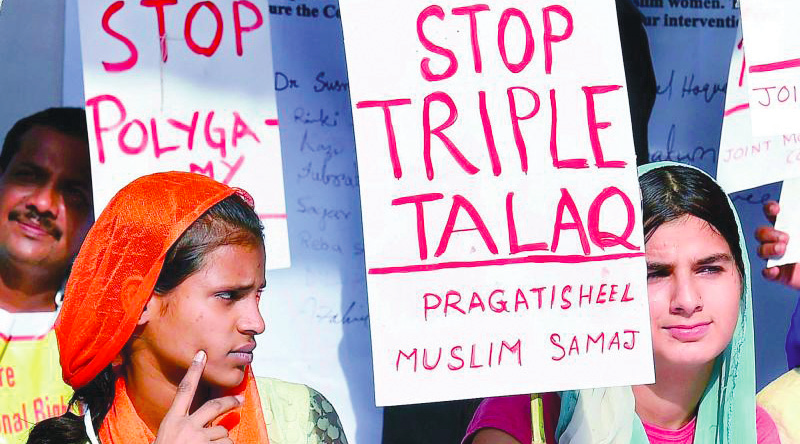
    NEW DELHI (TIP): The Supreme Court by a majority verdict Aug 22 (Tuesday) set aside the practice of divorce through triple talaq among Muslims, saying the practice was void, illegal and unconstitutional.

    The apex court held that the triple talaq was against the basic tenets of Quran. “In view of the different opinions recorded by a majority of 3:2, the practice of ‘talaq-e-biddat’ – triple talaq is set aside,” a five-judge constitution bench said in a 395-page order.

    While Chief Justice J S Khehar and Justice S Abdul Nazeer were in favour of putting on hold for six months the practice of triple talaq and asking the government to come out with a law in this regard, Justices Kurian Joseph, R F Nariman and U U Lalit held it as violative of the Constitution.

    The majority verdict said any practice including triple talaq which is against the tenets of Quran is unacceptable. The three judges also said the practice of divorce through triple talaq is manifestly arbitrary and violative of the Constitution and must be struck down.

    The minority verdict by CJI Khehar and Justice Nazeer, which favoured keeping on hold the practise of triple talaq for six months, asked the political parties to set aside their differences and help the Centre in coming out with a legislation.

    The judges in the minority verdict said that if the Centre does not bring a law within six months, then its injunction on triple talaq will continue. CJI Khehar and Justice Nazeer in their minority verdict expressed hope that the Centre’s legislation will take into account the concerns of Muslim bodies and the Sharia law.

    The bench, made up of judges from different religious communities — Sikh, Christian, Parsi, Hindu and Muslim, had heard seven pleas, including five separate petitions filed by Muslim women challenging the prevalent practice of ‘triple talaq’ in the community.

    The petitioners had claimed that the practice of ‘triple talaq’ was unconstitutional.

    The Muslim women, who had filed the petitions, had challenged the practice of ‘triple talaq’ in which the husband pronounces ‘talaq’ thrice in one go, sometimes even by phone or a text message, to get divorce.

    During the hearing, the apex court had observed that the practice of ‘triple talaq’ was the “worst” and “not a desirable” form of dissolution of marriage among Muslims, even though there were schools of thought which called it “legal”.

    The Centre had earlier told the bench that it will come out with a law to regulate marriage and divorce among Muslims if ‘triple talaq’ is held invalid and unconstitutional by the apex court.

    The government had termed all the three forms of divorce among the Muslim community –- talaq-e-biddat, talaq hasan and talaq ahsan, as “unilateral” and “extra-judicial”.

    It has said that all personal laws must be in conformity with the Constitution and rights of marriage, divorce, property and succession has to be treated in the same class and has to be in conformity with the Constitution.

    The Centre had said ‘triple talaq’ is neither integral to Islam, nor a “majority versus minority” issue but rather an “intra-community tussle” between Muslim men and deprived women.

    The batch of pleas had also challenged the constitutional validity of other practices like ‘nikah halala’ and polygamy among Muslims. The bench had taken up the main matter on its own as a petition titled “Muslim women’s quest for equality”.

    The apex court had on its own taken cognizance of the question whether Muslim women faced gender discrimination in the event of divorce or due to other marriages of their husbands. Source: PTI

  • AIADMK merger sets up mother of all battles for Sasikala

    AIADMK merger sets up mother of all battles for Sasikala

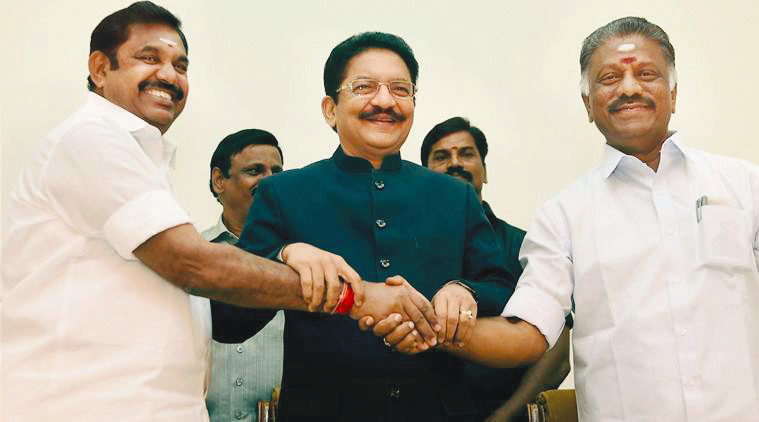
    CHENNAI (TIP): Sitting in Parappana Agrahara jail on Bengaluru’s outskirts, VK Sasikala has the mother of all battles on her hands: her party, on which she had had an unassailable sway for over three decades, is now intent on getting rid of her.

    Apparently steered by the Bharatiya Janata Party (BJP), which is looking for a foothold in Tamil Nadu, the two factions of the All India Anna Dravida Munnetra Kazhakam (AIADMK) recently merged after an acrimonious period in the wake of party supremo J Jayalalithaa’s death last December. The BJP views Sasikala as having too much baggage.

    But the 60-year-old still has some fight left in her, orchestrating her moves through her nephew, TTV Dinakaran. So 19 MLAs supporting him have met governor C Vidyasagar Rao to give him letters withdrawing their support to the Chief Minister. This potentially reduces the EPS–led government to a minority one.

    When Jayalalithaa loyalist O Panneerselvam (OPS) made Sasikala’s exit from the party a condition for the merger, Chief Minister Edappadi Palaniswami (EPS) said the party’s general council will soon be convened to remove her from the post of general secretary.

    For Sasikala, the AIADMK has been as much part of her life, as Jayalalithaa herself was and, for over three decades, she was the go-to person for most AIADMK leaders. Observers, commenting on the developments, say that the BJP perhaps did not want Sasikala to become another Jayalalithaa.

    “The BJP saw in Jayalalithaa’s death an opportunity and is clearly exerting control over the AIADMK. This would not have been possible [with] Sasikala becoming powerful. The fact that Prime Minister Narendra Modi met Paneerselvam four times in a week before the merger establishes BJP’s role. When was meeting Modi so easy for a leader from Tamil Nadu?” asks senior journalist R Ramasubramaniam. Source: HT

  • Indian American Novelist Padma Viswanathan to be honored with Porter Fund Literary Prize

    Indian American Novelist Padma Viswanathan to be honored with Porter Fund Literary Prize

    NEW YORK (TIP): Padma Viswanathan, the Indian American novelist and playwright from Arkansas is the recipient of the 2017 Porter Fund Literary Prize. She is an associate professor of fiction in the Program in Creative Writing and Translation at the University of Arkansas. A native of Canada, she now lives with her family in Fayetteville.

    The Porter Prize is presented annually to an Arkansas writer with a substantial and impressive body of work that merits enhanced recognition. The $2,000 prize makes it one of the state’s most lucrative as well as prestigious literary awards. Eligibility requires an Arkansas connection

    Viswanathan will be honored at an award ceremony Thursday, Oct. 26 at the Main Library’s Darragh Center in downtown Little Rock. The Porter Prize was founded in 1984 by U of A alumni Jack Butler and Phil McMath to honor Ben Kimpel, their former professor of English at the U of A. At Kimpel’s request, the prize is named in honor of his mother, Gladys Crane Kimpel Porter. The annual prize, has been given to 31 poets, novelists, non-fiction writers and playwrights.

    Viswanathan was notified of her award by Fayetteville playwright and novelist Bob Ford, the 2010 recipient of the Porter Prize.

    “It seemed somehow fitting that I received the call about being selected for the Porter Prize while watching my kids play in Central Park: no matter where I go now, Arkansas, my adopted home, exerts an irresistible pull,” said Viswanathan. “I didn’t know, when I moved to Fayetteville eleven years ago, whether Arkansas would have me, nor what I would have to offer this place.

    “To be awarded the Porter Prize feels like a response to those questions. I am profoundly honored.”

    Viswanathan’s first novel, The Toss of a Lemon, traced sixty years in the lives of an Indian widow and her gay manservant. It was published in eight countries, and was a finalist for the Commonwealth (Regional) First Book Prize, the Amazon.ca First Novel Prize and the Pen Center USA Fiction Prize. Her second novel, The Ever After of Ashwin Rao, was published in four countries and was a finalist for The Scotiabank Giller Prize. In this book, a cranky Indian psychologist comes to Canada to do what he calls a ‘study of comparative grief,’ tracing the effects of a 1985 jet bombing. Canada’s Globe and Mail newspaper called it “the best kind of political novel: the kind that doesn’t force you to constantly notice it’s a political novel.”

    Viswanathan also writes plays, short stories, personal essays and cultural journalism. Her translation of the novel St. Bernardo, by the late Brazilian novelist Graciliano Ramos, is forthcoming from New York Review Books, and she is currently writing a nonfiction book.

  • Indian-American Mathew Martoma’s insider trading conviction upheld by Federal Court

    Indian-American Mathew Martoma’s insider trading conviction upheld by Federal Court

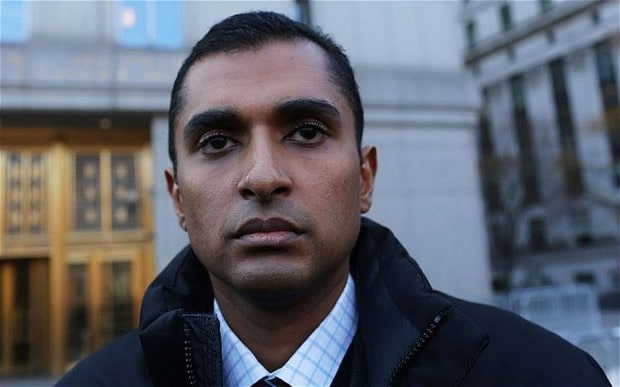
    NEW YORK (TIP): A federal appeals panel upheld on August 23 the insider trading conviction of Mathew Martoma, a former portfolio manager for Steven A. Cohen, rejecting his claims that there was inadequate evidence of guilt and that the jury instructions were defective. The Indian American is currently serving a nine-year prison sentence. As a former portfolio manager at S.A.C. Capital Advisors, a Stamford, Connecticut-based hedge fund, he was accused of generating possibly the largest single insider trading transaction profit in history.

    Martoma, was convicted on charges that he used confidential information related to a clinical trial for an experimental Alzheimer’s drug to make stock trades that reaped $275 million. The Martoma case was among the most prominent prosecutions brought by Indian American Preet Bharara, then the United States attorney in Manhattan.

     “We are gratified by the Second Circuit’s affirmation of Mathew Martoma’s conviction.  The strength of our securities markets rests on their integrity and fairness.  And the successful prosecution of those who cheat by trading on illegally obtained inside information, as Martoma did to the tune of over $275 million, is critical to maintaining that integrity and fairness in our markets”, Joon H. Kim, the acting United States attorney in Manhattan, said in a statement.

    According to the criminal complaint filed by the U.S. Department of Justice, Martoma allegedly advised to sell shares of pharmaceutical companies Wyeth and Elan Corporation based on tips from Steven A. Cohen two doctors, including Sid Gilman of the University of Michigan, about the Alzheimer’s disease drug bapineuzumab during clinical trials overseen by the FDA. Martoma pleaded not guilty to formal charges of securities fraud, two counts, and conspiracy which resulted in $276 million in profits for SAC Capital in 2008. The insider trading trial began on January 9, 2014 in the United States District Court for the Southern District of New York. On February 6, 2014, Martoma was found guilty on all charges. On September 8, 2014, Martoma was sentenced to 9 years in prison.


  • Indian American Appointed Executive Director of ACLU-NJ Chapter

    Indian American Appointed Executive Director of ACLU-NJ Chapter

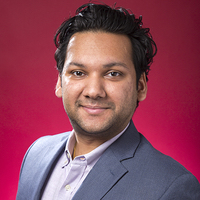
    EDISON, NJ (TIP): The American Civil Liberties Union’s New Jersey chapter (ACLU-NJ) announced that Indian American attorney Amol Sinha has been named as executive director. The Jersey City resident, who most recently led state advocacy campaigns to address wrongful convictions nationwide at the Innocence Project, will begin his term on September 1.

    “In the first few months, my plan is to travel across the state, listen to the needs of people here, meet with as many organizations, community groups, and people as possible, and make the ACLU completely accessible,” Sinha said. “I want people across the state to know that we’re here as a partner, to collaborate together to make New Jersey better and more welcoming than it already is.”

    For Sinha, who grew up in Lawrenceville, taking the helm is a homecoming, not just to his home state, but to an organization that has always anchored him. Sinha’s first role as a newly minted lawyer – after interning for the national ACLU while a student at Benjamin N. Cardozo School of Law – was as director of the Suffolk County Chapter of the New York Civil Liberties Union. He said the job posting had an unforgettably fluid yet empowering description: “Be the face of the NYCLU.”

    Approaching the responsibility with great pride, he transformed the Suffolk County Chapter into an advocacy powerhouse, making inroads with unexpected allies like the Suffolk County Police Department and Sheriff’s Office. The chapter, working with allies, convinced Suffolk County to stop honoring Obama-era immigration detainers – although that policy has been rolled back, a reminder that no battle for liberty stays won, no matter the administration. Under Sinha’s leadership, the chapter successfully defeated unconstitutional policing and surveillance schemes and investigated public schools that prohibited immigrant students from enrolling. The ACLU-NJ has done similar investigations of public schools and taken legal action as a result.

    Sinha’s childhood in the Garden State was integral to his passion for civil rights. The son of Indian immigrants who came to America in the early 1970s, Sinha vividly recalls a persistent feeling that he couldn’t quite articulate. He has always been proud of his roots, but as with many first-generation Americans, struggled to find the right balance of identities. While finding comfort in New Jersey’s growing diversity, he witnessed interactions growing up that indicated some people viewed him and his family differently because of their immigrant South Asian roots. Such incidents often rolled off his parents’ backs. But for him, it was an introduction to larger injustices faced by many groups.

    “The issues South Asian communities face are emblematic of civil rights issues – immigrants’ rights, racial justice, religious freedom, economic injustice, language access, gender-based discrimination, LGBT issues, and biased policing all impact South Asian communities in significant ways,” Sinha said.

    “New Jersey has the largest proportion of South Asian residents of any state, so it’s meaningful for a member of that community to lead our state’s ACLU,” Sinha added. “But, I truly believe in unity and breaking barriers across communities. I want every community and every person in New Jersey to know they can call on the ACLU as a resource.”

    Sinha is the first person of color to lead the ACLU-NJ and one of the first South Asian executive directors of an ACLU affiliate. Maya Harris, who led the ACLU of Northern California from 2006 to 2009, was the first person of South Asian descent to lead a state ACLU affiliate.


  • Indian American physician to run for Congress in Arizona

    Indian American physician to run for Congress in Arizona

    PHOENIX, AZ (TIP): Dr. Hiral Tipirneni, an Indian American emergency room physician and cancer research advocate, officially announced her candidacy for Arizona’s 8thCongressional District.

    Hiral has dedicated her life to serving her community and is running for Congress to take on Washington special interests by putting the district’s residents first.

    “I believe in solving problems and improving lives, which is all about people, not partisanship,” said Dr. Tipirneni. “That’s what I did in the emergency room, and I’m running for Congress to do the same,” she added.

    Hiral has served the Phoenix area for more than two decades, first as an emergency room physician. Most recently, she joined the board of directors of the Maricopa Health Foundation, which supports the county’s public health care delivery system.

    “I’m not a career politician,” Hiral stated, “But I’ve successfully worked with people from all walks of life, and I promise to bring that team oriented approach to working with Republicans and Democrats alike to get the results we need.”

    Hiral came to America from India with her family at the age of three. Her family struggled at first, but Hiral’s father eventually secured a job in his field of structural engineering in Ohio, where she and her brother were raised in a blue-collar suburb of Cleveland. Hiral’s mother, a social worker, was the director of a downtown Cleveland senior center and initiated its Meals on Wheels program. Hiral often accompanied her mother, and it was then she began to feel the tremendous impact small acts of service can have on another person.

    Following a childhood illness, Hiral was inspired to learn more about medicine and, after graduating from public school, she eventually earned her medical degree through an accelerated, competitive program at Northeast Ohio Medical University. A passionate problem-solver who thrives on working with a team, Hiral chose to pursue emergency medicine because of the wide variety of challenges it presented, and it allowed her to be the first point of contact for patients.

    Hiral met her husband, Dr. Kishore Tipirneni, during her first year of medical school. After she served as Chief Resident of the University of Michigan’s Emergency Medicine program, Hiral and Kishore looked for a place they could settle down, practice medicine, and begin raising a family. They sought somewhere that reflected the Midwestern values they both learned growing up. They chose Phoenix.

    Kishore joined a well-established orthopedic surgery practice and Hiral began working in the emergency department at Banner Good Samaritan downtown. She went on to serve in emergency departments at the Maricopa County Medical Center, Banner Thunderbird, and Abrazo Arrowhead hospitals – all while raising their three children in the Arrowhead community.

    After losing her mother and nephew to cancer, Hiral directed her passion and problem-solving skills to evaluating and directing funding for cutting-edge cancer research. She now leads teams of researchers, clinicians, and patient advocates in the fight to treat and cure breast cancer, prostate cancer, and childhood leukemia.

    Always invested in strengthening her community and improving its quality of life, Hiral initiated and was the lead organizer for a TEDx event about effecting positive change in the Northwest Valley. She also serves on a number of nonprofit boards of directors.

  • Indian American Doctor discovers Breakthrough Therapy for Sepsis

    Indian American Doctor discovers Breakthrough Therapy for Sepsis

    NEBRASKA (TIP): A breakthrough therapy has been developed by a team led by an American professor of Indian origin, Dr Pinaki Panigrahi, which can reduce the risk of Sepsis infection (a condition of bacterial infection that spreads fast and leads to organ failure) by 40%. The deadly infection kills around 60,000 kids around the world every year.

    Dr. Panigrahi is a professor of epidemiology and pediatrics at the Child Health Research Institute and Center for Global Health at the University of Nebraska Medical Centre’s College of Public Health.

     An elected fellow of the Infectious Diseases Society of America, he spent about 25 years at University of Maryland before coming to UNMC in 2010. A licensed clinician, tenured faculty and researcher at the UMB medical school, he served as the Director of International affairs at the UMB President’s office and established several hospital and field research sites in India and other countries. Under his direction, the center for global health and development at UNMC is now engaged in public health education, research, and practice across multiple continents with affiliate centers in Taiwan, Tanzania, Kenya, Uruguay, Bangladesh, and India.

    Starting with a prestigious Shannon award from the NIH Director’s office, Dr. Panigrahi’s career was supported very early by a FIRST award from NICHD, followed by multiple grants including R01 and U01 awards. Dr. Panigrahi received the young investigator award from the Eastern Society of Pediatric Research for his seminal work on gut flora in the newborn period and its link to necrotizing enterocolitis in premature newborns, followed by multiple basic research and clinical trial grants from federal and state agencies. With over $10M in total funding from NIH and the Bill and Melinda gates Foundation over the last fifteen years, he has directed many large-scale surveillance and intervention studies in India and several hospital-based studies in the U.S.

    Dr. Panigrahi has received additional research funding from the Maryland Industrial Partnership, the Fogarty International Center, the UN foundation, corporations such as Nestle-Switzerland and several other. Dr.  Panigrahi has focused on neonatal and child health issues ranging from serious conditions in the developed nations such as necrotizing enterocolitis to neonatal infections, diarrhea, malaria, birth asphyxia, prematurity, still births, and nutrition in the developing world setting. He described for the first time, the clinical picture of pediatric malaria in India to be different from that in Africa allowing the South-East Asia Regional office of the WHO to take a fresh look at their descriptions and recommendations.

    Dr. Panigrahi has worked for the World Bank in Belarus and as a consultant to multiple national and international bodies overseas. His work has been published in high impact journals such as the New England Journal of Medicine, PLoS Medicine, Pediatrics, and Infection and Immunity. He held the office of the secretary of the International Campylobacter and Helicobacter society, was a panel member of the scientific committee on Federal Regulation of Probiotics – USA, an invited member and participant in the International Scientific Association on Prebiotics and Probiotics and has served on multiple NIH study sections.

  • Indian American Police Captain Ron Raman appointed Chief of San Pablo Police

    Indian American Police Captain Ron Raman appointed Chief of San Pablo Police

    SAN PABLO (TIP): The City of San Pablo created history when it extended an official offer of employment to Indian American Police Captain Rathnesh (Ron) Raman, a 21-year veteran of the Pittsburg Police Department, as San Pablo’s new Chief of Police. Raman is the City’s first male minority Chief of Police appointed in San Pablo since the City’s incorporation in 1948.

    “After an extensive and competitive executive management search, I am pleased to announce Pittsburg Police Captain Ron Raman as San Pablo’s next Chief of Police,” stated San Pablo City Manager Matt Rodriguez.

    Raman, selected from a field of 32 applicants, replaced Interim Chief of Police Walter Schulz who has been serving the City’s Police department since March 2017.

    Raman has West Contra Costa County roots having spent his formidable teen years growing up in Pinole, CA, and graduating from Pinole Valley High School in 1991. He earned a Bachelor of Science Degree in Criminal Justice from California State University, Sacramento in May 1996, and a Master’s Degree in Leadership from St. Mary’s College in May 2004.

    He was hired by the Pittsburg Police Department in 1996, and has had an accomplished career of advancement currently serving as Police Captain since 2014. He is also a 2012 graduate from the California Peace Officer Standards and Training (POST) Command College Graduate Class #50.

    Additionally, Raman currently serves as a part time faculty member of the Department of Administration of Justice at Los Medanos Community College since 2005 in Pittsburg, CA.

    “Captain Raman has been instrumental in shaping Pittsburg’s crime – reduction strategies and ensuring Pittsburg Police Officers have the tools and training necessary to provide exceptional police services. He will be missed. The San Pablo Police Department and the residents of San

    Pablo are getting an exceptional law enforcement leader who understands community policing and the important role law enforcement plays in strengthening communities. His police and executive experience will make his transition as San Pablo’s new Police Chief a seamless process,” stated current Pittsburg Chief of Police Brian Addington.

    Chief Raman’s official start date with the City of San Pablo was Monday, August 14, 2017. He is the City’s first male minority Chief of Police appointed in San Pablo since the City’s incorporation in 1948.

    The City of San Pablo City Council will be planning an official swearing in ceremony for the new Chief on Wednesday, August 30, 2017 at 5:00 p.m., with a community welcoming reception immediately following in Maple Hall.


  • Indian American Editor of L.A Times Davan Maharaj Removed

    Indian American Editor of L.A Times Davan Maharaj Removed

    LOS ANGELES (TIP):  Los Angeles Times fired its Indian origin Editor-Publisher Davan Maharaj on August 21 as part of a massive personnel shakeup in the newspaper. Tronc, Inc., parent company of the fifth-largest newspaper in the United States says the shake-up is aimed at moving one of the nation’s flagship newspapers more quickly into the digital age while bolstering its Washington coverage and other reporting.

    Maharaj, a 28-year veteran of the Times who had held both titles since 2016, was terminated along with Managing Editor Marc Duvoisin, Deputy Managing Editor for Digital Megan Garvey and Assistant Managing Editor of Investigations Matt Doig.

    Veteran media executive Ross Levinsohn, the former interim CEO of Yahoo, was named Times publisher. Jim Kirk, who until last week was editor and publisher of the Chicago Sun-Times, was named interim executive editor and he will lead the search for a new editor in chief.

    “During the last 28 years, it has been an honor working with the best journalists in a great American newsroom. They are indomitable, and I wish them well in their continued fight to serve our community. I’m proud of the work we’ve done,” Maharaj wrote in an email to employees.

    Maharaj was born in Trinidad and Tobago and is of Hindu Indian descent. He worked as a reporter at the Trinidad Express before moving to the United States, where he received a degree in political science from the University of Tennessee, as well as a master’s degree in law from Yale University. He started his career at the Los Angeles Times as an intern in 1989, subsequently working as a reporter in Los Angeles, Orange County, and East Africa. He won the 2005 Ernie Pyle Award for Human Interest Writing.

    Maharaj received a political science degree from University of Tennessee, and a master’s degree in law from Yale University.

    In December 2011, Maharaj was named editor and executive vice president of the Times. In March 2016, he was named editor-in-chief and publisher of the Los Angeles Times. He used to oversee the largest daily newsgathering organization in the West.

  • USINPAC and Smart City Works host urban planning delegation from India

    USINPAC and Smart City Works host urban planning delegation from India

    WASHINGTON (TIP): Last week US India Political Action Committee (USINPAC) hosted a business meeting at Center for Innovative Technology for visiting smart-city planners from India. The meeting was co-hosted by Smart City works, first of its kind business actuator and a premier business accelerator with a focus on the built environment aiming to dramatically change the way we design, build, and operate civil infrastructure. The meeting reviewed how communities, corporations can work with technological innovation to transform India’s urban areas and improve basic services, lower energy costs, while maintaining ecological balance.

    The visiting delegation from India included entrepreneurs, government officials and industry experts; Ms. Namita Banka, CEO, Banka BioLoo, Mr. Srikanth Kireeti Katam, Independent Consultant, Mr. Naim Keruwala, Program Manager, Governance and Advocacy, Avantha Foundation, Mr. Sandeep Sarin, Deputy Director, Confederation of Indian Industry, Mr. Maheep Singh Thapar, Managing Director and Principal Consultant, Adapt Technologies and Consultancy Services, Ms. Jyoti Krishnkant Unadkat, Senior Contributor, Khabarchhe.com and eminent Indian Americans from the area.

    Topics that were explored included working with local and regional governments; to plan and provide equitable access to vital infrastructure such as water, electricity, and sanitation while encouraging growth and investment, to develop basic infrastructure including water, electricity, sewage treatment, and solid waste management, for personal and community health and safety, that would trigger economic growth and investments in urban areas, encourage sustainable practices such as smart building technologies, lower cost energy and transportation options, safe and people friendly greenway developments and collaborate with international partners, corporate leadership, and clean technology in urban spaces.

    Sanjay Puri, Chairman, US India Political Action Committee, welcoming the delegation said, “India has some of the most crowded cities in the world. Cities attract migrants because of better work opportunities but urban spaces need to be livable and sustainable. USINPAC has a tremendous opportunity under PM Modi’s ‘smart city initiative’ to provide a platform to transfer technology and expertise to make good on this promise.”

  • The talaq verdict fallout

    The talaq verdict fallout

    Judicial wisdom, political mischief

    By Harish Khare

    It needs to be noted that the Supreme Court ruling is a very limited intervention in the Muslim “religion” — limited only to a very obnoxious practice; the practice was held unacceptable by the court because it is in violation of the Islamic laws. In any case, progressive, liberal and sensitive voices within the Muslim community have consistently voiced themselves against the obnoxiousness of this practice of instant triple talaq, says the author.

    A socially useful litigation, insisted upon by those intrepid women of the Bharatiya Muslim Mahila Andolan, has produced a Supreme Court ruling, invalidating the practice of instant triple talaq. Lest it be suggested that the court had adjusted itself to the political expediencies of the day, we were curiously but repeatedly told that the judgment was delivered by a Bench that represented five different religious faiths. That was somehow meant to reassure us all. Still, that did not prevent the assorted politicians, from the Prime Minister downward, from overloading the verdict with their political calculations. Some wise and clever RSS functionary was even reported to have pronounced the death of “old secularism.”

    Consequently, we are forced to examine the political context of this consequential judgment. It needs to be noted that the talaq ruling has come soon after we recently courted an elaborate controversy over the Hamid Ansari proposition that the minorities in India had been given reason to feel insecure. Authoritative and angry voices were raised: how dare anyone bring up this disagreeable subject of the minorities’ welfare and insecurity?  The rebuff was laced with a be-grateful-for-what-you-are-allowed-to-have smugness.

    Legal scholars will keep chewing on the jurisprudential nuances of three sets of opinion, the larger question that needs to concern us is: how will the triple talaq ruling add to — or subtract from — the minorities’ sense of insecurity?  True, the honorable judges were not addressing themselves to the minorities’ (in)security but there can be no doubt that this ruling will have complications and consequences in the larger political landscape.

    To begin with, there may be cases of stray Muslim men being criminalized for being in violation of the Supreme Court. The very lumpen elements who had inflicted violence in the name of cow protection would feel emboldened to rework their gruesome energy. The use of violence and aggression against the minorities can now be explained away as sanctioned by the highest court.

    Some voices are already asserting that the ruling is the beginning of the end of what they see as the jumped-up insolence of the Muslims. Others are insisting that the politics of “appeasement” that began with the Shah Bano case three decades ago stands rolled back. This assertion of “appeasement” has been central to the ideological concoction served up by the Hindutva forces; it was meant to denigrate the non-BJP forces and to create certain visceral resentment, inducing a grievance that the majority remains at a clear disadvantage “in our own land”. So, unsurprisingly, the talaq judgment is deemed to be a political statement.

    It needs to be noted that the Supreme Court ruling is a very limited intervention in the Muslim “religion” — limited only to a very obnoxious practice; the practice was held unacceptable by the court because it is in violation of the Islamic laws. In any case, progressive, liberal and sensitive voices within the Muslim community have consistently voiced themselves against the obnoxiousness of this practice of instant triple talaq. So, why this dismay or jubilation?

    Arguably, the constitutional guarantee of freedom of religion does not constitute a blanket protection; nor are the minorities entitled to feel totally beyond the reach of the court’s jurisdiction.  Religious practices and customs can be challenged; and, in each case a determination is to be made by the court whether a practice is essential to the religion. In this limited context, the Muslim community need not allow itself to feel particularly cornered. Yet it is easier said than done.

    Because, on the other hand, there is a sense of satisfaction, even triumphalism, that the Muslims can no longer claim to be beyond the interventionist reach of the State; just as the majority has been repeatedly subjected to —remember the Hindu Marriage Act, the sati, dowry, etc. — the progressive gaze of the law, now the same light of reasoned enlightenment would be focused on the minorities. The hardcore constituency can permit itself a smirk that the Muslims have lost an ill-deserved immunity. A beachhead has been established.

    Indeed, the Hindutva forces have not lost any time in asserting that the triple talaq ruling is only the beginning; and that its old demand for a uniform civil code remains unabandoned. That demand itself is part of an unfinished agenda on what terms of co-existence are to be offered to the Muslims/minorities in India — parity, equality, or subordination.

    That will be the stuff of politics in the months and years to come. Make no mistake about it. Given the BJP’s current political ascendency, the minorities may well be within reason to feel that the ruling party is out to question every single assurance or commitment, even overturn constitutional guarantees. Indeed, the orthodox leadership of the Muslim community may feel besieged but it would be a pity if the maulanas were to spurn the opportunity to raise their game.

    Perhaps the most beneficial side-effect of the triple talaq ruling is that the Supreme Court has reclaimed its status and aura as the principal and only institutional interpreter of the constitutional rights and wrongs. The privacy case verdict on Thursday should be seen as a natural follow-up of the triple talaq verdict. A robust judiciary is central to the restoration of liberal sanity to our polity.

    Those who swear by progressive and liberal values and profess a commitment to secularism and pluralism have an obligation, post-Talaq ruling, to devise new political tactics. It needs to be recognized that the old-fashioned identity politics is becoming increasingly counterproductive. If the orthodox Muslim leadership were to insist on wallowing in its entrenched ill-liberalism of the status quo, it will only enhance the potency of ill-liberalism of the right wing. It is no rocket science that the BJP’s politics is predicated on creating hostility among groups and suspicion in society at large.

    Secular political parties and leaders have to give the Muslim community the confidence to grow out of the maulanas’ sway. The apex court has anchored its verdict on universal moral values; and, the same values can be invoked to insist a fair deal for the minorities in a fair constitutional order, creating “a good society”.

    Before he went rogue in Vietnam, President Lyndon Johnson had defined “a good society” as one in which all citizens and groups “expect justice for themselves and are willing to grant it to others”.  Liberal, democratic and secular voices need to seize the talaq judgment to insist on a renewal of the constitutional core guarantees.

    (The author is the editor-in-chief of Tribune group of newspapers)


  • And the war goes on: On Trump’s South Asia policy

    And the war goes on: On Trump’s South Asia policy

    Donald Trump’s plan for Afghanistan is still too short on specifics

    U.S. President Donald Trump’s decision to deepen the country’s military engagement in war-torn Afghanistan signals a significant shift in the position he has held for years. Mr. Trump had campaigned to end American involvement in foreign conflicts and was particularly critical of the Afghan war, which he said was “wasting” American money. His announcement on Monday of the decision to send more troops to the country reflects a realization that the U.S. does not have many options in dealing with its longest military conflict. This is also a grim reminder of the precarious security situation in Afghanistan. Sixteen years since George W. Bush ordered the American invasion of Afghanistan and toppled the Taliban regime, the insurgents are on the ascendant again. More than half the country’s territory, mostly in rural, mountainous areas, is now controlled by the Taliban, while the Islamic State has set up base in eastern Afghanistan. In recent years, both the Taliban and the IS have carried out a number of terror attacks in the country, including at highly fortified military locations, raising questions about the very survival of the government in Kabul. This is a worry point for Mr. Trump’s generals, who want to avoid the kind of vacuum left behind by the Soviet withdrawal in the late 1980s that plunged Afghanistan into a protracted civil war; the Taliban eventually took over.

    But it is not going to be easy for Mr. Trump. He is the third consecutive American President to send troops to Afghanistan. Mr. Bush and Barack Obama failed to swing the situation sufficiently to ensure a long-lasting difference in Afghanistan’s battleground. It is not clear if Mr. Trump can win a war they lost. His strategy can be summed up as Obama-plus — it builds on the premises of the Obama plan of additional troops and regional diplomacy. But unlike Mr. Obama, who set a timetable for the withdrawal of troops, Mr. Trump is ready for an open-ended engagement. He also said the focus of the American mission should narrow down to fighting terrorists, not rebuilding Afghanistan “in our own image”. Third, Mr. Trump minced no words while calling Pakistan a country that shelters terrorists. He also wants India to play a greater role in providing economic and developmental assistance to Afghanistan. India has welcomed Mr. Trump’s strategy, as the U.S.’s objectives in building a stable Afghanistan and ending Pakistan’s sponsorship of terrorism are exactly in line with India’s own goals for the region. It has, however, correctly reminded Mr. Trump that it does not need his request, never mind his coarse reference to “billions of dollars” made in bilateral trade with the U.S., in order to fulfil its commitment to Afghanistan’s economic development. Such open transactionalism will not serve the U.S.’s efforts in winning allies for its new Afghanistan policy, nor indeed will it further its mission in a country that is not unfairly called the “graveyard of empires”.

    (The Hindu)

  • Trump’s Afghan Shift

    Trump’s Afghan Shift

    By CR Gharekhan

    “Trump’s remarks on Pakistan and India are of obvious importance. A strong pillar of the new strategy, he declared, is to change the approach towards Pakistan. “We can no longer be silent about Pakistan’s safe havens to terrorist organizations”. Pakistan “has much to gain by partnering American efforts in Afghanistan” and much to lose by “continuing to harbor criminals and terrorists”. He did not specify what he would do if Pakistan did not cooperate, but hinted at a cut in economic aid when he stated: “We have been paying billions and billions of dollars at the same time they have been housing the very terrorists we have been fighting”, says the author.

    President Trump revealed his long-awaited strategy for Afghanistan in a prime time speech on national television on August 21. He called it “the path forward in Afghanistan and South Asia”, the first President to so describe it. The timing of the speech was selected, at least partly, to divert attention from the widespread criticism, including by senior leaders from his own party as well as from top business magnates, for his remarks on the Charlottesville happenings. He might have succeeded to some extent in this objective.

    In outlining his approach, he took a 180-degree turn and departed from his long-held and oft-repeated position demanding immediate withdrawal from Afghanistan. He was conscious of that and had the political courage to reverse his stand by not only not deciding to pull out but even announcing an increase in US troop strength. He was conscious of the American people’s strong aversion to sending more troops in harm’s way in faraway Afghanistan. He ignored the advice of Steve Bannon, the ultra conservative and his chief strategic adviser until last week when Bannon was pushed out. He did not mention any figures, though the number 4,000 has been talked. He declared an open-ended commitment, regarding numbers and the time period for troops to remain in Afghanistan.

    He specifically criticized Barack Obama’s unwise decision to announce the withdrawal date and to reduce the request for additional troops by 25 per cent —30,000 instead of 40,000.  Trump has embraced the military’s advice of making the continued stay of troops “conditions-based”, instead of time-based. Before Obama’s speech at West Point, there was intense debate about “time bound” versus “conditions based”, but he made a grave error by taking the time-bound approach. Trump also criticized Obama for pulling out of Iraq in 2011, leaving a vacuum which was exploited by the Islamic State. However, Obama had very little choice in the matter since the Iraqi government and Parliament refused to sign the “Status of Forces Agreement” which was a must for the administration to station troops in a foreign country on a long-time basis.

    In addition to the “conditions-based” approach, Trump assured the military that it will have the resources and operational freedom, including deciding on the rules of engagement, to make the new strategy “work, and work effectively, and work quickly”. This is somewhat on the lines of the Modi government’s carte blanche to the Army to use whatever force is deemed essential to deal with cross-border terrorist attacks. In both cases, time alone will tell if and to what extent the desired result will ensue.

    Trump made it abundantly clear that his strategy demanded identifiable and effective action by the Afghan government. The heaviest burden will be borne by the “good people” of Afghanistan and their armed forces. Categorically ruling out “democracy building” or “nation building”, he made it clear that “our commitment is not unlimited and our support is not a blank check.” He demanded that the Afghan government must carry its share of the military, political and economic burden. He made no mention of the other players — China, Russia and Iran. These three countries have their own strategic interests in Afghanistan, not coinciding with America’s. But they have conflicting concerns. On the one hand, they would be quite happy if America remains bogged down in Afghanistan, bleeding resources. At the same time, they would like to see America pull out completely which would leave the field clear for them to meddle more effectively in Afghanistan. All the three are reportedly in touch with, and even aiding, the Taliban.

    For us, Trump’s remarks on Pakistan and India are of obvious importance. A strong pillar of the new strategy, he declared, is to change the approach towards Pakistan. “We can no longer be silent about Pakistan’s safe havens to terrorist organizations”. Pakistan “has much to gain by partnering American efforts in Afghanistan” and much to lose by “continuing to harbor criminals and terrorists”. He did not specify what he would do if Pakistan did not cooperate, but hinted at a cut in economic aid when he stated: “We have been paying billions and billions of dollars at the same time they have been housing the very terrorists we have been fighting”. This is an unmistaken reference to the earlier refuge to Osama bin Laden and sanctuary to the Haqqani terror network. “That will have to change and change immediately”, he said. “It is time for Pakistan to demonstrate its commitment to civilization, order and peace”.

    Strong words pleasing to Indian ears. One will have to wait and see how much, if at all, Trump’s warning will bring a change in Pakistan’s Afghan policy. Trump’s speech also brings out, unambiguously, that the success of his new strategy will depend to a large extent on Pakistan’s cooperation. This will give considerable leverage to Pakistan that can always depend on the Pentagon which has consistently had a soft corner for the Pakistan army and decides US policy in Afghanistan, like its Pakistani counterpart.

    Trump has made positive references to India, “the world’s largest democracy and a key security and economic partner of United States”. Developing a strategic partnership with India will be a ‘critical’ part of the new South Asia strategy. True to his style, he pointed out that India “makes billions of dollars in trade with United States”, and must do more in Afghanistan, especially in economic assistance and development. Clearly hinting at China, the President spoke of “our shared objectives for peace and security in South Asia and the broader Indo-Pacific region”. We need not get too flattered by Trump’s remarks about India; he will demand a price for all that India seeks from the US in terms of technology transfers and that is as it should be. We will have to calculate how much money to spend in Afghanistan, in addition to the $2 billion already invested.  In all fairness, our help has generated friendly feelings among the Afghan people for India. We have huge interest in ensuring that the Taliban does not come to power either by themselves or as a part of a coalition for which Pakistan has been working for long. We do not want hordes of Taliban descending on Kashmir. But it is highly doubtful if Trump’s so-called new Afghanistan South Asia strategy — shades of Af-Pak-India of Holbrooke’s original mandate? — will prevent, and for how long, the Taliban getting at least a share in power in Kabul.

    (The author is India’s former Permanent Representative to the UN)

  • Readers Write : Killing the innocent: it’s cowardly

    Readers Write : Killing the innocent: it’s cowardly

    By Surjit Singh Flora

    “Revolting”, “cowardly”, and “barbaric” are some of the words leaders worldwide have used to describe the attack in Barcelona that killed 14 people. 100 were injured when a van plowed into pedestrians on Las Ramblas in Barcelona and ISIS claimed responsibility. Of the 14 killed, one was Canadian and four Canadians were injured on Thursday,

    The Prime Minister Justin Trudeau said in a statement released Friday “It was with great sadness that I learned today that one Canadian was killed and four others injured during yesterday’s cowardly terrorist attack in Barcelona. Sophie and I offer our condolences to the families and friends in mourning, and hope for a speedy recovery for the injured Canadians,” Trudeau said. While US President Trump tweeted that the United States condemns the terror attack in Barcelona, Spain, and will do whatever is necessary to help. Be tough & strong, we love you!

    Terrorist ISIS is spreading its clutches around the world This means that ‘Islamic State’ has emerged as the most powerful and terrible terrorist group. ISIS and the clans linked to it do not sit silently in any country after the first attack, instead they keep repeating and look for new areas to attack.

    Occurred in the last two years ISIS and other terrorists carried at least 6-7 attacks in different cities of France and many of the waves of terror that have disrupted European countries in the past 50 years.

    It’s worth mentioning that the terrorists are continuously increasing the scope of their activities. Several people were killed in attacks in France, Belgium and Germany, but Spain had survived so far and during the continuous campaign against the terrorists, 180 people arrested in the last two and a half years. Even then terrorists were able to mount such a big attack.

    Remember that after July 2016, a new strategy has been adopted by ISIS in Europe-  to crush people under fast-moving vehicles. They have carried out many such attacks. This is the 8th such attack in Europe this year.

    Before the recent attacks in Spain, more than 200 people have died in such terror attacks in Stockholm, Nice, Berlin and London, and it is difficult to say where this line will stop.

    For the time being, it seems that the action taken against the militant groups by different countries is being wasted. This is where the hatred against them is growing worldwide, and the image of the common Muslims is also hurt badly.

    This is the reason why many restrictions are being imposed on Muslims in many countries, including the United States.

    Better to stop them wanting to kill innocent people, or to stop them before they act on their intent.

    It is essential that all nations affected by terrorism should unite and formulate a common strategy to counter terrorism so that they can be wiped out. Defeating terrorism requires concerted global effort; it is time to act unitedly against terrorists and terrorism

    Surjit Singh Flora

    6 Havelock Drive

    Brampton, ON L6W 4A5

    647-829-9397

  • On India’s 70th Independence Anniversary, let us be reminded:  Rivers are India’s Lifelines

    On India’s 70th Independence Anniversary, let us be reminded: Rivers are India’s Lifelines

    Rivers are India’s Lifelines, We must protect rivers, lest we have deserts

    By Mabel Pais

    Water is one of the most fundamental requirements for life.

    Every year, on India’s Independence Day, resident Indians and the worldwide Indian diaspora, are reminded of our duty to our country of origin, our heritage, our motherland.

    “Everyone who consumes water must #Rally for Rivers,” tweeted Sadhguru, Founder, Isha Foundation, while launching the people’s campaign to create awareness about the urgency to rejuvenate India’s rivers.

    India’s rivers are facing a grave crisis. In just one generation, the perennial rivers are turning seasonal. Many smaller rivers have already vanished. Almost every major river has become a point of conflict between states. Water is one of the most fundamental requirements for life.

    If we do not act now to reverse this dire situation, the legacy we hand over to the next generation will be one of conflict and deprivation.

    An expert committee of environmental scientists and lawmakers are in the process of drawing up a comprehensive policy document. The draft policy suggests a very simple yet effective means to replenish our rivers – to create a kilometer-wide tree cover on riversides (and half a kilometer for tributaries). Forest trees can be planted on government land, and tree-based agriculture on farm land. This will ensure our rivers are fed throughout the year by the moist soil, and will also reduce floods, drought and soil loss.

     In consultation with Isha Foundation, the Government of Madhya Pradesh has started a mass movement aimed at building awareness and planting trees, among other things with the aim of rejuvenating the Narmada River. On 1st July 2017 Isha Foundation signed a Memorandum of Understanding with Government of Maharashtra to rejuvenate the Godavari River and facilitate plantation of 50 crore trees.

    To create mass awareness, Sadhguru will himself drive from Kanyakumari (southern India) to the Himalayas (northern India) through 16 states. The campaign will include 21 major events and numerous smaller events, both online and off-line, to touch every segment of society. As a mark of support, 13 Chief Ministers have confirmed participation in the Rally for Rivers events. The rally will be flagged-off by Union Minister of Environment, Forests & Climate Change, Honorable Shri Dr Harsh Vardhan on 3rd September in Coimbatore and will culminate in New Delhi on the 2nd October in the presence of political, policy, business, film and sport leaders from across India.

    Rally for Rivers is expected to garner support from millions of people by generating missed calls on a toll free number (011 91 80009 80009) as a mark of people’s support to a comprehensive policy to rejuvenate rivers. A massive awareness campaign is underway driven by youth, members of the Panchayats and volunteers of Isha Foundation across India.

    Rally for Rivers has received an overwhelming response which cuts across political parties and people from all walks and segments of the society. The campaign has also been supported by Border Security Force, IFFCO, IRCTC, Karnataka Bank, Retailers Association of India, World Aqua Foundation, Micro Finance associations, Indigo Airlines, DAV Schools, Spic Macay, Educomp Solutions in addition to 30 corporate companies.

    Celebrities from all walks of life – leaders of various political parties, religious leaders, Bollywood, Kannada, Telugu, Tamil film actors, Cricketers and Corporate heads, all have pledged their support to Rally for Rivers on Twitter.

    Actor Juhi Chawla tweeted supporting Rally for Rivers with an appeal to give a missed call on (0 11 91) 80009 80009. Apart from her, Anupam Kher, Rishi Kapoor, Madhoo, Dia Mirza, Manoj Bajpayee, Rakeysh Omprakash Mehra, Shekhar Kapur, Tanisha Mukherjee, Master Chef Sanjeev Kapoor also expressed their support amongst many others.

    Malayalam Superstar Mohanlal on social media site Facebook, shared a video of Sadhguru speaking with school children about Rally for Rivers and said that “I was really moved, watching this video that strives to bring awareness of the plight of our rivers in the coming 20 years time. Dear friends, it’s time we worked together to revive these lifelines of our very own existence. I request you all to act now and show your solidarity towards this noble campaign. All you need to do is give a missed call to the number (0 11 91) 80009 80009. Together we shall save our rivers and bring them back. #RallyForRivers

    Kannada Actors: Puneeth Rajkumar, Ganesh; Tamil actors – Vivek, Suhasini Maniratnam, Raadika, Partheipan also came forward to express their support. Biocon CMD, Kiran Mazumdar tweeted “A great citizens’ movement let by Sadhguru” in support of #RallyForRivers. Anand Mahindra, Executive Chairman of Mahindra Group said, “We will be along with you for the ride Sadhguru, time not for river rafting but River Rallying.”

    Dr. Mohan Bhagwat – Chief of RSS retweeted Sadhguru’s tweet saying, “We are with you in this mission.” Chief Imam of All India Imam Organisation – Imam Umer Ahmed Iliyasi with his photo with Sadhguru extended his full support and prayed for the noble cause on twitter.  Sadhguru later tweeted that “Everyone who consumes water must #RallyForRivers. Let us make it happen.”

    Creative writing and art competitions on the need to reviving India’s rivers and possible solutions have kick-started in over 100,000 schools in India in partnership with Educomp Solutions, DAV Schools, Vidya Bharati Schools, Camlin and Nickelodeon India. In each of these schools, the Nadi Stuti or the river chant, will be played in the assembly followed by an appeal from Sadhguru and Virender Sehwag. Rally for Rivers is also starting a national short film competition in association with Shekhar Kapur, Rakeysh Omprakash Mehra and Prahlad Kakkar.

    In what was one of the largest human formations, Sadhguru with over 6000 Isha volunteers came together in the shape of India’s map on 9th July to launch the campaign.

    In the USA, Rally for Rivers’  supporters have done their part to support the campaign.

    In Edison, NJ, around 30 people, kids & adults Rally for Rivers enthusiasts joined the India Day Parade in Edison, NJ on Aug 13th.  They walked with the Rally for Rivers banner and waved the posters in sync with Nadi Stuti which has been rendered by Sadhguru.

    The volunteers distributed flyers to onlookers and enthusiastically urged them to give a missed call. At the end of the march, the master of ceremonies announced the group and the Rally for Rivers (RFR) initiative.

    At the Chicago, IL, India Day Parade on 13th August about 40 strong, adults and children, “rallied for rivers” with T-shirts and the Rally For Rivers banner on the float held by volunteers. The announcement made about the RFR initiative during the parade, urging people to give a missed call, was well received.  Those who attended the parade were appreciative of the initiative and were willing to share the news among their communities.

    A similar RFR initiative was held at another Independence Day parade in New York city on August 20.  About 60 volunteers marched in support of the rally, waved RFR posters and distributed RFR flyers to onlookers.

     For more details on Rally for Rivers, contact:

    (Rajashree Kotekar, rajashree.kotekar@gmail.com. 732 586 4323)

    (The author Mabel Pais is a freelance writer.  She writes on the arts and entertainment, health and wellness, social issues and spirituality)

  • AAPI Hosts Leadership Seminar, Media Event at the Indian Consulate in New York

    AAPI Hosts Leadership Seminar, Media Event at the Indian Consulate in New York

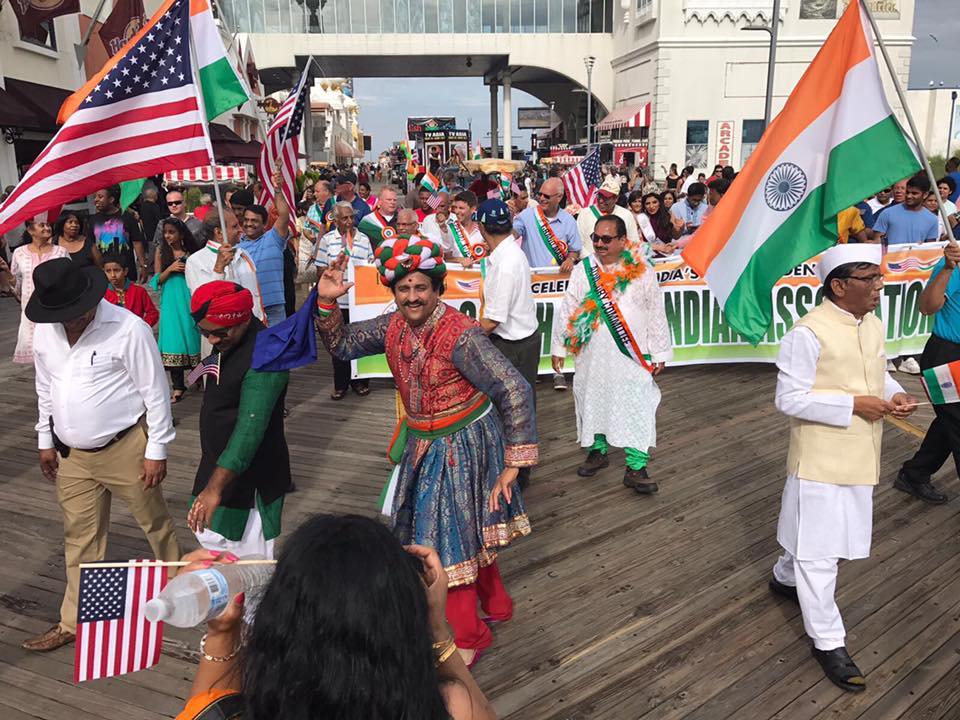
    AAPI leaders share health and wellness message at India Day Parade in New York

    By Ajay Ghosh

    NEW YORK CITY (TIP): “As we celebrate the 70th anniversary of India’s Independence. AAPI, the premier organization that represents over 65,000 physicians and 25,000 Residents of Indian Origin in the United states, want to convey our greetings to all peoples of Indian origin on this day of national celebration”, said Gautam Samadder, M.D., AAPI President, at the Indian Consulate in New York during a press conference on August 19th.

    Dr. Samadder, Dr. Raj Bhayani, and Dr. Kusum Punjabi at the Press Conference at the Indian Consulate

    On August 20th, AAPI joined the India Day Parade with a multi-color float spreading the message of health and wellness at the largest India Day Parade in New York City, organized by the Federation of Indian Americans. “AAPI takes special pride in saluting our beloved tricolor. Let us recall with pride the great sacrifice of our freedom fighters, whose undying love for India secured us our freedom,” Dr. Samadder said, as the float carrying AAPI leaders overflew with delegates from across the nation. Dr. Samadder and a host of AAPI delegates were seen dancing to the melodious Bollywood tunes while waving cheerfully to the large crowds that had gathered to greet the leaders. AAPI delegates joined the Meet and Greet with Grand Marshal Rana Daggubati on August 21st, 2017 at Royal Albert Palace Edison, NJ.

    Addressing the AAPI members from around the nation, media leaders and representatives from the tri – state region at the Consulate, Dr. Samadder, who had assumed office in June this year as the President of the largest ethnic association of the medical fraternity, highlighted the importance and the major role played by the physicians of Indian origin. “AAPI physicians represent only 10% of all physicians in the United States but service approximately 30% of the US patient population,” Dr. Samadder said. “Many have fostered personal relationships with members of Congress (as well as the highest levels of Government in India) that are invaluable assets to influencing legislation and insuring appropriate, patient-focused healthcare reform. Our business partners can be assured of a receptive audience and, once engaged, a loyal client and ambassador of the product and company,” he added.

    Consul General of India in New York addressing the press conference at the Indian Consulate

    In his keynote address, Ambassador Sandeep Chakravorty said, “You have excelled in your fields of medicine, and thus make significant contributions through hard work, commitment and dedication to your profession and the people you are committed to serve.” While conveying his greetings and best wishes to AAPI leaders for the success of the convention and Global Healthcare Summit, Consul General of India in New York Sandeep Chakravorty described the fast-growing health sector, particularly the pharmaceutic industry in India. Ambassador Chakravorty lauded the efforts of AAPI, particularly for the free clinics across India, and the new clinic planned to be inaugurated in the state of West Bengal.

    AAPI members just returned from an all sold out exciting tour to the most exotic and scenic places on earth: South Africa, Zimbabwe, and Botswana from August 4th through 13th, 2017. “Being busy in our work and caring for our families through the year, this “getaway” from all the daily challenges of our lives, was a way to reenergize our bodies and minds in the company of our beloved ones during this nature tour,” said Dr. Samadder.

     “I am extremely pleased to announce the new phase in our relationship and collaboration with the American Medical Association. AAPI has signed a MOU with AMA, the premier organization, working with whom, AAPI will succeeded in bringing to the forefront the many important health care issues facing the physician community and raising our voice unitedly before the US Congress members,” Dr. Samadder told media persons during the press event.

    Within the few weeks since assuming office, the executive team led by Dr. Samadder has taken many initiatives, Dr. Samadder provided an overview of the programs AAPI plans to undertake in the coming months. Pointing to some of the new initiatives, Dr. Samadder referred to the Clinical Fellowship in Allergy and Immunology; Healthy Heart program; International Research competition; and, a new free clinic by the AAPI Charitable Foundation in the state of West Bengal.

    Towards making this goal and other objectives of AAPI, Dr. Samadder has an excellent and dedicated executive committee, consisting of Dr. Naresh Parikh, President-Elect; Dr. Suresh Reddy, Vice President; Dr. Sudhakar Jonnalagadda, Secretary; Dr. Anupama Gotimukula, Treasurer; and Dr. Ashok Jain, Chairman of the Board of Trustees. Dr. Samadder thanked Dr. Raj Bhayani and Dr. Kusum Punjabi, among many others for their leadership and the initiatives in organizing the conference today.

    As President of AAPI, the nation’s largest ethnic association, the team is committed to unify AAPI by breaking down the barriers of various regions, languages, medical education within the organization and bringing everyone together as a whole organization rather than separate fragments of the organization.

    Dr. Ashok Jain, Chairman of the BOT, AAPI, in his address, assured AAPI members of the sound financial status of AAPI. “AAPI is strong financially,” he told members. Dr. Jain praised the leadership of Dr. Samadder and his executive committee for their leadership and leading the organization to new heights.

    Dr. Raj Bhayani welcomed the AAPI delegates and the media persons to the press conference, while Dr. Sudhakar Jonnalagadda proposed vote of thanks. Dr. Shashi Shah, past BOT chairman introduced the Consul General to the audience. In his felicitation remarks, Dr. Ajay Lodha, the immediate past president of AAPI, praised the leadership of Dr. Samadder. “Under the leadership of Dr. Gautam and his team, AAPI has been brought to new heights,” he said.

    According to Dr. Samadder, for AAPI to retain its influence, AAPI must mentor and develop the next generation of doctors in leadership. “I want to encourage medical students, residents, and fellows and all second-generation Indian American physicians to be actively involved in both local and national level efforts to building a strong association focusing on leader development and strengthening our professional relations.”

    Earlier, during the day, AAPI members attended an outstanding Leadership Conference, addressed by renowned speakers with a working lunch and was followed by a Conference from 1pm to 5.30 pm. The Leadership conference agenda focused on: Effective Media Communication; Learn Team Building Skills; How to Succeed as Entrepreneur; and, Why Giving Back to your Community Helps You as a Leader.

    Dr. Gautam Samadder and AAPI leaders leading the parade in New York City

    AAPI continues to march ahead and will reach West Bengal with the 11th AAPI GHS scheduled from Dec 28 to 30, 2017 in the beautiful city of joy, Kolkata. “Our focus will be continue making progress with the TBI guidelines dissemination, training of first responders and engaging local authorities to help address one of the major causes of road fatalities by pursuing four key aspects, awareness, pre-hospital care, in hospital and rehab. We are very fortunate that Mr. Amitabh Bachchan has been a strong supporter of our message and his name, voice and message on prevention continues to make a significant difference. AAPI will continue to broaden this activity in West Bengal,” declared Dr. Samadder.

    The AAPI GHS has also served as a sounding board for many Healthcare Leaders to freely exchange views, ideas and help resolve challenges that are addressed during the very effective CEO forums usually chaired by MOH officials and leading CEO. This has helped in attracting investment, advanced training and setting up hospitals, medical institutions etc. AAPI will continue the international research competition, EP, Cardiology, Urology and other workshops that will help in training several India based physicians. AAPI’s emphasis on promoting maternal and infant health has been a very well received initiative under the banner of “Women’s Leadership Forum”. This also serves as an inspiration for aspiring women leaders to see and hear from role models.

    The GHS 2017 will have a pre-session for AAPI delegates in the cosmopolitan city of Dubai, exploring the modern marvels, while post GHS session will take members to the natural wonders in the Himalayan regions in Bhutan. Registration for GHS and the sessions for the Dubai and Bhutan are open and members are encouraged to register online at www.aapighs2017.org

  • Indian American community supports Adrienne Adams for NYC

    Indian American community supports Adrienne Adams for NYC

    RICHMOND HILL, NY (TIP): Balwant S Hothi, a well-known Punjabi resident of Richmond Hill/ Ozone Park neighborhoods organized on August 11 a fundraiser for Adrienne Adams who is running for NYC.

    The event was supported by Sanjeev Jindal, Dharam Pal Singh, Jasbir Jay Singh, Deepak Bansal, Satnam Parhar, and many members from the community.

    Adrienne addresses community at the fundraiser

    “Adrienne has promised to work hand in hand with the Punjabi community to improve the public school system in the district. She is the only leader in working for the community in our neighborhood”, Balwant Hothi told The Indian Panorama. He added that he was supporting Adrienne because she is sincere and has promised that “our voice will be her voice”.

    The fundraiser attracted quite a few members of the Punjabi community.

  • A Crowd puller India Day Parade in Floral Park

    A Crowd puller India Day Parade in Floral Park

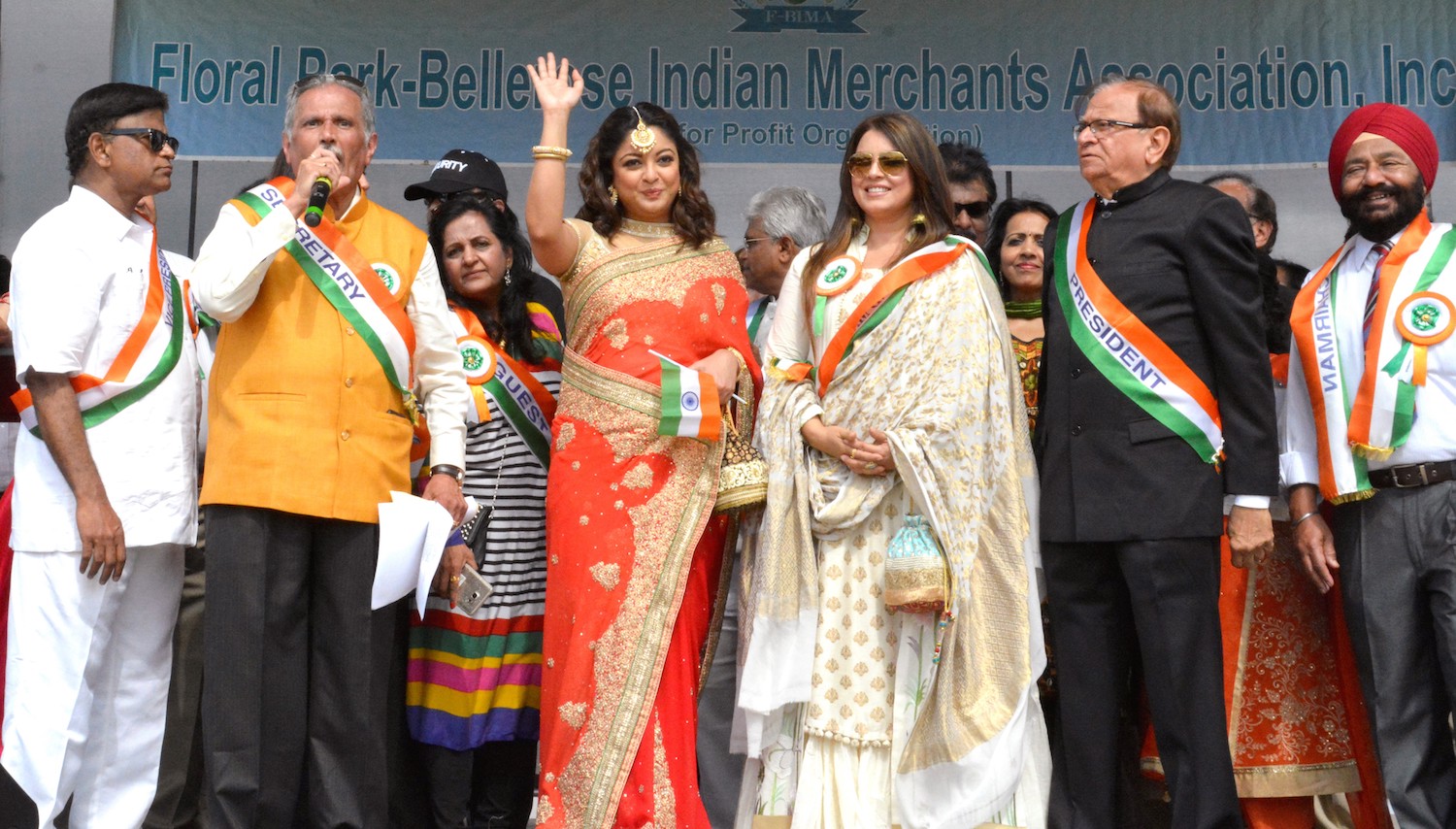
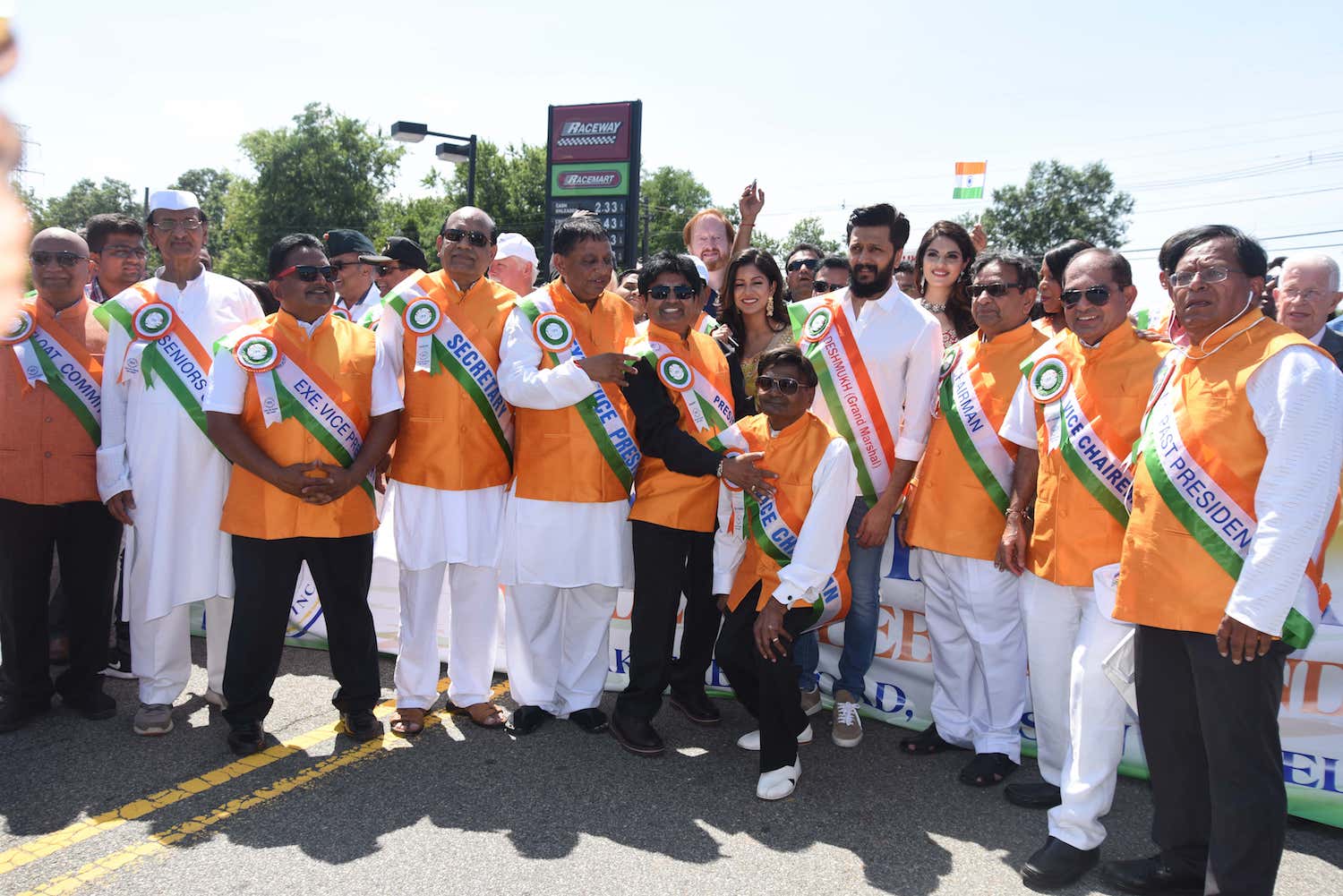
    QUEENS, NY (TIP): For the 2nd year in a row, India Day Parade organized by Floral Park – Bellerose Indian Merchants Association was a grand success. The numbers at the parade must have made the organizers more than happy for their efforts.

    The parade celebrated with a lot of fervor and enthusiasm was organized on August 12th. Thousands participated in the parade which was led by NYPD contingent including mounted police on horses followed by Fire Marshalls contingent and fire trucks.

    Bollywood actresses Tanushree Dutta (Ashiqs Banaya Aapne and Dhol fame) and Mahima Chaudhry (Pardes and Dhadkan fame) were Grand Marshals. They said it was a matter of pride that Indians abroad too celebrate India’s Independence Day with fervor.

    More than 30 organizations including 6 floats and an American Band marched in the parade. It was almost a mile long. Post parade there was a cultural Mela in Padavan – Preller field on 235th street. Cultural performances included traditional dances from various parts of India as well as patriotic and Bollywood songs.

    There were 17+ booths both nonfood and food sponsored by several local businesses. There were kiddie rides, clown and face painting activity. Elected officials from Nassau and Queens counties congratulated the people and organizers on 71st Independence Day celebration.  It was a very successful event attended by thousands and exhibited a great sense of pride and love for India. Besides national anthems from US and India one could hear the loud chanting of ” Jai Hind and Bharat Mata ki Jai. “

  • Oak Tree Road, New Jersey India Day Parade draws 40,000 enthusiasts

    Oak Tree Road, New Jersey India Day Parade draws 40,000 enthusiasts

    EDISON, NJ (TIP):  Indian American community in New Jersey celebrated India’s Independence Day at the Oak Tree Road Parade with fervor and enthusiasm. According to the organizers, more than 40, 000 enthusiasts turned up at the 13th annual India Day Parade, hosted by the Indian Business Association.  Bollywood star Riteish Deshmukh was the Grand Marshall.

    “We had an amazing turnout, largest in the history of this event,” said Dhiren Amin, President of the Association.  “Hundreds of volunteers worked around the clock to organize this event. I am really proud of our team,” he added.

    Present for the festivities were Phil Murphy and Lieutenant Governor Kim Guadagno, both candidates for Governor, along with their respective running mates. Also in attendance were several elected officials from both parties, including legislators, freeholders, and mayors.

    Edison Mayor Tom Lankey administered the Oath of Office to IBA Vice President Mahesh Bhagia, who has been appointed as Special Assistant to the Mayor for Edison Township.  “It was a historic moment” said Manher Shah, who is a trustee for IBA.

    The parade featured 19 floats, 2 marching bands, and a number of walking groups.  Over 100 organizations participated in the festivities. The Air India and JFK Hospital floats particularly drew the attention of the audience. Chandrakant Patel, Chairman for the organization thanked its sponsors. “Our sponsors are generous and supportive of the community. They should be commended.”

    A cultural program featuring local artists followed the parade.  The parade runs through Oak Tree Road, from Edison to Woodbridge. It is the only parade that runs through two towns.

  • India’s Independence Day celebrated in Atlantic City

    India’s Independence Day celebrated in Atlantic City

    ATLANTIC CITY, NJ (TIP): Atlantic City: South Jersey Indian Association organized the 8th Annual India Day Parade on August 12th from Taj Mahal Casino to Kennedy Plaza here. A fun-filled carnival atmosphere was planned with rich highlights depicting our cultural heritage, diversity, dance, music, and food. The parade was held from 3 – 6PM followed by mela at Brighton Park (Behind Claridges).

    Though there were showers earlier in the day, the weather cleared up just in time for the Parade.

    The event featured floats traveling from the Showboat Hotel down to Kennedy Plaza. Along with six floats, there were food tastings, clothing and jewelry on sale and performances by children throughout the event. Bollywood music played, and one person dressed up as Spider-Man to entertain the children.

    Romesh Ruthnaswamy, special adviser and one of the founders of SJIA, said the event was a celebration of culture and a way to promote the resort. Ruthnaswamy said visitors from New York, Pennsylvania, Delaware and more were in the city Saturday to see the parade travel down the Boardwalk. (News source: Pressofatlanticcity.com)