

A festival of devotion, reflection and community service, Guru Nanak Gurpurab brings Sikhs across the world together to celebrate the birth and timeless teachings of the First Sikh Guru
Every year, as the full moon of the month of Katak approaches, Gurdwaras across the world prepare for one of the most important occasions in the Sikh calendar: Guru Nanak Gurpurab, also known as the Parkash Purab of Guru Nanak Dev Ji.
The occasion commemorates the birth of the First Sikh Guru, whose teachings on the oneness of God, equality, honest living and service transformed the spiritual and social landscape of his time.
For millions of Sikhs, Gurpurab is not simply a religious anniversary. It is a day of gratitude, remembrance and renewed commitment to the values that Guru Nanak Dev Ji placed at the centre of human life.
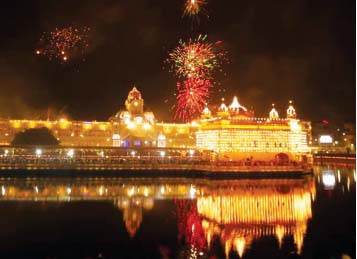
Gurdwaras are illuminated, sacred hymns fill the air, devotees participate in prayers and processions, and community kitchens serve free meals to visitors.
The celebrations bring together people of different generations and backgrounds, creating an atmosphere of devotion and shared purpose.
As the Sikh community marks the 557th Parkash Purab in 2026, the occasion offers an opportunity to reflect on the life of Guru Nanak Dev Ji and consider how his teachings can guide contemporary society.
The birth of a spiritual leader
Guru Nanak Dev Ji was born in 1469 at Rai Bhoi Ki Talwandi, now known as Nankana Sahib in present-day Pakistan.
His parents were Mehta Kalyan Das, popularly known as Mehta Kalu, and Mata Tripta. His elder sister, Bebe Nanaki, played an important role in his early life and is remembered as one of the first people to recognise his spiritual qualities.
Traditional accounts of his childhood describe a boy who questioned conventional assumptions and displayed a deep interest in spiritual matters.
Rather than accepting social and religious practices without reflection, he sought to understand the deeper meaning of human existence and the relationship between the individual and the Divine.
As he grew older, his teachings developed into a distinctive spiritual vision centred on Ik Onkar, the belief in one universal Creator.
He travelled extensively, engaging with people from different religious traditions and questioning practices that he believed had become disconnected from genuine spirituality.
His life and teachings eventually gave rise to the Sikh spiritual tradition, which would be strengthened by nine successive Gurus.
Why is Parkash Purab celebrated?
The word Parkash refers to the manifestation or illumination of spiritual light.
Parkash Purab commemorates the birth of Guru Nanak Dev Ji and celebrates the arrival of a spiritual guide whose teachings continue to influence millions of people.
The occasion is observed with prayer, Kirtan, religious gatherings, community service and reflection on the Guru’s Bani.
For Sikhs, the day is an opportunity to renew their commitment to the principles associated with Guru Nanak Dev Ji:
- Ik Onkar: Belief in one universal Creator.
- Naam Japo: Remembrance of the Divine.
- Kirat Karo: Earning through honest labour.
- Vand Chhako: Sharing one’s resources with others.
- Seva: Selfless service to humanity.
These principles are commonly used to explain the practical and spiritual dimensions of his teachings.
The celebration therefore goes beyond remembering a historical event. It encourages people to bring the Guru’s message into their own lives.
The significance of the full moon of Katak
Guru Nanak Gurpurab is traditionally celebrated on the full moon day, or Purnima, of the month of Katak in the Nanakshahi calendar’s traditional observance.
The date is commonly determined according to the lunar calendar and may vary in the Gregorian calendar from year to year.
The historical date of Guru Nanak Dev Ji’s birth has been the subject of scholarly discussion. Sikh tradition widely observes his Parkash Purab on Katak Purnima.
The occasion is therefore associated with both historical remembrance and the spiritual importance of the Guru’s birth.
Akhand Path Sahib: Continuous recitation of scripture
One of the central elements of Gurpurab celebrations is Akhand Path Sahib.
It is the uninterrupted recitation of the entire Sri Guru Granth Sahib Ji, traditionally completed over approximately 48 hours.
The recitation begins in the presence of the Guru Granth Sahib Ji and continues through the day and night, with readers taking turns.
The practice creates an atmosphere of devotion and collective participation.
Families, congregations and Gurdwara management committees often organise Akhand Path Sahib in the days leading up to Gurpurab.
The concluding ceremony, known as Bhog, marks the completion of the recitation. The congregation then gathers for prayers and the distribution of Karah Prasad.
For devotees, listening to the complete scripture is an opportunity to reflect on the spiritual guidance contained in Gurbani.
Nagar Kirtan: Taking the Guru’s message to the streets
Nagar Kirtan is among the most visible public expressions of Sikh religious celebration.
A procession is organised through streets and neighbourhoods, with devotees singing hymns and carrying the Sikh Nishan Sahib.
The procession is traditionally led by the Panj Pyare, the Five Beloved Ones, who represent the spirit and discipline of the Khalsa.
A beautifully decorated float carrying Sri Guru Granth Sahib Ji may form the central part of the procession.
Gatka demonstrations, devotional music and the participation of Sikh organisations often add to the occasion.
Volunteers distribute food, water and refreshments along the route, reflecting the tradition of Seva.
Nagar Kirtans also provide an opportunity for people from other religious and cultural backgrounds to witness Sikh traditions and participate in the celebrations.
Prabhat Pheris: Welcoming the day with devotion
Prabhat Pheris are early-morning devotional processions organised in the days leading up to Gurpurab.
Groups of devotees move through neighbourhoods, singing hymns and spreading the message of Guru Nanak Dev Ji.
The word Prabhat refers to dawn, while Pheri refers to a round or procession.
These gatherings often begin before sunrise, creating an atmosphere of collective prayer and spiritual reflection.
Residents may welcome the participants with flowers, refreshments and devotional offerings.
Prabhat Pheris are particularly important because they bring the celebration into local neighbourhoods and encourage community participation.
Kirtan and Gurbani: The heart of the celebrations
The recitation and singing of Gurbani form the spiritual centre of Guru Nanak Gurpurab.
Gurdwaras organise special Kirtan programmes in which Ragi Jathas sing Shabads from Sri Guru Granth Sahib Ji.
The compositions of Guru Nanak Dev Ji receive particular attention during the occasion.
Japji Sahib, Asa Di Var and other compositions provide devotees with an opportunity to reflect on the Guru’s understanding of the Divine, human responsibility and truthful living.
The sound of Kirtan creates a shared spiritual experience, bringing together people who may otherwise lead very different lives.
For many devotees, listening to Gurbani during Gurpurab is a reminder that the purpose of the celebration is not simply to remember the Guru but to understand and follow his teachings.
Langar: Serving humanity without distinction
No Gurpurab celebration is complete without Langar.
Gurdwaras prepare large quantities of food, and volunteers work together to cook, serve and distribute meals.
Visitors are welcomed irrespective of their religion, caste, nationality or financial circumstances.
People sit together in Pangat, sharing the same food and participating in a tradition that represents equality.
The preparations often begin well before the celebration. Volunteers wash vegetables, knead dough, prepare dal and sabzi, cook rotis and organise the serving arrangements.
The kitchen becomes a place of collective service, where people contribute according to their abilities.
During Gurpurab, many Sikh organisations also arrange Langar at public locations, hospitals, transport hubs and community centres.
The practice reflects Guru Nanak Dev Ji’s belief that sharing and caring for others are essential expressions of spiritual life.
Karah Prasad: A sacred offering
Karah Prasad is distributed to the congregation during Sikh religious gatherings.
It is traditionally prepared using wheat flour, sugar, ghee and water.
The preparation and distribution of Karah Prasad are conducted with reverence, and it is offered to the congregation after Ardas.
The practice symbolises the sharing of blessings and the equality of the congregation.
Everyone receives the same Prasad, reinforcing the Sikh principle that no person is superior or inferior in the presence of the Guru.
Illuminated Gurdwaras and community celebrations
On the occasion of Gurpurab, Gurdwaras across India and abroad are decorated with lights, flowers and colourful arrangements.
Devotees visit to offer prayers, listen to Kirtan and participate in community programmes.
Sri Harmandir Sahib in Amritsar is among the most prominent centres of celebration. The shrine is illuminated, and large numbers of devotees gather for prayers and other religious observances.
Gurdwaras in Nankana Sahib, Sultanpur Lodhi, Delhi, Anandpur Sahib and other historic Sikh centres also hold special programmes.
In countries such as Canada, the United Kingdom, the United States, Australia and Malaysia, Sikh congregations organise large gatherings, Nagar Kirtans and community meals.
The celebrations demonstrate the global reach of Guru Nanak Dev Ji’s message and the continued vitality of Sikh community life.
How families celebrate Gurpurab
For many Sikh families, Gurpurab begins with prayers at home or a visit to the local Gurdwara.
Children and younger members of the family may participate in reciting hymns, listening to stories about Guru Nanak Dev Ji and learning about his teachings.
Families often organise Seva, contribute food supplies or support community initiatives.
Some households decorate their homes and prepare traditional food for relatives and guests, while others spend the day attending religious programmes.
For children growing up outside Punjab, Gurpurab is also an important opportunity to connect with Sikh history, learn about the Guru’s life and understand the significance of their heritage.
A festival beyond religious boundaries
One of the most important aspects of Guru Nanak Dev Ji’s legacy is the universal nature of his message.
His teachings emphasised the oneness of the Creator and rejected the idea that religion should become a reason for hatred or discrimination.
Gurpurab celebrations therefore often attract visitors from different religious and cultural backgrounds.
People visit Gurdwaras to participate in Langar, listen to Kirtan and learn about Sikh beliefs.
This openness reflects the spirit of Guru Nanak Dev Ji’s teachings and the tradition of welcoming everyone into the community.
Making the celebration meaningful
The grandeur of Gurpurab celebrations is important to the Sikh community, but the deeper significance of the occasion lies in the values it represents.
Remembering Guru Nanak Dev Ji requires more than attending religious programmes or decorating Gurdwaras.
It means practising honesty in professional life, treating people with dignity, sharing resources with those in need and serving humanity without discrimination.
It also means questioning prejudice, rejecting arrogance and recognising the importance of the natural world.
The celebration becomes more meaningful when the teachings of the Guru influence the decisions people make throughout the year.
The light that continues to guide humanity
The 557th Parkash Purab is a moment to remember the birth of a spiritual leader whose teachings have remained relevant across centuries and continents.
Guru Nanak Dev Ji lived in a different historical age, but the questions he raised continue to confront humanity.
How should people treat one another? What makes a person truly successful? Can religious devotion exist without compassion? What is the responsibility of the fortunate towards those in need?
His teachings offer answers rooted in the oneness of the Creator, truthful living, humility, equality and service.
As Gurdwaras resonate with Gurbani, as Nagar Kirtans move through streets and as Langar is served to visitors, the community celebrates more than a birth anniversary.
It celebrates a philosophy of life.
The light of Guru Nanak Dev Ji continues to shine wherever truth is practised, where the hungry are fed, where the weak are supported and where humanity rises above divisions.


Be the first to comment