
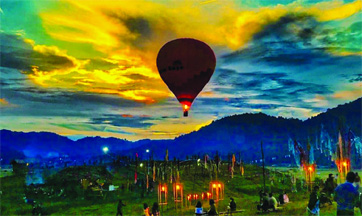

Tucked away in the lush hills of Arunachal Pradesh, far from the clamour of mainstream tourist trails, lies a destination that feels like a living painting-serene, soulful, and deeply rooted in tradition. Ziro Valley, a UNESCO World Heritage tentative site, is not merely a destination; it is an experience where nature and culture exist in quiet harmony. With its rolling green landscapes, pine-clad hills, and the unique heritage of the Apatani tribe, Ziro offers a rare glimpse into a world where time slows down and authenticity thrives.
A Landscape Painted in Green
At an altitude of around 1,500 meters, Ziro Valley unfolds as a vast expanse of emerald rice fields, interwoven with shimmering streams and framed by misty hills. Unlike the terraced farming seen in other parts of the Northeast, the valley is known for its innovative wet rice cultivation combined with fish farming-a sustainable practice perfected over generations by the Apatani people.
During the monsoon months, the valley transforms into a vibrant green paradise, while winter casts a golden hue across harvested fields, creating a different yet equally captivating charm. The cool, temperate climate makes Ziro an ideal retreat throughout much of the year, especially for those seeking respite from the heat of the plains.
The Apatani Way of Life
At the heart of Ziro’s identity lies the indigenous Apatani community, known for their sustainable lifestyle, deep ecological wisdom, and rich cultural traditions. Their villages-such as Hong, Hari, and Hija-offer visitors a chance to witness a way of life that has remained largely unchanged for centuries.
The Apatani are also known for distinctive customs, including the now-fading tradition of facial tattoos and nose plugs once worn by women. Their social structure, agricultural expertise, and reverence for nature have drawn anthropologists and travelers alike, making Ziro not just scenic but culturally profound.
Places to Visit: Exploring the Valley’s Soul
Ziro Valley is dotted with scenic, spiritual, and ecological gems that offer a deeper connection to its landscape and heritage.
The pristine Talley Valley Wildlife Sanctuary stands out as a biodiversity hotspot, where dense forests, rare orchids, and exotic wildlife create an untouched wilderness perfect for trekking and exploration.
For sweeping views of the valley, Kile Pakho ridge offers a dramatic panorama-lush greenery on one side and distant Himalayan peaks on the other. Equally captivating are the hilltops of Dolo Mando and Ziro Putu, where sunrise and sunset paint the skies in hues of gold and crimson.
Spiritual seekers can find solace at the serene Meghna Cave Temple, nestled within forested hills and dedicated to Lord Shiva, offering a tranquil retreat for reflection.
Meanwhile, the Tarin Fish Farm showcases the ingenuity of Apatani agriculture, where fish and rice coexist in a sustainable ecosystem-a living example of harmony between humans and nature. For quieter moments, a stroll through the Pine Grove, with its towering trees and filtered sunlight, offers a peaceful escape into nature.
Festivals that Celebrate Life
Ziro comes alive with vibrant festivals that reflect the Apatani community’s spiritual and agricultural rhythms. Among the most significant is the Dree Festival, celebrated in July. It is a prayer for a bountiful harvest, marked by rituals, folk dances, and communal feasting.
In recent years, Ziro has also gained international attention for the Ziro Music Festival, held annually amidst pine forests. This unique event blends indie music with the valley’s tranquil environment, drawing artists and travelers from across the globe.
Things to Do
Travel in Ziro is less about sightseeing and more about experiencing a way of life. Walking through Apatani villages such as Hong, Hari, and Hija offers an intimate glimpse into traditional living-bamboo homes, community bonding, and time-honoured practices. It is an experience that connects visitors deeply with the region’s culture.
Nature lovers can explore scenic trails that wind through pine forests, rice fields, and gentle hills. Treks to viewpoints like Kile Pakho or deeper into forested areas offer both adventure and serenity.
Cycling through the valley is another delightful way to soak in its beauty. Quiet roads, fresh mountain air, and picturesque surroundings make it a refreshing and immersive activity.
The iconic paddy fields themselves invite exploration. Walking through them during planting or harvest season reveals the rhythm of rural life and the ingenuity of sustainable farming.
For wildlife enthusiasts and photographers, Ziro’s rich biodiversity provides endless opportunities-from birdwatching in wetlands to capturing mist-covered landscapes at dawn.
No visit is complete without indulging in local cuisine. Simple yet flavorful dishes made from fresh, organic ingredients reflect the Apatani philosophy of living in harmony with nature. Traditional rice beer, Apong, adds a cultural touch to the culinary experience.
Nature Trails and Quiet Escapes
Beyond its known spots, Ziro Valley is filled with quiet corners that invite introspection. Whether it’s watching the sunrise over misty hills, listening to birdsong, or simply sitting by a stream, the valley offers countless moments of peace. The nearby forests and open landscapes make it ideal for slow travel-where every step reveals something new, and every pause feels meaningful.
Getting There and Travel Tips
Reaching Ziro requires a sense of adventure. The nearest airport is in Itanagar, while the closest railway station is at Naharlagun. From there, a scenic drive through winding mountain roads leads to the valley.
Visitors need an Inner Line Permit (ILP) to enter Arunachal Pradesh, which can be obtained online or at designated offices. The best time to visit is from March to October, with the monsoon and post-monsoon months offering the most lush landscapes.
The Soul of Sustainable Tourism
What sets Ziro Valley apart is its quiet resistance to over-commercialization. There are no towering hotels or crowded marketplaces-only homestays, warm hospitality, and an invitation to live simply. Tourism here is rooted in respect-for nature, for culture, and for community.
In an age where travel often becomes hurried and superficial, Ziro Valley offers something rare: depth. It is a place where stories are told not through monuments, but through landscapes and lives. Whether you arrive as a traveler, a photographer, or a seeker of peace, you leave with something intangible yet lasting-a sense of calm, a respect for nature, and a deeper understanding of harmony.

Be the first to comment