
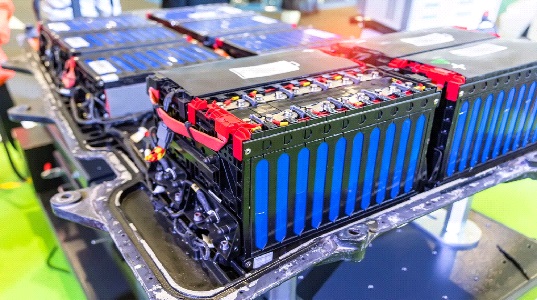

Scientists and technology companies across the world are making rapid advances in battery technology that could soon transform electric vehicles, smartphones and renewable energy storage systems. Researchers say the next generation of batteries may charge faster, last longer, become safer and reduce dependence on expensive raw materials.
For years, lithium-ion batteries have powered everything from mobile phones to electric cars. However, concerns over charging time, battery degradation, overheating risks and limited driving range have pushed researchers to look for alternatives. Now, several promising breakthroughs are beginning to move from laboratories to commercial production.
One of the most talked-about developments is the rise of solid-state batteries. Unlike traditional lithium-ion batteries that use liquid electrolytes, solid-state batteries use solid materials, making them more stable and less prone to overheating or catching fire. Experts believe these batteries could significantly increase the driving range of electric vehicles while reducing charging times.
Major automobile manufacturers and technology firms are investing billions of dollars into solid-state battery research. Some companies claim prototype vehicles equipped with these batteries could travel over 1,000 kilometres on a single charge and recharge in under 15 minutes.
Another breakthrough involves sodium-ion batteries, which are being seen as a cheaper and more sustainable alternative to lithium-based systems. Sodium is far more abundant and easier to source than lithium, potentially lowering production costs and reducing supply chain pressures. While sodium-ion batteries currently store less energy, researchers are improving their efficiency at a rapid pace.
Meanwhile, advances in silicon-anode technology are helping improve battery capacity. Traditional lithium-ion batteries use graphite anodes, but replacing them partially or fully with silicon can dramatically increase energy storage. This could allow smartphones and laptops to run for much longer between charges.
Scientists are also working on ultra-fast charging technologies that may eliminate one of the biggest concerns among electric vehicle users – long charging times. New battery designs and advanced cooling systems are enabling faster energy transfer without damaging battery life.


Be the first to comment