

Reports of COVID-19 cases inching up in parts of India have inevitably revived memories of the devastating waves the country witnessed a few years ago.
News of a handful of Covid-19-linked deaths in Andhra Pradesh and rising infections in a few cities has once again triggered concern. But the situation today is markedly different from what India faced during the peak of the pandemic.
As of now, the rise remains localised rather than nationwide. Andhra Pradesh has reported a small increase in cases, including a few COVID-19-related deaths, prompting the state to strengthen surveillance, testing and hospital preparedness.
Similar upticks have been seen in some other cities and states, but hospitals are not witnessing the kind of overwhelming admissions that characterised earlier waves.
Health authorities continue to monitor the situation closely, even as the overall burden of severe disease remains limited.
LIVING WITH THE VIRUS
The biggest difference between now and 2020 or 2021 is that SARS COV-2, the virus behind COVID-19, is no longer an unfamiliar pathogen. It has transitioned into what experts describe as an endemic respiratory infection, meaning it continues to circulate and can be expected to cause periodic increases in cases, much like several other respiratory viruses.
“(The virus) never went away. There is no signal for greater public health concern than many previous waves that we can see on sewage water surveillance,” underlined Dr Anurag Agarwal, biologist and dean, biosciences and health research with Ashoka University.
This means occasional spikes should not come as a surprise. Changes in weather, increased travel, festivals, social gatherings and the emergence of newer variants can all contribute to temporary increases in infections. Such fluctuations are not necessarily the beginning of another major wave.
Also, since SARS COV 2 is just like any other influenza virus and will mostly lead to flu-like symptoms, the number of cases are also likely to go up whenever patients with respiratory symptoms are tested specifically for the virus.
As Dr Pradeep Narayan Sahoo, internal medicine specialist with Manipal Hospital, Bhubaneswar, puts it, the current situation should be approached with “caution, not panic.” Source: India Today
NY/NJ/CT
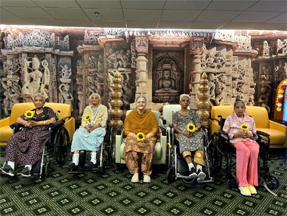
A musical ensemble at the Parker Jewish Institute brings harmony and wellness to residents and patients alike
NEW HYDE PARK, NY (TIP): The ensemble is known as Sur Sagar, which means “Ocean of Melody” in Hindi. It features five women from the Institute’s long-term care residence at Parker’s Indian Cultural Unit. The […]
Indian Americans
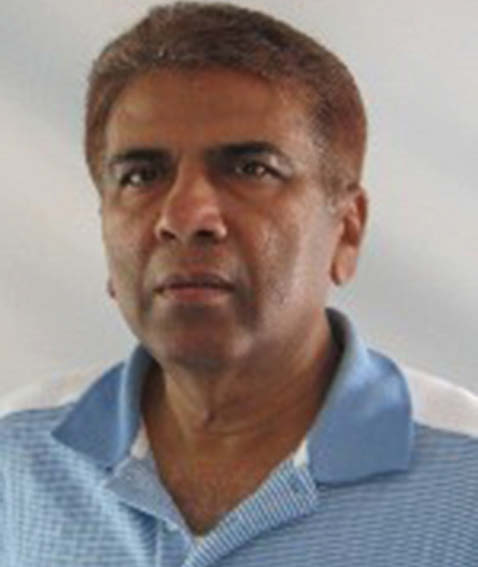
Indian-American Doctor Convicted in Kickback Scheme
CHICAGO (TIP): A 69-year-old Indian-origin doctor in the US has been convicted of illegally receiving benefits for referring elderly patients to a financially struggling hospital in Chicago. Venkateswara Kuchipudi of Illinois became the fifth physician […]

Other News
MEDITATE FOR OVERALL WELLNESS
Do you fail to keep a check on your emotions in situations that most demand it? If yes, then you may want to include meditation in your daily routine for a calmer you, say researchers. […]
Be the first to comment