
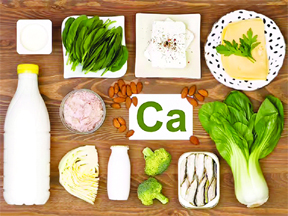

When it comes to bone health, calcium has long been the star of the show. Milk, cheese and calcium supplements are often promoted as the key to preventing weak bones and osteoporosis. While calcium is undoubtedly essential, experts say that healthy bones require much more than a single mineral. In fact, focusing solely on calcium can mean overlooking other nutrients and lifestyle factors that are equally important for building and maintaining strong bones throughout life.
Bones are living tissues that are constantly being broken down and rebuilt. This continuous process, known as bone remodelling, requires a steady supply of nutrients, regular physical activity and hormonal balance. Without these, even a calcium-rich diet may not be enough to keep bones healthy.
Vitamin D: Calcium’s Essential Partner
Calcium cannot do its job effectively without vitamin D. This vitamin helps the body absorb calcium from the food you eat and supports proper bone mineralisation. If vitamin D levels are low, the body absorbs less calcium, forcing it to draw calcium from bones to maintain normal blood levels. Vitamin D is naturally produced when the skin is exposed to sunlight, but many people spend most of their time indoors or use sun protection, increasing the risk of deficiency. Fatty fish, egg yolks and fortified dairy products are good dietary sources, while supplements may be recommended for those who are deficient.
Protein Provides the Bone Framework
Bones are not made entirely of minerals. Nearly one-third of bone mass consists of a protein matrix, mainly collagen, which provides strength and flexibility. Protein also supports muscle health, reducing the risk of falls and fractures. Including adequate amounts of protein from sources such as pulses, beans, dairy products, eggs, fish, lean meats, soy products and nuts can help support bone formation and repair.
Magnesium and Vitamin K Matter Too
Several other nutrients play supporting roles in maintaining healthy bones.
Magnesium helps activate vitamin D and contributes to bone structure. It is found in whole grains, legumes, nuts, seeds and leafy green vegetables.
Vitamin K supports proteins involved in bone formation and helps regulate calcium within the body. Foods such as spinach, kale, broccoli and cabbage are excellent sources.
A varied, balanced diet naturally provides many of these nutrients.
Exercise Is One of the Best Bone Builders
No diet can fully compensate for a lack of physical activity. Bones respond to stress by becoming stronger, which is why weight-bearing and resistance exercises are so beneficial. Walking, jogging, dancing, stair climbing, strength training and resistance exercises all stimulate bone growth and help maintain bone density. Activities such as yoga and tai chi can improve balance and coordination, reducing the risk of falls-particularly in older adults.


Be the first to comment