
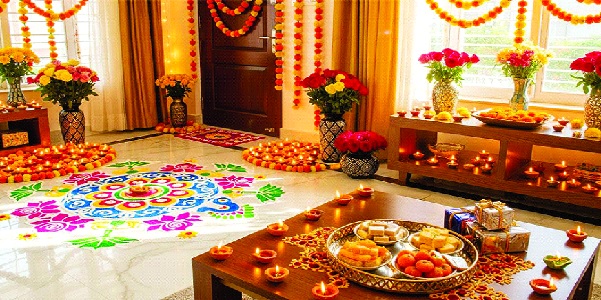

From scrubbing floors and decluttering cupboards to decorating doorways with rangolis and diyas, pre-Diwali cleaning is much more than a household ritual. Rooted in Hindu philosophy, this age-old tradition symbolises the removal of negativity, the purification of the mind and the welcoming of Goddess Lakshmi, prosperity and positive beginnings.
Every year, as Diwali approaches, a familiar rhythm fills Indian homes. The sound of sweeping, scrubbing, dusting and polishing becomes part of the festive atmosphere. Cupboards are emptied, walls are repainted, windows are washed and old belongings are sorted. From city apartments to traditional village homes, every corner receives attention as families prepare to welcome the festival of lights. Yet, beneath this annual ritual lies a deeper spiritual significance. Cleaning before Diwali is not simply about physical tidiness; it represents purification, renewal and the readiness to welcome auspiciousness. It reflects an age-old belief that a clean and harmonious environment encourages inner peace and creates a positive atmosphere for spiritual growth.
As families prepare their homes for Goddess Lakshmi, the goddess of wealth and prosperity, they also symbolically prepare their minds and hearts for new beginnings.
The Spiritual Roots of Cleanliness
Cleanliness, known as Shaucha in Sanskrit, occupies an important place in Hindu philosophy. It extends beyond physical hygiene to include purity of thoughts, intentions and actions.
In Patanjali’s Yoga Sutras, Shaucha is identified as one of the five Niyamas, or personal observances, essential to yogic discipline. The Bhagavad Gita also recognizes purity as an important divine quality. From this perspective, cleaning the home before Diwali becomes an expression of spiritual discipline. It encourages individuals to cultivate order, simplicity and mindfulness while preparing their surroundings for the sacred celebrations.
The concept of the three Gunas offers another interpretation. Sattva represents purity, harmony and clarity, while Tamas is associated with inertia, darkness and ignorance. A clean, organized environment is traditionally considered conducive to cultivating Sattvic qualities. Thus, Diwali preparations begin with cleansing because illumination is not merely about lighting lamps; it is also about creating an atmosphere in which peace, wisdom and positivity can flourish.
Removing the Inner Dust: The Symbolism of Decluttering
The act of sweeping and scrubbing carries a beautiful symbolic meaning. Just as dust accumulates in neglected corners, negative emotions such as anger, jealousy, greed and resentment can gradually settle within the human mind.
Pre-Diwali cleaning offers an opportunity to reflect on these inner impurities and consciously let them go.
Sorting through old belongings, removing unnecessary objects and organizing neglected spaces can also create a sense of emotional release. It encourages people to reconsider their attachment to material possessions and distinguish between what is genuinely valuable and what has simply accumulated over time.
This practice resonates with the Hindu principle of Aparigraha, or non-possessiveness. It encourages people to avoid excessive accumulation and develop a healthier relationship with material possessions.
In this sense, discarding unnecessary belongings becomes a symbolic reminder that new beginnings often require letting go of the past.
Welcoming Goddess Lakshmi:
Cleanliness and Prosperity
One of the strongest associations of pre-Diwali cleaning is with Goddess Lakshmi, who is worshipped on the main Diwali night. In Hindu tradition, Lakshmi represents wealth, prosperity, beauty, abundance and auspiciousness. Devotees believe that she favours homes that are clean, welcoming and filled with positive energy.
This belief explains why families pay special attention to entrances, courtyards, prayer rooms and living spaces before Lakshmi Puja.
Doorways are decorated with rangolis, fresh flowers and mango-leaf torans. Lamps are placed near entrances and windows, while incense and traditional fragrances create a devotional atmosphere.
Many households illuminate their entrances during the evening, symbolically welcoming the goddess and inviting prosperity into their lives.
The deeper message is that prosperity should always be accompanied by discipline, cleanliness, gratitude and responsible living.
The Psychology Behind the Ritual
Interestingly, modern psychology offers another perspective on this traditional practice. Our surroundings can influence our emotional well-being, concentration and everyday behaviour.
Cluttered spaces may contribute to distraction and mental overload, while clean and organised surroundings can make daily activities easier and create a greater sense of calm.
The process of cleaning can also be therapeutic. Sorting belongings, arranging cupboards and refreshing living spaces provide a sense of accomplishment and control.
Pre-Diwali cleaning therefore becomes an opportunity for both physical and mental renewal. It encourages families to work together, reconnect with their homes and create an environment that feels welcoming and peaceful.
Its timing is also practical. Diwali arrives after the monsoon season, when dampness, accumulated dust and household wear may require attention. Cleaning and repairing homes helps prepare them for the coming winter months.
The tradition of cleaning and preparing homes before Diwali is observed across India, although customs differ from region to region.
n North India: Families begin cleaning weeks in advance. Homes are painted, furniture polished, silverware cleaned and courtyards decorated with colorful rangolis and diyas. Special attention is given to the prayer room in preparation for Lakshmi Puja.
n Gujarat and Rajasthan: Along with household cleaning, business communities organise their workplaces and prepare for the new financial year. Account books are worshipped during Chopda Pujan, seeking blessings for prosperity and success.
n South India: Deepavali preparations include cleaning and decorating homes, arranging traditional oil baths and preparing festive delicacies. Mango leaves, flowers and lamps add to the auspicious atmosphere.
n Bengal: Homes and temples are cleaned and decorated for Kali Puja, which coincides with Diwali. The celebrations honour Goddess Kali and symbolise the destruction of ignorance and negative forces.
Despite regional differences, the underlying sentiment remains the same: cleanliness and preparation are expressions of devotion, gratitude and renewal.
Beyond Cleaning: Letting
Go of Emotional Clutter
Perhaps the most meaningful dimension of Diwali cleaning lies in extending the process beyond physical surroundings.
Just as families discard broken objects and unused belongings, the festival offers an opportunity to release emotional burdens. Unresolved disagreements, resentment, unnecessary worries and past disappointments can weigh heavily on relationships.
Diwali provides a beautiful occasion to reconnect with loved ones, seek forgiveness, express gratitude and begin afresh.
The spirit of renewal can also inspire acts of charity and kindness. Donating usable clothes, helping those in need and supporting local artisans extend the meaning of cleansing beyond individual households and into the wider community.
From Outer Cleanliness
to Inner Illumination
Ultimately, pre-Diwali cleaning is not about achieving a perfectly decorated home. It is about preparation: preparing the surroundings for celebration, the mind for clarity and the heart for positivity. As families polish brass lamps, arrange flowers, create rangolis and illuminate their homes, they participate in a tradition that connects everyday actions with deeper spiritual values.
The message is simple yet profound: before welcoming light into our homes, we must make room for it within ourselves.
The true beauty of Diwali lies not merely in spotless homes and sparkling decorations, but in purified thoughts, harmonious relationships and hearts ready to welcome the light of goodness.



Be the first to comment