
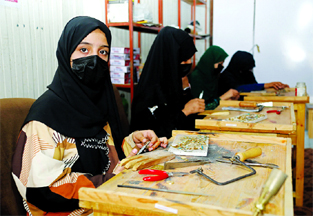

Kabul (TIP): Poverty in Afghanistan continues to deepen, with three in four Afghans – around 28 million people – unable to meet their most basic needs in 2025, as modest economic growth fails to keep pace with rapid population growth, declining international aid, worsening climate shocks, and ongoing restrictions on women’s rights, according to a new report by the United Nations Development Programme (UNDP). The return of 2.9 million Afghans in 2025 alone is further straining already overstretched services and livelihoods.
This edition of UNDP’s Afghanistan Socioeconomic Review finds that while the share of Afghans living in subsistence insecurity remained unchanged, it is a story of returnees with an estimated 1.4 million additional people affected as more people returned to the country in 2025. Millions of families are facing growing hardships, lacking access to basic needs such as water, food, healthcare, housing, heating, and clothing. More than 80 percent of households are in debt, and nearly three quarters rely on negative coping strategies to manage getting through the day. “Taking stock of Afghanistan’s socioeconomic reality, this year’s report reveals a country under growing strain, with the high number of returnees and further economic and climatic setbacks intensifying in 2025, as pressures layer one upon another,” said Kanni Wignaraja, UN Assistant Secretary-General and UNDP Regional Director for Asia and the Pacific. “This underscores why progress on basic human development remains central to stability in Afghanistan and across its borders, especially for the most vulnerable communities living in extremely fragile eco zones.”
The scale of returns is unprecedented, reshaping needs and raising risks. Nearly 5 million Afghans returned between 2023 and 2025, with recent returnees facing extreme vulnerability – 92% subsistence insecurity vs the 74% nationally. In high-return provinces, only 3% have formal jobs and 78% rely on casual day labour.
Afghanistan’s economy recorded modest growth for a second consecutive year, with real GDP growth slowing from 2.3 percent in 2024 to 1.9 percent in 2025. However, population growth of 6.5 percent outpaced economic expansion, resulting in an estimated 2.1 percent decline in real GDP per capita, leaving incomes well below 2020 levels. This continued decline in per capita income puts Afghanistan among the poorest countries globally by this measure.

1 Trackback / Pingback