Category: Coronavirus

  • Covid corpses on Ganga

    Covid corpses on Ganga

    Visuals of Buxar and Ghazipur expose bogey of a new India

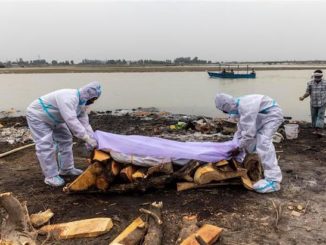
    Covid seems to have taken us back to the colonial times of pestilence and famines, when the poor just floated their dead down the nearest river. All the tall claims of a new India have washed up on the banks of the holy Ganga in Buxar in Bihar. Some say 48, others claim to have counted 150 bodies of suspected Covid victims on the Ganga at Chausa block in Buxar bordering Uttar Pradesh. The gruesome visuals leave us in no doubt, unless UP Chief Minister Yogi Adityanath disputes it to lock up those who have caught the corpses on camera. The officials on either side of the river are only trying to disown the corpses. Bihar’s officials believe that these bodies must have drifted downstream from neighboring Ghazipur or further up, Varanasi. Tuesday’s sighting of bodies at Ghazipur in UP leaves no doubt that villagers upstream are throwing their dead in the river, unable to afford their last rites.

    This is the story of Covid hitting the Hindi heartland, particularly UP, which has lost four ruling party MLAs to the pandemic. Union Minister Santosh Gangwar had last week written an angry letter to Adityanath pointing out the glaring lapses, apathy of medical officers and hoarding of oxygen cylinders. UP Minister and Lucknow MLA Brajesh Pathak, Bareilly MLA Kesar Singh (who later died), Mohanlalganj MP Kaushal Kishore, Basti MP Harish Dwivedi, Bhadohi MLA Dinanath Bhaskar, Kanpur MP Satyadev Pachauri and others have written similar letters expressing their inability to help their constituents. Jasrana MLA Pappu Lodhi released a video on social media of his wife lying on the floor of a Covid ward.

    There are BJP MLAs who have no qualms about blaming UP’s aggravated second surge on the state’s panchayat polls and the Kumbh Mela. While they claim that things are getting better, there is no denying that the situation is dismal in UP. This is the real India of mindless politico-religious priorities with no health infrastructure, no advance planning for a known disease, no treatment and finally, no dignity for its dead.

    (Tribune, India)

  • Education in the Post- Pandemic New Normal

    Education in the Post- Pandemic New Normal

    By Bidisha Roy

    In the post pandemic ‘New normal’ era, undoubtedly everything is going to change forever.  Amongst them, education is of utmost importance as it would shape the future of the world. But how? The tone was set by the panel discussion organized by Newmark J-School for their fellows prior to the EWA National seminar which helped structure my line of thinking as a journalist.

    The first seminar I chose to attend was ‘A Conversation with Education Secretary Miguel Cardona’ because I was curious to know the Govts’ upcoming plans for education policy.

    While outlining the government’s efforts to help schools and students recover from the pandemic, Cardona said that to hit the reset button on things, they want to see more of ‘natural authentic engagement of families.’ Which triggered the immediate thought in my mind that – for proper ‘family engagement’, it’s very crucial to know the cultural background of families in America because it’s a country of immigrants. The upbringing of kids in an Indian family, for example, is totally different from that of an American family. So, bridging the cultural gap would be a key factor for this ‘natural authentic engagement’, isn’t it? I asked Sec Cardona that question; and his answer was – ‘Thank you for that question because it really highlights how our reopening efforts are not just about turning on the lights, it’s not just about making sure we have enough PPE. We have to be trained or learn the cultural norms of different places, then we have to do that in order to serve the students. So, Yes, that’s exactly what it means. It means that in communities that have high concentrations of cultural norms, it’s our responsibility and our privilege as educators to learn those norms, to help engage those families in ways that they’re comfortable, so that their students can be successful.”

    One of the next sessions I attended which related to the same context was “Family Engagement in a Post-COVID Era.” Experts explored how the role of families in education may shift as the pandemic changed the relationship of parents to their children’s learning, and ways in which schools and others can support the change; but as we came out of that session, many of the questions remained unanswered. I would love to hear more about research and new thinking in this space, which I am sure will emerge slowly.

    “What Pandemic-Driven Changes in Education Will Last, and Why?” – was one more session I attended, as I was trying to gather answers about the future of international students from countries severely hit by COVID like India and Brazil. In this session as well, total clarity did not emerge which is understandable at this stage as the education fraternity is trying their best to cater to the new norm.

    As a representative of ethnic media, I would definitely try to explore the unanswered questions further for the community that I serve with the information and understanding I gathered from the EWA national seminar.

  • My bridge over troubled waters

    My bridge over troubled waters

    By Prabhu Dayal
    • Bridge is the best intellectual exercise which doubles up as an engrossing game
    • You face new situations every ten minutes, and make decisions based on what you think is rational
    • You weigh gain versus loss, doing calculations all the time while playing the hand you are dealt
      In his message to bridge lovers, Sundarshan said: “The Second wave of COVID-19 has witnessed severe damage to human life and its activities with its reeling negative effect for the past few months. Our fellow bridge players have been patiently waiting for this pandemic to ease out and only online bridge has been a soothing medicine to most of them.” Moving beyond this, he also says: “In extreme cases for those suffering from COVID-19 infection, BFI under the current stressed environment will endeavor to seek financial assistance from its well-wishers towards meeting their medical needs so far as possible.”

      Thus, the BFI has taken on two enemies at the same time-Covid and boredom. People like me can stay inside the safety of their homes and still enjoy themselves to the hilt. Sundareshan and his BFI team are Covid-warriors of a different kind, coming to our aid in these dismal times.

      Yesterday morning, I received the heartbreaking message that one of my closest childhood friends had been snatched away by Covid-19. Last week, it was a retired colleague who was staying one floor above me in my apartment complex. The week before it was another dear friend with whom I had played a round of golf just a month earlier.

      My Facebook page is also becoming an obituary column these days.

      What is going on?  Have the Chinese unleashed biological warfare on us, as some experts are saying? Or are we simply inept, incompetent and incapable of handling the situation created by the pandemic?

      There are hundreds of opinions in the market. As regards the black market, it is simply thriving and making hay while the Covid- sun shines, conquering ever-newer horizons–antivirals, hospital beds, oxygen concentrators and even oxygen itself, which we always took for granted!

      A few months back, most people had not heard of Remdesivir, but now they are exchanging WhatsApp messages on where it can be procured if the need arises.

      Everyone is battle ready, so to say, but survival of the fittest can be a misleading axiom. Burning calories and developing six-packs may not save you. You will not know when, where and from whom you can get infected.

      Survival of the cautious is the new ‘mantra’. Lock yourselves indoors to keep the virus out of your lives; isolate yourself from the herd till there is herd immunity (another expression now getting embedded in our current daily lexicon).

      However, this is easier said than done. Apart from mundane needs such as groceries, there is the problem of ‘ennui’.

      Staying indoors for days on end can be so boring! A near septuagenarian like me can read, watch TV, exchange WhatsApp messages–but is that all?

      No, there is a wonderful game played with a pack of cards which is called bridge which brings great cheer to me and many others in these Covid-stricken times like nothing else. Warren Buffet had famously said “Bridge is such a sensational game that I wouldn’t mind being in jail if I had three cellmates who were decent players.”

      For the uninitiated, let me say that Bridge is the best intellectual exercise which doubles up as an engrossing game. You face new situations every ten minutes and make decisions based on what you think is rational. You weigh gain versus loss, doing calculations all the time while playing the hand you are dealt. The strategy involves deducing all the information you are provided by your hand and then keeping on adding to that base of information as things develop; you modify your approach as you get new information as the hand is played out.

      Like bridge, chess is also regarded as an intellectual game. Comparisons are sometimes unfair, but let me recall that in 1996-97, there were two six-game matches between Gary Kasparov, the reigning world champion and Deep Blue, an IBM supercomputer. Kasparov won the first match, but Deep Blue won the next. Deep Blue’s win was seen as a sign that artificial intelligence was catching up on human intelligence and could defeat one of the great intellectual champions of the human race. However, artificial intelligence has not been able to completely master the game of bridge, and human capability reigns supreme in this sport which has been described as a game that combines strategy, communication, creative deception, and of course, devilish tactics.

      In these Covid-dominated times, how does one get the three other players needed for a bridge foursome? As they say, a friend in need is a friend indeed. My laptop provides the solution, for there are sites where you can register and play online bridge. I play on a popular site called ‘Bridge Base Online’, or simply BBO. I cannot describe in mere words how it has converted what would have been hours of boredom into fun-filled hours of enjoyment.

      Of all the sporting bodies in India, one keeps hearing of the Board of Cricket Control (BCCI), but it has also been taken out of the action by Covid; the much-hyped IPL has been postponed indefinitely as BCCI looks on helplessly. In this grim scenario, a retired IAS officer Suresh Sundarshan, President of the Bridge Federation of India (BFI) has stepped in like a knight in shining armor, challenging the might of Covid and providing an amazing entertainment platform. Through his initiative, the Bridge Associations of various states have created several daily tournaments where people like me can play for as many hours as we want, competing for master-points and thoroughly enjoying ourselves without having to leave the safety of our homes.

      In his message to bridge lovers, Sundarshan said: “The Second wave of COVID-19 has witnessed severe damage to human life and its activities with its reeling negative effect for the past few months. Our fellow bridge players have been patiently waiting for this pandemic to ease out and only online bridge has been a soothing medicine to most of them.” Moving beyond this, he also says: “In extreme cases for those suffering from COVID-19 infection, BFI under the current stressed environment will endeavor to seek financial assistance from its well-wishers towards meeting their medical needs so far as possible.”

      Thus, the BFI has taken on two enemies at the same time-Covid and boredom. People like me can stay inside the safety of their homes and still enjoy themselves to the hilt. Sundareshan and his BFI team are Covid-warriors of a different kind, coming to our aid in these dismal times.

      I would like to end with another quotation from Warren Buffet: “If I’m playing bridge and a naked woman walks by, I don’t even see her.” Well, I do bring a great deal of concentration when I play, but can we lesser mortals ever aspire to be a Warren Buffet?

      Your guess is as good as mine!

      (The author is a retired diplomat)

  • Will Organize Summit of Democracies, says Biden

    Will Organize Summit of Democracies, says Biden

    “We’ve got to prove democracy works,” he said.

     I.S. Saluja

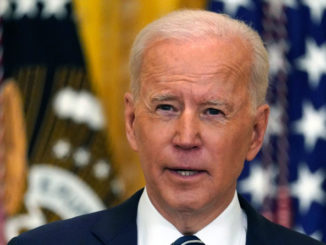
    WASHINGTON (TIP): President Joe Biden shared with media persons his thoughts on a wide range of issues, and also candidly answered their questions, March 25, at his first press conference since assuming office on January 20.2021. During the press conference, Mr. Biden remarked on and responded to questions regarding migrants at the U.S.-Mexico border, the COVID-19 pandemic, the filibuster, voting rights laws, and troop withdrawal from Afghanistan, and China. When asked if he would run again in 2024, he said: “The answer is yes. My plan is to run for re-election. That’s my expectation.” When asked why he had not already announced a second run, while his predecessor had announced it much earlier on in his first term, he said Mr. Trump needed to announce his re-election early on in his term.

    “My predecessor … oh god I miss him,” Mr. Biden said sarcastically.

    Mr. Biden also said he expects Vice-President Kamala Harris to be his running mate again. “I would fully expect that to be the case, she’s doing a great job, she’s a great partner,” he said. When asked if he believed he would be running against former President Donald Trump, Mr. Biden said, “Oh, come on. I don’t even think about … I have no idea. I have no idea if there’ll be a Republican party. Do you?” he said.

    On Troop withdrawal

    Mr. Biden said it was going to be difficult to get U.S. troops out of Afghanistan by May 1 — a deadline set by Mr. Trump following talks with the Taliban.

    “The answer is that it’s going to be hard to meet the May 1 deadline in terms of tactical reasons,” Mr. Biden said. He however added that he did not expect to have troops there next year. “I can’t picture that being the case,” Mr. Biden said, adding that his administration was consulting allies and that whether it would be in a “safe and orderly” manner if the U.S. leaves. There are between 2,500 and 3,500 U.S. troops in the country as per differing estimates.

    On North Korea

    On the news that North Korea had tested two short range ballistic missiles off its eastern coast — the first such test in nearly a year— Mr. Biden warned of a response but left the door open to diplomacy.

    “We are consulting with our allies and partners, and there will be responses if they choose to escalate. We will respond accordingly,” he said. “I’m also prepared for some form of diplomacy, but it has to be conditioned upon the end result of denuclearization,” he added.

    On China

    On China, Mr. Biden talked about how he knew Chinese President Xi Jinping from the time they were both Vice-Presidents of their respective countries. He recounted a two-hour conversation he had as President with Mr. Xi and said he told him that he [Mr. Biden] was not looking for confrontation but that he knew there would be “steep, steep competition” and that he would insist that China play by the rules. Mr. Biden also talked about shoring up alliances, including with European allies, with whom he was scheduled to speak with later in the day.

    He said he had been clear that it was not “anti-Chinese.”

    “And earlier this month…and apparently it got the Chinese attention…that’s not why I did it…I met with our allies…and how we’re going to hold China accountable in the region,” he said. “Australia, India, Japan, the United States…the so-called Quad. Because we have to have democracies working together,” he said.

    Adding that he would be inviting an alliance of democracies to come to the U.S. to “discuss the future.” Mr Biden had said he would organize a “summit of democracies” in his campaign manifesto.

    “We’re going hold China accountable to follow the rules,” Mr. Biden said. “Whether it relates to the South China or North China Sea or the agreement made on Taiwan or a whole range of other things,” he said.

    Mr Biden said that he and Mr Xi understood each other well. “As long as you and your country continues to so blatantly violate human rights, we’re going to continue in an unrelenting way call to the attention of the world and make it clear what’s happening, and he [ Mr Xi] understood that [sic],” he said, citing China’s actions against its Uighur minority and its encroachment on democratic process in Hong Kong.

    He said the moment an American president walks away from these issues, as Mr. Trump did, is the moment America beings to lose legitimacy in the world. He said China had an overall goal to become the “leading”, “wealthiest” and “most powerful” country in the world, and while he did not criticize that goal, Mr Biden said it would not happen on his watch.

    Mr Biden said the world was in the middle of a fourth industrial revolution and that there was a battle between democracies and autocracies in the 21 Century.

    “We’ve got to prove democracy works,” he said.

    (with inputs from agencies)

  • Pfizer vaccine can neutralize coronavirus variants first reported in UK, SA: Study

    The COVID-19 vaccine co-developed by the American pharmaceutical giant Pfizer and the German biotechnology company BioNTech can neutralise variants of the novel coronavirus that were first reported in the UK and South Africa, a new study suggests. The research, published in the journal Nature Medicine, noted that the vaccine is effective against coronavirus variants carrying the N501Y and E484K mutations.

    According to the scientists, including those from the University of Texas in the US, these variants have a substitution of the amino acid building blocks that make up the viral spike protein—the part of the virus which enables it to enter human cells.

    They said these mutations in the 501st and 484th positions of the protein’s amino acid molecule chain appeared in the UK and the South African variants, and could potentially increase the affinity of the viral spike for the receptor on the human cell through which the virus enters cells.

    WHO recommends AstraZeneca vaccine use amid efficacy concerns

    The World Health Organization (WHO) has decided that potential benefits of the Oxford-AstraZeneca Covid-19 vaccine outweigh known and potential risks, amid concerns over its efficacy against the virus variant found in South Africa.

    The WHO Strategic Advisory Group of Experts on Immunization (SAGE) panel on Wednesday said the two-dose AstraZeneca vaccine efficacy tended to be higher when the interval between doses was within the four to 12 weeks range, reports Xinhua news agency. It also added that although preliminary analyses based on a small sample size in South Africa indicate a marked reduction in vaccine effectiveness against mild and moderate disease, it did not allow a specific assessment of vaccine efficacy against severe Covid-19. As indirect evidence is compatible with protection against severe Covid-19, the situation remains to be demonstrated in ongoing clinical trials and post-implementation evaluations.

  • Indian American NYC Health Commissioner tests COVID positive

    Indian American NYC Health Commissioner tests COVID positive

    NEW YORK (TIP): Dave Chokshi, the Indian American Health Commissioner of New York City, said that he has tested positive for the novel coronavirus and warned that the disease “continues to circulate in our communities, and all of us are potentially exposed to the virus”.

    In a statement issued on Wednesday, February 3, Chokshi, who assumed office on August 4, 2020, said: “In New York City and across the country, Covid continues to circulate in our communities, and all of us are potentially exposed to the virus. A testament to this fact is that I recently got tested and received a positive diagnosis for Covid-19.”

    The Health Commissioner said that he has mild, but manageable symptoms, adding that the city’s Test and Trace Corps has been notified of his diagnosis and will alert anyone who was potentially exposed, Xinhua news agency reported.

    “This is a reminder, if we ever needed one, that Covid is still with us and we all must continue to wear masks, wash our hands, socially distance and stay home if feeling ill,” he added.

    Reacting to the development, New York City Mayor Bill de Blasio said that “Covid is everywhere around us”, and “Chokshi has been doing absolutely amazing work and grueling work protecting all of us, but we’re all human beings. There’s the possibility that Covid can reach us. It doesn’t change the overall reality”.

    Following the Health Commissioner’s positive Covid-19 diagnosis, the Mayor was questioned about why he and his top officials had not been vaccinated.

    “I think it is incumbent upon all of us who do not yet meet the criteria to defer to those in greater need,” de Blasio said.

    “I don’t want to get a vaccination when a senior citizen could be getting that vaccination or a first responder could be getting that vaccination.” Chokshi took over as the city’s health Commissioner in the midst of the raging Covid-19 pandemic following the resignation of his predecessor Oxiris Barbot.

    A primary care physician at Bellevue Hospital and associate professor at the NYU School of Medicine, Chokshi has served in leadership roles at NYC Health+ Hospitals over the past six years.

    Since the onset of the pandemic early last year, New York City has registered at least 621,218 confirmed coronavirus cases and 27,354 deaths.

    The city’s biggest hot spots include the South Bronx, north and southeast Queens, and much of Staten Island.

  • Global Covid-19 cases top 102mn

    The total number of global coronavirus cases has topped 102 million, while the deaths have surged to more than 2.20 million, according to the Johns Hopkins University. In its latest update on Saturday morning, the University’s Center for Systems Science and Engineering (CSSE) revealed that the current global caseload and death toll stood at 102,007,480 and 2,204,494, respectively. The US is the worst-hit country with the world’s highest number of cases and deaths at 25,909,336 and 436,541, respectively, according to the CSSE. India comes in second place in terms of cases at 10,720,048. The other countries with more than a million confirmed coronavirus cases are Brazil (9,118,513), the UK (3,783,593), Russia (3,771,514), France (3,212,640), Spain (2,743,119), Italy (2,529,070), Turkey (2,464,030), Germany (2,207,393), Colombia (2,077,633), Argentina (1,915,362), Mexico (1,825,519), Poland (1,502,810), South Africa (1,443,939), Iran (1,405,414), Ukraine (1,253,127), Peru (1,119,685) and Indonesia (1,051,795), the CSSE figures showed.

  • One year into Covid-19: India at 4th spot on global toll, Mexico third

    On January 30 last year, India reported its first-ever case of the coronavirus disease (Covid-19) after an Indian student of the Wuhan University in China was detected positive in the state of Kerala, according to the Union health ministry. Since then, the country has been one of the largest contributors of coronavirus cases and related fatalities. But on Friday, January 29,India dropped to the fourth position as far as cumulative toll is concerned as Mexico secured the third spot. From September, India was in the third spot after the Unites States and Brazil. According to worldometers figures, the United States has added the maximum number of deaths 447,459 followed by Brazil which has 222,775 deaths. Mexico added 1,506 deaths on Thursday, taking the toll to 156,000. According to news agency AP, due to an extremely low rate of testing, the actual toll to date can be more than 195,000. India’s cumulative toll stands at 154,010. In September 2020, India witnessed the worst situation with the highest number of cases (over 1 million) and deaths (nearly 16,400) in the first 14 days globally. Cases stood between a range of 75,000 to more than 90,000 during these days while the highest single-day toll was seen on September 8 (1,133). However, October proved to be a relief as the daily Covid-19 cases in the country were lesser than the daily recoveries. On October 28, the single-day tally fell below between the 37,000-mark and on December 22, less than 20,000 cases were registered and the deaths were at 301, lowest since June. In January this year, the daily deaths have been below the 200-mark and since the past two weeks and 18 of the country’s states and Union Territories (UTs) have reported one or fewer deaths a day on an average since last week. Meanwhile, the seven-day average of coronavirus deaths on Thursday had reached 140- the lowest in more than 8 months.       Source: HT

  • Germany sees positive trend in Covid-19 infections

    Berlin: The number of new Covid-19 infections in Germany remained below the previous week’s levels, with another 14,022 cases reported within one day, the Robert Koch Institute (RKI) said. So far, more than 2.19 million infections have been registered in Germany since the outbreak of the pandemic, according to the federal government agency for disease control and prevention. The death toll related to Covid-19 stood at 55,752, Xinhua news agency reported on Friday. To stop the spread of infections in the country, Germany entered a second lockdown at the beginning of November. The lockdown, failing to reverse the trend in infections, was tightened and recently extended until mid-February. Non-essential shops, schools and restaurants in Germany were closed and strict contact restrictions imposed. The 7-day incidence nationwide also continued to decrease and reached October levels, with 94 new infections per 100,000 inhabitants over the last seven days, according to the RKI.

  • India fastest in world to reach 3 million vaccinations

    India fastest in world to reach 3 million vaccinations

    India took only 13 days to complete the vaccination of three million (30 lakh) people, fastest in the world, the health ministry has said. This rate of vaccination puts India ahead of the United States which took 18 days to reach the three million mark. Israel took 33 days and the United Kingdom took 36 days to cover three million vaccination, health ministry data revealed. States that have vaccinated more than two lakh beneficiaries include Karnataka (2,86,089), Maharashtra (2,20,587), Rajasthan (2,57,833), Uttar Pradesh (2,94,959). Though India started its vaccination drive much after these countries, the vaccination rate has been higher in the country which is credited to both the seamless management of beneficiaries and the absence of vaccine hesitancy among the beneficiaries. From an average of 2 lakh people getting vaccinated on a day while the vaccination drive started on January 16, the per day number has jumped to five lakh, as the number of sites and sessions has also gone up.

  • J&J puts America on cusp of vaccine number 3

    J&J puts America on cusp of vaccine number 3

    New York (TIP): America is on the cusp of vaccine number three with Johnson & Johnson’s long-awaited single shot vaccine candidate which has shown 66 per cent effectiveness against Covid-19. This number is less than Pfizer’s and Moderna’s effectiveness but still better than what President Joe Biden’s chief medical adviser Dr. Anthony Fauci was willing to embrace with open arms months before the first vaccines came online. “These topline results with a single-shot Covid-19 vaccine candidate represent a promising moment. The potential to significantly reduce the burden of severe disease, by providing an effective and well-tolerated vaccine with just one immunisation, is a critical component of the global public health response,” said Paul Stoffels, Chief Scientific Officer, Johnson & Johnson. America needs multiple vaccines to succeed to shut the door on the pandemic. The two that are currently in use are both two shot vaccines and the Biden administration’s Covid-19 team has been pinning its hopes on adding a third to the mix. The new government has promised to deliver 100 million shots in arms over its first 100 days in office. J&J said Friday that in the US and seven other countries, its single-shot vaccine was 66 per cent effective overall at preventing moderate to severe illness, and 85 per cent protective against the most serious symptoms. The results have shown geographic variation, working better in the US – 72 per cent compared with more muted results in South Africa, where a mutated virus is spreading rapidly. The company expects to file an emergency use application in the US within a week. It expects to supply 100 million doses to the US by June and a billion doses globally by the end of 2021. The study results published today are based on interim findings from a pool of 44,000 volunteers. Researchers tracked illnesses starting 28 days after vaccination – about the time when, if participants were getting a two-dose variety instead, they would have needed the second shot. After day 28, no one who got vaccinated with J&J’s candidate shot needed hospitalisation or died regardless of whether they were exposed to the original virus or the mutation.

  • Global Covid-19 cases top 82.6mn: Johns Hopkins

    Global Covid-19 cases top 82.6mn: Johns Hopkins

    The overall number of global coronavirus cases has topped 82.6 million, while the deaths have surged to more than 1.80 million, according to the Johns Hopkins University. In its latest update, the University’s Center for Systems Science and Engineering (CSSE) revealed that the current global caseload and death toll stood at 82,625,514 and 1,802,560, respectively. The US is the worst-hit country with the world’s highest number of cases and deaths at 19,722,442 and 341,964, respectively, according to the CSSE. India comes in second place in terms of cases at 10,244,852, while the country’s death toll soared to 148,439. The other countries with more than a million confirmed cases are Brazil (7,619,200), Russia (3,100,018), France (2,657,624), the UK (2,440,202), Turkey (2,194,272), Italy (2,083,689), Spain (1,910,218), Germany (1,719,912), Colombia (1,626,461), Argentina (1,613,928), Mexico (1,401,529), Poland (1,281,414), Iran (1,218,753), Ukraine (1,076,880), South Africa (1,039,161), and Peru (1,010,496), the CSSE figures showed. Brazil currently accounts for the second highest number of fatalities at 193,875.

    The countries with a death toll above 20,000 are Mexico (148,439), Italy (148,439), the UK (72,657), France (64,508), Russia (55,692), Iran (55,095), Spain (50,689), Argentina (43,163), Colombia (42,909), Peru (37,574), Germany (32,665), South Africa (28,033), Poland (28,019), Indonesia (21,944) and Turkey (20,642).

  • Canada continues to record soaring Covid-19 cases

    Covid-19 cases continued to rise in Canada as 486, 393 new infections and 13, 865 deaths were recorded on Thursday, the media reported. Ontario, Canada’s most populous province, reported 2, 432 new cases of Covid-19 on Thursday, Dec 17, the highest number of cases recorded in a single day since the start of the pandemic in the country, Xinhua reported.

    Thursday marked the third straight day in which the province logged more than 2, 000 cases of the novel coronavirus. The Ontario Hospital Association called for a four-week lockdown in every public health unit where there is an infection rate of 40 per 100, 000 people or higher. There are 75, 885 active cases across the country with a daily average of 6, 614 new cases reported in the past seven days, according to the Public Health Agency of Canada on Thursday.

  • Rich countries have bought too many COVID-19 vaccines: Amnesty

    Rich countries have secured enough coronavirus vaccines to protect their populations nearly three times over by the end of 2021, Amnesty International and other groups said on Wednesday, possibly depriving billions of people in poorer areas.

    Britain approved Pfizer’s COVID-19 vaccine this month, raising hopes that the tide could soon turn against a virus that has killed nearly 1.5 million globally, hammered the world economy and upended normal life.

    Amnesty and other organisations including Frontline AIDS, Global Justice Now and Oxfam, urged governments and the pharmaceutical industry to take action to ensure intellectual property of vaccines is shared widely.

    The World Health Organisation (WHO) has also called on governments repeatedly this year to make a vaccine protecting against COVID-19 a “public good”.

    The WHO has backed a global vaccine programme scheme known as COVAX, which seeks to ensure equitable distribution of vaccines and 189 countries have joined. But some countries such as the United States have not signed up, having secured bilateral deals.

    COVAX hopes to deliver some 2 billion doses by the end of 2021 but that would still only represent about 20% of the populations of countries that are part of the mechanism.

    “Nearly 70 poor countries will only be able to vaccinate one in ten people against COVID-19 next year unless urgent action is taken,” Amnesty International said, based on recent calculations. “Updated data shows that rich nations representing just 14% of the world’s population have bought up 53% of all the most promising vaccines so far,” it said. S.Africa now experiencing COVID-19 ‘second wave’

    South Africa, the country most affected by the coronavirus on the continent, has entered a second wave of the pandemic, the health minister has declared.

    “As it stands as a country we now meet that criteria,” said Zweli Mkhize in a statement as the country registered nearly 7,000 new cases in the last 24-hour cycle. The country now counts 828,598 infections after 6,709 new cases were detected between Tuesday and Wednesday. South Africa had reined in its first wave which occurred in July at an average of 12,000 cases detected daily. Numbers then gradually came down, at a point dropping below 1,000 in September. The minister said the number of new infections detected in parts of the country suggest that “we should expect faster rising numbers with a higher peak than in the first wave”.

  • US pandemic death toll mounts as danger season approaches

    US pandemic death toll mounts as danger season approaches

    US deaths from the coronavirus pandemic have surged past 2,000 for two days in a row as the most dangerous season of the year approached, taxing an overwhelmed healthcare system with US political leadership in disarray.

    The toll from Covid-19 reached its second-highest level ever on Wednesday with 2,811 lives lost, according to a Reuters tally of official data, one short of the record from April 15. Nearly 200,000 new US cases were reported on Wednesday, with record hospitalizations approaching 100,000 patients. The sobering data came as the head of the US Centers for Disease Control and Prevention on Wednesday warned that December, January and February were likely to be “the most difficult time in the public health history of this nation.”

    CDC Director Dr. Robert Redfield told an event hosted by the US Chamber of Commerce that the United States could start losing around 3,000 people – roughly the number that died in the attacks of Sept. 11, 2001 – each day over the next two months. “The mortality concerns are real and I do think unfortunately before we see February, we could be close to 450,000 Americans that have died from this virus,” Redfield said. The US death toll since the start of the pandemic stands at around 273,000.

    Meanwhile, the administration of outgoing President Donald Trump has yet to articulate an effective strategy to contain the virus beyond promoting the development of a vaccine, which could be rolled out later this month but faces an uphill battle amid a skeptical public and logistical challenges.

    The Republican president’s few public appearances recently had been dedicated to efforts to overturn the results of the Nov. 3 election won by Democratic President-elect Joe Biden, who will assume office on Jan. 20. Maryland Governor Larry Hogan, a Republican, said he had been concerned about the transition between the Trump and Biden administrations, but he had grown more hopeful that the federal government response would not lapse.

    “We’re in the middle of the worst battle of this war, and the hand-off has got to be smooth. We’ve got to work together. There’s got to be no politics in this virus,” he told ABC News’ “Good Morning America” program.

    Hogan echoed Redfield’s warning, citing dark days ahead and noting even when vaccines are approved, there initially won’t be enough to even cover all of his state’s healthcare workers.

  • S’pore to contribute $5mn to help other nations get Covid-19 vaccines

    S’pore to contribute $5mn to help other nations get Covid-19 vaccines

    Singapore on Friday announced its decision to contribute $5 million to support low- and lower-middle-income countries procure Covid-19 vaccines. The announcement was made in a joint statement by the Ministries of Foreign Affairs and Health, reports Xinhua news agency.

    The money would go through the Covid-19 Vaccine Global Access (COVAX) Advance Market Commitment (AMC) mechanism, which will help support 92 low- and lower-middle-income countries’ access through the COVAX Facility, said the statement.

    The COVAX Facility is a global risk-sharing mechanism which seeks to procure, equitably allocate and deliver 2 billion doses of COVID-19 vaccines by the end of 2021. Singapore is one of 97 self-financing participants in the Facility.

    The contribution is part of “our consistent support for vaccine multilateralism, and the fair and equitable access and allocation of vaccines”, said the statement.

    The AMC eligible countries include several ASEAN countries as well as small states globally, it added.

    The Covid-19 virus “does not respect borders, and no one is safe until everyone is safe”, said the statement, adding that the successful development of safe and efficacious vaccines is a critical step towards overcoming the pandemic.

  • Moderna to make up to 125mn Covid-19 vaccine doses available globally

    US-based drugmaker Moderna has said that it expects to have between 100 million and 125 million doses of its experimental Covid-19 vaccine available globally in the first quarter of 2021.

    Out of these, about 85-100 million doses will be made available in the US and 15-25 million doses will be available outside of the US, the company said on Thursday.

    These expected first quarter doses are inclusive within the 500 million to up to one billion doses that the company expects to manufacture globally in 2021.

    Moderna also re-affirmed its expectation of having approximately 20 million doses available in the US by the end of this year.

    The development comes after the company’s November 30 announcement that the primary efficacy analysis of the Phase 3 study of the “mRNA-1273” vaccine showed efficacy of 94.1 per cent.

    Also on November 30, Moderna submitted a request for an emergency use authorisation (EUA) from the US Food and Drug Administration (FDA) and conditional approval from the European Medicines Agency (EMA).

  • ‘Singh Thattha’ to protect bearded doctors on COVID duty

    ‘Singh Thattha’ to protect bearded doctors on COVID duty

    A UK research team’s innovative beard covering technique, dubbed as the ‘Singh Thattha’, which enables bearded medics to wear a well-fitting respirator mask while on frontline COVID-19 duties without the need for shaving has proved effective in initial trials.
    The team, led by Professor Gurch Randhawa from University of Bedfordshire and Dr Rajinder Pal Singh, sought to work on a solution following numerous calls by Public Health England (PHE) to protect doctors from ethnic minorities, including Sikh, Jewish and Muslim communities, who tend to have beards for religious reasons.
    “Because shaving was a mandatory pre-requisite for wearing respirator masks, many members of the faith-observant bearded community, such as Sikh, Jewish and Muslim, have been affected and have had to face the dilemma of redeployment from frontline healthcare jobs involving exposure to COVID-19,” said Randhawa, Professor of Diversity in Public Health at the University of Bedfordshire and Director of the university’s Institute for Health Research.
    “Redeployment to other areas incurs a loss of skillset and need for re-training, and junior doctors have had their training impacted,” he said.
    Randhawa recalls a similar situation in the US from back in 2005, when a faith-observant bearded Sikh man was denied the position of a corrections officer in California as the job required staff to occasionally wear a respirator mask. ‘NBC News’ reported at the time that Kamala Harris, the then Attorney-General and now Vice President-elect, was unable to support the appointment as the beard would pose a problem as the policy mandated gas-mask fitting. “In both of these scenarios, the common theme was that the beard was considered to be an impediment to the wearing of a respirator mask. The other common principle was the concern for the health and safety of the employee. There was no alternative choice, or maybe, it was unexplored,” recalls Randhawa.

    Masks don’t impair lung function during physical activity
    Wearing a facemask helps limit the spread of Covid-19 by reducing respiratory droplets and aerosols spewed into the air when people breathe, talk, laugh, sneeze, or cough, a new study suggests.
    But the physical barrier created by masks has prompted concerns that they might impair the cardiopulmonary system by making it harder to breathe, by altering the flow of inhaled oxygen and exhaled carbon dioxide, and by increasing dyspnea — a medical term that describes shortness of breath or difficulty breathing, especially during physical activity.
    In a new study, published in the Annals of the American Thoracic Society, a team of American and Canadian researchers concluded that while sensations of dyspnea might increase, there is little empirical evidence that wearing a facemask significantly diminishes lung function, even when worn during heavy exercise.
    “There might be a perceived greater effort with activity, but the effects of wearing a mask on the work of breathing, on gases like oxygen and CO2 in blood or other physiological parameters are small, often too small to be detected,” said the study’s first author Susan Hopkins, MD, PhD, professor of medicine and radiology at University of California San Diego School of Medicine. “There’s also no evidence to support any differences by sex or age in physiological responses to exercise while wearing a facemask,” added Hopkins, who specializes in exercise physiology and the study of lungs under stress. The single exception, the authors note, maybe persons with a severe cardiopulmonary disease in which any added resistance to breathing or minor changes in blood gases could prompt dyspnea great enough to affect exercise capacity.

  • Someone in Europe is dying every 17 seconds from covid-19, WHO says

    Someone in Europe is dying every 17 seconds from covid-19, WHO says

    Europe’s painful second coronavirus wave may be starting to ease, a top World Health Organization official said Thursday, though its toll continues to be staggering, with someone on the continent dying every 17 seconds from the virus this past week.
    The cautious assessment came after new diagnoses of the novel coronavirus slowed across Europe to 1.8 million cases, compared with 2 million the week before. Some of the worst-hit countries — including Belgium, France and the Czech Republic — have seen significant declines, while in Germany and elsewhere the curve is just beginning to bend. But hospitals remain packed, and deaths across the WHO’s 51-nation European region have been rising.
    “There is good news and not so good news,” Hans Kluge, the WHO’s regional director for Europe, said at a news conference, describing the drop in new diagnoses as “a small signal, but it’s a signal nevertheless.”
    He attributed the decline to national lockdowns and other restrictions imposed across much of Europe this past month. But he urged nations not to lift restrictions too quickly, warning the small gains could vanish if they threw open doors as rapidly as they did in the summer.
    “Too often we have seen the negative impact of easing too quickly following an understandable will from policymakers to free the public from periods of stringency,” he said. “Too often as well, we have also seen how much these short political gains are quickly offset by the devastating impact of having to reinstall mandates shortly after they are eased.”
    Meanwhile, more than 29,000 people died of the virus in WHO’s 51-nation European region this past week, an 18 percent increase over the week before.
    Global coronavirus infections may be six times higher than reported: Study
    At a time when the world continues to reel under the coronavirus pandemic, researchers from the Australian National University (ANU) and the University of Melbourne have found that the actual number of global coronavirus infections could be up to six times higher than the reported number of cases.
    According to a modelling study, the researchers found the number of coronavirus infection rates between March 2020 and August 2020 across 15 countries were on average 6.2 times greater than reported cases.
    The data was published in a journal named Royal Society Open Science, which shows coronavirus infection rates in the UK, France, Belgium and Italy are much higher than reported and in the case of Italy as high as up to 17-times.
    According to the data, Australia had the best level of detection among the 15 countries by the end of April, but the rate of infection may still have been five times higher than what has been officially reported at the end of August, as reported by news agency PTI.
    The study estimated the true number of infections across a combined population of over 800 million people in 11 European countries, as well as Australia, Canada, South Korea and the US, PTI quoted the researchers.
    “We found Covid-19 infections are much higher than confirmed cases across many countries, and this has important implications for both control and the probability of infection. For example, our analysis has found more than 5.4 million in the UK, 8 per cent of the population, are or have been infected with the coronavirus,” PTI quoted study co-author Professor Quentin Grafton, from ANU.

  • Global Covid-19 cases surpass 57mn mark: Johns Hopkins

    Global Covid-19 cases surpass 57mn mark: Johns Hopkins

    The overall number of global coronavirus cases has surpassed the 57 million mark, while the deaths have surged to more than 1.36 million, according to the Johns Hopkins University.
    In its latest update on Saturday, Nov 21, the University`s Center for Systems Science and Engineering (CSSE) revealed that the current global caseload and death toll stood at 57,441,503 and 1,371,241, respectively.
    The US is the worst-hit country with the world`s highest number of cases and deaths at 11,908,395 and 254,383, respectively, according to the CSSE.
    India comes in second place in terms of cases at 9,004,365, while the country`s death toll soared to 132,162.
    The other countries with more than a million confirmed cases are Brazil (6,020,164), France (2,160,343), Russia (2,023,025), Spain (1,556,730), the UK (1,477,214), Argentina (1,359,042), Italy (1,345,767), Colombia (1,233,444) and Mexico (1,025,969), the CSSE figures showed.
    Brazil currently accounts for the second highest number of fatalities at 168,613.
    The countries with a death toll above 20,000 are Mexico (100,823), the UK (54,381), Italy (48,569), France (48,341), Iran (43,896), Spain (42,619), Argentina (36,790), Peru (35,446), Russia (34,980), Colombia (34,929) and South Africa (20,759)

  • Pfizer asks for emergency use of its coronavirus vaccine

    Pfizer asks for emergency use of its coronavirus vaccine

    US drugmaker Pfizer Inc, which has developed a 95% effective vaccine against coronavirus, is now seeking the emergency use tag from the US government for its dosage. Pfizer has said the emergency use tag could start the process early and the coronavirus vaccine doses could be available as early as next month.
    Now its on the US Food and Drug Administration (FDA) to decide if there’s enough evidence to allow emergency vaccinations. If so, first supplies will be scarce and rationed. Experts warn it likely will be spring before there’s enough for everyone. On Wednesday, Pfizer said the final results of its ongoing coronavirus vaccine trials have suggested that the Pfizer coronavirus vaccine shots are 95% effective, a month after the first dose was administered.
    Pfizer said on Friday it is asking US regulators to allow emergency use of its Covid-19 vaccine.
    The application to the FDA comes just days after Pfizer and German partner BioNTech SE reported final trial results that showed the vaccine was 95% effective in preventing Covid-19 with no major safety concerns.
    In addition to Friday’s FDA submission, Pfizer has also started “rolling” applications in Europe and the UK and intend to submit similar information soon.

  • Russia says its Sputnik V COVID vaccine is 92% effective

    Russia’s Sputnik V vaccine is 92% effective at protecting people from COVID-19 according to interim trial results, the country’s sovereign wealth fund said on Wednesday, as Moscow rushes to keep pace with Western drugmakers in the race for a shot.

    The initial results are only the second to be published from a late-stage human trial in the global effort to produce vaccines that could halt a pandemic that has killed more than 1.2 million people and ravaged the world economy.

    The results are based on data from the first 16,000 trial participants to receive both shots of the two-dose vaccine, the Russian Direct Investment Fund (RDIF), which has been backing its development and marketing it globally, said.

    “We are showing, based on the data, that we have a very effective vaccine,” said RDIF head Kirill Dmitriev, adding that it was the sort of news that the vaccine’s developers would talk about one day with their grandchildren.

    The analysis was conducted after 20 participants in the trial developed COVID-19 and examined how many had received the vaccine versus placebo.

    That is significantly lower than the 94 infections in the trial of a vaccine being developed by Pfizer Inc and BioNTech. To confirm the efficacy rate, Pfizer said it would continue its trial until there were 164 COVID-19 cases.

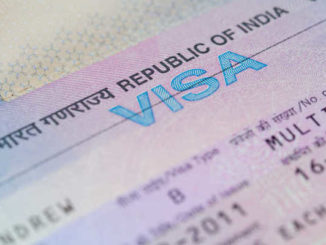
  • India  relaxes visa norms; except for tourism, all categories of foreigners allowed to enter India

    India relaxes visa norms; except for tourism, all categories of foreigners allowed to enter India

    NEW DELHI / NEW YORK (TIP): India  on Thursday, October 22,  relaxed visa restrictions to allow all categories of foreign nationals to enter India through air or sea for any purpose except for tourism.

    In an order issued by the Ministry of Home Affairs (MHA), the government said, “It has been decided to permit all OCI and PIO card holders and all other foreign nationals intending to visit India for any purpose, except on a tourist visa to enter by air or water routes through authorized airports and seaport immigration check posts.”

    It said that the decision was to make a graded relaxation in visa and travel restrictions for more categories of foreign nationals and Indian nationals who wish to enter or leave India.

    According to the MHA order, the relaxations include flights operated under Vande Bharat Mission, Air Transport Bubble arrangements or by any non-scheduled commercial flights as allowed by the Ministry of Civil Aviation. “All such travelers, however, will have to strictly adhere to the guidelines of the Ministry of Health and Family Welfare regarding quarantine and other health/COVID-19 matters,” it added.

    The MHA in its order said that under this graded relaxation, “Government of India has also decided to restore with immediate effect all existing visas (except electronic visa, tourist visa and medical visa).”

    “If the validity of such visas has expired, fresh visas of appropriate categories can be obtained from Indian Mission/Posts concerned. Foreign nationals intending to visit India for medical treatment can apply for a medical visa, including for their medical attendants,” the order said.

    With these relaxations, now foreign nationals will be allowed to come to India for various purposes such as business, conferences, employment, studies, research, medical purposes and a few others.

    In view of the situation arising out of the COVID-19 pandemic, the government had taken a series of steps and had decided in February this year to curtail the inward and outward movement of international passengers.

    (Source: MHA)

  • Indian American co-founded company and University of Houston partner for COVID-19 vaccine

    Indian American co-founded company and University of Houston partner for COVID-19 vaccine

    HOUSTON (TIP): The University of Houston (UH) has joined hands with an Indian American co-founded biotech company, AuraVax Therapeutics, to develop a ‘differentiated-approach’ vaccine against aggressive respiratory diseases, such as COVID-19.

    AuraVax, however, has the option to exclusively license a new intranasal vaccine technology developed by its Indian-American co-founder, Navin Varadarajan, M.D. Anderson Professor of Chemical and Biomolecular Engineering at the University of Houston.

    “A safe and durable vaccine is urgently needed to tackle the COVID-19 pandemic that has infected millions of people and caused over 620,000 deaths globally,” Vardarajan stated.

    “We plan to stop COVID-19, a respiratory virus, at its point of entry – the nasal cavity – and we believe our intranasal platform is a differentiated approach that will lead to a vaccine with increased efficacy to create sustained immunity to COVID-19,” he said.

    Based on pre-clinical experiments, Varadarajan reports his technology not only elicits a mucosal immune response, but also systemic immunity, according to the UoH.

    Varadarajan is targeting the spike proteins, which allow infections to penetrate host cells, in his study. The professor also prefers proteins because of their ability to induce strong immune responses, flexibility and scalability, and the absence of infectious particles, as per an UoH statement.

    AuraVax describes its vaccine administration platform as ‘next-generation’, one which could be administered at home.

    “We are excited to be collaborating with the University of Houston and look forward to future success by advancing the development of this novel intranasal vaccine platform to address a multitude of respiratory viruses, starting with COVID-19. We plan to stop COVID-19, a respiratory virus, at its point of entry — the nasal cavity — and we believe our intranasal platform is a differentiated approach that will lead to a vaccine with increased efficacy to create sustained immunity to COVID-19,” said Varadarajan.

    “AuraVax, being created by an UoH professor, is the ideal partner for us, and what better cause than to advance the creation of a vaccine to COVID-19, arguably the primary challenge facing our generation. The partnership has my wholehearted support,” said Amr Elnashai, University of Houston vice president for research and technology transfer.

    “The race for more effective ways of vaccinating against COVID-19 and other respiratory diseases has led to a broad and extensive focus on various protective mechanisms of action. Based on pre-clinical work, our technology not only elicits a mucosal immune response, but also systemic immunity. We believe AuraVax has a competitive advantage given the immune responses and a supply chain that is well-suited for widespread distribution and self-administration distribution,” said Dr Varadarajan.

  • Trump says he supports larger coronavirus relief package

    WASHINGTON (TIP): U.S. President Donald Trump said on Thursday, Oct 15  he was willing to support a comprehensive COVID-19 coronavirus relief package larger than $1.8 trillion to make a deal with Democrats and get a bill passed.

    “I would,” he said during a telephone interview with Fox Business News. “Absolutely, I would. I would say more. I would go higher. Go big or go home.”

    He went on to say that he had directed Treasury Secretary Steven Mnuchin to make an offer over the $1.8 trillion package previously supported by the White House but said Mnuchin “hasn’t come home with the bacon.”

    Trump said he would not accept “goodies” in the Democrats’ proposal.

    House Democrats, led by Speaker Nancy Pelosi (D-CA), have been pushing for a $2.2 trillion package that would include funding for state and local governments, schools, and coronavirus testing and tracing, among other priorities.2

    Republicans in the Senate support a $500 billion bill that would not offer a wide a range of measures. Senate Majority Leader Mitch McConnell said the upper chamber would be working on the bill next week.

    REPUBLICANS

    Democrats demanding a ‘wish list’

    “(Democrats) say anything short of their multi-trillion-dollar wish list, jammed with non-COVID-related demands, is ‘piecemeal’ and not worth doing,” McConnell said in a statement. “Speaker Pelosi frequently says she feels ‘nothing’ is better than ‘something.’ And she has worked hard to ensure that nothing is what American families get.”

    DEMOCRATS

    Republicans have the wrong priorities

    “We want to have an agreement. Yet Republicans refuse to ensure that such an agreement puts #FamiliesFirst,” Pelosi said.

    (Agencies)