

From a village in Jharkhand to becoming a leading cardiologist and community leader in the United States, Dr. Avinash Chandra Gupta’s journey is a story of perseverance, service, and opportunity. Arriving in America in 1986 with a suitcase of medical books and $20 in pocket, he went on to build a distinguished career in cardiovascular medicine while leaving a lasting impact through humanitarian work, mentorship, and community leadership on two continents.
Dr. Avinash Chandra Gupta
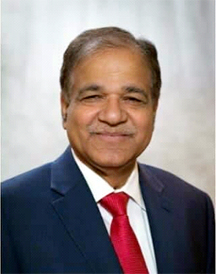
Current Position: Chief of Cardiology, Monmouth Medical Center Southern Campus, New Jersey
Best-Known Community Role: Former President, Federation of Indian Associations (FIA-Tristate)
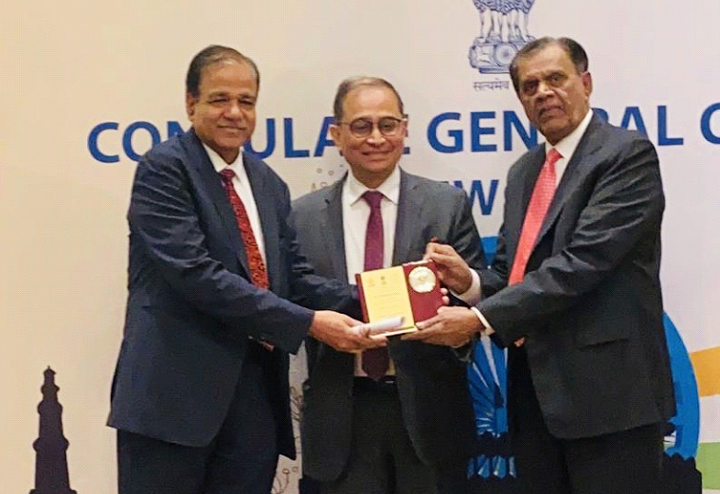
Major Recognition: Consulate General of India, New York, on the occasion of PBD 2020, honored him for creating visibility and recognition for the Indian-American community in the USA.
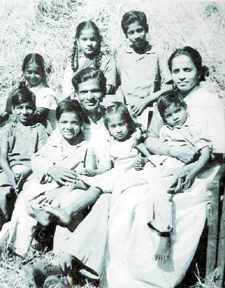
Few could have predicted that one of seven children growing up in a modest family in rural Jharkhand in India would one day rise to the upper ranks of American medicine. Raised by a father who moved from business to farming and a deeply spiritual mother, Dr. Avinash Gupta grew up in a household where hard work, integrity, and education were prized above all else. Those values would eventually catapult him into a distinguished career as a cardiologist, healthcare leader, humanitarian, and mentor in the United States.
From Village Path to Bigger Dreams
Born in Karum village in Ranchi, Dr. Gupta learned early that education required determination long before it yielded opportunity. He would walk miles to school, cross a river on foot each day, and later cycle long distances to continue his studies. Such discipline, resilience, and perseverance would shape the course of his life.
“I continued walking nearly three miles to school each day until I received a bicycle in the eighth grade,” Dr Gupta, one of seven siblings, told The Indian Panorama.
In the Gupta household, education was not merely encouraged—it was viewed as the surest path to opportunity.
“The values my parents instilled in me were simple but powerful: work hard, be honest, stay resilient in the face of adversity, and remain focused on your goals,” said Dr. Gupta, who is an avid reader and can “finish two books in a day.”
By the time he left India, Dr. Gupta had already distinguished himself as an exceptional student, having studied at St. Aloysius School, St. John’s School, St. Xavier’s College, and Rajendra Medical College in Ranchi.
“I remain grateful to the Jesuit priest who helped secure our admission to good schools—first St. Aloysius and then St. John’s. Those opportunities ultimately paved the way for my education at St. Xavier’s College and Rajendra Medical College,” he said.
The transition from village life to the city brought its own chal lenges.
“When I was in the fifth grade, I was struggling academically after moving from the village. A college student who lived across the street from our home took an interest in my studies and helped me catch up. That experience had a lasting impact on me and showed me the difference one person can make in another’s life,” he said.
Perhaps it was an early lesson in mentorship—one that would later influence his own commitment to helping others navigate difficult transitions.
After completing postgraduate training in internal medicine and tropical medicine, Dr Gupta spent several years treating patients in underserved regions of Bihar and Jharkhand. Yet he aspired to advance his medical training even further.
That aspiration would take him halfway across the world.
A Suitcase, $20 and a Second Innings
In March 1986, he arrived in New York with a singular goal: to build a future in advanced medicine. The move marked the start of a new chapter—one filled with uncertainty, hard work, and opportunity.
“I arrived with a suitcase full of medical books, $20 in my pocket, and big dreams of advancing my career. The very next day, I joined Kaplan’s to prepare for the qualifying examinations required to begin a medical residency in the United States,” he recalled.
This transition was far from easy.
“I had to wait a year before starting my training, and during that time I worked as a phlebotomist, earning $4.50 an hour, and later operated an auto-analyzer performing blood tests for $6 an hour.”
Like many international medical graduates, he arrived with limited resources and no established network. The road ahead was filled with challenges: “Adapting to a new culture, healthcare system, language nuances, and professional expectations was challenging. There were moments of uncertainty, financial constraints, and intense competition, but those experiences taught me resilience, humility, patience, and perseverance.”
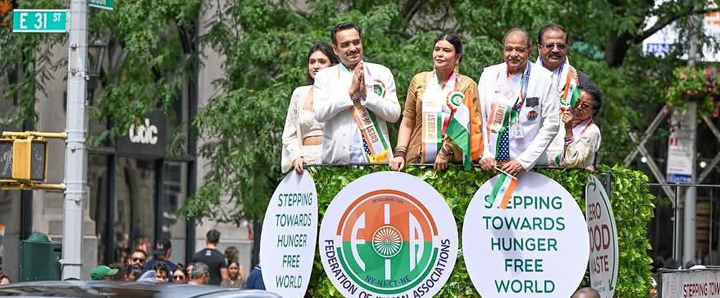
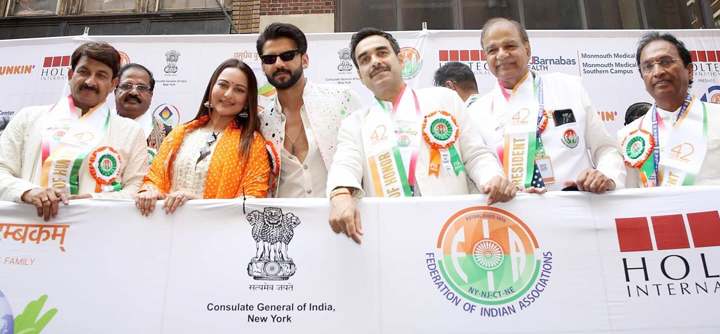
He is seen with Grand Marshall Sonakshi Sinha, Special Guests Zaheer Iqbal, Manoj Tiwari and Pankaj Tripathi.
Yet those early struggles never diminished his belief in the possibilities America offered.
“I came to the US with a medical degree, dreams, and a willingness to work hard. What America provided was a system where merit, dedication, and perseverance could translate into opportunity.”
America, he says, became central to both his professional and personal success.
His training at SUNY Downstate Medical Center exposed him to world-class cardiovascular medicine, while the American healthcare system’s emphasis on innovation, specialization, research, and lifelong learning created opportunities that might have been difficult to access elsewhere.
The long hours in laboratories and classrooms eventually opened the door to an internal medicine residency at New York Methodist Hospital in Brooklyn, where he later served as chief medical resident.
He went on to complete a fellowship in cardiovascular disease at SUNY Downstate Medical Center, laying the foundation for a career that would span more than three decades.
“India has produced some of the world’s finest physicians and scientists, but America continues to offer unparalleled infrastructure for research, innovation, and interdisciplinary collaboration,” he said.
According to Dr Gupta, access to advanced technology, research funding, mentorship networks, and institutional support allows physicians to maximize their potential while continuing to provide high-quality patient care.
Today, more than three decades after arriving with little more than determination and a dream, he serves as Chief of Cardiology and past President of the Medical Staff at Monmouth Medical Center Southern Campus, part of RWJBarnabas Health, New Jersey’s largest integrated healthcare system.
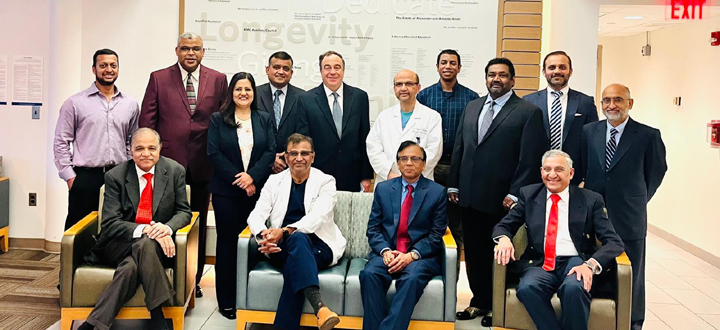
“I have been practicing cardiologist since 1994,” he said.
His recent board certification in lifestyle medicine reflects a growing passion for preventing—and in some cases reversing—chronic diseases through evidence-based interventions centered on nutrition, physical activity, restorative sleep, stress management, and social connection.
For Dr. Gupta, the future of medicine lies not only in treating disease but also in empowering people to live healthier lives.
When Crisis Called, He Answered
But medicine is only one chapter of Dr. Gupta’s story. Service has remained a defining thread throughout his life.
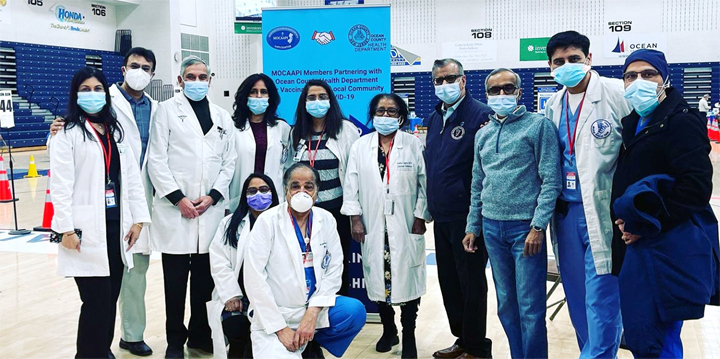
During the COVID-19 pandemic, he emerged as a prominent leader within both the medical fraternity and the Indian American community. As president of MOCAAPI (Monmouth and Ocean County Association of Physicians of Indian Origin), he led healthcare professionals who vaccinated thousands of New Jersey residents when vaccines were desperately needed. In 2021, as part of the Federation of Indian Associations (FIA-Tristate), he helped coordinate the shipment of more than $55 million worth of medical supplies and relief materials from the Indian diaspora to India during the pandemic.
As president of the Bihar-Jharkhand Association of North America (BJANA), he helped organize telemedicine services connecting physicians in America with patients across India.
A Legacy Beyond the White Coat
If medicine had been Dr. Gupta’s profession, service would have been his calling.
Among his most enduring contributions is the PRAN-BJANA charitable healthcare initiative, which has brought medical care to thousands of underserved patients in rural Bihar and Jharkhand through more than 150 free medical camps and mobile clinics. He has also supported the ASHA orphanage in Ranchi, helping expand educational and healthcare opportunities for underprivileged children.
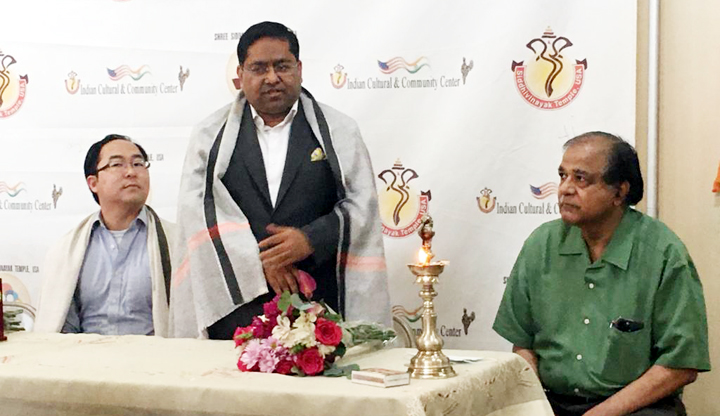
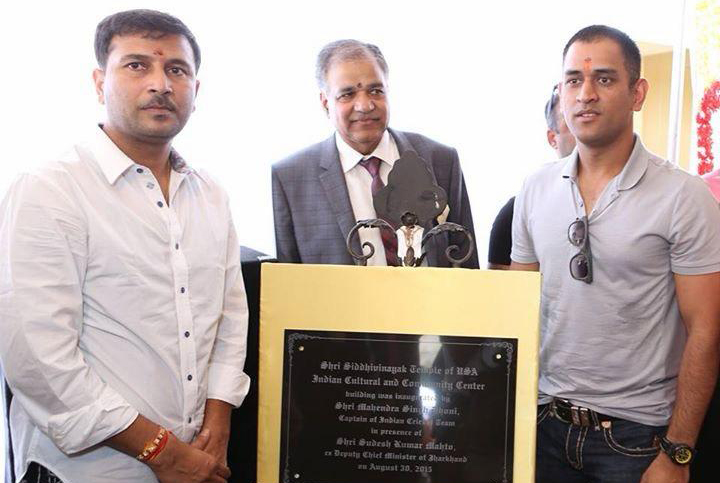
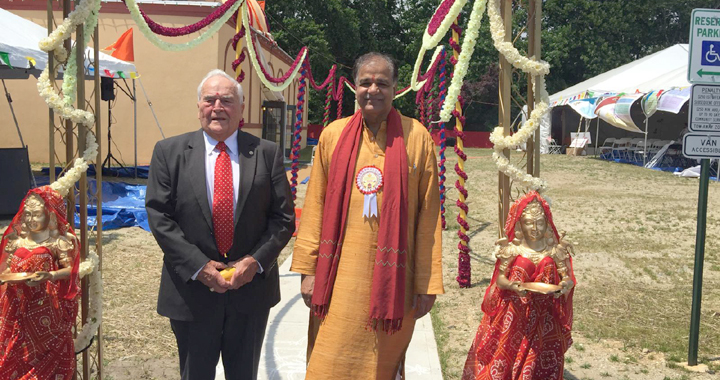
For Dr. Gupta, building communities has been as important as treating patients. As chairman of the Shree Siddhivinayak Temple and Indian Cultural & Community Center in Toms River, New Jersey, he has helped transform it into a hub for faith, culture, and community service.
Having once navigated the challenges of starting over in a new country, he has devoted considerable time to mentoring international medical graduates, opening doors through observerships, research opportunities, and career guidance.
“I never forgot what it felt like to be new, uncertain, and searching for guidance,” he said. “Leadership, to me, means creating opportunities for others and helping them navigate challenges that I once faced myself.”
The importance he places on education is reflected in a saying he has carried throughout his career:
“When it comes to learning an art whose end is the saving of human lives, any neglect to make ourselves thorough masters of it becomes a crime.”
Leadership has remained a recurring theme throughout his journey. Over the years, he has led FIA, BJANA, MOCAAPI, and the medical staff of Monmouth Medical Center Southern Campus. He currently serves as regional director of the American Association of Physicians of Indian Origin (AAPI) and will begin a three-year term on its Board of Trustees in July 2026.
Asked how Indian Americans should navigate life in their adopted country, Dr. Gupta emphasizes both integration and cultural pride.
“I believe Indian Americans should fully assimilate into the country they have chosen to call home and think of themselves as Americans first. Their primary allegiance should be to America, while continuing to preserve and celebrate their cultural heritage, traditions, and values.”
Family Takes Centerstage
Asked about family and the values that have shaped his life, Dr. Gupta reflects on the importance of relationships, unity, and nurturing the next generation.
“I was fortunate to have a friendship with a classmate in medical school that gradually turned into love, and we became life partners,” he said.
“Family has always been central to my life. We can have disagreements, but we are still one family. At the end of the day, we are happiest not because of what we have achieved ourselves, but because our children have done well and found success in their own lives.”
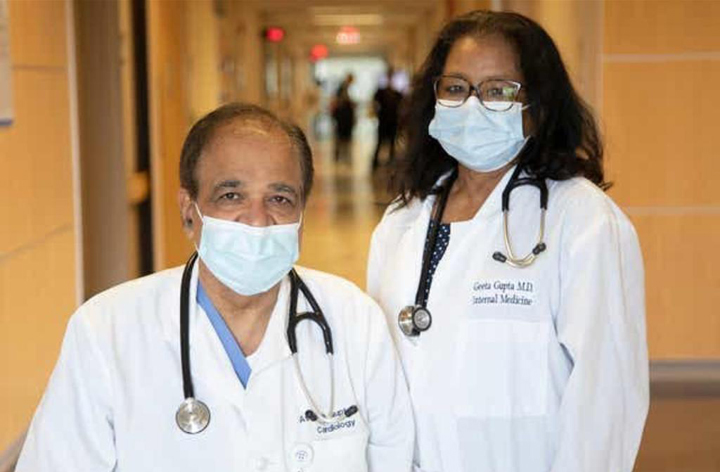
Talking proudly about his wife, Dr. Geeta Gupta, he said that she has been a constant source of strength throughout his journey. An accomplished internist, she balanced a distinguished medical career with raising their family and supporting numerous charitable and community initiatives.
“My wife has been my greatest partner in life and service,” he said. “Her compassion, wisdom, and unwavering support have played a vital role in every achievement.”
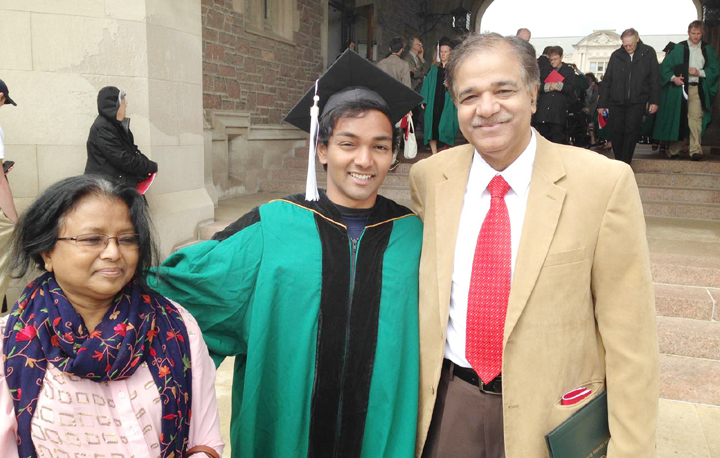
Their son, Dr. Abhinav Gupta, recently completed his general surgery residency at University of Southern California and is pursuing advanced fellowship training in colorectal surgery.
“Watching him grow into a compassionate surgeon has been one of our greatest joys and a source of immense pride,” Dr Avinash Gupta said. He and Dr Geeta Gupta were in Los Angeles to cheer their son’s landmark accomplishment.
The Best of Both Worlds
Awards may recognize achievement, but for Dr. Gupta, the real legacy lies in the lives improved through healing, mentorship, and service.
Asked what values have guided him throughout life, Dr. Gupta points to lessons learned in India long before he arrived in America.
“Respect for elders, commitment to family, humility, hard work, education, faith, and service to others remain central to who I am.”
Those values, he says, came from parents who believed that success carried an obligation to help others.
Today, after spending most of his adult life in the United States, he remains deeply connected to both countries.
“My wife and I have tried to pass these values on to our son while embracing the opportunities and freedoms America offers.
“In many ways, our lives represent the best of both worlds—the values of India and the opportunities of America.”
From a small village in Jharkhand to leadership roles in American medicine and public service, his story is ultimately a testament to what can happen when hard work meets opportunity—and when success is measured not by what one achieves alone, but by how many others are lifted along the way.
A Legacy of Service
Asked which accomplishment means the most to him, Dr. Gupta points not to titles or awards, but to the lives touched through service.
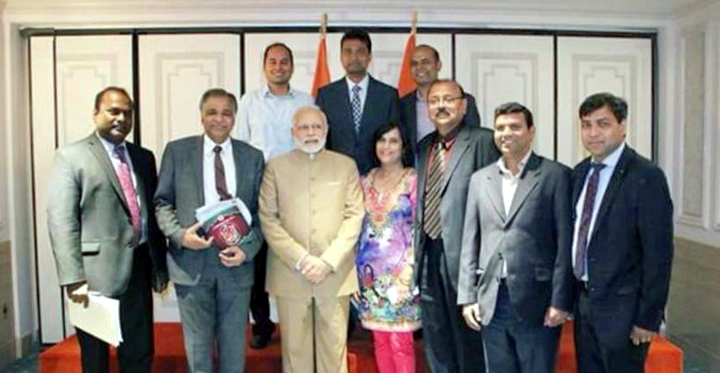
“I am proud to have helped establish the Shree Siddhivinayak Temple and Indian Cultural & Community Center,” he said, describing it as a hub for faith, culture, and community service. He also cites leading BJANA’s telemedicine efforts during the COVID-19 pandemic, helping organize large-scale vaccination drives in New Jersey, and supporting the PRAN-BJANA healthcare initiative, which has brought medical care to thousands of underserved patients in rural Bihar and Jharkhand.
Equally meaningful, he says, has been supporting the ASHA orphanage in Ranchi and mentoring international medical graduates, helping many secure residency positions in the United States.
Guided by the principle of Vasudhaiva Kutumbakam—the world is one family—Dr. Gupta has spent a lifetime building bridges between medicine and service, India and America, and individual success and collective progress.
To learn more about Dr. Gupta and his work, visit dravinashgupta.com.
Awsome site! I am loving it!! Will be back later to read some more. I am taking your feeds also