

Ganga Dussehra, one of the most sacred festivals in Hindu tradition, marks the divine descent of Goddess Ganga from heaven to Earth. Celebrated on the tenth day of the waxing moon in the Hindu month of Jyeshtha, the festival holds immense spiritual significance for millions of devotees across India. It is believed that on this auspicious day, the holy River Ganga descended to Earth to cleanse humanity of sins and liberate souls from the cycle of birth and death. Revered as a goddess, a mother, and a purifier, the Ganga occupies a unique place in the spiritual and cultural consciousness of India.
The term “Ganga Dussehra” is derived from two Sanskrit words – “Ganga,” the sacred river goddess, and “Dussehra,” meaning the destruction of ten sins. According to Hindu belief, bathing in the waters of the Ganga on this day washes away ten kinds of sins committed through thoughts, words, and deeds. Devotees throng riverbanks and ghats from early morning, chanting hymns and prayers while taking ritual dips in the holy river. The atmosphere becomes charged with spirituality, devotion, and faith as temples echo with the sounds of bells, conch shells, and devotional songs.
The origins of Ganga Dussehra are deeply rooted in ancient Hindu mythology. The legend begins with King Sagara, a mighty ruler whose sixty thousand sons were reduced to ashes by Sage Kapila after they mistakenly accused him of stealing a sacrificial horse. Their souls could not attain salvation, and generations later, King Bhagiratha undertook severe penance to seek divine intervention for the liberation of his ancestors. Pleased by his devotion, Lord Brahma agreed to send the celestial River Ganga down to Earth. However, the force of her descent was so powerful that it could have destroyed the planet. Bhagiratha then prayed to Lord Shiva, who compassionately received the mighty river in his matted locks and gently released her streams onto Earth. Flowing behind Bhagiratha, the sacred river finally touched the ashes of King Sagara’s sons and granted them liberation. Since then, the Ganga has been worshipped as the giver of salvation and spiritual purification.
The story of Ganga’s descent carries profound symbolic meaning. Bhagiratha’s intense penance represents determination, devotion, and selfless purpose. Lord Shiva’s role symbolizes spiritual discipline and the power to channel divine energy. The flowing waters of the Ganga signify purity, compassion, wisdom, and the eternal flow of life. In Hindu philosophy, the river is not merely a geographical entity but a living manifestation of divine grace that nourishes both body and soul.
On Ganga Dussehra, devotees gather in large numbers at sacred cities such as Haridwar, Varanasi, Prayagraj and Rishikesh, where the river is worshipped with elaborate rituals and ceremonies. Pilgrims wake before sunrise to bathe in the sacred waters, believing that the holy dip cleanses accumulated karma and brings spiritual merit. Priests conduct special pujas on riverbanks, offering flowers, incense, lamps, fruits, and sacred chants to Goddess Ganga. Many devotees float lighted earthen lamps on the river in a ritual known as Deep Daan, symbolizing the removal of darkness and ignorance from human life.
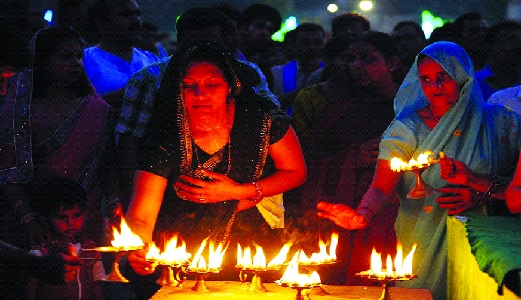
One of the most enchanting sights during Ganga Dussehra is the grand Ganga Aarti performed in the evening at famous ghats. Priests holding large flaming lamps move in synchronized rhythm as devotional hymns fill the air and thousands of devotees join in prayer. The reflection of flickering lamps on the flowing river creates an atmosphere of divine serenity and spiritual awe. The aarti is not only an act of worship but also an expression of gratitude toward nature and the life-giving river.
The festival also emphasizes charity and compassion. Donating food, water, clothes, fruits, and essentials to the needy is considered highly auspicious on this day. Many devotees observe fasts, meditate, chant mantras, and read sacred scriptures associated with the glory of the Ganga. Spiritual discourses and cultural programs are organized in temples and pilgrimage centers, highlighting the religious and philosophical significance of the river.
Beyond its religious importance, the Ganga has played a defining role in shaping Indian civilization for thousands of years. The fertile plains nourished by the river became centers of agriculture, trade, learning, and spirituality. Ancient cities, temples, universities, and kingdoms flourished along her banks. Saints, poets, and philosophers across centuries have praised the Ganga as the visible form of divine compassion. From Vedic hymns to medieval devotional literature, the river continues to inspire reverence and devotion.
In modern times, Ganga Dussehra also serves as a reminder of humanity’s responsibility toward nature and environmental preservation. Despite being worshipped as sacred, the River Ganga faces serious threats from pollution, industrial waste, plastic dumping, and ecological degradation. Many spiritual leaders and environmental activists stress that true devotion to Mother Ganga lies not only in rituals and prayers but also in protecting the purity of her waters. Awareness drives, cleanliness campaigns, and conservation initiatives are increasingly becoming part of the festival celebrations.
Spiritually, Ganga Dussehra conveys a timeless message of inner purification and renewal. Just as the sacred waters cleanse physical impurities, spiritual wisdom purifies the mind and soul. The festival encourages individuals to let go of negativity, ego, anger, and attachment while embracing humility, compassion, and devotion. The continuous flow of the Ganga reminds humanity to move through life with grace, resilience, and purity of heart.
For millions of devotees, Mother Ganga remains an eternal symbol of hope, healing, and liberation. Her waters are believed to carry divine blessings capable of uplifting even the most troubled soul. As devotees gather along the sacred riverbanks with folded hands and unwavering faith, Ganga Dussehra becomes more than a festival – it transforms into a spiritual experience that connects humanity with the divine flow of life itself.


Be the first to comment