
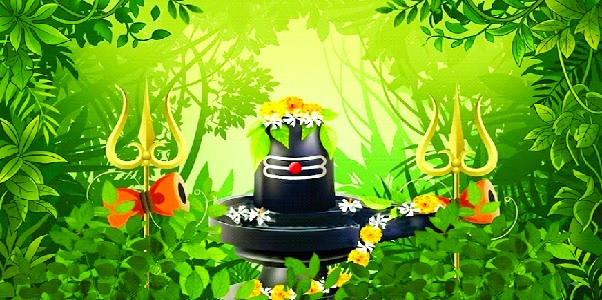

When the first showers of the monsoon transform the earth into a carpet of green, India’s festive calendar comes alive with Hariyali Teej. Celebrated on the Tritiya, or third day, of the bright fortnight of the Hindu month of Shravana, the festival is a vibrant expression of devotion, marital harmony, feminine strength and the renewal of nature. The word Hariyali means greenery, reflecting the lush landscape that surrounds the festival and the season of rain in which it is observed.
Observed with particular enthusiasm in Rajasthan, Uttar Pradesh, Bihar, Madhya Pradesh, Jharkhand and other parts of North India, Hariyali Teej brings together worship and celebration. Women dress in green, decorate their hands with mehendi, adorn themselves with bangles and jewellery, sing traditional songs and gather around flower-decked swings. At its heart, however, is a deeply spiritual story-the reunion of Lord Shiva and Goddess Parvati.
The Sacred Union of Shiva and Parvati
Hariyali Teej is dedicated to Shiva and Parvati and celebrates their divine union. In Hindu tradition, Goddess Parvati represents Shakti, the feminine cosmic power, while Shiva represents consciousness. Their union is therefore understood not merely as a marriage but as a profound symbol of the coming together of complementary cosmic forces.
The popular legend associated with Teej tells of Parvati’s extraordinary determination to attain Shiva as her husband. Shiva, immersed in ascetic meditation, initially remained detached from worldly relationships. Parvati, however, remained steadfast in her devotion and undertook intense penance to win his acceptance.
According to a widely circulated version of the legend, Parvati’s penance continued through many births and was marked by extraordinary perseverance and sacrifice. Eventually, Shiva recognised the depth of her devotion and accepted her as his consort. Their union came to symbolise the triumph of steadfast love and spiritual determination.
The story gives Hariyali Teej its deeper spiritual message: devotion is not merely an act of ritual but a quality of the heart that requires patience, faith and perseverance.
Why the Festival Is Celebrated in Sawan
The timing of Hariyali Teej is significant. It arrives during Shravana, popularly known as Sawan, one of the most sacred months in the Hindu calendar and a period strongly associated with the worship of Lord Shiva. The monsoon changes the visual character of the Indian landscape during this period. Dry fields become green, rivers and ponds fill with rainwater, trees put out fresh leaves and the air carries the fragrance of wet earth. Hariyali Teej mirrors this transformation, making nature itself part of the festival.
Green, therefore, becomes the defining colour. Green clothing, bangles and decorations symbolise fertility, growth, prosperity, renewal and the vitality of nature. The color also connects the spiritual celebration with the abundance brought by the rains.
The Ritual of Fasting
Fasting is among the most important observances associated with Hariyali Teej. Traditionally, married women undertake the fast while praying for the well-being, longevity and happiness of their husbands. Unmarried women may also observe Teej as a prayer for a suitable life partner and a harmonious married life.
Practices surrounding the fast vary between families and regions. Some devotees observe a strict fast, while others follow modified forms of fasting according to their family traditions and circumstances.
The spiritual purpose of the fast goes beyond abstaining from food. It is viewed as an act of discipline, devotion and surrender. By turning attention away from physical needs, devotees seek to cultivate inner strength and focus their minds on the divine.
At the same time, traditional observances should be approached with awareness of individual health needs; fasting need not be understood as a test of physical endurance.
Worship of Shiva and Parvati
On the festival day, women prepare a sacred space for the worship of Shiva and Parvati. Idols or images of the divine couple are decorated with flowers, vermilion, sacred offerings and traditional ornaments.
Prayers are offered to Goddess Parvati, particularly in her form as a devoted wife and embodiment of Shakti. Shiva is worshipped alongside her, reinforcing the symbolism of companionship and balance.
Offerings and the precise sequence of rituals differ according to regional and family traditions. In many households, the puja is accompanied by the recitation or listening of the Teej vrat story, followed by prayers for marital harmony, prosperity and family well-being.
The ritual thus turns the household into a sacred space where devotion and domestic life come together.
Green Sarees, Mehendi and Solah Shringar
One of the most recognisable aspects of Hariyali Teej is the traditional adornment of women. Green sarees, lehengas, bangles and other ornaments fill the festive landscape with colour.
Women often decorate their hands and feet with mehendi, with intricate floral, paisley and traditional motifs. Jewellery and solah shringar-the traditional sixteen forms of adornment associated with married women-are also an important part of the celebration.
These practices are not merely about appearance. In the cultural imagination of Teej, adornment represents joy, auspiciousness, femininity and the celebration of married life.
The festive preparations also provide an opportunity for women to come together, exchange gifts, share songs and strengthen bonds of friendship and family.
The Joy of the Swing
Few images capture Hariyali Teej as beautifully as a decorated swing hanging from a tree.
During the monsoon, swings are traditionally decorated with flowers and leaves, and women gather to take turns riding them while singing Teej songs. The practice carries both a festive and seasonal significance. The swing becomes a symbol of freedom, happiness and the playful spirit of the rains.
Traditional folk songs performed during Teej often speak of love, longing, marriage, the arrival of the monsoon and the emotions associated with a woman’s relationship with her maternal and marital homes.
In this way, music gives expression to emotions that may otherwise remain unspoken. Teej songs preserve memories, regional traditions and women’s voices across generations.
The Tradition of Sindhara
Another important custom associated with Hariyali Teej is Sindhara. Traditionally, a married woman’s parents send a collection of gifts to their daughter and her in-laws.
The gifts may include sweets such as ghewar, mehendi, bangles, cosmetics, clothes and other items associated with the festival. Because of this tradition, Hariyali Teej is also known in some regions as Sindhara Teej.
The practice has an emotional significance beyond the gifts themselves. It represents the continuing affection between a married daughter and her parental home. Teej therefore becomes a moment when family bonds are renewed and daughters are reminded that the emotional connection with their maternal families continues even after marriage.
A Celebration of Feminine Strength
At its spiritual core, the story of Hariyali Teej is the story of Parvati’s determination. She is not portrayed simply as a passive recipient of divine grace; she actively chooses her path, undertakes penance and remains unwavering in her purpose.
This makes the festival especially significant as a celebration of feminine strength.
Parvati’s story can be understood as a reminder of the power of perseverance-the ability to remain committed to one’s values despite difficulty. Her eventual union with Shiva represents not only marital fulfilment but also the culmination of spiritual discipline.
For generations, the festival has provided women with a cultural space for prayer, community, celebration and self-expression.
Nature as Part of the Sacred
Hariyali Teej also reflects the intimate relationship between Indian spiritual traditions and nature.
The festival arrives when the monsoon breathes new life into the landscape. Trees become greener, fields begin to flourish and the rhythms of rural life change with the rains. The celebration of greenery is therefore also a celebration of renewal.
The decorated swings, floral arrangements, green clothing and songs about rain all bring the natural world into the cultural experience of the festival.
In this sense, Hariyali Teej is not only a festival of Shiva and Parvati; it is also a celebration of the earth awakening after the heat of summer.
Beyond Ritual: The Meaning of Teej Today
Like many Indian festivals, Hariyali Teej has evolved while retaining its traditional core. What was once largely observed within families and communities is today also celebrated through public gatherings, cultural programmes, fairs, competitions and social events.
Yet its fundamental message remains relevant. The festival speaks of devotion without losing joy, tradition without abandoning celebration and marriage as a relationship based on companionship, commitment and mutual well-being.
For many devotees, the fast and puja are expressions of faith. For others, the festival is equally an occasion to reconnect with family, revisit ancestral customs and celebrate the beauty of the monsoon.


Be the first to comment