
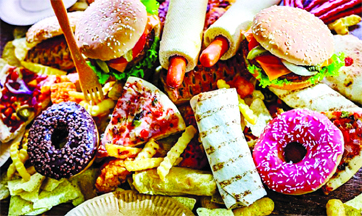

A new study suggests that consuming higher amounts of ultra-processed foods may be linked to reduced fertility in men, slower growth in early embryos, and smaller yolk sacs — essential for early embryonic development.
“Even though ultra-processed foods (UPFs) are so common in our diets, very little is known about their potential relationship with fertility outcomes, and early human development,” said lead researcher Dr Romy Gaillard, a paediatrician and associate professor of developmental epidemiology at Erasmus University Medical Center, Rotterdam, The Netherlands.
Researchers said until now no study has investigated the combined impact of both parents’ ultra-processed foods (UPF) consumption on the length of time it takes to conceive and early embryonic development.
The study, published in the journal Human Reproduction, looked at 831 women and 651 male partners enrolled in a population-based, prospective study that has been following parents from before conception and into their offspring’s childhood — the Generation R Study Next Programme.
The couples were included in the study during pre-conception period or during pregnancy between 2017 and 2021. Information on the parents’ diet and time to pregnancy were measured using questionnaires.
Fecundability — chances of conceiving within a month — and subfertility, which is time to pregnancy of 12 months or more or the use of assisted reproductive technology, were also measured.
The distance between the embryo’s head and its buttocks — an indication of its size and development — and the volume of the yolk sac were measured by transvaginal ultrasound at seven, nine and 11 weeks of gestation.
Typically, consumption of UPFs made up 22 per cent and 25 per cent of the women’s and men’s total food intake, respectively, the study found.



Be the first to comment