Tag: Health

Read the latest health news, diet, fitness, medical news and healthcare tips on theindianpanorama.news/health. Get all the healthcare news, including wellness, fitness, diet and weight loss & more.

  • Healthy diet reduces chronic pain, finds Australian study

    Healthy diet reduces chronic pain, finds Australian study

    Adopting a healthy diet can reduce the severity of chronic pain, an Australian research has found. In a new study, researchers from the University of South Australia found a direct link between greater consumption of food within the federal government’s Australian Dietary Guidelines and lower levels of body pain, particularly among women, reports Xinhua news agency.
    “It’s common knowledge that eating well is good for your health and well-being. But knowing that simple changes to your diet could offset chronic pain could be life-changing,” Sue Ward, a co-author of the study, said.
    Previous research has found that over 30 per cent of people globally suffer from chronic pain, with women and people who are overweight or obese more likely to be affected.
    The new study found that higher consumption of core foods—vegetables, fruits, grains, lean meats, dairy and alternatives—reduces chronic pain regardless of a person’s weight.
    “Knowing that food choices and the overall quality of a person’s diet will not only make a person healthier but also help reduce their pain levels is extremely valuable,” Ward said.
    The study found that the effect of healthy diets reducing chronic pain was more prominent for women than for men.
    Ward said it is possible that the anti-inflammatory and antioxidant properties of core food groups are what reduce pain, but the team cannot say with certainty whether poorer quality diets lead to more pain or if pain leads to a poorer diet. Source: IANS

  • Eating dark, but not milk, chocolate may cut diabetes risk: Study

    Eating dark, but not milk, chocolate may cut diabetes risk: Study

    Eating five servings of dark chocolate, and not the milk one, a week may help reduce the risk of type 2 diabetes, according to a long-term US study. Published in the BMJ, the researchers also found that increased consumption of milk, but not dark, chocolate was associated with long-term weight gain.
    Chocolate contains high levels of flavanols (a natural compound found in fruits and vegetables) which have been shown to promote heart health and reduce the risk of diabetes. But the link between chocolate consumption and the risk of type 2 diabetes remains controversial due to inconsistent results.
    In addition, most previous studies have not looked at whether eating dark and milk chocolate – which have different cocoa, milk and sugar content – might have different impacts on the risk of type 2 diabetes.
    To explore this further, researchers combined data from three long-term US observational studies of female nurses and male healthcare professionals with no history of diabetes, heart disease or cancer when they were recruited.
    They analysed associations between type 2 diabetes and total chocolate consumption for 1,92,208 participants, and chocolate subtype (dark and milk) consumption for 1,11,654 participants over an average monitoring period of 25 years.
    In the analyses for total chocolate, 18,862 people developed type 2 diabetes.
    After adjusting for personal, lifestyle, and dietary risk factors, the authors found that people who ate at least five servings a week of any type of chocolate showed a significant 10 percent lower rate of type 2 diabetes compared to those who rarely or never ate chocolate.
    In analyses by chocolate subtypes, 4,771 people developed type 2 diabetes.
    After adjusting for the same risk factors, people who ate at least five servings of dark chocolate a week showed a significant 21 per cent lower risk of type 2 diabetes, but no significant associations were found for milk chocolate intake.
    The researchers also found a 3 per cent reduced risk of type 2 diabetes for each additional weekly serving of dark chocolate.
    “Clinical trials needed to confirm findings and help identify reasons for dark chocolate’s protective effect,” said researchers. Source: IANS

  • Your love for coffee may alter your gut microbiome

    Your love for coffee may alter your gut microbiome

    Coffee is one of the most beloved beverages. There are various points of debate and discussions on its physical effect. A study found a new physical effect of coffee that tells how much a particular drink or food; here in particular the coffee can have an effect. The study published in the journal Nature Microbiology in particular uncovered that frequent coffee drinkers have a certain type of gut bacteria more than non-coffee drinkers.
    Coffee influences gut microbiome
    The makeup of the gut microbiome is influenced by coffee. It is a community of bacteria and fungi living in the gut. The researchers, part of a large team, examined stool and blood samples from approximately 77,000 individuals across the U.K, U.S, and 211 other global cohorts. They were particularly interested in understanding how coffee consumption affected the gut microbiome, given the beverage’s universal appeal and daily consumption patterns. With coffee, people are either regular drinkers or not at all, which implies a more distinct difference in the gut microbiome for those who don’t share the same affinity for the beverage. The researchers found a substantial difference in the levels of a gut bacteria called Lawsonibacter asaccharolyticus found in coffee drinkers. Those who consumed coffee regularly had bacteria levels up to eight times higher than those who did not. This reflected across different population groups around the world, signalling that this is more universal than regional. The study showed a correlation between coffee consumption and this specific gut bacteria. This study is significant in explaining how the consistent consumption of a single beverage can impact the gut microbiome. Although the focus was on coffee, this reminds how important dietary choices are as they can shape the makeup of the gastrointestinal (GI) system.
    Source: HT

  • Study shows long-term use of antibiotics may raise Parkinson’s disease risk

    Study shows long-term use of antibiotics may raise Parkinson’s disease risk

    Long-term exposure to antibiotics may significantly raise the risk of Parkinson’s disease, finds a study. To validate the findings on Asians, researchers from the Seoul National University Hospital in South Korea examined 298,379 people aged 40 years and older who underwent a national health examination in 2004-2005.
    The findings, published in the Neurology Clinical Practice journal, showed that the risk of Parkinson’s was statistically higher (29 per cent higher) in people exposed to antibiotics for more than 121 days, compared to those not exposed to antibiotics.
    Further, compared to people exposed to antibiotics for 1-14 days, those exposed to antibiotics for more than 121 days had a 37 per cent higher risk of Parkinson’s disease.
    “Extended usage of antibiotics was linked to a higher incidence of PD, even after controlling for several risk variables,” said the researchers while calling out for further research to warrant the causation and mechanisms.
    Parkinson’s disease is a progressive neurologic disorder that affects movement, causing tremors, stiffness, and balance issues.
    In a post on X, Dr. Sudhir Kumar from Indraprastha Apollo Hospitals, Hyderabad highlighted the role of the gut as the potential reason behind the associations between antibiotics and Parkinson’s disease.
    “Antibiotic use can alter the gut microbiota. This alteration can last for several years. Antibiotics can alter the gut-brain axis,” Kumar said. He noted that antibiotics could also have neurotoxic effects on the brain. The neurologist suggested that antibiotics should be used cautiously, given the potential harms of long-term antibiotic exposure.
    Another recent study, published in the journal Parkinsonism & Related Disorders, showed that treatment with two or more courses of antifungals raised the risk of Parkinson’s disease by 16 per cent.
    Source: IANS

  • Why are people in their 30s suffering from cardiac arrest?

    Why are people in their 30s suffering from cardiac arrest?

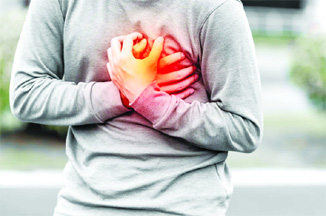
    Cardiac arrest is a heart condition that occurs suddenly and can often lead to unexpected loss of heart function, breathing, and consciousness. It can result from an electrical disturbance caused in the heart that disrupts the pumping action. This can further prevent oxygen-rich blood from circulating to vital organs, including the brain. If immediate medical help such as cardiopulmonary resuscitation (CPR) or the use of a defibrillator is not provided, the cardiac arrest can turn fatal in a matter of minutes. Unlike a heart attack, way it is caused by blockage reducing blood flow to the heart, a cardiac arrest is primarily an electrical issue.
    Reasons why cardiac arrest may be an increasing concern for youngsters
    1. Sedentary lifestyle
    Prolonged hours of screen time due to remote work and minimal physical activity can also lead youngsters to a sedentary life. This increases the risk of obesity, high blood pressure and other cardiovascular diseases which can lead to cardiac arrest.
    2. Poor dietary habits
    The consumption of processed foods, foods high in sugar, salt, and unhealthy fats is very common among younger people. These dietary habits can contribute to conditions like hypertension, diabetes, and high cholesterol and other health issues which are risk factors for cardiac arrest.
    3. Chronic stress and anxiety
    The pressures caused by academics, careers, and social expectations can all contribute to chronic stress and anxiety in young people. Stress hormones like cortisol and adrenaline are known to strain the heart and can lead to arrhythmias, increasing the risk.
    4. Inadequate sleep
    Lack of proper sleep patterns disrupts the body’s natural rhythms leading to an increased amount of stress levels which negatively impacts heart health. Over time this can raise the chance of a cardiac event.
    5. Substance abuse
    Recreational drug use including cocaine and amphetamines as well as excessive alcohol consumption can cause severe damage to the heart’s electrical system, leading to cardiac arrest.
    6. Smoking and vaping
    Even though there is increased awareness smoking and vaping are prevalent among youngsters. Both of them can cause inflammation, damage blood vessels, and trigger arrhythmias, increasing the risk of sudden cardiac events.
    7. Environmental and genetic factors
    Exposure to pollution along with genetic predispositions may play a role in the early onset of cardiovascular issues. Genetics can increase one’s risk of electrical abnormalities, even in individuals with a healthy lifestyle.
    8. Overtraining and strenuous activities
    While regular exercise is healthy, overtraining without adequate rest or engaging in extreme sports can lead to stress on the heart. This may be more expected in individuals with undiagnosed conditions.

  • December 6 New York & Dallas E – Edition

    [vc_row][vc_column][vc_custom_heading text=”E-Edition” font_container=”tag:h2|text_align:center” google_fonts=”font_family:Istok%20Web%3Aregular%2Citalic%2C700%2C700italic|font_style:700%20bold%20regular%3A700%3Anormal” css=”” link=”url:https%3A%2F%2Fwww.theindianpanorama.news%2Fwp-content%2Fuploads%2F2024%2F12%2FTIP-December-6-E-Edition.pdf”][vc_single_image image=”174917″ img_size=”full” alignment=”center” onclick=”custom_link” css=”” link=”https://www.theindianpanorama.news/wp-content/uploads/2024/12/TIP-December-6-E-Edition.pdf”][/vc_column][/vc_row][vc_row][vc_column width=”2/3″][vc_custom_heading text=”Lead Stories This Week” google_fonts=”font_family:Istok%20Web%3Aregular%2Citalic%2C700%2C700italic|font_style:700%20bold%20regular%3A700%3Anormal” css=”” link=”url:https%3A%2F%2Fwww.theindianpanorama.news%2F”][vc_wp_posts number=”5″ show_date=”1″][/vc_column][vc_column width=”1/3″][vc_single_image image=”82828″ img_size=”medium” alignment=”center” onclick=”custom_link” css=”” link=”https://www.theindianpanorama.news/advertising-media-kit-portal-indian-panorama/”][vc_single_image image=”82829″ img_size=”medium” alignment=”center” onclick=”custom_link” css=”” link=”https://www.theindianpanorama.news/advertising-media-kit-portal-indian-panorama/”][/vc_column][/vc_row]

  • Longest remote surgery: Patient in Morocco gets operated by doctor sitting in China

    Longest remote surgery: Patient in Morocco gets operated by doctor sitting in China

    A French surgeon used a Chinese-made robot to perform prostate cancer surgery on a patient in Morocco, 12,000 kilometres away. This intercontinental procedure has set a record as the longest remote surgery ever performed, with a round-trip transmission distance exceeding 30,000 kilometres, according to Xinhua News Agency.
    The surgery, conducted on November 16, utilised the Toumai Robot, a cutting-edge surgical system capable of real-time, high-definition imaging and precise control. Dr. Youness Ahallal successfully removed the prostate tumor and sutured the area in under two hours.
    Even with the huge distance, the delay in communication was just over 100 milliseconds, allowing smooth coordination between the robotic arm in Morocco and the surgeon in Shanghai.
    The Toumai Robot is renowned for its precision, flexibility, and stability, qualities crucial for intricate operations. After the successful surgery, Dr. Ahallal in statement said that the clear and smooth real-time video feed, achieved using a standard broadband connection instead of the more advanced 5G technology showed the the system’s efficiency.
    Previously in October, the Toumai Robot assisted in a minimally invasive kidney surgery between Shanghai and Benin, West Africa, a round-trip transmission of 27,000 kilometres.
    China has emerged as a leader in surgical robotics, with the sector projected to grow to $38.4 billion by 2026, fueled by rapid 5G network expansion.
    At the end of August, the country had over 4 million 5G base stations, making high-speed, low-latency medical applications like remote surgery increasingly feasible.
    The Toumai Robot, which received EU CE certification in May, is now approved for multiple procedures, including urology, thoracic surgery, and gynecological endoscopy.

  • Combating heart attack: The 5 ‘S’ battle plan to keep the heart healthy

    Combating heart attack: The 5 ‘S’ battle plan to keep the heart healthy

    Diseases of the heart have become the leading cause of death worldwide. Roughly around 17.9 million people lose their lives globally from cardiovascular diseases (CVDs), including coronary heart disease, cerebrovascular disease, rheumatic heart disease and other conditions.
    Of late, there has been a rising trend of heart attacks among young people in India and most experts have blamed lifestyle choices as being the culprits.
    Dr Ravi Prakash, Consultant Cardiologist at PSRI Hospital, New Delhi, shed light on a worrying trend and talked about how young individuals are prone to disorders that eventually increase the risk of heart disease.
    While genetics play a role in some cases, Dr Prakash pointed out that lifestyle changes are major contributors to the increasing incidence of heart attacks in younger populations. To combat this silent epidemic, he emphasised the importance of avoiding the 5 ‘S’—salt, sugar, sitting, sleep, and stress.
    SALT
    Salt is essential for bodily functions, but moderation is key. The World Health Organization (WHO) has sounded the alarm on sodium intake, stating that excessive consumption is a leading cause of death and disease worldwide. High salt intake is linked to elevated blood pressure, which can lead to heart disease and stroke. It’s crucial to monitor and reduce sodium in our diets to safeguard our cardiovascular health.
    SUGAR
    The dangers of added sugar go beyond just tooth decay. Excessive sugar consumption is a significant risk factor for heart disease, as it can lead to obesity and diabetes, both of which have profound cardiovascular effects. It’s vital to be mindful of our sugar intake and opt for healthier alternatives to keep our hearts beating strong.
    SITTING
    Our sedentary lifestyles are taking a toll on our hearts. Studies indicate that prolonged sitting can disrupt metabolic health, leading to increased risks of heart disease. Incorporating regular physical activity into our daily routine is not just a choice; it’s a necessity for maintaining a healthy heart.
    SLEEP
    A good night’s sleep is more than just a luxury, it’s a cornerstone of heart health. Disrupted or insufficient sleep has been associated with a higher risk of heart disease. Ensuring quality sleep is critical to keeping our hearts in optimal condition.
    STRESS
    Stress is an inevitable part of life, but unmanaged stress can wreak havoc on our cardiovascular system. While stress is a normal part of life, if left unmanaged, it can harm you. The hormone cortisol is released when a person experiences stress.
    Studies suggest that high levels of cortisol from long-term stress can increase blood cholesterol, triglycerides, blood sugar, and blood pressure, which are common risk factors for heart disease.
    Stress also increases the build-up of plaque deposits in the arteries, which raises the incidence of stroke.
    Whether through meditation, exercise, or seeking professional help, managing stress is a non-negotiable aspect of heart health.

  • Dry fruits to help reduce uric acid levels

    Dry fruits to help reduce uric acid levels

    Walnuts
    Walnuts are known for their high content of omega-3 fatty acids, which have anti-inflammatory properties that can help reduce swelling and discomfort associated with high uric acid levels. Inflammation in joints, especially, is a common symptom of gout, a condition linked to elevated uric acid. Walnuts are also low in purines, making them an excellent snack option for those looking to manage uric acid levels without triggering further accumulation in the body.
    Cashews
    Cashews contain monounsaturated fats, which promote heart health and may help regulate the body’s overall fat metabolism. A well-regulated metabolism can assist in keeping uric acid levels under control. Cashews are also a good source of magnesium, which plays a role in improving overall kidney function, helping the body to efficiently eliminate excess uric acid. However, since cashews are slightly higher in purines compared to other dry fruits, it is essential to consume them in moderation for optimal benefits.
    Pistachios
    Pistachios are packed with antioxidants like polyphenols and flavonoids, which help reduce oxidative stress in the body. High levels of oxidative stress can contribute to inflammation and increased uric acid levels. The antioxidants in pistachios work to neutralize free radicals, helping reduce the inflammation linked to high uric acid levels. pistachios are low in purines, making them a safe and healthy choice for those managing uric acid.

  • November 29 New York & Dallas E – Edition

    [vc_row][vc_column][vc_custom_heading text=”E-Edition” font_container=”tag:h2|text_align:center” google_fonts=”font_family:Istok%20Web%3Aregular%2Citalic%2C700%2C700italic|font_style:700%20bold%20regular%3A700%3Anormal” css=”” link=”url:https%3A%2F%2Fwww.theindianpanorama.news%2Fwp-content%2Fuploads%2F2024%2F11%2FTIP-November-29-E-Edition.pdf”][vc_single_image image=”174690″ img_size=”full” alignment=”center” onclick=”custom_link” css=”” link=”https://www.theindianpanorama.news/wp-content/uploads/2024/11/TIP-November-29-E-Edition.pdf”][/vc_column][/vc_row][vc_row][vc_column width=”2/3″][vc_custom_heading text=”Lead Stories This Week” google_fonts=”font_family:Istok%20Web%3Aregular%2Citalic%2C700%2C700italic|font_style:700%20bold%20regular%3A700%3Anormal” css=”” link=”url:https%3A%2F%2Fwww.theindianpanorama.news%2F”][vc_wp_posts number=”5″ show_date=”1″][/vc_column][vc_column width=”1/3″][vc_single_image image=”82828″ img_size=”medium” alignment=”center” onclick=”custom_link” css=”” link=” https://www.theindianpanorama.news/advertising-media-kit-portal-indian-panorama/ “][vc_single_image image=”82829″ img_size=”medium” alignment=”center” onclick=”custom_link” css=”” link=” https://www.theindianpanorama.news/advertising-media-kit-portal-indian-panorama/ “][/vc_column][/vc_row]

  • November 22 New York & Dallas E – Edition

    [vc_row][vc_column][vc_custom_heading text=”E-Edition” font_container=”tag:h2|text_align:center” google_fonts=”font_family:Istok%20Web%3Aregular%2Citalic%2C700%2C700italic|font_style:700%20bold%20regular%3A700%3Anormal” css=”” link=”url:https%3A%2F%2Fwww.theindianpanorama.news%2Fwp-content%2Fuploads%2F2024%2F11%2FTIP-November-22-E-Edition.pdf”][vc_single_image image=”174362″ img_size=”full” alignment=”center” onclick=”custom_link” css=”” link=”https://www.theindianpanorama.news/wp-content/uploads/2024/11/TIP-November-22-E-Edition.pdf”][/vc_column][/vc_row][vc_row][vc_column width=”2/3″][vc_custom_heading text=”Lead Stories This Week” google_fonts=”font_family:Istok%20Web%3Aregular%2Citalic%2C700%2C700italic|font_style:700%20bold%20regular%3A700%3Anormal” css=”” link=”url:https%3A%2F%2Fwww.theindianpanorama.news%2F”][vc_wp_posts number=”5″ show_date=”1″][/vc_column][vc_column width=”1/3″][vc_single_image image=”82828″ img_size=”medium” alignment=”center” onclick=”custom_link” css=”” link=” https://www.theindianpanorama.news/advertising-media-kit-portal-indian-panorama/”][vc_single_image image=”82829″ img_size=”medium” alignment=”center” onclick=”custom_link” css=”” link=” https://www.theindianpanorama.news/advertising-media-kit-portal-indian-panorama/”][/vc_column][/vc_row]

  • Excessive screen time may raise risk of early puberty

    Excessive screen time may raise risk of early puberty

    As children are increasingly exposed to screens from a young age, a new study in rats suggests that long-term exposure to blue light emitted from devices like smartphones and tablets may lead to early puberty. The research, presented at the 62nd Annual European Society for Paediatric Endocrinology Meeting in Liverpool, is the first to explore the connection between blue light exposure, bone growth, and pubertal development.
    The study found that prolonged exposure to blue light accelerates bone growth and increases bone age, potentially triggering early puberty.
    “This is the first study to show how blue light could potentially influence physical growth and development, prompting further research into the effects of modern screen exposure on children’s growth,” said lead researcher Dr. Aylin Kilinc Ugurlu, from Gazi University in Turkey.
    While the study was conducted on rats, Dr. Ugurlu cautioned that “we cannot be sure that these findings would be replicated in children. However, our data suggest that prolonged exposure to blue light accelerates both physical growth and the maturation of the growth plate, leading to early puberty.”
    During normal growth, children develop long bones, such as the femur, which progressively elongate at each end before solidifying, halting growth in height. Girls typically reach their maximum height between ages 14 and 16, while boys finish growing between ages 16 and 18.
    However, recent studies have shown an increase in early puberty among both girls and boys. Research suggests that while children may grow quickly at first, they often stop growing earlier than expected. One potential factor is the increased use of blue light-emitting devices, Ugurlu explained.
    For the study, 18 male and 18 female rats, each 21 days old, were divided into three groups of six. The rats were exposed to either a normal light cycle, six hours of blue light, or 12 hours of blue light until the first signs of puberty appeared.

  • Foods to boost mood, immunity and nourish your body

    Foods to boost mood, immunity and nourish your body

    Fatty fishes for omega-3
    Omega-3 fatty acids, which is packed with fatty fish like salmon, mackerel, and sardines, serve as essential for mood shifting and cognitive function. By supporting the normal functioning of neurotransmitters, omega-3 fatty acids have been confirmed to help mitigate the symptoms of depressive disorders and anxiety. Consuming these fish at least three to four times a week helps boost the immune system while encouraging confidence.
    Rich leafy greens
    Folate, a B-vitamin which encourages the manufacturing of serotonin, the “feel-good” neurotransmitter, is prevalent in dark leafy greens like spinach, kale, and Swiss chard. Increasing occurrences of depression have been correlated with folate shortages. Additionally, these greens are exceptionally high in antioxidants which strengthen the immune system and combat the effects of oxidative stress.
    Fermented foods for gut health
    Probiotic-rich foods that help maintain a healthy microbiome in the gut include kefir, yoghurt, kimchi, and sauerkraut. The gut may be referred to as the “second brain,” thus maintaining it is essential to regulating your mood. It’s already been shown that a healthy microbiota in the gut boosts defences, lowers nervousness or stress, and enhances psychological wellness.
    Citrusy fruits for vitamin C
    Vitamin C serves as a vital component for the immune system to work properly and can be found in excess in citrus fruits like oranges, grapefruits, and lemons. Furthermore, vitamin C contains antibacterial properties that can safeguard the human body from the hardships of winter. Constant indigestion assists in safeguarding the body from infectious agents and colds, making it strong throughout the colder months.
    Add root vegetables to your diet
    Rich in carbohydrates that are complex and fibre, root vegetables like sweet potatoes, carrots, and beets offer an uninterrupted source of energy that can be utilised all day long. By promoting blood sugar management, these veggies contribute to preventing energy dumps that can exacerbate stress and mood. Their anchoring, rustic attributes also correspond with the wintertime desire for comfort and nourishment.
    Magnesium from nuts and seeds
    Magnesium, which is plentiful in nuts and seeds, especially walnuts, almonds, and pumpkin seeds, helps minimise anxiety as well as stress. Magnesium also aids in greater relaxation and ease of movement, all of which are crucial to conquering the winter blues. Snacking on an assortment of nuts or seeds might automatically improve your mood.
    Drink herbal teas to unwind
    Herbal teas with soothing characteristics, like peppermint, lemon balm, and chamomile, may minimise tension and promote calmness. The concerns that frequently follow the winter season can be decreased by frequently ingesting these teas, which may help promote sound sleep and soothe the body’s nervous system. Source: HT

  • Vitamin B12 supplement containing cyanocobalamin is as toxic as cyanide

    Vitamin B12 supplement containing cyanocobalamin is as toxic as cyanide

    Whenever we come across any statement on social media that may impact health, we ensure to always get it fact-checked by experts. We did so again, this time when we read that vitamin B12 supplements containing cyanocobalamin are as toxic as cyanide. According to physician Dr Dennis Walker, if your B12 supplement ingredient says “cyanocobalamin”, throw it in the trash. “The ‘cyano’ portion of this is most disturbing. This breaks down into cyanide, which is deadly and toxic at high levels. Instead of cyanocobalamin look for vitamin B12 in the form of methylcobalamin, or hydroxycobalamin. No cyanide, and absorbs just as well,” said Dr Walker.
    Symptoms of vitamin B12 deficiency include anaemia, feeling tired or weak, trouble while walking, weight loss, irritability, poor appetite, and diarrhea. Notably, vitamin B12 supplements are advised when one is found to have a deficiency. “It is believed that vitamin B12 supplement plays a crucial role in energy metabolism and nervous system function,” said Dr Aniket Mule, consultant internal medicine, Wockhardt Hospitals.
    Cyanide is a toxic, carbon-nitrogen chemical compound that is lethal and exists in many forms, including gas, liquid, or solid.
    Dr Vichar Nigam, consultant, internal medicine, Manipal Hospital, Kharadi, Pune, contended that cyanocobalamin is “safe” for long-term use. “There are two commonly used vitamin B12 supplements: cyanocobalamin and methylcobalamin. Cyanocobalamin is a synthetic form that is absorbed better than methylcobalamin, though it doesn’t stay in the body as long. This makes it helpful for conditions where vitamin B12 absorption is low, like pernicious anaemia,” said Dr Nigam. Source: The Indian Express

  • November 15 New York & Dallas E – Edition

    [vc_row][vc_column][vc_custom_heading text=”E-Edition” font_container=”tag:h2|text_align:center” google_fonts=”font_family:Istok%20Web%3Aregular%2Citalic%2C700%2C700italic|font_style:700%20bold%20regular%3A700%3Anormal” css=”” link=”url:https%3A%2F%2Fwww.theindianpanorama.news%2Fwp-content%2Fuploads%2F2024%2F11%2FTIP-November-15-E-Edition.pdf”][vc_single_image image=”173906″ img_size=”full” alignment=”center” onclick=”custom_link” css=”” link=”https://www.theindianpanorama.news/wp-content/uploads/2024/11/TIP-November-15-E-Edition.pdf”][/vc_column][/vc_row][vc_row][vc_column width=”2/3″][vc_custom_heading text=”Lead Stories This Week” google_fonts=”font_family:Istok%20Web%3Aregular%2Citalic%2C700%2C700italic|font_style:700%20bold%20regular%3A700%3Anormal” css=”” link=”url:https%3A%2F%2Fwww.theindianpanorama.news%2F”][vc_wp_posts number=”5″ show_date=”1″][/vc_column][vc_column width=”1/3″][vc_single_image image=”82828″ img_size=”medium” alignment=”center” onclick=”custom_link” css=”” link=” https://www.theindianpanorama.news/advertising-media-kit-portal-indian-panorama/”][vc_single_image image=”82829″ img_size=”medium” alignment=”center” onclick=”custom_link” css=”” link=” https://www.theindianpanorama.news/advertising-media-kit-portal-indian-panorama/”][/vc_column][/vc_row]

  • Fatigue, unintended weight loss: Early warning signs of cancer

    Fatigue, unintended weight loss: Early warning signs of cancer

    There is a rising burden of cancer cases in India and globally mainly because of an increase in diagnoses and lifestyle choices. Dr Vinayak Maka, Head of Medical Oncology at Ramaiah Institute of Oncosciences, stressed that identifying symptoms early and taking timely action can make a significant difference and improve survival rates.
    “Detecting cancer early can make a world of difference, and it all starts with paying attention to the small changes in how one’s body usually feels,” he said, encouraging people not to overlook subtle changes in their health.
    One common symptom that can signal an underlying issue is unexplained fatigue. “Think about those times when somebody is just too tired to get through the day—if this fatigue doesn’t seem to go away, it’s worth checking out,” Dr Maka advised. Fatigue, especially when it becomes constant and affects daily activities, should be discussed with a doctor. Unintended weight loss can also be a warning sign. If a person begins losing weight without changes to diet or exercise, it’s essential to consult a doctor. Dr Maka also warned of other physical changes, like persistent lumps or swelling. “These are signals one’s body might be sending that shouldn’t be ignored,” he added.
    Changes in bathroom habits are another early indicator. Persistent constipation, diarrhea, or unusual bleeding can point to issues that require medical evaluation.
    Skin changes, like new or altered moles, should also be monitored closely. “Keep an eye on moles or new skin growths, especially if they look uneven, have irregular borders, or are larger than a pencil eraser,” said Dr Maka, highlighting that sudden skin changes can indicate skin cancer.
    Persistent symptoms like difficulty swallowing, a hoarse voice, or ongoing indigestion should also not be dismissed as minor.

  • If you’re taking magnesium, avoid these 3 supplements

    If you’re taking magnesium, avoid these 3 supplements

    If you’re familiar with the world of wellness, you probably know that magnesium is a powerhouse mineral with benefits ranging from regulating blood pressure and supporting muscle and nerve function to improving sleep quality. But did you know that pairing magnesium with certain other supplements can actually reduce its effectiveness? According to a reel by digital creator Dr Janine Bowring on Instagram, taking magnesium alongside calcium, iron, and zinc can interfere with how well your body absorbs this essential mineral. To dive deeper into this topic, indianexpress.com spoke with health experts for insights.
    Dr Harpalsinh Dabhi, senior pulmonologist and critical care physician, HCG Hospitals, Bhavnagar, concurred and advised against taking magnesium with calcium, iron, and zinc due to the potential interactions that can interfere with the absorption of these minerals in our body. Magnesium and Calcium: These two minerals can compete for absorption in the body, particularly when taken in large doses. This competition might reduce the efficiency with which each mineral is absorbed.
    Magnesium and Iron: Magnesium may inhibit the absorption of iron, especially non-heme iron (the type found in plant-based sources). This is particularly important for individuals who need to manage their iron levels carefully, such as those with anemia.
    Magnesium and Zinc: Similar to calcium, zinc, and magnesium can interfere with each other’s absorption when taken together in large amounts.
    Are these supplements necessary?
    Dr Gaurangi Shah, general and internal medicine consultant at P D Hinduja Hospital, Mumbai, pointed out that Indian cuisine is naturally rich in minerals like magnesium, calcium, iron, and zinc, and this means supplementation may not always be necessary. “People are more focused on their protein intake these days and may overlook their mineral and vitamin needs. A balanced diet should be the first approach before turning to supplements,” she said.
    Pairing magnesium with the right nutrients
    So, what can you pair magnesium with to enhance its benefits? “You can pair magnesium with vitamin D, B6, omega-3 fatty acids, and taurine which help optimize its absorption and effectiveness without the negative interactions associated with calcium, iron, or zinc,” said Dr Dabhi.
    Vitamin D: Helps the body absorb magnesium more efficiently.
    Vitamin B6: Aids in magnesium’s cellular uptake, enhancing its benefits.
    Omega-3 fatty acids: Anti-inflammatory properties that complement magnesium’s muscle relaxation effects.
    Taurine: Works synergistically with magnesium to support heart and muscle health.
    Pairing magnesium with these nutrients can help you fully unlock its potential for improved health.
    Source: The Indian Express

  • Limit high-fat dairy foods in diet to ward off fatty liver disease risk

    Limit high-fat dairy foods in diet to ward off fatty liver disease risk

    Limit high-fat dairy foods in diet to ward off fatty liver disease risk

  • Vitamin B3 can protect skin cells from UV-induced skin cancer

    Vitamin B3 can protect skin cells from UV-induced skin cancer

    A form of vitamin B3 can protect skin cells from the effects of ultraviolet (UV) exposure which is the main risk factor for non-melanoma skin cancers, reveals new research. Researchers in Italy isolated cells (human primary keratinocytes) from the skin of patients with non-melanoma skin cancers.
    These cells were treated with three different concentrations of nicotinamide (NAM)—a form of vitamin B3—for 18, 24, and 48 hours and then exposed to UVB.
    Results showed that pre-treatment with 25 micron (µM) of NAM 24 hours before UV irradiation protected the skin cells from the effects of UV-induced oxidative stress, including DNA damage.
    NAM enhanced DNA repair, demonstrated by decreased expression of the DNA repair enzyme OGG1.
    Furthermore, it decreased antioxidant expression and blocked local inflammation by showing decreased nitric oxide (NO) release and reactive oxygen species (ROS) production, and reduced iNOS protein expression.
    “Our study indicates that increasing the consumption of vitamin B3, which is readily available in the daily diet, will protect the skin from some of the effects of UV exposure, potentially reducing the incidence of non-melanoma skin cancers,” said Lara Camillo, a research student from the dermatological unit of AOU Maggiore della Carita, Novara, Italy.
    However, the protective effect of vitamin B3 is short-acting, so it should be consumed no later than 24 to 48 hours before sun exposure, she said during the 29th European Academy of Dermatology and Venereology virtual conference.
    Non-melanoma skin cancers are the most common malignancies and are increasing worldwide.

  • Consuming high levels of omega-3, omega-6 may keep cancer at bay

    Consuming high levels of omega-3, omega-6 may keep cancer at bay

    A higher consumption of omega-3 and omega-6 fatty acids may help ward off a variety of cancers, finds a study of more than 2,50,000 people on Tuesday. Cancer has become a global health concern, especially with increasing early onset. Omega-3 and omega-6 fatty acids are “healthy fats” and essential for human health. These are important to the cells and are known to reduce bad cholesterol levels, keep the brain healthy and boost mental health. Higher levels of omega-3s showed protection against colon, stomach and lung cancer, according to the study, published in the International Journal of Cancer.
    On the other hand, high omega-6 levels protect against brain, malignant melanoma, bladder and 14 different cancers. “Higher omega-3 and omega-6 levels were associated with lower rates of cancer,” said lead author Yuchen Zhang, a doctoral student at the University of Georgia’s College of Public Health.
    Zhang noted that with the significant rise in cancers worldwide, the study “suggests that the average person should focus on getting more of these fatty acids in their diets.”
    The researchers analysed data from more than 2,50,000 people, of which about 30,000 developed some form of cancer in the 10 years of follow-up.
    Omega-3 and omega-6 are present in fatty fish, nuts and even some plant oils. However, as diets may not provide the recommended amounts, people often turn to fish oil supplements — one of the most popular dietary pills on the market. However, it may not be suitable for all, said the researchers.
    The study showed that elevated omega-3 levels raised a slightly higher risk of prostate cancer in men. However, the study found no such associations in women. Instead, it found women and young people to have “stronger beneficial effects of omega-6”.
    Source: IANS

  • Poor sleep can age your brain by 3 years, reveals study

    Poor sleep can age your brain by 3 years, reveals study

    Everyone’s concerned about skin ageing, avoiding excess sun exposure and slathering expensive creams to prevent early ageing. But what about brain ageing? When the brain ages faster than usual, cognitive decline begins as well. And do you know the culprit behind this? Your sleep. Consider sleep as an essential ‘braincare’ activity that rejuvenates and restores your brain health. The inability to sleep is a common condition that most sleep-deprived or self-proclaimed ‘night owls’ brush off casually in the morning with a cup of coffee. But it seems there’s more to sleep problems than meets the eye.
    A study from the American Academy of Neurology, published in the journal Neurology, identified sleep disturbances in middle-aged adults, such as poor sleep quality or an inability to fall asleep, as major warning signs for early brain ageing. The study elaborated that sleep problems may accelerate brain ageing by up to 3 years. Let’s see what else the study revealed.
    The study, which spanned decades, tracked the ageing of the participants. Initially, 589 people in their 40s were asked to complete a questionnaire reporting their sleep problems. The second set of questionnaire surveys was provided after 5 years. Finally, brain scans were conducted 15 years after the first survey to examine how their brains aged and whether this was associated with their reported sleeping patterns. Researchers assessed their brain age, a metric that measures the rate of brain shrinkage, which typically increases with age.
    The researchers found a correlation between the number of ageing years and the number of sleep problems. They discovered that people with two to three sleep issues displayed signs of accelerated brain ageing, with their brains appearing about 1.6 years older compared to those with only one sleep-related issue. Similarly, individuals with three or more sleep issues showed brain ageing up to 2.6 years faster.
    The researchers recommended developing healthy sleeping patterns for good brain health. They suggested following a strict, consistent sleep schedule, avoiding coffee and alcohol before bed, getting plenty of exercise, and resorting to relaxation techniques when experiencing difficulty sleeping.
    Dr Kristine Yaffe, a researcher at the University of California San Francisco and a member of the American Academy of Neurology, said, “Our findings highlight the importance of addressing sleep problems earlier in life to preserve brain health, including maintaining a consistent sleep schedule, exercising, avoiding caffeine and alcohol before going to bed and using relaxation techniques. Future research should focus on finding new ways to improve sleep quality and investigating the long-term impact of sleep on brain health in younger people.”

  • November 8 New York & Dallas E – Edition

    [vc_row][vc_column][vc_custom_heading text=”E-Edition” font_container=”tag:h2|text_align:center” google_fonts=”font_family:Istok%20Web%3Aregular%2Citalic%2C700%2C700italic|font_style:700%20bold%20regular%3A700%3Anormal” css=”” link=”url:https%3A%2F%2Fwww.theindianpanorama.news%2Fwp-content%2Fuploads%2F2024%2F11%2FTIP-November-8-E-Edition.pdf”][vc_single_image image=”173466″ img_size=”full” alignment=”center” onclick=”custom_link” css=”” link=”https://www.theindianpanorama.news/wp-content/uploads/2024/11/TIP-November-8-E-Edition.pdf”][/vc_column][/vc_row][vc_row][vc_column width=”2/3″][vc_custom_heading text=”Lead Stories This Week” google_fonts=”font_family:Istok%20Web%3Aregular%2Citalic%2C700%2C700italic|font_style:700%20bold%20regular%3A700%3Anormal” css=”” link=”url:https%3A%2F%2Fwww.theindianpanorama.news%2F”][vc_wp_posts number=”5″ show_date=”1″][/vc_column][vc_column width=”1/3″][vc_single_image image=”82828″ img_size=”medium” alignment=”center” onclick=”custom_link” css=”” link=”https://www.theindianpanorama.news/advertising-media-kit-portal-indian-panorama/ “][vc_single_image image=”82829″ img_size=”medium” alignment=”center” onclick=”custom_link” css=”” link=”https://www.theindianpanorama.news/advertising-media-kit-portal-indian-panorama/ “][/vc_column][/vc_row]

  • Gut hormone in fruit flies found to extend lifespan: Researchers

    Gut hormone in fruit flies found to extend lifespan: Researchers

    The gut could be key to understanding longevity, according to a study that found a gut hormone in fruit flies could control lifespan, a result important to humans as both species have many similar genes and hormones. Researchers at Brown University in the US have found that suppressing the insulin-regulating ‘neuropeptide F’ hormone in the gut of fruit flies extended longevity. The findings are important for humans too, especially as new diabetes and obesity drugs developed from gut hormones in the same insect family are becoming widespread, the researchers said.
    Understanding ageing mechanisms in flies may thus help explain what’s happening in humans as well, they said. The findings are published in the journal Proceedings of the National Academy of Sciences.
    Reducing insulin and targeting related processes have been found to slow ageing and extend lifespan in animals in previous studies.
    In this study, the researchers manipulated gene activity in the intestines of fruit flies such that they produced lower levels of the neuropeptide F hormone, and thereby lower levels of insulin.
    The team then compared the hormone production in the gut to what was happening in the fruit flies’ brains and connected all the results with the diet that the insects were consuming.
    The researchers found that suppressing the gut activity of the neuropeptide F hormone extended longevity in the flies, as did blocking the activity of related proteins in their brains. These proteins control the production of ‘juvenile’ hormones, which are known to regulate physiology.
    The researchers said that neuropeptide F hormone in the gut impacted ageing in flies by integrating these factors — nutrient sensing, insulin processes and juvenile hormone production.
    “Gut neuropeptide F modulates (fruit fly) ageing through the integration of nutrient sensing, insulin signalling, and juvenile hormone,” the authors wrote.
    “Based on (our) research, we suspect that over-production of gut neuropeptide F in flies will have a negative effect on ageing and decrease lifespan,” study author Marc Tatar, a professor of biology at Brown University.
    The researchers explained that humans do not produce either of the neuropeptide F or juvenile hormones. Instead, gut hormones are involved in regulating insulin in humans.
    Given how diabetes and obesity drugs, which are known to target hormones involved in controlling insulin, and the findings on the relationship between insulin and ageing in flies, it may be time to consider how the drugs could impact human ageing, the authors said. Source: PTI

  • Music speeds up recovery from surgery, reduces stress levels

    Music speeds up recovery from surgery, reduces stress levels

    Listening to music may help patients recover from surgery through a lower heart rate, reduced anxiety levels, less opioid use and lower pain, according to researchers.
    A reduction in cortisol levels when listening to music may play a role in easing patients’ recovery, according to a meta-analysis presented at the American College of Surgeons Clinical Congress 2024 in San Fransisco.
    “When patients wake up after surgery, sometimes they feel really scared and don’t know where they are,” said Eldo Frezza, professor of surgery at California Northstate University College of Medicine. “Music can help ease the transition from the waking up stage to a return to normalcy and may help reduce stress around that transition.”
    Frezza and study co-authors noted that unlike some more active therapies such as meditation or pilates which require considerable concentration or movement, listening to music is a more passive experience and can be incorporated by patients without much cost or effort almost immediately after surgery.
    To reach this conclusion, the team analysed existing studies on music and its role in helping people recover from surgery, narrowing a list of 3,736 studies to 35 research papers.
    In their analysis, the researchers found that the simple act of listening to music after surgery, whether with headphones or through a speaker, had noticeable effects on patients during their recovery period:
    Patients who listened to music had a statistically significant reduction in pain the day after surgery. Across all studies, patient self-reported anxiety levels were reduced by about 2.5 points, or 3 per cent.
    Patients who listened to music used less than half of the amount of morphine compared to those who did not listen to music on the first day after surgery, the research noted.
    They also experienced a reduced heart rate (around 4.5 fewer beats per minute) compared with patients who did not listen to music. Source: IANS

  • Eat pistachios for better eyes

    Eat pistachios for better eyes

    With age, eyesight starts to take a hit. However, a recent study explains how having a serving of pistachios on a daily basis can help improve vision and protect us from age-related vision problems. The study, led by Dr Tammy Scott, Tufts University, observed that adults with a diet inclusion of two ounces of pistachios daily for 12 weeks showed better improvements in eye health than the adults who consumed a regular diet.
    The study focused on analysing special protective pigments in the retina, also known as macular pigments. These pigments act as internal sunglasses that help in filtering out the harmful blue light. It also helps in protecting the retina from age-related macular degeneration.
    The study was conducted on 36 healthy adults between the ages of 40 and 70 with a diet consisting of low amounts of lutein-rich foods. The participants were divided into two groups – one group was asked to add two ounces of unsalted pistachios to their diet, while the other group continued having their normal diet.
    After six weeks, it was observed that the group that consumed pistachios regularly showed significant improvement in their eye health with increased macular pigment levels, while the other control group showed no changes.
    Pistachios are an important source of lutein, a beneficial compound that helps in the formation of macular pigments in the retina. Usually, green leafy vegetables are the go-to food source for lutein, pistachios offer a distinct advantage over the others. Pistachios contain a natural fat content that helps the body absorb lutein more effectively.
    Dr. Tammy Scott, a research and clinical neuropsychologist and lead author of the study, in a media release, stated that as people age and face issues of vision impairment, it is important to consume pistachios daily for better eyes and vision.
    Source: HT