Tag: Health

Read the latest health news, diet, fitness, medical news and healthcare tips on theindianpanorama.news/health. Get all the healthcare news, including wellness, fitness, diet and weight loss & more.

  • October 31 New York & Dallas E – Edition

    [vc_row][vc_column][vc_custom_heading text=”E-Edition” font_container=”tag:h2|text_align:center” google_fonts=”font_family:Istok%20Web%3Aregular%2Citalic%2C700%2C700italic|font_style:700%20bold%20regular%3A700%3Anormal” css=”” link=”url:https%3A%2F%2Fwww.theindianpanorama.news%2Fwp-content%2Fuploads%2F2024%2F10%2FTIP-October-31-E-Edition.pdf”][vc_single_image image=”173053″ img_size=”full” alignment=”center” onclick=”custom_link” css=”” link=”https://www.theindianpanorama.news/wp-content/uploads/2024/10/TIP-October-31-E-Edition.pdf”][/vc_column][/vc_row][vc_row][vc_column width=”2/3″][vc_custom_heading text=”Lead Stories This Week” google_fonts=”font_family:Istok%20Web%3Aregular%2Citalic%2C700%2C700italic|font_style:700%20bold%20regular%3A700%3Anormal” css=”” link=”url:https%3A%2F%2Fwww.theindianpanorama.news%2F”][vc_wp_posts number=”5″ show_date=”1″][/vc_column][vc_column width=”1/3″][vc_single_image image=”82828″ img_size=”medium” alignment=”center” onclick=”custom_link” css=”” link=” https://www.theindianpanorama.news/advertising-media-kit-portal-indian-panorama/”][vc_single_image image=”82829″ img_size=”medium” alignment=”center” onclick=”custom_link” css=”” link=” https://www.theindianpanorama.news/advertising-media-kit-portal-indian-panorama/”][/vc_column][/vc_row]

  • Drink 2 glasses of water before a meal: Nutritionist shares weight loss trick

    Drink 2 glasses of water before a meal: Nutritionist shares weight loss trick

    If you are trying to shed those extra kilos, you might want to read this: Nutritionist Alan Aragon says drinking two glasses of water before a meal can help you lose weight. During an episode of the podcast The Model Health Show, Alan explained his water-before-meal trick, a strategy for enhancing satiety and potentially aiding in weight loss. But does it really work? While we know staying hydrated is important for our health and body, Alan Aragon’s ‘water trick’ involves drinking two glasses of water before meals to help control hunger and reduce overall calorie intake. He says the water you’re drinking before you eat will help you save on calories.
    Alan said, “There’s something really interesting about satiety and what I call the ‘water trick’. You can actually preload with plain water before each meal. You will eat significantly less following the water preloading. This is a good thing to do when you go out to eat dinner, especially. Two tall glasses of water upon sitting down before they bring over the fresh bread and the butter: that will significantly cut the amount of calories you end up eating.”
    Drink enough water – you’ve heard it from your parents, doctors, and friends. But is it good to also drink water during meal times? According to Alan, it is.
    He said, “I always get the question: Doesn’t drinking water with a meal dilute the digestive enzymes, and then you won’t digest the meal properly? There’s really no evidence for that. I understand what people are thinking about, but when you look at populations that eat a lot of soup, they could not be having more water with their meals, and they are digesting stuff just fine. So, I don’t think people need to worry about that if they decide to use the ‘water trick’ to put a top-speed limiter on the cheesecake that they have after their main meal.”
    According to Dr Rakesh Gupta, senior consultant, internal medicine, Indraprastha Apollo Hospitals, the water-before-meal trick ‘has gained popularity as a simple and effective way to support weight management and overall health’. He said, drinking water before a meal can help you feel fuller, potentially leading to reduced calorie intake. Source: HT

  • Report shows vaccines can reduce antibiotic use, fight resistance

    Report shows vaccines can reduce antibiotic use, fight resistance

    Vaccines are key to preventing infection and thus reducing the use of antibiotics, supporting worldwide efforts to tackle rising antimicrobial resistance (AMR), according to a new report by the World Health Organization (WHO).
    The report showed that vaccines against 24 pathogens could help reduce the number of antibiotics needed by 22 per cent or 2.5 billion defined daily doses globally every year. If vaccines could be rolled out against all these pathogens, it could save a third of the hospital costs associated with AMR.
    Misuse and overuse of antimicrobials cause AMR, making people sicker and increasing the risk of illness, death, and the spread of infections that are difficult to treat. Every year, AMR claims nearly 5 million lives worldwide. “Addressing antimicrobial resistance starts with preventing infections, and vaccines are among the most powerful tools for doing that,” said Dr Tedros Adhanom Ghebreyesus, WHO Director-General.
    Ghebreyesus called for “increasing access to existing vaccines and developing new ones for critical diseases, like tuberculosis (TB),” to fight AMR.
    The report comes as world leaders at the recently concluded 79th UN General Assembly high-level meeting on AMR in September committed to reducing the deaths associated with bacterial AMR annually by 10 per cent by 2030. The new report estimates that vaccines already in use against pneumococcus pneumonia, Haemophilus influenzae type B (Hib, a bacteria causing pneumonia and meningitis), and typhoid could avert up to 1,06,000 of the deaths associated with AMR each year.
    An additional 5,43,000 deaths associated with AMR could be averted annually when new vaccines for tuberculosis (TB) and Klebsiella pneumoniae are developed and rolled out globally. Further, the report showed that if the Immunization Agenda 2030 target of 90 per cent of the world’s children were vaccinated, as well as older adults, it could save 33 million antibiotic doses against Streptococcus pneumoniae every year. Source: IANS

  • Depression, anxiety cost 12 billion workdays each year: WHO

    Depression, anxiety cost 12 billion workdays each year: WHO

    The theme of World Mental Health Day emphasises the importance of “mental health at workplace”, as a healthy working environment can act as a protective factor for mental wellbeing, said Saima Wazed, WHO’s Regional Director for Southeast Asia. According to Wazed, unhealthy conditions, such as stigma, discrimination and exposure to risks like harassment, can affect mental health, leading to decreased performance, absenteeism and increased staff turnover. “Depression and anxiety alone result in the loss of approximately 12 billion workdays each year, costing the global economy around USD 1 trillion annually,” Wazed said. Pointing out that work is a significant source of stress, anxiety and pressure for many people, she said, “Yet, because it is a place where we spend most of our time, positive changes at the workplace can bring about a significant change in our lives.”
    She also said as endorsed and mandated by the World Health Organization’s (WHO) member states, mental and psychosocial wellbeing has been marked as one of the cornerstones of the “regional roadmap for results and resilience”.
    “In keeping with the roadmap, we recently announced SEARO Care — our ground-breaking initiative to improve the mental health and wellness of those working at our regional and country offices. Once formally launched, we hope SEARO Care to become a case study and model for other companies and organisations in our region,” Wazed said.
    SEARO Care’s two main pillars are improving the working environment at all the WHO offices and protecting the mental health of all the employees.
    “Improving the working environment encompasses both physical and psychological environments in which our colleagues work,” Wazed said.
    “This includes providing areas to socialise, ergonomic office equipment, exercise facilities and more. Promoting mental health will include training managers on the issue, holding mindfulness workshops, surveys and more,” she added.
    According to the WHO official, direct interventions to protect mental health include counselling services, referral pathways, peer advisory networks and other related initiatives.
    “We know that if successful, the SEARO Care initiative will create a supportive environment where the employees feel valued, respected and cared for,” Wazed said.
    “I trust that our experiences with SEARO Care will provide the blueprint for companies, institutions and organisations across Southeast Asia to improve the psychological environment of their workplaces, and the mental health of all their staff,” she added.
    Wazed also said she is proud that the WHO’s regional office will lead the way to “be the change we want to see”. Source: PTI

  • October 18 New York & Dallas E – Edition

    [vc_row][vc_column][vc_custom_heading text=”E-Edition” font_container=”tag:h2|text_align:center” google_fonts=”font_family:Istok%20Web%3Aregular%2Citalic%2C700%2C700italic|font_style:700%20bold%20regular%3A700%3Anormal” css=”” link=”url:https%3A%2F%2Fwww.theindianpanorama.news%2Fwp-content%2Fuploads%2F2024%2F10%2FTIP-October-18-E-Edition.pdf”][vc_single_image image=”172552″ img_size=”full” alignment=”center” onclick=”custom_link” css=”” link=”https://www.theindianpanorama.news/wp-content/uploads/2024/10/TIP-October-18-E-Edition.pdf”][/vc_column][/vc_row][vc_row][vc_column width=”2/3″][vc_custom_heading text=”Lead Stories This Week” font_container=”tag:h2|text_align:center” google_fonts=”font_family:Istok%20Web%3Aregular%2Citalic%2C700%2C700italic|font_style:700%20bold%20regular%3A700%3Anormal” css=”” link=”url:https%3A%2F%2Fwww.theindianpanorama.news%2F”][vc_wp_posts number=”5″ show_date=”1″][/vc_column][vc_column width=”1/3″][vc_single_image image=”82828″ img_size=”medium” alignment=”center” onclick=”custom_link” css=”” link=” https://www.theindianpanorama.news/advertising-media-kit-portal-indian-panorama/”][vc_single_image image=”82829″ img_size=”medium” alignment=”center” onclick=”custom_link” css=”” link=” https://www.theindianpanorama.news/advertising-media-kit-portal-indian-panorama/”][/vc_column][/vc_row]

  • Korean scientists develop a potential anti-ageing drug

    Korean scientists develop a potential anti-ageing drug

    Ageing is a natural process, but it comes with various health challenges, including the deterioration of essential body systems. One key contributor to ageing-related diseases is the decline in “proteostasis,” or the body’s ability to maintain the balance of healthy proteins.
    As we age, our cells lose the efficiency of their protein quality control mechanisms, leading to the build-up of damaged or misfolded proteins, which can result in cellular stress and degenerative diseases. Research into preserving proteostasis has become central to efforts aimed at extending lifespan and improving the quality of life for older adults.
    A research team from Chung-Ang University in Korea, led by Professor Seogang Hyun, recently made significant strides in understanding how to maintain proteostasis.
    Their study, published in the journal Autophagy, investigated the relationship between two key protein quality control systems, proteasomes and autophagy, and identified a drug with promising anti-ageing effects.
    Proteasomes are protein complexes responsible for breaking down damaged proteins into smaller peptides, while autophagy is a cellular process that recycles larger structures, including protein aggregates. Both systems play a vital role in maintaining proteostasis, yet their combined activation in the fight against ageing had not been fully understood. The research team’s discovery centres on a drug called IU1, which enhances proteasome activity and, as they found, also stimulates autophagy.
    The study used fruit flies (genus Drosophila) as a model organism to test the effects of IU1.
    Fruit flies share many similarities with humans in terms of ageing, including age-related muscle deterioration, making them valuable subjects for such research. The team observed that IU1 inhibited a specific enzyme (USP14) that regulates the proteasome complex, leading to enhanced proteasome and autophagy activities. This synergistic effect resulted in improved muscle function and extended lifespan in the fruit flies.
    Even more exciting is that similar results were observed in human cells, suggesting the potential for IU1 to benefit human ageing as well.
    Professor Hyun emphasised the broader implications, noting that reduced proteostasis is a hallmark of degenerative diseases like Alzheimer’s and Parkinson’s. The findings could lay the groundwork for new therapies targeting age-related conditions.
    The study marks an important step toward developing treatments that could slow the ageing process, improve health in older adults, and extend lifespans. Source: India Today

  • Fear about eggs spiking cholesterol levels ‘unwarranted’, say experts

    Fear about eggs spiking cholesterol levels ‘unwarranted’, say experts

    Consuming an egg every day is safe and good for your heart, and it will not increase your blood cholesterol levels, said experts noting that the fear is unwarranted. Given the rise in cholesterol and poor heart health, the number of eggs a person can consume per day has been long debated.
    Dr Rajeev Jayadevan, Kerala State IMA Research Cell Chairman said that eggs are an important source of all-round nutrition.
    “Eggs are perhaps the best source of protein in the world, it also contains other nutrients, including vitamins and minerals. Importantly, they are easily available and relatively economical.
    “There is a lot of unnecessary anxiety about the consumption of eggs, to the extent that people are fearful of consuming it. This is unwarranted because various studies have shown that increasing the number of eggs taken daily, does not necessarily lead to a rise in blood cholesterol,” said Jayadevan, also a gastroenterologist.
    He explained that the cholesterol circulating in the blood is primarily made in the liver in response to the body’s various nutritional and metabolic requirements.
    It is not significantly impacted by the amount of cholesterol consumed in our diet, for instance, by consuming eggs. “Unfortunately, people believe that cholesterol in blood is directly linked with cholesterol in the diet,” Jayadevan said.
    While high cholesterol levels are to be avoided, specifically, especially high LDL levels (bad cholesterol), it is important to consider all the risk factors while assessing the risk for cardiovascular disease.
    “These risk factors include cigarette smoking, alcohol use, family history of heart disease, obesity, sedentary life, lack of exercise, diabetes, and hypertension. Elevated LDL and decreased HDL (good cholesterol),” the expert said. Source: IANS

  • Do you place your hand on lap while measuring blood pressure? Here’s what you’re doing wrong

    Do you place your hand on lap while measuring blood pressure? Here’s what you’re doing wrong

    The way we place our hands when we get our blood pressure checked is crucial in determining the accurate results – a recent study led by Dr. Tammy Brady, Johns Hopkins University School of Medicine stated that the position of hands can show vast differences in the results. The study demonstrated differences in results when the arm is placed on the lap or placed on the side without support – the differences in blood pressure readings can be as big as 10 points. According to the calculations of the study, at least 54 million of people can be misdiagnosed with hypertension when they might not have it.
    According to the study, the ideal way to place the hand is to rest it on a table with the middle of the cuff placed at the heart level. However, in many hospitals, clinics and doctor’s offices, this ideal setup may not be present, making it difficult for the patient to place the hand.
    The study was conducted on 133 adults between the ages of 18 and 80 in Baltimore. The participants were asked to place their hands in multiple positions and their blood pressure readings were checked. It was observed that when the patient rested their hand on their lap, their systolic and diastolic blood pressure readings were overestimated by four points each.
    When the patient placed their hand unsupported on their side, the systolic blood pressure reading was overestimated by about seven points and diastolic blood pressure reading by 4.4 points. For people dealing with high blood pressure, when their readings were taken with their hands unsupported in their side, a whopping nine-point overestimation in systolic blood pressure was measured.
    The scientists explained that when the hand drops below the level of the heart – resting on lap or hanging on a side – the gravity increases the pressure in the arteries leading to muscle tension and changes in blood flow. This can temporarily enhance blood pressure in the body. The study further highlights the need of standardised blood pressure measurement techniques to determine accurate blood pressure readings for proper medical decisions. Source: HT

  • October 11 New York & Dallas E – Edition

    [vc_row][vc_column][vc_custom_heading text=”E-Edition” font_container=”tag:h2|text_align:center” google_fonts=”font_family:Istok%20Web%3Aregular%2Citalic%2C700%2C700italic|font_style:700%20bold%20regular%3A700%3Anormal” css=”” link=”url:https%3A%2F%2Fwww.theindianpanorama.news%2Fwp-content%2Fuploads%2F2024%2F10%2FTIP-October-11-E-Edition.pdf”][vc_single_image image=”172171″ img_size=”full” alignment=”center” onclick=”custom_link” css=”” link=”https://www.theindianpanorama.news/wp-content/uploads/2024/10/TIP-October-11-E-Edition.pdf”][/vc_column][/vc_row][vc_row][vc_column width=”2/3″][vc_custom_heading text=”Lead Stories This Week” google_fonts=”font_family:Istok%20Web%3Aregular%2Citalic%2C700%2C700italic|font_style:700%20bold%20regular%3A700%3Anormal” css=”” link=”url:https%3A%2F%2Fwww.theindianpanorama.news%2F”][vc_wp_posts number=”5″ show_date=”1″][/vc_column][vc_column width=”1/3″][vc_single_image image=”82828″ img_size=”medium” alignment=”center” onclick=”custom_link” css=”” link=”https://www.theindianpanorama.news/advertising-media-kit-portal-indian-panorama/ “][vc_single_image image=”82829″ img_size=”medium” alignment=”center” onclick=”custom_link” css=”” link=”https://www.theindianpanorama.news/advertising-media-kit-portal-indian-panorama/ “][/vc_column][/vc_row]

  • Sources of protein for those on a vegan diet

    Sources of protein for those on a vegan diet

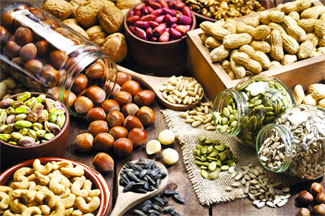
    If exercise helps build strength and flexibility, it is one’s diet and nutrition intake that builds health and energy. While there are different types of diets that may help one achieve the desired results, many people tend to believe that there are not many adequate sources of protein for vegans.
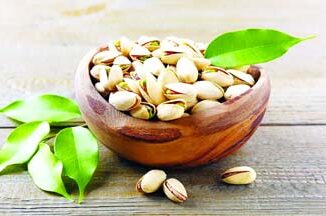
    Pistachios
    Pistachios make for an excellent high-protein snack on the go. You can also use them in your favourite recipe. They’ve got 25 grams of protein per cup.
    Almond butter
    Almond butter contains more fibre, calcium, potassium, and iron than peanut butter. Add a scoop of almond butter to your oatmeal, smoothie, or slather it on top of a banana or piece of sourdough toast. Contains seven grams of protein per two-tablespoon of serving.
    Pea protein powder
    Pea protein is a popular vegan protein option. It’s easy to digest, and a good source of arginine (an amino acid the body needs to build muscle), and branch chain amino acids (protein compounds that can delay fatigue during exercise).
    Add some to your post-workout smoothie. Contains 14 grams of protein per two teaspoons of serving or one scoop.
    Spirulina
    Another rich source of protein, spirulina is a worthy addition to your morning smoothie or juice. Contains a hefty 57g per 100g, but the average serving is between 1-3 grams.
    Chia seeds
    Chia seeds pack a surprising amount of protein, and are also high in fibre. Contain five grams of protein per two teaspoons of serving.
    Sesame seeds
    Sesame seeds are rich in lignans that may help burn fat as they cause the body to release more fat-burning liver enzymes. They are also an excellent source of vegan protein. Contain five grams of protein per three teaspoons of serving.

  • Doctors warn breast cancer is rising among younger women

    Doctors warn breast cancer is rising among younger women

    US doctors are warning about the rise of another form of cancer in young people: breast cancer. The American Cancer Society (ACS) has just released its Breast Cancer Statistics 2024, highlighting breast cancer occurrence and trends. Per their findings, rates of breast cancer among women younger than 50 are becoming more common despite the huge leaps in breast cancer treatment over the last couple of decades.
    The new report shows that breast cancer mortality has decreased by 44 percent since the late 1980s. This progress is the result of advances in treatment and earlier detection through screening.
    Per the report, there is a continued upward trend in breast cancer incidence, rising by 1 percent annually during 2012-2021, with the steepest increase in women younger than 50 years (1.4 percent per year) and Asian American/Pacific Islander (AAPI) women of any age (2.5-2.7 percent per year).
    The US report showed differences among groups highlighting disadvantages in social determinants of health – it highlighted a stark racial disparity that has persisted for decades.
    Black women are still more likely to die of any type of breast cancer than white women. Black women continue to have a 38 percent higher breast cancer mortality rate than white women, despite a 5 percent lower incidence. Among Asian American and Pacific Islander (AAPI) women under 50, breast cancer diagnoses have increased by 50 percent since 2000. Breast cancer rates in AAPI women younger than 50 are now higher than those in Black, Hispanic, American Indian and Alaska Native women of the same age group. In 2000, AAPI women under 50 had the second-lowest rates of breast cancer.
    “The encouraging news is breast cancer mortality rates continue to decrease thanks to advances in early detection and treatment,” said Angela Giaquinto, associate scientist, cancer surveillance research at the American Cancer Society. Source: HT

  • Drinking coffee can lower risk of developing multiple cardiometabolic diseases

    Drinking coffee can lower risk of developing multiple cardiometabolic diseases

    Consuming moderate amounts of coffee and caffeine regularly may offer a protective effect against developing multiple cardiometabolic diseases, including type 2 diabetes, coronary heart disease and stroke, according to new research published in the Endocrine Society’s Journal of Clinical Endocrinology & Metabolism.
    Researchers found that regular coffee or caffeine intake, especially at moderate levels, was associated with a lower risk of new-onset cardiometabolic multimorbidity (CM), which refers to the coexistence of at least two cardiometabolic diseases.
    The prevalence of individuals with multiple cardiometabolic diseases, or CM, is becoming an increasing public health concern as populations age around the world, notes the study.
    Coffee and caffeine consumption could play an important protective role in almost all phases of CM development, researchers found.
    “Consuming three cups of coffee, or 200-300 mg caffeine, per day might help to reduce the risk of developing cardiometabolic multimorbidity in individuals without any cardiometabolic disease,” said the study’s lead author Chaofu Ke, M.D., Ph.D., of the Department of Epidemiology and Biostatistics, School of Public Health at Suzhou Medical College of Soochow University, in Suzhou, China. The study found that compared with non-consumers or consumers of less than 100mg caffeine per day, consumers of moderate amount of coffee (3 drinks per day) or caffeine (200-300 mg per day) had a 48.1% or 40.7% reduced risk for new-onset CM.
    Ke and his colleagues based their findings on data from the UK Biobank, a large and detailed longitudinal dietary study with over 500,000 participants aged 37-73 years. The study excluded individuals who had ambiguous information on caffeine intake. The resulting pool of participants included a total of 172,315 individuals who were free of any cardiometabolic diseases at baseline for the analyses of caffeine, and a corresponding 188,091 individuals for the analyses of coffee and tea consumption.
    The participants’ cardiometabolic diseases outcomes were identified from self-reported medical conditions, primary care data, linked inpatient hospital data and death registry records linked to the UK Biobank.

  • October 4 New York & Dallas E – Edition

    [vc_row][vc_column][vc_custom_heading text=”E-Edition” font_container=”tag:h2|text_align:center” google_fonts=”font_family:Istok%20Web%3Aregular%2Citalic%2C700%2C700italic|font_style:700%20bold%20regular%3A700%3Anormal” css=”” link=”url:https%3A%2F%2Fwww.theindianpanorama.news%2Fwp-content%2Fuploads%2F2024%2F10%2FTIP-October-4-E-Edition.pdf”][vc_single_image image=”171912″ img_size=”full” alignment=”center” onclick=”custom_link” css=”” link=”https://www.theindianpanorama.news/wp-content/uploads/2024/10/TIP-October-4-E-Edition.pdf”][/vc_column][/vc_row][vc_row][vc_column width=”2/3″][vc_custom_heading text=”Lead Stories This Week” google_fonts=”font_family:Istok%20Web%3Aregular%2Citalic%2C700%2C700italic|font_style:700%20bold%20regular%3A700%3Anormal” css=”” link=”url:https%3A%2F%2Fwww.theindianpanorama.news%2F”][vc_wp_posts number=”5″ show_date=”1″][/vc_column][vc_column width=”1/3″][vc_single_image image=”82828″ img_size=”medium” alignment=”center” onclick=”custom_link” css=”” link=” https://www.theindianpanorama.news/advertising-media-kit-portal-indian-panorama/ “][vc_single_image image=”82829″ img_size=”medium” alignment=”center” onclick=”custom_link” css=”” link=” https://www.theindianpanorama.news/advertising-media-kit-portal-indian-panorama/ “][/vc_column][/vc_row]

  • September 27 New York & Dallas E – Edition

    [vc_row][vc_column][vc_custom_heading text=”E-Edition” font_container=”tag:h2|text_align:center” google_fonts=”font_family:Istok%20Web%3Aregular%2Citalic%2C700%2C700italic|font_style:700%20bold%20regular%3A700%3Anormal” css=”” link=”url:https%3A%2F%2Fwww.theindianpanorama.news%2Fwp-content%2Fuploads%2F2024%2F09%2FTIP-September-27-E-Edition.pdf”][vc_single_image image=”171635″ img_size=”full” alignment=”center” onclick=”custom_link” css=”” link=”https://www.theindianpanorama.news/wp-content/uploads/2024/09/TIP-September-27-E-Edition.pdf”][/vc_column][/vc_row][vc_row][vc_column width=”2/3″][vc_custom_heading text=”Lead Stories This Week” google_fonts=”font_family:Istok%20Web%3Aregular%2Citalic%2C700%2C700italic|font_style:700%20bold%20regular%3A700%3Anormal” css=”” link=”url:https%3A%2F%2Fwww.theindianpanorama.news%2F”][vc_wp_posts number=”5″ show_date=”1″][/vc_column][vc_column width=”1/3″][vc_single_image image=”82828″ img_size=”medium” alignment=”center” onclick=”custom_link” css=”” link=”https://www.theindianpanorama.news/advertising-media-kit-portal-indian-panorama/ “][vc_single_image image=”82829″ img_size=”medium” alignment=”center” onclick=”custom_link” css=”” link=”https://www.theindianpanorama.news/advertising-media-kit-portal-indian-panorama/ “][/vc_column][/vc_row]

  • Triptan drugs found to be more effective against migraines than newer ones

    Triptan drugs found to be more effective against migraines than newer ones

    Triptan class of drugs are more effective in treating migraine headaches, compared to newer and more expensive drugs, an analysis of nearly 140 clinical trials, involving about 90,000 participants, has suggested.
    The analysis, published in The British Medical Journal, showed that eletriptan, rizatriptan, sumatriptan, and zolmitriptan were better in relieving pain than the relatively recently developed drugs—lasmiditan, rimegepant, and ubrogepant. All these drugs are marketed in India.
    Commercially available since the 1990s, triptan drugs work by changing how blood is circulated in brain and by silencing overactive pain nerves, they change how pain is processed.
    While numerous antimigraine drugs are available, researchers, including those from Copenhagen University Hospital in Denmark, said that there is clear consensus as to which performs best in treating the neurological condition affecting more than a billion around the world. It is also the leading cause of disability or poor health in girls and women aged 15-49 years. The researchers said that triptans are widely underused and added that they should be “considered the treatment of choice for migraine episodes, owing to their capacity for inducing rapid and sustained pain freedom.” While some of the triptan class of drugs have been studied to lower menstrual migraines too, which can be more severe and last longer than non-menstrual migraines, women should be cautious and avoid overuse, according to the American Migraine Foundation.
    The authors called for an improved access to triptan drugs worldwide by including them into the WHO Model List of Essential Medicines, along with updating international clinical guidelines for diagnosing and managing migraines. Source: PTI

  • Listening to loud music can lead to hearing disorders in young people

    Listening to loud music can lead to hearing disorders in young people

    The widespread use of earphones and headphones, especially among younger generations, is becoming a serious public health concern. With many young individuals frequently exposed to loud music for extended periods, the risk of developing noise-induced hearing disorders is on the rise. What was once considered an issue for older populations has now begun affecting people in their teens and twenties, with long-term consequences that are often irreversible. Noise-induced hearing loss (NIHL) occurs when the hair cells within the cochlea, a structure in the inner ear, are damaged by excessive sound.
    According to the World Health Organisation (WHO), 1.1 billion teenagers and young adults worldwide are at risk of hearing loss due to unsafe listening practices. This includes exposure to loud music through earphones, especially when used for prolonged periods at high volumes.
    “Short-term issues caused by using earphones include excessive earwax build-up that can extend deep into the ear canal, leading to infections and earaches. The tight fit of earphones may also cause discomfort, pain, and itching. In more acute cases, loud music can result in a Temporary Threshold Shift, causing temporary hearing loss,” said Dr Amit Kumar Sharma, HOD & Senior Consultant, ENT, Cochlear Implant & Voice Disorders, SHALBY Sanar International Hospitals, Gurugram.
    One of the most significant contributors to NIHL in younger populations is the volume at which music is played.
    Studies have shown that many young people listen to music at volumes exceeding 85 decibels (dB), the threshold at which damage to hearing can occur. Regular exposure to sound levels above 85 dB can lead to permanent hearing damage.
    Alarmingly, some earphones can produce sounds as loud as 100 to 110 dB, levels that can cause hearing damage in just a few minutes of exposure.
    Dr Sharma said that the long-term use of earphones, especially at high volumes, can result in permanent hearing impairment.
    “Patients may also experience tinnitus, a constant ringing or buzzing in the ears, and hyperacusis, an increased sensitivity to everyday sounds. Poor earphone hygiene increases the risk of fungal ear infections, such as otomycosis. Prolonged listening can also cause hearing fatigue, reducing overall hearing sensitivity,” the expert said.

  • 1 in 3 children, teens globally affected by short-sightedness

    1 in 3 children, teens globally affected by short-sightedness

    About a third of children and teens around the world are short-sighted, with cases estimated to touch 74 crore by 2050, according to a study that analysed available evidence.
    Short-sightedness, or myopia, is a common condition of the vision in which one has trouble seeing distant objects clearly. It usually develops in early childhood and tends to worsen with age. Researchers from Sun Yat-Sen University in China looked at 276 studies, published up to June 2023. Over 54 lakh participants aged 5-19 years and 19 lakh cases of short-sightedness from 50 countries, including those in Asia and Africa, were analysed.
    Cases of short-sightedness rose from 24 per cent during 1990-2000 to 25 per cent during 2001-10, followed by sharper increases of 30 per cent between 2011-19, and 36 per cent between 2020-23, which is roughly the same as one in every three children and teens, the team said.
    “The global prevalence of childhood myopia is substantial, affecting approximately one-third of children and adolescents, with notable variations in prevalence across different demographic groups,” the authors wrote.
    They advised more physical activity and less screen time for all children and teens.
    Between 1990 and 2023, prevalence was found to have more than tripled and low- and middle-income countries were significantly affected more compared to high-income ones.
    Further, being female, east Asian, or living in urban environments were found to be key factors influencing prevalence.
    “… individuals residing in East Asia (35.22 per cent) or in urban areas (28.55 per cent), female gender (33.57 per cent), adolescents (47 per cent), and high school students (45.71 per cent) exhibit a higher proportion of myopia prevalence,” the authors wrote in the study published in the British Journal of Ophthalmology.
    The researchers observed a correlation between the duration of education in East Asian countries and cases of myopia, which they said could explain geographical differences in prevalence. “… a correlation between the duration of education and the occurrence of myopia has been observed, suggesting that the early implementation of formal education in certain East Asian nations could potentially serve as a contributing element,” they wrote.
    Conversely, in African countries, the researchers noted a lower prevalence of short-sightedness, likely related to lower literacy levels and a delayed start of formal education, they said.
    Attaining puberty before boys and tending to spend lesser time outdoors could be possible reasons why girls are affected more by short-sightedness, the researchers suggested.
    “According to our projections, there is an anticipated 9 per cent rise in the overall prevalence of myopia between 2023 and 2050, which will lead to a substantial burden of ocular disease, affecting more than 74,05,92,000 children and adolescents,” they wrote.

  • PM Modi says US visit fruitful, focused on global initiatives

    PM Modi says US visit fruitful, focused on global initiatives

    Prime Minister Narendra Modi on Tuesday shared highlights of his visit to the United States, saying it has been “fruitful”, covered diverse programmes and focused on a series of subjects aimed at making the planet better. The Prime Minister shared a brief video of his engagements, from the Quad Summit to series of bilateral meetings including with US President Joe Biden. He also shared highlights of his address to the Indian diaspora, interaction with important American business leaders and address at the Summit of the Future in the United Nations.
    “This has been a fruitful USA visit, covering diverse programmes and focusing on a series of subjects aimed at making our planet better. Here are the highlights,” PM Modi said in a post on X.
    Quad Summit in Delaware
    One of the key highlights of the visit was the Quad Summit, hosted by US President Joe Biden in his hometown of Wilmington, Delaware. PM Modi recounted the personal touch of the meeting, mentioning Biden’s gesture of taking him to his home. “His affinity and warmth was a heart-touching moment for me,” PM Modi shared, as the video showed the two leaders warmly greeting each other.
    The Quad Summit, which saw participation from Japan’s Prime Minister Fumio Kishida and Australia’s Prime Minister Anthony Albanese, along with PM Modi and Biden, was another pivotal event. Reflecting on the meeting, PM Modi expressed his satisfaction in taking part at the beginning of his third term. When asked whether the Quad would continue beyond the US elections in November, Biden’s response, “way beyond November,” accompanied by a warm gesture towards PM Modi, highlighted the ongoing commitment to the alliance. India is set to host the next Quad Summit.
    During the summit, PM Modi reiterated the Quad’s mission, stating, “Our message is unequivocal: QUAD is here to stay, to assist, to partner, and to complement.” He also announced India’s contribution of $7.5 million under the Quad Moonshot Initiative, aimed at supporting health measures through sampling kits, detection kits, and vaccines. “India’s vision is ‘One Earth, One Health,’” he said.
    Engagement with Indian Diaspora and Business Leaders
    The video also captured moments from PM Modi’s interaction with the Indian diaspora, with attendees enthusiastically cheering and waving as he spoke. In meetings with key American business leaders, PM Modi outlined the “golden opportunity” that India presents. Business leaders echoed this sentiment. Sundar Pichai, CEO of Google, praised PM Modi’s focus on using Artificial Intelligence to benefit the Indian population. “The Prime Minister wants to make sure that ultimately AI is there to benefit the people of India,” Pichai said.
    Jensen Huang, CEO of Nvidia, said, “This is India’s moment, we have to seize the opportunity,” while Enrique Lores, CEO of HP Inc., shared plans to expand manufacturing in India, pointing to the country’s growing potential in both technology and production. Eli Lilly’s CEO David A. Ricks also noted India’s rise as an economic power and its expanding research base.
    Accenture’s CEO Julie Sweet expressed excitement about the company’s plans to grow operations in India, while Biogen’s CEO Chris Viehbacher commended Modi’s vision of placing India at the forefront of technological progress in the 21st century. Holtec International CEO Kris Singh remarked on PM Modi’s focus on energy independence through clean energy initiatives, calling the Prime Minister “a very bright man.”
    Bilateral Meetings and UN Address
    The video also featured visuals of PM Modi’s meetings with various global leaders, including Japan’s Prime Minister Kishida, Australian Prime Minister Albanese, Nepal’s Prime Minister KP Sharma Oli, Kuwait’s Crown Prince Sheikh Sabah Khaled Al-Hamad Al-Mubarak Al-Sabah, Palestine’s President Mahmoud Abbas, Vietnam’s State President To Lam, and Ukraine’s President Volodymyr Zelenskyy.
    At the UN Summit of the Future, PM Modi called for urgent reform of global governance institutions, including the UN Security Council. He stressed that global action must align with global ambitions.
    Prime Minister Modi’s three-day visit to the United States, which began on September 21, covered a wide range of discussions and initiatives aimed at fostering global collaboration.

  • New AI tool to help reduce death risk in hospitalized patients

    New AI tool to help reduce death risk in hospitalized patients

    A team of researchers, led by one of Indian origin, has developed a novel artificial intelligence (AI) based system that can help reduce the risk of unexpected deaths by identifying hospitalized patients at high risk of deteriorating health.
    Rapid deterioration among hospitalized patients is the primary cause of unplanned admission to the intensive care unit (ICU). But CHARTWatch, acted as an early warning system to improve patient health, and alert healthcare workers to reduce unexpected deaths, said the team in the paper published in CMAJ (Canadian Medical Association Journal). “As AI tools are increasingly being used in medicine, it is important that they are evaluated carefully to ensure that they are safe and effective,” said lead author Dr Amol Verma, a clinician-scientist at St. Michael’s Hospital, Unity Health Toronto, Canada.
    “Our findings suggest that AI-based early warning systems are promising for reducing unexpected deaths in hospitals,” Verma said.
    CHARTWatch’s efficiency was evaluated on 13,649 patients aged 55-80 years who were admitted to the general internal medicine (GIM) (about 9,626 in the pre-intervention period and 4,023 used CHARTWatch). About 8,470 admitted to subspecialty units did not use CHARTWatch. Regular communications helped reduce deaths as CHARTWatch engaged clinicians with real-time alerts, twice-daily emails to nursing teams, and daily emails to the palliative care team, said the researchers.
    A care pathway was also created for high-risk patients which prompted increased monitoring by nurses, and enhanced communication between nurses and physicians. This encouraged physicians to reassess patients. Source: IANS

  • High-protein diet isn’t all good news; new study reveals a dangerous flipside

    High-protein diet isn’t all good news; new study reveals a dangerous flipside

    Usually for people looking to build muscle mass, such as athletes, body builders and individuals, health experts recommend a high-protein diet. The diet usually consists of animal-based foods such as meat, eggs, and milk – food items with high protein content. However, a high-protein diet may not be as healthy as we think. A recent study conducted by scientists of University of Pittsburgh School of Medicine showed that excess protein in the daily diet can contribute to heart ailments.
    What is Atherosclerosis?
    Atherosclerosis is a heart condition where there is significant hardening and narrowing of arteries that happens due to plaque buildup. The study demonstrated that diets consisting of more than 22 percent of calorie intake obtained from protein can accelerate the risk of this heart condition.
    The study demonstrated a complex molecular mechanism where consumption of high-protein diet can lead to increased activation of immune cells implicated in the formation of atherosclerotic plaque – this can enhance the risk of heart diseases.
    High protein and the risk of health ailments
    Dr. Babak Razani, senior and co-corresponding study author, professor of cardiology at the University of Pittsburgh, in a media release stated that when we boost the amount of protein intake in the diet in order to improve metabolic health, we run the risk of damaging the arteries. The study further challenges the notion that a high protein diet can lead to health benefits such as muscle maintenance and weight loss. The study further pointed out that protein obtained from animal sources can have unintended health consequences. It also raises concerns about the amount of protein intake that is considered healthy for the body, exploring dietary factors that can have cardiovascular effect. Especially for people with risk of heart diseases and vessel disorders, it is important to have a balanced diet with all nutrition, instead of focusing only on protein intake. Considering the molecular impact of diet on health – one of the leading causes of mortality – it is essential to observe diets as a whole. Source: HT

  • Debunking the myth of menopause and mental illness

    Debunking the myth of menopause and mental illness

    For decades, some women have endured an enormous amount of unnecessary suffering around menopause. There have been countless stories of healthcare professionals failing women, for instance through dismissing menopausal symptoms and failing to provide adequate care. So this attention is long overdue.
    But with this spotlight has come a lot of messaging that menopause is catastrophic for mental health.
    For example, in a submission to the 2024 Australian Senate Inquiry into menopause, which is due to hand down its findings on September 17, this life stage was described as a time of “damage, despair and death” due to untreated menopausal mental illness.
    Changing estrogen levels over menopause have been reported to cause a “destabilising” effect on the brain and mental health.
    But while research shows some women may be more mood-sensitive to estrogen changes than others, overall the best available data shows that mental illness is not a core or common experience over the menopause years.
    Anger is not mental illness
    Some midlife women self-report feelings of anger or rage around the time of menopause.
    Anger is not a mental illness, but should be followed up if it becomes severe or is negatively affecting your daily life.
    Being dismissed in a doctor’s office because “my wife coped fine with menopause” or because a GP explains they are not trained to manage menopause and refers on to a specialist clinic that has a 12-month waitlist are legitimate triggers for anger and unnecessary suffering.
    As a society, this anger can be mobilised to demand improved care for menopause and ageing women’s health issues, while providing appropriate care for distressing or impactful symptoms as needed.
    Most women remain mentally well
    A Lancet Series paper on menopause and mental health reviewed findings from prospective studies that tracked changes in women’s mental health across the menopause transition.
    Specifically, depressive symptoms and disorders were looked at, as well as anxiety, bipolar, psychosis and suicide.
    It found rates of depressive symptoms remained relatively low over perimenopause, which is the time of irregular periods culminating in the final menstrual period at menopause.
    In the studies reviewed, 17 per cent to 28 per cent of perimenopausal women reported depressive symptoms compared to 14 percent to 21 per cent of premenopausal women.
    Only two studies have investigated the risk of developing major depressive disorder assessed uniformly by a clinician, and neither found that women were at increased risk of new-onset depression over menopause. Women typically start to go through menopause in their late 40s. Source: PTI

  • September 20 New York & Dallas E – Edition

    [vc_row][vc_column][vc_custom_heading text=”E-Edition” font_container=”tag:h2|text_align:center” google_fonts=”font_family:Istok%20Web%3Aregular%2Citalic%2C700%2C700italic|font_style:700%20bold%20regular%3A700%3Anormal” css=”” link=”url:https%3A%2F%2Fwww.theindianpanorama.news%2Fwp-content%2Fuploads%2F2024%2F09%2FTIP-September-20-E-Edition.pdf”][vc_single_image image=”171145″ img_size=”full” onclick=”custom_link” css=”” link=”https://www.theindianpanorama.news/wp-content/uploads/2024/09/TIP-September-20-E-Edition.pdf”][/vc_column][/vc_row][vc_row][vc_column][vc_custom_heading text=”Lead Stories This Week” google_fonts=”font_family:Istok%20Web%3Aregular%2Citalic%2C700%2C700italic|font_style:700%20bold%20regular%3A700%3Anormal” css=”” link=”url:https%3A%2F%2Fwww.theindianpanorama.news%2F”][/vc_column][vc_column width=”2/3″][vc_wp_posts number=”5″ show_date=”1″][/vc_column][vc_column width=”1/3″][vc_single_image image=”82828″ img_size=”medium” alignment=”center” onclick=”custom_link” css=”” link=”https://www.theindianpanorama.news/advertising-media-kit-portal-indian-panorama/ “][vc_single_image image=”82829″ img_size=”medium” alignment=”center” onclick=”custom_link” css=”” link=”https://www.theindianpanorama.news/advertising-media-kit-portal-indian-panorama/ “][/vc_column][/vc_row]

  • September 13 New York & Dallas E – Edition

    [vc_row][vc_column][vc_custom_heading text=”E-Edition” font_container=”tag:h2|text_align:center” google_fonts=”font_family:Istok%20Web%3Aregular%2Citalic%2C700%2C700italic|font_style:700%20bold%20regular%3A700%3Anormal” css=”” link=”url:https%3A%2F%2Fwww.theindianpanorama.news%2Fwp-content%2Fuploads%2F2024%2F09%2FTIP-September-13-E-Edition.pdf”][vc_single_image image=”170860″ img_size=”full” alignment=”center” onclick=”custom_link” css=”” link=”https://www.theindianpanorama.news/wp-content/uploads/2024/09/TIP-September-13-E-Edition.pdf”][/vc_column][/vc_row][vc_row][vc_column width=”2/3″][vc_custom_heading text=”Lead Stories This Week” google_fonts=”font_family:Istok%20Web%3Aregular%2Citalic%2C700%2C700italic|font_style:700%20bold%20regular%3A700%3Anormal” css=”” link=”url:https%3A%2F%2Fwww.theindianpanorama.news%2F”][vc_wp_posts title=”” number=”5″ show_date=”1″][/vc_column][vc_column width=”1/3″][vc_single_image image=”82828″ img_size=”medium” alignment=”center” onclick=”custom_link” css=”” link=” https://www.theindianpanorama.news/advertising-media-kit-portal-indian-panorama/ “][vc_single_image image=”82829″ img_size=”medium” alignment=”center” onclick=”custom_link” css=”” link=” https://www.theindianpanorama.news/advertising-media-kit-portal-indian-panorama/ “][/vc_column][/vc_row]

  • Mpox doesn’t easily spread through air: How it transmits among humans

    Mpox doesn’t easily spread through air: How it transmits among humans

    Amid the global outbreak of mpox, the US Centers for Disease Control and Prevention (CDC) report suggests that, unlike Covid-19, the mpox virus (earlier known as monkeypox), doesn’t easily spread through the air.
    Mpox, which is caused by the Monkeypox virus ( a zoonotic virus belonging to the Orthopoxvirus genus), can spread from person to person mainly through close contact skin-to-skin.
    This includes touching or sex and mouth-to-mouth, or mouth-to-skin contact (such as kissing), and can also include being face-to-face with someone who has mpox (such as talking or breathing close to one another, which can generate infectious respiratory particles).
    The CDC’s ‘Morbidity and Mortality’ weekly report included a study on 113 persons with mpox who travelled on 221 flights during 2021-22.
    The results showed that none of the 1,046 passenger contacts got infected.
    The findings suggest that “travelling on a flight with a person with mpox does not appear to constitute an exposure risk or warrant routine contact tracing activities.”
    Though the WHO does reveal that face-to-face contact with someone who has mpox could spread, but it is less likely.
    During the 2022 mpox outbreak, the virus was mainly transmitted through sexual contact.
    However, more research is needed on how mpox spreads during outbreaks in different settings and under different conditions, say WHO researchers.
    The main symptom of mpox is skin rash that develop into pus-filled lesions, which may last for two to four weeks.
    Other symptoms include fever, headache, body aches, sore throat and cough, and lymphadenopathy (swollen lymph nodes).
    People with mpox are considered infectious until all their lesions have crusted over, the scabs have fallen off and a new layer of skin has formed underneath, and all the lesions on the eyes and in the body (in the mouth, throat, eyes, vagina and anus) have healed too.
    The skin rash can vary depending on the variant of mpox: clade Ib and clade II.
    Clade Ib, the new strain that prompted WHO to make it a public health emergency of international concern (PHEIC), is more severe and dangerous than clade II.

  • Late bedtimes linked to 50% higher diabetes risk

    Late bedtimes linked to 50% higher diabetes risk

    Night owls — a person who is habitually active or wakeful at night — tend to have a higher body mass index (BMI), larger waists, and more hidden body fat and thus are almost 50 per cent more likely to develop type 2 diabetes (T2D) than those who go to bed earlier, shows new research on Monday. Previous studies have indicated that late chronotype — people who prefer to go to bed late and wake up late — live an unhealthy lifestyle, and are at higher risk of obesity and metabolic disorders including type 2 diabetes.
    The new study showed that a late chronotype had a 46 per cent higher risk of developing diabetes, which suggests that the increased risk of T2D can’t be explained by lifestyle alone.
    “We believe that other mechanisms are also at play,” said lead researcher Dr. Jeroen van der Velde, from Leiden University Medical Centre, in the Netherlands.
    “A likely explanation is that the circadian rhythm or body clock in late chronotypes is out of sync with the work and social schedules followed by society. This can lead to circadian misalignment, which we know can lead to metabolic disturbances and ultimately type 2 diabetes,” van der Velde added. To explore, the team studied the association between sleep timing, diabetes, and body fat distribution in more than 5,000 individuals who were divided into three groups: early chronotype (20 per cent), late chronotype (20 per cent), and intermediate chronotype (60 per cent).
    The team measured all participants’ BMI and waist circumference, while visceral fat and liver fat were measured in 1,526 participants, using MRI scans and MR spectroscopy, respectively.
    About 225 were diagnosed with diabetes after a follow-up of 6.6 years. Late chronotypes were found to be at higher risk of developing diabetes, had a 0.7 kg/m2 higher BMI, 1.9 cm larger waist circumference, 7 cm2 more visceral fat, and 14 per cent higher liver fat content, compared with those with an intermediate chronotype. Source: IANS