Tag: Health

Read the latest health news, diet, fitness, medical news and healthcare tips on theindianpanorama.news/health. Get all the healthcare news, including wellness, fitness, diet and weight loss & more.

  • Political takeaways from the Bihar campaign

    Political takeaways from the Bihar campaign


    By Seema Chishti

    Tejashwi Yadav’s campaign in Bihar is frustrating the ruling party as it is using that very powerful appeal against a 15-year-old regime by citing the absence of bread and butter issues and taking the campaign out to the State’s youth. His primary emphasis during the election campaign has been on 

    the high rate of unemployment, forming the backbone of his promise of providing 10 lakh new government jobs to the youth of Bihar. The BJP has been forced to play catch-up. After the results come in, there will be much to theorize on how caste politics has changed in north India. Enough has already been said about how this is the last of the Mandal elections (with Nitish Kumar on the backfoot, Lalu Prasad not campaigning and Ram Vilas Paswan no more); but on closer scrutiny, this is more about evolution of the social justice plank than its burial.

    Bihar’s Champaran farmlands served as the brewing fields for Gandhi’s ruminations and eventual journey to a Mahatma more than a century ago. Later, the State was quick to catch the sparks off Gujarat’s student revolt and lend the anti-Emergency movement the fury that was to become a prairie fire which consumed the invincible Indira Gandhi. Bihar is renowned for its intangible political energy, equations and trends that have gone on to shape India’s political firmament.

    Throwbacks to the past

    The final election results notwithstanding, not that the voters’ mandate is sacrosanct — consider Goa, Manipur, Karnataka, Maharashtra and Madhya Pradesh — the election campaign has provided important political takeaways. Like all elections in the last six years, including the municipal polls in the capital in 2017, Narendra Modi has campaigned with admirable energy and dedication in Bihar. The Prime Minister’s campaigning is an opportunity to peep into his vision and priorities for the people of the State and the country.

    A quick glance at his speeches shows that Mr. Modi’s refrain is Ayodhya’s Ram temple and Article 370 in Kashmir (Darbhanga on October 28 and Champaran on November 1), “Jungle Raj” spoken of often, a reference to the “double Yuvrajs” ostensibly of Tejashwi Yadav and Rahul Gandhi (Chhapra on November 1) struggling to “keep the simhasan/throne”, “BIMARU” Bihar, referring to an outdated acronym for Bihar, Madhya Pradesh, Rajasthan and Uttar Pradesh no longer used even in seminars. Almost all of the Prime Minister’s repeated references are jaded throwbacks to the past: Ayodhya’s Babri Masjid was brought down in 1992, ‘jungle raj’, referring to pejoratives for Lalu Yadav and Rabri Devi’s time as Chief Minister is 15 years ago and the last time that either Tejashwi Yadav or Rahul Gandhi’s fathers held public office was several years ago — there is certainly no ‘simhasan’ for them to defend. It is a negative agenda of a campaign anchored selectively in the past.

    No vision, invoking fear

    Nitish Kumar has been in power in the State for the past 15 years, mostly with the Bharatiya Janata Party (BJP), and there is little in the achievement columns of his report card for Mr. Modi to seek votes on. Soliciting support for another five years of a jaded government is tough, and thus the argument seems to be that “we are bad but they are worse” — not the most inspiring political pitch. More surprising is the lack of vision for either Bihar or India from the Prime Minister. The selective recall of the 1990s is odd when at 57.2%, Bihar has the highest proportion of those below 25 years of age in the country. This is like the captain’s proverbial yearning for the safety of the shore when the boat is in choppy waters mid-ocean, when, instead, it needs a vision to navigate ahead.

    The exponential rise of the BJP, now dominating the political scene with more than half of India’s States under its rule and having 302 Lok Sabha seats (as on October 1, 2020), began by leveraging the upheaval of the 1990s as the polity was challenged by newly opened fissures of caste, religion and economic disparity. Social and cultural issues are an integral part of Indian electoral politics, but to invoke the divisive issues of the past at this time points to a poverty of vision for the future, of the missing destination the ship of governance is aiming for when at sea. Instead of taking matters to a higher level of ‘aspiration’, the country’s top leadership has chosen to invoke not hope but fear.

    A lost opportunity and why

    When India has gone from one of the fastest growing three economies in the world to among the slowest, with an unprecedented decline of 23.9% in the first quarter of 2020, the country would have benefited from learning of the Prime Minister’s plan to get the economy back in shape. The novel coronavirus pandemic also offered an opportunity to speak of public health as a sharp arrow in its quiver, and take his party’s campaign to another high level. Quite the contrary happened when a free vaccine was offered as an election sop, hitting another new low for the BJP in 2020. Public health, at a time of a rapidly growing infectious disease, has always been handled centrally and has been universal and free. The smallpox vaccine, BCG or even the tuberculosis programme has been centrally driven and unconnected with electoral cycles.

    The appeal that proved invincible and lent a deathly blow to the Congress-led United Progressive Alliance in 2014 was a dream that Mr. Modi associated himself with. The ‘Gujarat model’, notwithstanding its merits, was about hope, about vikas, development (if not progress), and overall about improving lives of Indians, a formula that proved unbeatable. The promise, plastered on all available billboards was about ‘two crore jobs’ every year, ₹15 lakh in every bank account and the burnishing of an entrepreneurial spirit that would bring welfare and prosperity. Mr. Modi would make India great again and improve the conditions of its millions, who came out and voted for that dream. This appeal was developed on the campaign that Mr. Modi had carefully crafted around ‘Vibrant Gujarat,’ which had shut down his critics. It was Mr. Modi as the doer and the Vikas Purush that won accolades and eventually the seat of power in Delhi. The core Hindutva spirit that he stood for was just the backstory: Mr. Modi in 2014 worked, as he offered himself and much more.

    The youth connect

    Turning the tables on this, Tejashwi Yadav’s campaign in Bihar is frustrating the ruling party as it is using that very powerful appeal against a 15-year-old regime by citing the absence of bread and butter issues and taking the campaign out to the State’s youth. His primary emphasis during the election campaign has been on the high rate of unemployment, forming the backbone of his promise of providing 10 lakh new government jobs to the youth of Bihar. The BJP has been forced to play catch-up. After the results come in, there will be much to theorize on how caste politics has changed in north India. Enough has already been said about how this is the last of the Mandal elections (with Nitish Kumar on the backfoot, Lalu Prasad not campaigning and Ram Vilas Paswan no more); but on closer scrutiny, this is more about evolution of the social justice plank than its burial. Tejashwi Yadav in 2020 is doing a Narendra Modi in 2014, by not making it overtly about social justice alone. The Mandal campaign of the 1990s in north India was particularly anxious to underscore that it was not economics but social oppression that rankled and needed urgent redress. By threading economic upliftment seamlessly into the idea of social justice, Tejashwi Yadav has confounded his opponents. He need not even loudly talk about backward caste or utter the phrase social justice, any more than Mr. Modi had to proclaim that he is a proud bearer of Hindutva.

    In 2015 when Nitish Kumar and Lalu Prasad struck an alliance, they stumped the BJP by turning it into a ‘forward versus backward’ election. That was a case of political innovation in the face of the BJP juggernaut, at a time when the electoral machine of the BJP, with its freshness, was at its peak. But this time, what has annoyed Nitish Kumar and visibly frustrated the BJP is Tejashwi Yadav coming up from behind and smoothly introducing Social Justice 2.0 into the campaign in his own unique manner. The results of the elections will be known soon but if there is already a winner for political reimagination, it is Tejashwi Yadav against a weary Nitish Kumar and a rear-view mirror-gazing Narendra Modi.

    (The author  is a journalist based in New Delhi)

    (Source: The Hindu)

  • Researchers invent flexible and highly reliable sensor

    Researchers invent flexible and highly reliable sensor

    Guided by the theory of contact mechanics, a team of researchers from the National University of Singapore (NUS) came up with a new sensor material that has significantly less hysteresis. This ability enables more accurate wearable health technology and robotic sensing.
    The research team, led by Assistant Professor Benjamin Tee from the Institute for Health Innovation & Technology at NUS, published their results in the journal Proceedings of the National Academy of Sciences on 28 September 2020.

    When soft materials are used as compressive sensors, they usually face severe hysteresis issues. The soft sensor’s material properties can change in between repeated touches, which affects the reliability of the data. This makes it challenging to get accurate readouts every time, limiting the sensors’ possible applications.

    The NUS team’s breakthrough is the invention of a material which has high sensitivity, but with an almost hysteresis-free performance. They developed a process to crack metal thin films into desirable ring-shaped patterns on a flexible material called polydimethylsiloxane (PDMS).

    The team integrated this metal/PDMS film with electrodes and substrates for a piezoresistive sensor and characterised its performance. They conducted repeated mechanical testing, and verified that their design innovation improved sensor performance. Their invention, named Tactile Resistive Annularly Cracked E-Skin, or TRACE, is five times better than conventional soft materials.

    “With our unique design, we were able to achieve significantly improved accuracy and reliability. The TRACE sensor could potentially could be used in robotics to perceive surface texture or in wearable health technology devices, for example to measure blood flow in superficial arteries for health monitoring applications” said Asst Prof Tee, who is also from the NUS Department of Materials Science and Engineering.

  • Abnormal BP while sleeping can increase stroke risk: Study

    People who experience high blood pressure while sleeping are more likely to experience future cardiovascular disease especially heart failure, even when their daytime blood pressure is within normal ranges, warn researchers.

    “Nighttime blood pressure is increasingly being recognised as a predictor of cardiovascular risk,” said study lead author Kazuomi Kario from Jichi Medical University in Japan.

    The study, published in the journal Circulation, provides in-depth information about the cardiovascular risk associated with high nighttime blood pressure.

    For the findings, the research team rolled 6,359 patients from across Japan between 2009 and 2017 and measured daytime and nighttime levels using an at-home, wearable, ambulatory monitor.

    Blood pressure was measured during daily activities and sleep for at least 24 hours at a time, and device data were periodically downloaded at a health care clinic.

    Almost half of the study participants were male, and more than half were over the age of 65 years. The patients all had at least one cardiovascular risk factor, and three-quarters of them were taking blood pressure medications, and none had symptomatic cardiovascular disease when the study began. The study participants were instructed to rest or sleep during nighttime hours and maintain their usual daytime activities.

    Their daily activities and sleep and wake times were self-reported in a diary. Almost every participant recorded 20 daytime and seven nighttime automated blood pressure measurements.

    To determine nighttime measurements, patients self-reported the time they fell asleep and woke up. All other readings were defined as daytime.

    Follow-up occurred annually via phone or clinic visit, with total follow up ranging from two to seven years. Researchers analysed the rates of cardiovascular disease events, including heart attacks, strokes, heart failure and death, among the participants.

    Study participants experienced a total of 306 cardiovascular events, including 119 strokes, 99 diagnoses of coronary artery disease and 88 diagnoses of heart failure.

  • Tips to keep kitchen squeaky clean

    Tips to keep kitchen squeaky clean

    Count on these easy suggestions to ensure your kitchen stays neat, clean and beautiful

    Cleaning

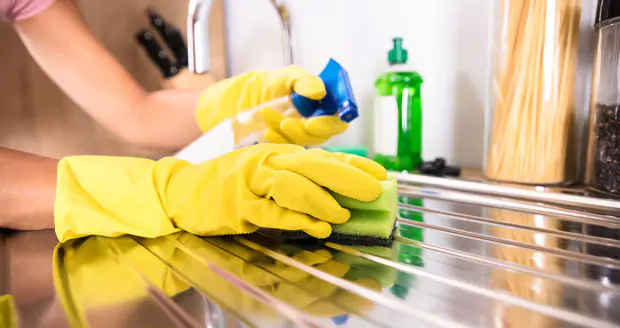
    It is important to keep the kitchen’s cleanliness and hygiene in check. Spray the area with all-purpose cleaners and wipe it dry. Regularly cleaning the countertop and the sink helps to ease down the tedious task of maintaining the kitchen.

    Waste management

    Working around edible stuff can create a lot of waste (both wet and dry). It is important you have your waste management in check. The garbage can harbour alarming bacteria and offensive smells. Separate bins for dry and wet waste not only helps in disposing of the same easily but also maintain kitchen hygiene.

    Empty sinks

    Make sure to keep your sinks empty and clean. That way it creates more room for rinsing off the vegetable while cooking and reduces the concern of bad odour from used utensils.

    Right cleaning tools

    There’s nothing more nerve-wracking than going about cleaning without the right cleaning tools. Make sure you wash the napkins regularly and store them at a place that is easily accessible. Also, do not forget to dispose of an overused napkin as the odour from it can last for days. Using kitchen napkins or rags cuts down on trash and makes you take the eco-friendly route because you can just use one rag and rinse it out when required instead of tearing off paper towels and throwing them away after one wipe.

    Floor and wall tiles

    Kitchen floors get messy in no time with food crumbs, other edible particles, dust, etc. To keep germs and insects away from your kitchen, it is important to sweep or vacuum your floor daily. Along with the floor, ensure the tiles above the counter are cleaned at regular intervals. If the tiles contain dirt on them for long durations, they can come in contact with your food, and thus affect your health.

    Spill-in check

    Another easy way to maintain your kitchen is to never let the spills sit. They get sticky and stinky in no time. Make sure to wipe a spill as soon as it happens to avoid dealing with a larger mess later. Depending on the food ingredient, if left unchecked for a long time, the spills can result in unremovable stains thus ruining the beauty of your kitchen.

    Clean cabinets

    Always ensure you clean your cabinets regularly. Clean them by wiping down a few times. After cleaning, wipe the cabinets with a dry cloth or towel to absorb any extra moisture. It is recommended to clean the cabinets inside out a few times every month to avoid any dust particles or stains.

  • 84.11 lakh COVID-19 cases, 1,24,985 deaths in India

    84.11 lakh COVID-19 cases, 1,24,985 deaths in India

    New Delhi (TIP): India’s COVID-19 tally crossed the 84-lakh mark after 47,638 new infections were reported in the past 24 hours, according to the Union Ministry of Health and Family Welfare’s data on Friday, November 6. The coronavirus cases in the country continue to decline further but the overall infections reached 84,11,724 including 5,20,773 active cases.

    Total cured cases reached 77,65,966 with 54,157 new discharges in the last 24 hours. Meanwhile, with 670 new deaths, the toll mounted to 1,24,985 overall.

    Maharashtra reported 1,07,358 active cases, 15,51,282 discharges and 44,804 deaths so far. While Karnataka reported 33,114 active cases, 7,94,503 discharges and 11,312 death so far due to the disease. A total of 38,729 active cases, 3,71,155 discharges and 6,769 deaths were recorded in the national capital till Thursday. According to the Indian Council of Medical Research (ICMR), a total of 11,54,29,095 samples have been tested for coronavirus till November 5, of these, 12,20,711 samples were tested yesterday. Ten State and Union Territories accounted for 78.2 per cent of total active cases in the country, according to the Health Ministry.

    80 teachers test positive for virus in Uttarakhand

    Eighty teachers tested positive for coronavirus in Uttarakhand’s Pauri district, forcing the authorities to shut over a dozen schools for five days, according to an official.

    Schools in the state had reopened for Classes X and XII on November 2 after a long gap due to the coronavirus outbreak. Over a dozen schools have been closed for five days as a safety measure after 80 teachers tested positive for COVID-19, Pauri Chief Medical Officer Madan Singh Rawat said on Friday. The teachers have been isolated for 14 days while students and others who came in their contact are being identified, Rawat said.

    The CMO said principals of the schools concerned were to be blamed as they should not have allowed the teachers to come to the school before the arrival of their test reports.

    The office of the additional director, primary education, has also been closed till Sunday after an employee tested positive for coronavirus there, he said.

  • Canada quietly updates COVID guidelines on risk of airborne spread

    Canada quietly updates COVID guidelines on risk of airborne spread

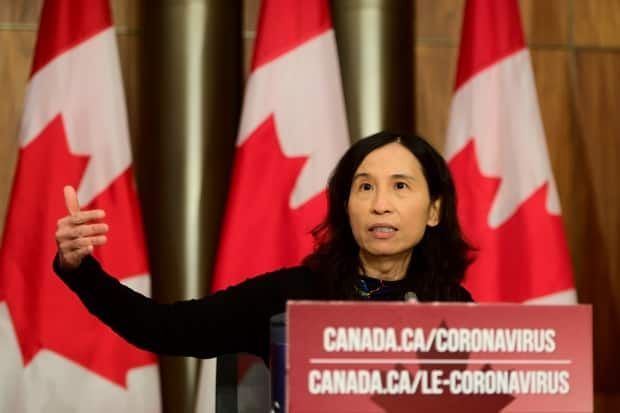
    Toronto (TIP): Canada has quietly revised its guidelines on how COVID-19 spreads to include the risk of aerosol transmission, weeks after other countries and international health organizations acknowledged the airborne threat of the coronavirus. The Public Health Agency of Canada (PHAC) updated its guidance without notice this week, making mention of the risk of transmission from aerosols — or microscopic airborne particles — for the first time. “SARS-CoV-2, the virus that causes COVID-19, spreads from an infected person to others through respiratory droplets and aerosols created when an infected person coughs, sneezes, sings, shouts, or talks,” the updated guidance said.

    “The droplets vary in size from large droplets that fall to the ground rapidly (within seconds or minutes) near the infected person, to smaller droplets, sometimes called aerosols, which linger in the air under some circumstances.” The federal agency’s guidelines previously said the virus spreads only through breathing in respiratory droplets, touching contaminated surfaces and common greetings like handshakes and hugs. “We are continually reviewing new evidence and research as it emerges during the pandemic, and this new evidence guides our response to Canadians,” a spokesperson for PHAC said in a statement to CBC News.

  • How thousands in China got infected by brucellosis in one single outbreak

    How thousands in China got infected by brucellosis in one single outbreak

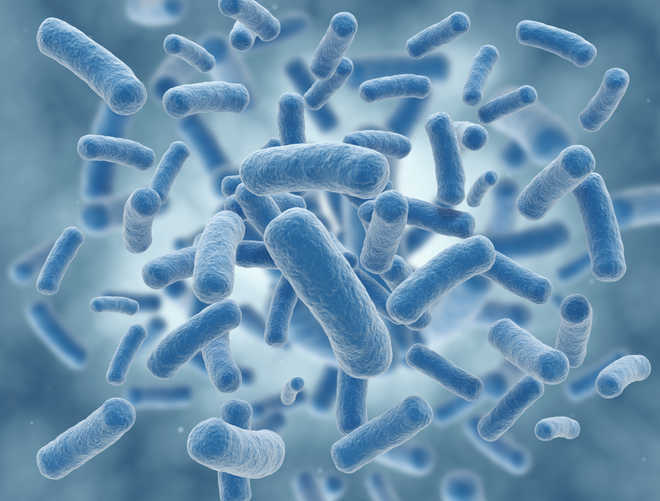
    Beijing (TIP): Brucellosis, a bacterial disease with flu-like symptoms, has infected more than 6,000 people in a single outbreak in northwestern China.
    Usually caused by contact with animals, the outbreak in Lanzhou, the capital of Gansu province, was due to a leak at a vaccine plant, according to Lanzhou’s health commission. People are still being treated at hospitals even though the outbreak happened a year ago.
    China’s top legislative body passed a law last month to establish protocols for biosecurity risk prevention and control, and systems to respond to risks including sudden outbreaks.
    What is brucellosis?
    Brucellosis is a zoonotic infectious disease, or a disease in animals that can spread to humans. It is caused by a bacteria that affects sheep, goats, cattle, swine and even dogs and is reported in many countries. Humans generally get the disease from direct contact with infected animals through the consumption of tainted animal products such as unpasteurised milk or cheese, or through the inhalation of airborne agents.
    Human-to-human transmission is extremely rare, according to the World Health Organization.
    Symptoms in humans include fever and weakness, which emerge over a few weeks. The mortality rate is low, though complications could lead to death. Some symptoms such as joint pain may become chronic and never go away.
    What happened in Lanzhou?
    The latest outbreak in Lanzhou was first uncovered in November 2019 when some students at the Lanzhou Veterinary Research Institute tested positive for brucellosis. By the end of December, at least 181 people at the institute had been infected, according to the provincial health authority.
    The outbreak even spread to Heilongjiang province in the northeastern corner of China, where 13 people who worked at the veterinarian institute in August 2019 tested positive, state media reported.
    The government has tested 55,725 people in the city, of which 6,620 are positive for brucellosis as of now, the Lanzhou government said at a press conference, according to a report on Thursday by the state-owned Global Times.
    The outbreak originated at a biopharmaceutical factory owned by Shanghai-listed China Animal Husbandry Industry Co , according to a statement from Lanzhou’s health commission in September.
    The factory had used expired disinfectants in July to August 2019 to make brucellosis vaccines, leaving the bacteria in its waste gas. The contaminated gas later formed aerosols that drifted downwind to the veterinary institute.
    Is Brucellosis common in China?
    About half a million infected people are reported each year around the world, with China typically accounting for tens of thousands.
    In 2019, China reported 44,036 cases with one death, up from 37,947 cases and zero deaths a year earlier.The very first cases reported in China were in the southwestern city of Chongqing in 1905. China saw a widespread epidemic of brucellosis in the 1950s and 1960s, according to state media.
    Brucellosis is more common in pastoral areas in the west and north of China. It is categorized as a Class B infectious disease under a three-tier system
    Last year, China reported over 10 million cases of infectious diseases, including brucellosis, scarlet fever, dysentery and dengue. Reuters

  • Indian Americans Murthy and Chetty are  among Joe Biden’s Core Advisors

    Indian Americans Murthy and Chetty are  among Joe Biden’s Core Advisors

     NEW YORK  (TIP): Two prominent Indian Americans are among Democratic Presidential nominee Joe Biden’s “core advisors” who have been guiding him on issues ranging from the coronavirus pandemic, economic recovery to foreign policy and climate change, a media report said.

    Biden, “plotting an ambitious presidency that would begin amid twin health and economic crises, is leaning on veteran advisers with high-level governmental experience rather than outsiders and ideological rivals to help guide him on subjects including the coronavirus pandemic and the country’s diminished standing in the world,” a report in The New York Times said.

    Among those advising him on the pandemic are Dr Vivek Murthy, former US Surgeon General who was appointed by President Barack Obama and Harvard economist Raj Chetty is among those who have briefed Biden on economic issues, the report said.

    Murthy and former head of the Food and Drug Administration David Kessler were among those present on a conference call convened by the Biden campaign when it learned that two people who had travelled with Senator Kamala Harris had tested positive for the coronavirus.

    “Biden has spoken often of his briefings with experts, and Dr Murthy and Dr Kessler have been two of the most prominent medical figures whose counsel Biden has sought during the public health crisis,” the NYT report said.

    The NYT report quoted Kessler as saying that in the early days of the pandemic, he and Murthy would brief Biden “every day, or four times a week.”

    “We would send in 80- to 90-page documents, take him through the epidemic from epidemiology, therapeutics, vaccines, testing. Staff would join, originally by phone but they soon shifted to Zoom,” Kessler said, according to the NYT report. “The docs,” as Biden calls Kessler and Murthy, also “pore over research and data on the virus and consult with modelers, vaccinologists and other experts so they can provide Biden with projections about the coming months.”

    The report added that Biden has signaled that the government’s top infectious disease expert Anthony Fauci will have a prominent role in a Biden administration.

    On economy, Joe Biden has cast a wide net for economic advice, soliciting input from several hundred policy experts, the report said. Among those who have briefed Biden on the economy are Chetty, “who has produced pathbreaking research on economic mobility and its roots in the last several years” and former chair of the Federal Reserve Janet Yellen.

    On the issue of foreign policy, the NYT report said Biden would come to “office with more foreign policy experience than any president in memory”.

    While some in his inner circle of foreign policy and national security advisers have worked for him through the years, Biden’s aides understand that “assumptions that governed Obama policymaking have changed, including the prospects for cooperation with China and the importance of the Middle East.”

    Among the most influential foreign policy adviser for Biden is Antony Blinken, who has previously worked for Biden on the Senate Foreign Relations Committee and served as a deputy national security adviser and deputy secretary of state under Obama.

    “Known more for his diplomatic touch than any fixed ideas, he is considered a likely candidate for national security adviser or secretary of state,” the NYT report said.

    (SOURCE: NEW YORK TIMES)


  • Indian American director’s documentary trails ‘bogus pathway to America’

    Indian American director’s documentary trails ‘bogus pathway to America’

    NEW YORK (TIP): America may seem like a beacon for the poor, but many Indians pay $50,000 to $75,000 per person for what turns out to be a bogus pathway to America, according to a new documentary about illegal immigration. “What you find with those suffering truly abject poverty is they are thinking about their next meal, their next possible money — much more pressing things,” Indian American director Namrata Singh Gujral told the media in an interview.

    “They aren’t thinking about America at all,” said Singh, director of “America’s Forgotten,” who began researching the subject after listening to a Democratic presidential primary debate in June 2019.Asked whether their plans would provide free health care for life for undocumented immigrants, all of the candidates, including eventual nominee Joe Biden and his vice-presidential choice, Kamala Harris raised their hands.

    Gurjal, herself a successful immigrant, told the media she was angered by what she saw as the Democrats’ encouragement of illegal immigration.

    When she started looking into the thousands of Indian businesses, many unregistered, purporting to offer easy access into the US, she saw the Democratic debate as a selling point.

    “The unscrupulous coyotes urging people to immigrate illegally from India literally have a clip of that debate moment on their iPhones,” she said.

    “Free American health care? For the rest of your life? Who doesn’t want that?”

    Nevertheless, as an immigrant herself, Gujral insists she did not approach “America’s Forgotten” intending to make a documentary about the negative impact of illegal immigration. Instead, that was what she learned in the process.

    Searching for information, she found the story of a 6-year-old Indian girl named Gurpreet Kaur who died from dehydration in the Arizona desert.

    The movie shows adorable Indian children, barefoot among broken rocks, rickety outhouses and piles of refuse, who have no clue what America means.

    One child posits that America is the girl who delivers papers in his neighborhood. Another said it is “the place where Princess Diana lives.”

    Gujral imagines Gurpreet coming from such a situation, but her investigation leads her to a provocative question about who is immigrating from that part of the world.

    “Are they really the poor, huddled masses yearning to be free?” she says in the film’s narration. “The coyotes are selling a warped version of America to their victims.”

    The man believed to be Gurpreet’s father, who lives in an upper-middle-class neighborhood, cuts off the conversation when asked whether it was “poverty or persecution or violence” that motivated the girl’s family to make the desperate attempt.

    “America’s Forgotten” concludes that, for many, the surprisingly large sum of money they expend on their illegal odyssey isn’t worth it.

    Although figures on illegal immigration are by definition imprecise, Gujral said, she found that people from South Asia comprised the second-largest group, after Hispanics, crossing the southern US border.

    When asked why she chose a grim framework of criminal abuse within the immigration world rather than success stories, Gujral said, “There are plenty of positive stories.”

    “What was lacking, I felt, was a clear-eyed look at the costs. That’s not reflected in your everyday media channels.”

    Gujral who was born to conservative Sikh parents in Dharamshala, a town in India’s northern Himalayan foothills, nevertheless, expresses sympathy for those who seek “asylum” in the US.

    “Most of us wouldn’t be here if America closed her doors then, so why should we want them to close her doors now?”

    Her next project is a film looking at organ and bone marrow transplants in ethnically diverse communities.

    Titled “Finding Matches,” it was inspired by her personal experience with cancer.

  • Indian American director’s documentary trails ‘bogus pathway to America’

    Indian American director’s documentary trails ‘bogus pathway to America’

    NEW YORK (TIP): America may seem like a beacon for the poor, but many Indians pay $50,000 to $75,000 per person for what turns out to be a bogus pathway to America, according to a new documentary about illegal immigration.

    “What you find with those suffering truly abject poverty is they are thinking about their next meal, their next possible money — much more pressing things,” Indian American director Namrata Singh Gujral told the media in an interview.

    “They aren’t thinking about America at all,” said Singh, director of “America’s Forgotten,” who began researching the subject after listening to a Democratic presidential primary debate in June 2019. Asked whether their plans would provide free health care for life for undocumented immigrants, all of the candidates, including eventual nominee Joe Biden and his vice-presidential choice, Kamala Harris raised their hands.

    Gurjal, herself a successful immigrant, told the media she was angered by what she saw as the Democrats’ encouragement of illegal immigration.

    When she started looking into the thousands of Indian businesses, many unregistered, purporting to offer easy access into the US, she saw the Democratic debate as a selling point.

    “The unscrupulous coyotes urging people to immigrate illegally from India literally have a clip of that debate moment on their iPhones,” she said.

    “Free American health care? For the rest of your life? Who doesn’t want that?”

    Nevertheless, as an immigrant herself, Gujral insists she did not approach “America’s Forgotten” intending to make a documentary about the negative impact of illegal immigration. Instead, that was what she learned in the process.

    Searching for information, she found the story of a 6-year-old Indian girl named Gurpreet Kaur who died from dehydration in the Arizona desert.

    The movie shows adorable Indian children, barefoot among broken rocks, rickety outhouses and piles of refuse, who have no clue what America means.

    One child posits that America is the girl who delivers papers in his neighborhood. Another said it is “the place where Princess Diana lives.”

    Gujral imagines Gurpreet coming from such a situation, but her investigation leads her to a provocative question about who is immigrating from that part of the world.

    “Are they really the poor, huddled masses yearning to be free?” she says in the film’s narration. “The coyotes are selling a warped version of America to their victims.”

    The man believed to be Gurpreet’s father, who lives in an upper-middle-class neighborhood, cuts off the conversation when asked whether it was “poverty or persecution or violence” that motivated the girl’s family to make the desperate attempt.

    “America’s Forgotten” concludes that, for many, the surprisingly large sum of money they expend on their illegal odyssey isn’t worth it.

    Although figures on illegal immigration are by definition imprecise, Gujral said, she found that people from South Asia comprised the second-largest group, after Hispanics, crossing the southern US border.

    When asked why she chose a grim framework of criminal abuse within the immigration world rather than success stories, Gujral said, “There are plenty of positive stories.”

    “What was lacking, I felt, was a clear-eyed look at the costs. That’s not reflected in your everyday media channels.”

    Gujral who was born to conservative Sikh parents in Dharamshala, a town in India’s northern Himalayan foothills, nevertheless, expresses sympathy for those who seek “asylum” in the US.

    “Most of us wouldn’t be here if America closed her doors then, so why should we want them to close her doors now?”

    Her next project is a film looking at organ and bone marrow transplants in ethnically diverse communities.

    Titled “Finding Matches,” it was inspired by her personal experience with cancer.

  • U.S. coronavirus cases cross nine million: a Reuters report says

    U.S. coronavirus cases cross nine million: a Reuters report says

    NEW YORK (TIP): U.S. coronavirus cases crossed the 9 million mark on Friday, October 30, rising by 1 million in two weeks as the world’s worst-affected country faces a resurgence in the pandemic just ahead of elections, Reuters says.

    Cases are rising faster than ever before. The previous record for 1 million new cases was during a surge in infection in July and August – when it took 16 days. Now the country has recorded over 1 million cases in 14 days with no sign of the outbreak slowing.On Thursday, October 30, the United States reported a record 91,254 new cases. On average, over 77,000 cases are being reported every day in the last seven days, double the level seen two months ago. Hospitalizations of COVID-19 patients are hitting records in 21 out of 50 states. Deaths are also trending higher and have reached nearly 230,000.For every 10,000 people in the United States, over 272 coronavirus cases have been reported and about seven people have died, according to a Reuters analysis. In Europe there have been 127 cases and four deaths per 10,000 residents. Texas has surpassed California as the worst-affected state in the United States, with Florida in third place. More than a half million lives could be lost to COVID-19 across the United States by the end of February, according to researchers at the University of Washington’s Institute for Health Metrics and Evaluation (IHME).U.S. President Donald Trump, who is seeking a second term  has been saying for weeks that the country is “rounding the turn,” even as new cases and hospitalizations soar.The United States performed 7.7 million coronavirus tests last week, of which 6.3% came back positive, compared with 5.4% the prior week, according to data from The COVID Tracking Project, a volunteer-run effort to track the outbreak. South Dakota led the nation with the highest positive test rate at 40%, followed by Idaho at 34% and Wyoming at 29%. A total of 14 states had a positive test rate of over 10%.

    According to a Reuters analysis, the South region comprises nearly 44% of all the cases in the United States, with nearly 4 million cases in the region alone, followed by the Midwest, West and Northeast.

    (Source: Reuters)

  • Kamala Harris seeks creation of national police registry with records of misconduct

    Kamala Harris seeks creation of national police registry with records of misconduct

    Calls for creating national standards on use of force, decriminalizing marijuana and expunging criminal records of people convicted of marijuana offences

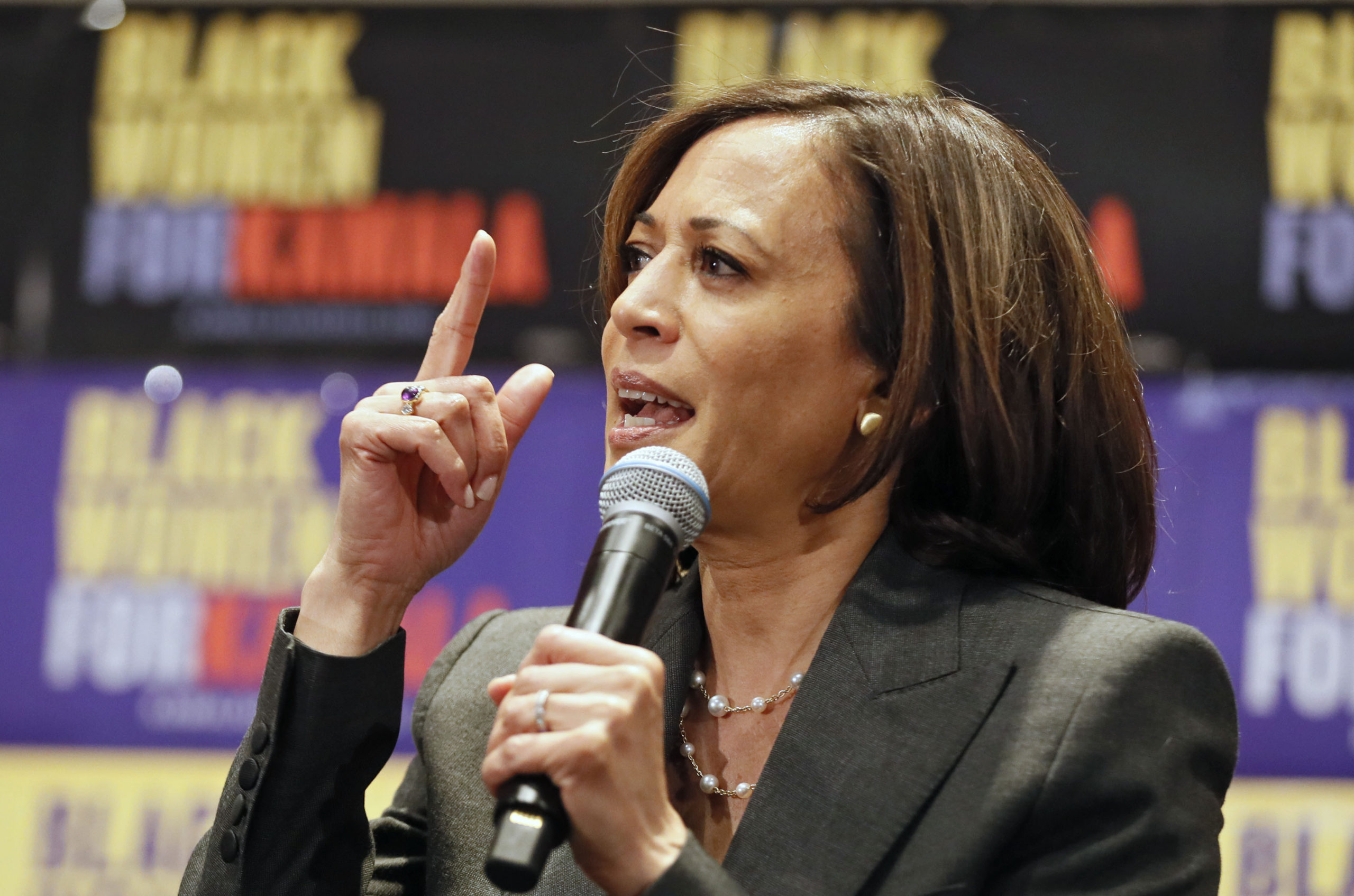
    WASHINGTON (TIP): Democratic vice-presidential candidate Kamala Harris has sought the creation of a national registry of police officers with records of misconduct, amidst the ongoing protest following the shooting of a black man by police officers in Philadelphia earlier this week. Police said Walter Wallace Jr, 27, was wielding a knife and ignored orders to drop the weapon before officers fired shots Monday afternoon. But his parents said that officers knew their son was in a mental health crisis.Responding to a question over the issue after her rallies in Arizona on Wednesday, Harris said she has discussed and supports creating a national registry of police officers with records of misconduct. Harris, 56, also called for creating national standards on use of force, decriminalizing marijuana and expunging the criminal records of people convicted of marijuana offences, according to a report.

    The death of Wallace has triggered protests after the incident.

    About 500 people had gathered at a West Philadelphia park Tuesday night and began marching through the neighborhood, chanting. There were sporadic reports of arrests in other areas.

    Answering further to questions on the protests against police brutality and particularly the killing of Wallace and Democratic presidential candidate Joe Biden’s call for a new commission on policing, Harris said that it is not another commission. “Part of the reason that people are marching in the streets is that there has not been the level of attention, especially recently over the last few years, that is necessary from the president of the United States. And Joe’s committed to that,” she  said.On Friday, Harris is scheduled to travel to Texas, making her the first Democratic vice-presidential nominee in decades to campaign during elections. “We’re talking to people everywhere and there’s no area that’s off limits because people in all these areas have so much at stake in this election,” she said. Harris met with a group of a couple dozen Black community leaders at The Van Buren, a music venue in downtown Phoenix.

    (Source:  PTI)

  • FBI warns ransomware assault threatens US health care system

    FBI warns ransomware assault threatens US health care system

    Assault could lead to data theft and disruption of health care services

    BOSTON (TIP): The FBI and two federal agencies say cyber criminals are unleashing a major ransomware assault against the US healthcare system, according to an AP report. Independent security experts say it has already hobbled at least four US hospitals this month, and could potentially impact hundreds more.In a joint alert, the FBI and two federal agencies say they have credible information of an imminent cybercrime threat to US hospitals and health care providers. They say malicious groups are targeting the sector with ransomware that could lead to data theft and disruption of health care services. The attacks do not appear to have any connection to the US presidential election.

  • Legislator Lafazan, County Executive Curran, LICAB Commemorate National Bullying Prevention Month

    Legislator Lafazan, County Executive Curran, LICAB Commemorate National Bullying Prevention Month

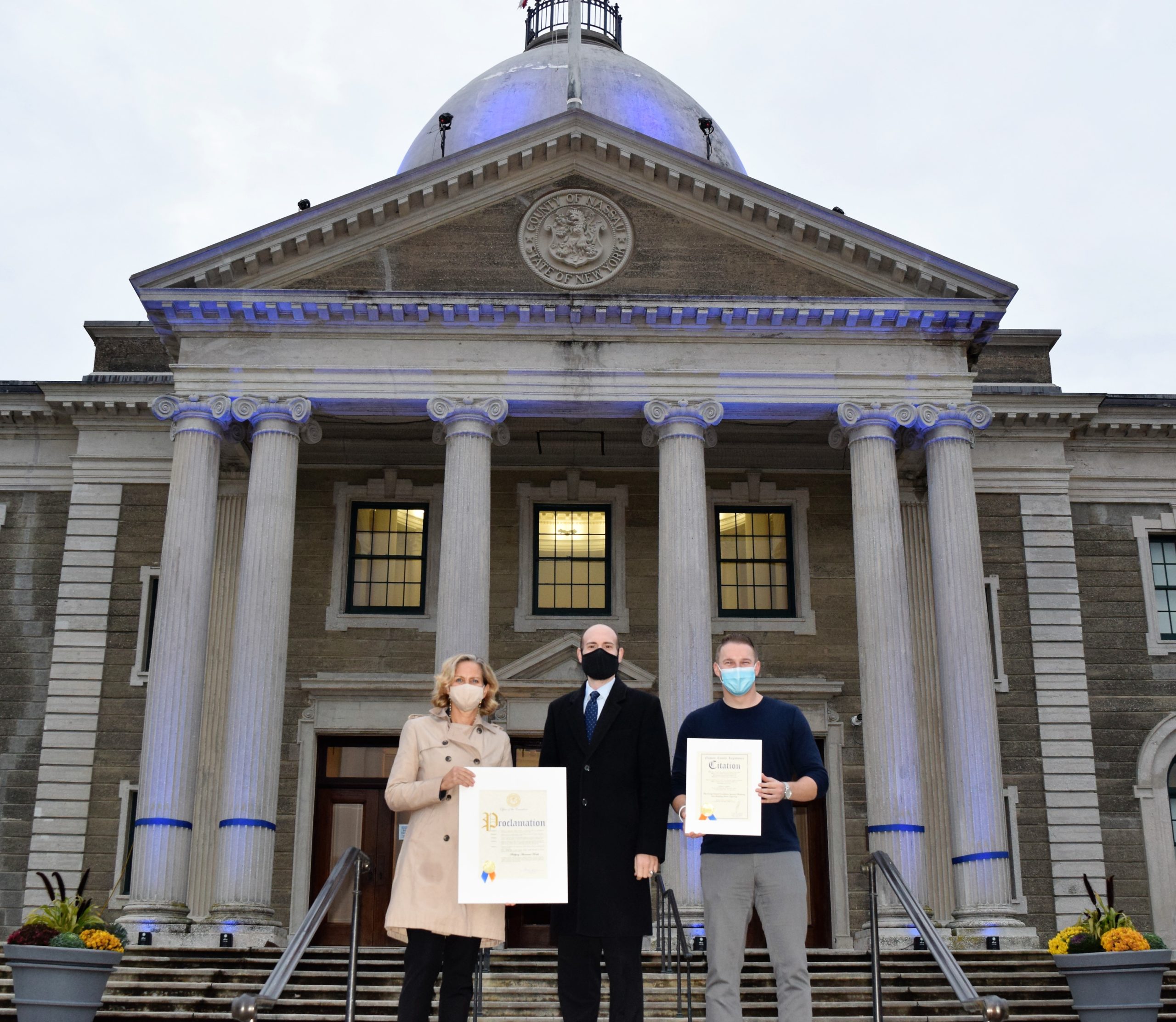
    MINEOLA, NY (TIP):  On Wednesday, Oct. 28, Nassau County Legislator Joshua Lafazan (Woodbury) joined Nassau County Executive Laura Curran (left) and Long Island Coalition Against Bullying Founder & Executive Director Joe Salamone (center) outside the Theodore Roosevelt Executive & Legislative Building to recognize National Bullying Prevention Month by lighting the dome and pillars of the Legislature building.

    “We are so honored to one again commemorate October as Anti-Bullying month across Long Island and especially here in Nassau County with our third annual dome lighting. We thank County Executive Curran and Legislator Lafazan for their continuing support for our children,” Joseph Salamone, Founder and Executive Director of LICAB, said. “While COVID-19 has created many impacts to our students, as it has to all of us throughout this year, one thing it did not do is remove bullying as an issue they face. It is more important than ever to make sure our children have the resources they need to prevent, cope with and overcome bullying.” LICAB and Salamone were key partners in Legislator Lafazan’s successful push in 2018 to launch www.NassauStopBullying.org, the County’s bullying prevention resource website. For additional information and resources, visit http://www.licab.org.

    “We must never lose sight of the fact that, because of the ubiquitous nature of technology and social media in young peoples’ lives, bullies can haunt their victims more readily than ever before,” Legislator Lafazan said. “At a time when the COVID-19 pandemic has acutely enflamed mental health challenges across all age groups, I stand proudly with County Executive Curran and advocates like Joseph Salamone to ensure that no child is allowed to suffer in silence at the hands of a bully.”

  • Queens Borough President Lee’s Initiative to Expand Sexual Assault Nurse Examiners

    Queens Borough President Lee’s Initiative to Expand Sexual Assault Nurse Examiners

    More than Doubles Current 26 SANE Nurses dedicated to Queens

    Adds 10 More Language Proficiencies of SANE Nurses Across 7 Queens Hospitals

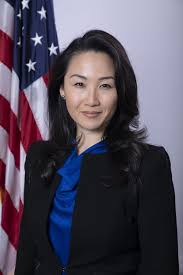
    QUEENS, NY (TIP): Acting Queens Borough President Sharon Lee  announced, October 29,  an initiative to expand the number, language proficiencies and breadth of Sexual Assault Nurse Examiners (SANE) nurses across Queens hospitals. With this initiative to enhance the accessibility of the critical, sensitive care and expertise sexual assault survivors need, there will be at least 54 SANE nurses covering 14 languages across seven of the borough’s nine hospitals by September 2021. “Specialized, sensitive forensic care can make all the difference in the immediate aftermath of rape and/or sexual assault, not just in the ultimate pursuit of justice but in the survivor’s own agency and power,” said Borough President LEE. “It is our intent with this initiative to more than double the number of SANE nurses dedicated to Queens by this time next year, and to especially expand the multi-lingual pool of SANE nurses here in the World’s Borough. Queens thanks our committed partners in this shared mission to enhance the accessibility of this specialized expertise to care for and strengthen the Borough of Families.”

    The initiative will more than double the current 26 specialized SANE nurses — registered nurses specifically trained to provide comprehensive medical forensic care for survivors of sexual assault or abuse — who work exclusively across just four Queens hospitals, only some of whom speak Spanish, Chinese and/or Korean.

    The initiative will further expand the language accessibility of Queens’ SANE nurses by training nurses proficient or fluent in the following languages in addition to English: Arabic, Bengali, Chinese, Greek, Haitian Creole, Hebrew, Hindi, Korean, Nepali, Punjabi, Russian, Spanish, Urdu.

    Read full story at www.theindianpanorama.news

    Borough President Lee’s funding will pay for the specialized SANE training of 15 of the 28 additional certified nurses, who will complete the SANE training by September 2021. The 28 SANE nurses will be trained at either the New York City Alliance Against Sexual Assault or Hofstra University.

     “NYSNA applauds the Queens Borough President’s initiative to fund more nurses to be trained as certified S.A.N.E. (Sexual Assault Nurse Examiner) nurses,” said New York State Nursing Association (NYSNA) Board Member TRACEY KAVANAGH, RN. “Addressing the serious public health issue of sexual violence requires specialized training and expertise. Certified S.A.N.E. nurses are equipped to properly handle the emotional and physical needs of survivors, as well as maintain the integrity of evidence. NYSNA is proud to provide care and support to our community and survivors of abuse and violence.”

    “The New York City Alliance Against Sexual Assault is a leading voice for supporting survivors of sex crimes and preventing sexual violence. Central to its mission is the Alliance’s Sexual Assault Forensic Examiner Training Institute, the largest New York State Department of Health and International Association for Forensic Nurses-certified training program for emergency department and medical professionals in New York State,” said New York City Alliance Against Sexual Assault Director of Intervention Programs SARA ZAIDI. “The 40-hour SAFE training provides nurses with the skills necessary to perform a trauma-informed forensic exam on sexual assault survivors, critical to beginning their healing journey. The Alliance is thrilled to support this initiative; it will enhance the quality of care provided to the Queens’ residents when they come to the Emergency Department in the most unfortunate of circumstances.”

     “We are thrilled that the Queens Borough President’s Office is spearheading the expansion of the SANE program across seven hospitals in Queens, greatly expanding the capacity of these hospitals to provide trauma informed, forensic health services to survivors of sexual violence,” said Mayor’s Office to End Domestic and Gender-Based Violence Commissioner CECILE NOEL. “Survivors need us now more than ever in these extraordinary times. This program expansion is vital to ensuring survivors of sexual violence are treated by well trained nurses who can effectively support and connect them to critically important resources. We look forward to working collaboratively with the Queens Borough President’s Office and the local hospitals to raise awareness about this program expansion and connect survivors to services.”

     “We thank Borough President Sharon Lee for helping NYC Health + Hospitals/Queens expand our efforts to provide competent and compassionate care to the victims of sexual assault,” said NYC Health + Hospitals/Queens Interim Chief Executive Officer DEAN MIHALTSES. “Our highly skilled healthcare professionals are proud to serve some of the most diverse neighborhoods in New York City. The addition of multilingual SANE nurse practitioners will strengthen our hospital’s existing language access services, and augment our overall strategy to eliminate treatment disparities for patients with limited English proficiency.”

    “NYC Health + Hospitals/Elmhurst’s Department of Nursing is excited to participate in the SANE program and expand our hospital’s services for sexual assault victims,” said NYC Health + Hospitals/Elmhurst Chief Nursing Officer JOANN GULL, RN. “We look forward having our Nurse Practitioners trained to do comprehensive forensic sexual assault exams that can lead to better outcomes for patients and the prosecution of offenders.”

     “NYC Health + Hospitals/Elmhurst’s SART program (Sexual Assault Response Team) is proud to collaborate with our Nursing Department to help victims of sexual assault deal with the complex medical, emotional, and legal issues that arise during these cases,” said NYC Health + Hospitals/Elmhurst Emergency Medicine Department Director DR. STUART KESSLER. “Training and integrating Nurse Practitioners into our SART team will further enhance the care we provide to patients in our community who have been sexually assaulted.”

     “We are pleased to partner with the Queens Borough’s President Office on this important initiative for specially trained nurses who meet a critical community need,” said Northwell Health Executive Vice President and Chief Learning Officer and Hofstra/Northwell School of Nursing and Physician Assistant Studies Founding Dean KATHLEEN GALLO, PhD, MBA, RN, FAAN. “Thanks to a federal grant from the US Department of Health and Human Services, Hofstra has already established itself as a leader in SANE education with the state’s first and only university- and health system-based program.”

    “St. John’s Episcopal Hospital is grateful for the Queens Borough President’s consistent support and funding for this much needed certification,” said St. John’s Episcopal Hospital Vice President of External Affairs RENEE HASTICK-MOTES, MPA. “As the only hospital on the Rockaway Peninsula that provides emergency care, this certification will enhance our ability to ensure that we are meeting the needs of every patient who walks through our doors.”

     “NewYork-Presbyterian Queens is proud to partner with the Queens Borough President and our neighboring healthcare providers on this important initiative,” said NewYork-Presbyterian Queens Vice President and Chief Nursing Officer ALAN LEVIN, MSN, MBA, RN, CPHQ, NEA-BC. “This program is another example of our exceptional nurses’ commitment to providing the highest quality and most compassionate care to the people of Queens.”

     “We are so grateful to the Queens Borough President’s Office for supporting our Emergency Department and helping us be more prepared for victims and survivors of sexual assault,” said Mount Sinai Queens Senior Director of Nursing JONATHAN NOVER, MBA, RN. “Our ED has and will always be here to serve our community. Your support is invaluable and it will strengthen our mission.”

     The Mount Sinai Health System currently employs nine SANE nurses and two SANE nurse practitioners, along with other associated medical personnel, who rotate through its facilities, including Mount Sinai Queens, as part of its Sexual Assault and Violence Intervention Program.

  • Zimbabweans turn to sex work amid economic crisis and COVID-19

    Zimbabweans turn to sex work amid economic crisis and COVID-19

    Mutare (Zimbabwe) (TIP): Dressed in a miniskirt and blouse, Esther Kamupunga stood in semi-darkness waiting for men looking for sex — the latest Zimbabwean to lose her job in a deepening economic crisis, worsened by the new coronavirus. When the first COVID-19 case was detected in March, Zimbabwe rapidly went into lockdown, and the 24-year-old single mother and waitress was laid off in the eastern city of Mutare.
    “Life was better until the advent of this coronavirus. Our business came to a standstill due to lockdown … unfortunately I was one of the people who were retrenched,” she said, shielding her face from passing car headlights. “I have two children. I could not watch them going to bed without eating anything. I had no option but to follow some friends to this shopping centre,” she told the Thomson Reuters Foundation, declining to publish her real name.
    The southern African nation is experiencing its worst economic crisis in a decade, with crippling hyperinflation, unemployment, strikes by public workers and shortages of food, medicine and foreign currency.
    Sex workers and charities providing them with health care services said the number of women selling sex has increased, particularly young girls facing hunger at home.
    “We have a lot of cases coming to us of girls who were now engaged in transactional sex because of the increase in the household poverty,” said Beatrice Savadye, director of Roots Africa, a local charity supporting young people.
    Savadye said she received 350 reports of children having sex in exchange for money or gifts from March to June — double the previous year — in Mazowe, a mining town 40 km north of Harare. Her charity has been giving food parcels to hungry families. Ordinary Zimbabweans say life is difficult, with inflation above 700%, rocketing prices for basic goods, electricity and petrol, and lagging salaries – prompting teachers to refuse to return to work without a pay rise last month. “Hunger drives us into sex trade,” said Hazel Zemura, who has sold sex for a decade and works for Women Against All Forms of Discrimination, which runs health programmes for sex workers.
    (Thomson Reuters Foundation)

  • Activists converge on Warsaw for ‘biggest’ protests against abortion ruling

    Activists converge on Warsaw for ‘biggest’ protests against abortion ruling

    Warsaw (TIP): Protesters converged on Warsaw from across Poland on October 30 for what police said would likely be the biggest demonstrations yet against a court ruling that amounted to a near-total ban on abortion.
    Tens of thousands of activists have mounted daily rallies, marching through cities and disrupting church services in the predominantly Catholic country since last week’s Constitutional Court decision.
    “We expect these to be the biggest protests since the verdict,” Warsaw police spokesman Sylwester Marczak said, adding: “Considering how big they can be, we always use the support of the police from other garrisons.”
    Military police began erecting barriers near the parliament and in other parts of the capital.
    Protest group Strajk Kobiet (Women’s Strike) said on its Facebook page demonstrators would gather in three locations in the city centre from 1600 GMT. The movement’s leader, Marta Lempart, told activists to report any attacks and to resist any attempt to prosecute or fine them for taking part. “We are doing nothing wrong by protesting and going out on the streets,” she told a news conference.
    Prime Minister Mateusz Morawiecki said this week the rallies could help the coronavirus to spread. Last week the government banned gatherings of more than five people, saying it was part of its efforts against COVID-19.
    Demonstrations, mostly peaceful, have turned into an outpouring of anger against the ruling nationalist Law and Justice (PiS) party, with protesters blaming it and the powerful Roman Catholic Church for the ruling.
    FIVE CHARGED
    Five women have been charged with organising an illegal protest in the town of Police, where some 850 people gathered on Thursday, regional police spokeswoman Alicja Sledziona said on Friday.
    The court decision on Thursday last week outlawed abortions due to foetal defects, ending the most common of the few legal grounds left for abortion in Poland and setting the country further apart from the European mainstream.
    After it goes into effect, women will only be able to terminate a pregnancy legally in the case of rape, incest or a threat to their health.
    The Catholic Church has said that while it opposes abortion, it did not push the government or the court to increase restrictions. It called for people to talk and refrain from violence this week, but declined to comment further on Friday. Catholic anti-abortion group Ordo Iuris on Friday reiterated its support for the court ruling and opposition to the protesters, and called for calm. “As an institute, we must condemn any violence, no matter in which way it is perpetrated. Nothing justifies hurting another person even in the face of such social unrest,” spokesman Maciej Grajewski said. On Friday, the number of daily new infections in Poland hit an all-time high of 21,629. The overall death toll rose to 5,351. Reuters

  • Spain PM appeals for public unity, sacrifice in virus fight

    Spain PM appeals for public unity, sacrifice in virus fight

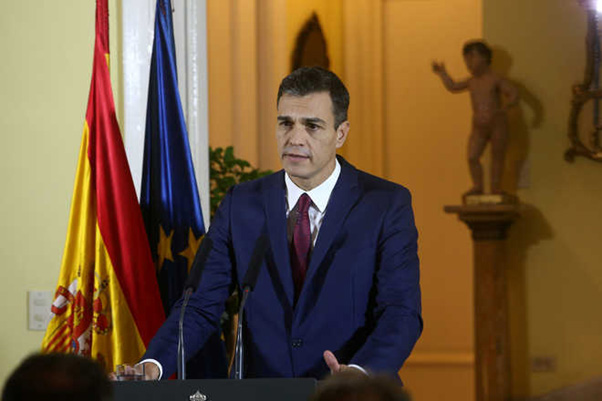
    Madrid (TIP): Prime Minster Pedro Sánchez appealed Friday for Spaniards to pull together and defeat the new coronavirus, warning: “The situation is serious.”
    Sánchez, in a televised address to the nation, acknowledged public fatigue with restrictions to contain the spread of COVID-19. But he added: “We have to step up the fight,” with more limits on people’s movement that will demand more sacrifices. Spain this week became the first European country to surpass 1 million officially recorded COVID-19 cases. Sánchez admitted, though, that the true figure could be more than 3 million, due to gaps in testing and other reasons. The current pressure on the health system, including hospitalisations, is not as acute as it was in the spring, he said. Even so, he asked for the public’s cooperation, discipline and unity during the winter months which, he said, “will be very hard”. “We have a long road to travel,” he said, to get the pandemic under control.
    Spain on Friday reported almost 20,000 new cases and 231 more deaths, taking the country’s death toll in the pandemic to 34,752. Political jockeying over pandemic measures, however, has muddled Spain’s strategy and made it at times difficult for the national government and the country’s 19 regional governments to coordinate measures.
    The latest spat is over whether to introduce curfews, as other European countries have done.
    The Spanish government is demanding cross-party agreement before possibly declaring a state of emergency amid the resurgence of the new coronavirus.
    A state of emergency can be declared only by the national government and is a necessary first legal step for authorities to impose curfews on COVID-19 hot spots. But it is also a politically sensitive move which brought criticism of the government for being heavy-handed when it was previously used to help fight the pandemic.
    Four Spanish regions formally asked the government Friday to declare a state of emergency.
    Health Minister Salvador Illa said the government is still assessing the need for night-time curfews. Young people’s street parties after dark are blamed as a major source of new infections.
    Illa said night-time curfews are a “very important,” step but the government wants “very clear” political support for the measure. Regional governments, meanwhile, are imposing their own piecemeal restrictions.
    The Madrid region on Friday banned social gatherings, except within a household, between midnight and 6 am.. Restaurants, cinemas, parks and student residences must also close at midnight. AP

  • “The UN: if it doesn’t exist, we would have to invent it”

    “The UN: if it doesn’t exist, we would have to invent it”

    By George Abraham

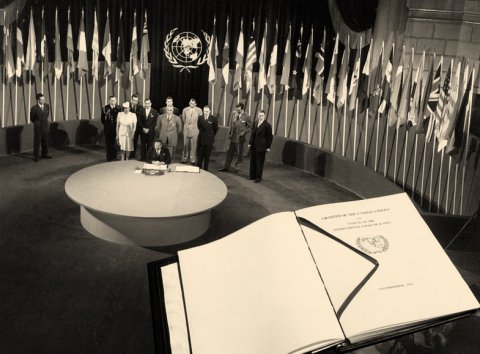
    Here is a special article on the occasion of the diamond jubilee of the United Nations. The United Nations officially came into existence on 24th October 1945 when the Charter was ratified by China, France, the Soviet Union, the United Kingdom, the United States of America , and a majority of other signatories.

    George Abraham who has had a long association with the United Nations underscores the relevance of the world body  in the past, in the present, and in the future. -EDITOR

    Today, thousands of Indian citizens are employed by the United Nations around the world. The Asian Headquarters for the World Health Organization is located in New Delhi. UNICEF is highly active in India, helping Children in responding to emergencies and providing them essentials to survive. India’s own contribution to the regular budget assessment is less than half of what the Netherlands pays. Therefore, all the casual talk about getting out of the UN from certain circles are not only ludicrous but a disservice to the people of India.

    Peace, dignity and equality on a healthy planet.
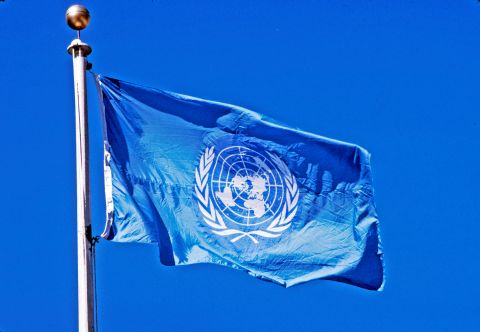
    The San Francisco Conference: Egypt signs the UN Charter. A facsimile copy of the Charter is superimposed on the photo. The Charter of the United Nations was signed on 26 June 1945, in San Francisco, at the conclusion of the United Nations Conference on International Organization, and came into force on 24 October 1945. Preamble to the UN Charter was read out by Sir Lawrence Olivier. Photo / Courtesy UN

    “The International Community must ask if the UN is still relevant 75 years after its founding”, said Prime Minister Narendra Modi addressing the General Assembly in a virtual conference in its 75th session. He demanded that a UN reform is the need of the hour and questioned whether the Organization has been effective in tackling Covid-19. Some commentators even went further to say that India should get out of the UN, and it no longer serves any purpose. Sir Brian Urquhart, a former Under-Secretary-General of the United Nations with special responsibility for peacekeeping operations, once quoted as saying, “to be called irrelevant is, I suppose, the most biting insult you can possibly give to anything, a person or an institution, and it’s been used quite a bit about the UN. But it is still here. And for better or worse, I think that its demise is somewhat unlikely, certainly in the near future”.

    It again shows the United Nations’ predicament, where it is a challenging job to get everybody to agree on any single issue. If we look back at history, the United Nations was founded in 1945 to save the succeeding generations from the scourge of another war just as the world was emerging out of World war II. It is also important to remember that the UN Charter and the UN’s whole concept was the brainchild of Franklin D. Roosevelt. The assumption then was that the Allies who were on the way to victory then would continue to observe the peace and, if necessary, enforce it.

    The World war has led to the cold war between the United States and the Soviet Union, resulting in proxies fighting all over the globe. However, the United Nations may still take consolation because it has succeeded in thwarting a large-scale war between nuclear-armed superpowers. Moreover, in the Cold war era, peacekeeping became a strategic tool in the UN’s hands in containing regional conflicts in places like the Middle East, Kashmir, Cyprus, Congo, Sudan, and so forth.

    The critics are often eager to paint a negative view of the UN primarily because of its failures on the political front. However, if one closely examines the structure of the Security Council, the most important organ of the United Nations, it still reflects the status quo in the immediate aftermath of World War II.  It is almost as if it was built to fail. All permanent members of the Security Council have one time, or another misused their right to veto in preventing a potential solution to a crisis and often leaving the UN remain largely paralyzed with expanding rifts and mounting tensions. Although the challenge is to shake up the Council’s structure, most governments continue to pay lip service to the need for reform, and the public seems to direct their fire and fury at the Organization.

    There is great merit to the argument that Security Council is woefully ill-prepared to deal with the contemporary challenges, and the chamber should accommodate countries like India, Germany, Japan, and Brazil with or without veto powers. However, it is a tall order that would require two-thirds of the votes in the General Assembly and the endorsement of all five permanent members. The growing ideological division among council members in dealing with sanction regimes or protracted regional conflicts may not give any ray of hope that the status-quo may change anytime soon. Nevertheless, it provides an excellent forum for the global community to air their grievances and let off steam.

    Apart from the political front, the United Nations and its Specialized Agencies have done a phenomenal job, especially in the Social and Economic arena. Having worked for the Organization on two different continents, I have had the opportunity to view the UN activities from a front-row seat. UN personnel have been directly involved as advisors and technical experts in many projects in many developing countries, especially in Africa. I have witnessed some of those valuable contributions from dedicated civil servants around the world, often under very trying conditions, working with the local officials, whether in the areas of food security, land use planning, deforestation, water, sanitation, or preventive medicine.  Of course, these efforts may not make headlines anywhere but have made an incredible difference in the daily lives of those ordinary folks who live in some of the remotest parts of the world.

    India played a seminal role in the early history of the United Nations. Although not part of the Security Council, India focused its attention on the General Assembly and worked with the newly independent nations in Asia and Africa on decolonization and socio-economic development. India may have a lot to do with the Organization’s evolution from a security-driven one to a developmental and promotional body.

    India was also one of the leaders that led the campaign against Apartheid resulting in the General Assembly adopting a resolution against racial discrimination in South Africa. Sanctions were also imposed on South Africa and Rhodesia (now, Zimbabwe) as part of the continuing opposition to Apartheid, and India played a significant role in that effort. India was also at the forefront in advocating reforms for the global economic order and was instrumental in setting up the UNCTAD to provide developmental assistance to developing countries.

    India is a major contributor to the UN’s peacekeeping efforts across the globe. As per the 2019 data, it has provided about 240,000 personnel in 49 of the 71 peacekeeping operations. Currently, Indian Military personnel is participating in 9 out of 14 peacekeeping missions. More than 160 Indian peacekeepers have paid the ultimate price in service to peace, losing lives serving under the UN flag.

    UN  is also known for its work on behalf of democracy and human rights.  With so much pride, India can remember that it has contributed significantly to the Universal Declaration of Human Rights content. Indian leadership – represented by Indian National Congress – articulated its concern for human rights and called upon the world body to learn from the coalescing of ideas and vision learned from India’s freedom struggle and urged for peoples’ self-determination everywhere.

    India truly deserves to be in the Security Council, given the demographics and its rising economic might. However, it is worth remembering that India has influenced and changed the UN’s trajectory from a security organ to a developmental body and has been a trailblazer for emerging nations towards a path forward in freedom and self-sufficiency. It was all done without having a seat at the Security Council.

    Today, thousands of Indian citizens are employed by the United Nations around the world. The Asian Headquarters for the World Health Organization is located in New Delhi. UNICEF is highly active in India, helping Children in responding to emergencies and providing them essentials to survive. India’s own contribution to the regular budget assessment is less than half of what the Netherlands pays. Therefore, all the casual talk about getting out of the UN from certain circles are not only ludicrous but a disservice to the people of India. “The UN: if it doesn’t exist, we would have to invent it.”

     (The author is a former Chief Technology Officer of the United Nations)

  • NJSO MEETS BOLLYWOOD: In The Comfort of Your Home

    NJSO MEETS BOLLYWOOD: In The Comfort of Your Home

    By Mabel Pais

    NJSO Musicians playing Bollywood tunes Photo/Courtesy NJSO

    “The Spectacular Bollywood,” October 24, 2020, 7 PM EDT
    “Best of Bollywood,” November 6, 2020, 7 PM EDT

    Join the New Jersey Symphony Orchestra (NJSO) String Quartet for a pair of virtual musical journeys inspired by Bollywood, the Hindi-language Indian film industry. The Oct 24 concert is presented by New Jersey City University (NJCU) and the Nov 6 performance is presented by Metuchen Arts Council (MAC).

    Explore historical influences on the growth of Bollywood and hear insights into signature music and lyrics of the genre. Listen for themes from the Oscar-winning movie Slumdog Millionaire! This interactive virtual event will include a Q&A with NJSO musicians. The program explores historical influences on the growth of Bollywood and offers insights into signature music and lyrics of the genre. Famed works include themes from the Oscar-winning movie “Slumdog Millionaire”.

    These interactive virtual events—co-hosted by Archana Athalye and James Musto—will include a Q&A with NJSO musicians. The programs feature NJSO violinists Wendy Chen and James Tsao, violist David Blinn, cellist Sarah Seiver and percussionist James Musto.

    Both online events are free. Registration is required; audiences can register at www.njsymphony.org/neighborhood

    Tickets

    The Orchestra’s online hub for free NJSO Virtual 20–21 content is njsymphony.org/virtual

    Tickets for paid events are available via phone at 1.800.ALLEGRO (255.3476) or at njsymphony.org

    NJSO LAUNCHES 20–21 VIRTUAL EXPERIENCES

    The NJSO announces NJSO Virtual 20–21, a season of free digital experiences, from broadcasts of virtual orchestral concerts led by Music Director Xian Zhang at NJPAC to solo and chamber performances in iconic New Jersey locations to collaborations with fellow New Jersey arts organizations. Season launch highlights include the world premiere of a new commission by Daniel Bernard Roumain and a virtual event with Newark community leaders for the release of selections from Michael Raphael’s “Emmett Till” oratorio with Trilogy: An Opera Company, facilitated by Trilogy founder and bass Kevin Maynor.

    The Orchestra celebrates the launch of NJSO Virtual 20–21 with an at-home performance of the finale of Beethoven’s Fifth Symphony, with music director Zhang conducting from home. The video premieres on October 29 on the NJSO’s YouTube and social channels and at njsymphony.org

    Connect with NJSO:
    Website: njsymphony.org
    Facebook, Twitter and Instagram: @NJSymphony
    YouTube: @NewJerseySymphony
    Email: information@njsymphony.org

    WIPA OFFERINGS…..

    NJYS Masterclass & Webinar-Participants Photo/Courtesy WIPA/NJYS

    NJYS 2020-21 FOCUS: FREE DIGITAL COLLABS

    While in-person teaching remains critical and an important component of all of our education programs, the online environment is also creating new opportunities that definitely will expand the footprint of all of our offerings. – Peter H. Gistelinck, Exec. Dir – NJYS 

    The New Jersey Youth Symphony (NJYS) opens its 2020-21 season with a wealth of digital programming for its existing community and beyond, featuring guest artists who are not only excellent musicians but also important voices surrounding the role of the arts as a unifying force.

    The NJYS, a program of the Wharton Institute for the Performing Arts (WIPA), will open the 2020-21 season with new and compelling online education programs that include 15 master classes and 12 webinars with world-renowned guest artists and educators.

    With a hybrid schedule of both online and socially distant outdoor rehearsals, students will also participate in over 30 online classes weekly ranging from music theory, composition, and ear training to jazz history, video editing, how to improve sight-reading skills, and fiddling in an unprecedented elevation of both the quantity and breadth of educational programming. Following the U.S. Youth Orchestras eFestival on September 20 with fellow programs from Chicago, Hawaii, Los Angeles, and Texas, live performances at venues around the state of New Jersey will be replaced with a digital format that has opened new doors of artistic collaborations for the NJYS, now in its 42nd season. “Recordings of the young musicians’ solo performances at home will be compiled into a digital concert and sent to nursing homes and assisted living facilities for residents to enjoy as a calming respite during this time of social distancing,” said Helen H. Cha-Pyo, Artistic Director & Principal Conductor. The Monday Master Class Series launches this fall and imbues the essence of the NJYS’s originally scheduled season, including artists, genres, and diversity, and offers its students a rare touchpoint with professional symphony orchestra musicians and leaders in today’s world of performing arts education. The digital series, expanding the limits of what would have been possible to present in person due to the cost and logistics, features a wide variety of acclaimed instrumentalists. The series kicked off on September 14 with newly appointed Oberlin Conservatory faculty member and French hornist Jeffrey Scott and includes Cleveland Orchestra Principal Clarinet Afendi Yusuf on November 2, the New Jersey Symphony Orchestra (NJSO) Principal Bass Ha Young Jung on November 9, and Seattle Symphony Principal Flute Demarre McGill on December 7, as well as instructors from The Juilliard School, University of Massachusetts, and Jazz at Lincoln Center. The Monday Master Class Series takes place weekly from 7:00-8:15 p.m. EST through December 14. Viewing for this online series is free via Zoom.

    Friday Webinars at Wharton Arts is a series dedicated to making authentic connections between art and life through the sharing of stories, expertise, and creations by guest artists of varied disciplines. Friday Webinars at Wharton Arts take place weekly from 7:00-8:00 p.m. EST through December 11. Viewing for this online series is free via Zoom or on WhartonArts.tv.

    For more information on the Monday Master Class Series and Friday Webinars at NJYS as well as the full line-up of guest artists, visit NJYS.org.

    To learn more about NJYS, visit NJYS.org. To learn more about WIPA, visit WIPA.org

    NJYS – FREE OUTDOOR CONCERT

    NJYS Outdoor Community Concert Photo / Courtesy WIPA/NJYS

    For the past seven months, the pandemic has prevented us from performing together in-person. We are thrilled to have the opportunity to share live music with our community here in New Providence,said Helen H. Cha-Pyo.

    The (NJYS), a program of the WIPA, presents a free outdoor community concert on Sunday, October 25 at 3:00 p.m. The concert will take place at the New Providence Centennial Park located on Academy Street in New Providence. Performances by the NJYS Youth Symphony Brass and Percussion, Youth Orchestra Brass, Youth Symphony Winds, NJYS CL4tet, NJYS Percussion Quartet, and NJYS Mingus Jazz Combo will bring a message of hope to the community through the sounds of young musicians performing works by Joan Tower, Valerie Coleman, Charlie Parker, George Gershwin, and Aaron Copland, among others. The ensemble directors are Mesia Austin, Julius Tolentino, and Bryan Rudderow. The live concert will be conducted by Artistic Director and Principal Conductor Helen H. Cha-Pyo. For more information about the outdoor community concert, visit NJYS.org.

    PMP HOSTS ‘BUILDING HARMONY’ BREAKFAST

    The Paterson Music Project (PMP), a program of the Wharton Institute for the Performing Arts (WIPA), hosts the 2020 Building Harmony Breakfast on Thursday, October 29 at 10:00 a.m. EST via Zoom. This free, one-hour virtual fundraising breakfast to benefit PMP will help provide over 250 students with instrumental music in grades 1 – 10 across the city of Paterson.

    The virtual gathering will bring together local business leaders, elected officials, and civic and community leaders and culminate with performances by PMP students as well as a new video showcasing the program’s tremendous growth and imprint on the community since its inception in 2013. The event hopes to raise nearly $200,000 in donations and pledges to sustain the after-school music program over the next five years.

    The event is FREE and open to the public. For more information and to register for the event, visit PatersonMusicProject.org

    (Mabel Pais writes on The Arts and Entertainment, Social Issues, Spirituality, and Health & Wellness)


  • India’s Covid-19 tally rises to 7.37 million; recoveries at 6.4 million

    India’s Covid-19 tally rises to 7.37 million; recoveries at 6.4 million

    New Delhi (TIP): With 63,371 fresh cases of the coronavirus disease (Covid-19) and 895 related deaths in the past 24 hours, India’s tally went up to 7,370,468, rising by more than 100,000 since the beginning of this month, according to the Union health ministry on Friday, October 16. India has been reporting around 66,000 new Covid-19 cases daily since October 12 and even witnessed 55,342 infections on October 13, official data shows. Deaths have also been fewer with 816 succumbing to the viral disease on October 12 and 680 fatalities on Thursday. The number of deaths have been sustained below the 1,000 mark since the last 17 days.

    The health ministry said on Friday that the country continues to have one of the lowest deaths per million population due to the coronavirus disease compared to other countries across the world. It also said that at least 22 states and Union territories have lower deaths per million population than the national average, which is currently at 80. “Some States/UTs are performing better and reporting much lower deaths/million population than the national average,” the ministry posted on Twitter.

    There are 804,528 active cases of the coronavirus disease and the death toll in the country, which is the second worst-hit in the world, has gone up to 112,161, the health ministry’s dashboard showed at 8am. There have been 6,453,779 recoveries so far with 70,338 people cured of the respiratory disease in the last 24 hours. This has taken the national recovery rate to 87.56%.

    “India is reporting a progressively high increase in the recoveries and a persistent decline in the percentage of active cases. As a result, the doubling time of the infection has sharply improved. It is now almost 73 days (72.8 days). This indicates a substantial fall in the daily New Cases and the consequent increase in time taken to double the Total Cases,” the health ministry said.

  • Beware of the consequences of disregarding recommendations of health experts

    Beware of the consequences of disregarding recommendations of health experts

    Prof. Indrajit Saluja

    Politicians all over the world, by and large, are guided by similar lust for power. For them, all is fair in love and war. Their standards of morality are grounded deep in immorality. Of course, there are exceptions. Once in a while, you see a politician who is unlike his breed. He is not a politician. He is a visionary. He is a philosopher. He is a saint.

    For the traditional politician, to grab power, to hold on to power, and to stay on in power, by hook or by crook is his most pious duty. He is not the one to ever doubt his ability to continue to wield power. In a democracy, power flows from the people, and he knows well how to influence them and get their support and vote.

    Thus, a Trump is ready to risk the lives of his blind faithfuls at his rallies where  he declares his defiance to the threat of the deadly Coronavirus, encourages them to insult the wisdom of the health experts who recommend certain precautions to keep the virus away. The health experts recommend covering of face in public, but the President of the country would tell the rallyists by his example of not wearing a mask, that face covering is not required, and that the idea of  social distancing is  a stupid one. And his cronies join him in propagating the hoax.

    We know for certain that many who attended the Trump rallies suffered the consequences. They got infected. Many of them may have recovered, but many of them may still be fighting for survival. Innocent people fall a prey to the machinations of vile politicians; we have known it for long.

    Take a cue from a former Governor of New Jersey Chris Christie who until the other day  was mixing around in the Rose Garden in White House, without a face covering. He  realized, after he got infected, that health experts are right, and that their recommendations are for the protection of the people,  and has now recommended that the guidelines issued by CDC be followed.

    I will expect people like Chris Christie to take upon themselves to educate Americans of the dangerous consequences of disregarding the recommendations of health experts to protect themselves from the deadly virus which has already claimed more than 215,000 precious American lives, and struck more than a million, and is still raging all over America, threatening to bring more misery in the approaching winter season.

    Stay safe. Stay healthy. Stay blessed.


  • The U.S.-India health-care partnership will be crucial in the battle against the coronavirus

    The U.S.-India health-care partnership will be crucial in the battle against the coronavirus


    Picture / courtesy freedigitalphotos.net

    The India-U.S. partnership in medical research has been complemented by the strength of our cooperation in pharmaceuticals. India’s capabilities in R&D and in manufacturing have made its pharmaceutical sector the world’s third largest by volume.


    As both India and the United States combat a pandemic of unprecedented scale, we have drawn upon the strength of our long-standing health-care ties to help us better understand the novel coronavirus and find workable solutions.

    In India, the government and the private sector have worked together to ensure the integrity of medical supply chains, and essential medicines from India have continued to reach the United States and some 150 partner countries. But more urgently, the India-U.S. cooperation is proving crucial to confront health challenges posed by the pandemic, including future vaccine development and distribution.

    From therapeutics to diagnostics, the medical supply industry in India has ramped up production to meet domestic needs and also respond, where feasible, to global needs. Prime Minister Narendra Modi took the initiative of bringing together leaders of the South Asian Association for Regional Cooperation (SAARC) to deliberate on collaborative efforts to combat the disease, including establishing a SAARC Emergency Response Fund.

    And as we move toward an effective vaccine for the novel coronavirus, India’s research laboratories and manufacturing facilities — which produce more than 60 percent of the world’s vaccines in a normal year — are integral to the effort. There are at least four ongoing vaccine development programs between Indian and U.S. firms and research institutions.

    Over the years, scientific cooperation has become a critical element of India’s expanding strategic ties with the United States. Last year India and the United States signed an agreement to promote scientific exchanges, cooperative research projects and the establishment of innovative public-private partnerships. U.S.-India scientific collaborations have expanded in fields ranging from health and energy to earth and ocean sciences, and from space to agriculture. Such collaborations have fostered innovation, empowered industry and economic growth.

    Further, under the bilateral Health Dialogue that commenced in 2015, supported by private-sector engagements, India’s partnership with the United States in the health sector has yielded significant results on a global scale. The collaboration under the Vaccine Action Program resulted in the development of the ROTAVAC vaccine against the rotavirus, which causes severe diarrhea in children. The rollout of an affordable vaccine by an Indian company has enabled its use in several developing countries. This success stands as a true testament to the benefits of the India-U.S. partnership for the greater good of humanity. Today there are more than 200 active collaborations between the U.S. National Institutes of Health network of labs and leading research agencies in India, all focused on delivering affordable health-care solutions.

    The India-U.S. partnership in medical research has been complemented by the strength of our cooperation in pharmaceuticals. India’s capabilities in R&D and in manufacturing have made its pharmaceutical sector the world’s third largest by volume. These strengths have been bolstered by government incentives to encourage investments in the manufacture of active pharmaceutical ingredients. Indian generic drugs have found a ready market across the globe, with Indian firms supplying about 40 percent of generic formulations marketed in the United States. This has allowed American health-care consumers to save billions and enjoy enhanced access to quality medicines. The pharmaceutical sector has also been a significant job creator in the United States, with Indian firms investing billions to establish manufacturing facilities in different states in this country.

    When the coronavirus outbreak began, the network of existing collaborations between our countries sprang into action. Using the platform of the India-U.S. Science and Technology Forum, an initiative led by both governments, calls were put out to support joint research and incubate start-up engagements. The initiative was directed at developing technologies for the containment and management of the novel coronavirus, including diagnostics and therapeutics.

    As a country we are committed to increasing health-care spending to 2.5 percent of gross domestic product by 2025. Regulatory reforms, policy actions and investment incentives are imparting fresh dynamism to health care in India. Ayushman Bharat, the National Health Protection Mission, is the world’s largest such public-funded program. The pandemic has also not stopped India from undertaking bold initiatives. The recently launched National Digital Health Mission will facilitate the creation of a virtuous health ecosystem, expanding access for hitherto underserved populations. All this opens up immense opportunities for expanding the India-U.S. health-care partnership.

    Meanwhile, we continue to combat the virus at home. While the number of coronavirus cases in India has surpassed 3 million, we are encouraged that the recovery rate is also significantly high, at more than 70 percent, and the case fatality rate is below 2 percent. India’s health-care providers, comprising 1 million mostly female workers, have also risen to the challenge and have been active at the clinical, treatment and grass-roots levels, playing an essential role in pandemic control.

    The current pandemic has made it clear that ensuring affordable and timely access to health care is a priority for all. It has emphasized the need to diversify health supply chains and foster new international partnerships for global health safety. India is well positioned to offer a reliable alternative, with its strengths in manufacturing and innovation, and with its skilled workforce. As societies that respect innovation, India and the United States can do much to provide solutions to the novel coronavirus pandemic and to build a healthier, safer world beyond.

    (The author is India’s Ambassador to the United States)

  • The GITCC  in association with Consulate General of India,  New York  organizes 2nd edition of  the Webinar Series “Augmenting US India Trade Relations – 2020”

    The GITCC in association with Consulate General of India, New York organizes 2nd edition of the Webinar Series “Augmenting US India Trade Relations – 2020”

    NEW YORK (TIP): The Global Indian Trade and Cultural Council in association with the Consulate General of India,  New York organized  the second webinar in the series “Augmenting US India Trade Relations – 2020” on July 1.

    Welcoming the panelists, Mr. H.S. Panaser, President  of  The Global Indian Trade and Cultural Council said, “US strategic and trade affairs experts feel that US and India will be key to future production of medical supplies and pharmaceuticals not only to fight Covid-19 crisis but long thereafter.

    “In the United States, every seventh American is seen by an Indian doctor, which will soon be 6:1, signifying the contribution of the diaspora in the American healthcare system. Today, as the world fights the corona pandemic and the US becomes its worst victim, with over 100,000 deaths and counting, health diplomacy has emerged as the new unifier for the two democracies and the driver for an intense partnership promising a big relief to the world with a timely vaccine against the coronavirus.

    “Global Indian Trade and Cultural Council” wants to accelerate and promote US India Relation in Healthcare industry. We are helping in FDI, collaborations, mergers and technology transfers and researchers and students exchange programs. The US has already identified Indian pharmaceutical companies as one of the partners for mass productions to meet global demands. We were privileged to have CFO of Bharat Biotech Mr. T Srinivas in our first Webinar and you will find another Executive who are launching a Covid vaccine

    Panelists included Devi Prasad Misra, Consul (Trade, Education and Commerce), Dr. Subroto Chatterjee, Dr. H. G. Koshia, Mr. Suresh Khanna,  Mr.Roopesh Bhargava, Mr. Anand Krishnamurthy, : Mr. Gary Pasricha, Mr. Ajit Chawla,  Prof. Indrajit S Saluja, and Mr. H.S. Panaser

    Mr. Devi Prasad Misra

    Mr. Devi Prasad Misra, Consul Trade, Education and Commerce at the Indian Consulate in New York participated briefly.

    Dr. Subroto Chatterjee

    Dr. Subroto Chatterjee  is a Professor of Pediatrics and medicine in the division of Cardiology at the Johns Hopkins University School of a Medicine. His expertise is in the area of heart disease and inflammation. He has published over 200 papers book chapters. And has received international and national awards for his discoveries and patents. He serves as a thought leader to Merck, Novartis and has founded several Biotech companies

    Prof Chatterjee  said,  “Studies show that inflammation is the underlying factor among others contributing to excessive morbidity and mortality in COVID-19 patients. And this pathology is attributable to the release of cytokines subsequent to the binding of the virus to the angiotensin-2 receptors in white cells circulating in the blood. One of these cytokines ,known as interleukin-6(IL-6) bind to cells in the blood vessels -further amplifying the release of cytokines causing multi-organ failure and death. Immunotherapy using antibody against IL-6 /IL-6 receptors has shown promise with delayed viral clearance and markedly improved recovery from infection and reduced hospitalization time.”

    Dr. H. G. Koshia

    Dr. H. G. Koshia  is working as Commissioner at Food & Drugs Control Administration (FDCA), Gujarat, INDIA since January 2009. Notified as Commissioner of Food Safety of the Gujarat State from 5th August 2011. Diverse experience of 33 years in regulatory affairs working in government and industry. Leading a cross-functional team of 1465 diverse regulatory experts to implement; enforce applicable regulation to regulate 4697 drug manufacturers and 39865 sales units in Gujarat.

    Hemant  said,  “The crisis has faded many boundaries and brought people and countries together to stand united against the fight! More so true when it comes to the pharmaceutical industry – India has stood as a strong partner and friend with many countries including the US and fulfilled the duty of ‘Pharmacy of the World’. I see tremendous avenues of US-India continued partnership in biomedical & pharmaceutical research and strengthen our regulatory & scientific relationship further. Exchange of knowledge, technology, science, and talent are few to name.” 

    Mr. Suresh Khanna

    Mr. Suresh Khanna, Engineer by education, was Founder Chairman of M/s.Stabicon Life Sciences Pvt. Ltd. A Contract Research & Development Organization and Designated Partner of M/s. Dossiers Solutions Services LLP, a leading Regulatory Affairs Company. He is a Business Advisor and Member of the Boards of a few companies in both India and abroad. Currently he is a Steering Committee Member of KDPMA, Chairman of Pharma Training Institute and Permanent Trustee of Karnataka Pharmaceutical Trust (KPT), a not for profit Organization, engaged in the upliftment of Pharmacy Education in India.

    Mr Suresh Khanna said “India stated that India has a huge potential for providing Pharma Services which people generally don’t talk about. India has very experienced and qualified pool of professionals who can assist in Formulation Product Development, Compiling Product Dossiers/API DMF’s for registration in markets worldwide, SOP Writing, Clinical/BE studies & Clinical Data Management, Validation protocols, setting up Pharmacovigilance Call etc.  at a very competitive cost. These costs will be affordable by many small and medium Centers scale companies in USA, thereby making them more competitive commercially worldwide. These services are akin to services provided successfully by Indian software Industry worldwide.”

    Mr. Roopesh Bhargava

    Mr. Roopesh Bhargava is an Experienced in leading and growing all sectors of a business (Pharmaceuticals/ Nutraceuticals/ Vaccines) for the last three decades with Proven Credentials. He has served Companies like Sanofi as Senior Director / Besins Healthcare as Managing Director and Bharat Serums & Vaccines as Chief Operating officer till very recently .He has the experience of having Worked in Greater India, China and US markets. Currently, he is a consultant to the Pharmaceutical Companies to make it dynamic and Progressive organization. Possessing excellent communication skills and able to establish sustainable and profitable relationships with Customers, suppliers and stakeholders across the country.

    He said “India and US have to augment each other to ensure that best of the Medicines / Vaccines reach to fellow humans at an affordable price with excellent Quality. India Supplies 40% of total Generic medicine required by USA. The Capacity to Produce vaccines also lies with India as required. Hence faster approvals and joint efforts by each other is the call of the day. The advantage which India has in terms of cost efficiency, Economic drivers, Policy support and Investments can be fully leveraged under the trying circumstances for a Win- Win situation.”

    Mr. Anand Krishnamurthy

    Mr. Anand Krishnamurthy, CEO, Coolsoft LLC, is a fast-growing company, focused on AI and ML it is providing consulting and application development services in Information Technology. COOLSOFT combines technical expertise with in-depth business knowledge to provide the best solutions to organizations in Healthcare, Transportation and Telecom.

    Anand said “In the area of Pharmaceuticals, Science and technology will and should play a key role. Artificial Intelligence and Deep Learning will assist us in finding new cures for diseases. This will aid in discovery of cures for rare diseases where the ROI for the drug companies is not significant.  Technologies such as blockchain will aid in the fight against counterfeit drugs which will save lives lost due to fake drug usage and administration. AI/ML and Genomics will cause as much a change to the human race as the industrial revolution did. More importantly, the close collaboration between academia, researchers and philanthropist between India and US should and will result in making new and affordable drugs for now and the future.”

    Mr. Gary S. Pasricha

    Mr. Gary S. Pasricha is the managing partner of the law firm of Pasricha & Patel LLC. He has been practicing law for over 25 years, specializing in representing businesses and individuals in business law matters such as contracting, mergers and acquisitions, secured lending, import and export regulations, labor law, and business immigration

    Garry presented a ppt on laws in US under Covid 19 especially PPE

    Mr. Ajit Chawla

    Mr. Ajit Chawla is SVP & Global Head, Digital Business Unit, Birlasoft, a CK Birla group company whose Mission statement is Making Societies more productive by helping our customers run their business”. Guided by the company mission,

    Both lives and livelihoods are important. Return-to-work strategies need to be comprehensive yet pragmatic. While on one side, organizations in sectors such as Pharmaceuticals who engage in mission-critical operations cannot afford more disruptions, their employees also look for confidence and assurance on health & safety front to return to work. Guided by its Mission statement “Making Societies more productive by helping our customers run their business”, Birlasoft has launched a solution named intelliOpen™ that leverages digital technologies to empower its customers to make their facilities safer during and post COVID-19. intelliOpen can help organizations in all industries but considering the ones in life-sciences industry touch human-lives directly, we are specially motivated in helping them balance productivity with safety.”

    Prof. Indrajit Saluja

    Prof. Indrajit  S Saluja is the Publisher-Editor of The Indian Panorama (New York; Dallas), Advisor on Board at Global Indian Trade and Cultural Council., USA, President, Indo-US Media Inc., President, Opinio Media, Inc. is an Academician, Journalist, Writer, Poet, Speaker, Actor, Television Host/ Anchor. Recipient of many honors and awards, Prof. Saluja has served on Panjab University Academic Council and Languages Faculty and was nominated to a 2-year term on the National Youth Advisory Committee, headed by Prime Minister of India. Currently based in New York, he hails from Punjab, India where he was a college teacher of English language and literature for 35 years.

    Prof. Saluja said there were enough areas and opportunities for cooperation between US and India. He underlined the present geopolitical scenario in which China which has hitherto been monopolizing trade with US , has fallen out with the nation which contributed most to its growth. It is an opportune time for India to take advantage of the situation and broaden its manufacturing base to substitute China for US needs of products from pins to toys to electronics etc.

    Mr. H.S. Panaser

    Mr. H.S.  Panaser is the Founder and President of Global Indian Trade and Cultural Council, USA. He is a strong and innovative leader with more than three decades of experience in fortune 500 companies in Pharmaceutical, Medical Tourism and Food and Health segment in Global Marketing. Harinder had been working for over a decade as Chair for a Super PAC promoting US India relations. His Other affiliations and experience includes Chair, NJ, NY Chapter, US India Political Action Committee,  Ex. President, Global Haryana Chamber of Commerce, Advisor on Board, C3Summit International LLC, Ex. President, US SAARK Business Forum, Director A I Nexus, President – Global Marketing NYSO, India and Ex. Member on Board, Automotive Aftermarket Industry Association, USA.

    Panaser concluded by thanking the speakers at the panel of this webinar and saying as we quote “India has emerged as a global capital of generic medicines and can contribute to the world by producing cheap drugs, including vaccines. With US support in scientific advancement and technology at its command, a high-quality medical research enabled to India can aid the mass production of vaccines and essential drugs in India, eventually helping the world facing a crisis like Covid-19 currently.”

    “In a continued effort of this series of webinars we are trying to get representatives from The Indian Council of Medical Research, Ministry of Health and Ministry of Chemicals, Government of India to join our webinar and address The Indian diaspora connected to the health care industry in the United States”, Panaser concluded. .


  • Karela – Sindhi style

    Karela – Sindhi style

    Connoisseur’s Choice

    By Sheila Chaman

    Karela – Sindhi style


    Karela or Bitter Gourd has multiple Health benefits

    Its uses are varied, and the juice stimulates the Liver and is especially beneficial for weight loss and diabetes. Here is an easy, healthy and delicious Karela recipe.

    Ingredients:

    • 5-6 thin, firm karelas…(fat ones are full of seeds)
      -a few cloves Garlic – finely chopped
      -1 Onion – thinly sliced
      -2 Tomatoes – chopped
      -2 green chilies hari mirch-
      Coriander leaves -hara dhania chopped

      -salt
      haldi
      dhania powder
      -1 teaspoon sugar
    • -a pinch of amchoor ( dried mango powder)
    • – 2 tbspn. Wheat flour – atta
    • -Cooking Oil


    Method:

    Cut karelas into thin rounds ( do not peel).

    Sprinkle some salt, sugar and the wheat flour -mix and keep covered for 3-4 hours.

    Now mix karelas well and wash thoroughly with water.

    Squeeze and deep fry in hot oil till crisp.

    In a wok, put in the fried karelas, onions, garlic, tomatoes, chilies, sprinkle a little salt, dhania powder, haldi, a pinch of sugar and a pinch of amchoor-

    Cover  and put a little water on the lid and let it remain so for 5-7 mins on sim/slow fire. Stir lightly and cover again for another 5 mins. Turn off fire and let it remain on dum ( steam )for a few minutes.

    Garnish with chopped coriander leaves and serve with chapattis and curd.

    (A former Miss India, Sheila has for decades been one of the top newsreaders and anchors with Doordarshan. She is a culinary connoisseur. She can be reached at schaman@hotmail.com)