Read the latest health news, diet, fitness, medical news and healthcare tips on theindianpanorama.news/health. Get all the healthcare news, including wellness, fitness, diet and weight loss & more.

People infected with a parasitic worm called Wuchereria bancrofti may be more likely to acquire HIV than people who are not infected with the worm, a new Lancet study says.
W bancrofti is a mosquito borne parasitic worm. Worldwide, it causes 90 per cent of lymphatic filariasis cases, a disease commonly known as elephantiasis, which is a neglected tropical disease as defined by the World Health Organisation.
Lymphatic filariasis currently affects 120 million people (mostly in Asia, Africa, the western Pacific, and parts of the Caribbean and South America) and causes abnormal enlargement of limbs, causing pain, severe disability and social stigma, the study pointed out.
“W bancrofti worms live in the lymphatic system of patients, often without symptoms, for years. The long disease duration of W bancrofti infection (around 10 years) creates an ongoing immune response, which we suspect might leave infected persons more susceptible to HIV infection,” explained lead author Inge Kroidl from Medical Centre of University of Munich (LMU) in Germany.
In this study, conducted between 2006 and 2011, the researchers analysed 2,699 people in the Kyela district of Mbeya, southwest Tanzania.
Participants were visited once annually for five years and interviews were conducted to measure behavioural factors involved in HIV acquisition such as sexual activity.
Samples of blood, urine, stool, and sputum were collected to test for HIV and for W bancrofti infection, as well as for Schistosoma haematobium, intestinal helminths, tuberculosis, and malaria.
Untreated infection of the root tip of a tooth – which is common and often symptomless – may increase the risk of heart diseases, new research suggests.
“Acute coronary syndrome is 2.7 times more common among patients with untreated teeth in need of root canal treatment than among patients without this issue,” said University of Helsinki researcher John Liljestrand.
Dental root tip infection, or apical periodontitis, is a bodily defence reaction against microbial infection in the dental pulp. Caries is the most common cause of dental root tip infection.
The study involved 508 Finnish patients with a mean age of 62 years who were experiencing heart symptoms at the time of the study.
Their coronary arteries were examined by means of angiography, and 36 per cent of them were found to be suffering from stable coronary artery disease, 33 per cent were undergoing acute coronary syndrome, and 31 did not suffer from coronary artery disease to a significant degree.
Their teeth were examined using panoramic tomography of the teeth and jaws, and as many as 58 per cent were found to be suffering from one or more inflammatory lesions.
The findings, published in the Journal of Dental Research, suggest that root canal treatment of an infected tooth may reduce the risk of heart disease.
The researchers also discovered that dental root tip infections were connected with a high level of serum antibodies related to common bacteria causing such infections.
This shows that oral infections affect other parts of the body as well. Source: IANS
Turns out, being skinny may not be all it’s cracked up to be as a recent study has found a link between a lower weight and early Alzheimer’s disease.
Researchers at Brigham and Women’s Hospital (BWH) and Massachusetts General Hospital (MGH) found an association between lower weight and more extensive deposits of the Alzheimer’s-associated protein beta-amyloid in the brains of cognitively normal older individuals.
The association was seen in particular among individuals carrying the APOE4 gene variant, which is known to increase the risk of Alzheimer’s.
“Elevated cortical amyloid is believed to be the first stage of the preclinical form of Alzheimer’s disease, so our findings suggest that individuals who are underweight late in life may be at greater risk for this disease,” said senior author Gad Marshall.
He added, “Finding this association with a strong marker of Alzheimer’s disease risk reinforces the idea that being underweight as you get older may not be a good thing when it comes to your brain health.”
While the concept of a preclinical version of Alzheimer’s disease is theoretical and not yet being used to guide clinical diagnosis or treatment, the current hypothesis involves three stages. Individuals at stage 1 are cognitively normal but have elevated amyloid deposits; stage 2 adds evidence of neurodegeneration, such as elevated tau deposits or characteristic loss of certain brain tissues, with no cognitive symptoms; and stage 3 adds cognitive changes that, while still in a normal range, indicate a decline for that individual.
While eating healthy is essential for both the sexes, men and women have different dietary requirements. Here are some foods that every woman must include in her diet…
Flax seeds Have Flax seeds daily for overall good health. They are a good source of Omega-3 fatty acids and are known to reduce the risk of heart disease and breast cancer. They also have anti-inflammatory properties that prevent arthritis, apart from digestive properties which help ease irritable bowel syndrome.
Salmon Not only is salmon rich in iron, which is usually lacking in women, but it is also full of omega-3 fatty acids, known to improve your mood. Experts say that omega-3 helps treat depression and prevent mood swings.
Cranberries Certain studies over the years have found a link between eating Cranberries and how it reduces the risk of breast cancer and heart disease. Also, they have the ability to prevent and cure urinary tract infections. Have a glass of cranberry juice every other day.
Spinach While this might not be a much-loved food, spinach is packed with a host of vitamins, minerals and high amounts of magnesium. And magnesium is known to help reduce the physical symptoms of PMS like swelling, breast tenderness, bloating and weight gain.
Walnuts Experts say that walnuts have omega-3 fatty acids, antioxidants and phytosterols— all important in reducing the risk of breast cancer. The high omega-3 content also helps bone health, arthritis and depression. Walnuts also comprise nutrients like calcium, magnesium and folic acid.
Oats Oats are bursting with health-boosting nutrients, great for female health. They keep your heart healthy, are great for digestion, keep blood pressure levels in check and also contain vitamin B6, which helps prevent PMS and mood swings. Another component — folic acid —prevents birth defects in babies and is essential for women during and after pregnancy.
Milk Calcium deficiency is one of the major health concerns that affects women worldwide. Milk is an absolute must for women at any age. A great source of calcium, milk, when combined with vitamin D, is one of the best ways to keep osteoporosis at bay. Milk is also helpful in preventing symptoms of the dreaded PMS.
You’ve read of so many health reasons to sip on that cup of java, and there’s also more reason to use it to enhance your looks. Coffee also has a slew of uses when it comes to beauty. Here are ways to use it to your benefit…
Skin exfoliator
With its grainy texture, coffee grounds are the perfect ingredient to exfoliate the skin. Apply the coarse scrub in gentle circular motions on the skin to slough off the dead layer. The caffeic acid present in it is also said to increase collagen production.
Gets rid of puffy eyes
Face it, we all get eye stress, blame it on tight work schedules or poor sleep. To eliminate dark circles, use coffee to get rid of puffy eyes and dark circles. Simply keep aside the coffee grounds you use for your morning mug. Let them cool and apply them under the eyes and eyelid area. Rinse off with cool water.
To highlight hair
Need a quick hair fix before a party? A simple solution is to add about two teaspoons of ground coffee into your conditioner. Allow it to settle on the hair for five minutes. Rinse off.
Bans that cellulite
You might diet and workout at the gym, but there’s always a chance of telltale cellulite appearing. To help lessen this, massage a coffee scrub on the skin using coffee grinds. This helps to boost blood flow and tighten skin pores. The caffeine in it is said to affect blood vessels, thereby reducing puffiness and inflammation.
As a foot soak
Not only can you use coffee grinds as a foot scrub, but coffee as a soak works well to hydrate the skin. It has antioxidants that pep up tired
skin. Add vanilla beans for aroma and a little olive oil to soften the skin.
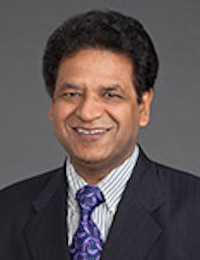
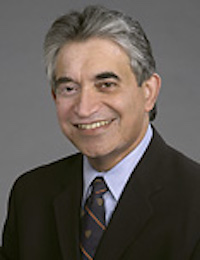
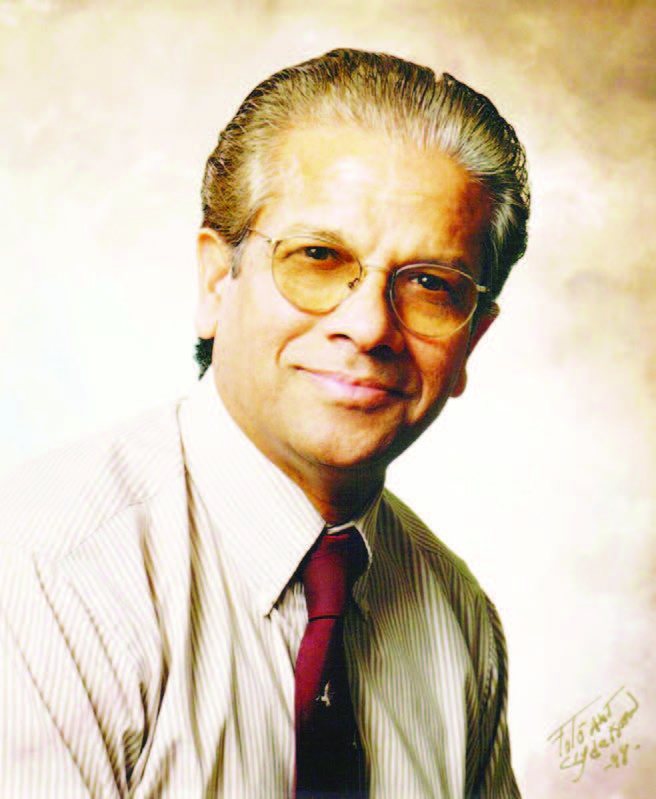
NEW YORK (TIP): Dr. VK Raju and Dr. Ahmad Kheirkhahvisited the University of Baroda by invitation. On Sunday, 31st July and 1st of August,2016 they gave lectureson five subjects which included Artificial Cornea; Pandemic of Diabetes; Tragedy of childhood blindness in the world; Eye Imaging andPresbyopia: Last frontier in refractive surgery.
The Eye Foundation of America which is in the forefront of fight against preventable blindness will be collaborating with the Department of Biochemistry of University of Baroda to advance eye research. The Eye Foundation of America has three objectives: Service, Teaching and Research.
Earlier, last year Dr. VK Raju, founder and Medical director of Eye Foundation of America and Clinical professor of ophthalmology at West Virginia University, was invited as a guest speaker to ASEAN Ophthalmology Congress in Vietnam. He delivered 4 lectures on Cataract surgery and dry eyes, and corneal transplants. The meeting took place in Hanoi on 29th, 30th and 31st of October 2015.
Dr. Raju is a passionate crusader against blindness, particularly among children. He has been holding free eye camps all around the world but mostly in India, the country he originally comes from. He has set up a charity under which he runs a charitable hospital in Hyderabad where over the years, thousands have been treated and restored to health.
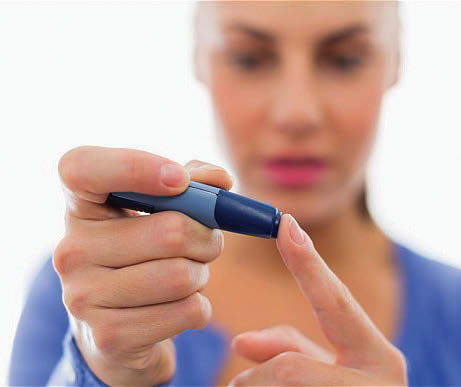
Dr. Raju is worried at the large number of Indians having diabetes which is one of the causes of blindness. He says there are 61 million people in India who suffer from diabetes. Of these, 55% live in rural areas where there are hardly any healthcare facilities. Up to 20% of India’s rural population is affected by diabetes. 96,000 children in India have type 1 diabetes. On top of it, India has a healthcare worker shortage of 515,000, the largest in the world.
Dr. Raju is totally committed to his objective of preventing blindness which means preventing and curing diabetes, too, which is one of the major causes of blindness. Till today, he has examined more than 2 million outpatients, performed 300,000 eye surgeries. Of these 25,000 were performed on children. His Eye Foundation of America has been providing services since 1977 in India and 21 other developing countries.
For more information on Eye Foundation of America, please visit www.eyefoundationofamerica.org. The mailing address of the Foundation is Eye Foundation of America, 3140 Collins Ferry Road, Morgantown, WV 26505 and phone (304) 598-0055.
Dr. Ahmad Kheirkhah (right) were invited by University of Baroda recently where they delivered lectures on eye ailments and diabetes
Dr. Ahmad Kheirkhah is an eminent ophthalmologist who has served with various institutions and is currently Investigator in Ophthalmology with Harvard University, Boston. An author of a number of publications, he is a highly awarded physician.
He can be contactedat Ahmad_Kheirkhah@meei.harvard.edu
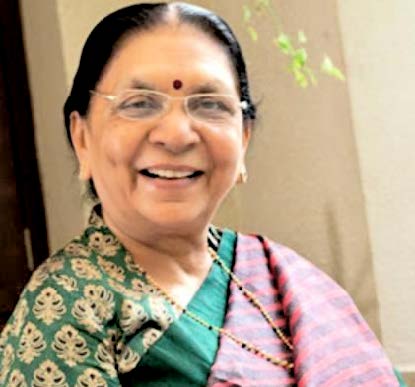
GANDHINAGAR/NEW DELHI (TIP): Gujarat Chief Minister Anandiben Patel on August 2 submitted her resignation to Governor O P Kohli hours after the BJP Parliamentary Board accepted her offer to quit and authorised party president Amit Shah to pick her successor to lead the party in 2017 polls.
Nitin Patel Frontrunner for the Post AHMEDABAD (TIP): Nitin Patel, considered No. 2 in the cabinet of outgoing chief minister Anandiben Patel, seems to be emerging as the consensus candidate for the chief minister’s post in Gujarat, with state Bharatiya Janata Party (BJP) president Vijay Rupani withdrawing from the race and the party ruling out the candidature of national BJP president Amit Shah. The Patel factor also seems to be tipping the scales in the favour of the 60-year-old Gujarat health minister.
Anandiben, who will turn 75 this November, handed over the resignation letter to Kohli in the presence of ministers and party leaders at Raj Bhavan in the evening. Kohli has asked her to continue until the new cheif minister takes charge.
“Anandiben has submitted her resignation to the governor,” state unit BJP president Vijay Rupani told reporters after coming out of Raj Bhavan.
Earlier in the day, the BJP Parliamentary Board which met in Delhi authorised Shah to pick Anandiben’s successor after accepting her offer to resign.
The meeting of the Parliamentary Board, which was chaired by Shah and attended by Prime Minister Narendra Modi, appointed Union Minister Nitin Gadkari and BJP general secretary Saroj Pandey as party’s central observers to hold consultations with the MLAs for electing the new leader.
Shah will be travelling to Gujarat tomorrow where he will hold consultations with party leaders and attend the Legislature Party meeting, likely to be held on Friday to elect the new leader.
Though her departure was anticipated, the first woman chief minister of Gujarat had offered to step down on Monday ostensibly due to her age, as she is turning 75 soon.
Meanwhile, the political circles are abuzz with the likey choice of her replacement.
According to leaders in BJP, the decision on Anandiben’s successor could be taken within the next two days.
“We are yet to decide the time of the Legislature body meeting (to elect new leader) as state Observer Nitin Gadkari is busy. It (meeting) can happen any time after 3 PM tomorrow or even a day after. Our national president Amit Shah will decide it as he is arriving here tomorrow,” said state unit BJP in-charge Dinesh Sharma.
He said the Legislature Party meeting to decide the next CM will be held in the presence of state Observers as per the process.
Parrying a query on likely contenders for CM’s post, Sharma said, “A party worker will be chosen as next chief minister.”
Interestingly, state unit BJP chief Vijay Rupani whose name is in the reckoning for the post besides others, virtually ruled himself out of the race, saying he would like to work for the party organisation.
“I have told the party leadership that I would like to work for the organisation,” Rupani said.
Names of “number two” in state Cabinet and incumbent Health minister Nitin Patel, Union minister Purshottam Rupala and Assembly Speaker Ganpat Vasava, a tribal leader, are still doing the rounds.
Nitin Patel, who is considered to be the front-runner, said, “the party Central leadership will decide on who will be the chief minister.”
Anandiben, meanwhile, issued advertisements in newspapers here today listing the works done during her two-year tenure.
In our race to be the biggest loser, most of us go after different diets. The trusted and age-old three-meals-a-day concept works for some, while others swear by the new-age eight-meals-a-day. Most of us have been brought up on the notion that having untimely in-between meal snacks, is one of the major causes of weight gain. Of late, however, a number of trainers, nutritionists and dieticians have come up with the ‘six-to-eight-meals-a-day’ plan. And many Bollywood actors and actresses claim that following such diets have made them the biggest losers.
They believe that in-between snacks help them stay slim and this regular intake also boosts metabolism. However, there are health gurus and trainers who believe that eating too many meals may just work against you and increase your weight. Read on to find out what the experts have to say…
Eat six to eight meals a day
Eat to burn! This can be one of the easiest and most reliable ways to ensure fat loss. Digestion itself is a calorie-burning activity. For every calorie you ingest, your body uses some to burn what you are eating. The question is, how do you make this wonderful feature of your body work for you? This is the essential principle behind the practice of frequent eating where eating at shorter intervals
(six to eight meals a day or more!) enables your body to use more calories to aid digestion. When you constantly provide fuel to your body, it means you are also tickling your body to work. Keep working, keep burning. This is called the thermogenic effect of food and it is not only an incredibly smart way of losing weight, it also helps you increase your BMR (Basal Metabolic Rate).
I like to call this the Internal Workout —because by continually making it work for digestion, you’re giving your body a workout. And while you may not be able to see the furious digestive activity going on in your body at any point in time, trust me, your body is working way harder than if you eat at longer intervals (three-to-four meals a day).
More meals means less stored fat
Eating six to eight meals a day rather than three, is better because it boosts metabolism, controls blood sugar levels and helps in weight management.
Consuming three meals increases the likelihood that one will start an exercise regime with a low blood sugar level. For instance, if we eat lunch around noon, generally our second meal of the day, we would not have much energy for an optimal, calorie-burning workout in the evening.
On the other hand, if we follow a six-meal-a-day plan and have a small meal around noon and another meal around 3 pm, our blood sugar level would be more stable, providing us with more energy for our workout. Cortisol, a hormone, breaks down body fat. However, if we eat a large, high-calorie meal, cortisol is produced in large quantities, but transports the fat from under the skin to deep within the abdominal cavity. This increases the risk of chronic diseases including abdominal obesity, heart disease and diabetes. Incorporating a six-meal-a-day plan into one’s routine decreases the magnitude of cortisol production.
Eating within 30 minutes of every exercise session enables our muscles to maximally replenish the glucose we used during the workout. Consuming another meal two hours after the post-workout meal further enhances post-exercise recovery and replenishment.
Eating every three-to-four hours can ward off hunger and prevent binges that lead to weight gain. It also maintains metabolism and can help regulate proper digestion to prevent gastrointestinal discomfort.
When people consume the same number of calories in one single daily meal rather than three, they show significant increase in blood pressure, total cholesterol levels and levels of ‘bad’ LDL cholesterol.
Eight meals increase our energy levels, accelerate muscle growth, and speed up our metabolism without storing fat. In fact, frequent eating will actually allow us to eat up to 50 per cent more calories without storing an ounce of it as fat.
TORONTO (TIP): Including probiotic-rich dairy products such as yoghurt and milk in diet may help protect women against breast cancer, a new study suggests.
Bacteria that have the potential to abet breast cancer are present in the breasts of cancer patients, while beneficial bacteria are more abundant in healthy breasts, where they may actually be protecting women from cancer, researchers said.
These findings may lead ultimately to the use of probiotics such as yoghurt and milk to protect women against breast cancer, they said.
Scientists from Lawson Health Research Institute in Canada obtained breast tissues from 58 women who were undergoing lumpectomies or mastectomies for either benign (13 women) or cancerous (45 women) tumours, as well as from 23 healthy women who had undergone breast reductions or enhancements.
They used DNA sequencing to identify bacteria from the tissues and culturing to confirm that the organisms were alive.
Women with breast cancer had elevated levels of Escherichia coli and Staphylococcus epidermidis, are known to induce double-stranded breaks in DNA in HeLa cells, which are cultured human cells, researchers said.
“Double-strand breaks are the most detrimental type of DNA damage and are caused by genotoxins, reactive oxygen species, and ionising radiation,” said researchers.
The repair mechanism for double-stranded breaks is highly error prone, and such errors can lead to cancer’s development.
Conversely, Lactobacillus and Streptococcus, considered to be health-promoting bacteria, were more prevalent in healthy breasts than in cancerous ones. Both groups have anticarcinogenic properties, researchers said.
For example, natural killer cells are critical to controlling growth of tumours, and a low level of these immune cells is associated with increased incidence of breast cancer.
Streptococcus thermophilus produces anti-oxidants that neutralise reactive oxygen species, which can cause DNA damage, and thus, cancer, researchers said.
The motivation for the research was the knowledge that breast cancer decreases with breast feeding, said Gregor Reid from Lawson Institute.
Lactation might not even be necessary to improve the bacterial flora of breasts. “Colleagues in Spain have shown that probiotic lactobacilli ingested by women can reach the mammary gland,” said Reid.
“Combined with our work, this raises the question, should women, especially those at risk for breast cancer, take probiotic lactobacilli to increase the proportion of beneficial bacteria in the breast?,” he said.
Besides fighting cancer directly, it might be possible to increase the abundance of beneficial bacteria at the expense of harmful ones, through probiotics, he added.
The findings were published in the journal Applied and Environmental Microbiology.
NEW YORK (TIP): A phase II clinical trial testing the ability of the generic vaccine bacillus Calmette-Guérin (BCG) to reverse advanced type 1 diabetes has received approval from the U.S. Food and Drug Administration (FDA). The approval of this trial, which will shortly begin enrolling qualified patients, was announced today at the 75th Scientific Sessions of the American Diabetes Association (ADA) by Denise Faustman, MD, PhD, director of the Massachusetts General Hospital (MGH) Immunobiology Laboratory and principal investigator of the study.
The five-year trial will investigate whether repeat BCG vaccination can clinically improve type 1 diabetes in adults between 18 and 60 years of age who have small but still detectable levels of insulin secretion from the pancreas. Faustman’s research team was the first group to document reversal of advanced type 1 diabetes in mice and subsequently completed a successful phase I human clinical trial of BCG vaccination. She announced the FDA approval to launch the phase II trial during her ADA presentation, “Low Levels of C-Peptide Have Clinical Significance for Established Type 1 Diabetes.”
“We have learned a lot since the early studies in mice – not just about how BCG works but also about its potential therapeutic benefits, similar to what are being seen in trials against other autoimmune diseases,” says Faustman. “We are so grateful to all of the donors, large and small, who have made this trial possible -especially the Iacocca Foundation, which has believed in us and has been a supporter since our early days. Our goal is to complete enrollment and also to raise the remaining funds needed for the trial by the end of this year.”
A generic drug with over 90 years of clinical use and safety data, BCG is currently approved by the FDA for vaccination against tuberculosis and for the treatment of bladder cancer. The vaccine is known to elevate levels of the immune modulator tumor necrosis factor (TNF), which Faustman’s team previously showed can temporarily eliminate in both humans and mice the abnormal white blood cells responsible for autoimmune type 1 diabetes. Increased TNF levels also stimulated production of protective regulatory T cells.
In the phase I clinical trial, which was published in the August 8, 2012, issue of PLOS Medicine, two injections of BCG spaced four weeks apart led to temporary elimination of diabetes-causing T cells and provided evidence of a small, transient return of insulin secretion. The phase II clinical study will include more frequent dosing over a longer time period to determine the potential of repeat BCG vaccination to ameliorate the autoimmune state and improve clinical parameters such as HbA1c, a marker of average blood sugar control.
In the new trial, which will be double blinded and conducted at MGH, 150 adults with long-term type 1 diabetes will be randomized to receive two injections four weeks apart of either BCG or placebo and then a single injection annually for the next four years. Patients will be closely monitored over the five-year trial period. The primary outcome measure will be improved results on the HbA1c blood test, which have been shown to prevent complications.
“In the phase I clinical trial we demonstrated a statistically significant response to BCG, but our goal in phase II is to create a lasting therapeutic response,” says Faustman, an associate professor of Medicine at Harvard Medical School. “We will be working again with people who have had type 1 diabetes for many years. This is not a prevention trial; instead, we are trying to create a regimen that will treat even advanced disease. In addition to our phase I trial, we took guidance from the BCG clinical trials that are underway globally for other autoimmune diseases such as multiple sclerosis.”
Lee Iacocca, founder of the Iacocca Foundation, says, “My family and I have been fortunate to be part of this research for many years. It is incredibly exciting to be talking about curing people, not mice. I made a promise to my late wife to find a cure for type 1 diabetes. Now my family and I look forward to the continued progress and are proud to support this effort to get closer to that goal.” The Iacocca Foundation provided major funding for the phase I trial and has taken a leadership role in funding the phase II trial.
More than $19 million has been raised out of a total of $25 million needed to conduct the phase II study over the next five years.
Massachusetts General Hospital, founded in 1811, is the original and largest teaching hospital of Harvard Medical School. The MGH conducts the largest hospital-based research program in the United States, with an annual research budget of more than$760 million and major research centers in AIDS, cardiovascular research, cancer, computational and integrative biology, cutaneous biology, human genetics, medical imaging, neurodegenerative disorders, regenerative medicine, reproductive biology, systems biology, transplantation biology and photomedicine.
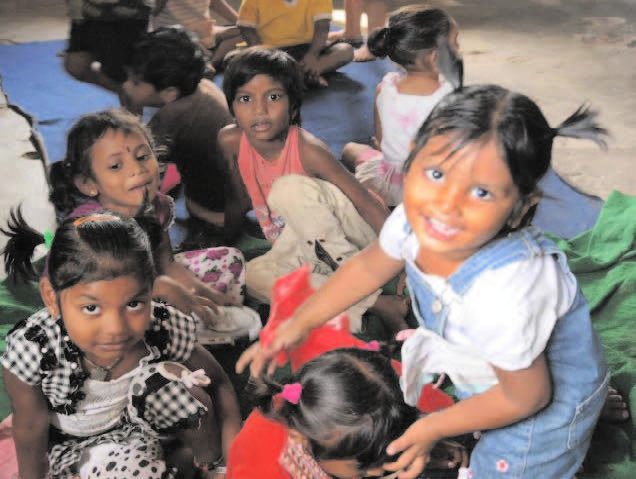
NEW YORK (TIP): As India is emerging as an economic power on the world stage, there is another contrarian reality by its side which is quite unsettling. Even in this technologically advance new millennium, there are tens of thousands rural-tribal areas in India, which are yet to be touched by the existential necessities and amenities, that we all routinely take for granted. Many of these areas seem frozen in time. There are noapproachable roads nor basic educational or healthcare facilitieswithin their reach. “Ekal Vidyalaya Foundation”,has been supporting functional-literacy, healthcare, and integral development in such places, for past 27 years. As of now, there are 53,000 Ekal-schools(and counting), in almost 30 statesthroughout India, including in Nepal & Jammu-Kashmir. For just $365, Ekal is able to provide education and healthcare trainingto a group of 30-40 children (termed as one Ekal school) for the entire year. The main objective of this social-venture is not only to eradicate illiteracy, but also, to empower these rural lives by providing sustainable village-based skills. ‘Ekal’ achieves this objective by raising funds, primarily in India and USA.
Every year Ekal-USA, hosts a series of fund-raising concerts, between February and June, in all major U.S. metropolises by bringing well-known Artistes from India. In addition, the funds are also raised by direct appeals to consistent, major donors. In recently concluded fund-raising efforts, ‘Ekal’ hosted 62 concerts, all across U.S. through its satellite ‘Chapters’. According to Dr. Jawahar Taunk, Regional President of Florida, $400,000 was raised in his region alone. Through concerts only, Ekal has raised more than $4 Million so far this year. In addition, for newly initiated ‘Endowment Fund’, $1 Million has been pledged by couple of generous donors in U.S. and Canada. A handful of entrepreneurs have also picked up their own specific projects based on necessities in certain areas. Inspired by Hon. PM Modi’s clarion call for ‘Clean-India’ campaign, Himanshu Shah of ‘Shah Capital’, has taken responsibility to make a cluster of villages ‘environmentally clean’ by devoting his personal resources. Moreover, considering30% of total funds come into Ekal-coffer, each year, during November-December, Ekal is pretty confident to cross $7.5 Million mark, this year, just for USA alone. This is also a great tribute its 1,000 strong selfless dedicated volunteers in USA.
This year ‘Ekal’ had invited two groups of artistes to headline its various events. One group was headed by ‘Rajdeep Chatterjee & Pallabi Roy Chowdhuri’ and another was headed by ‘Anand Vinod & Vibhavari Yadav’. All the concerts pulled record crowds everywhereconfirming, once again, not only the popularity of the quality programming by Ekal, but also, people’s overwhelming support to this divine cause. All concerts were preceded by DVD-briefing on Ekal’s major activities and futuristic plans. During the concerts, the peoplewere also treated to highly focus ‘Power-Point’ presentation that depicted Ekal’s historic progress from its inception, allocation of funds and the model for accountability, at every level. It is worth noting that Ekal renders its services without any credence to caste, creed, religion and region and its overhead is in single digit.
Iconic CEO of ‘ZEETV’, Dr. Subhash Chandra’s induction as the Chairman of ‘Ekal Global’ has been a boon to “Ekal Abhiyan” in attracting major industrial houses and entrepreneurs. Earlier this year, while releasing Subhash Chandra’s autobiographical book, ‘ZEE Factor’, Hon.PM Modi also lauded Ekal’s awe-inspiring comprehensive rural work as a role model for other organizations to follow. Now, Students and young adults around the country are also gravitating to Ekal to play a key role in this ‘people’s movement’. Earlier this year, “Health Foundation for Rural India (‘HFRI’)”, a health wing of “Ekal Abhiyan” had taken a group of Medical student from USA to Indian villages under its ‘Internship Program’. The rationale behind it was, not only to acquaint them with unique healthcare problems in rural areas,but also, to groom them for selfless service for these neglected masses. Every month, new donors are coming on board to support Ekal as they realize that it is the largest grass-root NGO movement of its kind, globally undertaken by Indians and NRIs. Ekal is in dozen countries, including in some ‘Middle-East’ regions. For your support and participation in ‘Ekal Movement’, kindly visit its web www.ekal.org.
India has the world’s largest number of young people, and 1 million of them enter the workforce every month. It is critical to the nation’s success that young Indians are well-nourished, skilled, and prepared to contribute to the global economy. This preparation must begin the in first 1,000 days of life (i.e., from pregnancy through the first 2 years of life) by affording proper nutrition, opportunities for early learning, and a safe environment; however, less than 2% of children in India have these basic needs met. Consequently, growth is stunted in many children, and studies have shown that this can lead to irreversible consequences on brain development. Early nutritional intervention can increase wages in adulthood by 5-50%, and preventing stunted growth can boost India’s gross domestic product (GDP) by 4-11%
These issues have been tackled in recent years by programs that have been put in place to help improve living conditions and nutrition as well as to support mothers and young children, including the Integrated Child Development Services Scheme (ICDS) and the National Health Mission (NHM). The World Bank aims to support government programs and to facilitate cooperation of the 1.3 million village nutritional centers (i.e., aanganwadi centers) with local primary schools, as an additional 2 years of preschool education can greatly benefit adult income. World Bank is also investing $1.5 billion in the Clean India Initiative to help address stunting in Indian children via better sanitation, which is important to implement in conjunction with supplemental nutrition. Self Help Groups, supported in part by World Bank, are projected to result in improved nutrition in 1.5 million households over the next 5 years in Bihar, Andhra Pradesh, and Telangana; the program will reach other states through the National Rural Livelihoods Project.Investing in the health and enrichment of the youngest members of Indian society is critical to help the country fulfill its potential as a great contributor to the global workforce and economy.
TORONTO (TIP): A group of big-hearted Sikh bikers in Canada have ridden a total of 12,000 kilometers for a noble cause, raising over 60,000 dollars for a cancer charity.
Twenty-four members of the Sikh Motorcycle Club rolled into Surrey, Canada, two weeks after departing for their journey to raise awareness about the devastating diseases.
On 13 bikes, the members rode a total of 12,000 kilometers – about 1,200 per day – through British Columbia, Alberta, Manitoba, Ontario and Quebec, before turning around in Montreal. They completed their tour on Sunday.
More than 70 individuals and groups made donations to support their initiative, raising a total of 61,194 dollars for the cancer society.
The money will go toward the organization’s efforts to fund research, prevention initiatives and assist those fighting cancer.
Along the way, the bikers met community members and appeared on local TV and radio stations to share their journey.
HIGHLIGHTS
● On 13 bikes, the members rode a total of 12,000 kilometers
● Over 70 individuals, groups made donations to support their initiative
● The ride was in partnership with the Canadian Cancer Foundation
“Every city they went to the Sikh community, the non-Sikh communities, everyone was cooperative of them,” club founder Harjinder Singh Thind was quoted as saying by CTV News.
“We thought about those kids that are in need that need that money and so that gave us energy and we kept fighting through it,” said rider Charnjit Dhadda.
The ride was in partnership with the Canadian Cancer Foundation, and the funds will be used for research and prevention for pediatric cancers and also children currently undergoing cancer treatments.
Allan Mugford, the agency’s regional director for the Fraser Valley, said they were “stunned and amazed” by the fundraising effort.
“This is a totally committed and passionate group of community members,” he was quoted as saying.
Beyond fighting childhood cancers, the riders had another mission — bringing communities together.
“The main purpose of this club was to build a bridge between the mainstream community and us – that the Sikh next door living here is one of us. And so we were able to make that a success,” Mr. Thind said. (Source PTI)
MINEOLA, NY (TIP): The Nassau County Department of Health was honored, July 20, with a Model Practice Award at the National Association of County and City Health Officials (NACCHO) 2016 Annual Conference. A Safe Place to Sleep was one of 19 local health departments’ programs across the nation to receive this prestigious award for implementing a program that demonstrates exemplary qualities in response to a local public health need. Nassau County Department of Health’s Bureau of Environmental Engineering was also honored with a Promising Practice Award for the Environmental Health Toxic Emissions Program.
“I am extremely proud of the Department of Health and I congratulate Commissioner Dr. Lawrence Eisenstein and his team for being national leaders in public health,” said County Executive Mangano. “The Nassau County Department of Health has consistently been recognized as a national leader for developing responsive and innovative programs that promote and protect the health and safety of the residents of Nassau County.”
A Safe Place to Sleep was implemented as an injury prevention strategy to address infant fatalities resulting from unsafe sleep practices. The Nassau County Department of Health partnered with the National Cribs for Kids Program, an organization that combines education to parents and caregivers on safe sleep practices for infants and provides portable cribs to families who, otherwise, cannot afford a safe place for their babies to sleep. Through this partnership, the Department of Health developed the tools and grants necessary to support a local Cribs for Kids Chapter within Nassau County. This award-winning program recognizes that providing a safe place to sleep saves babies lives.
The Nassau County Department of Health continues to be a national leader in public health, and since 2013 has earned nine Model and Promising Practice Awards. To read more about these award-winning programs visit the NACCHO website at www.naccho.org/topics/modelpractices/.
About the National Association of County and City Health Officials – The National Association of County and City Health Officials (NACCHO) represents the nation’s 2,800 local government health departments. These cities, counties, metropolitan, district and tribal departments work every day to protect and promote health and well-being for all people in their communities.
WASHINGTON (TIP): Indian Americans Dipal Doshi, Sachin Jain and Rupal Patel were among 21 healthcare leaders named to the second annual Aspen Institute Health Innovators Fellowship.The institute announced the Fellows in a July 12 statement.
The Fellows will participate in a two-year Fellowship designed to strengthen the leadership of innovators across the U.S. healthcare ecosystem and challenge them to create new approaches that will improve the health and well-being of all Americans, Aspen Institute said in a news release.
The Fellows come from various industries and sectors throughout the country, including medicine, pharmaceuticals, public health, biotechnology, insurance, mental health, government, venture capital and genomics, among others.
“I am delighted to welcome this talented and inspiring group of healthcare leaders with a track record of accomplishments and the potential for even greater contributions in the future,” said fellowship managing director Rima Cohen in a statement. “The Fellows bring a diverse set of life experiences and skills to their work; we’re thrilled to be able to give them a platform from which they can harness their energy and expertise to tackle our nation’s most pressing health care challenges.”
Dipal Doshi
Doshi is the chief business officer at Princeton, N.J.-based Amicus Therapeutics Inc. He also serves as the general manager of Scioderm, Inc., a rare disease company Amicus acquired in 2015.
Prior to joining Amicus, Doshi founded RStreet Advisors, a healthcare consulting firm through which he advised pharmaceutical, biotech and diagnostics companies on business development, corporate strategy and market and commercial planning.
From 2008 to 2013, Dipal was the senior vice president and member of the management team Auvenat Therapeutics, a global private equity and bio-pharmaceutical development company. He received a B.A. from Rutgers University and an M.B.A. from The Wharton School of Business at the University of Pennsylvania.
Jain is the chief executive officer of Los Angeles-based CareMore Health System, an innovative health plan and care delivery system with $1.2 billion in revenue and over 100,000 members in eight states.
He is also a consulting professor of medicine at the Stanford University School of Medicine and a contributor at Forbes.
Jain was previously CareMore’s chief medical officer and chief operating officer. Prior to joining CareMore, Jain was chief medical information and innovation officer at Merck & Co. He also served as an attending physician at the Boston VA-Boston Medical Center and was on faculty at Harvard Medical School and Harvard Business School.
Additionally, from 2009 to 2011, Jain worked in the Obama administration, where he was senior adviser to Donald Berwick when he led the Centers for Medicare and Medicaid Services.
He was the first deputy director for policy and programs at the Center for Medicare and Medicaid Innovation, and he was special assistant to David Blumenthal when he was the National Coordinator for Health Information Technology.
Sachin Jain
Jain graduated from Harvard College with a bachelor’s degree in government and earned his M.D. from Harvard Medical School and M.B.A. from Harvard Business School.
Patel is the founder and president of Boston, Mass.-based VocaliD Inc., a speech technology company that creates custom voices for text-to-speech applications, leveraging its crowdsourced Human Voicebank (See India-West’s profile here: http://bit.ly/2agVQhR.) VocaliD’s award-winning technology has been featured on TED and NPR and in leading news and technology outlets such as The Wall Street Journal, Wired, Bloomberg and BuzzFeed.
She is currently on leave from Northeastern University where she is a tenured professor in the College of Computer and Information Science and the Department of Communication Sciences and Disorders. Her research focuses on speech motor control in healthy talkers and those with neuromotor speech impairment.
Patel also holds appointments in the Harvard/MIT Speech and Hearing Biosciences and Technology program, the Department of Psychiatry at University of Massachusetts, and Haskins Laboratory at Yale University.
She earned her bachelor’s degree from the University of Calgary, her master’s and doctorate degrees from the University of Toronto and she completed her post-doctoral training at MIT.
The Health Innovator Fellows will spend four weeks over the course of two years exploring their leadership, core values, desired legacies and their vision for the healthcare system.
Each Fellow commits to launching a leadership venture that will stretch and challenge them and have a positive impact on health care in the U.S. The Health Innovator Fellows join more than 2,200 other entrepreneurial leaders from 49 countries to become members of the Aspen Global Leadership Network.
Too many late nights in a row, stressful environments, hurried meals and fast food binges could harm your immune system.
Experts in ayurveda say that the demands of a hectic lifestyle create an imbalance in the digestive system causing accumulation of toxins — ama. And with this, comes constipation, diarrhoea, gas problems, fatigue and lack of immunity.
Ayurveda to the rescue
Ayurveda, one of the world’s oldest medical systems aims at the protection of aayu or life, through therapeutics, meditation and other measures for enhancing the physical, mental, social and spiritual harmony.
Balancing the doshas
Ama, the end-product of improper digestion and the ill-effects of a hectic lifestyle affects the balance of the Tridoshas (Vata, Pitta and Kapha). These doshas are important in controlling the body’s functioning. Ayurveda aims to get rid of this ama, calm the doshas to balance them to their original states thereby correcting disorders and maintaining body health.
According to ayurveda, about 85 per cent of diseases are due to improper digestion at the gastrointestinal level. Ama plays a key role in inducing disease due to its interaction with the doshas and thus facilitates itself (ama) to adhere to areas in the human body to which it did not belong. Classic examples of such scenarios are — cholesterol in the arteries and calcification of the joints, arthritis, constipation, lack of energy and lethargy etc.
Having probiotics can help
Satva Ksheera, a probiotic, is a supplement of gut-friendly bacteria that naturally occur in the intestines. Adding a supplement restores the balance of the bacteria in the gut, improves digestion and absorption of food and inhibits growth of bad bacteria.
Why you need probiotics
Probiotics contribute to the health of the gastrointestinal tract and overall health of an individual. This health promoting property can be greatly elevated when administered along with proper herbs. Probiotics and ayurveda together can help to maintain the natural balance of doshas without any side-effects
When drugs for human immunodeficiency virus (HIV) suppress the virus in the blood to very low levels, patients are unlikely to infect their partners during condomless sex, suggests a new study.
After following nearly 900 heterosexual and gay couples for an average of 16 months, researchers found no evidence that uninfected partners became infected after condomless sex with an HIV-positive partner with viral suppression.
This good news bolsters the role of HIV treatment as a form of prevention, said lead author Dr. Alison Rodger, of the University College London.
“I think the big push now should be to expand testing, getting people diagnosed and get them on treatment,” Rodger told Reuters Health.
Past studies have suggested that the risk of passing the virus to an HIV-negative person was low for people with low levels of HIV in their blood because of antiretroviral therapy (ART).
One study, involving mostly heterosexual couples, found people who started taking ART early in their infection were 96 percent less likely to pass HIV to a partner, compared to people who delayed treatment.
But participants in that study regularly used condoms, which also reduce the risk of transmission, Rodger and her colleagues write in JAMA.
The new study, conducted in 14 European countries, involved couples with one HIV-positive partner and one HIV-negative partner who had unprotected sex with each other. In the HIV-positive partner, the viral load had to be less than 200 copies per milliliter of blood.
Overall, the 548 heterosexual and 340 gay couples reported about 60,000 unprotected sex acts during the study.
While 11 of the HIV-negative study participants became HIV positive, those infections could not be traced back to the HIV-positive partner. Laboratory testing showed the new infections were different from the virus in the HIV-positive partners.
About 33 percent of gay participants and 4 percent of heterosexual participants who were HIV-negative at the start of the study reported condomless sex with other partners, the researchers write.
Past research, Rodger said, suggests the risk of transmission is very low among heterosexual couples in which the HIV-positive partner has undetectable levels of the virus in their blood.
But there was very little data on men in sexual relationships with other men, Rodger said, adding that more research is needed on the risk of transmission during condomless anal sex. “We think the risk from condomless anal sex is low, but we need to ensure we have a couple years of follow up to give more precise estimates,” she said. The new study is very reassuring but has some limitations, said Dr. Eric Daar, an HIV expert who wrote an editorial accompanying the new study.
Many prescribed medications, over-the-counter drugs, and herbal products can cause or worsen heart failure, so it’s important for patients to tell doctors about everything they’re taking.
So says a new scientific statement from the American heart Association (AHA).
Heart failure is the leading cause of hospitalization for people 65 years of age and older, and the average heart failure patient takes an average of seven prescription medications per day.
More than a third of heart failure patients also take herbal supplements, two thirds take vitamins, and seven out of eight use over-the-counter medications.
Dr. Robert L. Page II, a coauthor of the AHA statement, told Reuters Health by email, “When a patient takes at least four medications the risk for a drug-drug interaction increases to 38 percent; this number increases to 82 percent when patients are taking seven or more medications, which many patients with heart failure do.”
The combination of multiple prescriptions, called polypharmacy, and multiple illnesses makes heart failure patients particularly vulnerable to drug interactions that can lead to hospitalization or even death.
To help avoid these consequences, the AHA has created a comprehensive guide to the prescription medications, over-the-counter (OTC) medications, and complementary and alternative medicine products that could worsen heart failure. The scientific statement also offers a host of recommendations aimed at reducing polypharmacy.
“Patients with heart failure should always contact their primary care provider and their healthcare provider who is managing their heart failure if any new prescription, OTC, or herbal supplement is started or stopped,” Page said.
“Patients with heart failure need to ‘know’ their medications-the brand/generic name, the indication (the reason you’re taking them), the dose, and frequency.”
“Also,” he said, “patients need to understand that just because something is ‘natural,’ it is not always safe. Therefore, patients should always talk to their heart failure providers before starting any herbal supplement.”
Dr. Kumar Dharmarajan from Yale University School of Medicine, New Haven, Connecticut agrees. He told Reuters Health, “Patients may be surprised to learn that commonly used OTC medications to treat pain and heartburn can lead to fluid retention and worse symptoms. Patients may also be surprised to learn that many herbal products can affect the metabolism of their heart failure medications in potentially dangerous ways.”
“Patients should not assume that OTC and complementary medicines are safe just because they are available without a prescription,” he said. “They should consult with their physicians before starting or changing medications.”
NEW JERSEY (TIP): The South Asian Spelling Bee, now sponsored by Massachusetts Mutual Life Insurance Company (MassMutual) with its acquisition of MetLife’s Premiere Client Group, continues its legacy in its ninthyear (www.SouthAsianSpellingBee.com) .
In the Spelling Bee’s quest to find the best spellers in the South Asian community, families arrived this past weekend to participate in the day long regionals in Atlanta and Charlotte.
Atlanta winners
In the Atlanta Regional, Sreeniketh Vogoti (13) of Saint Johns, Florida was the regional champ, NavyaMurugesan (14) of Baton Rouge, Louisiana, was the first runner up, and Pavani Chittemsetty(10) of Bentonville, Arkansas, was second runner up.
In Seattle, Snehaa Ganesh Kumar (13) from Folsom, California was named regional champ, Siyona Mishra(12) from Orlando, Florida was first runner up, and Akshra Paimagam (13) of Charlotte, North Carolina, wasthe second runner-up.
Seattle winners
The South Asian Spelling Bee is designed to attract top talent and new spellers and to encourage participants as young as five to interact with other spellers; gain stage confidence; acquire camera savvy;and compete for coveted prizes and titles.
The event is open to children of South Asian descent up to 14 years of age. It gives them the opportunity totest their spelling skills within their core peer group. Interested spellers should have their parent or guardianregister them online at www.SouthAsianSpellingBee.com.
Organized by Touchdown Media Inc., the South Asian Spelling Bee is conducted in 12 locations across theUnited States starting June 11. Regional level events will be held in Los Angeles, the Bay Area, Dallas, Houston, Chicago, Seattle, Atlanta, Charlotte, Washington, D.C. Metro, New Jersey, New York and Boston.
In addition, Accra, Ghana, was announced as the thirteenth location from which spellers of South Asiandescent will qualify for the finals. All events are free to attend and open to the public.
“It’s been a great experience building this platform, and we as a team now look forward to this new inningwith MassMutual to further expand and create a veritable platform for the community,” said Rahul Walia,founder of the South Asian Spelling Bee and CEO of Touchdown Media Inc.
“We are excited to be part of the Spelling Bee program,” said Wonhong Lee, Assistant Vice President,Diverse Markets, MassMutual Financial Group. “We understand this event emphasizes the importance ofeducation within the South Asian community. It naturally aligns with MassMutual’s mission to providefinancial education and promote financial health in the communities we serve.”
The top two spellers of each regional competition will advance to the August finals in New Jersey. As in previous years, the $10,000 champion’s grand prize will be awarded to the top winner.
CHICAGO, IL (TIP): The ATA Convention hosted by American Telugu Association [ATA] was marked by breathtaking spectacle drawing record-breaking attendance inundating the sprawling convention center with vibrant Telugu fervor at the silver jubilee festivities held on a grand mega scale showcasing the rich Telugu cultural heritage and its burgeoning Telugu constituency in America at the 3-day ATA Convention held on July 1-3, 2016 at the Rosemont Convention Center in Rosemont, IL.
The Rosemont city wore a colorful Telugu look as unprecedented number of attendees preliminarily estimated at 10,000 thronged the convention center to experience ostentatious showcasing of rich Telugu culture through music, dance, pageantry surpassed only by dazzling fashion shows, contemporary cinematic music and colorful epic dance presentations eclipsed by celebrities, large contingent of political leaders, Telugu icons and eminent personalities overwhelmed only by the presence of Tollywood movie stars.
Convener Chandrasekhar Reddy Palvai praised the unwavering dedication and hard work of the entire ATA chairs & co-chairs that truly brought such phenomenal results. Convention Director K.K. Reddy characterized it as a magnificent journey of 25 years culminated in such an extraordinary convention and added this as a symbol of triumph of the towering Telugu spirit. ATA President Sudhakar Perkari lauded the remarkable ATA team work that brought about this splendid outcome. ATA Founder/President Hanumanth Reddy expressed the gleeful joy at the presence of such huge masses of Telugu people under one roof and added is a shining testament to innate culture of Telugu people; while Convention Co-Convener Krishna Mushyam saluted the rallying spirit of Telugu fellowship in such magnitude.
Honored for their services and contributionThe convention was set in motion with a grand gala banquet on Friday July 1st with Illinois Governor Bruce Rauner and Union Minister Venkaiah Naidu inaugurating the 3-day celebrations paying rich accolades to the Telugu culture in their remarks as ecstatic gala attendees rendered prolonged applause. Governor Bruce Rauner issued a proclamation declaring July 2nd and 3rd 2016 as American Telugu Association Day in the state of Illinois. Governor Rauner commended the Telugu community for keeping up the great cultural heritage and added if he gets an opportunity he would love to visit India. Venkaiah Naidu, Union Minister for Parliamentary Affairs in his address inspired the families to stay rooted in Telugu culture while appreciating the other languages and cultures. Venkaiah Naidu stressed on the ripe climate in India ideal for global investments. Dinkar Karumuri exhaustively introduced Governor Rauner and described him as an outstanding champion of the Indian American community and added his presence at ATA gala is a shining testimony of his steadfast goodwill to the Telugu community.
With the invocation dance, the gala banquet in its splendor showcased the outstanding success stories of Telugu people in the United States who were applauded for their valuable contribution to the societies both in India and America. Some of the prominent attendees include Ambassador Dr. Ausaf Sayeed, Consul General of India, Democratic Nominee for U.S.Congress Raja Krishnamoorthi, and Prominent MP Kavitha Kalvakuntla, Deputy Telangana Chief Minister Kadiam Srihari, Cook County Commissioner Tim Schneider, GMR Chairman Grandhi Mallikarjuna Rao ATA Benefactors Dr. Prem Reddy and Dr. Paila Malla Reddy joined by a large contingent of MPs and MLAs from A.P and Telangana state represented by all political parties including TRS, YSRCP, TDP and Congress. Other Prominent Leaders from USA include Maryland Delegate Aruna Miller, Ambassador Vinai Thummalapally, Ex-Nasscom chair BV Mohan Reddy.
On Saturday July 2nd, the ATA Convention set the stage on fire with a huge 100-group dance troupe presenting an epic inaugural dance presentation ‘Jyothi Prajwalana’ that evoked applause and standing ovation. Key note address by Union Minister Venkaiah Naidu was stirring as he inspired Telugus in America to instill and nurture Telugu language to the succeeding generations. Venkaiah Naidu said that the most successful people in North America are Indians and added half of them are Telugu’s. Lieutenant Governor Evelyn Sanguinetti presented Illinois Governor’s proclamation to ATA leaders. Rasamayi Balakrshinan Troupe provided an upbeat ‘Dhoom Dham’ Telangana traditional dance and musical presentation. Youth forum was inaugurated by ATA founder Hanumanth Reddy, convener Chandrasekhar Reddy Palvai and Director K.K. Reddy. Re-enactment of ‘Bahubali’ movie with its huge cast held the audience in rapt attention. TV hosted event ‘SYEATA’ had youth performing colorful cultural and western presentations. Kuchipudi dance by Padmaja Reddy displayed wide swath of emotions. Kavitha Kalvakuntla, Telangana Member of Parliament applauded the sense of unity of Telugu people showcased at the convention. Iftekhar Shareef, Reception Chair introduced Kavitha Kalvakuntla, Telangana MP and the Telangana MPs and MLAs giving an eloquent summation of their role in continuously steering the newly-formed 29th Indian state towards the trajectory of success. Earlier, Swami Chidatmananda spoke. Kamala Chimata, Convention Coordinator who presented the overview said the convention is replete with exhaustive schedule of close-fitting events meaningfully designed for the families.
On Sunday July 3rd, the convention drew wall-to-wall crowds to witness the spectacular fashion show, contemporary dance presentations and grand musical show presented by Mani Sharma and group that send the crowds ecstatic at every song belted out. In the afternoon, heated debates with political leaders participated by TRS, YSRCP, TDP & Congress party reached a fierce pitch battle between the party leaders held by Chalma Reddy and moderated by renowned TV host Venkata Krishna and managed by Vikram Kattamreddy. Some of the politicians participated in the Political Forum include Telangana Dy CM Kadiam Srihari, L. Ramana, Pedireddy Ramachandra Reddy, Jithender Reddy, Madhu Yashki, Keshav Rao, Roja, Ambati Rambabu, Srikanth Reddy, Malla Reddy and others.
The evening segment began with youth-centric dance and musical presentations. ATA felicitated their past presidents, its board and trustees. Chandrasekhar Reddy lauded the undying commitment of over 60 committees; while K.K.Reddy expressed jubilation having such a fine contingent of committed teams.
Some of the Tollywood movie actors who attended the convention included Actors Kajol Agarwal, Jagapathi Babu, Nani Babu Ghanta, Rashi Khana, Bhanu Sree, Lavanya Tripathi, Rashmi Gautam, Jyothi, Ramya Sree Neeliya,Rachna Mourya.
Some of the prominent political elected leaders who attended included Ganta Srinivas Rao, Nayani Narasimha Reddy, Dr. Venugopala Chary, Ambati Rambabu, Roja and Jatinder Reddy.
The Youth committee organized Lake Michigan dinner cruise for youth 16 and above and 200 Youth participated. The business forum included workshops by CEO’s and Entrepreneurs who presented workshops about doing business in India and the US. The Women’s Forum workshops were designed to empower and motivate women. Health and wellness seminars focused on preventive health screening and medical advice from leading medical experts, Matrimonial services were provided to parents of prospective brides and grooms. Seminars for Senior Citizens were organized to educate seniors about Government benefits, health Insurance options and navigation and dealing with the loss of a partner as they grow older in America. Yoga and meditation sessions were conducted throughout the day and many attendees took advantage learning and practicing these relaxation techniques. Vendor’s booths carried mouth-watering Telugu delicacies, jewelry, fashion apparels and accessories and real estate companies promoted their housing projects in India. Convention attendees were treated a great shopping experience and were able to support participating vendors. Painstaking efforts were made to serve authentic native Telugu cuisine for record number of guests.
The leaders of the American Telugu Association and the Convention team received glowing accolades for their remarkable dedication in securing runaway success of the silver jubilee convention.
The convention drew to a grand conclusion with high decibel musical concert rendered by well-known Tollywood music director Mani Sharma along with a team of singers and musicians belting out exciting tunes until the wee hours past midnight which served as a grand finale to a memorable Telugu convention.
(Photographs and Press release courtesy Asian Media USA)
NEW YORK CITY (TIP): On July 7, 2016, Commissioner Nisha Agarwal of the Mayor’s Office of Immigrant Affairs (MOIA) held a press briefing at CUNY’s Center for Community and Ethnic Media to inform immigrant New Yorkers of their rights and of Mayor Bill de Blasio and MOIA’s commitment to connecting all immigrant New Yorkers to key city services as well as programs like IDNYC, ActionNYC, and ActionHealthNYC, which address needs that are specific to immigrant communities.
First, Commissioner Nisha Agarwal expressed Mayor Bill de Blasio and MOIA’s deep disappointment with the Supreme Court decision. On June 23, the Supreme Court issued a tie decision about the President’s executive actions on immigration. As a result of the tie, immigrants cannot apply for Expanded DACA and DAPA programs. Commissioner Agarwal stressed that now is the time for immigrants to get connected to their communities as well as important services that are offered by NYC city government. This includes immigrants who may be eligible for the original DACA program, which is not affected by the Supreme Court decision. DACA provides certain undocumented immigrants with temporary protection from deportation, work authorization, a driver’s license and other benefits. If immigrant New Yorkers are not sure if they qualify for DACA, they should call 311 or go to nyc.gov/deferredaction for more information. Commissioner Nisha Agarwal encouraged all immigrants in New York City to seek the services that they are eligible for, no matter their status, including IDNYC, ActionNYC, and ActionHealthNYC programs as well as health care services, education and afterschool programs, and emergency food assistance and shelter.
Steven Ettannani, Senior Advisor, State and Federal Policy at the NYC Department of Consumer Affairs (DCA) spoke on behalf of DCA Commissioner Lorelei Salas. He discussed DCA’s role in preventing immigration services provider (ISP) fraud. ISPs are people or businesses without legal training who charge fees for immigration services. They cannot advise people on how to resolve an immigration issue in any way and cannot help customers prepare for immigration interviews. The Department of Consumer Affairs recommends only using ISPs for help with obtaining supporting documents, arranging photos or medical tests, notarization (if licensed), and free referrals to legal providers.
All immigrants in NYC have access to health care services, education and after school programs, emergency food assistance and shelter, and IDNYC, among other services and resources. The City will continue to work to connect immigrants, regardless of status, to the resources they need for their families and communities to thrive.
The City will also continue to advocate for urgently needed federal immigration reform.
D0 you find it tough to stay away from sugary treats such as cakes and pastries and junk food? There could be some good news for you. Scientists may have found a way to simply switch off those corrupting cravings.
Eating a type of powdered food supplement, based on a molecule produced by bacteria in the gut, reduces cravings for high-calorie foods such as chocolate and pizza, a new study suggested.
Scientists from Imperial College London and the University of Glasgow asked 20 volunteers to consume a milkshake that either contained an ingredient called inulin-propionate ester, or a type of fibre called inulin.
After drinking the milkshakes, the participants in the current study underwent an MRI scan, where they were shown pictures of various low or high calorie foods such as salad, fish and vegetables or chocolate, cake and pizza.
The team found that when volunteers drank the milkshake containing inulin-propionate ester, they had less activity in areas of their brain linked to reward — but only when looking at the high calorie foods. These areas, called the caudate and the nucleus accumbens, found in the centre of the brain, have previously been linked to food cravings and the motivation to want a food.
The volunteers also had to rate how appealing they found the foods. The results showed when they drank the milkshake with the inulin-propionate ester supplement they rated the high calorie foods as less appealing.
In a second part of the study, the volunteers were given a bowl of pasta with tomato sauce, and asked to eat as much as they like. When participants drank the inulin-propionate ester, they ate 10 per cent less pasta than when they drank the milkshake that contained inulin alone.
Senior author Gary Frost said, “This study shows that this supplement can decrease activity in brain areas associated with food reward at the same time as reducing the amount of food they eat.”
He added that eating enough fibre to naturally produce similar amounts of propionate would be difficult.
Co-senior author Tony Goldstone noted, “These show that altering how the gut works can change not only appetite in general, but also change how the brain responds when they see high-calorie foods, and how appealing they find the foods to be.”
People who often eat food prepared at home are less likely to suffer from type 2 diabetes than those who consume such meals less frequently, new research has claimed. There is an increasing tendency for people to eat out, involving more consumption of fast food, researchers said.The study has found that such people have a diet rich in energy but relatively poor in nutrients -this could lead to weight gain which is, in turn, associated with type 2 diabetes risk, said Qi Sun, from the Harvard T H Chan School of Public Heath in the US.
Sun and his team employed large prospective datasets in which US health professionals were surveyed, with rigorous collection of data on health indicators, including eating habits and occurrence of diabetes. The results were corrected for factors that could affect dining habits, including marital status. The study analysed 2.1 million years of follow-up data.
The findings show people who reported consuming 5-7 evening meals prepared at home during a week had 15% lower risk of diabetes than those who consumed two such meals or fewer. A smaller, but statistically significant, reduction was apparent for those who consumed more midday meals at home.
Moreover, less weight gain could partially explain the reported reduction in occurrence of type 2 diabetes in those often eating meals prepared at home. Well-established diabetes prevention strategies include behavioural interventions aimed at increasing exercise and dietary habits.
Nearly 10 percent of all sunscreen sales in the U.S. occur on Amazon.com, but many of the most popular sun protection products sold there don’t meet standards set by medical professionals, a new report says.
According to the American Academy of Dermatology, sunscreens should provide broad spectrum protection against ultraviolet (UV) A and B rays, be water resistant and have a sun protection factor (SPF) of at least 30. But less than two-thirds of the most popular sunscreens on Amazon met those standards, researchers report.
“One of the things I get asked the most from patients is what sunscreen should they use,” said lead author Dr. Steve Xu, of Northwestern University Feinberg School of Medicine in Chicago.
Dermatologists make recommendations and offer guidelines, but they can’t know what patients do after they leave the doctor’s office, Xu told Reuters #Health.
To get a better idea of what people look for when buying sunscreen, the researchers turned to Amazon.com. In a paper in JAMA Dermatology July 6, they say nearly three quarters of people in the U.S. have reported buying beauty and personal care products on Amazon, and they estimate that 9 percent of all sunscreen sales occur there.
Using Amazon.com’s customer rating system, the researchers analyzed the website’s top 1 percent best-rated sunscreens.
Overall, there were 6,500 sunscreens sold on the website. Of the 65 products the researchers analyzed, prices per ounce ranged from $0.68 to $23.47.
Forty percent – 26 of the 65 top-rated sunscreens – did not meet the AAD standards.
Approximately 90 percent of the sunscreens claimed to have at least a 30 SPF and roughly the same proportion were broad spectrum. Only 62 percent of the sunscreens claimed to be water resistant, however.
Customers were most likely to cite cosmetic elegance – feeling, color and scent – as their main factor for leaving a positive review for the product. The second most common factor in positive reviews was product performance.
THIRUVANANTHAPURAM (TIP): The CPM-led LDF government in Kerala on Friday presented its budget for 2016-17, focusing on strengthening social welfare schemes, public health and education.
The budget, the first by the Pinarayi Vijayan-led government which came to power in the May assembly polls, proposed a slew of new tax proposals including a ‘fat tax’ of 14.5 per cent for burgers, pizzas and pastas served in branded restaurants. The budget has also proposed five per cent tax on certain packed foods.
Stating that the state was passing through a severe financial crisis due to various factors, the budget proposed an ‘anti-slowdown package’ of Rs 12,000 crore for taking up various development and infrastructure projects like roads, bridges and IT parks. The budget, presented by state finance minister TM Thomas Isaac, also said steps would be taken to increase the tax revenue by 25 per cent per annum by various measures including elimination of corruption and implementation of trader-friendly measures.
Signup to our Newsletter!
Don’t miss out on all the happenings around the world