Tag: Health

Read the latest health news, diet, fitness, medical news and healthcare tips on theindianpanorama.news/health. Get all the healthcare news, including wellness, fitness, diet and weight loss & more.
  • Scientists design protein to modify memory

    Scientists design protein to modify memory

    NEW YORK: Scientists have developed a new tool to modify brain activity and memory in targeted ways, without the help of any drugs or chemicals.

    The new tool is a protein that can be encoded in animal genomes to effectively switch off their inhibitory synapses — connections between neurons —increasing their electrical activity.

    The GFE3 protein may help researchers map the brain’s connections and better understand how inhibitory synapses modulate brain function, said lead author Don Arnold , professor at University of Southern California.

    It also may enable them to control neural activity and lead to advancements in research for diseases or conditions ranging from schizophrenia to cocaine addiction, Arnold said.

    “GFE3 harnesses a little known and remarkable property of proteins within the brain,” Arnold said.

    The protein takes advantage of an intrinsic process — the brain’s cycle of degrading and replacing proteins.

    Most brain proteins last only a couple of days before they are actively degraded and replaced by new proteins. GFE3 targets proteins that hold inhibitory synapses together to this degradation system and as a result, the synapses fall apart.

    “Rather than a cell deciding when a protein needs to be degraded, we sort of hijack the process,” Arnold explained. For the study, published in the journal Nature Methods, the team of scientists studied the protein’s effect in both mice and zebrafish.

  • J LAW TO PLAY THERANOS FOUNDER IN HER UPCOMING

    J LAW TO PLAY THERANOS FOUNDER IN HER UPCOMING

    Jennifer Lawrence is set to star in an upcoming drama based on Silicon Valley founder Elizabeth Holmes, whose blood-testing company Theranos is under federal investigation.

    Apparently, the 25-year-old actress has herself volunteered to both star and produce alongside ‘The Big Short’ director Adam McKay, who is himself writing the film, reports
    Independent.co.uk.

    The movie will bring to screen the notorious tale of Theranos (a blood testing start-up) owned by 32-year-old CEO Holmes. She hit headlines after the net worth of her healthcare company evaporated from $4.5 BN to zero last week, followed by allegations that the company’s blood-testing device gave inaccurate results. Interestingly, Holmes was named the richest self-made woman by Forbes last year.

  • Indian American Hedge Fund Manager Charged With Insider Trading by SEC

    Indian American Hedge Fund Manager Charged With Insider Trading by SEC

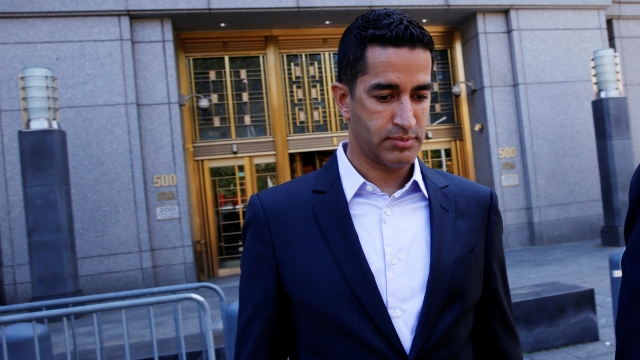
    An Indian-origin hedge fund manager was today charged by the Securities and Exchange Commission with insider trading after he reaped unlawful profits of nearly $32 million by trading on pharma stocks on the basis of tips he received from a former US government official.

    Valvani reaped unlawful profits of nearly USD 32 million for hedge funds investing in health care securities by insider trading on tips he received from Gordon Johnston. 

    Sanjay Valvani, 44, reaped unlawfl uprofits of nearly $32 million for hedge funds investing in health care securities by insider trading on tips he received from Gordon Johnston, who worked at the Food and Drug Administration and deceptively obtained confidential information.

    In parallel actions, the office of US Attorney for the Southern District of New York Preet Bharara also announced criminal charges against Valvani and Johnston.

    In the criminal complaint, Valvani has been charged on five counts including securities fraud, defrauding the US and wire fraud.

    The charges also carry a maximum fine of $5 million.

    The Securities and Exchange Commission (SEC) alleges that Johnston concealed his separate role as a hedge fund consultant and obtained confidential information about anticipated FDA approvals for companies to produce enoxaparin, a generic drug that helps prevent the formation of blood clots.

    Johnston allegedly funneled to Valvani the details of his conversations with FDA personnel, including a close friend he mentored during his time at the agency.

    Valvani then traded in advance of public announcements concerning FDA approvals for such companies as Momenta Pharmaceuticals, Watson Pharmaceuticals, and Amphastar Pharmaceuticals.

    “We allege that Valvani’s formula for trading success was tapping Johnston to abuse his position of trust as a generic industry representative to the FDA and underhandedly obtain confidential information from his friends and former colleagues at the FDA,” said Andrew Ceresney, Director of the SEC’s Division of Enforcement.

    Ceresney said Valvani and his hedge funds made millions by trading on non-public FDA drug approval information not available to the rest of the stock market.

    The SEC further alleges that Valvani in turn tipped fellow hedge fund manager Christopher Plaford, who is charged in a separate complaint with insider trading on this non-public information.

    Plaford allegedly made approximately $300,000 by trading based on inside information in hedge funds he managed.


  • FOUNTAIN OF YOUTH PILL MAY BE JUST TWO YEARS AWAY

    FOUNTAIN OF YOUTH PILL MAY BE JUST TWO YEARS AWAY

    Hang on to your hat as a pill that turns back the clock could be available in just two years.

    According to a McMaster University study, the ‘youth’ pill, which is aimed at reversing the damage done by dementia and other age-related diseases, is based on a blend of thirty vitamins and minerals widely available in health food stores and will be taken as a dietary supplement.

    The scientists said that early tests of the formula, which contains common ingredients such as vitamins B, C and D, folic acid, green tea extract, cod liver oil, have been “dramatic.”

    They believe it could someday slow the progress of catastrophic neurological diseases such as Alzheimer’s and Parkinson’s.

    In the latest study, mice, which had widespread loss of more than half their brain cells, severely impacting multiple regions of the brain by one year of age – the human equivalent of severe Alzheimer’s disease, were fed with the supplement on small pieces of bagel each day over the course of several months. Their improvement was remarkable.

    Over time, it completely eliminated the severe brain cell loss and abolished cognitive decline.

    Lead author Jennifer Lemon said that they hope that this supplement could offset some very serious illnesses and ultimately improve quality of life .

    The next step is to test the supplement on humans to check for any side effects. This is likely to happen within the next two years, and will first be given to those already suffering from neuro-degenerative diseases.

    The study is published online in the journal Environmental and Molecular Mutagenesis.

  • INSUFFICIENT SLEEP MAKES YOU VULNERABLE TO HEART DISEASES

    INSUFFICIENT SLEEP MAKES YOU VULNERABLE TO HEART DISEASES

    Not sleeping sufficiently or at regular intervals may enhance your risk of developing heart diseases, more so if you work in shifts, warn researchers.

    The body’s involuntary processes may malfunction in shift workers and other chronically sleep-deprived people, and may lead to an increased risk of cardiovascular disease, according to researchers from Northwestern University in the US.

    Insufficient sleep and circadian rhythm disturbances both have been associated with adverse cardiovascular outcomes but the cause is unclear.

    To determine the impact of circadian rhythm disturbances on cardiovascular function in sleep-deprived people, researchers studied 26 healthy people, aged 20-39.

    The study participants were restricted to five hours of sleep for eight days (sleep restriction) with either fixed bedtimes (circadian alignment) or bedtimes delayed by 8.5 hours on four of the eight days (circadian misalignment).

    Researchers found sleep restriction combined with delayed bedtimes when compared to sleep restriction without delayed bedtimes was associated with an increased heart rate during the day for both fixed bedtimes and delayed bedtimes groups.

    It was even more so at night when sleep restriction was combined with delayed bedtimes.

    Participants also experienced reduced heart rate variability at night; an increase in 24-hour urinary norepinephrine excretion in the sleep restricted and delayed bedtimes group; and reduced vagal activity related to heart rate variability during deeper sleep phases
    (NREM), researchers said.

    These deeper sleep phases have a restorative effect on cardiovascular function in normal individuals.

    Norepinephrine is a stress hormone that can constrict blood vessels, raise blood pressure and expand the windpipe.

    The vagal nerve’s main effect on the heart is the lowering of heart rate, researchers said.

    “In humans, as in all mammals, almost all physiological and behavioural processes, in particular the sleep-wake cycle, follow a circadian rhythm that is regulated by an internal clock located in the brain,” said Daniela Grimaldi from Northwestern University.

    “When our sleep-wake and feeding cycles are not in tune with the rhythms dictated by our internal clock, circadian misalignment occurs,” said Grimaldi.

    Researchers said insufficient sleep is particularly common in shift workers, who represent 15 percent to 30 percent of the working population in industrialised countries.

    “Our results suggest shift workers, who are chronically exposed to circadian misalignment, might not fully benefit from the restorative cardiovascular effects of nighttime sleep following a shift-work rotation,” said Grimaldi.

  • TRY WORKOUT SANS EQUIPMENT

    TRY WORKOUT SANS EQUIPMENT

    Running late for work? Missed your gym routine too? Working professionals find it difficult to accommodate time as they get busy with work, family and children. We help you with a lowdown on the exercises that can be done at home just before one leaves for work.

    No equipment workout not necessarily means trying anything at random. These workouts have a proper chronology and must be discussed with a trainer before performing them.

    Harsha Salunkhe, a city-based fitness trainer, says, “I suggest home workouts to women. It is a best alternative when on vacation or during busy schedules. I always insist that they should follow the sequence as instructed.”

    Harsha believes that aping Internet videos can be dangerous. She says, “Usually people who are in such exercise videos are really fit; therefore they are at ease while performing a difficult routine, they make it seem very easy. In reality, the situation is different. Many people lack the necessary stamina, and if you try any workout at random, you might end up with a serious injury.

    So, even for a home fitness routine, consult a fitness trainer first.” This workout routine involves common exercises such as jumping jack, squats, push-ups, lunges and plank. Slow jogging and marching are good for warm-up.

    Different combinations and variations of these common exercises make your no equipment workout worthwhile.

    Pick a cardio routine

    Go for cardio workouts. These workouts are best to build body stamina, which helps you to undertake more extensive routines. The workouts can be altered according to your age, strength and stamina.

    Benefits of a no equipment workout The most important benefit: they are cheap. You don’t need to enrol in an expensive gym or buy fancy equipment; all you have to do is remain focused. Another benefit is they are time savers. You can squeeze them in your schedule any time, just before getting ready for office in the morning or before you hit a party in the evening. The variations of the routine keep you entertained.

    No equipment workout routine

    – Warm up for 10 minutes including stretching, marching and jogging

    – 20 body weight squats

    – 10 push ups

    – 20 walking lunges

    – 15 second plank

    – 30 Jumping Jacks

    – Repeat the cycle for four-eight rounds.

    Don’t forget to stretch once you finish. You can increase the number of cycles once your stamina builds. And yes, it’s okay if you can’t get the perfect push-up in the first try. Mid push-ups or stand push-ups against the wall will also do good.es

  • 25 Indian Students Lacking Programming Skills Asked to Leave University

    25 Indian Students Lacking Programming Skills Asked to Leave University

    WASHINGTON — At least 25 Indian students in their first semester of the computer sciences program at Western Kentucky University in Bowling Green, Kentucky, have been asked to return to India or find placement in other schools because they did not meet the admission standards of the varsity, The New York Times said June 7 even as Prime Minister Narendra Modi was on a U.S. visit.

    Some 60 Indian students enrolled in the program in January and the university was said to have used international recruiters to enroll them.

    James Gary, the chairman of Western Kentucky’s computer science program, told the Times that “almost 40” of the students did not meet the requirements of their admissions, even though they were offered remedial help by the university.

    This means that 35 students may be allowed to continue while 25 “must leave,” the newspaper said.

    Gary said permitting the students to continue in the program would “be throwing good money after bad,” because they were unable to write computer programs, a necessary part of the curriculum and a skill that U.S. schools teach to undergraduates.

    “If they come out of here without the ability to write programs, that’s embarrassing to my department,” Gary said, explaining why the university could not permit them to continue.

    The students had been admitted after a recruitment campaign in India where advertisements were run offering “spot admission” to the university, as well as tuition discounts.

    The university Senate has now endorsed a resolution expressing concern about the recruitment campaign which was part of the university’s efforts to lift enrollment and revenue in the face of deep state budget cuts, the newspaper said.

    The university, in a statement, said it had altered its international recruitment efforts in India. The school will also send members of the computer science faculty to India to meet with students before offers of admission are made in the future.

    The chairman of the Indian Student Association at Western Kentucky University, Aditya Sharma, has expressed concern about the students who have been asked to leave.

    “I definitely feel badly for these students,” said Sharma, a graduate student in public health administration. “They’ve come so far. They’ve invested money into it.”

    But he admitted that some of the students had adopted what he called a “casual” approach to their studies. “They could not meet their G.P.A. (grade point average), so the university had to take this decision.”

    Prime Minister Modi is on a three-day visit to the U.S.

    This is not the first time that Indian students in the U.S. have faced problems.

    In April, over 300 Indian students were forced to leave their respective schools in the U.S. The students were provided admissions as part of a fake university sting operation conducted by law enforcement agencies to expose a visa scam which allowed more than 1,000 foreigners to maintain student and work visas.

    At least 10 Indian Americans were among 21 people arrested as part of the sting operation in which a fake university was created by U.S. authorities.

  • NEW METHOD TO CREATE 3D NANOPARTICLES FROM DNA

    NEW METHOD TO CREATE 3D NANOPARTICLES FROM DNA

    BOSTON (TIP): Scientists have developed an algorithm that uses DNA strands to automatically build 3D nanoparticles, which may be used in a range of applications such as vaccines, gene editing tools and memory storage. Researchers can build complex, nanometre-scale structures of almost any shape and form, using strands of DNA. However, these particles must be designed by hand, in a complex and laborious process.

    This has limited the technique, known as DNA origami, to just a small group of experts in the field.

    Unlike traditional DNA origami, in which the structure is built up manually by hand, the algorithm starts with a simple, 3D geometric representation of the final shape of the object, and then decides how it should be assembled from DNA, according to Mark Bathe, associate professor at Massachusetts Institute of Technology (MIT), who led the research. The technique may be used to develop nanoparticles for a much broader range of applications, including scaffolds for vaccines, carriers for gene editing tools, and in archival memory storage.

    “The paper turns the problem around from one in which an expert designs the DNA needed to synthesize the object, to one in which the object itself is the starting point, with the DNA sequences that are needed automatically defined by the algorithm,” Bathe said. “Our hope is that this automation significantly broadens participation of others in the use of this powerful molecular design paradigm,” he said.

    The algorithm first represents the object as a perfectly smooth, continuous outline of its surface. It then breaks the surface up into a series of polygonal shapes. Next, it routes a long, single strand of DNA, called the scaffold, which acts like a piece of thread, throughout the entire structure to hold it together.The algorithm weaves the scaffold in one fast and efficient step, which can be used for any shape of 3D object, Bathe said.

    “That step is a powerful part of the algorithm, because it does not require any manual or human interface, and it is guaranteed to work for any 3D object very efficiently,” he said.

  • Smoking puts you at increased risk of oral diseases

    Smoking puts you at increased risk of oral diseases

    Puffing cigarettes can increase the likelihood that certain bacteria will not only set up camp but will build a fortified city in the mouth and fight against the immune system, thereby making you vulnerable to oral diseases, new research suggests.

    Bacteria can form biofilms on most surfaces including teeth, heart valves and the respiratory tract.

    Biofilms are composed of numerous microbial communities often made up of complex, interacting and co-existing multispecies structures.

    “Once a pathogen establishes itself within a biofilm, it can be difficult to eradicate as biofilms provide a physical barrier against the host immune response, can be impermeable to antibiotics and act as a reservoir for persistent infection,” said one of the researchers David Scott from University of Louisville School of Dentistry in the US.

    “Furthermore, biofilms allow for the transfer of genetic material among the bacterial community and this can lead to antibiotic resistance and the propagation of other virulence factors that promote infection,” Scott noted.

    One of the most prevalent biofilms is dental plaque, which can lead to gingivitis – a gum disease found in almost half the world’s population — and to more severe oral diseases, such as chronic periodontitis.

    Bacterial biofilms also can form on heart valves resulting in heart-related infections, and they also can cause a host of other problems, the researchers said.

  • RUN FOR BETTER BONES, SAY RESEARCHERS

    RUN FOR BETTER BONES, SAY RESEARCHERS

    Exercises, such as running, that put bones to greater use, improve their health better than those (like cycling) that do not exert so much strain on them, finds a new research.

    “Normal human beings need to exercise moderately to maintain health. However, those at risk of weaker bones need to take up running rather than swimming or cycling,” said lead author Giovanni Lombardi from Istituto Ortopedico Galeazzi in Italy.

    The researchers measured glucagon, leptin and insulin — hormones involved in regulating metabolism — as well as levels of osteocalcin and P1NP (proteins associated with bone formation) in 17 trained runners before and after a 65-km mountain ultramarathon run.

    They compared it to the hormones and bone constituents of twelve adults of the same age who did not run the race but did low to moderate physical exercise.

    Increasing glucagon levels indicate an energy demand, whilst increasing insulin and leptin levels indicate adequate or excessive energy levels, the researchers stated. The findings showed that the ultramarathon runners had higher levels of glucagon and lower levels of leptin and insulin when finishing the race as compared to the control group.

    The falling levels of insulin ultramarathon runners lead to similarly falling levels of both osteocalcin and P1NP— suggesting that athletes may be diverting energy from bone formation to power the high-energy demands of their metabolism.

    However, the runners also had higher P1NP levels at rest compared to controls, suggesting that they may divert energy from bones during racing but also have a net gain in bone health in the long-term.

    Running exerts a higher physical load on bone than swimming or cycling, it could be that these forces stimulate bone tissue to signal to the pancreas to help meet its energy needs in the long-term, the researchers explained.

    “Our work has shown that bones aren’t just lying idle, but are actively communicating with other organs and tissues to drive the body’s energy needs,” Lombardi said.

  • Stay indoors or in clean surroundings if you have high blood pressure

    Stay indoors or in clean surroundings if you have high blood pressure

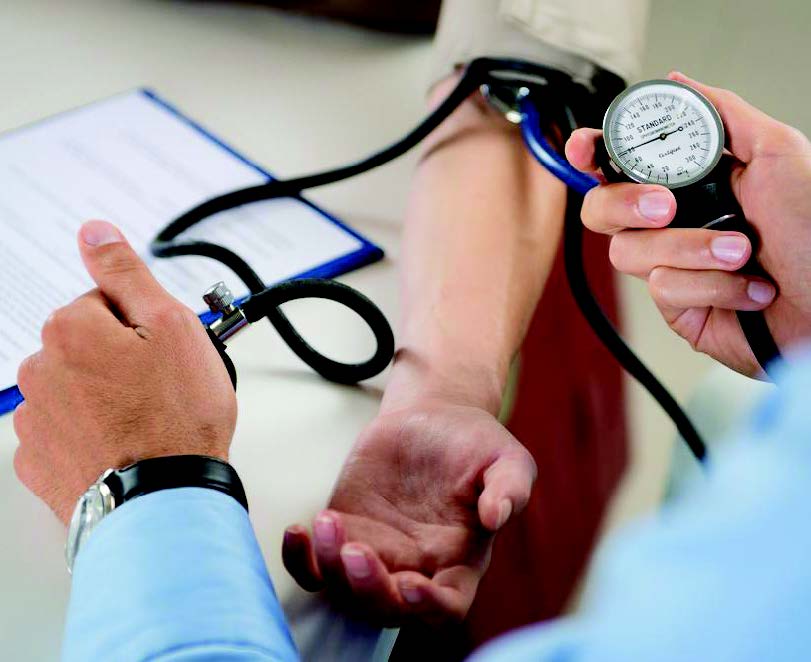
    If you have high blood pressure, you must avoid exposure to polluted air as much as possible, suggest researchers who have found air pollutants to be responsible for high BP.

    Lead researcher Tao Liu, from Guangdong Provincial Institute of Public Health in China said they have discovered a significant risk of developing high blood pressure due to exposure to air pollution.

    He warned that people should limit their air exposure on days with higher pollution levels, especially for those with high blood pressure, and that even very short-term exposure can aggravate their conditions.

    The meta-analysis found high blood pressure was significantly associated with short-term exposure to sulfur dioxide (SO2), which mainly comes from the burning of fossil fuel and PM2.5 and PM10 and the long-term exposure to nitrogen dioxide (NO2), which is produced from combustion, and PM10.

    Researchers from American heart association also pointed out that the high blood pressure is a major risk factor for cardiovascular disease and stroke.

  • PAINKILLERS MAKE PAIN WORSE

    PAINKILLERS MAKE PAIN WORSE

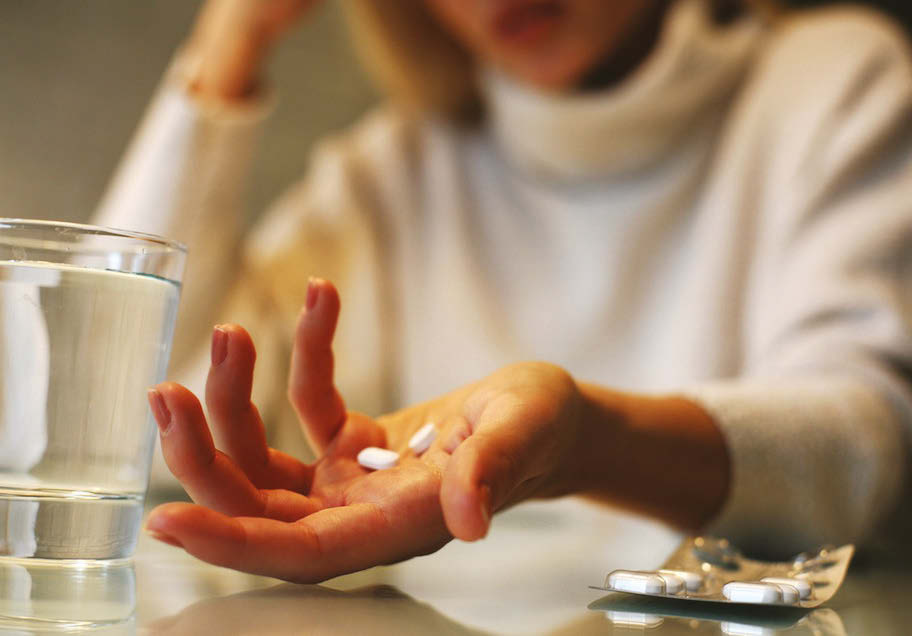
    Do you pop a painkillers at the slightest discomfort? Well, you shouldn’t because it can have devastating consequences of making pain worse and longer lasting, warns new research.

    The findings could explain the explosion of painkiller addiction in the past few decades.

    “We are showing for the first time that even a brief exposure to opioids can have long-term negative effects on pain,” said lead researcher Peter Grace, assistant research professor at University of Colorado Boulder in the US.

    The researchers found that opioids like morphine paradoxically cause an increase in chronic pain in lab rats.

    The results suggest that the recent escalation of opioid prescriptions in humans may be a contributor to chronic pain, Grace said.

    The study showed that just a few days of morphine treatment caused chronic pain that went on for several months by exacerbating the release of pain signals from specific immune cells in the spinal cord. “We found the treatment was contributing to the problem,” Grace noted.

    The study, published in the journal Proceedings of the National Academy of Sciences, showed that a peripheral nerve injury in rats sends a message from damaged nerve cells to spinal cord immune cells known as glial cells, which normally act as “housekeepers” to clear out unwanted debris and microorganisms.

    The first signal of pain sends glial cells into an alert mode, priming them for further action. When the injury was treated with just five days of opioids the glial cells went into overdrive, triggering a cascade of actions, including spinal cord inflammation.

    The team discovered that the pain signals from a peripheral injury combined with subsequent morphine treatment worked together to cause a glial cell signalling cascade.

    The cascade produces a cell signal from a protein called interleukin-1beta (IL-1b), which increases the activity of pain-responsive nerve cells in the spinal cord and brain.

    That can cause increases in pain duration lasting several months.

    “The implications for people taking opioids like morphine, oxycodone and methadone are great, since we show the short-term decision to take such opioids can have devastating consequences of making pain worse and longer lasting,” Linda Watkins, professor at University of Colorado Boulder, said.

    “This is a very ugly side to opioids that had not been recognised before,” Watkins noted.

  • FACE PACKS TO GET RID OF SUN  TAN

    FACE PACKS TO GET RID OF SUN TAN

    It’s blazing hot in Chennai. Despite the heat we have to step out for work and for other activities. It is natural that our skin would get tanned when exposed to this scorching heat. Apart from applying sunscreen lotion you can also try out these face packs to help remove the tan. City-based skin care expert Vasundhra Ravi gives us six homemade face packs that will keep your skin looking fresh this summer.

    Barley pack

    Grind 30 grams of barley with 20 grams of khus khus. Mix this powder with five drops of lemon juice and a few drops of rose water to make a smooth paste. Apply this paste on the exposed areas. Leave the pack on for half-anhour and wash your face with cold water.

    Dal pack

    Take two tablespoon of tuvar dal, two tsp green gram dal, two tsp cucumber seeds, two tsp channa dal. Grind all these into a fine powder. Add two pinches of kasturi manjal and two tsp cucumber juice to this powder and make a paste. Apply this on the tanned areas. Leave it for half-an hour and wash it.

    Fruit pack

    Soak 10 grams of dry raisins and two dates in 50 ml tea decoction for two hours.Then grind this into a smooth paste.Add a tsp of papaya pulp, apply the mix on face, neck and other exposed areas. Rinse after 10 minutes.

    Orange pack

    Dry orange peel (mandarin orange) and powder it. Take a tsp of this powder and add one tsp curd, a tsp Multani mitti, and one tsp sandal paste. Add a little water and mix it into a fine paste. Apply the paste on the tanned areas and leave it on for 20 minutes.Wash off with water.

    Aloe vera pack

    Mix two tsp of aloe vera pulp, three tsp tomato juice, one tsp Multani mitti and one tsp sandal paste. Apply on tanned areas. Leave on for 15 minutes, pat on cold milk. Leave on for five minutes and then wash off with water.

    Potato pack

    Mix one tsp potato juice (grate and squeeze), one tsp tomato pulp and two tsp green gram flour. Apply this mixture all over the tanned areas. Leave it on for 20 minutes and wash.

  • Indian-origin Dr. Sanjay Gupta second most popular doctor in US

    Indian-origin Dr. Sanjay Gupta second most popular doctor in US

    Indian-American neurosurgeon, Dr. Sanjay Gupta, 47, who is also the chief medical correspondent for CNN with several Emmys under his belt, has emerged as the second most popular doctor in the US on Twitter, with over two million followers on the microblogging website, a new study has found.

    The #DocsOnTwitter study by researchers at Augustana University in the US analysed tweeting habits of medical professionals in the country from 2006 to 2015.

    Gupta, with 2,031,428 followers on Twitter, serves as associate chief of the neurosurgery service at Grady Memorial Hospital in Atlanta, Georgia and as assistant professor of neurosurgery at the Emory University School of Medicine.

    ”We just wanted to see how doctors are engaging with other people on Twitter,” Paige Schwitters, an Augustana student who contributed to the report, was quoted as saying by ‘argusleader.com’. The group worked with internet research firm BrightPlanet to evaluate Tweets and break the accounts down by age and gender.

    The researchers analysed about 3.4 million tweets and sorted through 4,500 users. The most followed Twitter accounts belonged to celebrities, public figures or TV personalities.

    The top three followed doctors on Twitter are: Dr. Drew Pinsky (@drdrew) with 3.18 million followers, Dr. Gupta (@drsanjaygupta) who has 2.03 million followers, followed by Dr. Asa Andrew (@drasa) with 1.03 million followers. Drew with 3,183,017 followers, is an American boardcertified internist, addiction medicine specialist and a media personality.

    Gupta is best known as the chief medical correspondent for CNN (joined 200 and has won multiple Emmy awards. He also uses his Twitter account primarily for professional use, giving his opinions and medical advice.

    “Gupta, a practicing neurosurgeon, plays an integral role in CNN’s reporting on health and medical news for all of CNN’s shows domestically and internationally, and contributes to CNN.com,” according to his biography mentioned in CNN.

    “His medical training and public health policy experience distinguishes his reporting from war zones and natural disasters, as well as on a range of medical and scientific topics, including the recent Ebola outbreak, brain injury, disaster recovery, health care reform, fitness, military medicine, and HIV/AIDS,” it added.

    Researchers  to determine when and how physicians were most likely to use Twitter. The study also shows doctors are using Twitter on the go and are less likely to use the micro blogging site for legal reasons. Many avoid announcing their personal business on social media because of rules for patient privacy and insurance, according to the report.


  • Indian-American Scientist Arnab De Wins Springer Theses Award

    Indian-American Scientist Arnab De Wins Springer Theses Award

    NEW YORK (TIP): An Indian-American scientist has received the prestigious Springer Theses Award in recognition for his outstanding research in which he developed transgenic mice to study a critical tumor-suppressor called A20.

    Arnab De’s thesis was nominated by New York’s Columbia University. Before this, De, who has also developed peptide-based prodrugs as therapeutics for diabetes, had received the Young Investigator Award at the American Peptide Symposium.

    The thesis prize is awarded by Springer, a leading global publisher of renowned scientific journals and books, to recognize outstanding PhD research.

    Internationally top-ranked research institutes select their best thesis annually for publication in the book series: “Springer Theses: Recognizing Outstanding PhD research”.

    Additionally, winners also get a cash prize of 500 euros. The research work was highlighted by the European Molecular Biology Organization (EMBO) Reports.

    Only research considered to be of ‘fundamental relevance to a general readership’ is chosen to be highlighted by EMBO.

    Mr. De has dedicated his PhD thesis to cricketing legend Sachin Tendulkar and his alma mater, Kolkata’s Presidency University.

    Mr. De said: “Two things that have influenced me the most is sports and education. This thesis is dedicated to Sachin Tendulkar not only for the cricketing joy he provided me, but also for being a constant source of inspiration to all Indian youth.”

    Ole John Nielsen (University of Copenhagen), who shared the 2007 Nobel peace Prize as a member of the Intergovernmental Panel on Climate Change along with US vice president Al Gore, had in 2012 described the Springer award as an “insanely great honor”.

  • Indian American Doctor-Scientists Honored with 2016 Young Physician-Scientist Award

    Indian American Doctor-Scientists Honored with 2016 Young Physician-Scientist Award

    WASHINGTON (TIP): The American Society for Clinical Investigation recently named five Indian American doctors with its 2016 Young Physician-Scientist Award.

    The ASCI Council Young Physician-Scientist Awards, initiated in 2013, recognizes young physician-scientists who are supported by NIH K awards or similar significant career-development awards, are early in their first faculty appointment, and have made notable achievements in their research.

    The Indian American recipients are Ravi Karra of Duke University, Rithwick Rajagopal of Washington University School of Medicine, Amy Sanghavi Shah of Cincinnati Children’s Hospital Medical Center, Ravi Shah of Beth Israel Deaconess Medical Center, and Nikhil Wagle of the Dana-Farber Cancer Institute.

    Karra is an assistant professor at the Duke University School of Medicine.

    Rajagopal is an assistant professor in the ophthalmology and visual sciences at the Washington University School of Medicine in St. Louis.

    Amy S. Shah is a board-certified pediatric endocrinologist whose research focuses on the risk factors that contribute to early atherosclerosis. She is an assistant professor at the University of Cincinnati Department of Pediatrics.

    Ravi Shah is a cardiologist in BIDMC’s Cardiovascular Institute and an instructor in medicine at Harvard Medical School.

    Wagle is a medical oncologist at the Dana-Farber Cancer Institute and instructor in medicine at Harvard Medical School.

    For more information and complete list of awardees please visit https://www.the-asci.org/ypsa/2016-awardees

  • WONDER TEAS THAT MAKE YOU SLIM

    WONDER TEAS THAT MAKE YOU SLIM

    If you are unhealthily starving yourself and still not losing weight, you are certainly doing it all wrong! While it’s a known fact that gaining pounds is much easier than losing them, your approach towards weight loss is what matters. People try gymming, dieting and end up falling sick thanks to their desperate attempts and though we believe in exercising moderation when it comes to working out and following a particular diet, there’s a secret mantra of losing weight that many of you don’t know about. Slimming teas! Well, you read that right, sipping onto that comforting cup of tea can actually make you slim, but we are not talking about the regular tea, but some specific teas which have the ability to aid weight loss. Here’s a look at 5 of those wondrous teas which can give out unbelievable results if you are serious about losing that flab.

    Peppermint tea Since it helps in speeding up the process of digestion, it’s best to have a cuppa of this concoction daily in order to burn more calories than usual. What’s more, it will also curb your food cravings, thereby making you eat just as much as you should eat.

    Prepare mint tea by taking a spoonful of fresh/dried mint leaves and adding them to boiling water. Let the leaves boil for 5 minutes and then strain the water. Add honey, if you like you tea a little sweet.

    Rose tea The easiest to make and the most flavourful of the lot, rose tea is a blessing in disguise as it clears all the toxins inside the body. Also, since it prevents constipation, the intake of rose tea ensures your metabolism is in place.

    You can prepare rose tea by mixing fresh rose petals with a spoonful of tea leaves and boiling the same for 4-5 minutes.

    Green tea Though it might be a part of your daily diet already, green tea needs to be prepared in the right form (don’t remove the tea bag/tea leaves before 3 minutes) for best weight loss results. A gift to mankind, the antioxidant catechins found in green tea not only boost metabolism, but also help in burning fat.

    Oolong tea Extremely popular in China and now widely available in India, courtesy the online shopping portals,oolong tea is nature’s guard against obesity and can reduce cholesterol to a great extent.

    Prepare oolong tea by putting a spoonful of tea leaves in boiling water and steeping the same for 4-5 minutes.

    Drink twice a day for best results.

    Black Tea All of us have tasted black tea at least once in our lives, either when there’s no milk in the fridge or when we are feeling too full. And well, despite having it quite regularly, most of us are not aware about its weight loss aiding abilities. Black tea helps controlling blood sugar levels and curbs the appetite to a great extent.

    Can be simply prepared by boiling the tea leaves in water.

    Explore More!!!

  • Indian-American Scientist Arnab De Wins Springer Theses Award

    Indian-American Scientist Arnab De Wins Springer Theses Award

    An Indian-American scientist has received the prestigious Springer Theses Award in recognition for his outstanding research in which he developed transgenic mice to study a critical tumor-suppressor called A20.

    Arnab De’s thesis was nominated by New York’s Columbia University. Before this, De, who has also developed peptide-based prodrugs as therapeutics for diabetes, had received the Young Investigator Award at the American Peptide Symposium.

    The thesis prize is awarded by Springer, a leading global publisher of renowned scientific journals and books, to recognize outstanding PhD research.

    Internationally top-ranked research institutes select their best thesis annually for publication in the book series: “Springer Theses: Recognising Outstanding PhD research”.

    Additionally, winners also get a cash prize of 500 euros. The research work was highlighted by the European Molecular Biology Organization (EMBO) Reports.

    Only research considered to be of ‘fundamental relevance to a general readership’ is chosen to be highlighted by EMBO.

    Mr De has dedicated his PhD thesis to cricketing legend Sachin Tendulkar and his alma mater, Kolkata’s Presidency University.

    Mr De said: “Two things that have influenced me the most is sports and education. This thesis is dedicated to Sachin Tendulkar not only for the cricketing joy he provided me, but also for being a constant source of inspiration to all Indian youth.”

    Ole John Nielsen (University of Copenhagen), who shared the 2007 Nobel peace Prize as a member of the Intergovernmental Panel on Climate Change along with US vice president Al Gore, had in 2012 described the Springer award as an “insanely great honor”.

  • Depression lowers your chances of motherhood

    Depression lowers your chances of motherhood

    Severe depressive symptoms can decrease your chances of becoming pregnant, says a study.

    The study found a 38 percent decrease in the average probability of conception in a given menstrual cycle among women who reported severe depressive symptoms, compared to those with no or low symptoms.

    The results were similar, regardless of whether the women were on psychotropic medications.

    Despite associations in prior studies between infertility and the use of antidepressants, antipsychotics or mood stabilisers among already infertile women, “current use of psychotropic medications did not appear to harm the probability of conception,” said lead author Yael Nillni, an assistant professor at Boston University Schools of Public Health and Medicine in the US.

    “Our findings suggest that moderate to severe depressive symptoms, regardless of current psychotropic medication treatment, may delay conception,” Nillni said.

    The findings were published in the American Journal of Obstetrics and Gynecology.

    Although the study does not answer why women with more depressive symptoms may take longer to become pregnant, the authors noted several potential mechanisms.

    Depression has been associated with dysregulation of the hypothalamic-pituitary-adrenal axis, which may influence the menstrual cycle and affect the ability to conceive, for example.

    Data for the study came from more than 2,100 female pregnancy planners, ages 21-45 years, enrolled in a study known as PRESTO (Pregnancy Study Online) that is looking at factors influencing fertility.

    The participants were asked to report their current depressive symptoms and psychotropic medication use, among many other factors.

    Read More

  • YOUR DAILY BREAD MAY LEAD TO CANCER: CSE STUDY

    YOUR DAILY BREAD MAY LEAD TO CANCER: CSE STUDY

    NEW DELHI (TIP): The pre-packaged bread may be a silent killer as it is laced with chemicals suspected to cause cancer, a new study has warned.

    Most of the breads made by the Indian companies are found to contain potassium bromate and potassium iodate — chemicals banned in many countries for their adverse effects on human health, a study conducted by the Centre for Science and Environment (CSE) said.

    Potassium bromate is a powerful oxidizing agent, use of which makes bread fluffy, soft and gives it a good finish.

    The food safety regulations of India allow use of potassium bromate as flour treatment agent in bread and other bakery products.

    However, several bread companies and fast food chains have denied using these chemicals.

    “The use of these chemicals in the bread-making sector has been banned in many countries because they are listed as hazardous for public health: One is a category 2B carcinogen and the other could trigger thyroid disorders,” the CSE report said.

    The CSE tested 38 commonly available branded varieties of pre-packaged breads, ‘pav’ and buns, ready-to-eat burger breads and ready-to-eat pizza breads of popular fast food outlets from Delhi.

    “We found 84 percent samples positive with potassium bromate or iodate. We re-confirmed the presence of chemicals in a few samples through an external third-party laboratory. We checked labels and talked to industry and scientists,” CSE’s deputy director general Chandra Bhushan said.

    In 1999, the International Agency for Research on Cancer (IARC) classified potassium bromate as possibly carcinogenic (cancer causing) to humans. It was found to cause tumours of the kidney, thyroid and cancer of the abdominal lining in laboratory animals.

    The European Union had banned its use in 1990. The other countries which have banned potassium bromate include Britain, Canada, Australia, New Zealand, China, Sri Lanka, Brazil, Nigeria, Peru and Columbia.

    “Globally, potassium bromate was allowed to be used on the assumption that the bromate residues would not be present in the end product. This assumption failed across the world. Residues were being detected even after reducing the permissible limits of use, and therefore countries started banning it,” Bhushan said.

    “Our study confirms that residues of potassium bromate are present in bread sold in India,” he added.

    Interestingly, only one company was found to be labelling the use of potassium bromate on its pre-packaged products.

    The CSE results showed high levels of potassium bromate or iodate in sandwich bread, ‘pav’, bun and white bread. Products of Harvest Gold, Britannia and Perfect Bread were those with higher levels, according to CSE.

    “Of these, only Perfect Bread labels the use of potassium bromate. No maker among those tested labels potassium iodate. Only Britannia denied use of potassium bromate or iodate,” the study said. “Products of all five popular multinational fast food outlets selling pizza and burger were found positive with potassium bromate/iodate. These include KFC, Pizza Hut, Domino’s, Subway and McDonald’s. Except Domino’s, others have denied use in a response to CSE,” it added.

    Samples of two other fast food outlets — Nirula’s and Slice of Italy — also tested positive for potassium bromate/iodate. Slice of Italy denied use of the chemicals to CSE.

    Read More

  • LONG-TERM USE OF ANTIBIOTICS COULD DISRUPT BRAIN FUNCTION

    LONG-TERM USE OF ANTIBIOTICS COULD DISRUPT BRAIN FUNCTION

    Treatments involving long-term use of antibiotics have the potential to disrupt brain functions, suggests a new research which found that healthy gut bacteria is crucial to keeping the mind sharp.

    A special kind of immune cell serves as an intermediary between gut bacteria and the brain, showed the findings that could also help to alleviate the symptoms of mental disorders.

    The gut and the brain “talk” to one another via hormones, metabolic products or direct neural connections.

    In this study, the researchers switched off the gut microbiome in mice, that is their intestinal bacteria, with a strong concoction of antibiotics.

    Compared to the mice that had not undergone treatment, they subsequently observed significantly fewer newly formed nerve cells in the hippocampus region of the brain.

    The memory of the treated mice also deteriorated because the formation of these new brain cells – a process known as neurogenesis – is important for certain memory functions.

    As well as impaired neurogenesis, the researchers also found that the population of a specific immune cell in the brain – the Ly6C(hi) monocytes – decreased significantly when the microbiota was switched off.

    Applied to humans, the findings do not show that all antibiotics disrupt brain function, as the combination of drugs used in the study was extremely potent.

    “It is possible, however, that similar effects could result from treatments involving long-term use of antibiotics,” said one of the researchers Susanne Wolf from Max Delbruck Centre for Molecular Medicine in the Helmholtz Association, Berlin, Germany.

    The findings were published in the journal Cell Reports.

    The research team also found that the antibiotics may affect neurogenesis directly, and not act only via the gut bacteria.

    The new study is also of significance for treating people with mental disorders such as schizophrenia or depression, who also have impaired neurogenesis, Wolf said.

    “In addition to medication and physical exercise, these patients could potentially also benefit from probiotic preparations,” Wolf noted.

  • We Need Powerful Economic Engines in Nassau County: Comptroller Maragos

    We Need Powerful Economic Engines in Nassau County: Comptroller Maragos

    More often than not Mr. Maragos has been caught in controversies, much because of the nature of his job. Recently, he was embroiled in a running argument with Nassau County Police Chief over his audit report which took the Police department to task for having exceeded the budgetary provisions. Well, that’s the job of the Comptroller, as he said candidly in the exclusive interview he gave to The Indian Panorama on May 3, to ensure tax payer’s money is spent wisely.

    Again, the Comptroller expressed grave concern on flight of large businesses from the County. He was emphatic that in order for Nassau County to grow it is important that there are powerful economic engines. And he detailed how it can be achieved.

    The first part of the interview was published earlier, please click on the following link for the published part of the interview.

    theindianpanorama.news/united-states-america/im-answerable-public-voters-nassau-county-comptroller-george-maragos/

    Here is the second part of the interview.

    TIP: How do you look at the mess? If you have fewer people in the police department they will always be outstretched and stressed. They will not be able to reach out fast enough at the crime scene because you don’t have people and still you are paying them over time. Where is the justification?  You are giving deficient services and paying officers.
    M: Yes.

    TIP: And you know it, I believe.
    M: Yes.

    TIP: Can’t you do something about it as Comptroller?
    A: I think, we did when we issued the report. We issued the report, we questioned the management and we called it systemic, management failures. Because he (police commissioner) wasn’t just managing the overtime. If we consolidate the police precincts. From eight down to four. the county would save eight million dollars.

    TIP: What is it?
    M: Twenty million. That’s what the police commissioner said. And that’s what the county executive said would be the benefit without affecting public safety. So when we went in to say well ok you’ve made these promises to the legislature, to the public, can we see the analysis? What assumptions have you made? And the analysis that showed, given the work rules the unions and the staffing etc., that showed that you would save twenty million dollars. And they couldn’t provide it. Ok. So that is some management failure. Making promises, without basis. That’s an issue.

    TIP: And there are so many issues like these and you keep creating your enemies unnecessarily.
    Your police commissioner is mad.
    M: Absolutely.
    TIP: If you don’t do it, who is going to do it?
    M: Exactly and the same thing happened when the wage freeze was lifted. And there was a new collective bargaining agreement entered into. Again it was represented that the county would be saving about five hundred million dollars over twenty years. Ok. Now we’ve extended it from ten-year analysis to twenty-year analysis to make the numbers big.

    TIP: It feels very good as a resident of Nassau county if we have a watchdog comptroller who is doing his job well. Many cases of corruption could be nipped in the bud. Corruption may not take place at all. Depending upon you and depending upon the kind of district attorney we have.
    M: You know we do our best but you know sometimes things slip through the cracks. But let me also add though that in all the audits that we do and in the press releases that we put out it’s never done to with malice. To harm anybody. You know we never point fingers. We never make it personal. It’s never a personal attack. It’s always; this is the data; this is how the system is working.

    TIP: You’re only a correctional institution.
    M: That’s right. Let’s make it better.

    TIP: The only thing is you don’t put them in jail. I would like to know you might be having a vision how we can make this county a real paradise kind of a place for everybody. If you could give me you know in nutshell what, if at all you have that kind of a vision. You might have also thought how you can do it. If you could let me have that for the benefit of our readers, I would be very happy.
    M: I’d be happy to. I think we released a study two years ago, now a demographic study. And an economic vision for the county and we drew the parallel. That in the 60’s and 70’s Nassau county had two very powerful economic engines. One, it was the aerospace center of the nation. We were the defense arm of the nation. Right here with Grumman in Bethpage, and all of the support industries. We’ve lost that. When we look at 99.99 percent of our companies now in Nassau county are small companies, with less than five hundred employees. So we don’t have powerful economic engine, like the financial industry in the City, like the pharmaceutical industry in New Jersey, like the IT industry in Silicon Valley. We don’t have those. And that’s what you need in a global economy, to be competitive, to be prosperous, to create those high paying jobs. And our vision is, we’ve articulated, that we should draw on our natural strengths, natural resources which right now are our healthcare industry. We have some of the big hospitals; we have some great universities; some world class research facilities. Let’s make them better. Let’s become the healthcare center. This is where people should want to come. We have a lot of Indian and South Asian physicians here. This is where we want people to come to get the best treatments. This is where we should be discovering the next miracle drugs. I think we have the knowhow and the skill. But we have to become even better than what we are. Let’s invest in research and development; let’s encourage our universities and hospitals to become even better to attract some of the best- best professors, best doctors, best research people. And let’s interconnect all those together, having an infrastructure transportation system into the city and inter county, with connections to Macarthur airport, with connections to JFK. And let’s invest in them to improve their capabilities. Have them compete with one another but also cooperate with one another and that is the vision that we have articulated that we should start investing in it.

    TIP: You said, there was a time a couple of years ago you had heavy industries kind of thing, big industries here. They moved out. Why did they move out?
    M: Well they moved out because of various reasons. Obviously, they went to down south to less expensive areas. We’ve had outsourcing of jobs and manufacturing. Not only it went south but they went overseas as well. But you know we’re not going to compete by being low cost. We need to compete by being innovative. By developing new skill sets that require high skill sets that are high paying. And I think thatthose are the industries that we should be fostering and developing. Those should be the future of our county.

    TIP: Don’t you think there is a contradiction? You have not been able to hold back the industry because they found better opportunities elsewhere, lowcost, as you said. That means you are high cost here. So if they moved out, how do you expect others to come to this place where the costs are high because everybody is looking at profits?
    M: I’m a businessman. I believe that if you bring for example, some Nobel scientists here. Plan it to be the basis for the next generation of research facilities. Those people through their work will attract other people-very brilliant, very intelligent people to come. And those people are going to be well paid but it’s not the money that motivates them. It’s the result that they work for. And that’s what we need to attract here. You know and if we built that nucleus then innovations and the results of innovation will attract more very intelligent people. And you’re going to see thriving industries, around those research universities and hospital systems.

    TIP: It’s a wonderful vision. Now the question, is how do you think that kind of a nucleus can be created?
    M: Well, it takes leadership. It takes vision. Leadership and vision. As a county, I think we can become more efficient as a government. I think we can afford to probably invest ten billion dollars. It’ll cost us about two hundred million dollars a year. In a three billion dollars budget I think we can find that money through efficiencies, through our police department being a little more efficient. So that would send a strong signal that we have a vision we are focused on. You know we’re going to bring some of the best minds here. We’re going to support our universities and hospitals to become even better than they are. And we’re going to build the infrastructures; to allow them to collaborate and compete. And also to connect ourselves much better with the city and the financial industry. You know the l.IRR has not been improved in over fifty / sixty years.

    TIP: So you presented it your vision before the legislature?
    M: Yes. And there were public hearings on it and it was very positive. But there isn’t that driving force, that leadership.

    TIP: You mean it is lacking?
    M: Is lacking. The commitment, the leadership. And bringing the resources.

    TIP: Did the legislature approve of this vision?
    M: Well you know they had public hearings on it. And that’s part of it. Doesn’t have to be this vision. And it could be modified. But let’s as a community have a dialogue. We put a vision on the table. Let’s have a dialogue. Involve in it and agree as a community that this is where we want to be in twenty years, in thirty years. And start investing in building it and achieving that.

    TIP: I think you know in order to see to that a part of this vision if not the entire vision, a part of this vision needs to be discussed by the community and the legislature should be told to take note of it.
    M: Yes, but it takes leadership.

    TIP: Come up with possible policies.
    M: But only the county executive can do that. He can say look here’s our vision.

    TIP: Did you discuss it with the county executive?M: Yes.

    TIP: And what was his answer? What was his reaction?
    M: Disappointedly no reaction.

    TIP: And what do you think made him brush it aside or put it under the carpet?
    M: I don’t know. And I don’t ask those questions.

    To be continued 

  • Indian American NJ based author releases book in Chennai

    Indian American NJ based author releases book in Chennai

    CHENNAI (TIP): Uma Swaminathan, a New Jersey-based community activist and a fighter against injustice in NJ school system last week released her book “Healing with Herbs – Ancient Ayurvedic Wisdom for Health and Longevity” at a gala book signing event in Odyssey Book Store in Chennai.

    Last year, Ms. Swaminathan authored a unique 250- page book “Herbal Transformations- Ancient wisdom revealed for health and longevity”. The American edition of this book is being marketed by Amazon.com.

    Jaico Publications in India has now brought out the Indian edition of the book entitled “Healing with Herbs- Ancient Ayurvedic Wisdom for Health and Longevity”.

    The book is considered a treasure in view of the world-wide interest in its contents which include subjects like yoga, organic food, health concerns, cultural moorings and the universal yearning for youthfulness and longevity, according to the author.

    It is written in a simple, personalized, chatty, and highly readable style which would appeal to all age groups, from the very young right up to the aged and it contains many lively colorful photographs taken by the author herself.

    Ms. Uma Swaminathan
    Ms. Uma Swaminathan

    It speaks of yoga practices that can increase memory power, of tropical fruits that can even cure cancer, of increased sensitivity and intuition through proper diet and cleansing, how to lose weight and bring out one’s natural aura, the sacred geometry of the traditional Kolam art and even cooking recipe.

    Ms. Swaminathan was referred to as Rosa Parks of Indian Community by Indian media in the US for putting a brave fight against her suspension on fabricated grounds under racial bias. After three years, she was reinstated by the Courts and the Board squandered taxpayers’ hard earned money to justify their illegal actions to destroy a competent school teacher because of her ethnic Indian background.

    Mr. T.S.Krishnamurthy, former Chief Election Commissioner of India; V. Selvaraj, former Chairman of Madras Port Trust; Prabhala Subash, a famous DJ and CEO of Masala FM radio, Mr. Chari, a retired IAS officer and others felicitated her.

    Ms. Swaminathan is a US Citizen of Indian-origin and she owns an ancestral apartment in Chennai, where she stays while in India. She has specialized in cultural anthropology while studying at the Rutgers’ University in NJ. Her initial schooling was in Chennai and in Patna, Bihar. In her youth in India, she learned to fly monoplanes and got her private pilot’s license.

    She studied classical Indian dance and is a prolific painter. Shea had also spent a few years in Tokyo, Japan, where she was honored by Princess Hitachi, Prime Minister, Kaifu’s wife, for bridging understanding and cultural awareness between India and Japan. She was made the Chief Marshal of the International Parade in Tokyo. She has been in leadership roles in the US and is past President of the Association of Indians in America. She is also a practicing Reiki Master.

  • Indian American Neera Tanden Appointed To Democratic Party’s Policy Panel

    Indian American Neera Tanden Appointed To Democratic Party’s Policy Panel

    Democratic National Committee Chairwoman Debbie Wasserman Schultz announced the appointment of the party Platform Drafting Committee’s 15 members who will draft its policy agenda for the November presidential election.

    Among the members is Indian American Neera Tanden, 45, who has been a long-time associate of Democratic presidential front-runner Hillary Clinton, is being touted as a potential cabinet member if Clinton is elected as the US president in the November general elections.

    The panel is responsible for developing and managing the process through which the platform is established which is similar to the election manifesto parties have in India.

    Tanden, the president of the Center for American Progress (a top US think-tank), has served as a Clinton surrogate and worked as policy director for Clinton’s presidential campaign in 2008. She was a key protagonist in developing President Barack Obama’s healthcare reform proposals – the Affordable Care Act – during her tenure in the Obama administration.

    U.S. Democratic Party
    U.S. Democratic Party

    “We are delighted to bring together this talented group of Democrats. These individuals represent some of the best progressive thinking from across the nation. I am confident that the members of this committee will engage Americans in a substantive dialogue of ideas and solutions that will inform our Party Platform,” Democratic National Committee Chairwoman Debbie Wasserman Schultzshe said.

    Congressman Elijah Cummings has been appointed as chair of the drafting committee.

    The committee’s members are Rep. Elijah Cummings, Howard Berman, Paul Booth, Carol Browner, Rep. Keith Ellison, Rep. Luis Gutierrez, Rep. Barbara Lee, Bill McKibben, Deborah Parker, State Rep. Alicia Reece, Bonnie Schaefer, Ambassador Wendy Sherman, Neera Tanden, Dr. Cornel West, and James Zogby.

    Sanders said he was satisfied with the way the committee’s seats were distributed.

    “We believe that we will have the representation on the platform drafting committee to create a Democratic platform that reflects the views of millions of our supporters who want the party to address the needs of working families in this country and not just Wall Street, the drug companies, the fossil fuel industry and other powerful special interests,” he said in a statement.

    Clinton campaign press secretary Brian Fallon also said their camp is happy with the fact that Sanders will have more input in the party platform.

    “We’re pleased that the upcoming Democratic Convention will ensure supporters of Senator Sanders are well represented in the drafting of the party’s platform,” Fallon said. “The Democratic Party historically has been a big tent, representing a diverse coalition, and Hillary Clinton is committed to continue welcoming different perspectives and ideas.”

  • Ambassador Richard Verma Visits Bhopal

    Ambassador Richard Verma Visits Bhopal

    United States Ambassador to India, Richard R. Verma, visited Bhopal on May 25, 2016 for his first official visit to the state of Madhya Pradesh.

    During his visit, Ambassador Verma met with the Honorable Chief Minister Shivraj Singh Chouhan to discuss U.S.-India cooperation, including investment opportunities for U.S. companies and clean energy initiatives.

    The Ambassador also met Chief Secretary Anthony De Sa, and Minister for Commerce, Industry and Employment, Public Sector Undertakings, Sports and Youth Welfare, Religious Trusts and Religious Affairs, Ms. Yashodara Raje Scindia.

    In addition to his official meetings, Ambassador Verma met religious leaders and students at Taj-ul-Masajid, the largest mosque in India.  “This stunning mosque is a symbol of India’s architectural treasure and represents the richness of India’s cultural heritage,” said Ambassador Verma.  “Among India’s strongest assets are its diverse religious communities, and it was very special to spend some time learning about the work and education that takes place here at the Taj-ul-Masajid.”

    Later in the day, Ambassador Verma visited the “Gauravi” One Stop Crisis Center and interacted with staff and survivors gender-based violence (GBV).  At the Center, Ambassador Verma learned about joint efforts by civil society groups and government to address and counter GBV issues.  “The Gauravi Center does absolutely incredible work,” said the Ambassador.  “The collaboration between the government and NGO are commendable, and I applaud their work to address gender based violence.”

    Ambassador Verma also spent time with students at the “Parvarish” Museum School, which was founded in 2005 by the NGO Organization for Awareness of Integrated Social Security (OASIS) to serve slum children.  Ambassador Verma interacted with current students and several program graduates who are now in college.  During his interactions, Ambassador Verma stressed the need for these students to continue working towards their goals.  “It was a joy to interact with the students at Parvarish,” said the Ambassador.  “The engaging, hands-on learning environment made me think anew about innovative options for meeting educational needs.  To see the good and important work going on at Parvarish was truly inspirational.”

    The U.S. Consulate General in Mumbai looks forward to deepening and broadening its partnership with Bhopal and Madhya Pradesh across all sectors: more two-way trade and investment, along with greater collaboration in health, science, and clean energy.

    USAmbIndia - Bhopal visit1 - Image Coutesy Getty Images / Hindustan Times
    Image Coutesy Getty Images / Hindustan Times

    USAmbIndia - Bhopal visit - Image Coutesy Getty Images / Hindustan Times
    Image Coutesy Getty Images / Hindustan Times