Tag: Health

Read the latest health news, diet, fitness, medical news and healthcare tips on theindianpanorama.news/health. Get all the healthcare news, including wellness, fitness, diet and weight loss & more.

  • Diabetic diet tips for the busy Indian-Americans

    Diabetic diet tips for the busy Indian-Americans

    The first thing that comes to your mind after being diagnosed as a diabetic is, ” What do i eat ? ” ” What is carbohydrate?” and ” what is low glycemic index food ? ” .  well we would make the answer simple for you in this Type 2 Diabetic diet plan for Indians (1500 calories)

    Diabetes control is governed by following the right diabetic diet. What to eat and what not to eat is important for Diabetes control and diabetes cure or diabetes reversal.  

    These are the top 15 diabetes diet tips from diabetologists and nutritionists. Even if you are pre-diabetic or borderline diabetic, or diabetes is part of your family, it is important to follow a diabetic diet to prevent diabetes.

    Diabetes diet for Indians should have the ratio of 60:20:20 for carbs, fats and proteins. Health experts say, “Per day calorie intake should be between 1,500-1,800 calories with a proportion of 60:20:20 between carbohydrates, fats and proteins, respectively.”

    Diabetes diet should “have at least two seasonal fruits and three vegetables in a diet plan.”

    Though dry fruits may seem like a healthy snack, it is not a good option for diabetics, as the fructose can spike your sugar level. Go for fresh fruits rather than dry fruits for diabetes control (but there are some restrictions… we’ll come to it). But you can still opt for nuts as a healthy snack.

    The doctor shares his recipe for diabetes diet for Indians:

    – One teaspoon of methi seeds soaked overnight in 100 ml of water is very effective in controlling diabetes.
    – Drink tomato juice with salt and pepper every morning on an empty stomach.
    – Intake of 6 almonds (soaked overnight) is also helpful in keeping a check on diabetes.

    Rekha Sharma, President and Director of Indian Dietetic Association, shares some major diabetes diet pointers that one should follow at home or at a restaurant.

    Whole grains, oats, channa atta, millets and other high fibre foods should be included in the meals . If one feels like consuming pasta or noodles, it should always be accompanied with vegetable/sprouts.

    Milk is the right combination of carbohydrates and proteins and helps control blood sugar levels. Two servings of milk in a daily diet is a good option.
    Diabetes Control: Diabetic Diet Tips

    High fibre vegetables such as peas, beans, broccoli and spinach /leafy vegetables should be included in one’s diet. Also, pulses with husk and sprouts are a healthy option and should be part of the diet.

    Pulses are important in the diet as their effect on blood glucose is less than that of most other carbohydrate containing foods. Vegetables rich in fibre help lowering down the blood sugar levels and thus are healthy.

    Good fats such as Omega-3 and monounsaturated fats (MUFA) should be consumed as they are good for the body. Natural sources for these are canola oil, flax seed oil, fatty fish and nuts. These are also low in cholesterol and are trans fat free.

    Fruits high in fibre such as papaya, apple, orange, pear and guava should be consumed. Mangoes, bananas, and grapes contain high sugar; therefore these fruits should be consumed lesser than the others.

    Small frequent meals:

    A large meal gives rise to higher blood sugar in one’s body, therefore it is essential to take small frequent meals to prevent both higher and very low blood sugar values and keep them constant. Small in between snacks can be dhokla, fruit, high fibre cookies, butter milk, yogurt, upma/poha with vegetables etc.

    A person with diabetes should follow a diet which is low in carbohydrates, high in fibre and contains adequate amounts of proteins, vitamins and minerals; and avoid fatty foods and sweets . He/she should also take frequent small meals (5 meals pattern).

    What not to do:
    Artificial sweeteners can be used in cakes and sweets for diabetic people (in moderation).
    Have lots of fluid.
    Limit intake of alcohol.

    Should you have non-veg?

    In non-vegetarian diet, seafood and chicken can be taken rather than red meat as red meat contains higher amount of saturated fats. Also, patients with  high cholesterol should avoid egg yolk and red meat.

    The diabetes diet for Indians includes carbohydrates, proteins and fats. As always, a balanced and planned diet can build and improve personal health. A controlled diabetes diet may seem like a drag and bore, but a good cook can add life to a diet. Time to call up mom and experiment with diabetes diets!

    Read more on Health, Diet & Fitness on  www.theindianpanorama.news/health

    • Task for selectors if Dhoni backs out of Zimbabwe tour

      Task for selectors if Dhoni backs out of Zimbabwe tour

      NEW DELHI (TIP): About a couple of months ago, when India’s ICC World Twenty20 campaign ended in the semifinal stage, Mahendra Singh Dhoni reacted to retirement with a rhetoric, asking the scribes present in the room whether anyone had a brother or a son who could keep wickets for India. It was a telling statement on the health of wicketkeeping resources in the country. Such has been the uncertainty over Dhoni’s successor, that now there is a buzz that KL Rahul – at best a makeshift gloveman – could be tried as the wicketkeeping option on India’s forthcoming limited-overs tour of Zimbabwe if skipper Dhoni opts to sit out.

      Rahul’s batting prowess seems to be covering up for the frequent blemishes behind the stumps. While it is understood that the selectors are keen on having fresh and young faces on the tour, it will be interesting to see what Dhoni chooses to do. The performances of the regular wicketkeepers in this Indian Premier League put the selectors in a quandary. Parthiv Patel has lost his place in the Mumbai Indians XI squad and Wriddhiman Saha too got dropped for a couple of matches at Kings XI Punjab. Dinesh Karthik’s erratic glovework doesn’t inspire much confidence either. This puts Naman Ojha ahead in the race.

      All of them are on the other side of 30. The next big hopes are Sanju Samson, aged 21, and an 18-year-old Rishabh Pant. While Pant, India’s Under-19 wicketkeeper, has made ripples with his batting, Samson too has been touted as one for the future. But neither of the two has kept wickets in this IPL or played an entire Ranji Trophy season as a wicketkeeper.

      If IPL is any indication, then there is a trend of using makeshift wicketkeepers. It started with Robin Uthappa donning the big gloves for Kolkata Knight Riders a couple of years ago and pushing his case with consistent performances, with Ambati Rayudu too doing that job for the Mumbai Indians. Royal Challengers Bangalore have taken a liking to this idea this season, fielding two wicketkeepers in Kedar Jadhav and KL Rahul – neither of whom is a regular.

      Kiran More, former India wicketkeeper and chief selector, feels a regular wicketkeeper should travel to Zimbabwe if Dhoni opts out. “Dhoni is still the best wicketkeeper-batsman in India. It won’t be a bad idea if he goes for the tour as there aren’t many limited-overs matches to play this year. But if he doesn’t, then a proper wicketkeeper should go,” More told TOI. “At this moment, Naman looks to be the best man. Sanju did have a couple of sessions with me but he still has a lot of work to do on his keeping,” More added. (PTI)

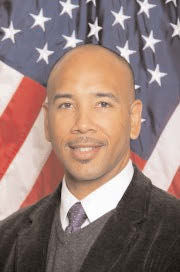
    • Bronx Borough President Ruben Diaz Appreciates US move on Puerto Rico’s Debt Crisis

      Bronx Borough President Ruben Diaz Appreciates US move on Puerto Rico’s Debt Crisis

      NEW YORK (TIP): Bronx Borough President Ruben Diaz Jr. has appreciated US move on Puerto Rico’s debt crisis. He said in a statement to The Indian Panorama, May 19:”After more than a year of negotiation and advocacy by my office and many others, I am pleased to see an important first step between the White House and Congress on the future fiscal health of the commonwealth of Puerto Rico, H.R. 5278, the Puerto Rico Oversight, Management and Economic Stability Act (PROMESA).

      “This bipartisan compromise, while certainly not perfect, is a tremendous step forward and offers many of the solutions that I and others have been advocating for. Although access to bankruptcy courts would have been preferred, we are encouraged by the bill’s provision to allow Puerto Rico to reduce repayments to creditors. However, the process for appointing members of the proposed control board must ensure that the individuals selected protect the best interests of the Puerto Rican government and its people.

      “There is still much work needed to be done by Congress to update and revise the Puerto Rican economic regulatory framework. Health care must be delivered more effectively, import costs reduced and infrastructure investments made so that Puerto Rico has greener energy solutions and is prepared for the dramatic changes already being produced by climate change.

      “I thank the White House and Congress for taking the concerns of the Puerto Rican government, its citizens and their advocates on the mainland seriously and working towards this agreement. I especially want to thank those who have worked assiduously on this compromise, including House Speaker Paul Ryan, House Minority Leader Nancy Pelosi, Senators Charles Schumer and Kirsten Gillibrand; and Reps. Nydia Velázquez, Jose Serrano and Luis Gutiérrez.”

      The Borough President added: “The people of Puerto Rico are American citizens, and they deserve the same rights and protections as their countrymen.”

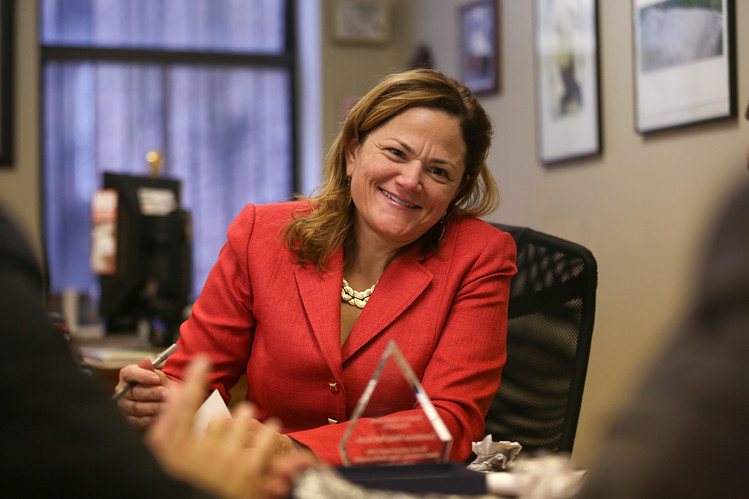
    • We must respond to young women of color

      We must respond to young women of color

      The future of our City depends on the success of young people today. But instead of being able to focus on their aspirations, many girls and women, particularly those of color, are battling challenges rooted in gender, sex and race discrimination. Poverty, sexual violence and poor health outcomes stand squarely in the way of their success. For young women from immigrant families, these challenges are complicated by immigration status and language barriers. This has to change.

      One year ago, I announced the launch of the New York City Council’s Young Women’s Initiative (YWI), a planning process that brought advocates, policy experts and young women and girls themselves together to make recommendations on how we can improve the lives of young women and girls in New York City. The result of the YWI is a set of policy and budgetary recommendations to improve the lives of young women and girls in our City. The New York City Council is also allocating $10 million over two years to commitment to YWI, a figure that is being matched by philanthropic partners. Together, $20 million will be invested in the futures of our daughters and sisters, all of whom should have the opportunity to thrive.

      The urgency is as great as statistics show. Black and Latina girls and young women are 25 percent more likely to live in poverty. According to a New York Women’s Foundation’s 2015 publication, more than 40 percent of Black and Latina girls in New York City – and comparable percentages of girls from several new immigrant communities – lack access to the support they need to finish high school. In fact, eighteen percent of the women ages 16 to 24 were out of school and out of work, compared to 12 percent of young women ages 12 to 24 who are not Black or Latina.

      Studies show that youth who are not connected to employment opportunities early on will have a difficult time accessing a steady job in the future and, in turn, earn less in the span of their work life. This is why the Young Women’s Initiative recommends that the City’s Summer Youth Employment Program (SYEP) become year-round program, reach all students who apply. YWI also recommends increasing the reach of workforce training organizations that offer hands-on training, and calls for more college counselors to help students transition to higher education.

      Young women want to make healthy and smart choices about their future. Yet many don’t have ready access to information, counseling and health services to avoid teen pregnancy or sexually transmitted infections.

      While unintended pregnancy among young people has declined overall in New York City, pregnancy rates among Black and Latina teens are four to seven times higher than rates among White and Asian American and Pacific Islander teens, with teen pregnancy rates highest in the Bronx. Devastating statistics also reveal that young Black women have the highest share of new HIV diagnoses among women in our City.

      These critical healthcare needs must be dealt with now. YWI calls for an increase the number of School-Based Health Centers across the City’s middle schools and high schools, and to expand the scope of services those currently operating at middle schools to include confidential reproductive and sexual health care.

      Young women have the right to opportunities, information and quality services. They equally have the right to a City that keeps them safe from sexual violence, prohibits discrimination in all forms and works to prevent contact with the criminal justice system. Young women should know that our City is on their side. We should be, and will be, nothing less than a City that elevates our girls.

      To read the full YWI report, visit shewillbe.nyc

      ###

    • MAYOR’S OFFICE OF IMMIGRANT AFFAIRS APPLAUDS BOARD OF REGENTS DECISION TO GRANT PROFESSIONAL LICENSES TO DACA RECIPIENTS

      MAYOR’S OFFICE OF IMMIGRANT AFFAIRS APPLAUDS BOARD OF REGENTS DECISION TO GRANT PROFESSIONAL LICENSES TO DACA RECIPIENTS

      PRESS RELEASE: New York State immigrants who have been granted Deferred Action for Childhood Arrivals (DACA) deserve the opportunity to pursue their professional ambitions. Today the Board of Regents took an important step to ensure that DACA recipients can live their dreams. By providing a clear pathway for qualified DACA recipients to become teachers, pharmacists, doctors, nurses, and more, the Board of Regents has created positive change for New York State.

      This rule is good for New York City: it will increase the number and diversity of people engaged in vital professions such as education and health care, and it will benefit our economy.

      Many New York City immigrants may stand to benefit from this rule change, including nearly 18,000 DACA recipients who have completed at least some college, based on estimates by the New York City Mayor’s Office of Immigrant Affairs and New York City’s Center for Economic Opportunity from American Community Survey data.

      Read the New York City Mayor’s Office of Immigrant Affairs, Department of Education, Department of Health and Mental Hygiene, Mayor’s Office of Workforce Development, and Young Men’s Initiative joint comment to the Board of Regents supporting this rule change, published last month: http://www1.nyc.gov/assets/immigrants/downloads/pdf/comment_bdofregentslicensing_final.pdf

    • STUDY IDENTIFIES SAFER ACUTE STROKE TREATMENT: MODIFIED MEDICINE DOSAGE

      STUDY IDENTIFIES SAFER ACUTE STROKE TREATMENT: MODIFIED MEDICINE DOSAGE

      Reducing the dosage of a key medication currently used to treat strokes helps reduce risk of bleeding and improve survival rates of patients, a study said on Wednesday.

      Researchers said that the findings can change the way the most common form of stroke is treated globally, including in India where an estimated 1.2 million people suffer from ischaemic strokes and the high cost of the drug, lack of health infrastructure and public awareness are the reasons for underutilisation of this treatment. Professor Jeyaraj D Pandian, who was involved in the concept and design of the study, said that intravenous rtPA (or alteplase) therapy is the currently approved one within 4.5 hrs after the onset of stroke symptoms and this drug breaks and dissolves the clot in the blocked arteries inside the brain.

      However, very few patients in India receive this drug because of late arrival to the hospital or unable to afford the treatment. The cost of the drug is about Rs 67,000.

      Researchers said that the high cost of the drug, lack of health infrastructure and public awareness about stroke are the reasons for underutilisation of this treatment in India.

      Researchers at the George Institute for Global Health investigated a modified dosage of rtPA which can be considered to be given at a subsidised rate at all government hospitals to eligible patients that can reduce serious bleeding in the brain and improve survival rates.

      “It is hoped that the findings from this trial called ‘Enchanted’ involving more than 3000 patients in 100 hospitals worldwide could change the way the most common form of stroke is treated globally.

      “The study shows that if we reduce the level of dosage, most of the clot busting or dissolving benefits of the higher dose is maintained but there is significantly less bleeding inside the brain, thereby improving the survival rates. On a global scale, this approach could save the lives of tens of thousands of people,” a statement from The George Institute for Global Health said.

      Stroke or brain attack is the leading cause of death and disability in rural India while an estimated 1.2 million people in India suffer ischaemic strokes which is blockage of an artery that supplies blood to the brain, each year.

      Worldwide, the figures are estimated to be 2 million in China, 640,000 in the USA, 120,000 in the UK and 40,000 in Australia.

      The findings of the study showed that compared to standard dose (0.9mg/kg body weight), the lower dose (0.6mg/kg) of rtPA reduced rates of serious bleeding in the brain, known as intracerebral haemorrhage (ICH) by two-thirds.

      It also found that after 90 days, 8.5% of patients died after receiving low dose rtPA, compared to 10.3% who received the standard dose.

    • SCIENTISTS SAY FASTING HELPS FIGHT FATTY  LIVER DISEASE

      SCIENTISTS SAY FASTING HELPS FIGHT FATTY LIVER DISEASE

      Scientists have found that upon deprivation of food a certain protein is produced that adjusts the metabolism in the liver, assisting in warding off fatty liver disease.

      According to researchers, a reduced intake of calories, such as in the framework of an intermittent fasting diet, can help to whip the metabolism back into shape.

      The findings showed that during fasting, the stress molecule reduces the absorption of fatty acids in the liver and improves sugar metabolism.

      In the study, published in the open access journal EMBO Molecular Medicine, the researchers found that during fasting GADD45 beta — protein, whose name stands for ‘Growth Arrest and DNA Damage-inducible’ – controls the absorption of fatty acids in the liver.

      Mice who lacked the corresponding gene were more likely to develop fatty liver disease.

      However when the protein was restored, the fat content of the liver normalised and also sugar metabolism improved.

      “The stress on the liver cells caused by fasting consequently appears to stimulate GADD45 beta production, which then adjusts the metabolism to the low food intake,” said Stephan Herzig, professor and Director of the Institute for Diabetes and Cancer (IDC) at the Helmholtz Zentrum München in Germany.

      Also, in humans, a low GADD45 beta level was accompanied by increased fat accumulation in the liver and an elevated blood sugar level.

      “Once we understand how fasting influences our metabolism we can attempt to bring about this effect therapeutically,” Herzig added.

      The researchers now want to use the new findings for therapeutic intervention in the fat and sugar metabolism so that the positive effects of food deprivation might be translated for treatment.

    • DELICIOUS DETOX WATERS TO BURN BODY FAT

      DELICIOUS DETOX WATERS TO BURN BODY FAT

      A numero uno advice for everyone wanting to stay fit is to drink plenty of water. But the goodness of water can be enhanced simply by adding some interesting elements to it. “While infused water has the benefit of being full of flavor, it also has no calories, making it a very powerful tool in your efforts to lose weight and gain better health,” shares nutritionist Shikha Shah.

      We bring you some infused waters that are brilliant for you…

      Fruity detox water Fruits are an extremely important part of your diet but many nutritionists advise against juicing them up. You can enjoy the goodness of these fruits by adding them to water. It even makes for the perfect summer drink. So how do we go about it?Slice a watermelon, strawberry and kiwi and put these in a bottle of water. Let it sit for a few hours and you have a bottle of fruity goodness.

      Lemon, mint and cucumber detox water Want to slim down? You must have heard the ‘evergreen’ drink up advice. Drinking plenty of water is considered to be the perfect detox but if you add a couple of more elements to it, it can work on speeding your metabolism and flushing the toxins out effectively. Here’s the recipe: Add a handful of mint, sliced lemon and cucumber to a bottle of water. Let it sit for a couple of hours and your detox drink is ready. If you want, you can have 2-3 bottles ready for optimum results.

      Apple cinnamon slimming water Want to enjoy a zero calorie drink? If you are thinking about Coke Zero or Diet Coke or Diet Pepsi, they will never solve the purpose. You can make your own zero calorie drink. Here’s how- Thinly slice an apple and take a few cinnamon sticks. Add them both to a bottle of water and let it sit in fridge. You can add apples and  cinnamon sticks as per your taste. If you want a stronger taste, add more quantity of fruit.

      Aloe drink Aloe is detoxifying and supports the immune system. Not only that, it also lowers cholesterol and blood sugar. Consuming aloe water is very good for your digestive system. You can take readymade aloe juice but the fresher it is, the better will be the results. To prepare fresh aloe drink, slice aloe leaf into two and scoop out the pulp. Mix it with equal amounts of lemon and a cup of water in a blender.

      Lemon ginger detox water Ginger is known for its pain relieving properties and also for being a wonderful detox agent. So lemon mixed with ginger makes for the perfect detox recipe. To prepare this water, you have to take a bottle of water and add half a lemon juice and half knob of ginger (grated). Make sure the ginger you use is fresh. This makes for a perfect day-starter, something that can be consumed as the first thing in the morning. Lemon, of course will help flushing out toxins.

      Watermelon water Watermelon is a rich source of vitamins and minerals and is also a brilliant source for flushing out toxins from your system. Add it to your water to enjoy its detoxing benefits. Cut chunks of watermelon and add to water. Keep it in the refrigerator for a few hours and enjoy this infused watermelon water.

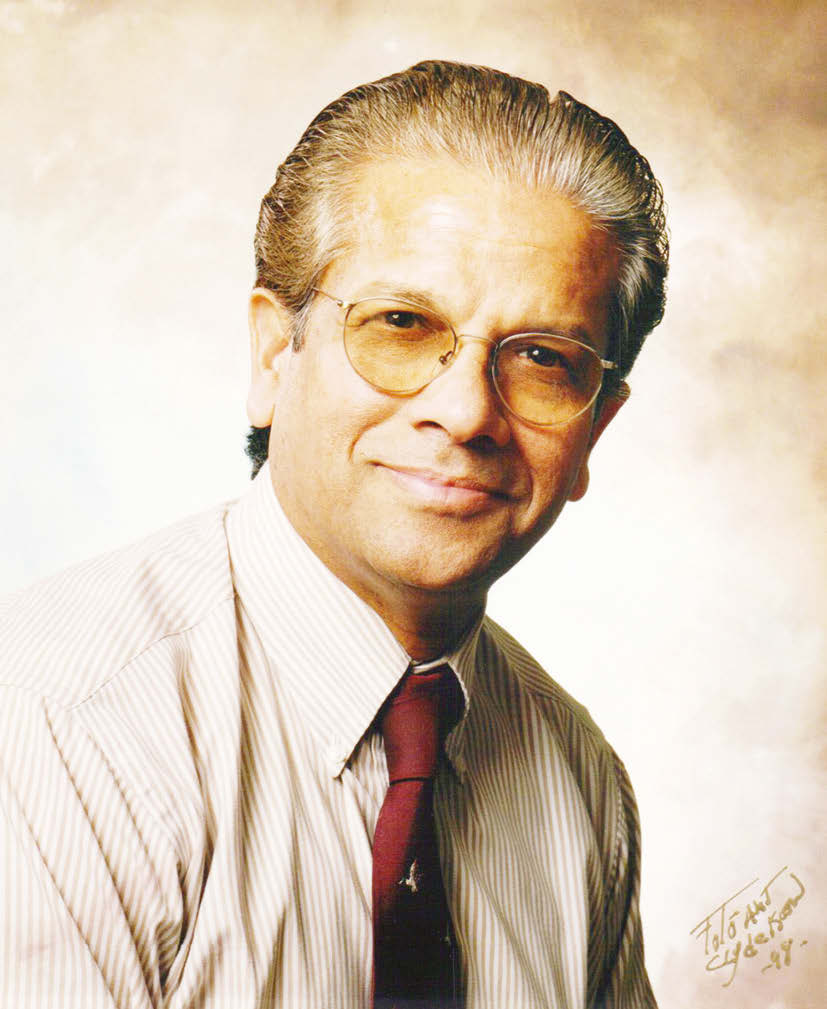
    • Dr. V.K. Raju invited to speak at Andhra Pradesh Medical Graduates of UK Reunion in London

      Dr. V.K. Raju invited to speak at Andhra Pradesh Medical Graduates of UK Reunion in London

      Eminent Eye Surgeon Dr. V.K. Raju, M.D., F.R.C.S., F.A.C.S. was invited by Andhra PradeshMedical Graduates of UK (AMGR) reunion in London recently. He delivered twolectures there. One was on Presbyopia (aging eye). He said simple pair of least expensive glasses from thedrug stores is the first answer. There are many advances, like laser surgery, if you don’t want to depend on glasses. The other lecture was on thetragedy of childhood blindness: what we can do? Dr. Raju recalled that the World bank said 10 years ago that combating childhood blindness is the most costeffective health intervention in the world. There are 1.2 millionphysicians of Indian heritage all over the world. If we collaborate we canchange the health of the world. Dr. Raju gave the example of Srinu Maddula whohad corneal transplants before theage of two. He finished his doctorate in pharmacy and runs a successfulretail pharmacy company.

      Dr. V.K Raju is a Morgantown, West Virginia based eye surgeon who has a passionate vision of preventing blindness among children. He is for most part of the time lecturing on eye health all over the world.

    • Trump’s Win will have Consequences

      Trump’s Win will have Consequences

      Trump’s opponent, Ted Cruz’s wife had said that her husband’s candidacy was showing America, “the face of God, whom they serve”. But in reality many Americans were reminded of Elmer Gantry, a sleazy 1920s sociopathic preacher from the film Elmer Gantry. Most Americans were not ready for Ted Cruz’s kind of ultra-conservatism. They are worried about jobs. So to paraphrase Bill Clinton, “it is jobs, stupid.”

      Trump had declared that his idea was to bring new blood in the party and change its base and outlook. He never spared an opportunity to provoke his rivals, party leadership and media personalities, who inevitably retaliated.

      The anti-Trump movement spent more than $75 million on broadcast TV alone. He also weathered nearly 64,000 television advertisements critical of him. Media was also campaigning against him and giving favorable coverage to his opponents. All this has come to a naught. Now Trump is going to be the Republican nominee. He achieved this victory on his own, in spite of opposition from the Republican Party bosses, who are then left with no option but to back him. The leadership did not realize that people are tired of all politicians and do not trust them. Their false promises do not impress anyone. The longer a politician is in office, the more disliked he is. People are fed up with politicians with the same rhetoric and talking points, refusing to accept and learn from the mistakes and make changes and focus on improving the job situation. In 2014, the Republicans secured the largest majority in the House since 1928, and by winning nine seats, regained the Senate majority for the first time in eight years. They also took pride in having control of 31 governorships.

      Nevertheless, the so-called establishment could not find any capable aspirant who could be a match for Trump, who had never held any public office. Trump has shown that the party leadership is out of touch.

      The recent campaign has brought out the anger of young people, as they are the victims of modernization, international trade deals and shrinking economy with consequent loss of jobs. The income level has gone down, widening the gap between the rich and the ordinary people.

      Germany, which had faced the same problem, woke up quite early and made provisions to train the affected workers in new technology. Hence, Germany was equipped to face the problems generated by the international trade agreements.

      Neither the Obama administration nor the Republican Congress nor the Senate did anything to address this issue. Therefore, the Republican Party as well as Hillary Clinton are finding it difficult to face the angry youth in their own parties. The Republican leadership as well as Hillary all these years have indulged in pep talk and made tall promises which have failed to revive the economy.

      So it is no wonder that while the Republican Party leadership has to eat humble pie, Hillary has also not secured the nomination yet because people do not really like her or trust her. She, of course, would get the required number of delegates in the remaining states, especially in California. But the victory will not be glorious.

      Trump says that his ability to make deals and fix problems is the key to his remarkable success in business. But the eventual final campaign would not be easy for either Trump or Hillary. All these days Trump has scrupulously avoided giving details of his economic policy or his international agenda.

      His “America First” slogan has roused nationalist fervor but it would result in a protectionist policy. It is true that all international trade agreements have some unpalatable clauses but they also boost trade and economy. It is curious that while multi-billionaire Trump’s “America-First” policy is another name for protectionism; the self-proclaimed socialist, Sanders, also wants to tread the same path. Some economists have pointed out that various welfare schemes put forward by Sanders would have to be backed up by heavy taxation, resulting in the increase in inflation and the cost of living.

      So far, democratic white youth nationwide have favored Sanders and brought Hillary’s favorability numbers significantly down. While Trump has won the nomination race, he does not mix with the African-Americans like Hillary does. He has alienated Hispanics and Muslims, which make a very large chunk of population. The language which Trump has used so far, is dangerous. In November, no matter who wins, Hillary or Trump, the problems facing either of them would be enormous and very intricate because of their history and the way in which they have conducted themselves so far.

      For instance, it is believed that Hillary is willing to compromise. But some, who know her, say that it is true but at times she is very adamant. When her husband was the President, he put forward a plan for healthcare, which would have been accepted by the Congress with some amendments. But Hillary was adamant, hence the plan failed to pass.

      The situation in the country demands a conciliatory tone as well as behavior. Obama generally kept aloof from the members of both parties and also leaders of other countries. Nevertheless, he did follow a conciliatory policy on crucial matters.

      Hillary or Trump would have to face a not-so-friendly Congress and the Senate. It is quite possible that Sanders and some other Senators would keep up pressure on the future Clinton administration. It would need a great deal of acumen not to be populist and disturb the balance.

      Hillary has been branded as someone, who is close to the financial circles. No President could afford to be an antagonist of these circles; but to keep a balance requires great deal of skill. While Hillary, first as the First Lady, then as the Senator, had relations with members of both houses of Congress., Trump would be totally new to the Congress and the administration. He, of course, has been the head of a big commercial conglomerate. But as the head of the state, he would have to run the administration, be answerable to the Congress as well as people, which is quite different from running a company. Thus, the new President would have to face a volatile situation and many challenges.

      (Govind Talwalkar - The author is a former Editor of ‘Maharashtra Times’)
    • Hillary Clinton calls voting for Iraq war ‘a mistake’

      Hillary Clinton calls voting for Iraq war ‘a mistake’

      WASHINGTON (TIP): The US Democratic presidential front-runner Hillary Clinton said on April 21 her greatest political regret is “voting to give President Bush authority in Iraq”.

      It is in contrast to her stand in the 2008 campaign, during which Clinton defended her “Yes” vote for the Iraq war as a way to give the then President George W. Bush authority to deal with Iraq.

      “It did not turn out the way that I had thought it would, based on what he had said,” she said of the Iraq war during a town hall event aired live on the ABC “Good Morning America” programme Thursday morning.

      Hillary Clinton joined “Good Morning America” two days after winning the New York Democratic primary. She took questions from the two hosts of ABC and questions from the audience.

      “And I regret that. And I said that it was a mistake and, obviously, is something that I wish hadn’t turned out the way it did.” she added.

      During the campaign, the Democratic candidate has often been criticized for her vote in support of the Iraq war when she served as the US Senator from New York State.

      Her Democratic nomination rival, Bernie Sanders, said earlier that “the disastrous invasion of Iraq, something that I strongly opposed, has unraveled the region completely and led to the rise of al-Qaeda and to (the emergence of) IS.”

      “I think that (the Iraq war) was one of the worst foreign policy blunders in the history of the United States,” Sanders said.

      Apart from the Iraq war, Clinton has kept giving different answers for what she thinks is her greatest regret in politics, including not overhauling the healthcare system earlier and the 2012 attacks killing four Americans in Benghazi, Libya.

    • Team With Indian-Origin Researcher Find Brain Area That Recognises Facial Expressions

      Team With Indian-Origin Researcher Find Brain Area That Recognises Facial Expressions

      Researchers, including one of Indian-origin, have pinpointed the area of the brain responsible for recognising human facial expressions.

      The area is on the right side of the brain behind the ear, in a region called the posterior superior temporal sulcus (pSTS).

      Researchers from Ohio State University in the US used functional magnetic resonance imaging (fMRI) to identify a region of pSTS as the part of the brain activated when test subjects looked at images of people making different facial expressions.

      They discovered that neural patterns within the pSTS are specialised for recognising movement in specific parts of the face. One pattern is tuned to detect a furrowed brow, another is tuned to detect the upturn of lips into a smile, and so on.

      “That suggests that our brains decode facial expressions by adding up sets of key muscle movements in the face of the person we are looking at,” said Aleix Martinez from Ohio State University.

      Researchers were able to create a machine learning algorithm that uses this brain activity to identify what facial expression a person is looking at based solely on the fMRI signal.

      “Humans use a very large number of facial expressions to convey emotion, other non-verbal communication signals and language,” said Martinez.

      “Yet, when we see someone make a face, we recognise it instantly, seemingly without conscious awareness. In computational terms, a facial expression can encode information, and we have long wondered how the brain is able to decode this information so efficiently,” he said.

      Using this fMRI data, researchers developed a machine learning algorithm that had about a 60 per cent success rate in decoding human facial expressions, regardless of the facial expression and regardless of the person viewing it.

      “That is a very powerful development, because it suggests that the coding of facial expressions is very similar in your brain and my brain and most everyone else’s brain,” said Martinez.

      Researchers including Ramprakash Srinivasan from Ohio State University placed 10 college students into an fMRI machine and showed them more than 1,000 photographs of people making facial expressions.

      The expressions corresponded to seven different emotional categories – disgusted, happily surprised, happily disgusted, angrily surprised, fearfully surprised, sadly fearful and fearfully disgusted.

      While some of the expressions were positive and others negative, they all had some commonalities among them. For instance, “happily surprised,” “angrily surprised” and “fearfully surprised” all include raised eyebrows, though other parts of the face differ when we express these three emotions.

      The findings were published in the Journal of Neuroscience.

    • Indian American scientist engineers T-cells to treat pancreatic cancer

      Indian American scientist engineers T-cells to treat pancreatic cancer

      NEW YORK:  In ground-breaking research, an Indian-American scientist has engineered T-cells — a type of immune cells — to break the pancreatic cancer’s physical and immunological walls using immunotherapy.

      Dr Sunil Hingorani, member of the clinical research and public health sciences divisions at Fred Hutchinson Cancer Research Center, and colleagues created T-cells with a high affinity to a relatively tumour-specific antigen.

      Dr Hingorani looked for proteins — also found in the linings of the heart and lungs — that are expressed in unusually large amounts in the tumour cells and minimally expressed elsewhere.

      The T-cells then were engineered to attack those. In the tests conducted on mice with pancreatic tumours, the engineered T-cells killed those cells over a 10-day period.

      Additionally, Dr Hingorani and his team have worked to develop an enzyme that can help defeat the tumour’s high interstitial pressures and potentially open the door for greater penetration and effectiveness of T cells and other types of agents.

      By the end of the year, Dr Hingorani hopes to have the human version of the T-cell in clinical trials.

      The findings were recently presented at the American Association for Cancer Research Annual Meeting 2016 in New Orleans, US.

    • US Responds to India’s Discriminatory Visa Fee Charge

      US Responds to India’s Discriminatory Visa Fee Charge

      WASHINGTON:  The US has told India it is bound by legislation on the recent visa fee hike – which has badly hit Indian IT companies, an issue that was strongly raised by Finance Minister Arun Jaitley in his bilateral meeting.

      “There are always two issues, one of course is the recent one, visa fee hike and the other is the old issue of totalisation charges for the IT professionals. The US response really is that we have a legislation which so states it,” Jaitley told Indian reporters during a media roundtable.

      “So unless that legislation is changed (it is likely to remain),” he said.

      Mr Jaitley was responding to a question on the kind of response he received from the US Trade Representative, Mike Froman, when he strongly raised the issue during a meeting early this week.

      Noting that such a visa fee is impacting only Indian companies, Mr Jaitley had described it as a “discriminatory” practice.

      Last year, the US Congress imposed a special fee of up to USD 4,500 on H-1B and L-1 visas – popular among Indian IT companies – to fund a 9/11 healthcare Act and biometric tracking system.

      While agreeing on the USD 1.1 trillion spending Bill, Congressional leaders decided to impose a special fee of USD 4,000 on certain categories of H-1B visas and USD 4,500 on L-1 visas.

    • US Visa Fee hike discriminatory; Targeted at Indian IT firms: Jaitley

      US Visa Fee hike discriminatory; Targeted at Indian IT firms: Jaitley

      WASHINGTON (TIP): Finance Minister Arun Jaitley has expressed concern over the hike in visa fee by the US, saying it is “discriminatory” and largely affects Indian IT professionals.

      Mr. Jaitley, who is on an official visit to the US, shared the Indian government’s concern during a meeting with US Trade Representative Michael Froman.

      Referring to the visa issue, Mr. Jaitley spoke about “India’s concern over the hike in the H-1B and L1 visa fee, which is discriminatory and in effect is largely targeted at Indian IT companies”.

      Last year, the US Congress imposed a special fee of up to$4,500 on H-1B and L-1 visas – popular among Indian IT companies – to fund a US healthcare legislation for 9/11 victims and a biometric tracking system.

      Mr. Jaitley expressed India’s keenness in early conclusion of a Totalization Agreement with the United States, a finance ministry statement quoting him said.

      Under this, professionals of both the countries would be exempted from social security taxes when they go to work for a short period in the other country.

      According to industry, Indian professionals contributed more than $25 billion to the US Social Security during the last decade, without being able to retrieve their contributions.

      The US has entered into agreements called ‘Totalization Agreements’ with several nations for the purpose of avoiding double taxation of income with respect to social security taxes. The finance minister emphasized on sustained engagement and a rapidly increasing trade and investment partnership between India and the US as key elements, saying India looks forward to strengthening and deepening this economic engagement.

      Mr. Jaitley is currently on an official visit to the US to attend the Spring Meetings of the International Monetary Fund (IMF) and the World Bank and other sessions.

      He is accompanied by RBI Governor Raghuram Rajan, Economic Affairs Secretary Shaktikanta Das, and Chief Economic Advisor Arvind Subramanian and other officials.

    • Indian-American Yale Student Awarded Soros Fellowship

      Indian-American Yale Student Awarded Soros Fellowship

      WASHINGTON (TIP): An Indian-American student at the Yale University is among 30 recipients of a prestigious fellowship aimed at supporting graduate students who have demonstrated “creativity” and “originality” in their lives.

      Durga Thakral is among the winners of the 2016 Paul and Daisy Soros Fellowships for New Americans and will use her award to support work towards an MD/PhD in genetics at Yale School of Medicine, the university said in a statement.

      Ms Thakral says her work with communities with minimal healthcare resources has shown her the “dire need for better access to medical care and affordable biomedical devices.”

      An MD/PhD student in the laboratory of Yale geneticist Richard Lifton, Ms Thakral said she hoped to take advantage of the vast and growing power of molecular medicine in her work to improve the human condition and empower others to pursue their dreams.

      The fellows, selected from a pool of over 1,400 applicants, will receive tuition and stipend assistance of up to USD 90,000 in support of graduate education – in any field and in any advanced degree-granting program – in the US.

      Hungarian immigrants Paul and Daisy Soros established the program in 1997 to support the graduate educations of students who were born abroad but have become permanent residents or naturalized citizens of the US.

      Each award recipient must have “demonstrated creativity, originality, and initiative in one or more aspects of her or his life,” as well as “a commitment to and capacity for accomplishment that has required drive and sustained effort,” the statement said.

      In addition, they must have shown a commitment to the values expressed in the US Constitution and the Bill of Rights.

      Born in Illinois, Ms Thakral is the daughter of Indian immigrants. She earned a combined bachelor’s and master’s degree in molecular biophysics and biochemistry from Yale.

    • 125th Birth Anniversary of Dr. B. R. Ambedkar celebrated at the United Nations

      125th Birth Anniversary of Dr. B. R. Ambedkar celebrated at the United Nations

      UNITED NATIONS, NY (TIP): A special event to commemorate the 125th Birth Anniversary of Dr. B.R. Ambedkar was organized by the Permanent Mission of India to the United Nations on April 13 at United Nations Headquarters. This was the first such commemoration of Dr. Ambedkar at the UNHQ.

      Foundation for Human Horizon (US-based NGO with ECOSOC consultative Status) and Kalpana Saroj Foundation (India-based NGO of Padmashree Kalpana Saroj) were co-hosts of the event. Ms. Helen Clark, Administrator of UNDP in the Keynote address spoke on the legacy of Dr. B.R Ambedkar. She said that “Dr. Ambedkar understood that inequalities pose fundamental challenges to well-being”. Hon’ble Speaker of Punjab Legislative Assembly, Mr. Charanjit Singh Atwal (Chief Patron of Forum for SC and ST Legislators and Parliamentarians) delivered special remarks. Mr. Deelip Mhaske of Foundation for Human Horizon and Ms. Kalpana Saroj also addressed the gathering. The event also featured a Panel Discussion on the theme “Combating inequalities for the achievement of Sustainable Development Goals”.

      The Panelist included Professor Stan Kachnowsky, Colombia University and Chair, HITLAB; Ms. Anupama Rao, Associate Professor, Colombia University and; Mr. Christopher Queen, lecturer Harvard University. Prof Stan Kanchowsky spoke on influence of Dr. Ambedkar’s vision on healthcare equity and the resulting rise of mobile health in India. Mr. Christopher drew parallels between the lives of Ambedkar and Martin L. King, Jr. in their attempt to create societies based on equality, freedom and brotherhood and to overcome barriers of class, caste, race, and religion to forge alliances for peace and justice. Ms. Rao spoke about the impediments of inequalities including caste and the need for social justice to achieve sustainable development through the implementation of 2030 Agenda. She also highlighted Dr. Ambedkar as an important thinker relevant to both 20th and 21st century.

      A movie clip (a short version of the Films Division’s documentary edited by PMI) was screened on the occasion.

      There was on overwhelming response with over 550 people, many from India and various parts of the world attended the event. Diplomats, UN senior officials, state government officials from India, students, civil society, private sector representatives and academia were also present at the special event.

    • International Women’s Month celebrated at the Indian Consulate

      International Women’s Month celebrated at the Indian Consulate

      NEW YORK CITY, NY (TIP): Ekal Vidyalaya Foundation and Indian Consulate, New York, on March 24, jointly celebrated ‘International Women’s Month’, focusing on, Women’s Empowerment through education. The event provided the first opportunity for newly appointed Consul General , Riva Ganguly Das to interact with the diverse Indian community for vibrant exchange of ideas.

      Dr. Anila Midha, a Physician who took the helm for the evening explained to the capacity-gathering the main objective of the event and introduced various participants.

      In her welcome address, Ambassador Das provided an overview of the Beti Bachao Beti Padhao as a flagship initiative of Prime Minister Narendra Modi, whereby a third of ‘Village Panchayats’ have been decreed to have women in responsible positions. She acknowledged that, though great strides are being made to empower women, a lot yet needs to be done to change age-old attitudes and beliefs affecting women in our society, and especially in rural areas. She expressed the hope that the grass-root organizations like Ekal, with presence in 60,000-plus villages can play an important role in it.

      Aroon Shivdasani, president of the Indo American Arts Council gave the Keynote address. She stressed the importance of educating men as much as women to create an environment in families where self-esteem of individuals is not compromised Ranjani Saigal, Executive Director of ‘Ekal Vidyalaya’, touched on the need to uphold the standards set by parents who precipitated in her own academic success at IIT and MIT. She further elaborated a story how during a visit to a rural area a girl asked her, “what can I do in my village what you have done out there?” According to her, the question has dogged her ever since while she is working at Ekal. She informed that Ekal puts special emphasis on educating girls and making them self-reliant though various skills-training, in rural-tribal areas.

      Dr. Urmilesh Arya, C.O.O at Gastroenterology Associates in Brooklyn and a trustee of Hindu Center in Flushing, brought to fore a critical challenge for girls in accessing education – the fear that their daughter would get romantically entangled with a boy, which may bring shame to the family. She herself overcame this challenge and many others with self-conviction and courage.

      Dr. Sunita Saini, and Director of South Shore Psychological Services and Long Island Psychology and Psychotherapy Services, highlighted the importance of having a supportive family who, regardless of gender, values building their children’s career more rather than acquiring material assets.

      There was a resounding agreement that when a woman is educated, she educates her entire family. The ensuing discussion highlighted the relevance of good health for women as a strategy towards empowerment. The panel cautioned that overcoming the socio-cultural biases that promote female infanticide and the perception that a girl is a burden are major stumbling blocks in restoring dignity of women in our society.

      Mr. Vinod Jhunjhunwalla the President of Ekal Foundation, USA and Prof. Subash Midha, the main Ekal coordinator for the event thanked the Indian Consulate, for their support in hosting this event.

    • Shortage of Primary Care Physicians is a Threat to Nation’s Health

      Shortage of Primary Care Physicians is a Threat to Nation’s Health

      American medicine has long had the reputation ofbeing the most advanced in the world. But the UStoday faces a looming shortage of the versatiledoctors who form the backbone of its health system -generalists known as “primary care physicians” – a trendthat industry experts call a threat to the nation’s health.

      If you look worldwide at the countries that have muchbetter scores on health care quality measures than theUnited States, almost all of them have a higher percentageof their physicians engaged in primary care. The US is projected to have 52,000 fewer primary carephysicians than needed by 2025, according to a reportpublished in the current issue of the medical journalAnnals of Family Medicine.

      The shortage threatens to exacerbate alreadyskyrocketing medical costs in the US by diminishingaccess to the crucial preventative care offered by primarycare physicians and prompting patients to turn to priceyspecialists to treat routine maladies, health industryexperts say.

      What’s more, such higher costs may actually result inworse outcomes for patients. If patients are bouncing fromspecialist to specialist, not only are the costs enormous,they get uncoordinated care. They get unnecessary tests,chase spurious information, and can get drug interactionsbecause people get some medication from one physician,and other medicine from another.

      The value in primary care, medical professionals say, isthe holistic approach the doctor takes when assessing apatient’s health. Building a stable relationship with aprimary care doctor can help a person head off chronicdiseases that incur significant financial and quality-of-lifecosts, they say. There’s something to be said for having a place to go anda therapist who knows who the patient is. They don’t haveto go to see 20 different doctors and see 20 differentrecords. The knowledge about you is all in one place.

      The increasing scarcity of primary care physicians isdriven in part by the projected population growth in theUS over the next two decades, as well as by the medicalneeds of an aging population and the tens of millions ofAmericans expected to be newly insured under theAffordable Care Act, US President Barack Obama’ssignature health care reform.

      It is also driven by the growing income gap betweenprimary care physicians and their counterparts in morefinancially lucrative specialist fields such as cardiology,medical professionals say.

      For many medical students weighed down withescalating levels of student debt, opting for a career as aspecialist is a no-brainer. When young people graduatefrom medical school $250,000 in debt and see they can make$150,000 a year as a primary care physician, or be acardiologist and make $450,000 a year, which one do theypick?

      The average salary for a primary care doctor in the USin 2010 was $202,392 compared to $356,885 for medicalspecialists, according to the US Bureau of Labor andStatistics. The reasons for this disparity are varied. Onekey factor, however, is that the primary care is holistic andconsists of time-consuming patient encounters. Thesevisits, however, have lower reimbursement rates than mostmedical procedures.

      According to a study published this week in theAmerican Medical Journal, just 22 percent of medicalstudents said they are planning a career in generalinternal medicine. Meanwhile, 64 percent of the 17,000students polled said they wanted to become a specialist infields such as oncology and dermatology.

      It’s a sad picture because primary care is veryimportant. And it’s going to become even more importantover the next 20 to 30 years.

    • Indian-American Professor Selected for Fulbright Specialist Roster

      Indian-American Professor Selected for Fulbright Specialist Roster

      HOUSTON (TIP): An Indian-American professor and pharmaceutical department chair at a prestigious American university has been selected for the Fulbright Specialist Roster for his outstanding achievements in the field of pharmacy. Rajender R Aparasu is the first pharmacy faculty member at the University of Houston selected to be the candidate roster of the Fulbright Specialist Program, which helps US faculty share their academic expertise and develop linkages with non-US institutions on curriculum, assessment, faculty development and research training.

      The Fulbright program which is funded by the Department of State’s Bureau of Educational and Cultural Affairs, serves to promote international engagement of academic scholarship and build linkages between US and overseas institutions.

      “There are very few Fulbright specialists in pharmacy; I am really honored to be selected for Fulbright Specialist Roster,” said Aparasu, whose five-year term ends in 2021.

      “This is a great opportunity to offer my expertise in developing professional and graduate pharmacy programs that involve pharmaceutical health outcomes and policy,” he said.

      “I am looking forward to the opportunity to visit overseas pharmacy institutions to assist faculty and administrators with respect to academic and research programs in pharmaceutical outcomes research.”

      Aparasu obtained his Bachelor of Pharmacy (BPharm) from Kakatiya University, and Master of Pharmacy (MPharm), from Jadavpur University, India.

      Aparasu obtained his Ph. D in Pharmacy Administration, University of Louisiana, Monroe, LA and joined University of Texas in 2006 after serving on the faculty at the South Dakota State University for more than a decade.

      His primary areas of expertise include geriatrics, pharmacoepidemiology, psychopharmacology and evidence-based medicine. His current research project, supported by a grant from the Agency for Healthcare Research and Quality (AHRQ), is evaluating safety profiles of anticholinergic medications in the elderly nursing home residents.

      He has authored and co-authored nearly 100 peer-reviewed journal articles and seven book chapters, as well as served as editor or co-editor of two books (Principles of Research Design and Drug Literature and Research Methods for Pharmaceutical Practice and Policy).

      Aparasu was recognized by his peers with the Fellow of the American Pharmacists Association (FAPhA) for his exemplary professional achievements and outstanding service and contribution to the pharmacy profession.

      He holds editorial board appointments on six peer-review journals and has been recognized as an “exceptional” reviewer by five peer-review journals.

    • Doctors put off surgeries in drought-hit Marathwada

      LATUR (TIP): In this district, which is one of the worst hit by the drought in Marathwada, a massive health crisis is just 15 days away, doctors there say.

      The Manjra dam and the Dhanegaon river, that used to supply water to the five lakh people of the district, have gone dry.

      Doctors and clinics in Marathwada have had to resort to using water from tankers, but that’s just not enough.

      The lack of water has severely compromised cleanliness at hospitals and clinics, and with water from private tankers being far from clean, water-borne diseases are on the rise. Now, even the water tankers aren’t enough.

      The situation is so dire that even the doctors who know better are using unsafe short cuts.

      One doctor, who spoke on the condition of anonymity, said that after washing his hands before a surgery, he collects the waste water and then uses it to clean bed sheets.

      “I use the Autoclave method (passing it through high pressured steam) but still I know that this should not be done, but I have no other option.” said the doctor.

      For every surgery, a surgeon and her assistants are required to wash their hands with soap for 10 minutes in running water. Now, they do that in a minute and then use betadine or other disinfectants to clean their hands.

      All doctors in Latur that TOI spoke to said they are finding it difficult to treat patients without adequate water.

      “We had dug three bore wells one of which was dug 700 feet within our hospital that used to give us half an hour of water each day. All of the bore wells ran dry in January this year. To conduct a surgery we don’t have the right amount of water to wash our hands.” said Dr Sanjay Warad who runs a maternity and surgical hospital.

      Hospitals that used to be cleaned twice day are now just dry-mopped. With not enough water to wash sheets, hospitals are spending money on disposable linens.

      Water supply to washbasin taps in all the hospitals has been shut. Patients and their relatives who look after them are being given just one 30 litre bucket of water a day for all their needs.

      At first, many doctors made do with water from private tankers.

      But now, all the 160-odd clinics or hospitals in Latur have drastically reduced the number of surgeries they perform and have planned. They will only operate if it’s an emergency.

      There are some doctors, like Dr Snehal Deshmukh, who can’t postpone operations. Deshmukh is a gynaecologist who runs a maternity hospital in Latur.

      “We can’t postpone deliveries,” she says, adding that women who’ve had caesarean deliveries are now being sent home after 4 days, compared with 5-7 days earlier.

    • 10 Credit Hours of CME offered to Participants during 34th Annual AAPI Convention in New York

      10 Credit Hours of CME offered to Participants during 34th Annual AAPI Convention in New York

      NEW YORK CITY, NY (TIP): The American Association of Physicians of Indian Origin (AAPI) that represents more than 100,000 Indian American Physicians, reflects the range of physician specialties seen in the physician community at large with 61% in Primary Care, 33% in Medical sub-specialties and 6% in surgical sub-specialties. Medical specialty representation includes pediatrics, psychiatry, anesthesiology/pain management, cardiology, family medicine, obstetrics and gynecology, oncology, gastroenterology pathology, endocrinology, nephrology, rheumatology along with many other fields.

      The 34th Annual AAPI Convention & Scientific Assembly will be held at Marriott Marquis in New York, NY from June 30 to July 4, 2016. The multidisciplinary CME conference during the convention allows specialists and primary care physicians to interact in an academic forum. World-renowned speakers will discuss gaps between current and best practice of wide-ranging topics of CME sessions.

      It’s a well-known fact that physicians of Indian origin excel in their respective areas of work and continue to play key roles in patient care, administration, academics and medical research. In order to cater to its diversity of medical specialties, AAPI continues to use a multi-disciplinary conference format. “The essence of AAPI is educational,” Dr. Seema Jain, president of AAPI, while describing the purpose of CME said.

      According to Dr. Seema Jain, “That translates into numerous Continuing Medical Education and non-CME seminars by experts in their fields. CME will provide comprehensive and current reviews and guidelines for the diagnosis and treatment of various disease states to reduce morbidity and mortality and achieve cost effective quality care outcomes. At the end of the activity, it is expected that attendees will gain an understanding of the causation, diagnosis and the best clinical practices for the management of the diverse group of diseases discussed during this program.”

      On Friday, July 1st, Dr. Donald Lloyd Jones, Writer of AHA and ACC Guidelines & Chairman of PSM at North Western University, Chicago IL will present CME on New Cholesterol Guidelines and Implication. Dr. Jeffrry Mackanick, Director of Clinical Diabetes MSSM will discuss with the delegates on Guidelines in management of Metabolic Syndrome and Diabetes. Dr. Clive Rosendoeff will present on Recent trends in Management of Hypertension.

      Management of Prostate related disease and Cancer of Prostate will be the topic discussed by Dr. Ashutosh Tiwari, Chair of Urology at Mt. Sinai Medical Center, while Modern Trends in Management of Multiple Myeloma will be presented by Dr. Sunder Jaggannath, Director of Multiple Myeloma Center, NY. New Imaging Guidelines for smokers and Contemporary Management will be addressed in his presentation by Dr. Manjit Bains at Sloan Kettering Memorial Hospital, NYC. Dr. Sanjeev Gupta will address the delegates on New Development Inflammatory Liver Disease.

      On Saturday, Dr. Valentine Fuster, Editor in Chief of JACC, will deliver his address on ways to “Promoting Cardio Vascular Health Globally from Heart to Head.” Dr. Robert Banow, Editor in Chief of JAMA Cardiology, will discuss with participants about the “Timing of Surgical intervention for Mitral/Aortic Valve regurgitation.” Dr. Javed Butler, Chief of Cardiology at State of New York University, Stony Brook, will focus his lecture on Advances in Heart Failure, while Dr. Devendra Mehta,

      Director of EP Services at St. Luke Hospital, NYC will present on Advances in Treatment of Arrhythmias. The lecture by Dr. John Puskus, Chairman of Cardio Thoracic Surgery at Beth Israel Medical Center, NY will be on Complete Arterial Vascularization, and, Dr. Samin Sharma, Chair of Cardiology at Mt Sinai Medical Center, NYC will address the audience on Advances in Interventional Cardiology.

      On Sunday, July 3, 2016, the focus will be on mental health issues. Depression and Mood Disorder of Moods in Women will be topic addressed by Dr. A. Patkar and Association, while Dr. Samuel Gandy will address on Mild Cognitive Dysfunction to Alzheimer Disease is Prevention or Option. Dr. Sharmila Makhija, Chair of OB/GYN at Albert Einstein Medical Center’s theme will be on Recent Advances in Management of Cancer of Ovary, Dr. James Abraham from the Cleveland Clinic will address on New Advances in Management of Cancer of Breast, and the final presentation will be on Women Health and Advances.

      The 34th annual AAPI Convention in New York from June 30th through July 1st, 2016, while providing physicians of Indian origin an opportunity to come together in an atmosphere of collegiality, it will enable them to retrace and appreciate their common roots, culture and the bond that unites them as members of this large professional community.

      Giving them a platform to celebrate their accomplishments, the annual convention to be attended by nearly 2,000 physicians of Indian origin, it will also provide a forum to renew their professional commitment through continuing medical educations activities.

      The annual convention this year is being organized by AAPI’s New Jersey Chapter, headed by Dr. Rita Ahuja, who said, “The 2016 AAPI Annual Convention & Scientific Assembly offers an exciting venue to interact with leading physicians, health professionals, academicians, and scientists of Indian origin. Physicians and healthcare professionals from across the country will convene and participate in the scholarly exchange of medical advances, to develop health policy agendas, and to encourage legislative priorities in the coming year.”

      “Many of the physicians who will attend this convention have excelled in different specialties and subspecialties and occupy high positions as faculty members of medical schools, heads of departments, and executives of hospital staff. The AAPI Convention offers an opportunity to meet directly with these physicians who are leaders in their fields and play an integral part in the decision-making process regarding new products and services,” Dr. Seema Jain added.

    • World’s first dengue fever vaccine launched in the Philippines

      World’s first dengue fever vaccine launched in the Philippines

      MANILA (TIP): Dengue fever infects 390 million people each year, and kills as many as 25,000, according to the World Health Organization.

      The disease could soon see these numbers decline as the Philippines start administering the world’s first dengue vaccine to high-risk children.

      The historic drug took 20 years and$1.8 billion to develop. The Philippines’ Department of Health launched a school-based immunization program in highly affected areas, making it the first country where the vaccine is commercially available.

      Around 70% of dengue fever cases occur in Asia, with the Philippines reporting 200,000 cases in 2013, according to Sanofi.

      It’s one of the world’s most common mosquito-borne viruses, with severe symptoms including headaches, rashes and leaking blood vessels.

      The makers of the vaccine are confident it can reduce cases in the Philippines by 24% over the next five years.

    • A single shot, long-term male contraception soon

      A single shot, long-term male contraception soon

      WASHINGTON (TIP): A new male contraceptive injection may provide rapid, durable and potentially reversible birth control for about a year without the need for condoms, a new study has claimed, ahead of its first human clinical trial this year.

      Men currently have few options for re productive control, including condoms and vasectomy. The new study in rabbits has con firmed that Vasalgel has the potential to fil the gap. It consists of styrene-alt-maleic acid (SMA) dissolved in dimethyl sulfoxide and could be the first long-acting, non-hormonal male contraceptive to reach market.

      “Vasalgel produces a very rapid contra ceptive effect which lasted throughou the study due to its unique hydrogel proper ties,” said Dr Donald Waller, professor of pharmacology and toxicology at Univer sity of Illinois . After the gel was injected into the vas de ferens of 12 rabbits, semen analysis showed that 11 rabbits were azoospermic in all sam ples, having no quantifiable sperm in their semen at all.

    • DIABETES PILLS UP RISK OF BLADDER CANCER

      DIABETES PILLS UP RISK OF BLADDER CANCER

      LONDON (TIP): According to a new study, a drug used in the treatment of diabetes can increase bladder cancer risk. What’s worse is that the risk increases with the rising duration of use and dose.

      Pioglitazone belongs to a class of drugs called thiazolidinediones and helps to control blood sugar levels in patients with type 2 diabetes. However, the findings of the study revealed that taking the drug increases risk of bladder cancer by 63 percent.

      The researchers wanted to assess the drug after a number of bladder cancer cases were identified among people taking the drug in a trial in 2005. Since then different studies have reported contradictory findings on the subject.Canadian-based researchers examined the use of pioglitazone with other anti-diabetic drugs and found an increased association of risk of bladder cancer in patients with type 2 diabetes.

      The team analysed data for 145,806 patients from Britain’s Clinical Practice Research Database (CPRD), who were newly treated with diabetes drugs between 2000 and 2013.

      Potential influential factors such as age, sex, duration of diabetes, smoking status and alcohol-related disorders, were also taken into account. In contrast, the use of rosiglitazone was not associated with an increased risk of bladder cancer in any analysis, suggesting the risk is drug-specific and not a class effect, the researchers maintained in the study published in the journal The BMJ.

      In another large cohort study, the experts from University of Nottingham in Britain found clinically important differences between different drugs (alone and in combination) and risk of five key outcomes – blindness, amputation, severe kidney failure, high blood sugar (hyperglycaemia) and low blood sugar (hypoglycaemia) events.

      The results may have implications for prescribing, and suggest doctors and patients should be aware when assessing the overall risks and benefits of diabetes drugs, the researchers pointed out. Though the risk of bladder cancer remains low, in absolute terms, the authors suggested that the doctors and patients should be aware of this association when assessing the overall risks and benefits of this therapy. Working closely with their clinicians, “patients can identify the agent that is best for them given their context, both clinical and personal,” suggested Victor Montori, professor at Mayo Clinic in the US in an accompanying editorial.