Tag: Health

Read the latest health news, diet, fitness, medical news and healthcare tips on theindianpanorama.news/health. Get all the healthcare news, including wellness, fitness, diet and weight loss & more.

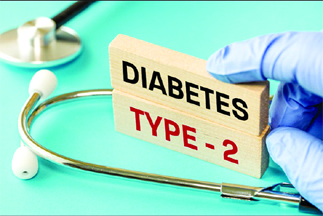
  • Fat or sugar: What really is the cause of type 2 diabetes?

    Fat or sugar: What really is the cause of type 2 diabetes?

    Type 2 diabetes is one of the most widespread lifestyle diseases today, and with rising cases worldwide, people often ask: is sugar the real culprit, or is it fat? The truth is more nuanced than blaming just one.
    Sugar’s Role
    Refined sugars and processed carbs cause sharp spikes in blood glucose. The pancreas is forced to release large amounts of insulin repeatedly, which over time can lead to insulin resistance. Sugary drinks, sweets, and high-fructose corn syrup are strongly linked with increased diabetes risk.
    Fat’s Role
    Fat-especially visceral fat around the abdomen and organs-plays an equally important part. Excess fat in the liver and pancreas interferes with insulin production and use, a process scientists call lipotoxicity. This explains why weight loss often improves or even reverses type 2 diabetes.
    The Bigger Picture
    It’s not simply sugar versus fat. The real issue is overconsumption of both, combined with sedentary lifestyles and genetic susceptibility. Processed foods that are high in sugar and unhealthy fats, along with lack of exercise, create the perfect storm for diabetes to develop.
    Prevention and Control
    The good news: lifestyle changes can make a huge difference.
    – Cut back on sugary drinks and refined carbs.
    – Opt for healthy fats like olive oil, nuts, and seeds instead of trans fats.
    – Maintain a healthy weight-just a 5-10% reduction can improve insulin sensitivity.
    – Stay active with regular exercise.
    – Get adequate sleep and manage stress.

  • Evidence remains inconsistent: WHO, EU reject Trump’s paracetamol-autism link

    Evidence remains inconsistent: WHO, EU reject Trump’s paracetamol-autism link

    The painkiller paracetamol, or acetaminophen, is one of the most widely used medicines during pregnancy worldwide. But earlier this week, the US Food and Drug Administration (FDA) said it would slap a warning label on the drug, citing a “possible association” between autism in children and the use of acetaminophen.
    This is after US President Donald Trump linked the popular medication (sold under the brand name Tylenol in the US) to autism.
    In an anticipated announcement about autism, he bluntly declared, “Don’t take Tylenol,” repeating the warning without citing scientific evidence.
    “Fight like hell not to take it,” he added, bringing the debate to the forefront of US health policy.
    Major health organisations, including the World Health Organisation (WHO) and the European Union, have reaffirmed the safety of paracetamol during pregnancy, disputing Trump’s claims.
    The WHO said that evidence of a link remains inconsistent and urged caution in drawing conclusions.
    The European Medicines Agency (EMA) stated there is no new evidence requiring changes to current recommendations, adding paracetamol can be used during pregnancy when needed, but at the lowest effective dose and frequency.
    “Available evidence has found no link between the use of paracetamol during pregnancy and autism,” the EMA said in a statement, adding paracetamol could be used during pregnancy when needed, though at the lowest effective dose and frequency.
    Britain’s health regulator also confirmed its safe use.
    In the same briefing, Trump not only urged parents and pregnant women to avoid Tylenol but also suggested not to take common vaccines together or so early in a child’s life.

  • When back pain and cough signal deadly cardiac emergency

    When back pain and cough signal deadly cardiac emergency

    Nagging back pain, persistent cough and high blood pressure aren’t the usual symptoms linked to a cardiac emergency. But they do, and three people lost their lives.
    Cardiologists at Fortis Memorial Research Institute in Gurugram are sounding the alarm: such overlooked symptoms may be early red flags of aortic dissection, a fatal cardiac condition that can strike without warning.
    Dr Udgeath Dhir, Director and Head of Cardiothoracic and Vascular Surgery, Fortis Gurugram, describes three cases where patients arrived with symptoms that didn’t initially point to a cardiac emergency.
    “Back pain and coughing are rarely associated with cardiac ailments by the public or even some clinicians. But they can, in fact, signal serious vascular damage, especially when combined with uncontrolled hypertension,” Dr. Dhir explains.
    A 59-year-old man experienced sudden chest pain that radiated to his back. What was suspected to be a heart attack turned out to be a ruptured aorta – the body’s main artery. Emergency imaging revealed that the rupture had extended into the pulmonary artery.
    A rare window of time allowed for a high-stakes surgery involving the Frozen Elephant Trunk (FET) technique. His entire aorta, from the ascending portion to the descending, was reconstructed, and the aortic valve was preserved.
    In another case, a 70-year-old man was suffering from a nagging back pain. Diagnostic tests again revealed a ruptured aorta – this time affecting the coronary arteries. “This type of dissection often kills before medical help can arrive. But timely intervention made all the difference,” says Dr. Dhir.
    A high-risk surgery was performed, saving his life.
    But perhaps the most startling was the case of a 38-year-old man, who collapsed with chest pain during a family wedding. Doctors initially suspected a heart attack. Instead, they found an aortic dissection, which is an often-misdiagnosed condition with a mortality rate that increases with each passing hour.
    All three men underwent advanced surgical repair using a combination of the Bentall Procedure, aortic arch replacement, and the Elephant Trunk technique, procedures typically reserved for the most complex cardiovascular cases. Each survived, highlighting the importance of accurate and timely diagnosis.
    “These aren’t isolated cases,” Dr. Dhir cautions. Dissection or rupture of the aorta is becoming more common due to undiagnosed hypertension and delayed treatment, he says.
    In fact, if not managed properly, mortality rate is 75%. “We need to start recognising symptoms like unexplained back pain and persistent coughing as potential cardiac red flags,” he concludes.
    Source: India Today

  • September 26 New York & Dallas E – Edition

    [vc_row][vc_column][vc_custom_heading text=”E-Edition” font_container=”tag:h2|text_align:center” google_fonts=”font_family:Istok%20Web%3Aregular%2Citalic%2C700%2C700italic|font_style:700%20bold%20regular%3A700%3Anormal” css=”” link=”url:https%3A%2F%2Fwww.theindianpanorama.news%2Fwp-content%2Fuploads%2F2025%2F09%2FTIP-September-26-E-Edition.pdf”][vc_single_image image=”212428″ img_size=”full” alignment=”center” onclick=”custom_link” css=”” link=”https://www.theindianpanorama.news/wp-content/uploads/2025/09/TIP-September-26-E-Edition.pdf”][/vc_column][/vc_row][vc_row][vc_column width=”2/3″][vc_custom_heading text=”Lead Stories This Week” google_fonts=”font_family:Istok%20Web%3Aregular%2Citalic%2C700%2C700italic|font_style:700%20bold%20regular%3A700%3Anormal” css=”” link=”url:https%3A%2F%2Fwww.theindianpanorama.news%2F”][vc_wp_posts number=”5″ show_date=”1″][/vc_column][vc_column width=”1/3″][vc_single_image image=”82828″ img_size=”medium” alignment=”center” onclick=”custom_link” css=”” link=” https://www.theindianpanorama.news/advertising-media-kit-portal-indian-panorama/”][vc_single_image image=”82829″ img_size=”medium” alignment=”center” onclick=”custom_link” css=”” link=” https://www.theindianpanorama.news/advertising-media-kit-portal-indian-panorama/”][/vc_column][/vc_row]

  • September 19 New York & Dallas E – Edition

    [vc_row][vc_column][vc_custom_heading text=”E-Edition” font_container=”tag:h2|text_align:center” google_fonts=”font_family:Istok%20Web%3Aregular%2Citalic%2C700%2C700italic|font_style:700%20bold%20regular%3A700%3Anormal” css=”” link=”url:https%3A%2F%2Fwww.theindianpanorama.news%2Fwp-content%2Fuploads%2F2025%2F09%2FTIP-September-19-E-Edition.pdf”][vc_single_image image=”207394″ img_size=”full” alignment=”center” onclick=”custom_link” css=”” link=”https://www.theindianpanorama.news/wp-content/uploads/2025/09/TIP-September-19-E-Edition.pdf”][/vc_column][/vc_row][vc_row][vc_column width=”2/3″][vc_custom_heading text=”Lead Stories This Week” google_fonts=”font_family:Istok%20Web%3Aregular%2Citalic%2C700%2C700italic|font_style:700%20bold%20regular%3A700%3Anormal” css=”” link=”url:https%3A%2F%2Fwww.theindianpanorama.news%2F”][vc_wp_posts number=”5″ show_date=”1″][/vc_column][vc_column width=”1/3″][vc_single_image image=”82828″ img_size=”medium” alignment=”center” onclick=”custom_link” css=”” link=”https://www.theindianpanorama.news/advertising-media-kit-portal-indian-panorama/ “][vc_single_image image=”82829″ img_size=”medium” alignment=”center” onclick=”custom_link” css=”” link=”https://www.theindianpanorama.news/advertising-media-kit-portal-indian-panorama/ “][/vc_column][/vc_row]

  • Windows 10 is ending soon and Microsoft is putting millions of users at risk, consumer watchdog says

    Windows 10 is ending soon and Microsoft is putting millions of users at risk, consumer watchdog says

    Millions of Windows 10 users are facing an uncertain future as Microsoft prepares to end free security updates on October 14, 2025. Consumer Reports has addressed a letter to Microsoft CEO Satya Nadella, urging the company to reverse its decision and continue providing free support for Windows 10 machines. The organisation argues that ending support will risk the security of countless users with devices unable to upgrade to Windows 11, drawing criticism over both the timing and the cost of extended coverage options now being offered by Microsoft.
    According to Consumer Reports, the end of support could leave a significant proportion of global PC users exposed to cyber threats. The organisation’s appeal follows data indicating that roughly 46.2 per cent of people worldwide were still using Windows 10 as of August 2025. Many of these devices cannot be upgraded to Windows 11, largely due to missing hardware requirements. This widespread incompatibility is at the centre of Consumer Reports’ concerns, as it questions how Microsoft caters to its existing customer base.
    Microsoft’s hypocritical approach
    Consumer Reports has described Microsoft’s approach as “hypocritical” in urging customers to upgrade for cybersecurity, yet leaving Windows 10 devices vulnerable. The letter also draws attention to the $30 fee Microsoft is charging for “a mere one-year extension to preserve their machine’s security.” The organisation has further criticised the company’s free support options, contending that these require users to utilise Microsoft products, allowing the company to “eke out a bit of market share over competitors.”
    A key point in the letter highlights the potential for millions to be adversely affected. Consumer Reports warns that ending free support will “strand millions of consumers” who have computers incompatible with Windows 11. This sentiment is echoed by public advocacy groups, who argue that the move could have broad environmental and social implications.
    In support of Consumer Reports, the Public Interest Research Group (PIRG) has petitioned for an extended support deadline. PIRG estimates that “as many as 400 million perfectly good computers that can’t upgrade to Windows 11 will be thrown out.” This raises concerns about unnecessary electronic waste and the practical impact on users reliant on older hardware that remains functional.
    Hurdles in switching to Windows 11
    At the centre of the debate is the balance between cybersecurity and accessibility. While Microsoft maintains that moving to Windows 11 is the safest option, the hardware barriers for upgrading remain substantial for many. Consumer Reports contends that Microsoft’s current strategy fails to adequately address the needs of those without the means or ability to replace their devices.
    Consumer Reports’ letter draws particular attention to the cost of maintaining security, with the $30 annual support fee seen as a barrier for some. The organisation is asking Microsoft to provide security support for Windows 10 computers at no additional cost until a larger proportion of users have upgraded.
    As the October 14, 2025, deadline approaches, Microsoft has yet to respond publicly to the requests laid out by Consumer Reports and PIRG. The ongoing debate underscores the challenges faced by both industry and consumers as software lifecycles shorten and hardware upgrade requirements become more stringent.

  • How gut is the overlooked piece in the heart health story

    How gut is the overlooked piece in the heart health story

    For decades, high blood pressure has been explained mainly through salt intake, obesity, stress, and family history. While these remain important, emerging research highlights another key player—our gut. The trillions of microbes in the digestive tract are not passive residents; they actively influence blood vessel function, kidney activity, and inflammation, all of which directly affect blood pressure.
    India Today spoke with Dr. Hardik Ahuja, Consultant, Gastroenterologist, Kailash Hospital, who explained why gut health is an often-overlooked piece of the heart health puzzle.
    “What was once a curiosity has now become a convincing scientific story,” says Dr. Ahuja. “Studies show that an altered gut microbiome is consistently linked to higher blood pressure, and animal experiments confirm that changing the microbiome can directly raise or lower blood pressure.”
    Certain gut-derived molecules actually support heart wellness. “Short-chain fatty acids, produced when fibre is broken down in the colon, help relax blood vessels, regulate immunity, and support kidney function,” explains Dr. Ahuja. “But others, like trimethylamine (TMAO), can stiffen arteries, fuel inflammation, and worsen salt retention.”
    WHEN BALANCE TIPS THE WRONG WAY
    A disturbed microbial balance, which doctors call dysbiosis, can have harmful effects. “When we lose fibre-fermenting bacteria, the body produces fewer protective fatty acids,” Dr. Ahuja says. “At the same time, TMA-producing species increase, pushing up TMAO levels and raising the risk of arterial stiffness and clotting. A leaky gut barrier also lets bacterial toxins seep into the bloodstream, fuelling chronic inflammation.”
    Over time, this can make blood pressure harder to control and heighten the risk of heart failure, stroke, or kidney disease.

  • Autism is not a scare story: Here’s what parents need to know

    Autism is not a scare story: Here’s what parents need to know

    Over the past couple of months, headlines have warned expectant parents that something as ordinary as a pain reliever or an antidepressant taken during pregnancy could “cause autism.”
    The stories have focused on acetaminophen (also known as paracetamol or the brand name Tylenol) and selective serotonin reuptake inhibitors (SSRIs), such as Prozac (fluoxetine) and Zoloft (sertraline).
    But here is what the headlines leave out: acetaminophen is commonly used during pregnancy to manage fever, pain or stress, all of which can themselves affect fetal development. Similarly, SSRIs are prescribed for depression or anxiety, conditions that also influence pregnancy outcomes. In many cases, it may well be the illness, not the treatment, that shapes child development.
    Both classes of medications have been studied extensively for decades. Yet despite what the headlines suggest, the evidence that acetaminophen or SSRIs cause autism is weak, inconsistent and easily misinterpreted.
    With a background in genetics and clinical teratology — the scientific study of birth defects — a researcher’s study examines how maternal exposures in pregnancy interact with genetic and environmental factors to influence child development.
    From this perspective, he wants to explain why the research on acetaminophen and SSRIs is often misunderstood, and why reducing complex science to alarming headlines does more harm than good.
    With the recent US Food and Drug Administration (FDA) panel on SSRIs in pregnancy, and the public claims made by United States Secretary of Health and Human Services Robert F. Kennedy Jr. regarding acetaminophen and autism, there is a need for evidence-based information. While the expert’s focus will be on autism, the same issues apply to media coverage linking pregnancy exposures to attention deficit/hyperactivity disorder (ADHD).
    Association is not causation
    Much of the research behind these headlines is observational. Such studies can spot associations but cannot prove cause and effect. The associations they identify are usually small to modest, and other factors are often responsible.
    Confounding is a good example. Pregnant women may take acetaminophen because they have a fever, but fever itself has been linked to higher risks of neurodevelopmental outcomes such as neural tube defects. Similarly, someone prescribed SSRIs may be experiencing depression or anxiety, which on their own are associated with differences in pregnancy outcomes and child development. Here, the medication may appear to be the cause, when in reality it is the condition being treated.
    Another problem is misclassification. Most studies rely on mothers recalling how often they used acetaminophen during pregnancy.
    Memory is imperfect: some under-report, others over-report and details about dose or timing are often missing. With SSRIs, misclassification can arise when prescriptions are used as a proxy for exposure. A woman may fill a prescription in early pregnancy but stop taking the medication later, while records still count her as continuously exposed. Both scenarios distort results.
    Even the outcomes themselves are not always measured consistently. Diagnoses like autism spectrum disorder vary across countries and over time. Some studies use parental questionnaires instead of medical diagnoses, which can be subjective. Two children with the same traits might be classified differently depending on who reports them.
    When researchers adjust for these kinds of factors, the apparent risks often shrink or even disappear.
    Understanding autism
    Autism is not caused by a single medication or choice. It is a complex neurodevelopmental difference with a strong genetic basis. Heritability estimates are around 70–80 per cent, meaning much of the variation in risk is tied to parental traits and shared family environments.
    Autism also clearly runs in families: siblings of autistic individuals are 10 to 20 times more likely to be diagnosed, and many parents or relatives show autistic traits even without formal diagnoses. This familial pattern reinforces that genetics and shared environment play a major role.
    Sibling studies add weight by comparing siblings where one was exposed to a medication in pregnancy, and the other was not. If the medication were truly causing autism, clear differences would appear. But often they shrink or disappear, pointing instead to shared genetics and environment.
    Of course, environmental factors can still play a role. But to suggest that a common medication like acetaminophen “causes” autism oversimplifies the picture and risks stigmatising families, while fuelling guilt among mothers who already face intense scrutiny during pregnancy.
    Communicating risk responsibly
    One of the greatest challenges is not the research itself, but how its results are communicated.
    Studies often report risks using relative measures. For example, a study might report that acetaminophen use is associated with a 30 per cent increase in autism risk. That sounds alarming. But in absolute terms, the difference is much smaller.
    Autism affects about three in every 100 children. Even taking the highest reported increase in studies — a 30 per cent relative rise — that number only goes up to about four in 100. In other words, instead of 97 children without autism, you’d have 96. So while the increase is real, the absolute change in risk remains small.
    Therefore, balanced communication matters. When parents hear only the alarming side, some may stop taking needed medications abruptly, which can be dangerous. Others may endure untreated illness out of fear. Clinicians and researchers should emphasize absolute risks, acknowledge limits, and aim to inform, not frighten.
    The lesson isn’t that acetaminophen or SSRIs are risk-free. No medication is. But decades of research show that, when clinically indicated, they are generally safe in pregnancy. The risks of untreated illness are often greater.
    Autism is a condition caused by many factors, including genetics, not something to blame on common medications — or mothers.

  • September 12 New York & Dallas E – Edition

    [vc_row][vc_column][vc_custom_heading text=”E-Edition” font_container=”tag:h2|text_align:center” google_fonts=”font_family:Istok%20Web%3Aregular%2Citalic%2C700%2C700italic|font_style:700%20bold%20regular%3A700%3Anormal” css=”” link=”url:https%3A%2F%2Fwww.theindianpanorama.news%2Fwp-content%2Fuploads%2F2025%2F09%2FTIP-September-12-E-Edition.pdf”][vc_single_image image=”202724″ img_size=”full” alignment=”center” onclick=”custom_link” css=”” link=”https://www.theindianpanorama.news/wp-content/uploads/2025/09/TIP-September-12-E-Edition.pdf”][/vc_column][/vc_row][vc_row][vc_column width=”2/3″][vc_custom_heading text=”Lead Stories This Week” google_fonts=”font_family:Istok%20Web%3Aregular%2Citalic%2C700%2C700italic|font_style:700%20bold%20regular%3A700%3Anormal” css=”” link=”url:https%3A%2F%2Fwww.theindianpanorama.news%2F”][vc_wp_posts number=”5″ show_date=”1″][/vc_column][vc_column width=”1/3″][vc_single_image image=”82828″ img_size=”medium” alignment=”center” onclick=”custom_link” css=”” link=” https://www.theindianpanorama.news/advertising-media-kit-portal-indian-panorama/”][vc_single_image image=”82829″ img_size=”medium” alignment=”center” onclick=”custom_link” css=”” link=” https://www.theindianpanorama.news/advertising-media-kit-portal-indian-panorama/”][/vc_column][/vc_row]

  • Why preserved vegetables can turn deadly, how to stay safe

    Why preserved vegetables can turn deadly, how to stay safe

    A food truck in southern Italy recently became the centre of a deadly health scare. A food-borne outbreak linked to preserved vegetables killed two people and sent more than a dozen to the hospital.
    At the same time, the UK’s Food Standards Agency warned shoppers to avoid jars of broccoli from a specific batch code, fearing they too could contain the same hidden danger, Clostridium botulinum, the bacterium that produces the toxin responsible for botulism – one of the deadliest food-borne illnesses known.
    The canning process removes air from food and seals it tightly, creating an oxygen-free (anaerobic) environment. This is normally what keeps food safe for long storage, but it also creates the perfect conditions for C botulinum. Unlike many bacteria, it doesn’t need oxygen to grow.
    Its spores, which are commonly found in soil, can survive cooking and processing. In low-acid foods such as broccoli, green beans, corn, beets and peas, if the canning process isn’t hot enough or long enough, those spores can “wake up”, multiply and release their toxin.
    Because the toxin is invisible, tasteless and odourless, contaminated food can look and smell perfectly normal while being deadly.
    Botulism is rare but extremely serious, and even a tiny amount can be deadly – just two nanograms per kilogram of body weight can be fatal.
    The spores themselves are usually harmless if swallowed. But in an anaerobic environment, they can germinate and release toxins. That’s why homemade preserved foods are a common cause of outbreaks.
    Why is botulism so dangerous
    Botulism is caused by a neurotoxin that attacks the nerves, leading to muscle weakness, breathing difficulties, paralysis, and, in severe cases, death. Symptoms usually appear within 18 to 36 hours of eating contaminated food, but can range from six hours to ten days.
    Early signs include difficulty swallowing or speaking, drooping eyelids, blurred or double vision, facial weakness, vomiting and progressive muscle paralysis, which can cause respiratory failure.
    Diagnosis is tricky, as symptoms can mimic other conditions, including stroke, Guillain-Barre syndrome (a rare autoimmune disorder where the body’s immune system attacks the nerves), and myasthenia gravis (a chronic condition that causes muscle weakness due to problems with communication between nerves and muscles).
    Doctors usually confirm botulism through clinical assessment and laboratory testing of serum, stool or food samples.
    The main treatments for botulism are supportive care and antitoxin. Supportive care means treating the complications of the illness — for example, patients may need a ventilator if they develop breathing difficulties, or help managing infections.
    Antitoxin is a medication that binds to and neutralises the toxin circulating in the body. If given early, it can stop the toxin from causing further harm, though it cannot reverse damage already done. Survivors often face long recoveries with lingering fatigue and breathing problems.
    There are simple but vital ways to reduce the risk of foodborne botulism. First, never eat food from cans or jars that are dented, bulging, leaking, or discoloured.
    If you can, make your own low-acid foods, and make sure you boil them for ten minutes before eating to kill spores. And make sure to use proper pressure canners and always follow tested canning instructions.

  • Study in US households links higher intake of sugary foods with rising temperatures

    Study in US households links higher intake of sugary foods with rising temperatures

    A study that analysed consumption of sugary foods in up to 60,000 US households has found that a higher intake of soda, juice and ice creams could be related to rising temperatures, with low-income and less-educated groups affected more.
    Findings published in the journal Nature Climate Change suggest that for every increase in a day’s temperature of one degree Celsius within the 12-30 degrees’ Celsius range, an individual might consume 0.7 grams more sugar per day.
    Researchers from the US, UK and China said the study highlights that health risks due to an overconsumption of added sugar would need to be mitigated as global warming continues — high levels of added sugar intake are known to contribute to obesity and metabolic disorders.
    Hot weather can drive a physiological or psychological demand for liquids and chilled, sweetened products, the team said.
    Data collected when a consumer scans a product for purchase in a supermarket and gathered over 2004-2019 was analysed.
    “Using individual transaction-level data for US households in 2004-2019, we find that added sugar consumption is positively related to temperature, notably within 12-30 degrees Celsius at a rate of 0.70 grams per degree Celsius,” the authors wrote.
    Sweetened beverages were found to emerge as the main driver, with intake rising sharply between 12 degrees Celsius and 30 degrees Celsius of ambient temperature. Climate change is projected to widen inequities in nutrition and health, and vulnerable populations — such as the socio-economically disadvantaged groups — would need to be identified and targeted for adapting diets, the researchers said.
    A 2020 study found that individuals aged two and above consumed more than 70 grams of added sugars per day in 2017-2018, “far surpassing the dietary guidelines of less than 10 per cent of daily calories from added sugars, equivalent to about 60 grams on a 2,400 calorie diet,” the authors said.

  • 5 medical tests that could save your life

    5 medical tests that could save your life

    When we talk about health in a country where late diagnoses are all too common, preventive health check-ups are the only thing that can make the difference between catching a disease early and facing serious complications later. But when screenings are done on time, they can save lives. Here are five essential tests you should not ignore.
    BLOOD TESTS
    A routine blood test can act as an early warning system for multiple conditions. From checking cholesterol and liver function to spotting deficiencies like anaemia or vitamin D, blood tests give doctors a comprehensive view of your overall health. They provide a window into what’s happening inside your body and can detect health issues before symptoms appear.
    ELECTROCARDIOGRAM (ECG)
    Heart disease is one of the leading causes of death in India. An ECG can record the electrical activity of the heart, and it can also detect irregular rhythms, blockage, or early signs of cardiac distress, often before symptoms even appear. Early identification can possibly prevent sudden cardiac events, which have been increasing in recent years.
    THYROID TEST
    Thyroid dysfunctions are increasingly common, especially among women. The thyroid gland regulates metabolism, energy, and hormone balance. A simple blood test (TSH, T3, T4) can detect early issues, preventing fatigue, weight fluctuations, and long-term complications.
    KIDNEY FUNCTION TEST
    Kidney helps to filter the waste and regulate minerals in the body, but kidney damage often goes unnoticed until it’s severe. Tests like serum creatinine and urine analysis can flag early dysfunction, helping prevent chronic kidney disease.

  • September 5 New York & Dallas E – Edition

    [vc_row][vc_column][vc_custom_heading text=”E-Edition” font_container=”tag:h2|text_align:center” google_fonts=”font_family:Istok%20Web%3Aregular%2Citalic%2C700%2C700italic|font_style:700%20bold%20regular%3A700%3Anormal” css=”” link=”url:https%3A%2F%2Fwww.theindianpanorama.news%2Fwp-content%2Fuploads%2F2025%2F09%2FTIP-September-5-E-Edition.pdf”][vc_single_image image=”200270″ img_size=”full” alignment=”center” onclick=”custom_link” css=”” link=”https://www.theindianpanorama.news/wp-content/uploads/2025/09/TIP-September-5-E-Edition.pdf”][/vc_column][/vc_row][vc_row][vc_column width=”2/3″][vc_custom_heading text=”Lead Stories This Week” google_fonts=”font_family:Istok%20Web%3Aregular%2Citalic%2C700%2C700italic|font_style:700%20bold%20regular%3A700%3Anormal” css=”” link=”url:https%3A%2F%2Fwww.theindianpanorama.news%2F”][vc_wp_posts number=”5″ show_date=”1″][/vc_column][vc_column width=”1/3″][vc_single_image image=”82828″ img_size=”medium” alignment=”center” onclick=”custom_link” css=”” link=”https://www.theindianpanorama.news/advertising-media-kit-portal-indian-panorama/ “][vc_single_image image=”82829″ img_size=”medium” alignment=”center” onclick=”custom_link” css=”” link=”https://www.theindianpanorama.news/advertising-media-kit-portal-indian-panorama/ “][/vc_column][/vc_row]

  • Mental health crisis affects over 1 billion people worldwide: WHO

    Mental health crisis affects over 1 billion people worldwide: WHO

    The world is facing a mental health crisis. More than 1 billion people are living with conditions such as anxiety and depression, according to new data from the World Health Organisation (WHO).
    These conditions are affecting lives everywhere – across age groups, genders, and income levels – while placing enormous pressure on families, communities, and economies.
    Mental health disorders are now the second leading cause of long-term disability worldwide. They rob people of healthy years of life, drain household savings through out-of-pocket expenses, and fuel global economic losses.
    The numbers are hard to ignore: anxiety and depression alone cost the world economy an estimated US$ 1 trillion every year in lost productivity.
    In India, one study, quoted in the WHO report, revealed that women with depression were three times more likely than others to spend more than half their household income on health care. These costs deepen inequalities and add further strain to already vulnerable families.
    The findings are detailed in two new reports – World Mental Health Today and the Mental Health Atlas 2024. Together, they paint a mixed picture: while countries have made progress by updating policies and introducing school-based and community-level programmes, the pace of reform remains slow.

  • Common diabetes drug metformin may alter metal amounts in blood: Study

    Common diabetes drug metformin may alter metal amounts in blood: Study

    Metformin, a commonly prescribed anti-diabetic drug, could impact metal levels in blood by significantly lowering copper and iron and spiking zinc amounts, possibly related to preventing complications, according to a study.
    The drug helps one manage diabetes by lowering blood sugar levels.
    The findings, published in the British Medical Journal (BMJ) Open Diabetes Research and Care, are an important step in understanding how the common anti-diabetes drug works, researchers said.
    “It is significant that we could show this in humans. Furthermore, since decreases in copper and iron concentrations and an increase in zinc concentration are all considered to be associated with improved glucose tolerance and prevention of complications, these changes may indeed be related to metformin’s action,” author Wataru Ogawa, an endocrinologist and professor at Japan’s Kobe University, said.
    Among nearly 200 diabetes patients at the at Kobe University Hospital—half of whom took metformin for at least six months and half did not—samples of blood serum were analysed for copper, iron and zinc, along with substances that might indicate metal deficiency. “Metformin users showed significantly lower serum copper and iron levels, and higher zinc levels, compared to the non-users,” the authors wrote.
    Further, the lowered copper and iron measures were found to be in line with deficiencies of the metals.
    The changes in metal amounts in blood could be related to the effects produced in the body due to metformin, which also include benefits such as action against tumours and inflammation, the authors added.
    “It is known that diabetes patients experience changes in the blood levels of metals such as copper, iron and zinc. In addition, chemical studies found that metformin has the ability to bind certain metals, such as copper, and recent studies showed that it is this binding ability that might be responsible for some of the drug’s beneficial effects,” Ogawa said.

  • Not all processed foods are bad for you, here’s what you can tell from reading the label

    Not all processed foods are bad for you, here’s what you can tell from reading the label

    If you follow wellness content on social media or in the news, you’ve probably heard that processed food is not just unhealthy, but can cause serious harm. Eating a diet dominated by highly processed foods means you’re likely to consume more kilojoules than you need, and greater amounts of salt, sugar – as well as food additives.
    But not all processed foods are equal, nor bad for you. Here’s what to look out for on food labels if you want to buy processed, but convenient, foods.
    What do the processing categories mean?
    Researchers use the Nova processed food classification system to group foods into four processing levels.
    – Group 1: Unprocessed or minimally processed foods are either in their natural state or have minimal processing. They’re basic foods you could eat straight away, such as vegetables and fruit, or foods that only need minimal processing to make them safe and palatable, such as eggs, meat, poultry, fish, oats, other grains, plain pasta, legumes, milk, plain yoghurt, ground herbs and spices, or nuts with shells.
    – Group 2: Processed culinary ingredients are derived from group 1. These are used in cooking to enhance flavour and texture, and include oils, sugar and honey.
    – Group 3: Processed foods are treated using traditional processing methods such as canning, bottling, fermenting, or salting to extend shelf life. These include canned fruits, tomato paste, cheese, salted fish, and breads with minimal ingredients. You could make these foods in a home kitchen.
    – Group 4: Ultra-processed foods are industrially produced with ingredients and additives not normally found in home kitchens, and have little, if any, group 1 items left intact. These foods are engineered to be hyper-palatable, meaning you can’t stop eating them, and have long shelf lives. Products include factory-made biscuits, snack foods, instant meals, frozen desserts, preserved meats, instant noodles, margarine, some breakfast cereals and sugar-sweetened drinks.
    However, group 4 products vary greatly in their nutritional quality and the number and type of food additives used to manufacture them.
    What’s the concern about eating ultra-processed foods?
    About 42 per cent of Australians’ total energy intake comes from ultra-processed foods. These are relatively cheap and are energy-dense, but nutrient-poor. This means they can contain a lot of kilojules, salt and added sugars but are poor sources of nutrients the body needs such as vitamins, minerals and dietary fibre.
    Studies have linked higher intakes of ultra-processed foods with poorer diet quality and worse health outcomes. A review of 122 observational studies found people with the highest intakes (compared with the lowest) were about 25 per cent more likely to have had a decline in kidney function.
    They were 20 per cent more likely to be overweight, or have obesity or diabetes, and were 40 per cent more likely to have common mental health conditions such as depression.
    However, a recent review highlighted that the health impact of these foods and drinks varies depending on their category. Products such as sugar-sweetened drinks can negatively affect health, while others – such as cereals with added vitamins and minerals and some dairy products – can be neutral or even protective.

  • August 29 New York & Dallas E – Edition

    [vc_row][vc_column][vc_custom_heading text=”E-Edition” font_container=”tag:h2|text_align:center” google_fonts=”font_family:Istok%20Web%3Aregular%2Citalic%2C700%2C700italic|font_style:700%20bold%20regular%3A700%3Anormal” css=”” link=”url:https%3A%2F%2Fwww.theindianpanorama.news%2Fwp-content%2Fuploads%2F2025%2F08%2FTIP-August-29-E-Edition.pdf”][vc_single_image image=”197574″ img_size=”full” alignment=”center” onclick=”custom_link” css=”” link=”https://www.theindianpanorama.news/wp-content/uploads/2025/08/TIP-August-29-E-Edition.pdf”][/vc_column][/vc_row][vc_row][vc_column width=”2/3″][vc_custom_heading text=”Lead Stories This Week” google_fonts=”font_family:Istok%20Web%3Aregular%2Citalic%2C700%2C700italic|font_style:700%20bold%20regular%3A700%3Anormal” css=”” link=”url:https%3A%2F%2Fwww.theindianpanorama.news%2F”][vc_wp_posts number=”5″ show_date=”1″][/vc_column][vc_column width=”1/3″][vc_single_image image=”82828″ img_size=”medium” alignment=”center” onclick=”custom_link” css=”” link=” https://www.theindianpanorama.news/advertising-media-kit-portal-indian-panorama/”][vc_single_image image=”82829″ img_size=”medium” alignment=”center” onclick=”custom_link” css=”” link=” https://www.theindianpanorama.news/advertising-media-kit-portal-indian-panorama/”][/vc_column][/vc_row]

  • Vitamin D deficiency is widespread – but overusing supplements can be dangerous

    Vitamin D deficiency is widespread – but overusing supplements can be dangerous

    Vitamin D has become a hot topic in recent years, largely because failure to get enough of it is associated with multiple diseases, and because much of the general population is deficient in this micronutrient.
    Since 1930, when its chemical structure was first identified, significant advances have been made in research into vitamin D’s functions in the body. Initially, studies focused on the role of this compound and its metabolites in calcium homeostasis and bone metabolism. Later, with the discovery of the metabolised forms of 25-hydroxyvitamin D (25(OH)D) in 1968 and then 1,25-hydroxyvitamin D (1,25 (OH)2D), research expanded and focused on the role it plays in the onset of immunological diseases, infections and cancer, as well as chronic non-communicable diseases such as cardiovascular conditions, obesity and type 2 diabetes.
    Currently, there is no doubt that vitamin D plays a role in regulating the immune system; vitamin D deficiency is actually associated with a worse prognosis for COVID-19 infection.
    Epidemiological data from 2020 shows that 40 per cent of Europe’s population are not getting enough vitamin D. In the US, 24 per cent of people are lacking it, as are 37 per cent of Canadians. These high figures are cause for alarm. The population groups most at risk are pregnant women, children, the elderly, obese people, individuals with darker skin tones, and those with little exposure to sunlight.

  • Lifestyle hacks that lower cholesterol better than statins

    Lifestyle hacks that lower cholesterol better than statins

    Statins are the go-to drugs for lowering LDL (“bad”) cholesterol, but for many people with mild to moderate elevations – or those who experience side effects – targeted lifestyle changes can deliver equal or greater benefits. Here are the most effective, science-backed strategies:
    – Eat more soluble fiber. Oats, beans, lentils, apples, and psyllium husk bind cholesterol in the gut, cutting LDL by 5-10%.
    – Choose plant-based fats. Replacing butter and fatty meats with nuts, seeds, avocados, and olive oil – rich in plant sterols – can reduce LDL by 10-15%.
    – Move more. Brisk walking, cycling, or swimming for at least 150 minutes a week raises HDL (“good”) cholesterol and improves overall heart health.
    – Follow the Mediterranean diet. A pattern rich in vegetables, fruits, fish, legumes, and olive oil lowers heart risk by up to 30% in major trials.
    – Lose even a little weight. Shedding just 5-10% of body weight improves cholesterol and triglyceride levels significantly.
    – Cut sugar and refined carbs. Processed foods lower HDL and raise triglycerides – often more damaging than dietary cholesterol itself.
    – Add omega-3s and quit smoking. Fatty fish or plant sources reduce triglycerides, while quitting smoking boosts HDL within weeks.
    For many, these habits can lower LDL by 20-30%, rivaling moderate statin doses – and without side effects. People with very high LDL or heart disease may still need medication, but lifestyle remains the foundation of cholesterol control.

  • What is cortisol and how to quickly lower it naturally

    What is cortisol and how to quickly lower it naturally

    Modern life is a whirlwind of chaos where stress lurks around every corner. As we navigate the demands of work, family and social obligations, our bodies respond by releasing cortisol, the stress hormone. While cortisol serves as a vital survival mechanism in emergency situations, its prolonged presence can wreak havoc on our well-being. Elevated cortisol levels can disrupt our mood, sleep patterns and even our physical health, increasing the risk of chronic diseases like diabetes, hypertension and heart disease. As we struggle to keep up with the relentless pace of modern life, it’s essential to acknowledge the insidious impact of stress and take proactive steps to manage it, lest we fall prey to its debilitating consequences. Here, we’ve listed some easy yet quick ways to naturally lower the cortisol levels in the body.
    Ways To Lower Cortisol Naturally
    Limit Caffeine
    While a morning cup of coffee can be invigorating, excessive caffeine can elevate cortisol levels and impact mood. Initially, high caffeine intake may provide a boost but it can lead to a crash later on. To avoid this, consider limiting yourself to one cup a day or opting for decaf.
    Take Proper Sleep
    Stress and sleep deprivation can create a cycle. Prioritise a good night’s rest to lower cortisol levels and reduce stress. Cutting down on caffeine can also promote easier sleep. Aim for 7-8 hours of restful sleep to break the stress-sleep cycle and foster a healthier and more balanced lifestyle.
    Exercise Regularly
    Regular exercise can help mitigate cortisol levels but it’s essential to opt for low-intensity activities. While exercise initially triggers cortisol release, levels decrease after a few hours. Engage in gentle exercises like yoga or brisk walking to harness the cortisol-lowering benefits and promote a healthier stress response.
    Maintain Healthy Relationship
    Nurturing healthy relationships with others can significantly reduce stress and lower cortisol levels. Surrounding yourself with supportive people can help alleviate anxiety and promote a sense of calm. Conversely, toxic relationships can perpetuate stress, keeping cortisol levels elevated and negatively impacting overall well-being.
    Breathing Techniques
    When stress strikes, shallow breathing often follows. Counteract this by practicing deep breathing. Research highlights the benefits of deep-breathing exercises, recommending 5-minute sessions at least 3-5 times daily. This simple technique can calm the mind, slow your heart rate and reduce cortisol levels while promoting relaxation and well-being.
    Cortisol-Friendly Foods
    Consuming high amounts of processed sugar, refined grains and saturated fats can increase cortisol levels while a balanced diet rich in whole grains, fruits, vegetables and healthy fats can help keep its level in control.

  • CALLING SOUTH ASIAN WOMEN & MEN AGES 30-50 TO DISCUSS TRANSITIONING HEALTH ISSUES

    Event poster (Credit: theculturetree.com)
    • By Mabel Pais

    THE CULTURE TREE is hosting a gathering of South Asian women in their 30s, 40s, 50s and their spouses to discuss unique health issues and challenges that are faced due to genetics and socio-cultural forces. This will take place on Thursday, September 11, 2025 (details below).

    Transition to menopause can be disorienting, confusing, isolating and overwhelming. At the event we will focus on conversations around menopause and peri-menopause and slew of side effects and changes that follow. We will hear from experts about the unique health issues and challenges faced by South Asian women and discuss how we can manage our side effects and symptoms better, and lead a happy, healthy and fulfilling life.

    Through this event, Culture Tree also wants to create a platform for women which is safe, supportive and informed.

    SCHEDULE

    Keynotes and Deep dive – 6-7 PM

    Keynote: Dr Heather Hirsch, M.D. – Peri menopause/Menopause and HRT

    Dr. Kanchan Koya, PhD. – Nutrition and Exercise

    Dr. Poonam Desai,  – Labs and Supplements

    Megha Rao, holiCHIC – Redefining Style After 40

    Q&A – 7-7:30 PM

    Cocktail hour – 7:45-9 PM

    After the discussion, attendees may mingle while enjoying food and drinks.

    SPEAKERS/PRESENTERS

    DR HEATHER HIRSCH, M.D. – Peri menopause/Menopause and HRT

    Dr. Hirsch will provide a clear, evidence-based overview of menopause and hormone therapy, grounded in the latest research and clinical experience, with practical insights women can actually use to navigate their care with confidence.

    KANCHAN KOYA, PhD. – Nutrition and Exercise

    Dr. Koya will share how intentional movement can enhance energy and well-being during this natural transition. She will also highlight the role of nutrient-dense eating in supporting strength and vitality. These practices together can help women feel vibrant, strong, and empowered.

    Dr. POONAM DESAI, D.O. – Labs and Supplements

    Dr. Desai will focus on South Asian women, highlighting the unique middle age experience shaped by cultural factors, genetics, and statistical predispositions. She will also cover essential health screenings and recommended supplements for this phase of life.

    MEGHA RAO, holiCHIC – Redefining Style After 40

    Megha will share how women can redefine their personal style after 40, embracing fashion as a tool for self-expression and confidence. She will discuss practical tips on updating wardrobes, adapting trends, and celebrating individuality at every stage of life. 

    TICKETS

    For tickets to the event, visit handstamp.com/e/hot-spotsouth-asian-womens-health-wellness-through-menopause-bkrzjcwg?g=theculturetree

    The Culture Tree

    The Culture Tree promotes cultural literacy about South Asia through language and educational & cultural programs. Its goal is to create empathy, respect and understanding towards all different cultures and further inclusivity, while still helping address questions about Identity with heritage cultures.

    The Culture Tree partners with museums, galleries, schools and libraries to implement its classes and programming. Its programs include celebration of key festivals and events, puppet shows, bi-lingual storytime, mindful eating, mindfulness and language classes in key South Asian languages.

    It is also a cultural & diversity consultant and advocates for cultural literacy and diversity & equity in children’s programming and education. Learn more at theculturetree.com.

    ————————————————————————

     JCC WELCOMES YOU TO FALL WELLNESS OPEN HOUSE

    Exercise class (Credit: mmjccm.org)
    • By Mabel Pais

    Join the JCC Manhattan for a free day of fitness and wellness on Sunday, September 7, 2025 (schedule below). Sample classes and workshops to launch your healthiest Fall Season yet!

    Sample fitness classes from yoga to dance, strength training, and Nia. Hear from top health experts on decluttering your life, healthy cooking, and more. Discover tips on cultivating balance in tai chi, fall prevention in Fall Stop…Move Strong, and improving your posture with Alexander Technique.

    Stop by the lobby for an assessment with a personal trainer, learn about JCC membership, and check out vendors like StretchLab.

    WHAT: FALL OPEN HOUSE

    WHEN:  Sunday, September 7, 2025, 10:30 AM – 3:30 PM

    WHERE: JCC Manhattan, 334 Amsterdam Avenue at West 76th St, New York, NY 10023; (mmjccm,org) Phone: (646) 505-4444

    ELIGIBILITY: Open to everyone

    COST:   Free

    PRE-REGISTRATION

    Pre-registration is strongly recommended. Walk-ins welcome. To register, email boxoffice@mmjccm.org or call 646.505.5708.

    SCHEDULE

    10-10:30 am

    Doors Open, Mix and Mingle Coffee/Tea Hour

    Say hello and sample nutritious snacks, and speak to the on-site nutritionist and personal trainer.

    10:30–10:55 am

    Strength Made Simple: A Circuit Workout with Nancy Burke (In-person + Virtual)

    11–11:25 am

    Tap into Well-Being Tap your troubles away with Linda Rose Iennaco (In-person + Virtual)

    11:30–11:55 am

    Walk Active Method Presented by Joanna Hall (Live-streamed from London)

    Noon–12:25 pm

    Fall Stop… Move Strong Presented by Celeste Carlucci (In-person + Virtual)

    12:30–12:55 pm

    Nia Dance Jam: Fitness and Fun Presented by Caroline Kohles (In-person + Virtual)

    1–1:25 pm

    Yoga for Back Health with Jessica Metz (In-person + Virtual)

    1:30–1:55 pm

    Cultivating Balance with Tai Chi with Fran Snyder (In-person + Virtual)

    2–2:25 pm

    Intro to the Alexander Technique with Melissa Brown

    2:30–2:55 pm

    Clutter Clearing: Declutter Your Clothes with Marilyn Mars (Live-Streamed from New Mexico)

    3–3:30 pm

    Plant-Powered Cooking Demo + Mocktails Mix and Mingle—Network with Others (In-person + Virtual)

    MEMBERSHIP

    Enjoy special promotions on personal training, massage, and membership. Don’t want to wait? Check out JCC’s current membership promotions (mmjccm.org/membership/promotions) now!

    Fall registration for fitness and wellness classes is open. Sign up (mmjccm.org/fitness-wellness/see-all-fitness/fitness-classes) today.

    The Marlene Meyerson JCC Manhattan (MMJCCM)

    Since its inception, the JCC has been committed to serving the community by offering programs, classes, and events that extend beyond neighborhood boundaries, reaching people at all stages of their lives. Learn more at mmjccm.org.

    (Mabel Pais writes on Health and Wellness, Education, Social Issues, The Arts and Entertainment, Spirituality, Business, and Cuisine)

  • ‘KASHMIR’: LED ZEPPELIN TRIBUTE BAND CELEBRATES 50TH ANNIVERSARY OF PHYSICAL GRAFFITI

    ‘KASHMIR’: LED ZEPPELIN TRIBUTE BAND CELEBRATES 50TH ANNIVERSARY OF PHYSICAL GRAFFITI

    • By Mabel Pais

    Don’t miss the opportunity to see KASHMIR featuring Jean Violet.

    The New Jersey Performing Arts Center (NJPAC) presents  KASHMIR – 50TH ANNIVERSARY OF LED ZEPPELIN’S PHYSICAL GRAFFITI  on Friday, September 12th, at 8 PM. Kashmir is one of the most popular Led Zeppelin-inspired bands, featuring vocalist Jean Violet. This group is more than just a tribute band; it offers an immersive experience that brings the iconic music of Led Zeppelin to life.

    Founded by Jean Violet in 2000, the band has evolved from performing on the streets of New York City to becoming one of the premier Led Zeppelin tribute acts, captivating audiences both nationally and internationally.

    ‘Kashmir’ Band (Credit for both: Courtesy, njpac.org)

    This concert offers a complete audio and visual experience. The members of KASHMIR not only replicate the sound of Led Zeppelin but also bear a striking resemblance to the legendary band. This visual realism, combined with their intense sound, enhances the overall experience. Attending a KASHMIR concert is like being transported back to an era when musical giants walked the Earth.

    Don’t miss the opportunity to see KASHMIR featuring Jean Violet. They embody the Spirit of Led Zeppelin Live, offering a performance that is both nostalgic and exhilarating. Whether you are a lifelong fan of Led Zeppelin or new to their music, KASHMIR promises an unforgettable experience that captures the essence of one of rock’s greatest bands.

    Experience the Epic Return of Physical Graffiti in 2025!

    Come one, come all! In 2025, witness the extraordinary live performance of Physical Graffiti in its entirety by Kashmir featuring Jean Violet. This iconic 6th album, originally released in 1975, captures Led Zeppelin at their creative zenith. With an abundance of new music that couldn’t be contained on a single album, Led Zeppelin made Physical Graffiti their only studio double album. It was both a critical and commercial triumph, debuting at #1 in the UK and #3 in the US, and has since achieved a staggering 16x Platinum status in the US. 

    A Musical Journey Like No Other

    Prepare yourself for an unforgettable evening as the band takes you on a musical journey through some of Led Zeppelin’s most celebrated songs:

    “In My Time of Dying”: Revel in the down and dirty blues.

    “Ten Years Gone”: Experience the melancholy and soul-stirring melodies.

    “Down By The Seaside”: A hymn to nature that captivates the senses.

    “Night Flight”: Feel the grinding rhythm of this song of escape. 

    Rock and Roll Majesty

    The evening will also feature straight-up rockers and eclectic tunes that define the album’s diversity:

    “Sick Again” and “The Wanton Song”: Embrace the raw energy of these rock anthems.

    “The Rover”: Another powerful rocker that promises to energize the crowd.

    “Trampled Under Foot”: Get ready to groove to the funk-infused beats.

    “In The Light”: Appreciate the mysterious interplay of light and shade.

    TICKETS

    Tickets are available at NJPAC.org or by visiting the NJPAC Box Office or calling 888.GO.NJPAC (888.466.5722).

    The Experience

    When you attend a KASHMIR concert, you are not just listening to music; you are experiencing the mythos and magic of Led Zeppelin. The band performs both the legendary hits and deep cuts that have resonated with fans for decades. The show is a visual and auditory feast, offering the dynamic stage presence and musical prowess that one would expect from a true Led Zeppelin performance.

    Meet The Band

    Jean Violet As Robert Plant

    Jean Violet embodies the spirit of a young Robert Plant with his long, golden mane and powerful, seductive vocals. His performance is a testament to Plant’s influence and charisma, capturing the essence of Led Zeppelin’s legendary frontman.

    Kevin Slover As Jimmy Page

    Kevin Slover channels the energy of a young Jimmy Page, donning the iconic black dragon suit and strutting the stage with confidence. His guitar work is a blend of power and finesse, delivering the blistering riffs and solos that defined Page’s style.

    Tommy James As John Paul Jones

    Multi-instrumentalist Tommy James takes on the role of “Jonesy” with ease, inspired by the creativity and musicianship of John Paul Jones. Having performed these songs live for many years, James is a natural fit, providing the intricate bass lines and keyboard melodies that are essential to Led Zeppelin’s sound.

    David Blampied As John Bonham

    David Blampied, the “keeper of the groove,” masterfully recreates the drumming of John Bonham. He is equally adept at delivering subtle, nuanced passages as well as the thunderous beats that drive Led Zeppelin’s powerful rhythm section, ensuring that the music remains as dynamic and engaging as ever.

    The New Jersey Performing Arts Center (NJPAC)

    NJPAC, located in downtown Newark, New Jersey, is among the largest performing arts centers in the United States.  It is the artistic, cultural, educational and civic center of New Jersey — where great performances and events enhance and transform lives every day.

    As New Jersey’s anchor cultural institution, NJPAC brings diverse communities together, providing access to all and showcasing the state’s and the world’s best artists while acting as a leading catalyst in the revitalization of its home city.

    Through its extensive Arts Education programs, NJPAC is shaping the next generation of artists and arts enthusiasts.  NJPAC has attracted more than 12 million visitors (including more than two million children) since opening its doors in 1997 and nurtures meaningful and lasting relationships with each of its constituents. Visit njpac.org for more information.

    NJPAC

    One Center Street

    Newark, New Jersey 07102

    njpac.org or 888.GO.NJPAC (888.466.5722)

    Follow NJPAC Online:

    Website:      njpac.org

    Twitter:       @NJPAC

    Instagram:      @NJPAC

    Hashtag:      #NJPAC

    Facebook:      facebook.com/NJPAC

    YouTube:       NJPACtv

    Follow NJPAC’s Standing in Solidarity Series Online:

    Website: njpac.org/takeastand

    Hashtag: #NJPACTakeAStand

    Youtube: Standing in Solidarity playlist

    (Mabel Pais writes on The Arts and Entertainment, Spirituality, Health and Wellness, Education, Social Issues, Business, and Cuisine)

  • AI Helps Astronomers Discover a New Type of Supernova

    AI Helps Astronomers Discover a New Type of Supernova

    Astronomers have discovered what may be a massive star exploding while trying to swallow a black hole companion, offering an explanation for one of the strangest stellar explosions ever seen.
    The discovery was made by a team led by the Center for Astrophysics | Harvard & Smithsonian (CfA) and the Massachusetts Institute of Technology (MIT) as part of the Young Supernova Experiment.
    The blast, named SN 2023zkd, was first discovered in July 2023 by the Zwicky Transient Facility. A new artificial intelligence algorithm designed to scan for unusual explosions in real time first detected the explosion, and that early alert allowed astronomers to begin follow-up observations immediately — an essential step in capturing the full story of the explosion. By the time the explosion was over, it had been observed by a large set of telescopes, both on the ground and from space.
    The scientists think the most likely interpretation is that the massive star was locked in a deadly orbit with the black hole. As energy was lost from the orbit, their separation decreased until the supernova was triggered by the star’s gravitational stress as it partially swallowed the black hole.
    “Our analysis shows that the blast was sparked by a catastrophic encounter with a black hole companion, and is the strongest evidence to date that such close interactions can actually detonate a star,” said Alexander Gagliano, lead author of the study and fellow at the NSF Institute for Artificial Intelligence and Fundamental Interactions. “Our machine learning system flagged SN?2023zkd months before its most unusual behavior, which gave us ample time to secure the critical observations needed to unravel this extraordinary explosion.”
    An alternative interpretation considered by the team is that the black hole completely tore the star apart before it could explode on its own. In that case, the black hole quickly pulled in the star’s debris and supernova emission was generated when the debris crashed into the gas surrounding it. In both cases, a single, heavier black hole is left behind.
    Located about 730 million light-years from Earth, SN 2023zkd initially looked like a typical supernova, with a single burst of light. But as the scientists tracked its decline over several months, it did something unexpected: it brightened again. To understand this unusual behavior, the scientists analyzed archival data, which showed something even more unusual: the system had been slowly brightening for more than four years before the explosion. That kind of long-term activity before the explosion is rarely seen in supernovae.
    Detailed analysis revealed that the explosion’s light was shaped by material the star had shed in the years before it died. The early brightening came from the supernova’s blast wave hitting low-density gas. The second, delayed peak was caused by a slower but sustained collision with a thick, disk-like cloud. This structure—and the star’s erratic pre-explosion behavior—suggest that the dying star was under extreme gravitational stress, likely from a nearby, compact companion such as a black hole.

  • Smoking status must be recorded in cancer trials: Researchers

    Smoking status must be recorded in cancer trials: Researchers

    A group of experts from AIIMS Delhi, McMaster University in Canada and the International Agency for Research on Cancer (IARC) in France has stressed the need to record smoking status in cancer clinical trials, warning that continued tobacco use can reduce treatment efficacy and patient survival. In a commentary published in the Lancet Oncology this month, the seven authors, including Dr Abhishek Shankar from AIIMS Delhi, said knowledge of smoking status during therapy could influence clinical decisions.
    They argued that addressing barriers to tobacco-use assessment and embedding smoking cessation initiatives into oncology research protocols will improve trial outcomes, enhance therapeutic efficacy and save lives.
    The researchers cited the 2014 US Surgeon General’s report ‘The Health Consequences of Smoking — 50 Years of Progress’, which for the first time concluded there was a causal link between cigarette smoking and adverse cancer-related outcomes, including higher all-cause and cancer-specific mortality.
    This report underscores the need to systematically capture smoking status in clinical trials, to refine estimates of efficacy of novel therapies and to better understand the impact of continued tobacco use across treatment modalities and disease sites.
    Since 2014, research has increasingly shown that continued tobacco use negatively impacts patients receiving surgery, radiotherapy or systemic therapies.
    The mechanisms by which tobacco smoke worsens outcomes remain unclear but may include tumour hypoxia, altered drug metabolism, stimulation of signalling pathways by nicotine and changes to the immune system, including reduced natural killer cells, the authors noted. Source: PTI

  • Everyday foods to keep us going all day

    Everyday foods to keep us going all day

    Complex carbohydrates
    Rice, whole wheat roti, multigrain preparations, and millets like ragi, jowar, bajra, maize, and oats, along with foods like bananas and sweet potatoes, are rich in complex carbohydrates. These not only provide sustained energy by releasing it slowly but also supply fibre to keep you fuller for longer. On average, 1 gram of carbohydrates provides 4 kcal of energy.
    Protein
    Proteins play a key role in muscle building, tissue growth, and repair. They also support strength and endurance, making them essential for overall health. Add protein-rich foods like whole pulses, sprouts, eggs, lean meat, chicken, fish, tofu, and paneer to your daily meals. Each gram of protein provides 4 kcal of energy.
    Fats
    Fats are often misunderstood, but they are essential for good health. In fact, 1 gram of fat provides 9 kcal, more than double the energy from carbohydrates. The key lies in choosing healthy fats such as nuts (almonds, walnuts), seeds (flax, chia, pumpkin), avocado, and freshwater fish. Good fats help you feel full, curb cravings, stabilize mood, and most importantly, aid in the absorption of fat-soluble vitamins A, D, E, and K.
    Fruits and vegetables:
    Fruits and vegetables are packed with vitamins, minerals, and fibre, making them essential for overall health. Seasonal varieties are especially rich in antioxidants that fight free radicals and strengthen immunity. Low in calories yet nutrient-dense, they make a smart choice for mid-morning snacks or fillers between meals.