Tag: Health

Read the latest health news, diet, fitness, medical news and healthcare tips on theindianpanorama.news/health. Get all the healthcare news, including wellness, fitness, diet and weight loss & more.
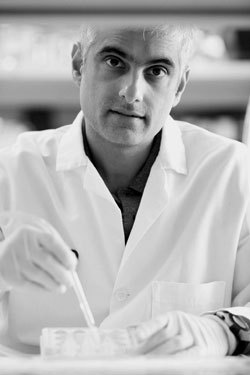
  • EXERCISE IS YOUR MUSCLE’S FOUNTAIN OF YOUTH

    EXERCISE IS YOUR MUSCLE’S FOUNTAIN OF YOUTH

    You  may want start working out to turn back your ageing clock as a recent study has found that oldies, who exercise regularly, end up with metabolically younger muscles.

    University of Guelph’s Geoff Power showed that elderly people, who were elite athletes in their youth or later in life and who still compete as masters athletes, have much healthier muscles at the cellular level compared to those of non-athletes.

    The study compared world-class track and field athletes in their 80s with people of the same age who are living independently and found that athletes’ legs were 25 per cent stronger on average and had about 14 per cent more total muscle mass.

    In addition, the athletes had nearly one-third more motor units in their leg muscles than non-athletes. More motor units, consisting of nerve and muscle fibres, mean more muscle mass and subsequently greater strength.

    With normal aging, the nervous system lose motor neurons, leading to a loss of motor units, reduced muscle mass, less strength, speed and power. That process speeds up substantially past age 60.

    Power said, “Exercise is definitely an important contributor to functional performance,” adding that even non-athletes can benefit. “Staying active, even later in life, can help reduce muscle loss.”

    But, he added that further research is needed to determine whether muscle health in elite athletes comes from training or genes.

    How human body ages?

    Japanese researchers have discovered metabolites that are specifically related to aging and shed light on how the human body ages.

    Metabolites, substances that are created during metabolism, can provide a wealth of information about an individual’s health, disease, diet, and life-style.

    The results of the study identified some metabolites in the blood that increased or decreased in the older adults.

    The researchers found 14 age-related metabolites. Half of these decreased in elderly people and the other half increased.

    Antioxidants and metabolites related to muscle strength decreased in the elderly, whereas metabolites related to declining kidney and liver function increased.

    “Of the 14 compounds, half of the them had decreased in elderly people. The decrease was found in antioxidants and in compounds related to muscle strength. Therefore, elderly people had less antioxidants and less muscle strength,” said lead researcher Yanagida, professor at Okinawa Institute of Science and Technology Graduate University (OIST) in Japan. In addition, some of the age-related metabolites found on the same metabolic pathways have connected changes, which suggests that age affects them simultaneously.

    “Functionally related compounds show the same tendencies to increase or decrease with age, or in other words, they show similar correlations,” Yanagida noted, in the study published in the journal PNAS.

    The decline in antioxidants and muscle strength suggest that it is important for individuals to consume foods high in antioxidants and to continue exercising, especially after the age of 65.

  • COLA WITH MILK? UK BABIES ADDICTED TO JUNK FOOD EVEN BEFORE TEETHING

    COLA WITH MILK? UK BABIES ADDICTED TO JUNK FOOD EVEN BEFORE TEETHING

    LONDON (TIP): Young mothers in the UK are getting babies as young as five months old hooked on junk food even before they learn to chew, scientists, led by an Indian-origin researcher, have found.

    Researchers followed the diets of children aged 12 to 18 months in a two-year study of 1,250 babies who were born in the UK.

    “Some mums were giving children chips, crisps and sugary drinks at five months old,” said Professor Pinki Sahota, head of nutrition at Leeds Beckett University in the UK.

    “Low-educated younger mothers tended to be the worst. A lot of them have not got the cooking skills,” Sahota said.

    One mother quizzed by researchers about how much cooking she did at home said, “not much – we send them down the road to get burger, chips and a drink for 99 pence,” she said.

    Another child’s first teeth were already black when they came through as the infant had been given cola in the feeding bottle, the ‘Mirror’ reported.

    The mother of another boy, who had no teeth and was already overweight, would cut the ends off chips and squeeze the potato into his mouth, researchers said.

    “Parents are giving kids junk food because they are eating it themselves,” she said.

    “The fact children are having this kind of food at such an early age is concerning enough. But parents are establishing bad eating habits for life,” Delhi-born Sahota said.

    “Older, more educated parents knew the value of fruit and vegetables,” she said.

  • HOW TO TACKLE BEDROOM BOREDOM

    HOW TO TACKLE BEDROOM BOREDOM

    Do you find the spark in your marriage fading away but hear other couples with many years of marriage behind them talking about their active sex lives?Does it make you wonder what their secret is? Once you are done with the honeymoon period, your sex life could take a backseat, leading to other problems. Avoid falling into this trap by trying out these tricks in your bedroom for a satisfying sex life.

    Get intimate

    Maintaining intimacy is very important for a married couple, so never miss a chance to get cosy with your partner. Hugs and kisses should be part of your daily routine since physical contact is also a sign of commitment. Flirting with your partner will make them feel more wanted. Be spontaneous.

    Plan a steamy session

    Happy couples schedule and plan sex! With hectic lifestyles, you need to make time for this too. When you plan to spend quality time with each other, it strengthens your relationship and helps you get intimate with your partner in a better way, without resorting to excuses. Most couples admit that planned sex is a more enjoyable and satisfying experience.

    Keep yourself groomed all the time

    Couples who take care of their appearance and health always keep up the mojo in the bedroom. Take pride in your fitness levels and pay attention to your clothes and accessories. If you complain of bad health or lack of energy all the time, it will affect your partner’s mood. Even if you are to spend the evening at home, put some make-up on, wear a stunning dress or sexy lingerie and spray a perfume your partner loves.This will not only make you smell good and feel sexy yourself, it will not also make your partner notice you and want you more.

    Talk to your partner

    Good communication skills are needed for a satisfying sex life too. Understand your partner’s wants and needs, while getting to know how to maximise pleasure for each other. If you often hear excuses from your partner, talking about it might help.Also avoid being critical of each other; this might lead to a fight, which is a mood spoiler.

    Be ready to experiment

    Predictability in a marriage can kill the relationship, so try to find the right balance between being conservative and adding some adventure to your sex encounters. Familiarity in bed can become boring. Change of location or time can add that much needed spice. Once in a while, try to have the entire house to yourself or get adventurous by opting for a staycation in the city itself or plan an exciting getaway nearby.

    Perfect the art of a quickie

    A quickie can come to the rescue when things get challenging. Let your mind go back to the time when you had amazing sex and use this fantasy to make a mind-body connection to get into the mood quicker. Once you have perfected this art, a speedy sex session is the most uncomplicated thing to get done when you have the desire but are falling short of time.

    Build trust

    If you don’t share a good rapport with your partner, it is not easy to trust them in the bedroom. Uneasiness with each other means you can’t reveal your true feelings. Build up trust by doing small things for each other, by being helpful and supportive as and when the need arises. Confiding in each other and being reciprocative can lead to a fruitful sex life.

    Settle the kids

    If you are married and have children, make sure that they are in bed before you kick-start your own plans for the night. Have a definite schedule for their bedtime. Also, you should inculcate in your kids the habit of knocking on the door for permission before entering. A lock on the door in your bedroom will help avoid embarrassments.

  • Why are American Voters so angry?

    Why are American Voters so angry?

    Americans are generally known for having a positive outlook on life, but with the countdown for November’s presidential election now well under way, polls show voters are angry. This may explain the success of non-mainstream candidates such as Republican Donald Trump and Democrat Bernie Sanders. But what is fuelling the frustration?

    A CNN/ORC poll carried out in December 2015 suggests 69% of Americans are either “very angry” or “somewhat angry” about “the way things are going” in the US.

    And the same proportion – 69% – are angry because the political system “seems to only be working for the insiders with money and power, like those on Wall Street or in Washington,” according to a NBC/Wall Street Journal poll from November.

    Many people are not only angry, they are angrier than they were a year ago, according to an NBC/Esquire survey last month -particularly Republicans (61%) and white people (54%) but also 42% of Democrats, 43% of Latinos and 33% of African Americans.

    Candidates have sensed the mood and are adopting the rhetoric. Donald Trump, who has arguably tapped into voters’ frustration better than any other candidate, says he is “very, very angry” and will “gladly accept the mantle of anger” while rival Republican Ben Carson says he has encountered “many Americans who are discouraged and angry as they watch the American dream slipping away”.

    Democratic presidential hopeful Bernie Sanders says: “I am angry and millions of Americans are angry,” while Hillary Clinton says she “understands why people get angry”.

    Here are five reasons why some voters feel the American dream is in tatters

    Economy

    “The failure of the economy to deliver real progress to middle-class and working-class Americans over the past 15 years is the most fundamental source of public anger and disaffection in the US,” says William Galston, an expert in governance studies at the Brookings Institution think tank.

    Although the country may have recovered from the recession -economic output has rebounded and unemployment rates have fallen from 10% in 2009 to 5% in 2015 – Americans are still feeling the pinch in their wallets. Household incomes have, generally speaking, been stagnant for 15 years. In 2014, the median household income was $53,657, according to the US Census Bureau -compared with $57,357 in 2007 and$57,843 in 1999 (adjusted for inflation).

    There is also a sense that many jobs are of lower quality and opportunity is dwindling, says Galston. “The search for explanations can very quickly degenerate into the identification of villains in American politics. On the left it is the billionaires, the banks, and Wall Street. On the right it is immigrants, other countries taking advantage of us and the international economy -they are two sides of the same political coin.”

    Immigration

    America’s demographics are changing – nearly 59 million immigrants have arrived in the US since 1965, not all of whom entered the country legally. Forty years ago, 84% of the American population was made up of non-Hispanic white people – by last year the figure was 62%, according to Pew Research. It projects this trend will continue, and by 2055 non-Hispanic white people will make up less than half the population. Pew expects them to account for only 46% of the population by 2065. By 2055, more Asians than any other ethnic group are expected to move to US.

    “It’s been an era of huge demographic, racial, cultural, religious and generational change,” says Paul Taylor, author of The Next America. “While some celebrate these changes, others deplore them. Some older, whiter voters do not recognize the country they grew up in. There is a sense of alien tribes,” he says.

    The US currently has 11.3 million illegal immigrants. Migrants often become a target of anger, says Roberto Suro, an immigration expert at the University of Southern California. “There is a displacement of anxiety and they become the face of larger sources of tensions, such as terrorism, jobs and dissatisfaction. We saw that very clearly when Donald Trump switched from [complaining about] Mexicans to Muslims without skipping a beat after San Bernardino,” he says, referring to the shooting in California in December that left 14 people dead.

    Washington

    When asked if they trust the government, 89% of Republicans and 72% of Democrats say “only sometimes” or “never”, according to Pew Research. Six out of 10 Americans think the government has too much power, a survey by Gallupsuggests, while the government has been named as the top problem in the US for two years in a row – above issues such as the economy, jobs and immigration, according to the organization.

    The gridlock on Capitol Hill and the perceived impotence of elected officials has led to resentment among 20 to 30% of voters, says polling expert Karlyn Bowman, from the American Enterprise Institute. “People see politicians fighting and things not getting done – plus the responsibilities of Congress have grown significantly since the 1970s and there is simply more to criticize. People feel more distant from their government and sour on it,” she says.

    William Galston thinks part of the appeal of Donald Trump and Bernie Sanders is down to frustration with what some see as a failing system. “So on the right you have someone who is running as a ‘strong man’, a Berlusconi and Putin, who will get things done, and on the left you have someone who is rejecting incrementalism and calling for a political revolution,” he says.

    Ted Cruz, who won the Republican caucuses in Iowa, is also running as an anti-establishment candidate. “Tonight is a victory for every American who’s watched in dismay as career politicians in Washington in both parties refuse to listen and too often fail to keep their commitments to the people,” he said on Monday night.

    America’s place in the World

    America is used to being seen as a superpower but the number of Americans that think the US “stands above all other countries in the world” went from 38% in 2012 to 28% in 2014, Pew Research suggests. Seventy percent of Americans also think the US is losing respect internationally, according to a 2013 poll by the center.

    “For a country that is used to being on top of the world, the last 15 years haven’t been great in terms of foreign policy. There’s a feeling of having been at war since 9/11 that’s never really gone away, a sense America doesn’t know what it wants and that things aren’t going our way,” says Roberto Suro. The rise of China, the failure to defeat the Taliban and the slow progress in the fight against the so-called Islamic State group has contributed to the anxiety.

    Americans are also more afraid of the prospect of terrorist attacks than at any time since 9/11, according to a New York Times/CBS poll. The American reaction to the San Bernardino shooting was different to the French reaction to the Paris attacks, says Galston. “Whereas the French rallied around the government, Americans rallied against it. There is an impression that the US government is failing in its most basic obligation to keep country and people safe.”

    Divided nation

    Democrats and Republicans have become more ideologically polarized than ever. The typical (median), Republican is now more conservative in his or her core social, economic and political views than 94% of Democrats, compared with 70% in 1994, according to Pew Research. The median Democrat, meanwhile, is more liberal than 92% of Republicans, up from 64%.

    The study also found that the share of Americans with a highly negative view of the opposing party has doubled, and that the animosity is so deep, many would be unhappy if a close relative married someone of a different political persuasion.

    This polarization makes reaching common ground on big issues such as immigration, healthcare and gun control more complicated. The deadlock is, in turn, angering another part of the electorate. “Despite this rise in polarization in America, a large mass in the middle are pragmatic. They aren’t totally disengaged, they don’t want to see Washington gridlocked, but they roll their eyes at the nature of this discourse,” says Paul Taylor. This group includes a lot of young people and tends to eschew party labels. “If they voted,” he says, “they could play an important part of the election.”

  • AAPI plans great entertainment at the 34th Annual Convention in New York

    AAPI plans great entertainment at the 34th Annual Convention in New York

    NEW YORK (TIP): Famous Bollywood entertainers Shankar Mahadevan, Richa Sharma, Sunidhi Chauhan, Aditya Narayan and Indian Idol Juniors, are all set to take the delegates by storm during the 34th annual convention organized by the American Association of Physicians of Indian Origin (AAPI) at the Marriott Marquis, Time Square in New York from June 30-July 4, 2016.

    “In addition to live entertainment by famous Bollywood stars, the 2016 AAPI Annual Convention & Scientific Assembly offers an exciting venue to interact with leading physicians, health professionals, academicians, and scientists of Indian origin,” said Dr. Seema Jain, President of AAPI. “Physicians and healthcare professionals from across the country will convene and participate in the scholarly exchange of medical advances, to develop health policy agendas, and to encourage legislative priorities in the coming year.”

    Shankar Mahadevan and Richa Sharma will perform live at the much anticipated AAPI’s annual convention. An accomplished musician in Tamil cinema, Shankar is a part of the Shankar Ehsaan Loy trio team that provides music to Bollywood films. Though a software engineer by profession and having worked with Oracle Corporation, Shankar’s interest in music made him venture into the field of music. He got his first award as a playback singer in Chennai film music, collaborating with A. R. Rahman and winning a National Film Award for his song in Kandukondain Kandukondain. Since then, he has given hundreds of enchanting numbers to the Bollywood world. The grand finale of the AAPI convention will be by Shankar Mahadevan and his team, who will take the audience to the memory line of Bollywood music on the final night, before a packed audience.

    Richa Sharma was eight years old, she was invited to sing before religious congregations in and around Delhi. She got herself enrolled in the Gandharva Mahavidyalaya. Under the tutelage of Pandit Aaskaran Sharma, Richa went on to get proper training in Indian classical and light music, and thus making her voice reach out to more and more people in a variety of sounds.

    She made her debut in Bollywood with Sawan Kumar’s SALMA PE DIL AA GAYA in 1996 and followed it up by a number of films until the big hit came by in the form of TAAL where she sang for AR Rahman. Her melodious voice has touched the hearts and souls of millions around the world.

    Sunidhi Chauhan, the young and talented artist behind the hit evergreen numbers like ‘Dhoom machale dhoom’, ‘Sheila ki jawaani’, ‘Beedi jalaile’ and many more, will be performing live on Friday, July 1st. Chauhan had lent her voice to over 350 songs. She made her International debut with the song Heartbeat, a collaboration with Enrique Iglesias.

    Aditya Narayan, an actor, television host, music composer and singer, made his first screen debut with Ram Gopal Varma’s Rangeela in which he also got an opportunity to sing with Asha Bhonsle. He was last seen hosting the singing reality show Sa Re Ga Ma Pa L’il Champs 5. Aditya Narayan, who was born in Mumbai, was raised into a musical family as his father, Udit Narayan, the famous playback singer and mother Deepa Narayan. Aditya Narayan and Indian Idol Juniors Group will entertain the participants at the AAPI Convention on July 2nd. Fashion Show by talented young artists from across the country will cake walk on July 3rd.

    Dr. Seema Jain, who assumed charge of this premier ethnic organization representing 100,000 physicians and residents, gave credit to the support of AAPI executive committee, hard work of local Chapter members, and the organizing committee chaired by Dr. Rita Ahuja. “Success of credit goes to the entire national organizing committee, AAPI executive committee, and Board of Trustees and all the AAPI members,” she said.

    AAPI is a forum to facilitate and enable Indian American Physicians to excel in patient care, teaching and research and to pursue their aspirations in professional and community affairs. For more details, and sponsorship opportunities, please visit: www.aapiconvention.org   and www.aapiusa.org

  • Indian American Scientists Develop Technology for Effective Cancer Treatment

    Indian American Scientists Develop Technology for Effective Cancer Treatment

    WASHINGTON (TIP): A team of Indian scientists from the prestigious Massachusetts Institute of Technology and Harvard Medical School has made an important breakthrough by developing a nano-technology which will help monitor the effectiveness of cancer therapy within hours of treatment.

    “We have developed a nano-technology, which first delivers an anticancer drug specifically to the tumor, and if the tumor starts dying or regressing, it then starts lighting up the tumor in real time,” said Shiladitya Sengupta, a principal investigator at Massachusetts Institute of Technology’s (MIT) Brigham and Women’s Hospital (BWH).

    “This way you can monitor whether a chemotherapy is working or not in real time, and switch the patients to the right drug early on. One doesn’t need to wait for months while taking a toxic chemotherapy only to realize later and after side effects that the drug hasn’t worked,” Mr. Sengupta, a co-corresponding author of the breakthrough research published online this week in ‘The Proceedings of the National Academy of Sciences’, told news agency PTI.

    The first author of the paper is Ashish Kulkarni, who comes from a small village in Maharashtra. A junior faculty at Harvard, Kulkarni trained as a Chemical Engineer at ICT Mumbai, then did a PhD in chemistry at the University of Cincinnati.

    Mr. Kulkarni said by using this approach, the cells light up the moment a cancer drug starts working.

    “We can determine if a cancer therapy is effective within hours of treatment. Our long-term goal is to find a way to monitor outcomes very early so that we don’t give a chemotherapy drug to patients who are not responding to it,” he said.

    “We’ve demonstrated that this technique can help us directly visualize and measure the responsiveness of tumors to both types of drugs,” Mr. Kulkarni said.

    Other members of the research team are Poornima Rao, Siva Natarajana, Aaron Goldman, Venkata S Sabbisetti, Yashika Khater, Navya Korimerla, Vineethkrishna Chandrasekara and Raghunath A Mashelkar. Except Goldman, all are Indian researchers.

    “Current techniques, which rely on measurements of the size or metabolic state of the tumor, are sometimes unable to detect the effectiveness of an immunotherapeutic agent as the volume of the tumor may actually increase as immune cells begin to flood in to attack the tumor,” Mr. Kulkarni said.

    He said reporter nanoparticles, however, can give “us an accurate read out of whether or not cancer cells are dying”.

    The technology developed by the group can be used for monitoring the effectiveness of immunotherapy, a report said.

    Using a nanoparticle that delivers a drug and then fluoresces green when cancer cells begin dying, they were able to visualize whether a tumor is resistant or susceptible to a particular treatment much sooner than currently available clinical methods, said a statement from BWH.

  • CHINA MANUFACTURING EXPANDS FOR FIRST TIME IN 9 MONTHS

    CHINA MANUFACTURING EXPANDS FOR FIRST TIME IN 9 MONTHS

    BEIJING (TIP): China’s manufacturing activity expanded in March for the first time in nine months, official data showed on Friday.

    The official Purchasing Managers’ Index (PMI), which tracks activity in factories and workshops, rebounded to 50.2 last month, figures from the National Bureau of Statistics (NBS) showed.

    It was the highest figure in nine months and the first expansion of manufacturing activity since June 2015.

    The result beat the median expectations of 49.4 in a Bloomberg News survey of economists.

    A reading above 50 signals expanding activity in the vital sector, while anything below indicates contraction. Investors watch the index closely as the first available official indicator of the country’s economic health each month.

    It was a rebound from February’s 49.0 figure, which was the seventh consecutive month the official index showed contraction.

    NBS analyst Zhao Qinghe said in a separate statement that the March PMI showed “some positive signs have started to emerge”.

    “Manufacturing production and (the) market warmed up as companies started working after the Spring Festival and the recent acceleration of supply side reform.”

    A rebound in fixed-asset investment and the property market have also boosted production and consumption to some extent, Zhao said, but added the expansion was partly due to seasonal factors.

    “We should be aware that there remain many difficulties in companies’ production and operation.”

    Firms are still facing tight financing, insufficient demand and rising labour costs, Zhao added.

    Chinese stocks were lower Friday morning despite the improvement, with the benchmark Shanghai Composite Index slipping 0.23 percent.

    China’s economy, a vital driver of global expansion, grew 6.9 percent last year, its weakest rate in a quarter of a century.

    Some analysts pointed to an increase in government investment as signalled at the March National People’s Congress, with SG Global Economics saying in a note before the release that infrastructure and housing investment would “lend some support” to the industrial sector.

  • CONTACT LENSES MAY ALTER EYE’S NATURAL BACTERIA, SAYS STUDY

    CONTACT LENSES MAY ALTER EYE’S NATURAL BACTERIA, SAYS STUDY

    A new study has found that contact lenses may alter the natural microbial environment of the eyes and increase the risk for eye infections.

    According to researchers, contact lenses make the eye microbiome more skin-like, with higher proportions of the skin bacteria and make them more prone to eye infections.

    “It’s unclear how these changes occur, whether these bacteria are transferred from the fingers to the lens and to the eye surface, or if the lenses exert selective pressures on the eye bacterial community in favour of skin bacteria,” said senior study author Maria Dominguez-Bello from New York University School of Medicine.

    “Wearing contact lenses has been identified as a risk factor for the development of eye infections such as giant papillary conjunctivitis and keratitis,” Dominguez-Bello added in the paper was published in the journal mBio.

    “Our study has the potential to help future studies explore novel insights into a possible role of the microbiome in the increased risk for eye infections in contact lens wearers,” Dominguez-Bello stated.

    The team compared 58 adults with the bacterial communities of the conjunctiva — the eye surface — and the skin under the eye.

    They also analysed samples from 20 of the study participants (9 lens wearers and 11 non-lens wearers) at three time points over the course of six weeks.

    The results showed that looking at 250 samples — 116 from cotton swabs of the conjunctiva, 114 from cotton swabs of skin under the eye, and 20 contact lenses — a higher diversity of bacteria on the ocular surface than on the skin under the eye or on the contact lenses. The ocular surface microbiota of those who wore contact lenses was more skin-like compared to those who did not wear lenses. It was enriched in the bacteria Pseudomonas, Acinetobacter, Methylobacterium and Lactobacillus. In non-lens wearers, these bacteria were detected at a higher relative abundance in skin samples compared to the eye, suggesting that these bacteria could be classified as skin bacteria. “Other studies have shown increased risks for eye infections in contact lens wearers and this might relate to impacting the microbiome. When we can better understand the mechanisms, we will be able to test hypotheses and propose preventive measurements,” Dominguez-Bello stated.

  • YOUR BRAIN CELLS MAY HELP YOU KEEP A CHECK ON OVEREATING

    YOUR BRAIN CELLS MAY HELP YOU KEEP A CHECK ON OVEREATING

    Do you find it difficult to not overeat? Have you lost the track of diet plans that you almost always fail to implement?

    Well, stop fretting, for researchers have identified brain cells that can send signals to prevent over-eating, making a breakthrough for potential new anti-obesity treatments.

    The study, conducted on mice, showed that when the cells fired and sent signals to other parts of the brain, the mice decreased the amount they ate in a day by about 25%.

    “When the type of brain cells we discovered fire and send off signals, our laboratory mice stop eating soon after,” said Richard Huganir, director at the Johns Hopkins University in the US.

    But switching off the satiety cells in the brain caused the mice to eat more, and double their weight in three weeks.

    The findings, published by the journal Science, add significant detail to the way brains tell animals when to stop eating and, if confirmed in humans, could lead to new tools for fighting obesity. The team found the cells in a small brain region called the para-ventricular nucleus, which was already known to send and receive signals related to appetite and food intake.

    The signals seem to tell the mice that they have had enough, Huganir noted.

    A particular enzyme called OGT — a biological catalyst involved in many bodily functions, including insulin use and sugar —was found to play a key role in the process by stimulating synaptic connections — an electrical or chemical signal passed from a neuron to the other — between the cells.

    When the gene for OGT was silenced, the mice ate more. Although they consumed the same number of meals as normal mice, they ate bigger portions.

    Also, the absence of OGT interfered with the animals’ ability to sense when they were full, suggesting that, OGT helps maintain synapses. “These mice don’t understand that they’ve had enough food, so they keep eating,” said Olof Lagerlof, graduate student from Johns Hopkins University.

    “We believe we have found a new receiver of information that directly affects brain activity and feeding behaviour, and if our findings bear out in other animals, including people, they may advance the search for drugs or other means of controlling appetites,” Lagerlof suggested.

  • DEPRESSED? BLAME IT ON SOCIAL MEDIA

    DEPRESSED? BLAME IT ON SOCIAL MEDIA

    Are you the one who is always clicking new selfies to be posted on Instagram or who updates the tiniest details of life on Facebook?

    Chances are that you are probably depressed!

    According to a new study, the more time young adults spend on social media, the more likely they are to be depressed.

    Spending more time on social media may increase the risk of exposure to cyber-bullying or other similar negative interactions, which can cause feelings of depression.

    Also, unlimited use of social media could fuel “Internet addiction,” a proposed psychiatric condition closely associated with depression.

    The results of the study showed that on an average the participants used social media a total of 61 minutes per day and visited various social media accounts 30 times per week.

    Compared with those who checked social media least frequently, participants who reported most frequent checking throughout the week had 2.7 times the likelihood of depression.

    Similarly,participants who spent the most total time on social media throughout the day had 1.7 times the risk of depression, when compared to peers who spent less time on social media.

    The research is published online in the journal Depression and Anxiety.

    However, exposure to social media also may cause depression, which could then in turn fuel more use of social media, the researchers pointed out.

    “It may be that people who already are depressed are turning to social media to fill a void,” said lead author Lui yi Lin from the University of Pittsburgh in the US.

    The findings revealed that the exposure to highly idealised representations of peers on social media elicits feelings of envy and the distorted belief that others lead happier, more successful lives.

    Engaging in activities of little meaning on social media may give a feeling of “time wasted” that negatively influences mood.

    In 2014, the team sampled 1,787 US adults’ aged 19 through 32, using questionnaires to determine social media use and an established depression assessment tool. The questionnaires asked about the 11 most popular social media platforms at the time: Facebook, YouTube, Twitter, Google Plus, Instagram, Snapchat, Reddit, Tumblr, Pinterest, Vine and LinkedIn.

    The researchers controlled for other factors that may contribute to depression, including age, sex, race, ethnicity, relationship status, living situation, household income and education level.

    More than a quarter of the participants were classified as having “high” indicators of depression.

    “Because social media has become such an integrated component of human interaction, it is important for clinicians interacting with young adults to recognise the balance to be struck in encouraging potential positive use, while redirecting from problematic use,” said one of the authors Brian A. Primack, director at the Pittsburgh University.

    In addition, the findings can also be used as a basis for public health interventions leveraging social media.

  • INDRANI AMBITIOUS, WAS WILLING TO SACRIFICE HER KIDS TOO: PETER

    INDRANI AMBITIOUS, WAS WILLING TO SACRIFICE HER KIDS TOO: PETER

    NEW DELHI (TIP): Former media baron Peter Mukerjea, an accused in the Sheena Bora murder case, on Wednesday moved a second bail application before the special CBI court alleging that the central investigation agency had based its case purely on suspicion.

    Peter’s advocate Kushal Mor filed the fresh bail application, after the previous one was rejected, sighting a change in circumstances as the agency has now filed a charge sheet against him.

    Peter alleged that according to the charge sheet filed by the agency, the CBI’s case was based on three key circumstances — he was against the relationship between his son Rahul and Sheena, who was his wife Indrani’s daughter from a previous relationship; Indrani, who is alleged to have conspired and executed Sheena’s murder was constantly in touch with Peter over the phone; and that he was a part of the conspiracy to mislead Rahul, who wanted to make all possible efforts to trace Sheena.

    In the bail application, Peter has claimed it was not him, but Indrani, who objected to Rahul and Sheena’s relationship. He had also denied the allegation of being informed by Indrani about the murder and said that the said calls were made by Indrani to her daughter, Vidhie.

    The application also alleged that the CBI had wrongly interpreted the records for the two numbers as Peter’s, but they were in fact being used by Vidhie. The bail application also denied the allegation that he had misled Rahul after Sheena’s death.

    Peter has also alleged that Indrani was highly ambitious and was willing to go to any lengths for that.

    “Indrani was highly ambitious & willing to sacrifice and give up her children to achieve her ambitions,” Peter said in the bail plea.

    Mor has also moved an application for Peter’s health checkup. The court has now asked the CBI to file replies to the bail application and the one seeking Peter’s health checkup by March 31.

  • Indian-origin researcher working to beat ‘superbugs’

    Indian-origin researcher working to beat ‘superbugs’

    MOUNTAINVIEW, CA (TIP): Researchers, including one of Indian-origin, have developed novel peptide-like analogs or peptoids that have the similar antimicrobial properties as peptides but more robust.

    The discovery, paves the way for creation of new generation antibiotics that can defeat the so called multi-drug resistant bacteria “superbugs”.

    Like proteins, peptides are chains of amino acids that participate in the metabolic system of living organisms and the immune system.

    They are the first line of defense against a broad range of pathogens, and are released by the body in the earliest stage of infection.

    These peptides are attractive antimicrobials. However, they degrade in the body and have short half-life.

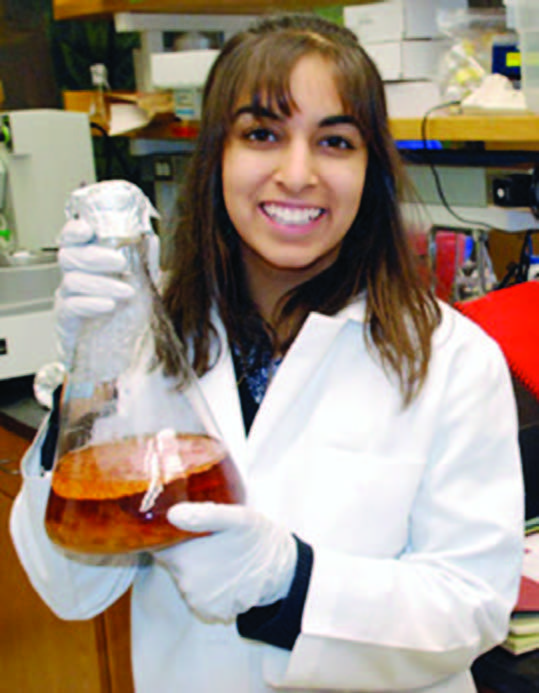
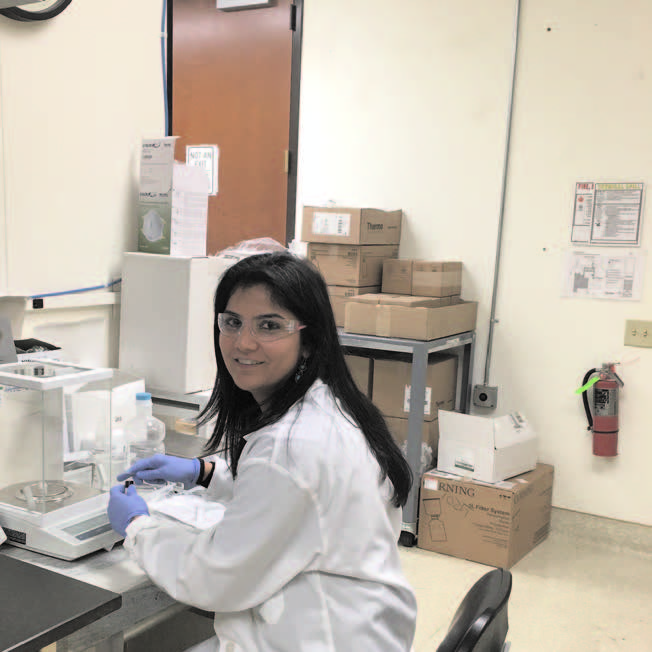
    Rinki Kapoor, a scientist at Wako Life Sciences Inc., a molecular diagnostics company in Mountain View, CA,along with her PhD advisor and professor Annelise Barron of Stanford University studied novel mimics of antimicrobial peptides or peptoids for their antibacterial activity against multi- drug resistant bacteria, also known as superbugs.

    In one of their studies, they showed that peptoids kill resistant Pseudomonas aeruginosa — one of the leading bug causing hospital associated infections.

    The group synthesized seven different peptoids and compared their activity with three different antibiotics.

    In a separate study, Kapoor and Barron also revealed that peptoids kill resistant Mycobacteria — bacteria responsible for causing Tuberculosis, a leading cause of death worldwide. In this study, published in the journal of antimicrobial agents and chemotherapy (AAC), they evaluated the efficacy of six different peptoids against Mycobacteria.

    “These molecules are currently under research and development and merit further studies to investigate their potential as new class of drugs for treating resistant bacterial infections,” Kapoor told IANS in a statement.

  • Dallas Philanthropists to Provide Microloans for Female Entrepreneurs in India

    Dallas Philanthropists to Provide Microloans for Female Entrepreneurs in India

    DALLAS, TX (TIP): Five Dallas-based women have joined forces to create an organization aimed at empowering and mobilizing less fortunate women entrepreneurs on the international level. Called “Mahila,” which is a Hindi word that means “woman,” The group consists of powerful female community leaders: attorney Bina Palnitkar Patel, architect Purva Jain, media and lifestyle guru Priya Bhola Rathod, cultural advocate Preeta Monga and social entrepreneur Ami Doshi.

    Bina Palnitkar Patel - Trial Attorney at Greenberg Traurig Purva Jain - Architect with Richard Drummond Davis Architects Priya Bhola Rathod - Media & Lifestyle Guru Preeta Monga - Cultural Advcoate Ami Doshi - Founder of Milaap USA“Mahila, at its core, is an organization formed by women for women,” said Bhola Rathod. “Our goal is to best share our strength with underprivileged women to bring about meaningful, lasting change. Empowering ONE woman means impacting her family, her society and, ultimately, her world.”

    The organization is hosting its inaugural event on April 7th to raise funds for struggling, low-income women living and working in India by supporting Milaap USA’s microloan program. Milaap USA’s mission is to promote financial inclusion for individuals and families through access to low cost funds in the following sectors: enterprise development, clean energy, water and sanitation, education and vocational training and healthcare. One hundred percent of the proceeds raised from this event will go directly towards Milaap’s work in India, and every year Mahila will choose a different women’s organization to support through fundraising.

    “We believe philanthropy is providing a ‘hand-up versus a hand-out,’” said Doshi, Founder of Milaap USA. “By empowering hundreds of thousands of India’s working poor to gain financial stability for themselves, we are able to tackle one of India’s most challenging causes of poverty – financial exclusion.”

    The launch of a laudable mission for women empowerment in the vicinity of the International Women’s Day speaks a lot about awareness among women of what is to be done for women. It is hoped the Indian American community will come forward in a big way to support the new organization and contribute generously towards the cause.

    WHO: Mahila
    WHAT: “Open Doors,” inaugural fundraising event for Milaap USA
    WHEN: Thursday, April 7 from 7 to 10 p.m.
    WHERE: DEC on Dragon, 1414 Dragon Street, Dallas, TX 75207
    DETAILS: Tickets are $100 per person, which include open bar and heavy appetizers. Event will also have a red carpet, silent auction, gift bags and DJ.
    TICKETS: http://www.mahiladallas.org/tickets
    For more information: JINGO Media – Jitin Hingorani Jitin@JingoMedia.com or 512.773.6679 (mobile)

  • Rs 8,000 cr for free LPG set-up for poor women

    Rs 8,000 cr for free LPG set-up for poor women

    NEW DELHI (TIP): The government on Thursday approved a Rs 8,000-crore scheme to provide free cooking gas connections in the name of women members from poor households, reinforcing the idea of LPG emerging as the new vehicle for political outreach ahead of state polls.

    Finance minister Arun Jaitley had announced the scheme in the budget, allocating Rs 2,000 crore for providing 1.5 crore connections in 2016-17. “The scheme will be continued for at least two more years to cover a total of 5 crore BPL (below poverty line) households. This will ensure universal coverage of cooking gas in the country,” Jaitley had said in his budget speech. T he Cabinet’s approval indicates the government’s resolve to see the scheme through the next three years as a whole and to start rolling out connections on a war footing immediately.

    Referring to a WHO study, oil minister Dharmendra Pradhan said five lakh women from poor households die from inhaling smoke from unhealthy fuels used in their kitchens. “The LPG scheme has health as well as environmental dividend,” he said. Referring to the plight of poor, Jaitley had said, “Women of India have faced the curse of smoke during cooking. The time has come to remedy this situation.” Source: TOI

  • Dr. VK Raju addressed the AIMS Delegates in India – PICNEWS

    Dr. VK Raju addressed the AIMS Delegates in India – PICNEWS

    Morgantown, West Virginia based eminent ophthalmologistDr. VK Raju who holds various positions including Chairman, Goutami Eye Institute, AP, Advisor – Indo-US Healthcare Summit, Director, International Ocular Surface Society was recently in India where he addressed the All India Ophthalmological Society (AIOS)delegates at the 74th Annual Conference in Kolkata. Over 10,000 ophthalmologists attended the congress.

    Dr. VK Raju is passionately committed to preventing blindness all across the world, particularly in India, and more particularly among children. He is most of the time touring various countries, holding eyes camps. He has set up an eye hospital in Hyderabad in India. His Eye Foundation America has raised millions to help prevent and treat blindness.

    The AIOS was established in the year 1930. The objects of the Society are cultivation and promotion of the study and practice of ophthalmic sciences, research and man-power development with a view to render service to the community and to promote social contacts among ophthalmologists of the country.

    The Society organizes Annual Conferences in different parts of the country. In these conferences a number of scientific programs, Symposia, Seminars, Workshops, Refresher Courses, Wet Labs etc. are conducted for the promotion and mutual exchange of knowledge in the field of Ophthalmic Science.

  • HAB BANK Hosts Healthcare Professional Dinner on Long Island

    HAB BANK Hosts Healthcare Professional Dinner on Long Island

    GARDEN CITY, NY (TIP): HAB BANK, nation’s oldest and largest South Asian American bank, hosted a dinner for Healthcare Professionals at Akbar Restaurant, Garden City, New York, Sunday, March 6, 2016. The event was organized under the auspices of Mr. K.K. Mehta, President & Senior Partner of K.K. Mehta Associates PLLC.

    Mr. Saleem Iqbal, President & CEO of HAB BANK welcomed invited guests and thanked them for taking the time out, during a weekend, to be at the Healthcare Professional dinner. He advised the guests that HAB is honored and thankful to Mr. K.K. Mehta for co-hosting the event with HAB. Mr. Iqbal, in his presentation highlighted the rich history and strengths of HAB. During his presentation, Mr. Iqbal announced HAB’s new product solely targeted to Healthcare Professionals especially doctors. HAB’s new Healthcare Professional loan goes up to $500,000 and can be used for various purposes including working capital, equipment acquisition, and Insurance premium financing. He pointed out that the loan decisions are made within 72 hours once the documentation requirements are complete. Mr. Iqbal told the guests that the Bank believes in building long-term relationships and has a wide range of products and services such as online banking, Remote Deposit Capture, Merchant Services for businesses. He also brought up the Bank’s Commercial Real Estate loans designed to help investors acquire properties with loans up to $5,000,000. Mr. Mehta, in his remarks, thanked the guests for their presence and being part of dinner highlighting HAB Bank’s Healthcare Professional loans and other services for individual and businesses. He urged the guests to consider moving to HAB Bank and establishing their relationship. However, he clearly mentioned that in order to maintain integrity and independence, he, nor his firm, KK Mehta CPA PLLC, does not enter into any alliance with third party organizations. The attendees should evaluate their banking needs on their own, and KK Mehta CPA PLLC does not take any responsibility.

    HAB’s management was in attendance including, Rizwan Qureshi, SEVP, Zilay Wahidy, EVP, Nasir Khan, SVP, Kamal Puri, Branch Manager Jackson Heights, Mehmood Syed, Senior Business Development Officer, Danial Tariq, Manager Hicksville Branch, Ismail Ahmed, Manager Richmond Hill Branch, Girish Vazirani, Manger Iselin Branch, and Moazam Ali, Hicksville Branch.

    ABOUT HAB BANK: HAB BANK was founded in 1983 and since its inception, it has played a key role in nurturing and strengthening the South Asian community with branch network located in New York, New Jersey and California. Through the years, the Bank has evolved in response to needs of its customers and maintains a close relationship with the community it serves. The Bank’s core products are Commercial Real Estate Mortgages, International Trade Services, US Small Business Loans and a well-designed commercial banking products and services for small to medium sized businesses. The Bank also has a wide range of consumer products and services including personal checking, savings, CDs, and full-service online banking. The Bank is fully committed to remain engaged and pro-active in meeting the banking requirements of its customer and, above all, continues to work towards “Building Relationships”.

    ABOUT K.K. MEHTA CPA ASSOCIATES PLLC : K. K. Mehta CPA Associates PLLC is a full service accounting, tax and consulting firm serving the New York Metropolitan region since 1978. Firm’s clients range from individuals to multi-national organizations of all types and sizes. The company serves a broad range of industries and professions. Our firm is committed to providing the highest level of professional and personalized services in a cost effective manner.

    K.K. Mehta CPA Associates are one of the largest accountants for healthcare and hospitality industry. The firm strives hard to look for strategies and techniques to minimize your taxes and assist you in growing your business.

  • First uterus transplant in US has failed

    First uterus transplant in US has failed

    OMAHA  (TIP): The first uterus transplant in the United States has failed, and the organ was surgically removed March 8, officials at the Cleveland Clinic said on March 9.

    The recipient, a 26-year-old woman, suddenly developed a serious complication on March 8, according to Eileen Sheil, a spokeswoman for the clinic. She did not specify the nature of the problem but said the uterus was being analyzed by pathologists to determine what went wrong.

    The transplant, which used a uterus from woman in her 30s who had died suddenly, was performed on February 24. It was the first of 10 uterine transplants planned by the clinic, in an experimental program meant to enable women without a uterus to become pregnant and give birth. In a statement released on Wednesday afternoon, the clinic said it would continue that effort.

    “The study, which has been planned to include 10 women, is still ongoing with a commitment to the advancement of medical research to provide an additional option for women and their families,” the clinic said.

    The failure occurred only a day after the clinic held a news conference to describe what had seemed to be a successful transplant, with remarks from members of the surgical team and a brief appearance by the patient, who asked to be identified only as Lindsey. In an interview after the session, the lead surgeon, Dr Andreas G Tzakis, said that Lindsey had already undergone one biopsy to check for rejection and that there were no signs of it.

    In its statement announcing the failure, the clinic said, “While this has been difficult for both the patient and the medical team, Lindsey is doing well and recovering.”

    Lindsey, who was born without a uterus, also released a statement.

    “I just wanted to take a moment to express my gratitude towards all of my doctors,” she said. “They acted very quickly to ensure my health and safety. Unfortunately I did lose the uterus to complications. However, I am doing okay and appreciate all of your prayers and good thoughts.”

    Doctors at the University of Gothenburg in Sweden have performed nine uterus transplants, resulting in five births. Two of the nine transplants failed during the first year after the surgery and had to be removed.

    Three other medical centers in the United States are planning to perform uterus transplants on an experimental basis: Baylor University Medical Center at Dallas, Brigham and Women’s Hospital in Boston and the University of Nebraska Medical Center in Omaha.

    Dr Alexander Maskin, from the University of Nebraska, called the failure in Cleveland disheartening. He said he knew the surgeons there well and described them as talented and thoughtful. Regarding why a transplant might fail, he said there were several possibilities, including rejection by the patient’s immune system, infection or a problem with the veins and arteries that were connected to the uterus to provide it with blood flow.

    “I figure in the next few days or weeks they’ll figure out what happened,” Maskin said. “I think when the Cleveland team is ready to discuss it with others, I’m sure we’ll share and learn from it. It’s a steep learning curve.” He said that the various medical centers working on uterus transplantation had been sharing information and that the four teams from the United States and 15 from Europe attended a conference about the procedure in January in Gothenburg, sponsored by the Swedish team.

    “We’re still moving forward,” Maskin said. “Sweden had such a positive experience, we hope it will translate to future positive experiences.”


  • Indian-American Doctor Convicted in Kickback Scheme

    Indian-American Doctor Convicted in Kickback Scheme

    CHICAGO (TIP): A 69-year-old Indian-origin doctor in the US has been convicted of illegally receiving benefits for referring elderly patients to a financially struggling hospital in Chicago.

    Venkateswara Kuchipudi of Illinois became the fifth physician and 10th defendant overall to be convicted for taking part in the massive Medicare and Medicaid fraud scheme at the now-shuttered Sacred Heart Hospital.

    He was convicted after a five-week trial on one count of conspiracy to defraud the US and nine counts of illegally soliciting or receiving benefits in return for referrals of patients covered under a federal health care program.

    Each count carries a maximum sentence of five years in prison and a USD 250,000 fine.

    US District Judge Matthew Kennelly scheduled a sentencing hearing for June.

    From 2001 through April 2013, hospital executives conspired to pay kickbacks and bribes to physicians to induce them to refer patients for services that would be reimbursed by federal insurance program Medicare and Medicaid.

    The scheme earned the financially struggling hospital millions of dollars in reimbursements from Medicare and Medicaid.

    Evidence at Mr. Kuchipudi’s trial revealed that he was one of the hospital’s most prolific sources of patient referrals.

    In exchange for his referrals, the hospital provided Mr. Kuchipudi with free labor in the form of physician assistants and nurse practitioners.

    The hospital allowed Mr. Kuchipudi to bill Medicare and Medicaid for the services of the physician assistants and nurse practitioners as if he employed them himself.

  • New Research led by an Indian-Origin scientist suggests Bubbles are key to cleaning teeth

    New Research led by an Indian-Origin scientist suggests Bubbles are key to cleaning teeth

    The formation of tiny bubbles around the head of ultrasonic scalers, used by dentists to remove built-up plaque, is key to the cleaning process, researchers including an Indian-origin scientist have revealed.

    The bubble formation, or cavitation of water around the head of the scaler, was observed using high-speed cameras.

    The findings are the first to prove that cavitation takes place around the free end of ultrasonic scalers.

    Removing dental plaque and calculus that is the build-up of what we know as tartar or hard plaque, is a big part of maintaining oral health and a regular occurrence in dental check-ups.

    “These findings will help us to understand how to make the tools as effective as possible,” said Damien Walmsley from University of Birmingham in Britain.

    “Putting the pieces together, we can say that altering the shape and power of these commonly used tools make them more effective, and hopefully, pain-free,” added lead study author Nina Vyas.

    For the study published in the journal PLOS ONE, scalers of differing power and head shape were used and compared to quantify the patterns of cavitation.

    A Satelec ultrasonic scaler was studied at medium and high operating power using high speed imaging at 15,000, 90,000 and 250,000 frames per second, and the tip displacement was recorded using scanning laser vibrometry.

    Researchers were not only able to show that cavitation occurred at the free end of the tip, but that it increases with power and the area and width of the cavitation cloud varies for different shaped tips.

    The methods developed will help test new instrument designs to maximise cavitation, with the aim of designing ultrasonic scalers that operate without touching the tooth surface, the authors noted.

    With this, the process of teeth cleaning will become both less painful and more effective.

  • Poop test can tell if you are diabetic, say docs

    Poop test can tell if you are diabetic, say docs

    Scentists from Madras Diabetes Research Foundation will sequence the DNA of bacteria in the bowel to see if they contain enough ‘good’ bacteria or too much ‘bad’ bacteria that can trigger metabolic diseases.

    The research centre has tied up with University of Copenhagen for the research, which earlier found a strong link between gut bacteria and diabetes. At least 1.5kg of bacteria in a human body, mostly in the gut, play an active role in not just digesting food also in the development and functioning of the immune and neural systems as also in a wide range of metabolic functions, doctors said.

    Danish scientists spearheading the study, including Dr Oluf B Pedersen, a professor of molecular metabolism and metabolic genetics at University of Copenhagen, Denmark, said bacterial DNA extracted from stool samples of 292 individuals showed 23% of Danish adults had a 40% reduction in the abundance of bacterial genes. The DNA sequence of the bugs represents what is going on in the colon.

    “We found people with fewer and less diverse types of bacteria had a higher body fat percentage and elevated blood lipids,” Pedersen said. “This is a significant correlation.We are curious to know if results are similar in Indians.”

    His Indian counterparts are curious about this too. They have sequenced DNA from bacteria found in more than 450 stool samples from an equal number of diabetics, pre-diabetic and non-diabetic people.

    “Our hypothesis is that Indians are at greater risk because we have less good bacteria that reduce diabetes risk and more bad bacteria that in creases the risk,” diabetologist and Madras Diabetes Research Foundation chief Dr V Mohan said.

    There isn’t yet adequate evidence to show links in humans but stool samples from the lean twin mice given to germ-free mice, make them remain lean and stool from the obese mice given it to germ-free mice make them obese. “We can’t rule out that bacteria, in this case, may cause obesity. It may be more than just an innocent bystander,” Dr Pederson said.

    He said looking at the bugs is like exploring a tropical rainforest, there are trillions in the body in anaerobic (without oxygen) environment. That means they are difficult to culture in the lab and there can’t be a quick fix solution to refill these bacteria.

    Source: TOI

  • COFFEE REDUCES LIVER CIRRHOSIS RISK BY 44%

    COFFEE REDUCES LIVER CIRRHOSIS RISK BY 44%

    You’ve heard several people tell you to cut down your coffee intake because it is addictive. Now, listen to this–a new study has found that regular consumption of coffee may reduce the risk of liver cirrhosis by 44 per cent and may nearly halve the risk of dying from the disease.

    In patients with cirrhosis, the liver becomes scarred often as a result of long-term and persistent injury from toxins like alcohol and viral infections like hepatitis C.

    It may be fatal due to an increased risk of liver failure and cancer, researchers said.

    They conducted a meta-analysis of nine long-term studies involving half a million men and women, and found that an extra two cups of coffee per day may reduce the risk of cirrhosis by 44 per cent, and it may nearly halve the risk of dying from cirrhosis.

    “Coffee appeared to protect against cirrhosis,” said Oliver Kennedy from University of Southampton in UK.

    “This could be an important finding for patients at risk of cirrhosis to help to improve their health outcomes,” said Kennedy. The findings were published in the journal Alimentary Pharmacology and Therapeutics.

    Source: PTI

  • PRE-LABOUR CAESAREAN DELIVERY MAY UP CHILDHOOD LEUKAEMIA RISK

    PRE-LABOUR CAESAREAN DELIVERY MAY UP CHILDHOOD LEUKAEMIA RISK

    A pooled analysis by researchers at Masonic Cancer Centre, University of Minnesota in US, which covered 13 studies, using data from the Childhood Leukaemia International Consortium (CLIC), has concluded that children born by pre-labour caesarean delivery may have a higher risk of developing acute lymphoblastic leukaemia (ALL) — a cancer of the white blood cells.

    The analysis looked at 33,571 subjects overall, including 23,351 control subjects and 8,655 cases of ALL. The analyses were controlled for a number of outside factors, including breastfeeding, parental education levels, and ethnicity. After looking most closely at deliveries where the reason for caesarean were available, no link was found between emergency caesareans and ALL or Acute myeloid leukaemia (AML).

    However, the analysis showed a 23%? increase in risk of ALL in children born by pre-labour caesarean delivery. There was also no observed correlation between AML and pre-labour caesarean delivery. “Our goal was to determine if there was an association between caesarean deliveries and ALL, to identify potential new targets for research into cancer prevention if there is a correlation,” said Erin Marcotte, assistant professor at University of Minnesota.

    “While the link between overall caesarean delivery and childhood leukaemia was not statistically significant, it was notable to find an association between pre-labour caesarean delivery and ALL,” Marcotte said. The reason for the increased risk of ALL with pre-labour caesarean delivery is not known, researchers said.

    Several mechanisms may be at play, including the stress response in the foetus caused by labour and the colonisation of microbiota a newborn experiences during a vaginal delivery that is missed during a caesarean birth. “The most plausible explanation for the association between ALL and pre-labour caesarean delivery is in the cortisol, or stress-related, mechanism,” said Marcotte.

    “Because ALL is not associated with all caesarean deliveries, it seems less likely the microbiota colonisation is a significant factor in this phenomenon,” Marcotte said. Researchers note the strength of association in these findings is comparable to other studies looking at caesarean delivery rates and other childhood outcomes, including Type I diabetes and asthma.

    “Cortisol exposure is plausible since similar compounds are used to treat ALL,” said Logan Spector, professor at the University of Minnesota Medical School. “We also know that some are born with cells that are on the path to becoming leukaemia. Thus, our working hypothesis is that cortisol exposure at birth may eliminate these pre-leukemic cells,” Spector said.

    Source: PTI

  • UK turns to India to fill doctors, nurses vacancies

    UK turns to India to fill doctors, nurses vacancies

    LONDON (TIP): UK is turning to India in an attempt to fill thousands of vacancies for doctors and nurses in its state-funded National Health Service, it emerged today, but “unwise regulations” and changing visa regime have been making the British medical system less attractive for Indian doctors.

    Statistics obtained by the BBC as part of a freedom of information (FOI) request indicate severe NHS staff shortages with a majority of NHS trusts across Britain forced to turn overseas to countries like India and the Philippines.

    However, visa changes over the years and some proposed changes expected to kick-in soon have been making the British medical system less attractive for Indian doctors.

    “Indian doctors should be treated equally as local doctors and not used simply as a pair of hands to service the NHS,” said Ramesh Mehta, president of the British Association of Physicians of Indian Origin (BAPIO), a representative body of nearly 50,000 Indian-origin doctors in the country.

    The group had recently taken up the issue of the UK’s plans to impose a new Resident Labour Market Test (RLMT) to give UK and European medics priority in the UK job market.

    “It will be very unfortunate as the NHS is already suffering from huge shortage of doctors and unwise regulations will only create further problems,” Mehta noted.

    According to the latest figures obtained by the BBC for its ‘Inside Out’ show to be telecast this evening, between 2013 and 2015 nursing vacancies had increased by 50 per cent and open positions for doctors had risen by 60 per cent.

    In contrast, the number of new Indian doctors registering with the General Medical Council (GMC) in the UK dropped from 3,640 in 2004 to just 534 last year.

    The Royal College of Nursing and the British Medical Association blamed poor workforce planning for the problems.

    A Department of Health statement said: “Staffing is a priority – that’s why there are already over 29,600 extra clinical staff, including more than 10,600 additional doctors and more than 10,600 additional nurses on our wards since May 2010. There are more than 50,000 nurses currently in training.

    “However, we know that much more needs to be done to make sure we continue to have the right number of staff in training and on our wards so patients receive high-quality care 24 hours a day, seven days a week.

    “That’s why we are changing student nursing, midwifery and allied health professionals funding to create up to 10,000 more training places by the end of this Parliament.”

    The NHS has historically turned to the Indian sub-continent to meet staff shortages as well to increase the headcount of doctors and nurses and claimed that “foreign health workers make a valuable contribution to the NHS”.

    But a changing visa regime and a perception of an increasingly unwelcome medical system over the years has seen a considerable drop in the number of Indian doctors working in the UK, from around 10,265 in 2009 to 6,880 in 2015. (PTI)

  • 31m, or 50%, of US children live in poverty: Report

    31m, or 50%, of US children live in poverty: Report

    WASHINGTON (TIP): : Nearly half of children in the US live dangerously close to the poverty line and more kids today are likely to live in families barely able to afford their most basic needs, a new report has claimed. The report by researchers from the National Centre for Children in Poverty (NCCP) at Columbia University illustrates the severity of economic instability and poverty conditions faced by more than 31 million children throughout the US.

    “These data challenge the prevailing beliefs that many still hold about what poverty looks like and which children in this country are most likely to be at risk,” said Renee WilsonSimmons from NCCP.

    “The fact is, despite the significant gains we have made in expanding nutrition and health insurance programmes to reach the children most in need, millions of children are living in families still struggling to make ends meet in our lowwage economy,” she said.

    According to researchers, the number of poor children in the US grew by 18%from 2008 to 2014, and the number of children living in low-income households grew by 10%.

    NCCP defines a low-income household as one where incomes fall below 200% of the Federal Poverty Threshold ($48,016 for a family of four with two children in 2014).

    A family is considered poor if its earnings are below 100% of the poverty threshold ($24,008 for a family of four with two children in 2014). More than four in 10 US children are living close to the poverty line. While 44% of children live in low-income households, only 33%of adults between 18 and 64 years of age live in these households. (PTI)

  • USFDA rejected entry of over 6 Indian products a day since Jan 2011

    USFDA rejected entry of over 6 Indian products a day since Jan 2011

    NEW DELHI (TIP): The US health regulator has refused entry of 11,664 Indian products, including drugs, into the American market between January 2011 and February 2016, Parliament was informed on Wednesday.

    “According to refusal report data available on the US Food and Drug Administration (USFDA) website, 11,664 refusals of Indian products were recorded from January 2011 to February 2016,” Minister of State for Commerce and Industry Nirmala Sitharaman on Wednesday said in written reply to the Rajya Sabha.

    The products from India that were denied entry into the US included medicine, bakery products, fried snacks, spices, basmati rice, fisheries and herbals, she added. Dietary supplements, hair dyes and colors were also part of the no-entry list.

    “The reason given for the refusal varies from problems in branding to packaging, labeling and adulteration,” the minister said.

    Elaborating on the steps taken by the government to improve standards and quality to international levels, the minister said: “The steps taken by the government include tightening labeling rules and making it mandatory for companies to clearly mention the dates of manufacturing.” Other steps include improving pre-export inspection, greater emphasis on standards through sensitization of exporters for compliance of regulatory issues through export promotion agencies and also taking up the issue at bilateral trade forums wherever possible, Sitharaman said.

    (Source PTI)