Tag: Health

Read the latest health news, diet, fitness, medical news and healthcare tips on theindianpanorama.news/health. Get all the healthcare news, including wellness, fitness, diet and weight loss & more.
  • Indian American Teenager Found Dead in Texas Apparent Suicide

    Indian American Teenager Found Dead in Texas Apparent Suicide

    DALLAS (TIP): Ritu Sachdeva, 17, an Indian American teenager was found dead Jan. 31 in her Murphy, Texas home, on the same day a school friend’s body was found in nearby woods. Ritu died of an overdose of multiple medications, Murphy Police Chief Arthur Cotten told media. Sachdeva’s parents found her dead body in her bedroom and called police, said Cotten. Within several hours, the remains of Hillary Kate Kuizon, 17, were found by Murphy officers. Kuizon died by hanging in an apparent suicide, said Cotten.

    Both girls attended Plano East Senior High and knew each other, said the police chief, noting that investigators are still trying to determine if there is a connection between the two deaths. Sachdeva’s parents gave no indication as to what might have occurred before their daughter died, said Cotten, adding that police had not previously been called out to the home. Both deaths continue to be an open investigation, pending final reports from the medical examiner.

    No evidence of foul play has been detected in either case, said Cotten. “Our thoughts and prayers are with the two families,” said the police chief in a press statement. “We are treating these two cases with the care and compassion they deserve, and will continue to seek answers for the families.”

    Prachi Sachdeva, Ritu’s mother said she was not yet ready to talk about her daughter’s death. The family has set up a Facebook memorial page and will hold a memorial service for Ritu on Feb. 7, 2 p.m., at Charles W. Smith and Sons Funeral Home in Sachse, Texas.

    “Everyone loved Ritu so so so much,” Suchi Sachdeva, Ritu’s older sister, wrote on her Facebook page. “She was so bright, beautiful, quirky, and just all around amazing, inside and out. Gone too soon, only 17 years young.”

    “It’s going to be extremely difficult to move on from this tragic loss. Nothing is going to be the same; her birthday, holidays, going to restaurants, going on family vacations, etc. I’ll always be thinking of her when doing anything good,” said Suchi Sachdeva.

    Autumn Hinze, a friend of Sachdeva’s, has set up a $2,000 gofundme.com page called “Flowers for Ritu,” with the aim of filling Sachdeva’s home with flowers and aiding a suicide prevention organization. A sum of$1,926 had been raised in a single day.

    “Ritu Sachdeva changed all of our lives. Her bold, beautiful personality infiltrated our hearts and now we are all feeling her loss. I know I can’t process her being gone and I’m sure many feel the same,” said Hinze.

    “Even if you didn’t know her that well, you probably know how her personality could fill a room and how she could make a joke about anything. She was a vital member of every group she was ever in and it will take us a very long hard time to feel normal again,” she said.

    In 2014, Sachdeva won an honorable mention in the Medicine and Health sciences division for her entry at the Beal Bank Dallas Regional Science and Engineering Fair.

    Teen suicide is on the rise in the Asian American community. One out of every ten children struggles with mental health issues, reports the National Alliance on Mental Health, noting that Asian American teenage girls have the highest rates of suicide of any U.S. population. (IW, July 10, 2013)

    While there is a lack of data related to depression in the South Asian American community, a study released by the Asian and Pacific Islander American Health Forum reported that a higher percentage of South Asian Americans, especially between the ages of 15 to 24, tested positive for symptoms of depression. However, South Asian Americans are the lowest users of mental health services because of the perceived cultural stigma attached to mental health issues, noted the APIAHF report.

    (Source: Agencies)

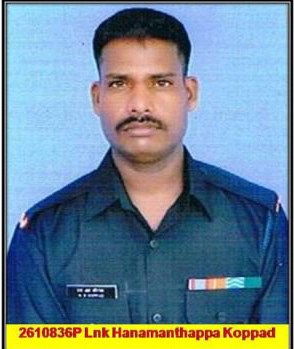
  • Rescued Siachen Soldier Lance Naik Hanumanthappa Koppad Dies of Multiple Organ Failure

    Rescued Siachen Soldier Lance Naik Hanumanthappa Koppad Dies of Multiple Organ Failure

    NEW DELHI – Lance Naik Hanumanthappa Koppad died here Feb. 11, three days after he was found miraculously alive under 35 feet of ice for six long days in the treacherous Siachen glacier.

    President Pranab Mukherjee and Prime Minister Narendra Modi condoled his death as Koppad’s body was flown to Hubbali in Karnataka in an IAF An-32 plane, accompanied by his grieving family. From there, the body will be taken to his village Betadur in Dharwad for the last rites Feb. 12.

    Mukherjee called the 33-year-old a “hero who demonstrated exemplary will power and courage in the face of adversity.”

    Koppad died at 11.45 a.m. at Delhi’s Army Hospital Research and Referral, where he was admitted Feb. 9, following multi-organ failure, disappointing millions in the country who had prayed for his recovery.

    Koppad was found from under 35 feet of hardened ice at an avalanche-hit army post in the Siachen glacier in Jammu and Kashmir, six days after an enormous snow wall came crashing down with a massive roar on the post he and nine other soldiers were occupying.

    The bodies of the other nine have been found. Siachen, in Jammu and Kashmir, is the world’s highest battlefield where more Indian and Pakistan soldiers succumb to the extreme climate rather than fighting. An India-Pakistan truce has been in place on the glacier since 2003.

    Mukherjee added: “The nation shall always remember Hanumanthappa for his bravery and indomitable spirit.”

    Modi tweeted: “He leaves us sad and devastated. RIP Lance Naik Hanumanthappa. The soldier in you remains immortal. Proud that martyrs like you served India.”

    Defence Minister Manohar Parrikar added: “The nation salutes him.”

    Indian Army chief General Dalbir Singh said: “The soldier in him will continue to inspire generations.”

    Besides the Army Chief and Parrikar, Congress Vice President Rahul Gandhi and Delhi Chief Minister Arvind Kejriwal laid wreaths on the body at Delhi Cantonment. Koppad’s wife Mahadevi and two-year-old daughter Netra were present.

    When Koppad was found alive late on Feb. 8 in Siachen, he was conscious but disoriented. The next morning, he was flown to Delhi where his health took a turn for the worse Feb. 10.

    On Feb. 11, doctors said in the morning that he was “extremely critical,” with worsening multi-organ dysfunction.

    He had suffered from pneumonia and multi-organ dysfunction, and the blood clotting disorder showed no sign of reversal.

    The soldier was serving in the high altitude Siachen glacier from August 2015 and was chosen for deployment on one of the highest posts, where temperatures fall below minus 40 degrees Celsius with wind speeds of 100 km per hour.

    Koppad has earlier served in difficult and challenging areas for 10 of the 13 years of his military service, the army said.

    His postings had earlier taken him to Jammu and Kashmir (2003-06 and 2008-10) and the northeast.

    Siachen glacier is one of the five largest glaciers in the Karakoram range, situated at an average altitude of 17,700 feet above sea level and is contested by India and Pakistan.

  • India’s moment: A made-in-India Zika virus vaccine

    India’s moment: A made-in-India Zika virus vaccine

    The irony is complete, India has no reported cases of the dreaded Zika virus infection, but is the first country in the world to have ready for testing not one but two vaccines against the virus that is causing nightmares in The Americas.

    Whether the Zika breakthrough from India becomes a full- fledged vaccine or not will be known later, but for the first time an Indian company has been nimble, fast and foresighted to beat the western pharma giants on their own game. One will have to wait and watch to see how the patent battle is fought, on this occasion the dice is already loaded in India’s favour.

    This huge globally significant ‘Zika biotech moment for India’ could not have come at a more opportune time, the country is celebrating the 30th anniversary of the setting up of the Department of Biotechnology (DBT) which started in 1986, under the leadership of the tech savvy late Prime Minister Rajiv Gandhi.

    The then land of snake charmers, elephants, and the ‘Hindu rate of growth’ has now transformed into innovation hub with current Prime Minister Narendra Modi another tech-savvy, science loving leader who has given the big challenge of ‘Make in India’ and ‘Start-up India’.

    The Zika virus vaccine developed by Bharat Biotech International Limited, Hyderabad goes well beyond the prime minister’s catchy slogans as it is truly a ‘made in India’ by Indians moment and the patent on the product is also Indian.

    The unbelievable story of the Zika virus vaccine breakthrough actually begins in 1996 with the remarkable tale of a middle class Tamilian farmer’s son who trained to be a molecular biologist at the University of Wisconsin-Madison in USA deciding to come back to India. Krishna Ella, now the chairman-cum-managing director of Bharat Biotech was then egged by his mother to return to his motherland from USA.

    Ella recalls his mother saying, “Son, you only have a 9-inch stomach and how much ever money you make, you can’t eat more than that. You come back and do whenever you want, I will see to it that you get food! As long as I am alive, you will not starve.”

    Then ‘start-ups’ were not sexy, yet Ella took the risks and today he commands a $100 million company that specialises in vaccine production.

    Having mastered the making of the world’s cheapest hepatitis-B vaccine and the bulk supply of the oral polio vaccine of which Ella says he has supplied 3.5 billion doses among several other vaccines. Ella’s company also partnered with Indian government to make the first-ever Indian-made vaccine called ‘Rotavac’, a vaccine against an infectious diarrhoea disease caused by Rota virus that afflicts children.

    Ella being a scientist himself invests a lot in research and development and that is probably what led him start work developing vaccines against Japanese Encephalitis (JE) and Chikungunya both viral diseases that are mosquito borne.

  • Facebook’s ‘Free Basics’ gets Banned by Indian Government

    Facebook’s ‘Free Basics’ gets Banned by Indian Government

    SAN FRANCISCO — India’s government has essentially banned a Facebook program that sought to connect with low-income residents by offering free access to a limited version of the social network and other Internet services.

    The ruling is a major setback for Facebook CEO Mark Zuckerberg, who had lobbied hard for the program as part of a campaign to expand Internet access in developing countries. It’s a victory for critics who argued that Facebook’s “Free Basics” program gave an unfair advantage to some Internet services over others.

    Facebook has introduced “Free Basics” in partnership with wireless carriers in dozens of emerging nations, where the company hopes to get more people online. The service provides free access to a stripped-down version of Facebook and certain other Internet sites — including some that provide essential information like weather forecasts, health education and job listings.

    But the program has sparked debate in some countries, particularly India, where critics contend that “Free Basics” effectively steers users toward Facebook and its partners, while making it harder for other Internet services — including homegrown startups — to build their own audiences.

    In a much-awaited decision Feb. 8, Indian regulators said telecommunications providers may not charge different or “discriminatory” rates for delivering different kinds of Internet content.

    The ruling essentially bans programs like “Free Basics” that are based on what’s known as “zero rating” in industry jargon, because they don’t charge for downloading certain kinds of data. In a policy memo, Indian regulators warned that such programs raise the risk that users’ “knowledge and outlook would be shaped only by the information made available by those select offerings.”

    The regulators said their decision was guided by the principles of net neutrality, or the concept that all Web sites and apps should be treated equally by Internet access providers. Net neutrality advocates contend that charging different rates based on content is unfair both to consumers and to Internet services that are competing for consumers’ attention.

    U.S. regulators endorsed net neutrality in rules enacted last year, but those rules don’t specifically ban carriers from exempting some services from data limits. The Federal Communications Commission is now studying the zero-rating issue.

    Facebook said in a statement that it’s disappointed with the ruling but will continue its efforts to increase Internet access. “Our goal with Free Basics is to bring more people online with an open, non-exclusive and free platform,” the company said.

    Zuckerberg had campaigned hard for the program, making personal visits to India and publishing an open letter in at least one newspaper there. Facebook also responded to critics of “Free Basics” last year by creating a new platform for outside developers to contribute apps for the program.

    Facebook has about 130 million users in India. But like other U.S.-based Internet companies, it sees a huge opportunity to expand by reaching the estimated 1 billion Indians who don’t have Internet access.

    “Free Basics” is part of a broader effort, dubbed Internet.org, in which Facebook has also tried to work with phone-makers on designs that reduce data usage and extend battery life. In addition, the company is working on long-range projects to develop drones and satellites that deliver Internet service to remote areas.

    While Zuckerberg has acknowledged Facebook’s business would benefit from gaining more users around the world, he’s also argued that Internet access is a powerful tool for economic development in low-income regions.

    “Connecting India is an important goal we won’t give up on, because more than a billion people in India don’t have access to the internet,” Zuckerberg wrote Feb. 8 in a post on Facebook. “We know that connecting them can help lift people out of poverty, create millions of jobs and spread education opportunities. We care about these people, and that’s why we’re so committed to connecting them.”

    ___

    AP

  • Women Have Different Causes, Symptoms of Heart Attacks: Cardiologist Laxmi Mehta

    Women Have Different Causes, Symptoms of Heart Attacks: Cardiologist Laxmi Mehta

    WASHINGTON — The American Heart Association has for the first time issued a scientific statement on female heart attacks, underscoring knowledge gaps and outlining the priority steps needed to better understand and treat heart disease in women.

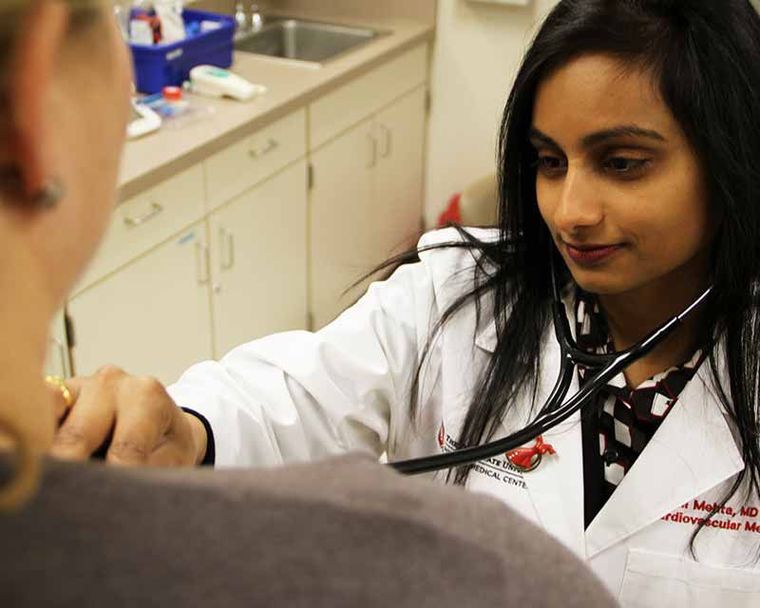
    The statement chaired by Dr. Laxmi Mehta, a cardiologist at Ohio State University’s Wexner Medical Center, compiles the newest data on the symptoms, treatments and types of heart attacks among women.

    “Over the last 10 years or so, we’ve learned that women’s hearts are different than men’s in some significant ways, and, while that’s helped reduce mortality, there’s much more to know,” said Mehta, who is also the director of Ohio State’s women’s cardiovascular health program.

    Cardiovascular disease is the leading cause of death for women globally. While men and women both experience chest pain as a primary heart attack symptom, women often have atypical, vague symptoms without the usual chest pain, such as palpitations, pain in the back, shoulder or jaw, even anxiety, sweating or indigestion.

    Some women may only experience shortness of breath, nausea, vomiting or flu-like symptoms.

    “These symptoms can be very challenging for the patient and the medical profession. Women tend to under-recognize or deny them. When they do present to the emergency department, it is important for these symptoms to be triaged appropriately as potential heart problems,” Mehta emphasized.

    A delay in seeking treatment is more common among women than men. The authors report that several factors can lead to a delay in seeking help for heart attack symptoms.

    “Living alone, interpreting symptoms as temporary or not urgent, consulting with a doctor or family member first, and fear of embarrassment if the symptoms aren’t serious are some of them,” the authors noted.

    “We don’t yet clearly understand why women have different causes and symptoms of heart attacks,” Mehta said.

    “Women are more complex; there are more biological variables such as hormonal fluctuations. That’s why more research is needed,” she said.

    Social, environmental and community differences also play a role in how women’s treatment outcomes differ from men’s.

    More women have depression related to heart disease, which can hinder their treatment.

    Women less often complete cardiac rehabilitation due to competing work and family responsibilities and a lack of support.

    Frankly, women are great at nagging their spouses, so they make sure their partner takes their medications, goes to cardiac rehab, eats better and sees the doctor.

    “Unfortunately, many women don’t make their own personal health their priority, which contributes to more favorable outcomes in men versus women after a heart attack,” Mehta noted.

    Certain cardiovascular risk factors are more potent in women, including Type 2 diabetes and high blood pressure.

    There is also growing evidence that emotional stress and depression can influence the onset and course of heart disease in women.

    “The first step to help improve outcomes for women is attention to gender-specific characteristics and disparities to improve awareness, prevention, recognition and treatment in women with heart disease,” Mehta said.

  • HIGH-PROTEIN BREAKFAST BETTER FOR KIDS: STUDY

    HIGH-PROTEIN BREAKFAST BETTER FOR KIDS: STUDY

    A breakfast high in protein – like eggs – keeps children fuller longer than cereal or oatmeal, causing them to eat fewer calories at lunch, says a new study.

    “It is really important that we identify certain types of food that can help children feel full and also moderate caloric intake, especially in children who are prone to excess weight gain,” said lead researcher Tanja Kral, associate professor at the University of Pennsylvania School of Nursing in the US.

    The study, published in the journal Eating Behaviours, also found that the effects of a protein-rich meal do not last throughout the day. It only impacts a mid-day meal.

    The study recruited forty, eight to 10-year-old children to consume one of three, 350-calorie breakfasts (eggs, oatmeal, or cereal), then play games with research staff and then eat lunch once a week for three consecutive weeks.

    On each occasion, every participant had to eat their entire breakfast, but could eat as much or as little lunch as desired.

    According to the research, after consuming the egg breakfast (scrambled eggs, whole wheat toast, diced peaches, and one percent milk) children reduced their energy intake at lunch by seventy calories – roughly equivalent to one small chocolate-chip cookie.

    Moderately active children in the same age range as those who participated in the study generally need between 1,600 and 1,800 calories daily.

    The 70-calorie drop at one meal equals about four percent of a child’s daily caloric needs.

    Eating beyond the caloric threshold, even by a little, can cause excess weight gain and obesity in children, if sustained, the researchers pointed out.


  • Chew the fat. It’s good for you

    Chew the fat. It’s good for you

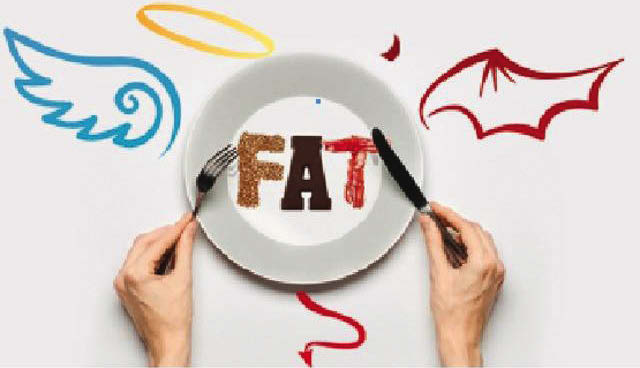
    Are you constantly hunting for foods that are fat-free? And when you hear the word ‘fat,’ do you automatically think ‘bad’? If you answered yes to both questions, you couldn’t be more wrong.

    For over half a century, people have believed that low-fat food was the key to a healthy diet. They chose low-fat and fat-free products over and over, only to become more unhealthy, fat and diseased. How did we get it so wrong? Because news about fat has always been complicated and contradictory.

    Now, research is proving that fat is not a bad word at all. In fact, it is essential for good health, as long as you eat the right kind. Of course, some types of fat are still bad, and too much of any kind, good or bad, will spell doom for your long-term health.

    Research now says you should replace all the bad fats in your diet with good fats, and then allow fats to constitute not more than a quarter of your total calorie intake per day. In other words, if you are on a 2,000-calorie diet, then not more than 500 calories should come from fats, both visible (the cooking medium) and invisible (inherent in the foods you eat). All fats deliver nine calories per gram, which means you should stick to just 20gm or ml (two teaspoons) of cooking oil per person per day. Yes, that’s less than you would have thought.

    [button color=”” size=”” type=”s3d” target=”” link=””]Score the good fats[/button] Since good fat works best when it replaces bad fat or bad carbohydrates, it’s important to understand the difference between the two. The National Institute of Nutrition and the Indian Council of Medical Research recommend an equal ratio of saturated fatty acid (SFA), monounsaturated fatty acid (MUFA), and polyunsaturated fatty acid (PUFA) in cooking oil. Let’s find out what those clunky terms mean:

    [button color=”” size=”” type=”3d” target=”” link=””]Poly Unsaturated Fatty Acids (PUFA)[/button] – PUFAs are the essential fats that your body cannot produce but must consume. These are omega 6 and omega 3. They are called essential fatty acids (EFAs). Just like vitamins, minerals and other essential nutrients, you must get your EFAs from what you eat.

    Both omega 3 and omega 6 are essential. But just as important, they must be balanced. If not, they can cause an inflammation. The ideal ratio of omega 6 and omega 3 is somewhere between 3:1 and 1:1, but because of our excessive use of vegetable oils and consumption of processed foods our consumption ratio is about 15:1. This means that we consume way too much Omega 6. Cut down the vegetable oils and processed foods (omega 6) and eat more fatty fish (salmon, mackerel, tuna, surmai, singhara, hilsa, rohu), walnuts, flaxseeds (kalsi seeds), and greens like methi and mustard leaves for omega 3.

    [button color=”” size=”” type=”3d” target=”” link=””]Monounsaturated Fatty Acids (MUFA)[/button] – MUFAs provide essential fats that play a role in healthy eyesight, nervous system function and brain development. They also lower bad cholesterol and raise good cholesterol levels. Oils of olive, canola, flaxseed, almond, sesame, peanut and cashew contain a high concentration of MUFA. Dark chocolate, peanut butter, almonds, cashews, pistachios, peanuts and seeds like sesame, pumpkin, poppy, chia and flax are other good sources.

    [button color=”” size=”” type=”3d” target=”” link=””]Saturated Fatty Acids (SFA)[/button] Sorry cooking-oil ads. New research shows that saturated fat does not lead to heart disease. But too much of it can. So eat butter and ghee, but go easy on them. Also enjoy the SFAs in red meat, poultry, cheese, full-fat dairy products, coconut oil and palm oil.

    [button color=”” size=”” type=”3d” target=”” link=””]Bad fat: Transfats[/button] In June 2015, the US Food and Drug Administration gave the food industry until 2018 to rid foods of this fat. Transfats increase bad cholesterol and triglycerides, and reduce good cholesterol. They also trigger cancer, diabetes, immune dysfunction, obesity and reproductive problems. They have been linked to poor memory too. Transfats are found almost everywhere: in cookies, crackers, cake icing, potato chips, corn chips as well as tortilla chips. They’re in microwaveable popcorn, doughnuts, margarine, and other processed foods. And all fried food including pakoras, kachoris, french fries, fried chicken, and even fried sweets like gulab jamuns and jalebis. Another name for transfats is
    “partially hydrogenated oils”, so steer clear of vanaspati too.

  • Scientists replicate folding human brain in 3D in lab

    Scientists replicate folding human brain in 3D in lab

    Researchers at the Harvard University including an Indian-origin scientist have replicated a folding human brain in 3D, revealing for the first time a simple mechanical framework for how it folds.

    Understanding how the brain folds could help unlock its inner workings and unravel brain-related disorders as function often follows form.

    It shows that while many molecular processes are important in determining cellular events, what ultimately causes the brain to fold is a simple mechanical instability associated with buckling.

    Highly folded brains are seen only in a handful of species including some primates, dolphins, elephants and pigs.

    In humans, folding begins in fetal brains around the 20th week of gestation and is completed only when the child is about a year and a half.

    “We found that we could mimic cortical folding using a very simple physical principle and get results qualitatively similar to what we see in real fetal brains,” said L. Mahadevan, professor of applied mathematics, organismic and evolutionary biology and physics from Harvard John A. Paulson School of Engineering and Applied Sciences.

    The number, size, shape and position of neuronal cells during brain growth all lead to the expansion of the gray matter, known as the cortex, relative to the underlying white matter.

  • TOP FOODS THAT RELIEVE STRESS

    TOP FOODS THAT RELIEVE STRESS

    Here are some foods that can relieve stress – Gorging on food, when you’re stressed or upset, may seem like the natural thing for most, but instead of grabbing an unhealthy snack, why not opt for foods that can relieve stress? Here are some popular ones…

    Sweet potatoes – Craving for carbs? Steer clear of French fries and junk sugar-rich foods. Have some sweet potatoes instead, which are known to release a slow, steady source of energy. They won’t leave behind that blood-sugar crash, which other carb-high foods can.

    Blueberries – Blueberries have concentrated antioxidants and will pep you up in no time. They are also high in vitamin C, which, research shows, provides added reserves to help deal with stress. High on fibre, they also regulate blood sugar.

    Turkey – Turkey contains amino acid tryptophan, which is known to release a feel-good chemical, serotonin, in the brain. Serotonin induces a sense of calm, making you feel relaxed.

    Asparagus – Asparagus is high in folic acid, which is known to calm you down. When your body is stressed, it releases hormones, which affect your mood. Eating certain vitamins and minerals keeps your mood steady, as they produce the feel-good chemical serotonin.

    Beef – Believe it or not, but beef has stress-busting properties because of its B vitamins and levels of zinc. It also contains unhealthy, saturated fats that raises chances of coronary heart disease and other illnesses, it is beneficial if you opt for leaner cuts. A healthy way to cook beef is to have it slightly seared on the outside, sliced very thin and served with a salad.

  • HOW TO MAKE YOUR CHILD KIND

    HOW TO MAKE YOUR CHILD KIND

    Weighed down by the responsibility of raising happy, health and respectful children, evidence shows that most parents and teachers want to help kids to be caring to others.

    But while their carers might prioritise kindness children are apparently not getting the message -and instead value personal success over concern for others, according to a recent study at the Harvard Graduate School of Education.

    Despite their carers’ efforts, almost 80 per cent of young people picked high achievement or personal happiness when asked what is most important to them, while a fifth said caring for others.

    Researchers at the Ivy League university made their findings by assessing survey of 10,000 middle and high school students from 33 schools representing a diverse range of young people from across the US. They also used hundreds of conversations with young people and their parents over a decade.

    “Our youth’s values appear to be awry, and the messages that adults are sending may be at the heart of the problem,” was the authors’ bleak assessment of the situation.

    Researchers said the problem lies in what they call the rhetoric/reality gap: between what parents say are their priorities and the message they put forward on a daily basis.

    And parents in affluent communities who pressure their children to be high achievers did not increase a child’s attainment level or happiness, according to the study. In addition, not prioritising caring for others made it more difficult children to form strong relationships – a vital part of a person’s well-being.

    In light of their findings, the team formulated five tips to help parents and teachers instill the importance of caring in their children.

    “The guidelines can help shift the balance toward children and youth caring for others and help them become caring, ethical family members, workers, and citizens,” the researchers said.

    “Children and youth need on-going opportunities to practice caring and helpfulness, sometimes with guidance from adults”

    The team stressed that anyone can become a “good person” and that learning to be kind and fair is like “learning to play an instrument”.

    “Daily repetition”, be it by helping a friend with the schoolwork or doing chores around the home, can “make caring second nature”.

    “Children and youth need to learn to zoom in”

    Young people must both listen to those around them, and try to understand the bigger picture, according to the experts. This enables a child to “expand their circle of concern” and makes it possible for them to “consider the justice of their communities and society.”

    The researchers stress that this does not mean that parents and teachers needs to be perfect or “have all the answers.” Rather, they emphasise “grappling with our flaws”, realising when you are wrong, and listening to children and students. This means that parents and teacher also need to “continually practice and zooming in and out”.

    “Children need to be guided in managing destructive feelings”

    “Often the ability to care for others is overwhelmed by anger, shame, envy, or other negative feelings,” said the reserachers. Therefore, adults must teach children that while such feelings are normal, they must be dealt properly and in “productive ways.” The guidelines mirror the findings of a separate study, which showed that parents who manipulate their children into being who they want could turn them into mean adults. Researchers at the University of Vermont came to their conclusion by studying the manner in which 180 college students recounted a painful event, such as a breakup, alongside the results of a survey into parental control over their lives.

    Source: The Independent

  • AAPI Signs MoU to Eradicate Tuberculosis in India

    AAPI Signs MoU to Eradicate Tuberculosis in India

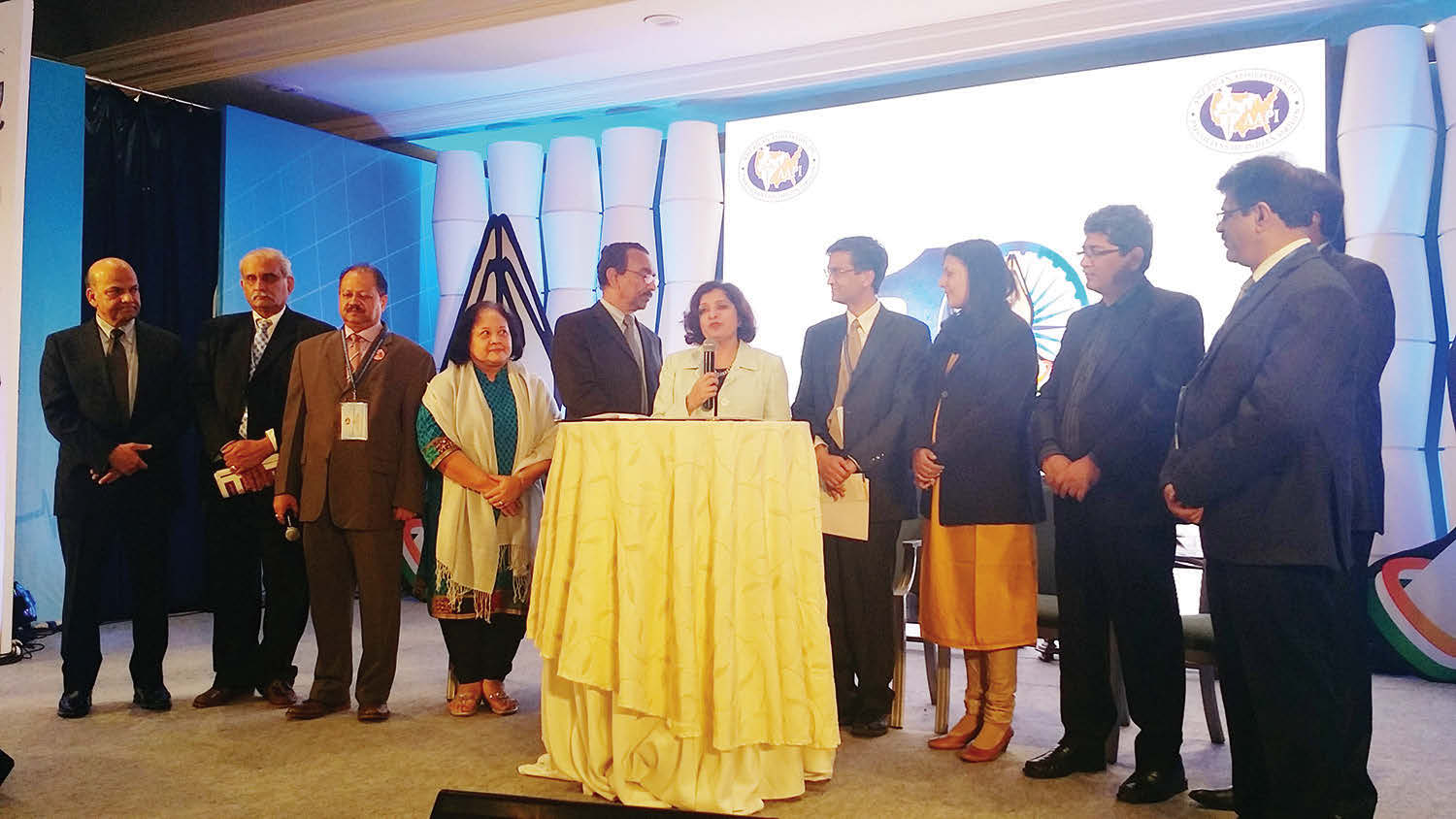
    NEW YORK (TIP): On the concluding day of the 10th Global Healthcare Summit in New Delhi, India, January 31, American Association of Physicians of Indian Origin (AAPI) signed a Memorandum of Understanding to work towards eradicating Tuberculosis (TB) by the year 2030 in India. “Continuing with AAPI’s mission, which is to provide a forum to facilitate and enable Indian American physicians to excel in patient care, teaching and research, and to pursue their aspirations in professional and community affairs, and giving back to their motherland, India, this historic signing of the agreement, is yet another way of showing our continued commitment to helping make India’s over a billion people, healthier,” declared Dr. Seema Jain, President of AAPI.

    While India has been proactive against TB in recent years, there is still a long way to go. This signing of the agreement by AAPI, leading policymakers, administrators, technical experts, media persons, and members of civil society working in India’s TB landscape is truly a landmark in in AAPI’s history, Dr. Jain added. The MoU outlines the multifaceted nature of the TB epidemic, its impact on communities, learnings from global successes and the way forward towards tackling the disease successfully.

    While Dr. Seema Jain, signed the landmark document on behalf of AAPI, Jamhoih (Jamie) Tonsing, Regional Director of The Union South-East Asia Office; Dr. Manoj Jain, Adjunct Associate Clinical Professor at the Rollins School of Public Health, Emory University; Dr. Narendra Saini of the Delhi Medical Council; Kavita Ayyagari, Project Director (Challenge TB)’ and Dry Neerja Arora, Advocacy & Partnerships Officer at The Union, South East Asia were among others who had signed the document to work towards eradicating the deadly disease from the face of the earth.

    India bears the world’s largest burden of tuberculosis (TB), accounting for one-fourth of all new infections. Given that it kills nearly 300,000 people in India every year, the prevention and control of TB is a challenge at multiple levels, requiring the united efforts of a diverse range of stakeholders.

    Anwar Feroz, Honorary Advisor of AAPI, who had emceed the event, referred to the 10th international healthcare summit as a progressive transformation from the first Indo-US Healthcare Summit launched by AAPI USA in 2007. “Since then AAPI has organized nine Indo-US/Global Healthcare Summits and developed strategic alliances with various organizations. It is these learning’s and relationships that have now enabled us to be part of this outstanding event that has been attended by very prominent and talented world leaders in medicine to help shape the content and make significant contributions towards “make in India” theme.

    While India has been proactive against TB in recent years, there is still a long way to go. This publication features articles from leading policymakers, administrators, technical experts, journalists and members of civil society working in India’s TB landscape. It outlines the multifaceted nature of the TB epidemic, its impact on communities, learnings from global successes and the way forward towards tackling the disease successfully.

    The vision underlying the MoU envisages is for a TB free India, through achieving Universal Access by provision of quality diagnosis and treatment for all TB patients in the community. It involves extending the reach of RNTCP services to all people diagnosed with TB, including those with drug resistant TB, and those seeking treatment in the private sector.

    Based on other international guidelines and standards, the government of India has developed by a large number of organizations and individuals, both within and outside of the Government of India. The Standards describe what should be done, and the TB treatment and care that should be provided throughout India.

    The 10th annual Global Healthcare Summit (GHS) 2016 organized by the American Association of Physicians of Indian Origin (AAPI) concluded here on Sunday, January 3rd, 2015 with a call to continue to focus on initiatives to prevent diseases and make healthcare affordable, accessible and efficient for India’s over a billion citizens. Building on past achievements and identifying new areas to collaborate with the Government of India, GHS 2016 has been historic.

    The Summit also helped establish India-centric guidelines for management of head injury and trauma. “The Trauma and Brain Injury Guidelines, which has been a unique contribution of AAPI has been accepted by the Government of India and been for the first time made part of the curriculum by the Medical Council of India,” declared Dr. Seema Jain, President of AAPI. The historic 10th annual conference, attended by over 500 delegates from around the world, including 384 physicians from the United States alone, held from January 1st to 3rd, 2015 at the Maurya ITC Hotel in New Delhi, was packed with seminars, workshops and symposiums on modern research and healthcare topics.

    Dr. Seema Jain urged members and supporters to come and participate in the 34th annual convention of the American Association of Physicians of Indian Origin (AAPI) to be held at the Marriott Marquis, Time Square in New York from June 30-July 4, 2016. For more details on AAPI and its various initiatives to make India’s healthcare system affordable, accessible and efficient, please visit: www.aapiusa.org

  • Zika virus: First US case of infection via sexual intercourse confirmed

    Zika virus: First US case of infection via sexual intercourse confirmed

    Zika virus- First US case of infection via sexual intercourse - Spread of Zika virus - Timeline
    Spread of Zika virus – Timeline

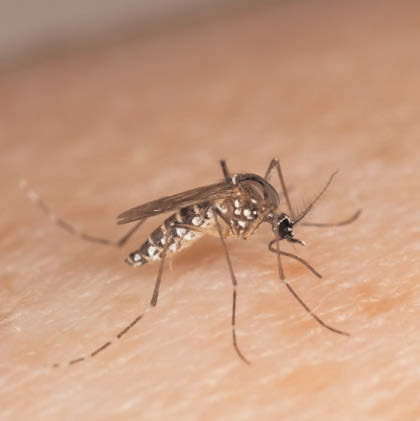
    NEW YORK: Dallas officials have confirmed the first case of Zika virus in the US being transmitted locally via sexual intercourse.

    Just one day after the World Health Organization deemed the virus as an international health emergency, officials in Dallas County said the patient had contracted the virus via sexual contact and not through a mosquito bite, as reported by NBC.

    Dallas County Health and Human Services said the patient was infected after sexual contact with a person who had the virus and had returned from a country where the virus is known to be present.

    The patient, their condition and address have not been identified.

    Officials said this is the first case of the virus to be transmitted locally in Texas, although there are seven others in Houston and Harris County who have confirmed cases of the virus after traveling abroad.

    Common symptoms include fever, rash, joint pain and conjunctivitis or red eyes. The virus is usually mild with symptoms lasting several days to a week. However, there is thought to be a link between the virus and a rise in cases of microcephaly – a birth defect, which causes abnormal smallness of the head in babies – in the affected countries.

    Zika Affects“Now that we know Zika virus can be transmitted through sex, this increases our awareness campaign in educating the public about protecting themselves and others,” said Zachary Thompson, DCHHS director, to NBC. “Next to abstinence, condoms are the best prevention method against any sexually-transmitted infections.”

    There is currently no medication or vaccine for Zika virus.

    Officials from the Centers for Disease Control and Prevention said last week that the evidence of the disease spreading via sexual intervourse is insufficient to warn all travelers, not just pregnant woman, of the potential danger.

    Dr Marcio Nehab, a pediatrician and infectious disease specialist at Fiocruz, a research institute in Rio de Janeiro, told The New York Times: “At the moment we need to be more concerned with the mosquito, the vector known for transmitting the virus.”

    – AP

  • Two Indian Americans Receive Micro Grants from Lehigh Valley LaunchBox

    Two Indian Americans Receive Micro Grants from Lehigh Valley LaunchBox

    CENTER VALLEY, Pa. (TIP): The Executive Committee of the Advisory Board of Lehigh Valley LaunchBox, a University- and community-sponsored business accelerator program, approved and announced $50,000 in micro grants to 13 projects for the program’s initial award cycle.

    Indian Americans Vinod Jeyaretnam of Auxilium Medical Services and Aryaman Khandelwal of Get2Greater head two of the 13 projects who have been awarded the program’s initial award.

    Applications were submitted over a four-month process. While not all requests were funded, the process yielded a diverse mix of Penn State students, faculty and Lehigh Valley community entrepreneurs comprising the final projects.

    The Lehigh Valley LaunchBox 2015-16 portfolio consists of awards ranging from $1,000 to $8,000.

    Get2Greater, app development that will allow nonprofit organizations to collect, organize, view and share data. | Team: Aryaman Khandelwal

    Auxilium Medical Services, equipment for medical scribes to chart in real time alongside a physician. | Team: Vinod Jeyaretnam

    Grant recipients cited a number of reasons for applying to Lehigh Valley LaunchBox and described the multiple ways this funding will benefit their companies and projects.

    “Lehigh Valley LaunchBox has provided me both with an environment conducive to innovation and progressive thinking, as well as the means to pursue my passion and help people on a global level,” said Khandelwal, a Parkland High School sophomore and innovator of Get2Greater. “Having the support from a reputed university like Penn State will enable me to reach a greater number of people to tackle health issues in India and other such places in the future.”

    The grant recipients will be able to utilize the co-working and meeting spaces of Lehigh Valley LaunchBox, located at Velocity, City Center Lehigh Valley’s startup business incubator in downtown Allentown. This space was donated by City Center.

    Lehigh Valley LaunchBox was created as part of the Invent Penn State initiative. Invent Penn State is focused on leveraging Penn State’s research, knowledge and entrepreneurial spirit to bring to market needed ideas, products and services.

    For more information about Lehigh Valley LaunchBox, visit lehighvalley.psu.edu/launchbox

  • STEM CELL CURE FOR DIABETES A REALITY: STUDY

    STEM CELL CURE FOR DIABETES A REALITY: STUDY

    BOSTON (TIP): Diabetes may soon be cured after scientists have managed to halt the condition in mice for six months, thanks to the use of insulin-producing cells that had been generated from human stem cells.

    Experts from US hospitals and institutions, including Harvard University, managed to transplant cells into mice, which immediately began producing insulin.

    The team was also able to show they could prevent the cells being rendered useless by the body’s own immune system, which was effectively “switched off”, thanks to scientific work. It means a cure for type 1 diabetes – which affects 400,000 people in the UK – could be much closer. Scientists are now working to replicate the results in humans with the condition. The findings build on the news at the end of 2014 that experts had discovered how to make huge quantities of insulin-producing cells.

    The man who led that breakthrough – Harvard Professor Doug Melton, who has been trying to find a cure for the disease since his son was diagnosed with type 1 diabetes as a baby – also worked on the new studies.

    The human islet cells used for the new research were generated from human stem cells developed by Professor Melton.

    “Encapsulation therapies have the potential to be groundbreaking for people with type 1 diabetes.

    “These treatments aim to effectively establish long-term insulin independence and eliminate the daily burden of managing the disease for months, possibly years, at a time without the need for immune suppression,” said Juvenile Diabetes Research Foundation (JDRF) vice-president of discovery research, Julia Greenstein.

    Source: PTI

  • Zika reaches Europe: Visitors to S America test positive for virus

    Zika reaches Europe: Visitors to S America test positive for virus

    Denmark and Switzerland on Wednesday joined a growing number of European countries to report Zika infections among travellers returning from Latin America, where the mosquito-borne virus has been blamed for a surge in birth defects. “A Danish tourist who travelled to Central and South America was diagnosed on his return with the Zika virus,” a hospital in eastern Denmark said in a statement late on Tuesday. The Danish patient was a young man who was expected to make a full recovery, the head of Aarhus hospital, Lars Ostergaard, told public broadcaster DR.

    Two people returning to Switzerland from Haiti and Colombia were also diagnosed with the virus, the Swiss Federal Office of Public Health said. Neither was pregnant and neither required hospital care, the statement said.

    Health watchdogs in a string of European countries meanwhile said they had recorded Zika cases dating back to as early as March 2015. The Netherlands confirmed 10 cases and Britain five, all among people returning from South America.

    In Italy, the Spallanzani National Institute of Infectious Disease said four cases were recorded in March 2015, while in Portugal, the health ministry said on Wednesday that five Portuguese had been infected. All eight had been travelling in Brazil. A woman in the Swedish capital Stockholm was diagnosed with the virus in July 2015, the Swedish Public Health Agency confirmed on Wednesday. “The symptoms were treated and the woman recovered,” said Karin Tegmark Wisell, head of microbiology at the health agency.

    Health officials in Helsinki say that a Finnish tourist was infected by the Zika virus after visiting the Maldives last summer. Epidemiologist Jussi Sane at the National Institute for Health and Welfare says it was a minor infection and the man was well and had been allowed home soon after being treated by doctors in June 2015.

    In Moscow, health minister Veronika Skvortsova said the Russia authorities had been “monitoring (Zika) since it appeared. Now we are working on controlling it as soon as any strange strains appear, to have domestic medication for prevention and treatment”.

    Source: Reuters

  • GLUTEN-FREE DIET IS A BIG FAT LIE

    GLUTEN-FREE DIET IS A BIG FAT LIE

    Gluten-free diet has become the new fad among the health conscious, especially those with an athletic bent of mind. Many aspiring sportsmen forsake gluten in their diets for superior performance but a new study suggests that the benefits of a gluten free diet are greatly exaggerated.

    More than 1000 athletes took part in a study published in Medicine & Science in Sports & Exercise last year which indicated that 41% of them followed a gluten-free diet. Only 13% of them, however, had been medically diagnosed with some form of allergy to gluten, indicating that most of them followed the diet mostly because of its purported health benefits, reported the New York Times.

    The study, conducted by Dana Lis, a PhD candidate from Australia made an attempt to understand whether gluten, a protein found in bread, rye and barley, had any influence on the body at all.

    Many participants in the study told researchers that they believed the diet would help them avoid digestive problems. Some estimates suggest that 90% of athletes, especially those who take part in endurance sports, experience some form of gastrointestinal problems after a workout.Lis devised an ingenious solution to solving this problem. She developed two sports bars, both indistinguishable in taste but with one of them containing gluten. Then, she invited cyclists to take part in an experiment where they would be fed random bars for one week each, neither the researchers nor the participants having any idea about which bar they were consuming.

    The participants were asked to fill daily questionnaires about any gastrointestinal problems they may be facing. At the end of each week, they were put through a strenuous time trial session to test their athletic performance.

    The results, surprisingly, showed no real differences. “An athlete’s nutrient intake and timing are so critical to performance,” Dana Lis concluded. “I hope that people learn to be more objective in terms of what they hear and read about gluten-free diets and nutrition in general.”

    Of course, the study was small-scale and short term. Whether the results change over the course of a longer testing period remains to be seen.

    Source: HT


  • How the Zika virus spread around the world

    How the Zika virus spread around the world

    NIGERIA (TIP): The World Health Organisation has called an emergency meeting to address the spread of the mysterious Zika virus, as health experts warned the outbreak is ballooning at an “extremely alarming” rate.

    The disease has been linked with a birth defect known as microcephaly, which sees children born with abnormally small brains, as well as a neurological syndrome that can cause paralysis.

    Margaret Chan, the director-general of the WHO, said board members would meet on Monday 1 February to establish if the Zika virus should be declared an international emergency.

    And an official at the organisation’s office for the Americas, where the disease has spread to 23 countries in a matter of months, said we can “expect three to four million cases”.

    HOW THE DISEASE SPREAD

    Though it is possible the Zika virus originates in South East Asia, it was first documented in Uganda in 1947 (marked by (1) in the map above) in the antibodies of local people, meaning they had been exposed to it in the past.

    It spread throughout Africa, with the first live case recorded in a human patient in Nigeria a decade later around 1960 (2). The outbreak only threw up around a dozen confirmed cases.

    In 1966, the first case was confirmed in South East Asia, and in the late 1970s it was documented in Pakistan, India, Malaysia and Indonesia (3).

    The first official epidemic was on the isolated island of Yap, Micronesia, in 2007 (4). It affected almost 200 members of the island’s small population, making it a relatively major crisis.

    It hit French Polynesia in 2013, with a huge outbreak of 35,000 cases (5). Some led to instances of Guillain-Barre syndrome and paralysis, while recent retrospective research suggests there was also a corresponding spike in microcephaly.

    In 2014, around the time of the football World Cup, Zika arrived in northern Brazil (6). Some suggest it could have been brought over during the World Canoeing Championships in Rio around the same time, an event which involved a large number of Pacific Islanders.

    It spread slowly through Brazil for around a year, before the WHO reported the first outbreak outside the country – Colombia – on 21 October 2015.

    Other countries then followed quickly, with transmission reported in Suriname, El Salvador, and Guatemala by the end of November.

    In early December, the disease spread to Mexico for the first time, raising concerns in the US, as well as to Paraguay, Venezuela and Panama.

    By the start of January, Honduras, Puerto Rico, French Guyana and Martinique in the Caribbean had cases.

    And in the past week or so, cases have been confirmed in Guyana, Barbados, Ecuador, Bolivia, Haiti and the Dominican Republic.

    A handful of isolated cases have been reported locally in the US, the UK, Denmark and now Germany (7) -though experts stress these are all travel-related and full outbreaks in these countries are unlikely.

    And meanwhile, there have been several thousand cases of Zika reported in Cape Verde of West Africa since September. It is not known for certain whether these were imported there from mainland Africa or from fellow Portuguese-speaking Brazil. If the latter is the case, the disease has circumnavigated the globe – and could legitimately be described as a pandemic.

    WHY IS IT ONLY ‘ALARMING’ NOW?

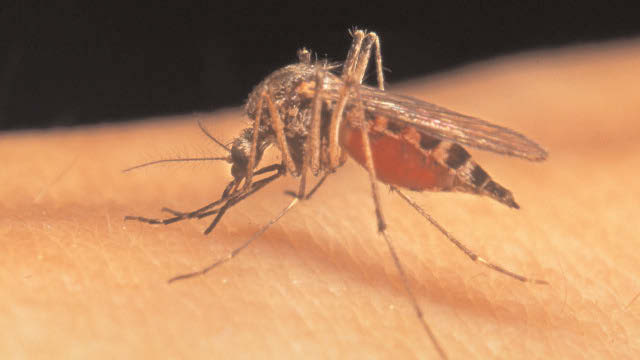
    In most patients, the Zika virus has relatively minor flu-like symptoms which subside without much incident in no more than a week. It has a lower mortality rate than winter flu, and seems limited to equatorial areas with high numbers of the Aedes biting mosquito.

    Yet the unprecedented Brazil outbreak which began in 2014 has corresponded with a sudden spike in cases of microcephaly – 3,893 cases as of last week, more than 30 times greater than any other period since 2010.

    Speaking to The Independent, University of Lancaster lecturer and virologist Dr Derek Gatherer said we know so little about the virus largely because its normal symptoms are so mild.

    “We don’t even know exactly what time during pregnancy women are most at risk, beyond knowing what time the brain develops,” he said. “The effects could even come from before conception – that’s why we have to be so cautious with advice.”

    The WHO says that while a direct causal relationship between the Zika virus and more serious complications has not been confirmed, it is “strongly suspected”.

    “The possible links, only recently suspected, have rapidly changed the risk profile of Zika from a mild threat to one of alarming proportions,” she said.

    WILL IT SPREAD TO THE UK, US OR REST OF EUROPE?

    In theory, the WHO has warned that the virus has the potential to spread over the entire of the Americas with the exception of Canada.

    Isolated cases related to travel to and from Latin America have been reported in the US, Britain, Denmark and Germany.

    Dr Gatherer said that the Aedes mosquito, which carries the disease, occurs in southern Europe from Spain to France, Italy and Greece, and outbreaks there are possible.

    But these would likely be limited in the number of transmissions, and the disease almost certainly won’t spread in more temperate climes like the UK where the Aedes mosquito doesn’t live.

    “There’s a real North-South divide here between poor and rich countries,” he said. “The disease has been in Mexico since the start of December but it seems to have stopped at the American border, almost as if it hasn’t been allowed across.

    (AP)

  • Beware of Zika Virus: Mangano and Health Officials

    Beware of Zika Virus: Mangano and Health Officials

    MINEOLA, NY (TIP): Nassau County Executive Edward P. Mangano, Commissioner of Health Dr. Lawrence Eisenstein, Nassau University Medical Center President/CEO Dr. Vic Politi, infectious disease experts and Consumer Affairs Commissioner Madalyn Farley today cautioned residents of the effects of the Zika virus after a Nassau County resident contracted the virus, issued a health warning for travelers and offered consumer refund assistance to pregnant travelers encountering resistance from airlines and cruise lines.

    “Nassau County residents are urged to heed the CDC’s travel alert, warning pregnant women to avoid travel to the 24 countries where the Zika virus is spreading and causing birth defects,” said County Executive Mangano. “While some airlines are refunding pregnant customers, the Nassau County Office of Consumer Affairs is ready to assist residents who encounter obstacles from cruise lines and other air carriers. To that end, I am introducing legislation requiring carriers to refund pregnant travelers and their travel companions.”

    Nassau County has one confirmed case of Zika virus in a resident who traveled to an area outside the U.S. where Zika virus transmission has been documented. The Zika virus is primarily transmitted through the bite of infected mosquitoes and the Centers for Disease Control and Prevention (CDC) has issued a travel advisory for affected countries in Central and South America, the Caribbean and Samoa and Cape Verde. The infection can cause severe birth defects, including microcephaly (a condition in which a baby’s head is smaller than expected when compared to babies of the same sex and age) and other poor pregnancy outcomes in babies of mothers who were infected with Zika virus while pregnant.

    Nassau County Health Commissioner Dr. Lawrence Eisenstein stated, “Zika virus symptoms are usually mild but may include fever, rash, joint pain, or conjunctivitis. Symptoms typically begin 2 to 7 days after being bitten by an infected mosquito. There is no vaccine or specific medicine to treat Zika virus infections. Pregnant women and mothers with newborn babies who have visited affected countries should consult with their health care providers.”

    Nassau County Health Officials are preparing for additional cases resulting from travelers. At this time there is no risk of acquiring Zika virus in Nassau County. Travelers should visit the CDC Travel website – www.cdc.gov/zika/geo/ – frequently for the most up-to-date recommendations. Pregnant travelers encountering obstacles from air carriers and cruise lines may seek assistance from the Nassau County Office of Consumer Affairs by calling (516) 571- 2600.

  • 4 Indian Americans Nominated To Democratic Convention Standing Committees

    4 Indian Americans Nominated To Democratic Convention Standing Committees

    Four eminent Indian-Americans, including two women, have been nominated to the Democratic Party’s 2016 Convention Standing Committees which would formally announce its candidate for the presidential polls.

    Smita Shah
    Smita Shah

    Topping the list of Indian-Americans is Smita Shah, president and CEO of Chicago-based Spaan Tech, who has been nominated as vice chair of the Rules Committee.

    Shefali Razdan Duggal
    Shefali Razdan Duggal

    One of the top fund raisers for President Barack Obama and now Hillary Clinton, California-based Shefali Razdan Duggal has been nominated a member of the Rules Committee.

    Dr Sreedhar Potarazu
    Dr Sreedhar Potarazu

    Renowned ophthalmologist and entrepreneur, Dr Sreedhar Potarazu has been nominated to the Credentials Committee, according to the list released by the Democratic National Committee (DNC) Chairwoman Debbie Wasserman Schultz.

    Saif Khan
    Saif Khan

    Saif Khan, an Iraq war veteran who had served as a Combat Engineer in the Iraqi city of Mosul as part of Operation Iraqi Freedom, was nominated to the Rules Committee. He hails from Mysore and currently lives in Washington, DC.

    DNC rules provide for the Chair to appoint 75 Party Leader and Elected Official Members to the three Convention Standing Committees to be held in Philadelphia in July, which would formally announce party’s presidential candidate.

    These Party Leader and Members serve in addition to and together with the over 160 members that are elected in every state to those same committees.

    “This slate represents the great variety of perspectives, backgrounds, and experiences that make up our party. We wanted to make sure that the diversity of our party was reflected at the highest levels in terms of race, gender, age and geography,” Ms Schultz said.

    A Clinton White House staffer, Ms Shah was a delegate at the 1996 and 2004 Democratic National Conventions and was on the DNC’s Rules Committee in 2000 and 2004.

    In 2012, she become the first Indian-American to serve as a Democratic National Convention parliamentarian.

    Ms Duggal is a presidential appointee to the US Holocaust Memorial Council, which supervises the United States Holocaust Memorial Museum, for a term expiring in January 2018.

    She is one of the top fund raiser for the Clinton campaign and also serves on the National Finance Committee for Hillary for America, Clinton’s 2016 presidential campaign.

    Dr Potarazu is the founder of VitalSpring Technologies Inc., a privately held enterprise software company focusing on providing employers with applications to empower them to become more sophisticated purchasers of health care.

    Saif Khan is the Founder & Managing Director of Khanections. He is one of the founders of American Veterans Committee and a member of the American Legion, Iraq and Afghanistan Veterans of America and a life member of the Veterans of Foreign Wars.


    (CORRECTION: An earlier version of this article incorrectly referred to Mr. Saif Khan, as a Pakistani-American appointment to one of the Democratic Convention Standing Committees. This version has been corrected – 01/27/2016 – 12:09:30 PM EST.)

  • ARCHITECT OF INDIA’S CONSTITUTION DR. BHIMRAO AMBEDKAR

    ARCHITECT OF INDIA’S CONSTITUTION DR. BHIMRAO AMBEDKAR

    Dr B R Ambedkar, popularly known as Babasaheb Ambedkar, was one of the architects of the Indian Constitution. He was a well-known politician and an eminent jurist. Ambedkar’s efforts to eradicate the social evils like untouchablity and caste restrictions were remarkable. The leader, throughout his life, fought for the rights of the dalits and other socially backward classes. Ambedkar was appointed as the nation’s first Law Minister in the Cabinet of Jawaharlal Nehru. He was posthumously awarded the Bharat Ratna, India’s highest civilian honor in 1990.

    “Unlike a drop of water which loses its identity when it joins the ocean, man does not lose his being in the society in which he lives. Man’s life is independent. He is born not for the development of the society alone, but for the development of his self.”

    Bhimrao Ambedkar was born to Bhimabai Sakpal and Ramji on 14 April 1891 in Madhya Pradesh. He was the fourteenth child of his parents. Ambedkar’s father was a Subedar in the Indian Army and posted at Mhow cantonment, MP. After the retirement of his father in 1894, the family moved to satara. Shortly after, his mother passed away. Four years later, his father remarried and the family shifted to Bombay, where he cleared his matriculation in 1908. His father Bhimabai Sakpal died in Bombay, in 1912.

    Ambedkar was a victim of caste discrimination. His parents hailed from the Hindu Mahar caste, which was viewed as “untouchable” by the upper class. Due to this, Ambedkar had to face severe discriminations from every corners of the society. The discrimination and humiliation haunted Ambedkar even at the Army school, run by British government. Fearing social outcry, the teachers would segregate the students of lower class from that of Brahmins and other upper classes. The untouchable students were often asked by the teacher to sit outside the class. After shifting to Satara, he was admitted to a local school but the change of school did not change the fate of young Bhimrao. Discrimination followed wherever he went. In 1908, Ambedkar got the opportunity to study at the Elphinstone College. Besides clearing all the exams successfully Ambedkar also obtained a scholarship of twenty-five rupees a month from the Gayakwad ruler of Baroda, Sayaji Rao III. Political Science and Economics were the subjects in which he graduated from the Bombay University in 1912. Ambedkar decided to use the money for higher studies in the USA.

    “Political tyranny is nothing compared to the social tyranny and a reformer who defies society is a more courageous man than a politician who defies Government.”

    After coming back from the US, Ambedkar was appointed as the Defense secretary to the King of Baroda. Even, there also he had to face the humiliation for being an ‘Untouchable’. With the help of the former Bombay Governor Lord Sydenham, Ambedkar obtained the job as a professor of political economy at the Sydenham College of Commerce and Economics in Bombay. In order to continue his further studies, in 1920 he went to England at his own expenses. There he was awarded honor of D.Sc. by the London University. Ambedkar also spent few months at the University of Bonn, Germany, to study economics. On 8 June, 1927, he was awarded a Doctorate by the University of Columbia.

    After returning to India, Bhimrao Ambedkar decided to fight against the caste discrimination that almost fragmented the nation. Ambedkar opined that there should be separate electoral system for the Untouchables and lower caste people. He also favored the concept of providing reservations for Dalits and other religious communities.

    Ambedkar began to find ways to reach to the people and make them understand the drawbacks of the prevailing social evils. He launched a newspaper called
    “Mooknayaka” (leader of the silent). It was believed that, one day, after hearing his speech at a rally, Shahu IV, an influential ruler of Kolhapur dined with the leader. The incident also created a huge uproar in the socio-political arena of the country.

    In 1936, Ambedkar founded the Independent Labor Party. In the 1937 elections to the Central Legislative Assembly his party won 15 seats. Ambedkar oversaw the transformation of his political party into the All India Scheduled Castes Federation, although it performed poorly in the elections held in 1946 for the Constituent Assembly of India.

    “For a successful revolution it is not enough that there is discontent. What is required is a profound and thorough conviction of the justice, necessity and importance of political and social rights.”

    Ambedkar objected to the decision of Congress and Mahatma Gandhi to call the untouchable community as Harijans. He would say that even the members of untouchable community are same as the other members of the society. Ambedkar was appointed on the Defense Advisory Committee and the Viceroy’s Executive Council as Minister for Labor. His reputation as a scholar led to his appointment as free India’s first, Law Minister and chairman of the committee responsible to draft a constitution.

    Bhimrao Ambedkar was appointed as the chairman of the constitution drafting committee. He was also a noted scholar and eminent jurist. Ambedkar emphasized on the construction of a virtual bridge between the classes of the society. According to him, it would be difficult to maintain the unity of the country if the difference among the classes were not met.

    In 1950, Ambedkar traveled to Sri Lanka to attend a convention of Buddhist scholars and monks. After his return he decided to write a book on Buddhism and soon, converted himself to Buddhism. In his speeches, Ambedkar lambasted the Hindu rituals and caste division. Ambedkar founded the Bharatiya Bauddha Mahasabha in 1955. His book “The Buddha and His Dhamma” was published posthumously.

    On October 14, 1956 Ambedkar organized a public ceremony to convert around five lakh of his supporters into Buddhism. Ambedkar traveled to Kathmandu to attend the Fourth World Buddhist Conference. He completed his final manuscript, “The Buddha or Karl Marx” on December 2, 1956.

    Since 1954-55 Ambedkar was suffering from serious health problems including diabetes and weak eyesight. On 6 December, 1956 he died at his home in Delhi. Since, Ambedkar adopted the Buddhism as his religion, a Buddhist-style cremation was organized for him. The ceremony was attended by hundreds of thousands of supporters, activists and admirers.

  • 67th Republic Day of India | Greetings from Dnyaneshwar M Mulay

    67th Republic Day of India | Greetings from Dnyaneshwar M Mulay

    I am happy to note that the Indian Panorama is bringing out a fully illustrated issue to mark the 67th Republic Day of India. On this occasion, I congratulate the Indian community based in US and convey my greetings and best wishes to the readers of The Indian Panorama.

    India in these 67 years of existence as a Republic has made tremendous strides at the national level as well as on the international stage. With its regular elections since 1952 and successful transfers of power, it has established an unmatched legacy as the largest democracy of the world.

    In our ever complex and increasingly challenging global environment, India with its strong heritage and equally strong capabilities has been playing an important role on the world stage. Whether it is peace keeping operations of the UN or technical assistance under its development partnership program (ITEC), India has always been ready to take on her responsibilities towards both international and regional partners. Towards this end, India has proactively cooperated with the major countries of the world and built strategic partnerships both at bilateral and multilateral levels.

    India-US relations have also reached a new high with cooperation extending to diverse fields such as nuclear energy, space, cyber security, counter-terrorism, science & technology, health and education as well as high level visits including two visits by the Hon’ble Prime Minister of India Shri Narendra Modi in 2014 and 2015 and the visit of the President of the United States Mr. Barack Obama as the Chief Guest at the Republic Day celebrations in 2015.

    The Indian Diaspora needs a special mention on this occasion. Overcoming formidable multiple challenges, over 4 million people of Indian origin have already created a strong imprint in the US. Their contributions in the fields of economic, culture, education, health and medical services, media and IT industry have been commendable and have built a strong bridge between their country of origin and their country of adoption.

    Through this Special Issue of the Indian Panorama, I once again convey my greetings and best wishes to the Indian Diaspora proud and auspicious occasion of the 67th Independence Day of India.

    ज्ञानेश्वर म. मुळे

  • Barack Obama To Present National Medal Of Science To Indian American Dr Rakesh K Jain

    Barack Obama To Present National Medal Of Science To Indian American Dr Rakesh K Jain

    WASHINGTON:  US President Barack Obama would present the prestigious National Medal of Science to an Indian-American scientist on January 22 for his outstanding contribution to science.

    Dr Rakesh K Jain is among 17 scientists, engineers, mathematicians and innovators who will be awarded by Obama at a White House ceremony.

    Awarded annually, the Medal of Science recognises individuals who have made outstanding contributions to science, engineering, and mathematics.

    Jain, an IIT-Kanpur alumnus, is professor of tumor biology at Massachusetts General Hospital in the Harvard Medical School.

    He has received numerous awards for his work on tumor biology, particularly research on the link between tumor blood vessels and improving the effects of chemotherapy and radiation treatment.

    The National Medal of Science was created by statute in 1959 and is administered for the White House by the National Science Foundation.

  • Sugary drinks can up dangerous ‘deep’ fat

    Middle-aged adults who drink sugary beverages like soda and coke every day are likely to have higher amount of a particular type of body fat that may affect diabetes and heart disease risk, a new study has found.

    The data showed that among middle-aged adults, there was a direct correlation between greater sweetened beverage consumption and increased visceral fat.

    Visceral fat or “deep” fat wraps around a number of important internal organs such as the liver, pancreas and intestines, which may boost Type-2 diabetes and heart disease risk. This type of fat affects how our hormones function and is thought to play a larger role in insulin resistance -which may boost Type-2 diabetes and heart disease risk.

    “There is evidence linking sugar-sweetened beverages with cardiovascular disease and Type-2 diabetes,” said lead author Caroline Fox, special volunteer with US National Institutes of Health (NIH).

    “Our message to consumers is to follow the current dietary guidelines and to be mindful of how much sugar-sweetened beverages they drink. To policy makers, this study adds another piece of evidence to the growing body of research suggesting sugar-sweetened beverages may be harmful to our health,” Fox added.

    For the study, a total of 1,003 participants with an average age 45 answered food questionnaires and underwent CT scans at the start and the end of the study to measure body fat changes.

    They were ranked into four categories: non-drinkers; occasional drinkers; frequent drinkers; and those who drank at least one sugar sweetened beverage daily.

    Over a six-year follow-up period, independent of the participants’ age, gender, physical activity, body mass index and other factors, they found visceral fat volume increased.

    Source: IANS

  • CUT DOWN ON SITING TIME TO CURB HEART DISEASE RISK

    CUT DOWN ON SITING TIME TO CURB HEART DISEASE RISK

    If you are suffering from obesity, reducing the time spent on watching television or playing computer games may be as important as doing exercise to reduce the risk of diabetes and heart diseases, suggests new research.

    Sedentary behaviour is associated with poor cardiovascular health and diabetes in adults with severe obesity, independent of how much exercise they perform, the study said.

    According to the researchers, the findings could be used to design and test programmes for adults with severe obesity that emphasise reducing time spent sitting, rather than immediately working toward increased moderate- to vigorous-intensity physical activity or exercise, such as brisk walking.

    “Adults with severe obesity often have difficultly following national guidelines to participate in at least 30 minutes per day of moderate- to vigorous-intensity physical activity for health benefits,” said lead author Wendy King, associate professor at University of Pittsburgh in the US.

    “Our findings suggest that replacing sedentary behaviour, like watching television or sitting at the computer, with low-intensity physical activities, such as light housework or going for a casual stroll, may improve cardio-metabolic health in this population,” King added.

    For the study, the researcher followed 927 patients participating in a prospective study of patients undergoing weight-loss surgery at one of 10 different hospitals across the US.

    For every hour per day participants spent in sedentary bouts of at least 10 minutes, their odds of having diabetes increased by 15 percent, metabolic syndrome by 12 percent and elevated blood pressure by 14 percent.

    “These findings indicate the importance of investigating sedentary behaviour as a distinct health risk behaviour, not simply lack of moderate- to vigorous-intensity physical activity, among adults with severe obesity,” King pointed out.

    Source: TOI

  • Britain colder than South Pole this weekend with snow and ice forecast by met office

    Britain colder than South Pole this weekend with snow and ice forecast by met office

    LONDON (TIP): Parts of the UK are expected to be colder than the South Pole this weekend, forecasters say.

    Warnings of snow and ice have been issued for some areas, with temperatures set to plunge as low as – 15C in northern England and Scotland.

    Temperatures at the South Pole’s Rothera Point are currently hovering around -1C.

    A spokesperson for the Met Office told the Independent: “Temperatures could fall to as low as -15C in northern England and Scotland.”

    The forecaster predicted a risk of severe frost across the UK and issued a yellow weather warning. A mean temperature of below 2C has been issued for the UK

    The cold snap is predicted to last for longer than 48 hours and forecasters say there is a serious risk of ice and snow across the country.

    “The coldest night in the UK will be on Saturday night when the temperature is predicted to drop to a freezing -7C in the south of England and between -7C and -15C in the north,” said the Met Office spokesperson.

    On Saturday night, the UK is likely to be even colder than Moscow, in Russia, which is expecting temperatures of -5C.

    Public Health England has urged people, especially the elderly, to stay inside and keep warm, and advised that house temperatures be kept to a minimum of 18C. Heavy rainfall is also expected across the south of England.

    (IANS)