Tag: Health

Read the latest health news, diet, fitness, medical news and healthcare tips on theindianpanorama.news/health. Get all the healthcare news, including wellness, fitness, diet and weight loss & more.

  • Harry Potter star Alan Rickman dies of cancer

    Harry Potter star Alan Rickman dies of cancer

    LONDON (TIP): Alan Rickman once famously said “I am the character you are not supposed to like”. His advice however fell on deaf ears.

    Rickman should have been alive to see how much he was loved and admired.

    The world on Thursday mourned the sudden death of the versatile actor who shifted from being comic to a villain who would get under your skin with nonchalant ease.

    Rickman who became a household name playing the notorious villain Hans Gruber in Die Hard was suffering from cancer. He was 69 years of age.

    Known the world over lately as enigmatic professor Snape in the Harry Potter films critics raved about his performance in Love Actually and he also earned an Oscar nod for playing the romantic hero in Sense and Sensibility.

    He also won a Bafta Award for playing the Sheriff of Nottingham in 1991’s Robin Hood: Prince of Thieves.

    A family statement said “The actor and director Alan Rickman has died from cancer at the age of 69. He was surrounded by family and friends”. (TNN)

  • KATE HUDSON: ALKALINE MONITORING KEEPS ME TRIM

    KATE HUDSON: ALKALINE MONITORING KEEPS ME TRIM

    Actress Kate Hudson puts her incredible shape down to an alkaline diet. The 36-year-old actress said she keeps her body in top condition by following an alkaline diet, which focuses on balancing pH levels and acidity, reported Contactmusic.

    “I live by a rule book of eating alkaline – no meat, no dairy, no gluten (and) I try to stay away from sugar – but I’ll cheat when I want to, since I’m a bit of a foodie,” she said. “I try not to make it so much about dieting, but rather everything in moderation.”

    Hudson, who is a co-founder of activewear brand Fabletics, sticks to a regular fitness routine, but when a major red carpet event is on her schedule, she steps her exercise up a notch.

  • Interview: Ambassador Asoke K Mukerji  The Issue of the Nature of Human  Beings is of Vital Importance in Diplomacy

    Interview: Ambassador Asoke K Mukerji

    The Issue of the Nature of Human Beings is of Vital Importance in Diplomacy

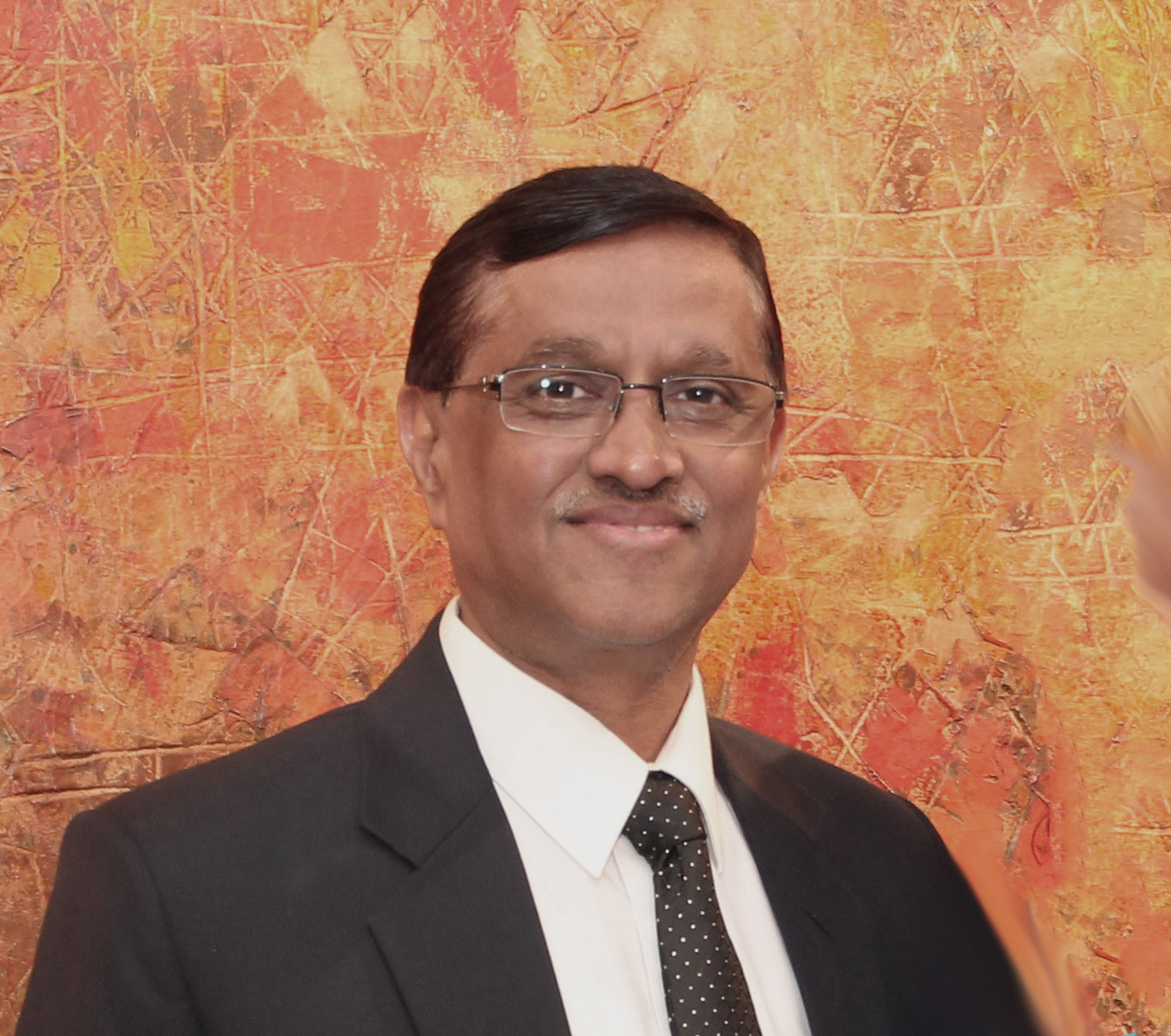
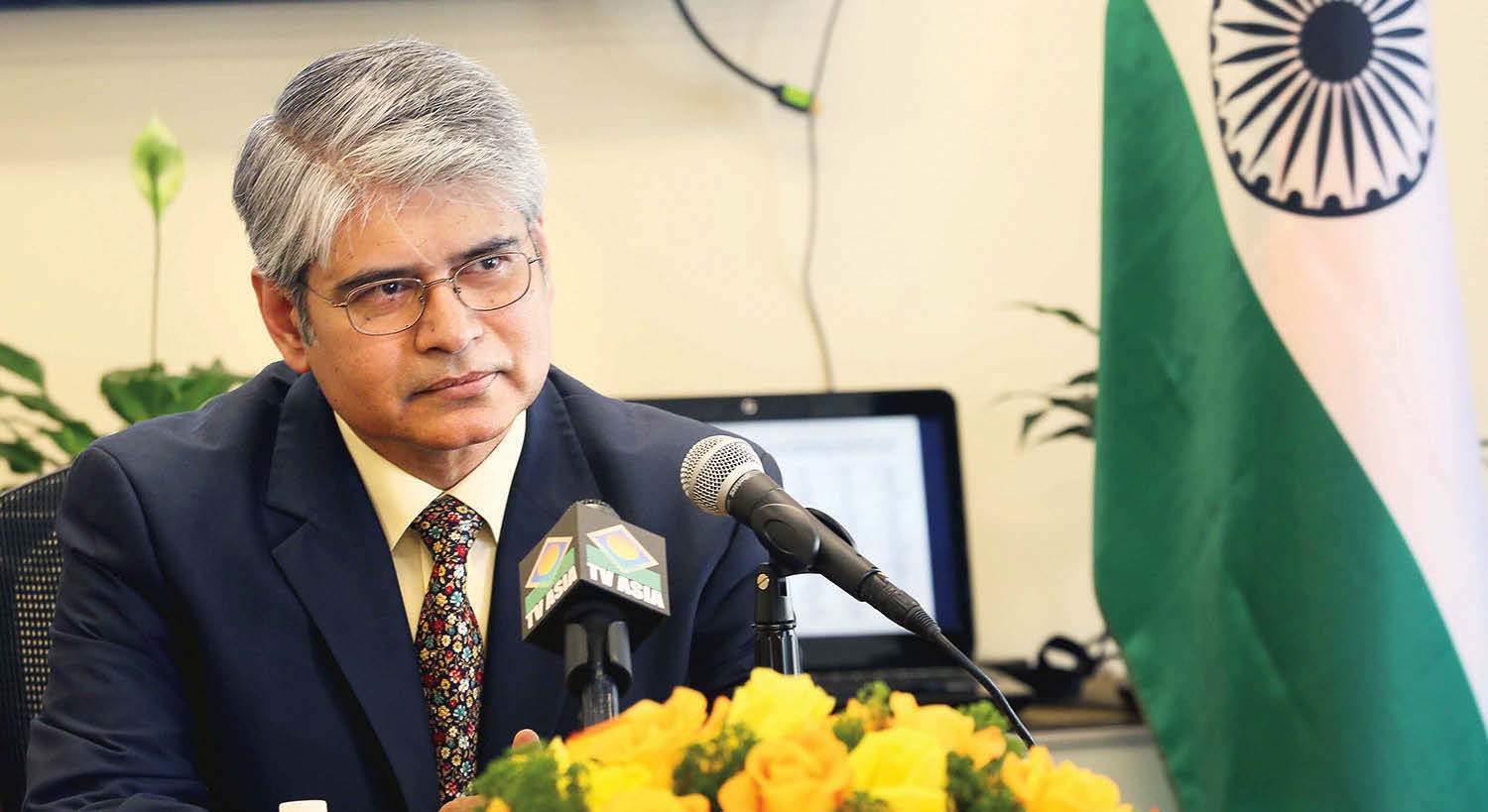
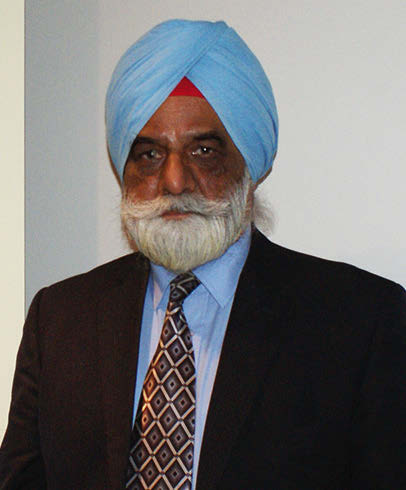
    Ambassador Asoke K Mukerji has been the Permanent Representative  of India at the United Nations  from early 2013 to  December 31, 2015.

    Ambassador Mukerji  who has served with distinction the MEA  for almost 38 years was widely regarded as a “diplomat with spine”.

    Ambassador Mukerji greets the Prime Minister of India, Narendra Modi. Seen from L to R: The then Ambassador to the US Jai Shankar, Mrs. Shankar, Ambassador Asoke Mukerji, Mrs. Mukerji, Consul General Dnyaneshwar Mulay and Mrs. Sadhna Mulay
    Ambassador Mukerji greets the Prime Minister of India, Narendra Modi. Seen from L to R: The then Ambassador to the US Jai Shankar, Mrs. Shankar, Ambassador Asoke Mukerji, Mrs. Mukerji, Consul General Dnyaneshwar Mulay and Mrs. Sadhna Mulay

    In this interview which he had given to  Prof. Indrajit S Saluja, Chief Editor of The Indian Panorama just a few days before relinquishing office, Ambassador Mukerji speaks about how well India was articulated at the United Nations during his tenure as Permanent Representative and what have been the significant achievements for India. He also speaks frankly about the need for the United Nations to go forward with reforms to the Security Council.

    However, he was appreciative of the role the United Nations has played  over the years  and taken effective  measures  to resolve conflicts, even though there are many unresolved ones, and to bring about empowerment of women, just to mention a few.

    Here are excerpts from the interview 

    Prof. Saluja: Remember Sir, in an earlier interview which you had very kindly given to The Indian Panorama on 30 April 2013 you had said that India’s ability to articulate has always been very high. How good has been the articulation at the UN. during the 3 years that you have been at the UN as India’s Permanent representative.?Do you think India has articulated well through you at the UN?

    Ambassador Mukerji: I think we have articulated the perspective that we have as a country on the issues which are the major issues facing the world today.And if you look at it in the broad areas, then you can see, for example, in the area of peace & security, we have consistently articulated  the need for resolving problems, resolving disputes through negotiations and peaceful means and today even disputes that 3 years ago seemed to  be open for military solutions are now moving towards peacefully negotiated solutions. The latest being the Syria dispute after the talks in Vienna. So I think the view that India has consistently articulated in the United Nations which is based on the provisions of the United Nations charter which is to resolve disputes peacefully is a view that enjoys a very vast degree of support.

    And including among the permanent members of the UNSC .

    In matter  of peace and security dealing with peacekeeping we have been among the most articulate of voices.

    I think that the views that we have actuated have a resonance within the UN System and as we complete the review of the peace building activities of the United Nations in the coming few months we should be able to see the combining  of the pools available to the United Nations for creating conditions for the reconstruction… peaceful reconstruction of conflict regions and societies.

    I think that’s a very important point that we have made that it has to be a holistic exercise, that you cannot expect any society or country or region to be able to sustain peace without having the institutions

    And in our own country and the reason we articulate this in our own country we have invested in building  and  nurturing institutions which are there to help the society to reach solutions through peaceful institutional methods

    And I think that this is something that has been appreciated .

    And the 3rd area of peace and security unfortunately where we have not probably succeeded but where India’s articulation has been consistent is in the need to investigate & prosecute terrorism .We are a country who have been confronting terrorism nationally for a very long time over 30 years… but in the international context… the main tool available to UN is the legal tool – the rule of law to counter and prosecute terrorism . It’s a pity that so far we have not been able to see the effective utilization of these legal tools by the United Nations

    The one example we have been putting forward for many years now is the comprehensive convention on International Terrorism (CCIT)

    Now the important role that this convention will play is to require member countries of the united nations to either prosecute a terrorist or if they cannot prosecute a terrorist, to extradite the terrorist for prosecution…. So prosecute or extradite .

    This is a very well established legal principle but unfortunately there has been no agreement so far on adopting this convention… so this is…..

    Prof Saluja: Have all the countries yet agreed for such a convention?

    Ambassador Mukerji: You see… all countries have participated in the discussions on the convention and right now the main issue on which the convention is still deadlocked is on the definition of terrorism

    There are some countries who are asking for the definition of terrorism to exclude freedom fighters…. this is not acceptable to many countries .So we need to find a way to bridge this issue because while we discuss the definition of terrorism the world is facing the impact of terrorism and when we face the impact of terrorism then we understand what the definition of terrorism is…

    So we would argue therefore that this is an area in which initiatives like this convention should be given priority and this is something we are articulating at the United Nations but this is an area where I think more needs to be done. So this is on the peace and security areas.

    Now on the second big area of the UN which is economic & social area

    I think …our articulation in the last 3 years has been very successful… if you remember in 2013 we started this process of discussing and then developing the goals which would replace the millennium development goals…. And in July last year , 2014… we were able to agree  and adopt 17 goals which are known as the sustainable development goals -that was in 2014 July.

    So this is to illustrate that all 193 countries can actually work together if they are helped to accommodate each other… and I think India’s role has been really constructive in that context… that we have not tried to polarize this exercise… we have tried to play a constructive role of also building bridges and the fact that we have these 17 goals and… and the 17 goals are now at the heart of this agenda for the next 15 years also known as Agenda 2030 which was adopted when Prime Minister Modi was here in September .…So for the next 15 years what is the economic and social agenda of the world is now set in the UN.. in this document called the Agenda 2030… at the heart of which are these 17 goals.

    So this has been a tremendous success and I think recognition of India’s articulation of its experience and perspective as a country which is transitioning… we are in some senses… we have reached the status of an advanced country of putting space crafts into space and going to mars and so on…

    But on the other hand we have 300 million who live below $1.25 a day; so we are among the poorest societies in the world… so I think that this diversity -this enables us to actually articulate issues in a more credible manner… because we know both the sides…we know the side of the developed and advanced and cutting edge … as well as the side of the poorest of the poor… so this has been a major achievement & outcome and we are just finishing this week review  of the way in which technology can help development and the United Nations General Assembly is adopting this review day after tomorrow in which an area where India is really focused a lot on is how to use technology to accelerate development and this review of what is called the ‘Tunis Agenda’ focuses on the use of Information & communication technology – ICT. Information & communication technology for development and this is an important area. In India we have an initiative called the digital India in which we are trying to use technology for accelerating development, for creating empowerment, for generating information, right to information for example, or empowerment of women. So these issues we are now bringing to the global stage and I think that this  area for the next 10 years is going to be an area of immense importance and priority for India so that by the time the next review takes place in 2025 we should be able to demonstrate how important it is for the International community to agree on using this technology for development in an affordable and global manner because the problem with all these issues is of affordability  and unless it becomes affordable and accessible it cannot have the full impact that it otherwise  contains the potential of having.

    This is the second big area of our work in United Nations.

    The third area of our work in the United Nations is related to human rights and the rule of law. And here again this year we are beginning the 70th anniversary commemoration of the universal declaration of human rights now for a long time probably because so many years have passed , people have forgotten what were the contributions which India has made in this area and which we are building on for the future so if you look back in time, in 1946 we brought in the issue of racial discrimination when we talked about apartheid and that concluded in 1994 with the emergence of independent South Africa.

    In 1948 we co-sponsored the resolution on genocide and today the United Nations has  a very vibrant anti-genocide convention on which people are building new ideas such as responsibility to protect.

    In  1948 we brought in the idea of gender equality into the universal declaration of human rights where the Indian delegate Hansa Mehta proposed the phrase “all human beings are created equal” . So that was agreed to in 1948 and since then the role that has been played in empowering women has been something that we have been at the forefront of and now we have our own program in India called Beti Bachao Beti Padhao .

    So this program is based on the principle that it is  through education that you can empower women and also safeguard their rights . So, this is something that we have been advocating and we are one of the strongest and earliest supporters of the UN Womenwhere you will be happy that an eminent Indian diplomat ambassador Lakshmi Puri is the number 2 person in the UN Women.

    So in the area of women’s rights we are very much out there.

    This year earlier in 2015 we inaugurated and contributed to the memorial in the united nations against slavery… and the reason why apart from being completely involved with the issues relating to slavery… the reason why India is also prominent in this area is because we feel that attention has to be paid to the phenomenon of indentured labor.

    If you remember when slavery was abolished in 1832 by the United Kingdom that in a legal way removed the issue of slavery or made slavery illegal but in 1834 the British parliament passed the Indentured Labor Act. Under that act millions of people including from India were transported to various countries around the world and made to work in plantations. Now, the whole issue of indentured labor.. and  Mahatma Gandhi himself wrote about it -that indentured labor was another form of slavery  and I think this is an issue with the Indian diaspora being so vibrant today and more than 25 million people living in countries across the world… that a lot of this diaspora originally- the older diaspora went as indentured labor whether it was to Fiji, whether it was to South Africa , Canada, the Caribbean . So we need to provide a focus so that if we say never again to slavery then we also do something to recognize the tremendous suffering that was endured by  our population when they were transported as indentured labor.

    So this is something that we are focusing on but I think in the area of human rights and human dignity one of the most important contributions that we have made in this period is our contribution on yoga… because while yoga is linked with health, and  without health you cannot enjoy human dignity and human rights. I think that there is a synergy between the physical activity of yoga and the impact it has on the human character and I think that the fact the 177 countries were able to join us and take ownership on this idea shows that this is an idea which brings people together and as I have kept saying in these 3 years – India’s voice is one of inclusion. We do not believe in exceptionalism. We do not ever say that we are a unique country and that we have an experience which is not relevant or not applicable to other parts of the world. What ever we have experienced we have shared with others and that is something that we have tried to do with the two international days that we celebrate in the United Nations – the day of Yoga which is on June 21st and the day of non-violence which is on October 2nd.

    And in these 3 years what we have tried to do with the day of Non-violence is like with the day of yoga which is to bring the message beyond the meeting rooms of the United Nations out into the wider public space. So for Yoga it was easy to see that we were able to reach out to 192 countries. Even in Times Square in NY there were 30000 people but for day of non-violence our involvement is now with the school children and with university students because we have to carry forward this message of non-violence to the next generation and it is only by bringing   them into the celebrations that we organize in the United Nations that they are able to appreciate the discussion on the importance of non-violence and apply this discussion to their own lives as  school children or university students.. If you teach your child and a conscious child… secondary school or university student the virtues of non-violence and that there are people who have spent their lives weather it is Mahatma Gandhi on whose birthday we celebrate it or Martin Luther King, Nelson Mandela, Ramos- you know these are the people who through their own lives are able to show that you can achieve things through non-violent means and I am being very fortunate that for these 3 years that we have done this event in the United Nations we have always had speakers who have talked about how they have applied non-violence in their own lives and this I believe since 1/3rd of the audience is of children and young people… I think that in our own way we have tried to carry forward this important contribution that we make to work in United Nations. So, in all their areas whether it is peace & security whether it is economic & social or whether it is human rights we have been articulate and effective.

    Prof Saluja: In-fact you know when you said that the charter of UN says that we have to resolve all the issues peacefully so the very idea of promoting peace comes through non-violence and again through yoga because there you learn to control yourself, discipline yourself… so both the ideas I think they come together; they come together to promote the vision of the UN… can I put it that way?

    Ambassador Mukerji: I Think so . I think that is the right way to put it and you yourself- when you practice yoga … I saw you on that yoga day… you can see that eventually there was a harmony between the inner  self and the outer world and it is this harmony which we need to focus on because it exists. But I think there are too many pressures on individuals and on countries probably which make them distracted from recognizing that there is a harmony and equilibrium between the inner self and the external world and I think that is something we need to do. It is sometimes a challenge but if you  keep going and if you keep collecting more and more people to join you… I think that is something and that’s been one of the biggest and most enjoyable part of the job here — to collect people and bring them together. So, I think this is something that India stands for that . We always try and bring people together… and then together you are stronger.

    Prof Saluja: Do you think you have made any progress with regard to the easing of procedures so that the decisions of the UN body are taken a little earlier than they have been taken in the past?

    Ambassador Mukerji: I think that when we spoke in 2013, we were the first country to start looking at it in terms of a roadmap and a realistic roadmap which in 2013 we had said 70th anniversary of the United Nations. In April that year I was probably the first delegate to use this idea of 70th anniversary.

    Today, the 70th anniversary idea has been endorsed by more than a hundred heads of states and governments in their speeches to the United Nations. So it is an expectation that something will happen in the 70th anniversary year of the United Nations.

    Now this 70th anniversary year started in September this year (2015) and concludes on the 14th of September 2016. So how are we able to use this historic opportunity to enable us to achieve this objective that we have of reforming the Security Council?

    I think what we saw was the difficulty that the United Nations membership faced with the top down approach. I don’t think people like the idea that somewhere, some people will decide behind closed doors and outside the public domain,. Who are these people /countries who they will bring into the Security Council and do a package solution.?So, the first thing that we started from 2013 was to address this issue and convince people that it is better to do a bottom – up approach and not a drop down approach.

    To that extent we have succeeded because after 23 years of discussing this top down approach, in September this year, we adopted the historic decision in the UN General Assembly. We have now got a 121 countries’ views in favor of reforms in a document. So the document is now a negotiating document. We have to negotiate the give and take of positions of different countries on the issues of the how the United Nations Security Council will be reformed. There are 5 sets of issues which you know, so, on each of these 5 sets of issues there are different views but all 121 countries agree that these are the areas which we have to address to reform.

    One issue of which I thought we could make progress on was to create a permanent memorial for our UN peace keepers. This has been an area in which I have personally got more involved than probably any other predecessor of mine.

    I feel that we need to focus on the human dimensions of the peace keepers. They are not statistics. Each soldier, each troop has a personality, a family a village or a city from where he or she comes. So we need to look at the human dimensions of UN peace keepers and as the numbers of the peace keepers who are dying in UN operations is growing every year, I think apart from looking into the reasons why they are dying which is for the Security Council to look at, we also need to honor the bravery and sacrifice of these peace keepers and for me this issue comes very vividly in that month I came in April 2013, when we lost 5 peace keepers in South Sudan. So One thing that I wanted to do and, I am happy that the General Assembly has agreed with this proposal  to build a permanent wall, a memorial wall, which will have the names of all the more than 3000 soldiers from all the countries who have died in peace keeping.

    It is the UN peace keepers Memorial wall and this idea was, I thought, we would be able to do it by this year (2015) but it is the only regret I have that the process is so slow in the UN.

    Prof Saluja : I remember,  something was done there, I was there.

    Ambassador Mukerji: We launched a virtual wall, that is the reason I launched a virtual wall. So I could do it for our peace keepers . So, all 161 peace keepers who have died from India -their names are on a virtual wall which is on a website.

    The idea was to build a wall like the Vietnam Wall in Washington which will have the names of peacekeepers of all the countries not only Indians but all countries -more than 3300 soldiers who have died and this number goes up every year by 100/150.

    So, this proposal moved by India was approved by the United Nations General Assembly and the reason why I am not completely unhappy is that our Prime Minister had in his speech at the Peace Keeping Summit  said that India stands ready to contribute to this memorial including financially. So, I think this is something I would very much like to see happen because unless we recognize the value of human life being given for the principles of the UN Charter we do not connect to the real world outside and some of the conditions in which the soldiers have to work are really very , very challenging; very, very difficult; and this is something that like I said is an obsession with me.

    Prof. Saluja :  How far is the idea to its fruition?

    Ambassador Mukerji: Given our previous experience, I would say 5 to 7 years, because, the slavery memorial project took 7 years from  the day it was approved by the UNGA. So, I would say 5 years. By the 75th anniversary of the United Nations this wall should be there.

    All 193 countries are supporting this.

    Prof.  Saluja: Give me briefly your view on Diplomacy as it has evolved; there was a time when diplomacy only meant talking about conflicts,  talking about peace and now diplomacy involves a very important economic aspect to it.

    What is your world view would be my last question.

    Ambassador Mukerji:You know the essence of diplomacy has not changed and I don’t think it will change because essentially diplomacy relates to human nature and human beings. It is only the tools that keep changing but without an understanding of human nature and human beings it would not be possible to practice the profession of diplomacy. Now there are different aspects of human behavior which have thrown up challenges. You mentioned the economic activity. The world is today economically globalized and that throws its own challenges. But I think at the heart of even those challenges is the issue of the nature of human beings; what do human beings want from a globalized world?  I think this is the key question that any diplomat will have to understand and answer before he or she practices diplomacy. The tools have changed and I think as you rightly said there is a tremendous focus therefore on what is called soft power. Professor Joseph coined the word soft power. India is one of the countries which is fortunate in having a large population, a population which is also focused on the acquisition of knowledge. it is probably a civilizational characterization of India  and as a knowledge based society we therefore are well placed to not only understand human nature but also to use various tools (if I may call it that) for the pursuit of our diplomacy in relating with other countries and other negotiators. And, I think this shows in the way we are able to build bridges; this is something which is very important even in economic diplomacy. There is no black and white solution to anything. It is always a give and take.

    My worldview is that we are in a multilateral institution like the United Nations. We have managed to avoid a world war – a 3rd world war but we need to be conscious that unless we invest in strengthening these multilateral impulses and these multilateral institutions, we run the risk of fragmenting the world into regional and sub regional units which, in a holistic way , does not contribute to world peace.


  • Are Electronic cigarettes safer than tobacco

    Are Electronic cigarettes safer than tobacco

    Research into the effects of e-cigarettes lags behind their popularity. But ready or not, the era of e-cigarettes is here.
    How E-Cigarettes WorkThey look like the real thing. The end glows as you inhale. As you exhale, you puff out a cloud of what looks like smoke. It’s vapor, similar to the fog you might see at rock shows.

    All e-cigarettes work basically the same way. Inside, there’s a battery, a heating element, and a cartridge that holds nicotine and other liquids and flavorings. Features and costs vary. Some are disposable. Others have a rechargeable battery and refillable cartridges.

    Using an e-cigarette is called “vaping.”

    Supporters argue e-cigarettes help most smokers give up tobacco and it is rare for people who don’t already smoke to take up vaping (as the practice of inhaling from e-cigarettes is known).

    However, on the other side are scientists who argue the devices should be shunned because their risks are unknown and they encourage non-smokers to become addicted to nicotine.

    E-cigarettes are designed to vaporise a liquid solution containing nicotine, to provide a smoker’s high without tar and cancerous chemicals found in tobacco.

    p0825-e-cigarettesHowever, recent research indicates e-cigarettes may themselves bring risks of cancer and other smoking-related harms, such as cardiovascular disease. This month, for example, U.S. scientists claimed the vapour emitted by the devices damages DNA and could cause cancer, which they said could mean they are no safer than tobacco.

    The research by the University of San Diego in California was only on human cells in the lab. But the results are disturbing.

    [E-cigarettes] contain substances such as food colourings. While these chemicals have tested OK when swallowed, it may be different when you put them straight into your lungs

    The experiment continuously exposed normal cells from the human head and neck to strong e-cigarette vapours for up to eight weeks. Head and neck cancer is a significant risk from smoking conventional cigarettes.

    The exposed cells developed pre-cancerous DNA damage and died far sooner than similar cells not exposed to e-cigarette vapour, says the Journal of Oncology.

    In December, Spanish scientists warned in the journal Current Environmental Health Reports that a number of e-cigarette brands emit significant levels of a fine chemical soot, called PM2.5.

    This is known to cause death through cardiovascular disease.

    Meanwhile in September, research chemists from the University of California, Irvine, warned e-cigarettes produce the same amounts of the chemicals acrolein and acetaldehyde as conventional cigarettes. These irritants are known to cause lung damage that may lead to cancer or asthma-type breathing troubles, reported the journal Aerosol Science And Technology.

    Furthermore, the process of heating and vaporising the nicotine solution cooks up new chemicals including the carcinogen benzene and lung irritants such as n-butyraldehyde, also found in tobacco smoke, researchers warned in November in the journal Scientific Reports.

    Nicotine is increasingly coming under scrutiny. It’s previously been considered biologically harmless, albeit addictive.

    But in August, experts at the authoritative U.S. Centres for Disease Control warned how lab experiments show that it can significantly impair the growth of brains and lungs in unborn babies, and affect the development of adolescents’ brains.

    Are they safer than tobacco – Nobody knows yet.

    Are They Safe?The nicotine inside the cartridges is addictive. When you stop using it, you can get withdrawal symptoms including feeling irritable, depressed, restless and anxious. It can be dangerous for people with heart problems. It may also harm your arteries over time.

    So far, evidence suggests that e-cigarettes may be safer than regular cigarettes. The biggest danger from tobacco is the smoke, and e-cigarettes don’t burn. Tests show the levels of dangerous chemicals they give off are a fraction of what you’d get from a real cigarette. But what’s in them can vary.

    WITH INPUTS FROM WEBMD, NHS UK, DAILY MAIL,

  • 14-year-old receives first 3-D printed nose in United States’s Mount Sinai

    14-year-old receives first 3-D printed nose in United States’s Mount Sinai

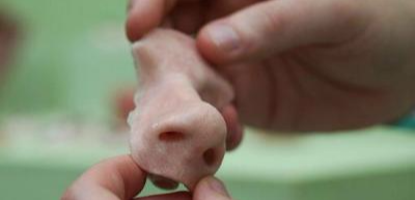
    A 14-year-old boy has become the first patient in the US to undergo a successful nose transplant using 3D printing technology after his face was disfigured when he fell on a live power line.

    Reconstructive surgery on the human nose is not uncommon, but until now, doctors in the US had not been able to replicate and restore the body part to its full functionality.

    Dallan Jennet, a 14-year-old boy from the Marshall Islands, a country that lies near the equator in the Pacific Ocean, is the first patient in the US to undergo a procedure that did just that, Fox News reported.

    Jennet’s face became disfigured when he fell onto a live power line aged 9. Earlier this year he flew to New York Eye and Ear Infirmary of Mount Sinai, in New York City, to undergo multiple surgeries that would restore his sense of smell and taste.

    “The procedure is akin to a ‘nose transplant’ in that we were able to replace the nose with a functional implant,” lead physician Tal Dagan, associate adjunct surgeon, said in a Mount Sinai blog post.

    “This procedure may be a breakthrough in facial reconstruction because the patient will never have to deal with the standard issues of transplantation, such as tissue rejection or a lifetime of immunosuppressive therapies,” he said.

    Jennet’s first procedure, in early 2015, took place in the Marshall Islands, where doctors input expanders under the remaining skin of his nose to make room for the reconstructed body part.

    Benicia, California-based nonprofit Canvasback Missions Inc, an organisation that provides health care and health education to the Pacific Islands, funded Jennet and his mother’s travel and medical expenses to New York.

    To carry out the subsequent surgeries, Dagan and Dr Grigoriy Mashkevich, assistant professor of Otolaryngology, Division of Facial Plastic and Reconstructive Surgery at Mount Sinai, collaborated with Oxford Performance Materials Inc, a Windsor, Connecticut-based 3-D printing company.

    The team created Jennet’s 3-D nose graft by replicating the structure of his family’s noses.

    For the first 16-hour operation in New York, doctors used a laser-based technology to analyze his skin.

    They then harvested blood vessels and tissues from the boy’s thigh, removed excess scar tissue, inserted the graft, and reconstructed the skin over the 3-D implant. They carried out four more surgeries, and Jennet attended follow-up appointments between June and October.

    The surgeries were successful, and doctors said the 3-D printed implant will grow with him — preventing the need for additional reconstructive procedures.

  • Record Setting Fund-Raising by Ekal Vidyalaya in 2015

    Record Setting Fund-Raising by Ekal Vidyalaya in 2015

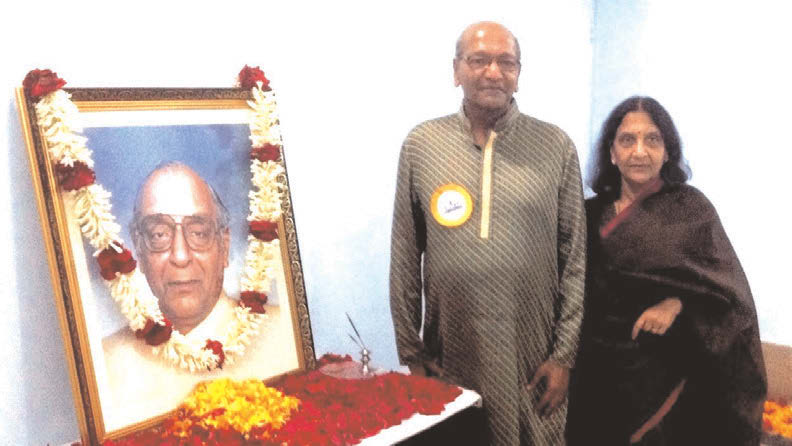
    NEW YORK (TIP): “Ekal Vidyalaya Foundation – USA” (known as ‘Ekal-USA’) had record setting fund-raising in 2015. It raised over $6 million in USA aloneand it has satellite Organizations in 10 different countries. Moreover, Ekal has just received a generous donation of $500,000 from Mrs. Prabha Jhunjhunwala, daughter of Shri Madanlal Agarwala, who started Ekal Movement in late 1988 in India.

    Considering the way it has kick started this New Year, and it is poised to establish a new record for 2016. “My father is my inspiration. He was a very compassionate soul and strongly believed that the Ekal movement would transform India. Were he alive, he surely would have been delighted to see strong Global support reaching into 53,000 villages,” says Prabhaji.

    “When Prabha decided to make a donation in the name of her father, I couldn’t be happier” says Vinod Jhunjhunwala, her husband and President of Ekal-USA. He further elaborated that,” the seed-money will help us build an endowment that will ensure strong financial footing for Ekal USA”.

    Ekal raises funds through series of concerts all over USA and through direct appeals to generous philanthropists. Braham Aggarwal, Avadesh Agarwal, Himanshu Shah, Mohan Wancho have been some of the most generous and valuable benefactors of Ekal. According to Dilip Kothekar, Chairman of Ekal’s Event Committee,two famous musical groups from ‘Bollywood’ would be performing in series of 60-65 concerts all across USA, starting from February 26′ 2016. For past 27 years, ‘Ekal Vidyalaya Foundation (EVF)’, has been rigorously involved in total transformation of villages, giving sustainability to its people and empowering them. For basic donation of just $365, Ekal has been providing functional literacy and health care training for the whole year to an ‘Ekal-school’, consisting of 35-40 children. For one-time generous donation of $5,000, onecan sponsor a whole village for its perpetual development. To make women-folks self-reliant in villages, multiple cottage-industries have been introduced by training them in tailoring, food-processing, weaving etc. “EVF” is a duly registered as tax-exempt, charitable organization, not only in USA, but also, in several other countries, making it globally the largest grassroots village-development movement undertaken by Indians and NRIs. As of this moment, it is operating all over India, including in Jammu & Kashmir region benefiting over 1.50 million children (half of whom are girls). “Health Foundation for Rural India (HFRI)”, under the leadership of Dr. Veena Gandhi is committed to eradicate Anemia also in Ekal villages. New water conservation techniques, and use of solar-power for domestic use etc. have been adopted in several villages. In addition, an innovative ‘Ekal-on-Wheels’ digital pilot-project has been launched in some states to make villages computer-literate..

    According to Bajrang Bagra, CEO of Ekal-India, this year, Ekal took a giant leap forward in 2015 by establishing 10 village development centers, each catering to the needs of 100 villages, thereby directly impacting at least one million people, and exposing 10 million villagers to innovative techniques. Villagers are trained in multiple cropping, Vermicomposting, based on local conditions. Pradeep Goyal, Chairman of Ekal-India recently confirmed that retraining villagers for agro-farm based products has given them income ranging from Rs.50,000 to Rs.8 Lakhs. Because of Ekal’s extensive rural network, many Organizations that were engaged on their own in divine rural projects have now forged alliance with Ekal. Dr. Subhash Chandra, CEO of ZEE-TV Network, has recently joined as the ‘Chairman of Ekal-Global’ and plans to take this ‘Literacy’ movement’ to the upper zenith of worldwide conscientious global organizations. According to Subhash Gupta, recent Chairman of Board of Advisers, Ekal derives its strength from its 300,000 global volunteers. As PM Modi said, “When you invest in village, you are investing in India’s future; let’s develop one village, one school at-a-time. For more information please visit <www.ekal.org>.

  • Expecting nothing but good health and happiness

    Expecting nothing but good health and happiness

    As the years rolls by and the new year sets in, new desire and expectations lines up. My expectation in 2016 is to slow down and enjoy life. I would like to take a little break from some of my current activities and give more time to my family, especially to my elderly mother. I expect to take a trip to my home town, Udupi / Manipal, and visit all my relatives who I have not seen for many years. I am looking forward to finding out what 2016 has in store for me. I’m expecting nothing but good health and happiness.

    Bina SabapathyAuthor: Bina Sabapathy

    Community Activist New York

    (Email: binasabapathy@yahoo.com)

  • Welcome Happiness This New Year

    Welcome Happiness This New Year

    New Year gives us a sense of ‘NEWNESS’. As we all bid goodbye and thanks to the passing year and welcome the New Year, it is worth contemplating our goals, objectives and expectations in New Year.

    I expect 2016 to be a year enriched with prosperity, equality, health, employment, social and economic development across the world. I expect all atrocities come to an end: be it a terror attack, a civil war, or innocent Sikhs killed due to Anti-Sikh racism, and our society becomes stress free and violence free. Let us resolve to create a world free from hatred, inequalities and political catastrophes and live as a family with gratefulness and gratitude.

    Nirpal Singh ShergillAuthor: Nirpal Singh Shergill

    Journalist, London

    (Email: shergill@journalist.com)

  • Expectations in 2016 | A world of harmony and happiness

    Expectations in 2016 | A world of harmony and happiness

    As the world is becoming more complicated , I pray we all together create a better world with love, peace and understanding of all cultures, religions and nations.

    I wish for the well being of all my friends in all aspects of life. For myself and my family I wish for health, peace and happiness under all circumstances.

    Tirlok MalikAuthor: Tirlok Malik

    Film Maker New York

    (Email: appleproductions@aol.com)


  • AAPI’s 10th Annual Global Healthcare Summit Inaugurated in New Delhi

    AAPI’s 10th Annual Global Healthcare Summit Inaugurated in New Delhi

    (New Delhi, India: January 2nd, 2016) Physicians of Indian origin are well known around the world for their compassion, passion for patient care, medical skills, research, and leadership. They excel in their fields of medicine, and thus have earned a name for themselves through hard work, commitment and dedication to their profession and the people they are committed to serve. Not satisfied with their own professional growth and the service they provide to their patients around the world, they are in the forefront, sharing their knowledge and expertise with others, especially those physicians and leaders in the medical field from India.

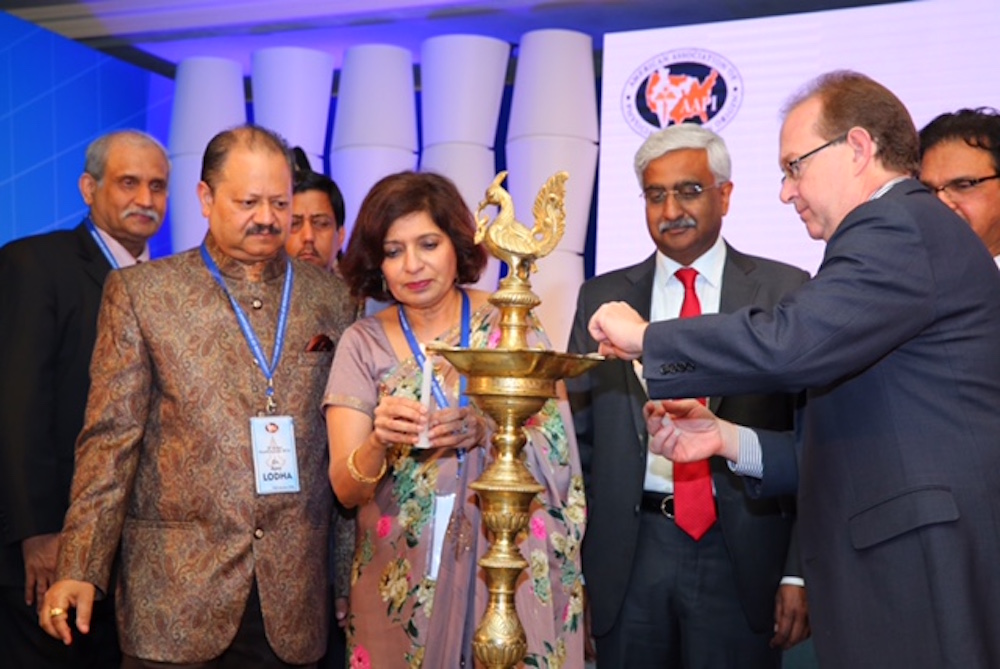
    In this context, the 10th anniversary of the annual Global Healthcare Summit (GHS 2016) from January 1 – 3, 2016 at the prestigious ITC Maurya Hotel, New Delhi, organized by the American Association of Physicians of Indian Origin (AAPI) becomes very critical. The historic Summit was inaugurated by the lighting of the traditional lamp by global leaders in the health arena on January 1st, 2016. The theme for the inaugural event was “India’s contribution to shaping global healthcare.”

    In her welcome address, Dr. Seema Jain, President, AAPI, described the 10th international healthcare summit as a progressive transformation from the first Indo-US Healthcare Summit launched by AAPI USA in 2007. Since then AAPI has organized nine Indo-US/Global Healthcare Summits and developed strategic alliances with various organizations. “It is these learning’s and relationships that have now enabled us to plan ahead and prepare for an outstanding event that has already received confirmation and endorsement from over 500 very prominent and talented world leaders in medicine to help shape the content and make significant contributions towards “make in India” theme,” she said.

    According to Dr. Seema Jain, with the changing trends and statistics in healthcare, both in India and US, AAPI is refocusing our mission and vision of GHS 2016, AAPI would like to collaborate with local partners in India towards making a positive meaningful impact on the healthcare in India. The mission of AAPI’s GHS 2016 is to share best practice and experiences from leading experts in the world and develop actionable plans for launching demonstration projects that enable access to affordable and quality healthcare for all people.

    Among those who had addressed the inaugural event and the delegates from around the world at the historic Summit included, Michael Pelletier, US Deputy Chief of Mission to India; Dr. Prathap C. Reddy, Chairman of Apollo Group of Hospitals; Dr. Mathew Thomas, Country Director, US FDA; Dr. V.K. Subburaj, I.A.S. Secretary Dept. of Pharmaceuticals, Ministry of Chemicals & Fertilizers; Anshu Prakash, I.A.S. Joint Secretary, Ministry of Health, Govt. of India; and D.G. Shah, Indian Pharmaceutical Alliance. The event was emceed by Anwar Feroz Siddiqi, the Honorary Advisor of AAPI.

    According to estimates, more than 1.2 million Indian origin physicians are actively rendering service across the world including India, and of them, 1,25,500 are working in USA, UK, Australia and Canada. Given their presence and the spread, the physicians constitute a valuable resource which can contribute significantly in developments related with health field at global level.

    AAPI has been engaged in harnessing the power of Indian Diaspora to bring the most innovative, efficient, cost effective healthcare solutions to India. For the first time, clinical practice workshops will be held at this summit. Expected to draw over 1000 leading experts from several countries, GHS-16 will focus on sharing best practices, developing efficient and cost effective solutions for India. The scientific program of GHS is developed by leading experts with the contributions of a stellar scientific advisory board and international scientific committee.

    The scientific program and workshops of GHS is developed by leading experts with contributions by the Scientific Advisory Board and the International Scientific Committee. The workshops will be led by world famous physicians on topics relevant to the needs of the time. Some of the topics covered will include: World renowned physician leaders will lead workshops on Advances in Oncology, Diabetes, Cardiology, Wound Care, Head Injury, Patient Safety, Lung, Gastro Intestinal, Hepatitis, Infectious Disease, Antibiotic Resistance, Emergency Medicine, and Women’s Health & Leadership. The pre-summit and ongoing sessions are being held at AIIMS, in addition to those at the Maurya Hotel.

    More than 100 opinion leaders and expert speakers drawn from major centers of excellence, institutions and professional associations from across the globe are showcasing cutting edge scientific findings related to clinical practice. Accredited by the Accreditation Council for continuing Medical Education for 14 hours of credit, the Summit also features a CEO Forum, where CEOs from around the world from hospitals, teaching institutions and major healthcare sectors, including pharmaceutical, medical devices and technology, will join to explore potential opportunities for collaboration.

    Dr. Ajay Lodha, President-Elect, says. “AAPI has organized seven Indo – US/Global Healthcare Submits and developed strategic alliances with various organizations. It is these learning and relationships that have now enabled us to plan ahead and prepare for an outstanding events that has already received confirmation and endorsement from over 300 very prominent and talented physicians and surgeons that are very passionate, about serving their homeland, Mother India.”

    With the objective of enabling people in India to access high quality, affordable, and cost-effective world class health services, the Summit to be held in collaboration with the Indian Medical Association (IMA), the Ministry of Overseas Indian Affairs & Ministry of Health, will have participation from some of the world’s most well known physicians and industry leaders.”

    “With the changing trends and statistics in healthcare, both in India and US, we are refocusing our mission and vision of GHS2016, AAPI would like to make a positive meaningful impact on the healthcare in India,” Dr. Jain says. “In our quest to fulfill the mission of AAPI, we are proud to share best practice and experiences from leading experts in the world and develop actionable plans for launching demonstration projects that enable access to affordable and quality healthcare for all people.” For more information on Global Health Summit 2016, please visit www.aapighsindia.org

    Picture Caption: The 10th annual AAPI’s GHS 2016 being inaugurated by Dr. Seema Jain, with healthcare leaders from across the world join in at the inaugural event at the Maurya ITC in New Delhi on Jan 1st, 2016.

  • Women Achievers Discuss Women’s Leadership At AAPI’s Global Healthcare Summit

    Women Achievers Discuss Women’s Leadership At AAPI’s Global Healthcare Summit

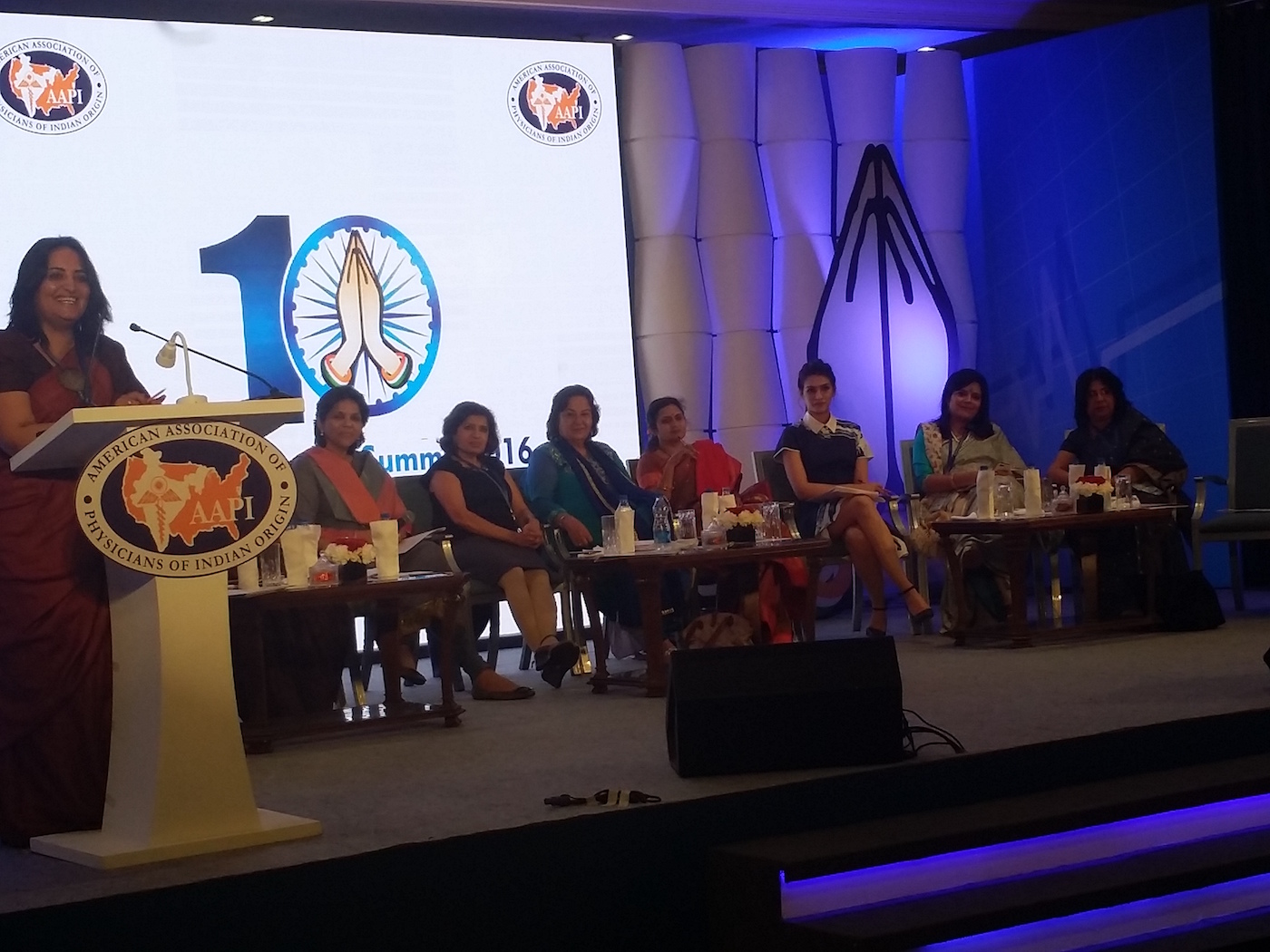
    New Delhi, India: January 2, 2016: Women play multiple roles in the society. They are mothers, daughters, sisters, and in modern times, they are active bread winners in every family. They lead and inspire others by setting examples for others to follow. There are many areas where women have proven to be effective leaders, but many more need to take on leadership roles in many more areas. “We have come a long way. But there is much more to achieve,” a dozen women achievers, who were featured at the prestigious “Women’s Forum,” told an enthusiastic audience during AAPI’s Global Healthcare Summit at the Maurya ITC in New Delhi on January 2nd, 2016.

    Dr. Seema Jain, who rose through the ranks of AAPI after being a member of AAPI and in almost every body of AAPI in the past 15 years, told the audience that she is proud to be the leader of AAPI, which is predominantly a men’s group. In her role as the President and CEO, Dr. Seema jain is assisted by all men. She thanked her committed team consisting of Dr. Ajay Lodha, President-Elect, Dr. Gautam Samadder, Vice President, Dr. Naresh Parikh, Secretary, and Dr. Suresh Reddy, Treasurer, Dr. Aravind Pillai, Chairman of the Board of Trustees, Dr. Rupak D. Parikh, President of the YPS, and Dr. Dhaval Bhanusali, President of MSRF for the 2015-2016.

    The Panel on Women’s Leadership was chaired by Dr. Seema Jain, President, AAPI, while Sonal Kalra, national Editor of Hindustan Times, Entertainment, Lifestyle & Art, moderated the high-powered women’s session.

    Dr. Jayehsree Mehta, President, MCI, gave an overview of her own life journey and told the delegates, “Take life as they come.” Sangita Reddy, Joint MD, Apollo Group, shared with the audience how her dad used to be told, “This poor man with four daughters” had turned into “This lucky man with four daughters,” after the four siblings achieved greater things in life and have made their dad proud.

    Rashmi Singh, quoted what others had told of her achievements, “You do not become popular by the positon you hold, but the position becomes popular because of you and what you do.”
    Vimla Mehra, who had spearheaded prison reforms in India, shared of the challenges and the satisfaction she had experienced while being the 2nd woman police officer incharge of the Prison system in the country.

    Pinky Anand, a woman’s rights advocate, told the audience, “You got to play your role whatever it may take.” She told the women among the audience that they need to be “more creative in what you do rather than try to be bossing around.’

    Dr. Deepali Bhardwaj and Dr. Loveleen Johri, US Embassy India, were among those who had shared with the audience their life’s experiences and how their roles have shaped their own lives and that of many others. “The job of leadership is to make meaning for others and to inspire them,” Dr. Deepali Bhardwaj said, “Just by being there you could be an inspiration to others.”

    The youngest on the panel, the 25-yr old Kriti Sanon, an actress and fashion model who shot to fame with her role in Dilwale, told her own life story of how she allowed her heart’s desire lead the way to success. “I am so honored to be among these inspiring women,” she said with modesty. “I didn’t give up when I was scared.”

    The 10th annual Global Healthcare Summit (GHS) 2016, organized by the Association of American Physicians of Indian Origin (AAPI) at the prestigious ITC Maurya Hotel in New Delhi, India from January 1st to 3rd, 2016 offers a unique forum for them to come together, sharing their knowledge and expertise in their respective medical fields with their fellow physicians from around the world, and to learn from one another. For more information on Global Health Summit 2014, please visit www.aapighsindia.org

  • Moisturize, use humidifier to combat skin dryness

    Moisturize, use humidifier to combat skin dryness

    Hydrate while you sleep, slather on moisturizer, and drink plenty of water to do away with dry and flaky skin.

    • Your hands, feet and lips are most susceptible to drying up because you use these body parts the most. Apply additional moisturizers on them throughout the day. Always keep some hand cream and lip balm in your hand bag or on your desk at work.
    • You can hydrate the skin while sleeping as well. Try to sleep with a humidifier in your bedroom as it will help to pump the moisture back into the air and this will add moisture to your skin, hair and nails.
    • Ensure you drink plenty of water every day to clear spots and hydrate skin. It keeps you hydrated internally and helps the rest of the body in many of its functions. So, yes water is essential for good health and beautiful skin.
    • Drinking isn’t the only way to get your water. During winter season, dieting is a crucial factor in keeping your skin hydrated. You should add food items such as salmon, olive oil, and various nuts to your diet. Fish oil is a rich source of omega-3, and is overall healthy for your body.
    • Use warm colours and bronzers which are best for the season.
    • Don’t stop wearing sunscreen. UV rays do tremendous amounts of damage to your skin, so apply good amount of sunscreen every time you go outside. Reapply frequently if you stay outside for a long time.
  • COUGH MEDICINES WITH CODEINE PUTTING YOU AND YOUR KIDS AT RISK

    COUGH MEDICINES WITH CODEINE PUTTING YOU AND YOUR KIDS AT RISK

    A bad cough is something everyone has from time to time and to relieve ourselves of the sore throat, we have often medicated ourselves. Doctors have, however, issued a warning about over-the-counter cough medicines that contain codeine after a girl overdosed.

    COUGH MEDICINES WITH CODEINEAn article describes the first published case of confusional state in a healthy 14-year-old girl attributed to excessive consumption of over the counter cough medicine that contained codeine.

    Codeine is a widely prescribed painkiller, but it can also be purchased over the counter in preparations of cold/cough remedies.

    However, doctors warn that there is little evidence showing benefits of codeine in cough remedies, and the risks associated with codeine use in over the counter cough suppressants may be “particularly unnecessary” because of the lack of evidence.

    Codeine intoxication symptoms often include central nervous system depression, respiratory depression, severe itching of the skin, and flushing. Confusion is a relatively unusual complaint.

    However, in this particular case, the teenage girl experienced confusion and the loss of the ability to create new memories.She falsely reported to have completed tasks, for example, by claiming to have showered when it was obvious to her mother that she had not. In addition, she switched languages during her homework.She slept up to 20 hours a day, had a decreased attention span and suffered from intermittent headaches.

    Before these symptoms, the patient experienced flu-like symptoms over a 15 day period, during which she was absent from school. She had been taking 2-3 spoonfuls daily of codeine cough suppressant, oral codeine phosphate, over this time. The patient had not exceeded the recommended daily dosage of 3-6 spoonfuls, but she had exceeded the maximum recommended duration of usage of 3 days.A urine test reported positive for codeine, and no other drugs were present.

    The doctors warn that there have been many reported child and adolescent deaths following codeine use, and they conclude that “the combination of lack of efficacy, risk of acute intoxication and dependence, suggests that the use of OTC codeine preparations may be unwarranted.”

  • OVEREATING CAN CAUSE DEPRESSION

    OVEREATING CAN CAUSE DEPRESSION

    In a recent study, it has been found that chronic overeating and stress are tied to an increased risk of depression and anxiety.

    The researchers from Yale University report that the anesthetic ketamine reverses depression-like symptoms in rats which are fed a high-fat diet in a similar way it combats depression and synaptic damage of chronic stress in people.

    Senior author Ronald Duman said that the effects of a high-fat diet overlap with those of chronic stress and could also be a contributing factor in depression as well as metabolic disorders such as Type 2 diabetes.

    In the research scientists have shown that ketamine, also known as Special K and abused as a recreational drug, can quickly and dramatically reduce symptoms of chronic depression in patients, who are resistant to typical antidepressant agents.

    They also found that a single low dose of ketamine reversed those symptoms quickly, and reversed the disruption of mTORC signaling pathways.

    KNOCK OFF THAT STUBBORN BELLY FAT WITH FISH OIL

    Fish oil could be your answer to fighting belly fat. According to a research by Kyoto University, fish oil helps burns fat faster than all the fat-burning pills which could lead to efficient weight loss in overweight or obese people in their 30s and 40s.

    Fish oil activates receptors in the digestive tract, fires the sympathetic nervous system and induces storage cells to metabolise fat.

    Fat tissues do not all store fat. So called ‘white’ cells store fat in order to maintain energy supply while ‘brown’ cells metabolise fat to maintain a stable body temperature.

    Brown cells are abundant in babies but decrease in number with maturity into adulthood.

    A third type of fat cell – ‘beige’ cells — have recently been found in humans and mice, and have shown to function much like brown cells.

    Beige cells also reduce in number as people approach middle age and without these metabolising cells, fat continues accumulating for decades without ever being used.

  • MAKE FOUR EASY LIP BALMS RIGHT AT HOME

    MAKE FOUR EASY LIP BALMS RIGHT AT HOME

    Virgin coconut oil and cocoa butter balm or a peppermint one, you can make these and more at home to do away with chapped lips.

    HOMEMADE LIP BALMS


    Virgin coconut oil and cocoa butter balm

    Mix fresh virgin coconut oil well with cocoa butter. Then heat the mixture with an equal proportion of shredded beeswax along with vanilla extract. Once the mix reaches a thick consistency, pour it into an empty box which you can carry around with you. Refrigerate the box for some time before applying it.

    Lemon rosemary balm

    For this balm, you need pretty much the same ingredients as above but to jazz things up, blend in lemon and rosemary essence to the mixture. Add about 15 drops of each essence after mixing the coconut oil, cocoa butter and beeswax. If you want to add a dash of colour, just infuse a little chunk of lipstick while the mixture is still heating!

    Peppermint balm

    Take some petroleum jelly in a microwave-safe bowl and put it inside the oven till the jelly turns into liquid. Now add one teaspoon of honey and half teaspoon of sweet almond oil to it. Infuse the peppermint extract and mix everything together and microwave the mixture again for 20 seconds. After this, put the heated mixture in a lip balm stick which is easily available in the market today or in a small box. Let it rest at room temperature for an hour and use it when hardened.

    Mint chocolate balm

    Besides the staples of coconut oil and cocoa butter, you also need three to four chocolate chips and some mint extract. Place all the ingredients in a heat-safe bowl. Heat a little water in a saucepan and once it starts to simmer, put this bowl on top of it. Melt the ingredients in the bowl and then pour the liquid into a sterilized container. As above, let it set and then pamper yourself with this little indulgence as many times a day as you like.

  • US cites immigration assessment, India wants US to honor visas

    US cites immigration assessment, India wants US to honor visas

    WASHINGTON (TIP): The US has conveyed that the decision to deny entry to Indian students was not because of black-listing of two California-based institutions but based on the immigration assessment of individuals even as India asserted that American authorities need to honor visas issued by them.

    The Indian reaction came after more Indians traveling on business/tourism/work visas have been deported recently.

    In a fresh advisory today, External Affairs Ministry here said according to the US Government, the deported persons had presented information to the border patrol agent which was inconsistent with their visa status.

    In continuation of December 23 advisory in connection with denial of entry by the US to Indian students having valid student visas to pursue studies in educational institutions -Silicon Valley University at San Jose and Northwestern Polytechnic University, Fremont, the ministry noted that there have been more cases of deportation of Indians.

    Subsequently, there have been further cases of denial of entry to Indian students holding valid visas to pursue studies in other US educational institutions, it said, adding some Indian nationals traveling on business/tourism/work visas have also been deported.

    “The US Government has conveyed that the decision to deny entry to these students is not because of the corresponding institutions being ‘black-listed’ but based on the assessment made by the US immigration authorities of individual applicants. “According to the US Government, the deported persons had presented information to the border patrol agent which was inconsistent with their visa status,” the ministry said while noting that India continues to remain closely engaged with the US Government on this subject. “We have strongly emphasized the need for the US authorities to honor the visas issued by their own Embassy/Consulates,” it added.

    Meanwhile, the ministry reiterated that all Indian students seeking admission in US educational institutions should do due diligence to ensure that the institutions to which they are seeking admission have proper authorization and capacities. Apart from travel documents, the students should also carry all required documentation regarding their study plans, housing, financial support, health care arrangements etc. and be prepared for admission (entry to the US) interviews with US immigration officials, it said.

    Similarly, all Indian nationals traveling to the US on other visas are also advised to carry the necessary supporting documentations regarding place of stay, financial support, medical arrangements, sponsorship details etc, the advisory added.

  • Indian American professor creates Super-condom which Kills HIV virus

    Indian American professor creates Super-condom which Kills HIV virus

    HIV / AIDS is a global killer and affects many lives worldwide every year. According to the World Health Organization (WHO), there were approximately 36.9 million people worldwide living with HIV/AIDS at the end of 2014. Of these, 2.6 million were children. HIV usually spreads through unprotected sex with an already infected person, sharing needles and blood transfusions.

    Currently, the only way to prevent an infection is to take protective measures like using condoms while having sex, using disposable needles and screening of blood for infections before transfusion.

    An Indian-American professor has created a condom that puts the safe back into sex with a new supercondom that fights HIV and prevent other STD’s and unwanted pregnancies.

    Dr Mahua Choudhury has made the condom from an elastic polymer called hydrogel; the condom is mixed with a plant-based antioxidant ingredient that has anti-HIV properties, as reported by Digital Trends.

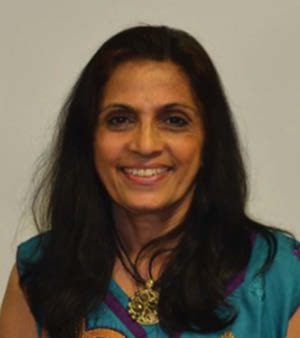
    “We are not only making a novel material for condoms to prevent the HIV infection, but we are also aiming to eradicate this infection if possible,” said lead researcher Mahua Choudhury, assistant professor at the Texas A&M Health Science Center’s Irma Lerma Rangel College of Pharmacy in the US.

    “Supercondom could help fight against HIV infection and may as well prevent unwanted pregnancy or sexually transmitted diseases and if we succeed, it will revolutionize the HIV prevention initiative,” Choudhury, who studied molecular biology, biophysics and genetics in India before getting her PhD in the US, noted.

    Mahua Choudhury was one of the 54 people who were awarded the Bill & Melinda Gates Foundation’s “Grand Challenge in Global Health” grant.

    This year’s initiative asked winning recipients to create an affordable, latex-free condom to help battle the HIV epidemic, which is currently affecting 35 million people in the world.

    “If you can make it really affordable, and really appealing, it could be a life-saving thing,” Choudhury said.

    The hydrogel in Choudhury’s condom is designed with an embedded plant-based antioxidant that is released when the condom’s walls are broken, Digital Trends reported.

    This antioxidant has proven anti-HIV properties, and can stop the virus from replicating.

    The antioxidant laced in the hydrogel also boasts stimulant properties that enhance physiological stimulation and feelings of pleasure during sex, the report noted.

    With inputs from IANS

  • Indian Cancer Scientist Develops Software For Cancer Patients

    Indian Cancer Scientist Develops Software For Cancer Patients

    WASHINGTON:  An Indian scientist in the US has developed a new MRI-based technique to predict survival of patients with aggressive brain tumours and help them provide personalised therapy.

    Dr Pallavi Tiwari’s work is based on recent clinical findings that 90 per cent of the Glioblastoma Multiforme (GBM) recurrences occur close to the tumour margin, suggesting that malignant cells are present at the periphery of the tumour but are not visually discernible.

    GBM is the most common and most aggressive cancer that begins within the brain.

    “Less than five per cent of all GBM patients live for more than five years,” Tiwari, a leading cancer researcher working at Case Western Reserve University, said.

    She said that despite several advances in drug discovery and clinical trials for cancer treatment, all GBM patients still follow the same ‘one-fits-all’ treatment regimen.

    Tiwari, who is from Madhya Pradesh, presented her new research before at the Radiological Society of North America (RSNA) meeting recently.

    “With Obama administration’s push for personalised therapy, a pressing need in precision medicine is to identify patients with GBM who are suitable for specific clinical trials based on their tumour characterisation, instead of a ‘one-size-fits-all’ treatment,” a media release said.

    Unfortunately, this has not been feasible so far in the absence of reliable non-invasive and quantitative measurements regarding patient prognosis (likely outcome of the disease) in GBMs, Tiwari noted.

    Tiwari and her team have shown on 62 patients that these computer-extracted features from tumour margins and its surrounding areas on MRI are together predictive of GBM outcomes, the press release said.

    So far such an approach of investigating imaging features from normal-appearing areas outside of tumour margins has not been investigated.

    Using computer techniques developed by Tiwari and her team, subtle information can be gleaned from normal-appearing regions (at tumour periphery) to allow for the ability to reliably and non-invasively stratify patients based on their survival and can ultimately guide personalised therapeutic clinical trials in GBM.

    Tiwari graduated from SGSITS in Indore and moved to United States to get a PhD degree in Biomedical Engineering.

    She is currently a research assistant professor in Biomedical Engineering and since 2012 has been working in early diagnosis, prognosis, and treatment evaluation of brain tumours.

  • Hepatitis-C drug Launched in India by Biocon

    Hepatitis-C drug Launched in India by Biocon

    Hyderabad: Biocon Ltd, India’s largest biotechnology company, on Thursday, December 24, said it has launched the generic version of US-based Gilead Sciences Inc.’s hepatitis-C drug Harvoni in the Indian market.

    Harvoni, the fixed-dose combination of ledipasvir-sofosbuvir of 90mg and 400mg, respectively, is an improved version of Gilead’s hepatitis-C drug Sovaldi or sofosbuvir.

    Biocon will sell generic Harvoni under brand name CIMIVIR-L.

    The Drugs Controller General of India (DCGI) recently approved the sale of the sofosbuvir-ledipasvir combination, which is being manufactured in India under a license from Gilead.

    Harvoni, approved by the US Food and Drug Administration (USFDA) for the treatment of chronic hepatitis-C genotype-1 infection, was shown to have high cure rates of around 90%.

    The cost of a 12-week course of this Harvoni therapy in the US is $94,500 or Rs.63 lakh.

    Biocon didn’t disclose the price, but said it will make CIMIVIR-L at the fraction of Harvoni’s cost in the US.

    Biocon entered into a non-exclusive licensing agreement with Gilead Sciences early this year to manufacture and market chronic hepatitis-C medicines, including Sovaldi and Harvoni, for India and 91 other developing countries by paying 7% royalty on sales.

    Gilead also signed similar non-licensing agreements with 10 other large generic drug makers—including Natco Pharma Ltd, Hetero Drugs Ltd, Cadila Healthcare Ltd, Cipla Ltd, Mylan Laboratories Ltd, Ranbaxy Laboratories Ltd (now owned by Sun Pharmaceutical Industries Ltd), Sequent Scientific Ltd and Strides Arcolab Ltd––to sell cheaper versions of Solvadi and Harvoni in 91 developing countries having an average per capita income of less than $1,900 that account for about 54% of those with hepatitis-C.

    CIMIVIR-L, a once-a-day oral therapy, will offer a convenient, effective and safe alternative to people infected with the Hepatitis-C virus (HCV), the company said.

    It is estimated that nearly 100,000 people die annually in India from HCV infection and co-morbidities. Around 25% of 18 million HCV patients in India are indicated for hepatitis-C genotype 1.

    “The introduction of CIMIVIR-L will strengthen Biocon’s current portfolio of virology products. It furthers our commitment to offer affordable therapy for unmet patient needs in debilitating and life-threatening conditions,” said Ravi Limaye, president, marketing, Biocon.

    Hepatitis-C is a viral disease that causes liver inflammation leading to diminished liver function or liver failure. It is referred to as a “silent epidemic” as most people infected with HCV have no symptoms of the disease until liver damage becomes apparent, which may take decades.

    Chronic HCV infection could lead to scarring and poor liver function (cirrhosis) over many years, resulting in complications such as bleeding, jaundice, fluid accumulation in the abdomen, infections and liver cancer.

    Shares of Biocon rose 5.04% and were trading at Rs.506.05 at 10.30am on BSE, while the benchmark Sensex advanced 0.07% at 25,868.02 points.


  • Indian American Inventor Named Fellow Of US Academy

    Indian American Inventor Named Fellow Of US Academy

    A prominent Indian-American bioengineering researcher has been named as a fellow in the US’ National Academy of Inventors for his work in inventing path-breaking healthcare technologies.

    C Mauli Agrawal, an IIT-Kanpur alumnus, is the Vice President of Research at the University of Texas at San Antonio. He will be formally inducted in April next year.

    His work in orthopaedic implants, cardiovascular biomaterials and diabetic foot products has drawn recognition.

    His bioengineering research has resulted in 28 patents.

    Mr Agrawal, 56, will be among 582 fellows in the National Academy of Inventors (NAI). He was selected for the honour because of his research and innovations in orthopaedic and cardiovascular biomaterials and implants.

    “It is a great honour. Some of the greats, at least in my field, are members of this academy. It’s good for San Antonio that we get more people there. Any recognition like this puts the spotlight on UTSA and I think that’s great,” Agrawal was quoted as saying by San Antonio Express News yesterday.

    He has been in San Antonio since 1991. He worked at the UT Health Science Centre for 12 years before joining UTSA (University of Texas at San Antonio) in 2003.

    Most of his work in San Antonio has focused on developing implants from orthopaedic and cardiovascular materials. His research group’s work led to the formation of an engineering company that developed scaffolding that can be implanted in patients to help develop cartilage or bone.

    Dr Steven Bailey, the cardiology division chair at the health science centre and a longtime colleague of Mr Agrawal’s, said the recognition is well-deserved.

    “He’s been incredibly insightful in terms of not only what can be demonstrated in an academic and research environment but, more importantly, what will translate in terms of meaningful patient progress as well,” Bailey said.

  • GUT INFECTION CAN CAUSE MALNUTRITION

    GUT INFECTION CAN CAUSE MALNUTRITION

    Looking at why providing food is not always enough to treat malnutrition in developing countries, researchers have discovered that damage to the gut from infection can cause malnutrition and vaccine failure.

    It has been estimated that if every nutritional measure known to be helpful were applied to every child in the world, global malnutrition would be decreased by only a third, the study said.

    “We found that the longer that the child suffered from inflammation, the worse was their nutrition, suggesting that the body’s immune response may be the root cause of the problem of malnutrition and a target for prevention,” said Bill Petri from University of Virginia School of Medicine in the US.

    For the study, the researchers for the last four years have enrolled children at birth and their parents from an urban slum in Dhaka, Bangladesh.

    The children are visited in their homes twice a week, receive free medical care and are observed for the development of malnutrition.

    Malnutrition is measured by children becoming stunted, or abnormally short for their age.

    Despite vaccination, free medical care and nutritional counseling and care, stunting increased from 9.5 percent at enrollment to 27.6 percent at one year of age.

    This demonstrated what has long been known, that malnutrition is extraordinarily difficult to prevent or treat.

    “The fact that the infants became malnourished despite our best efforts showed me what a difficult problem this is to solve,” Caitlin Naylor from University of Virginia said.

    The group suspected that food was not being properly digested by the children who were becoming stunted.

    “We decided to test to see if damage to their gut from infection was causing malnutrition,” Petri said. The researchers found that nearly every child had abnormal results, indicating their guts were damaged.

    “Children living in poverty have problems not only with nutrition but with vaccination,” Rashidul Haque, director of the field study in Bangladesh, said.

    One of the obstacles to the global campaign to eradicate polio has been the relative ineffectiveness of the oral vaccine in developing countries, sometimes necessitating upwards of 10 doses to be effective.

    The potentially life-saving rotavirus vaccines also are substantially less effective in these children that need the vaccines the most.

    “Since these two vaccines immunise the intestine, we tested if children with the worst gut damage also suffered from vaccine failure,” Petri said.

    This was found to be the case, demonstrating that a damaged gut caused both malnutrition and oral vaccine failure.

  • BENEFITS OF APPLE CIDER VINEGAR

    BENEFITS OF APPLE CIDER VINEGAR

    Have you been hearing about the goodness of Apple Cider Vinegar (ACV) in losing weight and fixing health problems. It is one of the most popular vinegars in the natural health community.

    But if you don’t know where to start, we tell you how you can incorporate ACV in your diet to look and feel better. Here are tips:

    Fix stomach problems

    Mix 2 tablespoons of ACV in water and it can help you in fighting any bacterial infection, since it has antibiotic properties. It is also known to help soothe instestinal spasms.

    Soothes sore throat

    Yes, it does. If you have a sore throat, mix 1.4th cup of ACV with equal quantity of warm water and gargle with it. It can be done a number of times in a day for faster relief as it has anti-bacterial quality.

    Bring down cholesterol

    While there is no scientific evidence behind this, many believe that ACV helps is lowering cholesterol.

    Beat sinus

    Sinus is fast becoming a concern for many of us. ACV can help you in that too. Mix 1/4th cup of ACV in 1/4th cup of water with pepper, honey and half of lemon.

    Boost your energy

    ACV is rich in Vitamin E, A and B, magnesium, iron and calcium. So if you are feeling sluggish, have it mixed with water. But don’t overdo it.

    Deodorize

    You read it right. Take some ACV on a cotton ball and dab it on your underarms. You will yourself see the magic it works.

  • BENEFITS OF DRINKING WARM LEMON WATER

    BENEFITS OF DRINKING WARM LEMON WATER

    Drinking a cup of warm lemon water every morning is one of the simplest, most affordable and natural ways to improve your health which has incredible benefits on your health.

    Energizes your Body 

    It gives your body a lasting boost of energy, making it a healthier alternative to your morning tea or coffee.

    Healthy Digestion 

    The minerals and vitamins found in lemon juice encourages healthy digestion, reduces heartburn and bloating by loosening any toxins trapped in your digestive tract.

    Rich Source of Potassium 

    Lemons are also a great source of potassium which help keep your heart healthy, build muscle, and aid the body in breaking down and using carbohydrates.

    Relives stress and uplifts the mood 

    The scent of a lemon helps clear the mind, reduces feelings of stress and uplifts our moods while also aiding feelings of depression and anxiety.

    Curbs Hunger 

    Lemons can help curb feelings of hunger throughout the day making it easier to resist temptations and reduce snacking on fatty foods throughout the day thus aiding in weight loss.

    Boosts your Immune System

    Vitamin C found in lemons is great at boosting our immune system. It is also a great option as compared to an orange since it has less sugar thus making it a great alternative.

    Improves the Skin 

    The antioxidants found in lemons help rejuvenate the skin and prevent wrinkles, blemishes and frees it from radical damage by purifying the skin, removing toxins and killing bacteria to reveal clear, glowing skin.

  • Abdullah al-Zaher: Saudi Arabia is about to behead a teenage boy for attending a protest aged 15

    Abdullah al-Zaher: Saudi Arabia is about to behead a teenage boy for attending a protest aged 15

    Saudi ARABIA  (TIP) : Saudi Arabia is believed to be on the brink of executing a teenage boy who was arrested at the age of 15 for attending a protest.

    Abdullah al-ZaherCampaign group Reprieve told The Independent Abdullah al-Zaher, who is now 19, was the youngest in a group of juvenile offenders put on death row as part of a ruthless crackdown on political dissent in the conservative kingdom.

    Previously held alongside fellow juvenile offender Ali al-Nimr, whose case sparked outrage around the world, Abdullah has now been moved to solitary confinement at a new facility and could be beheaded at any moment.

    In a last-ditch attempt to save their son’s life – and in spite of the danger of repercussions from the Saudi authorities – Abdullah’s parents have gone public with his story.

    Speaking to the Guardian, his father Hassan al-Zaher issued a desperate appeal. He said: “Please help me save my son from the imminent threat of death. He doesn’t deserve to die just because he participated in a protest rally.”

    A spokeswoman for Reprieve said Abdullah was arrested “for being in the area of a protest” in March 2012, beaten on the spot by police and tortured.

    His family and lawyers believe he was forced to sign a document without knowing its contents, and which later was used as a “confession” in the closed trial against him.

    Saudi government-aligned media outlets have been carrying reports in the past couple of weeks suggesting a mass execution of 52 prisoners is due to take place imminently.

    And despite assurances to the contrary from the British Foreign Secretary, Philip Hammond, Reprieve understands that this group includes Mr al-Nimr and his uncle, Sheikh Nimr, as well as Abdullah.

    The charity has been tracking the cases of three juveniles, the third being 17-year-old protester Dawoud al-Marhoon, and believes they could be killed at any moment.

    “What we know from the families of the three is that they are in solitary confinement and being prepared for execution,” a Reprieve spokeswoman said.

    “They have been moved and undergone medical examinations, which seem to suggest their beheading is imminent. The whole business of executions in Saudi Arabia is shrouded in secrecy, and prisoners are often beheaded without any notice to family or lawyers.”

    Mr al-Zaher described Abdullah as a popular and peaceful boy, and said the condition of his health when he last saw him in prison – three months ago now – was “not good”.

    “He loved to ride my horses and wanted to become a medical assistant or nurse someday,” he said. “My son … did not fully understand what the people are protesting for. He was only 15 years old, still a minor, so we expected a lesser punishment if he was proven guilty.” Going public is the last resort for families trying to save their loved ones from Saudi death row. Ali al-Nimr’s own father was arrested in October after speaking to Channel 4 News.

    “The Saudi government is very repressive, and a lot of people choose not to go public because of the risk of harassment by the authorities,” Reprieve said. “It seems Abdullah’s family feel they have nothing to lose.”

    (AP)

  • Al-Qaida in South Asia head is an Indian

    Al-Qaida in South Asia head is an Indian

    The head of Al-Qaeda’s South Asian wing is Sanaul Haq, a one-time resident of Sambhal, in Uttar Pradesh, over 150 km from the national capital, intelligence sources have confirmed to The Indian Express. Known to the world as Maulana Asim Umar, Haq was appointed amir of al-Qaeda in the Indian Subcontinent, or AQIS, by its overall chief, Ayman al-Zawahiri, last year.

    Haq was identified, sources said, on the basis of the questioning of Sambhal resident Mohammad Asif and Cuttack-based cleric Abdul Rehman, who the Delhi Police said, had been tasked by Haq with setting up “AQIS recruitment networks” in India.

    Rehman, 37, was arrested by a joint team of the Special Cell of Delhi Police and Bhubaneswar-Cuttack Commissionerate police from his house at Paschima Kachha village under Jagatpur police station early this morning. Asif was arrested in Delhi on December 14. Rehman, who holds two PhDs in Arabicand Islamic Studies from Deoband, runs a madrasa in the Tangi area of Cuttack district.

    Haq’s operational deputy, sources said, has also been identified as an Indian national from Sambhal, Said Akhtar. Investigators say they have evidence that at least five Indian nationals are part of the organisation’s network in Pakistan.

    Haq’s identification marks a breakthrough in the international hunt for the Pakistan-based AQIS chief who has never been photographed or appeared in propaganda videos without a digital mask. Last year, The Indian Express was the first to report on the speculation that newly appointed AQIS chief was suspected of being an Indian national.

    Delhi Police Special Commissioner Arvind Deep said today that Asif, who had grown up along with Haq, travelled to Pakistan through Iran in 2012, along with two other Uttar Pradesh men — whose identities have been withheld — to train at a jihadist camp in Miranshah, in Pakistan’s north-west. There, he said, Asif, a 37-year-old father of two, received only ideological instruction, because of ill health, before being sent home in October 2014, to recruit more Indian nationals.

    For his part, Rehman is alleged to have recruited at least one Odisha resident for training with AQIS.

    Earlier this year, the United States announced it had destroyed what it said was the largest al-Qaeda camp detected in Afghanistan where upwards of 150 AQIS personnel were thought to have been training. Pamphlets and videos recovered from the site threw up evidence that many of the recruits spoke Urdu and Bengali, officials said.

    Educated at the famous Dar-ul-Uloom seminary at Deoband, from where he graduated in 1991, Haq became allegedly involved in jihadist circles following the demolition of the Babri Masjid in December 1992, investigators say they had been told by his alleged lieutenants whose arrest was announced today. He disappeared from Sambhal in 1995, severing contacts with his family.

    Maulana Ashraf Usmani, a spokesperson for the Deoband seminary, said he could not immediately confirm or deny if Haq had been a student there and added that there were no records for many students who dropped out before completing their theological education.

    From Pakistani sources familiar with the jihadi movement, though, The Indian Express learned that Haq arrived in Pakistan that year, beginning studies at the Jamia Uloom-e-Islamiaa Karachi seminary that has produced several jihadist leaders, including Maulana Masood Azhar, the leader of the Jaish-e-Muhammad; Qari Saifullah Akhtar, who headed the Har-kat-ul-Jihad-al-Islami, and Fazl-ur-Rehman Khalil, the leader of Harkat-ul-Mujahideen.

    Haq, sources said, was mentored by Nizamuddin Shamzai, a cleric closely linked to the Taliban who once bragged of being treated as a “state guest” in Mullah Muhammad Omar’s Islamic Emirate of Afghanistan.

    In the late 1990s, after finishing his studies in Karachi, Haq is believed to have joined Fazlur-Rehman Khalil’s Harkat-ul-Mujahi-deen, teaching briefly at the Dar-ul-Uloom Haqqania seminary in Peshawar, and serving at the Harkat-ul-Mujahideen’s training camps in PoK . Following the events of 9/11, sources said, Haq moved back to Karachi, living from 2004-2006 at the Harkat-ul-Mujahideen’s of-fice in Haroonabad.

    Haq’s turn towards al-Qaeda began in the summer of 2007, after General Pervez Musharraf ordered the storming of Lal Masjid in Islamabad, a seminary run by Jamia Uloom-e-Islamia alumnus Maulana Abdul Rashid Ghazi. He made contact with Muhammad Ilyas Kashmiri, a top jihadist with close links to al-Qaeda. Interestingly, jailed 26/11 perpetrator David Headley had told the FBI of a “Karachi project” run by Kashmiri, with plans to target India.

    In 2013, Haq delivered the first exhortations specifically targeting Muslims in India — the first of its kind in global jihadist writing. He invoked anti-Muslim communal violence in India, saying “the Red Fort in front of the mosque cries tears of blood at your slavery and mass killing at the hands of the Hindus”.

    Bhubaneswar-Cuttack Police Commissioner Rajendra Prasad Sharma said the Delhi Police got to know know of Rehman’s links with the al-Qaeda group after tracking his telephone call records. The team, which landed in Bhubaneswar, yesterday raided Rehman’s residence in Paschima Kachha village last night. Rehman’s mobile phone, a tablet and his passport were seized.