Tag: Health

Read the latest health news, diet, fitness, medical news and healthcare tips on theindianpanorama.news/health. Get all the healthcare news, including wellness, fitness, diet and weight loss & more.

  • Sleeping pills up death risk

    Sleeping pills up death risk

    Anew study has found that antianxiety drugs and sleeping pills could increase risk of death. The study from the University of Warwick shows that several anxiolytic (anti-anxiety) drugs or hypnotic drugs (sleeping pills) are associated with a doubling in the risk of mortality. Although these findings are based on routine data and need to be interpreted cautiously, the researchers recommended that a greater understanding of their impact is essential.

    “The key message here is that we really do have to use these drugs more carefully. This builds on a growing body of evidence suggesting that their side effects are significant and dangerous. We have to do everything possible to minimise over reliance on anxiolytics and sleeping pills,” Professor Scott Weich, Professor of Psychiatry at the University of Warwick said.

    “That’s not to say that they cannot be effective. But particularly due to their addictive potential we need to make sure that we help patients to spend as little time on them as possible and that we consider other options, such as cognitive behavioural therapy, to help them to overcome anxiety or sleep problems,” he added.

    The study accounted, where possible, for other factors such as age, smoking and alcohol use, other prescriptions and socioeconomic status. Crucially, the team controlled for contributing risk factors such as sleep disorders, anxiety disorders and other psychiatric illness in all participants.

  • STAY FIT AT 40

    STAY FIT AT 40

    Forget sweating it out in a gym, it’s possible to lose extra flab in a smarter way If you have a sedentary life style and have just hit the big F, don’t frown every time you see yourself in the mirror and notice the bulges. That extra flab can be made to disappear with a little extra effort. You don’t have to really sweat it out in a gym to stay in shape. A few smart tips is all you need

    • If you are not a morning person, don’t set your alarm at an unearthly hour. Get up at your scheduled time and do some free-hand, stretches and yoga for half an hour.
    • Try doing low to medium intensity cardio exercises to burn extra fat and increase your metabolism.
    • Walk for half an hour to begin with. If you feel bored going alone, ask a friend/someone from your family. Better still, offer to buy the morning veggies and walk to the nearest market.
    • Do some warm-ups before you start the real exercise
    • Carry a bottle of water with you when you head for a morning walk/jog
    • Don’t go exercising on an empty stomach. Have a couple of low fat biscuits or an apple.
    • Never go out for a walk immediately after dinner/breakfast.
    • Take the stairs, avoid the lift. You can climb six storeys five times at a stretch then that’s equivalent to a 30 minute jog!

    It’s important to follow a routine when you start exercising so that you can discipline yourself. Don’t see it like a task, try and think of the positive: you get to lose weight and fit into that pair of jeans you’ve liked. Don’t over-tire yourself. Gradually give yourself more time – from 20 minutes to 40 and then an hour.

  • India ranks 102 out of 132 nations on social development index

    India ranks 102 out of 132 nations on social development index

    NEW DELHI (TIP): India ranks 102nd among the 132 countries on the Social Progress Index, a measure of human wellbeing that goes beyond traditional economic measures such as GDP or per capita income. Of the BRICS countries — Brazil, Russia, India, China and South Africa — only India ranked lower than the 100th position on the list of the Social Progress Index 2014 compiled by USbased non-profit group Social Progress Imperative. China was next lowest of the five, in the 90th position, and Brazil was the highest, at 46th.

    Using measures of access to basic human needs such as food and shelter and of equality of opportunity such as education and personal freedom, the index aims to measure quality of life throughout the globe. Last year the first Social Progress Index ranked 50 countries. This year, its ranking includes 132 countries around the world. New Zealand tops the list followed by Switzerland, Iceland and Netherlands. Chad ranks the lowest in the index.

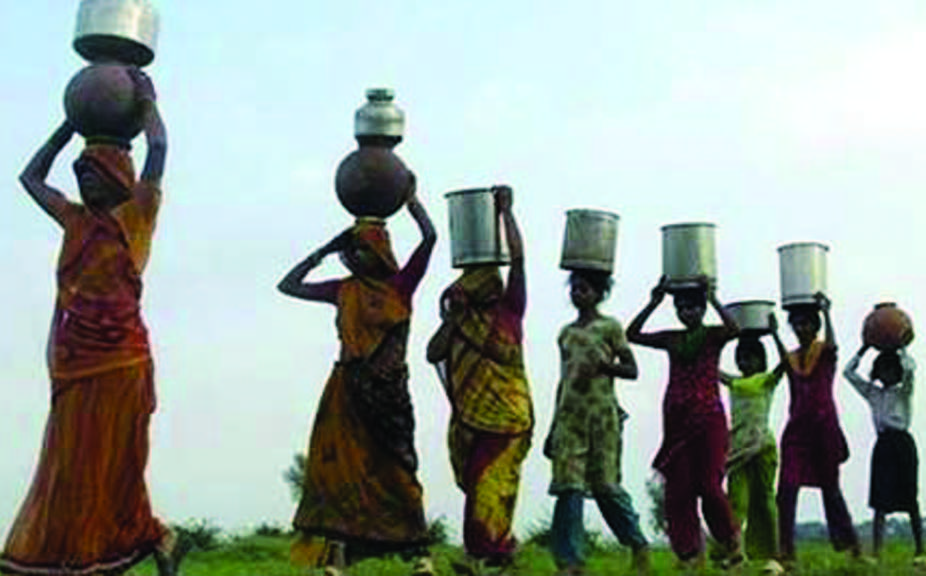
    India ranks 102nd on social progress with challenges across all three dimensions with particularly low scores on shelter (39.77) in the basic human needs dimension, access to information (39.87) in the foundations of wellbeing dimension, and tolerance and inclusion (21.54) in the opportunity dimension. The basic human needs dimension comprises parametres of nutrition and basic medical care, water and sanitation, shelter and personal safety.

    The foundations of wellbeing includes parametres of access to basic knowledge, information and communications, health and wellness and ecosystem sustainability, while opportunity dimension includes personal rights, freedom and choice, tolerance and inclusion and access to education. The report said that while the BRICS are generally seen as areas of great economic growth potential, social progress performance is mixed at best.

    Only Brazil (46th) ranks better on social progress than it does on GDP per capita (57th). Russia has a higher GDP than Brazil (39th) yet ranks lower on the Social Progress Index (80th); South Africa is 58th on GDP and 69th on social progress; China is 69th on GDP and 90th on social progress; and India is 94th on GDP and 102nd on social progress. Central and South Asia trails all regions but Sub-Saharan Africa in terms of overall index performance.

    The top performers for the region are Sri Lanka (85th), Kazakhstan (86th) and Mongolia (89th). The worst performance belongs to Pakistan, which is ranked 124th. “Tracking social progress trends over time will be important for understanding the speed with which social progress responds to changes in economic performance.

    It remains to be seen how quickly fast-growing economies such as India and China, that currently underperform on social progress relative to their GDP per capita, can turn economic success into improving social conditions,” the report said. “The Social Progress Index provides evidence that extreme poverty and poor social performance often go hand-inhand,” it said.

  • Fort Hood Shooting leaves 3 dead, 16 injured

    Fort Hood Shooting leaves 3 dead, 16 injured

    Psychiatric issues behind shooter’s behavior

    WASHINGTON (TIP): Specialist Ivan Lopez has been identified by authorities as the man who opened fire at Fort Hood in Texas on Wednesday, April 2, killing three people before committing suicide. Sixteen more people were injured when Ivan opened fire at Fort Hood, the sprawling Army post in Texas still on edge after a mass shooting there left 13 dead in 2009, officials said.

    The gunman also died. He was engaged by military police before he fatally shot himself in the head, said the Army post’s commander, Lt. Gen. Mark A. Milley. The suspect, a soldier who had served in Iraq, “had behavioral health and mental health” issues, Milley told reporters late Wednesday.

    A day after a shooting rampage at Fort Hood, Texas, left three soldiers dead and 16 wounded, a key question looms over the investigation: Why? Authorities are still piecing together the answer, but seem to be homing in on at least one thing that they say might have made 34-year-old Spc. Ivan Lopez pull the trigger. have very strong evidence that he had a medical history that indicates an unstable psychiatric or psychological condition. (We’re) going through all records to ensure that is, in fact, correct. But we believe that to be the fundamental underlying causal factor,” Lt. Gen. Mark Milley, the post’s commanding general, told reporters Thursday.

    The rampage started around 4 p.m. Wednesday, when Lopez fired his .45-caliber handgun at two buildings at the sprawling Texas military facility. When a police officer confronted him later, he put the gun to his head and pulled the trigger, ending his life. The gunman was an experienced soldier who was grappling with mental illness, officials said. But they haven’t pinpointed why he opened fire. Authorities are interviewing witnesses and “looking at what the trigger event was” that led to the shooting, including a possible altercation with a fellow soldier “that immediately preceded the shooting,” Milley said.

    Investigators say they haven’t found any links to domestic or international terrorist organizations, but they’re keeping open minds. “At this point we have not yet ruled out anything whatsoever,” Milley said. “We are committed to letting the investigation run its course.” Another key question for investigators: did any gaps in safety and security measures allow the shooting to take place? “Obviously something went wrong,” U.S. Defense Secretary Chuck Hagel told reporters on Thursday.

    But he stressed that investigators were still trying to piece together the events leading up to the shooting. “We know a lot of things 24 hours later, but we don’t know everything,” Hagel said. “What happened? What motivated this person to do this? Where was the gap? Why did we have a gap? Why did it happen? … I think we are going to find out, and we will do everything possible to implement those reforms and fill those kinds of gaps.”

  • CENTER’S PLEA WINS LIFE FOR BHULLAR

    CENTER’S PLEA WINS LIFE FOR BHULLAR

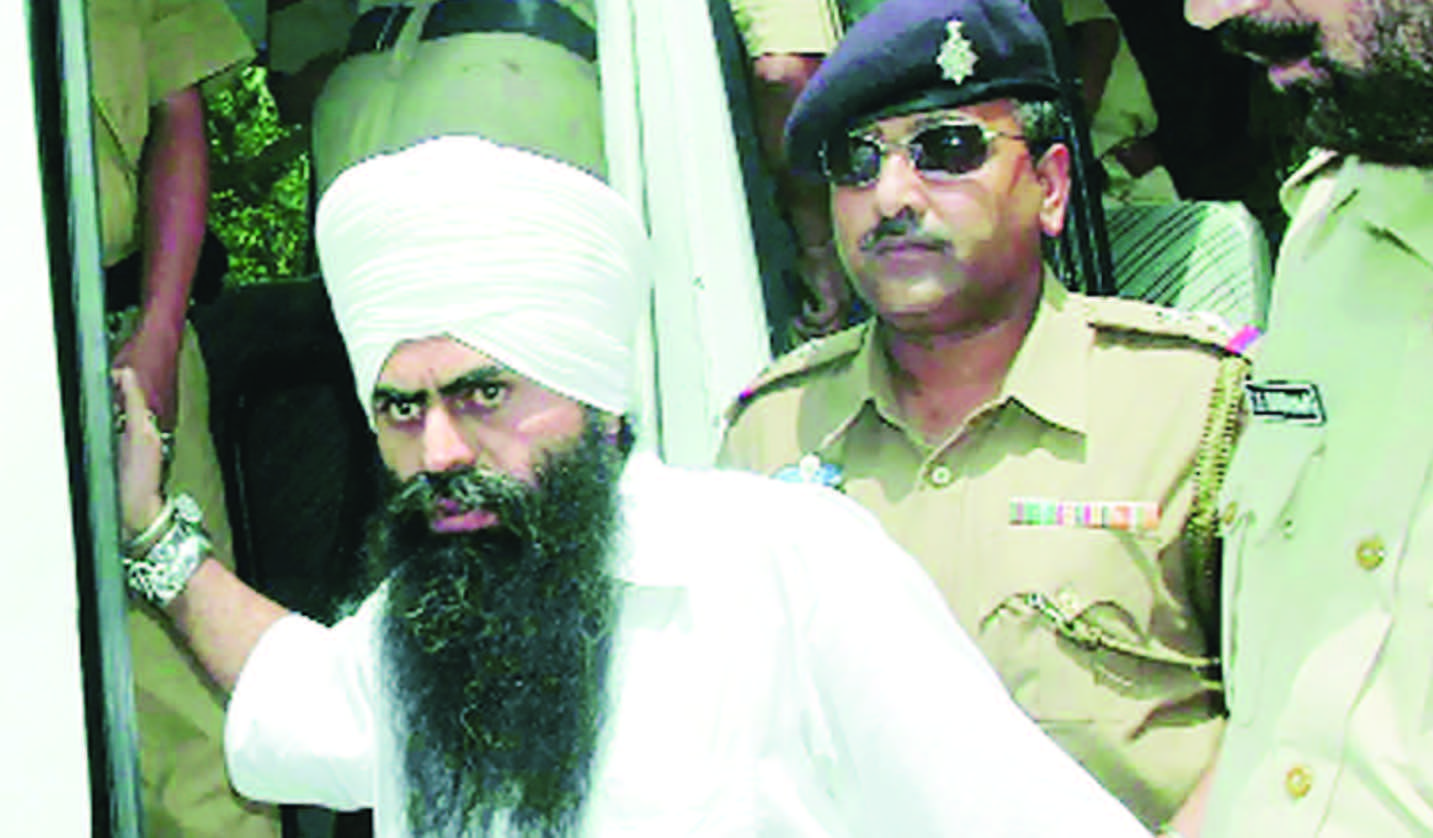
    NEW DELHI (TIP): The government on March 27 told the Supreme Court that it has “no problem” with commutation of death sentence of Khalistani terrorist Devinderpal Singh Bhullar to life term and the petition in this regard has to be allowed in view of the court’s verdict that delay in deciding mercy pleas can be a ground for such relief.

    “This is a case which has to be allowed because the mercy petition of the convict was decided after a delay of eight years,” attorney general GE Vahanvati told the bench headed by Chief Justice P Sathasivam which said that a short order will be pronounced on March 31. The attorney general also said that he was making the submissions to this effect as the Centre’s petition challenging the January 21 judgement, in which it was held that inordinate delay by government in deciding mercy plea of death row convicts can be a ground for commuting their sentence, has been dismissed.

    “So we have to follow the January 21 judgement and we have no problem,” Vahanvati said. He said there was no need to go into the merits of the curative petition filed by Bhullar wife Navneet Kaur. At the outset, the bench, also comprising justices RM Lodha, HL Dattu and SJ Mukhopadhaya, wanted to know about the health condition of Bhullar and perused the February 8 medical report of the Institute of Human Behaviour and Allied Sciences (IHBAS). The bench had on January 31 stayed Bhullar’s execution and had agreed to review its judgement by which it had rejected the 1993 Delhi bomb blast convict’s plea to commute his death sentence to life term. It had issued notice to the Centre and the Delhi government on a curative petition and had also directed IHBAS, where Bhullar is being treated, to file a medical report on the condition of the death row convict who is alleged to be suffering from mental illness.

    The plea of Bhullar’s wife for commutation of death sentence assumes significance in view of the apex court’s January 21 verdict holding that inordinate and inexplicable delay by government in deciding mercy plea of death row convicts can be a ground for commuting their sentence. Bhullar’s wife has filed the petition against the apex court verdict which rejected her plea to commute his death sentence to life imprisonment on grounds of delay on the part of the government in deciding his mercy plea. He was convicted and awarded death penalty for triggering a bomb blast in New Delhi in September 1993, which killed nine persons and injured 25 others, including then Youth Congress president M S Bitta.

    The apex court had on March 26, 2002 dismissed Bhullar’s appeal against the death sentence awarded by a trial court in August 2001 and endorsed by the Delhi High Court in 2002. He had filed a review petition which was also dismissed on December 17, 2002. Bhullar had then moved a curative petition which too had been rejected by the apex court on March 12, 2003. Bhullar, meanwhile, had filed a mercy petition before the President on January 14, 2003. The President, after a lapse of over eight years, dismissed his mercy plea on May 14, 2011. Citing the delay, he had again moved the apex court for commutation of the death sentence but his plea was rejected.

    The apex court on January 21 had held inordinate delay by government in deciding mercy plea of death row convicts can be a ground for commuting their sentence and had granted life to 15 condemned prisoners including four aides of forest brigand Veerappan. In the landmark judgement, the court had held that prolonging execution of death sentence has a “dehumanising effect” on condemned prisoners who have to face the “agony” of waiting for years under the shadow of death during the pendency of their mercy plea.

  • Indian couple in UAE seeks support for newborn’s treatment

    Indian couple in UAE seeks support for newborn’s treatment

    DUBAI (TIP): An Indian couple in the UAE has sought help to raise 240,000 dirhams ($65,342) to cover their newborn baby’s medical expenses. The baby girl, born prematurely at 27 weeks Jan 8, is currently in an incubator at Dubai Hospital, the Gulf News reported on Wednesday.

    The unnamed father said the outstanding dues stood at 183,000 dirhams till the last week as they have managed to raise 50,000 dirhams till now. According to the father, the doctors have said the baby has to be in the incubator till she gained at least 1.8kg. Meanwhile, his 32-year-old wife is recuperating after the delivery through the caesarean section. The father, a 39-year-old automobile industry professional, told the newspaper that the total bills are expected to be more than 240,000 dirhams till the baby is discharged by the hospital.

    He said the unexpected caesarean section delivery and the condition of the baby shot up their up their medical bills, and as child birth was not covered under their health insurance, they landed in a financial crunch. The couple, who has been married for the past 10 years, was earlier struggling to conceive. The father said the baby was born after many failed in-vitro fertilisation (IVF) attempts to conceive since 2007, which had already cost them 180,000 dirhams.

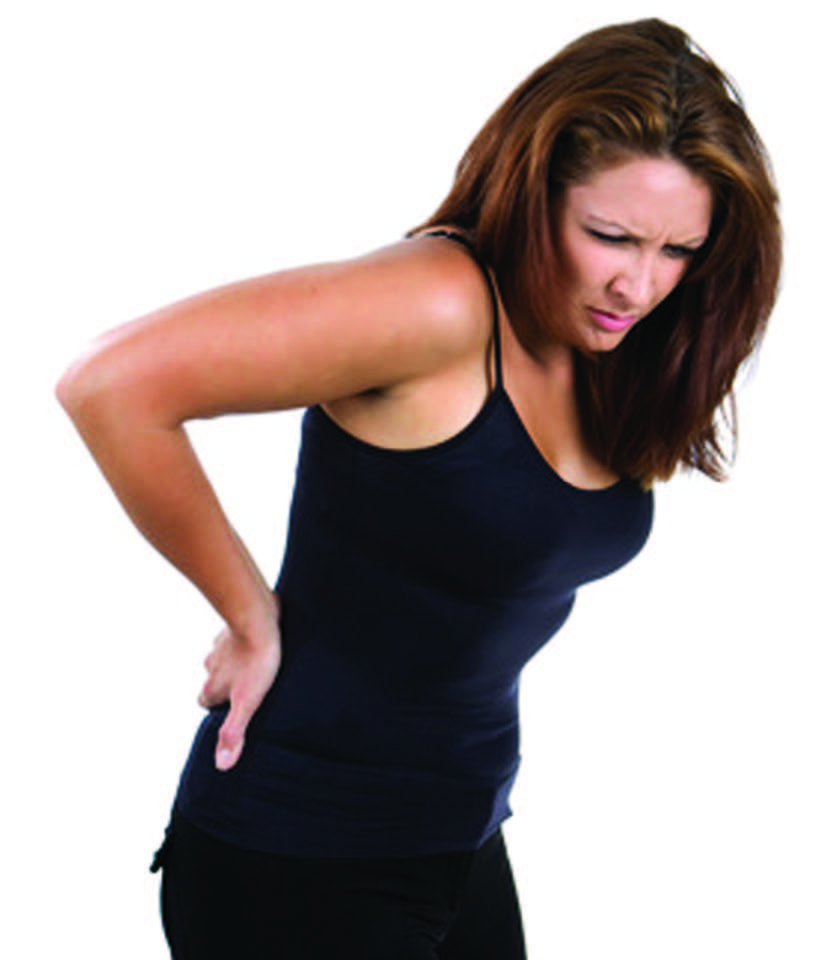
  • REMEDIES FOR BACK PAIN

    REMEDIES FOR BACK PAIN

    There’s nothing worse than sitting at work with a horrible backache. Here’s how you can take care. A back pain can make your day worse. Not only does it make you uncomfortable while you sit, but also causes pain when you are lying down or standing. Here are a few ways you can take care of this problem.

    Stretching
    This form of exercise limbers up tense muscles and strengthens the ones that need help. But before you try any stretches it is advised that you visit a fitness expert or a doctor to know which ones will work for you. Stretching should be done gently. Don’t exert too much pressure on your muscles; they might do more damage than good.

    Change the way you sit
    Another reason for back pain is often related to the way you sit. More often than not, we do not realise that our posture causes this. If you have a desk job, it is best to take short breaks after every hour. This will help ease your back pain.

    Sleep well
    Sleeping on your back is the best way to avoid any back problems. If you are already suffering from a back pain, it is always advised to sleep on the floor or a hard surface for a few days before the pain subsides.

    Go for a massage
    Last but not the least, always go in for a massage when you’ve been experiencing a backache. It helps relieve tense muscles, thereby providing relaxation. A fortnightly massage will ensure that your back pain subsides with time.

  • Make your mornings beautiful

    Make your mornings beautiful

    Why should your mornings be boring? Add a zing to your mornings by trying different things. Here’s how you can make your mornings beautiful

    Take a morning walk
    If waking up early in the morning does not bother you and you are up and about before dawn, then pick up that track suit and take a walk in the pleasant and cool breeze. It will breathe some freshness into your life if done everyday.

    Prepare a cuppa
    A hot cup of coffee or tea with some biscuits as accompaniments is not a bad idea. How you present the tea or coffee on the coffee table is important. Keep the newspaper or the magazine to read while you savour the hot cup of tea. Use a pitcher like a tea pot or a coffee
    pot so that you can refill up to your heart’s content.

    Arrange a delectable breakfast
    Try out different breakfast ideas. Taking from egg based recipes to vegetarian and vegan ones, dish out some of the tastiest and healthiest stuff that everyone of you can enjoy for breakfast.

    Begin the morning on a positive note
    Wake up with a smile. That will set the mood for the entire day. Don’t let anything affect your mood. Try to get over bitter feelings of any sort.

    Make prior preparations
    Before going to sleep, arrange everything like the teapot, the cups, the cereals, plan the breakfast menu so that you are not hassled in the morning and you have got ample time to prepare whatever you wanted to make in the morning.

  • GET THOSE PEARLY WHITES

    GET THOSE PEARLY WHITES

    Getting a pearly white smile isn’t a tough job if you take care of your teeth with these little tricks. Listed below are six natural and easy ways to get that beautiful white smile. So keep smiling and spread that smile.

    Mix a small amount of baking soda with your toothpaste. And brush your teeth with the mixture for about two minutes once a week. You will see the difference. Rub the inside of a orange peel all over your teeth for about 5 minutes. You will see the difference in the color of your teeth instantly.

    Bite and rub a strawberry to your teeth for 10 minutes and you will be able to see the difference. Mix baking soda and coconut oil and brush normally to whiten and strengthen teeth. Strangely, rubbing a banana peel on your teeth and leaving for no longer than 15 minutes will also help whiten the teeth. Bay leaf is the best natural ingredient to whiten teeth instantly. Chew then rub the bay leaf on your teeth using your finger for 10 minutes. Rinse mouth and see the difference.

  • Sitting all day? Check extra fat on your buttocks

    Sitting all day? Check extra fat on your buttocks

    For all those couch potatoes or workaholics out there, forget belly fat as sitting for long hours does add extra fat on your buttocks too. In the sitting posture, fat cells in buttocks expand up to 50 per cent, making the bottoms appear rounder and larger.

    This “cellular expansion” played a vital role in fat production, researchers from Tel Aviv University in Israel have said. “We found that fat cells when exposed to sustained pressure while sitting accelerated growth of lipid droplets – molecules that carry fats,” said Amit Gefen, professor from the department of biomedical engineering at Tel Aviv University.

    To prove their point, the researchers analysed the accumulation of fat cells in the body and found that nutrition only played a small role in keeping people slim. “Expanding cells deform neighbouring cells, forcing them to differentiate and expand further,” Gefen said in the study published in the Biophysical Journal. It’s time to stand up and move around for a while!

  • Egypt’s military chief Sissi quits to run for president

    Egypt’s military chief Sissi quits to run for president

    CAIRO (TIP): Abdel-Fattah el-Sissi, the Egyptian military chief who last summer removed the elected Islamist president, announced on March 26 that he has resigned from the military and will run for president in elections scheduled for next month. In a nationally televised speech, el-Sissi appeared in his military uniform, saying that it was the last time he would wear it because he was giving it up “to defend the nation” by running for president. He said he was “responding to a call from the people.” Egyptian law says only civilians can run for president, so his resignation from the military, as well as his posts of military chief and defense minister, was a required step.

    This is widely expected to win the vote, after months of nationalist fervor since he removed Mohammed Morsi, who in 2012 became Egypt’s first freely elected and civilian president. The ouster in July came after massive protests demanding Morsi go after only a year in office amid public resentment that his Muslim Brotherhood was monopolizing power. Since then, the military-backed interim government has waged a fierce crackdown on Morsi’s Muslim Brotherhood, arresting thousands of members and killing hundreds of protesters in clashes.

    At the same time, militants have waged a campaign of attacks on police and the military, and el-Sissi has repeatedly declared a war on terrorism. In his address Wednesday night, el-Sissi gave a campaignstyle speech, promising he intended to build a “modern and democratic Egypt.” He spoke of the challenges facing the country, including millions of unemployed and a “weak economy.” In an apparent goodwill gesture despite the crackdown, he promised “no exclusion. … I extend my hand to all at home and abroad — all those who have not been convicted.” “There will be no personal scoresettling,” he said. However, on the ground there have been no signs of any move toward reconciliation with Morsi’s supporters and the Brotherhood, once the country’s strongest political force.

    Authorities on Wednesday announced the latest in a series of mass trials of suspected Islamists, including the top leader of the Brotherhood Mohammed Badie, on murder and other charges in connection to violence the past months. Morsi supporters have continued near daily protests against el-Sissi and the interim government. On Wednesday, students in several universities, most of them Islamists, held protests that turned into clashes with security forces. An 18-yearold student was killed in the violence at Cairo University, the health ministry said.

  • Free morning-after pills, condoms for UK schoolgirls

    Free morning-after pills, condoms for UK schoolgirls

    LONDON (TIP): In a bid to cut the growing number of unwanted teen pregnancies in the UK, schools have been advised to provide free morning-after pills and condoms to teenage girls. According to new guidelines from the National Institute for Health and Care Excellence (NICE), under-25s should be able to access emergency contraception more readily, including pills and the IUD (intrauterine device, or coil). Although under-18 conception rates have fallen, England still has one of the highest teen pregnancy rates in Europe, said a statement by NICE.

    Improving contraceptive services will help ensure young people get the support they need and reduce unwanted pregnancies. NICE has advised commissioners of services in England to give all young people access to contraception and advice at convenient locations so no-one is denied services because of where they live. “It is really important that sexual health services offering information and advice can be found in places where young people have access to them,” Professor Mike Kelly, director of the Centre for Public Health at NICE said. “Evidence clearly shows that the availability of contraception reduces the rate of unwanted pregnancies.

    Local planners and providers of services must make sure that what they offer is right for their area,” said Kelly. According to the guidelines, young women should be informed that an intrauterine device is a more effective form of emergency contraception than the oral method and can also be used on an ongoing basis. Young women should have timely access to emergency contraception using an intrauterine device, NICE said. “Young people often find contraceptive services and advice difficult to locate. This can be for a number of reasons.

    They may not know where services are, who provides them or when they are open,” Kelly added. “They can also be wrongly worried that information they give may not be treated confidentially. For that reason, this guidance focuses on ensuring they receive culturally sensitive, confidential, nonjudgemental and empathic advice and support tailored to their individual needs,” said Kelly. Many of the recommendations made in the new guidance from NICE will cost nothing to implement. They look at existing services to ensure everything is being done to give all young people the support and advice they need.

  • REASONS TO EAT CHERRIES

    REASONS TO EAT CHERRIES

    Little red cherries are often overlooked for their health benefits, but this red fruit is packed with nutrients and are even considered a ‘healing’ fruit. Research says tart cherry juice can battle insomnia, it lessens the risk of gout and is great for post exercise muscle stress.
    Read on to know more about sweet and tart cherrries…
    1. Cherries can reduce blood pressure. The fruit is a source of potassium, which helps lower blood pressure by eliminating excess sodium in the body. It also keeps potassium and sodium in balance and is said to prevent hypertension.
    2. The fruit is a storehouse of pectin, a soluble fibre that helps prevent heart disease by lowering ‘bad’ cholesterol. It also has powerful antioxidants, which are beneficial in the prevention of cancer and cardiovascular disease.
    3. Cherries can also ease joint pains and alleviate headaches and migraines.

    A study by researchers at East Lansing’s Michigan State University showed that if you have arthritis or chronic headaches, having a bowl of cherries a day might alleviate your pain, minus the stomach upset so often triggered by painkillers.

  • BRING BACK ROMANCE IN MARRIAGE

    BRING BACK ROMANCE IN MARRIAGE

    Romance is crucial to a happy marriage. There is no element of novelty in a relationship, especially in a marriage without romance. So, if you see romance taking a backseat in your relationship, it’s time fasten your seatbelt and pull out some ideas to bring back the mush element in your life. Here’s how:

    Make a trip to a romantic hotspot
    This could be one way to getting closer. Choose the same place like where you went to spend your honeymoon to bring back all the sweetest memories or go for another hotspot which you two have been aspiring to go in all these years.

    Spend more time together
    The busy lifestyle that many couple lead today often takes away the romance component. So try to spend more time together. This will let you both talk about matters close to your heart and will help rekindle your romance.

    Express your feelings
    You need not shower your spouse with expensive gifts. What is required here is emotional reassurance. So share why your spouse is an important part of your life and make each other feel very special.

    Indulge in love making
    Most often lack of love making leads to couple distancing themselves from each other or form some opinions on one another. So, getting back to the kind of love making session you had during the initial days of marriage also will help you realise how deeply you care for each other.

  • KEEP BODY ODOUR AT BAY

    KEEP BODY ODOUR AT BAY

    Body odour can become a real dampener to your personality if proper care is not taken. Here’s how to keep body odour at bay There are times, when no matter how much deodorant you wear, the body odor just doesn’t go away. These are the days when you feel if you could do something permanent about the problem.

    So here’s how you can keep body odour at bay in four easy steps. There are few things that you have to follow, there’s nothing you can do about it. So stop eating too much onions, garlic and methi. They tend to seep out of the body pores and results in body odor. No matter how well onions go with that spicy curry, you need to keep them at safe distance. Keep visiting your bathroom. Yes, we mean take bath regularly. Bathing twice a day during summers is a good idea.

    This will definitely put many problems aside. Use talcum powder. These are an underestimated lot of toiletries which can really make a lot of difference. They not only make you feel fresh but also help in reducing body odour, especially during summers. Find a good antiperspirant deodorant. This not only keep you smelling fresh but also helps in reducing sweating. Summers are the time when you tend to sweat more and thus body odour.

  • SAMSUNG LAUNCHES GALAXY S5 IN INDIA

    SAMSUNG LAUNCHES GALAXY S5 IN INDIA

    NEW DELHI (TIP): Smart phone manufacturer Samsung Electronics, on March 27, introduced Galaxy S5 in the domestic market. The features include a 16-megapixel camera, fast 3G speeds at 42Mbps and Octa-core processor capable of operating all eight cores at the same time, said a company release.

    It has a perforated pattern on the back cover, and is being offered in charcoal black, shimmery white, electric blue and copper gold, and is IP67 dust and water resistant. It has a finger scanner and biometric screen locking feature. Galaxy S5 also introduces S Health 3.0, a fitness application. “Galaxy S5 offers the world’s fastest auto focus speed up to 0.3 seconds and advanced high dynamic range (HDR)”, the release said.

    Samsung Galaxy S5 is priced between Rs.51,000 and Rs.53.000. Samsung also announced three wearable devices — Gear Fit, Gear 2 and Gear 2 Neo. These devices will be available across the country through Samsung’s retail stores and e-commerce sites from April 11 onwards. Galaxy Gear 2 is priced at Rs.21,900 and both Galaxy Gear 2 Neo and Galaxy Gear Fit are priced at Rs.15,900.

    Asked if the pricing was slightly on the higher side, Samsung India Country Head (IT and Mobile Division) Vineet Taneja said people would not mind paying for a quality product. “I think the Rs.50,000 barrier got broken when we launched the Galaxy Note 3, for which we have got a good response. People are looking for value and for a quality product, they don’t mind paying,” Taneja said. He said the company would offer customers buyback and EMI schemes. “Our financing options make the device really affordable,” Taneja said.

  • DETOX FOR OVERALL HEALTH

    DETOX FOR OVERALL HEALTH

    Detoxing the right way can help optimise body’s functions. It not only boosts energy levels and stamina, but also improves your skin and hair… Though detox literally means getting rid of toxins from your body, it is equally important for your skin and hair. There are too many environmental pollutants and chemicals around and most of the time, your body cannot handle them.

    You begin feeling listless and restless — and that is the time you need to go on a detox for a day or two. There are many ways to do it — fasting, being on a juice diet, or going off sweets/salt for a day are a few examples. If you stop overloading the body with food, the system gets some time to rejuvenate. Detoxing does lead to a little weightloss, but a detox should never be done with that in mind. If one wants to lose weight, the best option is to exercise and follow a regular balanced diet. Detoxing once a week or month helps your system to flush out toxins and here are some simple tips to detox the healthy way…

    Minimise all toxin load
    Stay away from refined sugar, saturated fats, alcohol, coffee and smoking. Also, avoid using too many chemical products on your face and body for a day.

    Have fruits and veggies
    When on a detox, include many fruits and vegetables in your diet. Take ones that are different in colour, because each colour family usually has a particular vitamin in it. You could have fresh juices — the canned and packaged ones have too much sugar and preservatives that may be harmful. If you are only on fruits and vegetables, you should aim for at least five-six portions a day. They usually have a wide range of essential vitamins and minerals and are also rich in antioxidants and fibre.

    Stay well hydrated
    Water is definitely the best option and so are all kinds of fruits and vegetable juices. Have green tea, camomile or rose tea. Avoiding caffeine, alcoholic and non-alcoholic fizzy drinks and aerated beverages are ideal.

    Eat less salt
    Avoiding salt for a day is a great idea. In your general meals also, you should not have excess salt.

    Have fibre-rich food
    This is important because the fibre helps cleanse your system thoroughly. It will prevent constipation and also keep your digestive system healthy.

    What does detoxing do for you…
    1. Your organs get a rest because you are not overloading it with all kinds of food.
    2. Stimulates your internal organs to remove toxins from the body and eliminate them.
    3. Toxins and free radicals affect mental functions also so, a detox programme can help you deal with fatigue, sleep problems, memory etc.
    4. Detoxing refuels the body.

  • Enjoy grapes for good health

    Enjoy grapes for good health

    Grapes contain nutrients, antioxidants, minerals and vitamins. Here are some of their health benefits… Studies say that grapes help relieve migraine. Either eat them naturally or as ripe grape juice as soon as you begin your day.

    Grapes are also great for brain health and delay the onset of neurodegenerative diseases. Applying grape seed extract on your skin protects it from ultraviolet radiation by acting as a sunscreen. It also helps heal sunburned skin. Grapes are also good for your eyes because they are rich in Lutein and Zeaxanthin – known for maintaining good eye sight.

    A compound called Pterostilbene, present in grapes, helps lower cholesterol levels. Asthmatics should consume grapes often because of the high assimilation power of the fruit, which helps to increase the level of moisture present in your lungs. Grapes help in treating constipation since they are rich in sugar, organic acid and polyose.

  • NUTRITIONAL BENEFITS OF BLUEBERRIES

    NUTRITIONAL BENEFITS OF BLUEBERRIES

    In terms of fruit consumption, blueberries rank only second to strawberries in popularity of berries. Blueberries are not only popular, but also repeatedly ranked as having one of the highest antioxidant capacities among all fruits, vegetables, spices and seasonings.

    Like other fruits, raw blueberries provide you with the best flavour and the greatest nutritional benefits. Here go few more benefits of blueberries:

    Eye
    High Vitamin A content is one of the many benefits that blueberries can offer. It’s particularly helpful for your eyesight and has been known to prevent vision loss in old age.

    Heart
    Blueberries are given their colour by anthocyanins— a flavonoid that counters the build up of plaque and improves cardiovascular health. Studies have shown that blueberries (and strawberries for that matter) may be particularly beneficial to the heart health of women.

    Digestion
    Blueberries are high in fiber, which is needed for proper digestion. It can help cure constipation. Also, copper, sodium and fructose in it aid your digestion.

    Brain and memory function
    Studies have shown that blueberries can be immensely beneficial to maintaining healthy brain and memory function, particularly in older adults.

    Weight loss
    Research has shown that those with a blueberry-rich diet tend to have less abdominal fat. In addition, the fruit contains carbohydrates, which helps to keep you feeling full and satisfied for longer.

  • TAKEAWAY FOOD DOUBLES OBESITY RISK

    TAKEAWAY FOOD DOUBLES OBESITY RISK

    Anew study has revealed that people exposed to takeaway food outlets around them are more to be obese, as they are more likely to consume more of these foods. The study conducted by University of Cambridge found that individuals were exposed to 48 percent more takeaway outlets at work than at home and the average exposure combining home, work neighborhoods and commuting routes was 32 outlets.

    According to the study, people who were most exposed to fast food options consumed on average 5.7 grams more takeaway food than those who were least exposed. The researchers also found that people most exposed to takeaway food outlets were estimated to have a BMI 1.21 greater and twice as likely to be obese than those least exposed to such food.

  • Keep your windows clean

    Keep your windows clean

    Want a better view of the outside world from your home? Then wipe off that grime from your window! Yes, a window provides a view to the world but a dirty window is sure to offer you a hazy picture. So, let’s learn how to get spotless and clear windows by cleaning it in the right way.

    Things you need
    Make sure that you have all the necessary things before you begin. Things like liquid soap, soft rags, rubbing alcohol, clean water, toothbrush or several cotton swabs, hose, scrub brushes, laundry detergent, bleach, ammonia or white vinegar, bucket, sponges, and black and white newspapers or cloth diapers.

    Window sills
    Wash the window sills thoroughly with warm soapy water (made with four cups of water and two to four sprays of liquid soap). Use a soft rag to clean the area. Rinse thoroughly with clean water. If you notice that any area is still dirty, use a mixture of alcohol and water. If you find that the inside corners are still dirty, you should use a toothbrush or several cotton swabs to clean any dirty corners.

    Window screens
    To clean your screens, rinse them with clean water and a hose. For really stubborn areas, you should use a scrub brush to get them clean.

    Window frames
    To clean window frames, you should use liquid soap and water and rub the area thoroughly. Then, rinse it out to have really clean window frames. If you have mildew on your frames, you can clean it with 1/2 cup of laundry detergent, 1/3 cup of household bleach and 2 cups of water.

  • Running scared? Chidambaram opts out of Lok Sabha battle, Congress fields his son

    Running scared? Chidambaram opts out of Lok Sabha battle, Congress fields his son

    NEW DELHI (TIP): Finance minister P Chidambaram has opted out of the Lok Sabha contest, with Congress announcing his son Karthi as the candidate from Sivaganga constituency in Tamil Nadu. Kirit Patel will take on BJP patriarch LK Advani in Gandhinagar in Gujarat.

    The passing of baton in Sivaganga caps the intense speculation on Chidambaram’s candidature in the wake of Congress’s bleak prospects in the state owing to its failure to find an ally. Congress fought the last two elections with DMK and reaped a rich tally, disproportionate to its weak organizational muscle in the state.

    The leg-up for the GenNext extends to another of the state’s political family. Mohan Kumaramangalam, son of former Union minister Rangarajan Kumaramangalam, is the rookie to contest from Salem. In what may have the making of an interesting contest, Laxman Singh has been named from Vidisha to take on leader of opposition in Lok Sabha Sushma Swaraj in Madhya Pradesh. Singh is a former MP and the brother of AICC general secretary Digvijay Singh.

    Congress announced sitting MPs Ramesh Kumar and Mahabal Mishra from South Delhi and West Delhi, a decision which means that all seven party MPs from the capital would be taking the field in the Lok Sabha polls. The names of Kumar and Mishra were held back in the earlier list which gave the go ahead to five other MPs, raising the possibility of their being replaced. However, the party leadership has settled for the status quo, finding that any attempt to change the candidate would skew the caste balance it wants in its representation in the apital.

    The reprieve for the two comes after Congress mulled possible options to sitting MPs. The Central Election Committee of the party had taken exception to the routine manner in which the MPs were recommended for renomination and had asked the Delhi managers to submit a panel of possible candidates. Union health minister and senior Congress leader Ghulam Nabi Azad would contest from Udhampur in Jammu and Kashmir. He replaces MP Lal Singh Chaudhary. Congress has also replaced Paranjayadityasinh Parmar from Panchmahals in Gujarat with Ramsingh Parmar.

    Paranjayaditya is the son-in-law of Congress general secretary Digvijay Singh and his nomination in the previous list of candidates had sparked unrest, leading to clarification from the state leadership that it was an oversight. Rajya Sabha MP and former union minister Mani Shankar Aiyer will contest from Mayiladuthurai that he represented in Lok Sabha before losing in 2009. Expelled JD(U) MP Purnmasi Ram will be the Congress candidate from Gopalganj reserved seat in Bihar. Also, Congress’s Tsering Samphel will contest from Ladakh seat in J&K.

  • US rejects dropping nomination of Vivek Murthy as surgeon general

    US rejects dropping nomination of Vivek Murthy as surgeon general

    WASHINGTON (TIP): The US on Wednesday rejected reports that it is abandoning the nomination of Indian-American Vivek Murthy as surgeon general, saying his name was approved with bipartisan support. “No”, White House press secretary Jay Carney said when asked if the Obama administration has abandoned its nominee for surgeon general for the United States.

    Murthy has been facing problems in the US Senate for his confirmation for his strong views against the gun culture. “Dr Murthy is a dynamic, entrepreneurial practitioner who had dedicated a lot of time, energy and passion to health and wellness,” Carney said. “As surgeon general, he will be a powerful messenger on these issues in each of the tenets of health: nutrition, activity and resilience.

    Dr Murthy, as you know, was approved out of committee with bipartisan support,” he said. Carney did acknowledge that the White House is recalibrating the strategy around Murthy’s floor vote. “We expect him to get confirmed ultimately and be one of the country’s most powerful messengers on health and wellness,” he said. “So we’re recalibrating our approach, but in answer to your question, no,” the White House press secretary said.

  • Suicide attack kills 16 in north Afghanistan

    Suicide attack kills 16 in north Afghanistan

    MAZAR-I-SHARIF (AFGHANISTAN) (TIP): A suicide bomber killed at least 16 people at a crowded market in northern Afghanistan on Tuesday, officials said, despite a tightening of security for presidential elections less than three weeks away.

    There was no immediate claim of responsibility for the attack in Maimanah city, the capital of remote Faryab province which borders Turkmenistan and has a mixed population of Uzbek, Turkmen and Pashtun ethnic groups. A week ago Taliban insurgent leaders vowed to target the presidential election, urging their fighters to attack polling staff, voters and security forces before the April 5 vote to choose a successor to Hamid Karzai.

    “It was a suicide bombing in the middle of Maimanah city during the Tuesday bazaar,” provincial governor Mohammadullah Batash told AFP. “The blast happened on the main roundabout, which was very crowded. The bomber used a three-wheeler packed with explosives,” he added. Abdul Ali Haleem, the provincial health director, said 16 people had died and 40 were treated for injuries, among them a pregnant woman and two children aged six and seven.

    Northern Afghanistan is generally more peaceful than the south and east but Islamist insurgents, rival militias and criminal gangs are active in some districts. Six Afghan employees of the aid group ACTED working on rural development projects were shot dead in Faryab in December by suspected Taliban gunmen. The United Nations envoy to Kabul warned on Monday that election-related violence was on the rise in Afghanistan, where NATO combat troops are withdrawing after 13 years of fighting a fierce Islamist insurgency.

    “Security will have a major impact on these polls,” Jan Kubis said in an address to the UN Security Council in New York, adding he was “gravely disturbed” by the Taliban threat to unleash “a campaign of terror”. Previous Afghan elections have been badly marred by violence, with 31 civilians and 26 soldiers and police killed on polling day alone in 2009 as the Islamist militants demonstrated their opposition to the US-backed polls.

  • Problems of India are not confined to big business alone

    Problems of India are not confined to big business alone

    The private sector in India “hopes that everything would be hunky dory once the pro-business Modi becomes the PM. Unfortunately, problems of India are not confined to big business only. There are millions (45 per cent of industrial employment) employed in small-scale and micro-sector enterprises. Around 90 per cent of the labor force works in the unorganized sector. The small and medium industries contribute 50 per cent of exports and need policies that would increase their competitiveness” says the author.

    All businesses, whether domestic or foreign, are waiting for the results of India’s general election. Why should there be so much apprehension about the future of the Indian economy and why should it depend on who forms the next government at the Centre? After all, India is a mature, almost middle-income country with per capita income of Rs 39,961 per annum (2013-14) and GDP of $1.7 trillion.

    We have good roads, ports, airports, well-functioning courts of justice, mega cities, luxury housing, malls, schools, colleges, hospitals — everything a country needs. We have a thriving service sector and an established manufacturing sector. All these will remain intact even if the UPA goes and another party forms the government. huge economy like India’s should be on auto pilot.

    But it is not — because key decisions that would pave the path for the economy in future are perceived to lie today in the hands of the new government. Even though the Indian economy did take off and gather momentum, it lost speed mid-air and things began to look less clear and, in fact, far from rosy. Consequently, key business decisions were kept on hold and are now dependent on who will form the government at the Centre and what policy changes will come about.

    But the UPA government has left the country’s finances in good shape. In the last interim Budget Mr. Chidambaram wanted to play it safe by cutting public expenditure in order to control the fiscal deficit. The interim Budget has also increased the allocation of Central funds to states. Hence the power of the Centre in the next one year will be diluted vis-à-vis states. The incumbent government has tried its best to create a good image of itself in the last one month by inserting ads in national dailies every day about its achievements and clearing pending projects post haste.

    People, especially young voters, however, will make up their own minds. The common person is awaiting change and desires a reprieve from continuous inflation, corruption and general ineffectiveness of government decisionmaking. According to the latest data, in the last quarter of 2013, GDP growth was only 4.7 per cent and not 5 per cent, which would have indicated an upturn in the economy. There is, however, good news that in February 2014, manufacturing output has notched up and was at its highest in recent months but one month’s performance is not enough. Why has the UPA been so ineffective in pushing GDP growth in its second term? Why has it not been able to tame inflation? Why has corruption remained the biggest issue? Looking back, it was the three stimulus packages that the UPA government gave after the global economic crisis that was responsible for much of what is wrong today.

    As a result of the stimulus packages, the fiscal deficit rose and there was too much liquidity in the economy and inflation rose to 10 per cent. The government and the RBI had no option but to raise interest rates and it did so 13 times before the new RBI Governor took over. Meanwhile, the government’s interest rate policy did a lot of damage to business expectations and investors dithered and held back from investing in industry. People in general lost faith in financial assets, especially with the erosion of the rupee against the dollar, and began seriously buying gold. Consequently, the current account deficit ballooned and there was a threat of the rupee depreciating further.

    Only the announcement by the US Federal Reserve about staggering its monetary easing policy brought back FIIs which saved the current account deficit from deteriorating further. But what is alarming is the negative industrial growth which contracted by 0.7 per cent in the third quarter of 2013- 14. Industrial growth slowed down due to demand factors also. The fall in demand has affected all industries, including the fastest-growing automobile sector. The savings rate fell to 30.1 per cent (of GDP) from 36.8 per cent (2008) and per capita private spending growth slipped to 3.7 per cent in 2012-13 from 7.8 per cent a year earlier. People postponed buying consumer durable items and the high EMI (equated monthly installment) has been a daunting factor. If industrial growth, which is the biggest driver of GDP growth, goes down, then GDP growth also declines.

    Thus from the peak of 9.2 per cent GDP growth in 2007, today we are faced with a rate of below 5 per cent, which is not high enough to create an adequate number of jobs for youth. When incomes fall, then tax collection also is low and hence the rising fiscal deficit has been a problem. The fiscal deficit has been controlled by squeezing essential expenditure in key sectors which will impact the lives of people. More than anything else, India needs a higher rate of human development, food security, an increase in productivity in agriculture and manufacturing, better governance of cities, sanitation, education, health, safe water, pollution control and women’s safety. In infrastructure, we need better roads, public transport, housing for the poor to improve the quality of life of the less privileged. With cash-starved state governments, little can be expected by way of welfare measures for the poor and the needy. Delhi has no Chief Minister.

    It is in need of infrastructural improvements. One can only see a beginning made by Arvind Kejriwal, who ordered the setting up of temporary shelters for the homeless. If Narendra Modi becomes the Prime Minister, the private sector would expect speedy clearances and decisionmaking. It hopes that everything would be hunky dory once the pro-business Modi becomes the PM. Unfortunately, problems of India are not confined to big business only. There are millions (45 per cent of industrial employment) employed in small-scale and microsector enterprises. Around 90 per cent of the labor force works in the unorganized sector. The small and medium industries contribute 50 per cent of exports and need policies that would increase their competitiveness. What happens to the anti-poverty policies for the very poor will also be important. If subsidies are cut — which they are bound to be — what will happen to small and marginal farmers and the lives of those below the poverty line? What kind of social safety net will be offered? It could be training programs, cash in hand, housing, better agricultural inputs or jobs for the unemployed. It is a tall order for the next PM.