Tag: Health

Read the latest health news, diet, fitness, medical news and healthcare tips on theindianpanorama.news/health. Get all the healthcare news, including wellness, fitness, diet and weight loss & more.

  • Feeling tired and hungry after meals? Things to do to avoid the sugar spike and crash

    Feeling tired and hungry after meals? Things to do to avoid the sugar spike and crash

    One of the concerning aftermaths of a meal is a blood sugar spike. After eating, glucose levels suddenly rise, especially if your meal is rich in carbs or sugary treats. The spike is quicker then.
    Moreover, this spike is typically followed by a rapid crash. Your body responds by releasing insulin, sometimes too much, making your blood sugar level drop. This makes you feel tired, exhausted, and hungry again (no wonder you crave sweets after a heavy meal). It’s a back-and-forth cycle, highs followed by lows.
    But this isn’t healthy in the long run, as if it happens frequently, it can mess with your mood, energy levels and even increase your chances of developing insulin resistance or diabetes. So how do you tackle the blood sugar rise after meals? There are a few effective ways that can help you regulate the situation adeptly.
    Things to do after eating a meal.
    Exercise snacking
    30 minutes before meal, for 2-3 minutes, get into a form of intense workout like jumping jacks, brisk walking. It can reduce blood sugar spikes for up to 24 hours.
    Walking post-meal
    Walking 15 minutes after eating reduces blood sugar spikes by 30%.
    Calf raises
    If you cannot walk and are seated, raise your calf to reduce your blood-sugar spikes by 20-30%.
    How should you eat to reduce blood sugar spikes?
    Fiber has been revealed to be a game-changer, naturally decreasing blood sugar. Fibre, which is found in plant-based foods, is classified into soluble and insoluble types, both contributing to better diabetes management. Soluble fibre dissolves in water to form a gel-like consistency that slows digestion, preventing rapid spikes in blood sugar after meals. Found in foods like oats, apples, pears, and legumes, it helps maintain steady energy levels throughout the day.. Source: HT

  • April 11 New York & Dallas E – Edition

    [vc_row][vc_column][vc_custom_heading text=”E-Edition” font_container=”tag:h2|text_align:center” google_fonts=”font_family:Istok%20Web%3Aregular%2Citalic%2C700%2C700italic|font_style:700%20bold%20regular%3A700%3Anormal” css=”” link=”url:https%3A%2F%2Fwww.theindianpanorama.news%2Fwp-content%2Fuploads%2F2025%2F04%2FTIP-April-11-E-Edition.pdf”][vc_single_image image=”182163″ img_size=”full” alignment=”center” onclick=”custom_link” css=”” link=”https://www.theindianpanorama.news/wp-content/uploads/2025/04/TIP-April-11-E-Edition.pdf”][/vc_column][/vc_row][vc_row][vc_column width=”2/3″][vc_custom_heading text=”Lead Stories This Week” google_fonts=”font_family:Istok%20Web%3Aregular%2Citalic%2C700%2C700italic|font_style:700%20bold%20regular%3A700%3Anormal” css=”” link=”url:https%3A%2F%2Fwww.theindianpanorama.news%2F”][vc_wp_posts number=”5″ show_date=”1″][/vc_column][vc_column width=”1/3″][vc_single_image image=”82828″ img_size=”medium” alignment=”center” onclick=”custom_link” css=”” link=” https://www.theindianpanorama.news/advertising-media-kit-portal-indian-panorama/”][vc_single_image image=”82829″ img_size=”medium” alignment=”center” onclick=”custom_link” css=”” link=” https://www.theindianpanorama.news/advertising-media-kit-portal-indian-panorama/”][/vc_column][/vc_row]

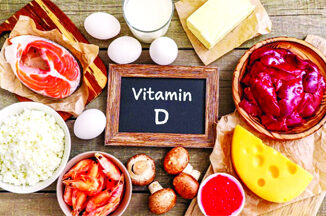
  • Vitamin D and gut health: Why it matters for kids and teens

    Vitamin D and gut health: Why it matters for kids and teens

    You’ve likely heard about vitamin D’s important role in maintaining strong bones and teeth. But it also plays several other important roles to keep your body healthy – including the function of your gut. As part of our research on how a dietary fiber supplement affects bone mass in children and adolescents, the MetA-Bone Trial, we are also studying gut health.
    For this study, we recruited 213 children and adolescents from South Florida, primarily Hispanics, though some were Black. Before having them start taking the fiber supplement, we measured their vitamin D levels to ensure they had adequate amounts. Surprisingly, we found that 68% of these children had suboptimal vitamin D levels.
    Considering South Florida is an area with plenty of sunshine year-round, this was both startling and concerning. While vitamin D can be obtained from foods, most people in the US get this vitamin primarily from skin exposure to sunlight. For youth approaching or experiencing puberty – a period of profound physiological changes, including rapid changes in bone mass – vitamin D deficiency could lead to several health issues.
    Vitamin D is involved in so many bodily functions because there are vitamin D receptors in different organs. These receptors act like docking stations for vitamin D to bind to and trigger different effects in the skin, intestine, bone, parathyroid gland, immune system and pancreas, among others.
    Vitamin D regulates calcium levels in the body, which is key for not only building and maintaining bone mass but also the basic functioning of the nervous system.
    Vitamin D also stimulates cell differentiation, a process in which cells become specialised to carry out specific functions. It is also essential to insulin secretion to control blood sugar levels, blood pressure regulation, muscle repair and regeneration, immune function and nutrient absorption, among many other functions.
    The vitamin D receptors in your gut improve calcium absorption and strengthen your intestinal barrier.
    The intestinal barrier is a layered wall that allows your gut to absorb nutrients and keep out harmful bacteria. This wall is composed of intestinal cells and proteins called tight junctions that act like bricks sealing these cells together. Tight junctions play an important role in maintaining the structure of your intestinal barrier.
    Vitamin D receptors help your gut produce tight junctions to maintain your intestinal barrier. Research suggests that vitamin D deficiency reduces production of the receptors the nutrient binds to, subsequently reducing the seal of the intestinal wall.
    This weakening of the gut barrier may allow substances from the intestine to pass into the blood, causing inflammation. Disruption of the intestinal barrier is linked to many diseases, including liver disease, Type 1 diabetes, obesity and gastrointestinal conditions such as celiac disease, inflammatory bowel disease and colon cancer.
    After discovering that so many of the participants in our MetA-Bone Trial had suboptimal vitamin D levels, we became interested in understanding how this nutrient might be affecting their gut health. For this, we also measured the strength of their intestinal barrier and associated this to their vitamin D levels in blood.
    We found that children with suboptimal vitamin D levels had a higher risk of damaging their intestinal barrier compared with children with optimal vitamin D levels. This finding suggests that even in healthy children, suboptimal levels of vitamin D may compromise the gut and potentially increase the risk of developing chronic diseases at an early age.
    Source: PTI

  • Are afternoon naps bad for you? Here’s what science says

    Are afternoon naps bad for you? Here’s what science says

    In the afternoon, many people see a normal dip in alertness, mostly between 1 pm to 4 pm. Though some believe it’s because of a heavy lunch, experts reveal that the body naturally undergoes cycles of wakefulness and tiredness throughout the day.
    The body clock usually experiences a time of fatigue during early afternoon. Studies suggest that to counteract this period, a short nap not just boosts alertness, it also improves cognitive function.
    These “power naps” helps the brain to rest without slipping into deep sleep.
    But there’s a catch: napping too long could result in waking up feeling worse than before. The duration of these naps plays a crucial role in determining their benefits and potential drawbacks.
    Taking an afternoon nap can boost energy and focus, but if it’s too long, it might do more harm than good. Sleeping for more than 30 minutes can lead to “sleep inertia”, that heavy, groggy feeling after waking up from deep sleep.
    This can leave you feeling more tired and confused than before, especially if you need to do something important right after.
    Once a nap goes beyond half an hour, your brain enters deep sleep.
    Waking up during this stage can make you feel sluggish for up to an hour. Also, napping too late in the day can make it harder to fall asleep at night.
    Research backs up the benefits of short naps. NASA found that a 26-minute nap improved alertness in flight crews by 54% and boosted performance by 34%.
    Athletes often nap to help their muscles recover and to improve reaction time and stamina.
    People in high-stress jobs, like doctors and pilots, also use short naps to stay sharp and avoid mistakes. Experts say the best naps last 10 to 20 minutes and should happen before 2 pm. A cool, dark, and quiet place is ideal. If that’s not possible, eye masks and noise-cancelling headphones can help.
    But napping isn’t for everyone, according to Talar Moukhtarian, Assistant Professor in Mental Health, Warwick Medical School, University of Warwick, who wrote in The Conversation.

  • Natural ways to prevent nighttime heartburn

    Natural ways to prevent nighttime heartburn

    Nighttime heartburn, also known as nocturnal acid reflux, can rob you of quality sleep and leave you feeling groggy and uncomfortable the next day. It occurs when stomach acid flows back into the esophagus, causing a burning sensation in the chest. While over-the-counter medications can help, many people prefer natural remedies to avoid dependency and side effects. Here’s a look at safe, effective ways to prevent nighttime heartburn naturally.
    Elevate Your Upper Body While Sleeping
    Gravity is your friend when it comes to preventing acid reflux. Elevating the head of your bed by 6-8 inches or using a wedge pillow can stop stomach acid from flowing upward during the night.
    Sleep on Your Left Side
    Sleeping on your left side reduces the likelihood of acid leakage into the esophagus. This position helps keep your stomach below your esophagus, aided by gravity.
    Chew Food Thoroughly
    Proper chewing aids digestion and reduces the workload on your stomach, lowering the chances of acid reflux.
    Aloe Vera Juice
    A small amount of aloe vera juice before meals may soothe the esophagus and reduce inflammation. Be sure to choose a decolorized, purified product that is safe for internal use.
    Deglycyrrhizinated Licorice (DGL)
    DGL is a supplement made from licorice root that helps increase the mucus lining of the esophagus, offering protection from acid. It’s best taken chewed 20 minutes before meals.

  • April 4 New York & Dallas E – Edition

    [vc_row][vc_column][vc_custom_heading text=”E-Edition” font_container=”tag:h2|text_align:center” google_fonts=”font_family:Istok%20Web%3Aregular%2Citalic%2C700%2C700italic|font_style:700%20bold%20regular%3A700%3Anormal” css=”” link=”url:https%3A%2F%2Fwww.theindianpanorama.news%2Fwp-content%2Fuploads%2F2025%2F04%2FTIP-April-4-E-Edition.pdf”][vc_single_image image=”181850″ img_size=”full” alignment=”center” onclick=”custom_link” css=”” link=”https://www.theindianpanorama.news/wp-content/uploads/2025/04/TIP-April-4-E-Edition.pdf”][/vc_column][/vc_row][vc_row][vc_column width=”2/3″][vc_custom_heading text=”Lead Stories This Week” google_fonts=”font_family:Istok%20Web%3Aregular%2Citalic%2C700%2C700italic|font_style:700%20bold%20regular%3A700%3Anormal” css=”” link=”url:https%3A%2F%2Fwww.theindianpanorama.news%2F”][vc_wp_posts number=”5″ show_date=”1″][/vc_column][vc_column width=”1/3″][vc_single_image image=”82828″ img_size=”medium” alignment=”center” onclick=”custom_link” css=”” link=”https://www.theindianpanorama.news/advertising-media-kit-portal-indian-panorama/ “][vc_single_image image=”82829″ img_size=”medium” alignment=”center” onclick=”custom_link” css=”” link=”https://www.theindianpanorama.news/advertising-media-kit-portal-indian-panorama/ “][/vc_column][/vc_row]

  • Skipping sleep can mess up your metabolism

    Skipping sleep can mess up your metabolism

    A poor night’s sleep can leave you feeling tired and sluggish, but did you know it can also lead to weight gain?

    In recent years, researchers have found a strong connection between sleep deprivation and obesity. A study conducted at the University of Chicago sheds light on how lack of sleep affects appetite and food choices.

    Sleep helps the body recover and repair itself. It gives time to the brain to filter out toxins and makes the body ready for the next day.

    The link between sleep and weight gain is essential to understand, since a night’s rest impacts how well your metabolism works. Studies show that around 30-40% of obese patients have obstructive sleep apnea. They usually stay awake during the night, resulting in insomnia.

    Chronic sleep deprivation can have serious health consequences, especially causing overeating.

    Dr. Sunita Nagpal, General Physician at Salubritas Medcentre, warned that chronic sleep deprivation can have serious health consequences, especially causing overeating.

    “Lack of sleep affects the hormones leptin and ghrelin, which regulate hunger. Less sleep leads to lower leptin levels, making the body feel hungrier, while ghrelin levels increase, stimulating appetite. This imbalance often results in late-night snacking and overeating.”

    Lack of sleep can also feel too tired to exercise. So, reduced physical activity can also lead to weight gain. She explained that inadequate sleep can disrupt insulin production, increasing the risk of diabetes and obesity. “Sleep is also essential for hormone production, including testosterone and growth hormone, which are necessary for muscle growth and repair,” said Dr. Nagpal.        Source: HT

  • Tips to lose weight without starving

    Tips to lose weight without starving

    Losing weight doesn’t have to mean constant hunger or extreme dieting. Many people believe that the only way to shed pounds is by drastically cutting calories, but this approach often backfires, leading to frustration and unhealthy eating habits. The good news is that you can achieve sustainable weight loss without starving yourself. Here’s how:

    Eat Nutrient-Dense Foods

    Instead of focusing on reducing food intake, shift your focus to eating the right foods. Nutrient-dense foods, such as fruits, vegetables, lean proteins, whole grains, and healthy fats, keep you full longer while providing essential vitamins and minerals. Fiber-rich foods, like legumes and leafy greens, help with digestion and prolong satiety.

    Prioritize Protein

    Protein is a key macronutrient for weight loss. It helps build and repair tissues, supports metabolism, and keeps you feeling full. Include protein-rich foods like chicken, fish, eggs, tofu, beans, and Greek yogurt in your meals to reduce cravings and maintain muscle mass while losing fat.

    Stay Hydrated

    Thirst is often mistaken for hunger. Drinking enough water throughout the day helps regulate appetite and prevents unnecessary snacking. Aim for at least eight glasses of water daily, and consider drinking a glass before meals to help control portion sizes.

    Eat Smaller, Frequent Meals

    Rather than skipping meals or eating large portions at once, opt for smaller, well-balanced meals throughout the day. Eating every 3-4 hours helps stabilize blood sugar levels and keeps your metabolism active, reducing hunger pangs and energy crashes.

    Avoid Processed Foods and Sugary Snacks

    Highly processed foods and sugary treats can cause rapid spikes and crashes in blood sugar, leading to cravings and overeating. Instead, choose whole, unprocessed foods.

  • Silent heart attack: Warning signs you shouldn’t ignore

    Silent heart attack: Warning signs you shouldn’t ignore

    When we think of a heart attack, we often picture someone clutching their chest in severe pain, struggling to breathe. However, not all heart attacks are this dramatic. Some heart attacks occur without the person even realizing it-these are called silent heart attacks.

    Understanding a Silent Heart Attack

    A silent heart attack, also known as a silent myocardial infarction (SMI), occurs when the blood supply to the heart is blocked, but the symptoms are mild or go unnoticed. Unlike a typical heart attack, which presents with severe chest pain and obvious distress, a silent heart attack may feel like minor discomfort, fatigue, or even indigestion.

    Despite the lack of noticeable symptoms, a silent heart attack can cause significant damage to the heart muscle, increasing the risk of future heart problems, including another heart attack, heart failure, or irregular heart rhythms.

    Symptoms of a Silent Heart Attack

    Since the symptoms of a silent heart attack are subtle, they are often mistaken for less serious conditions. Some common signs include:

    –              Mild chest discomfort, pressure, or tightness

    –              Unexplained fatigue or weakness

    –              Shortness of breath

    –              Lightheadedness or dizziness

    –              Pain in the jaw, arms, back, or stomach

    –              Nausea or indigestion-like discomfort

    Many people dismiss these symptoms, attributing them to stress, acid reflux, or exhaustion. This is why silent heart attacks often go undiagnosed until a doctor detects signs of past heart damage during a routine check-up.

    Who Is at Risk?

    Several factors can increase the risk of experiencing a silent heart attack, including:

    –              High blood pressure, High cholesterol, Diabetes, Smoking, Obesity, A sedentary lifestyle, A family history of heart disease, High levels of stress

    People with diabetes are particularly at risk because nerve damage caused by the condition can make it harder to sense pain, potentially masking heart attack symptoms.

    How Is a Silent Heart Attack Diagnosed?

    Since the symptoms are not obvious, a silent heart attack is often discovered later through medical tests. These may include:

    –              Electrocardiogram (ECG or EKG): Detects irregularities in heart activity that may indicate a past heart attack.

    –              Blood tests: Measure enzyme levels released by the heart during a heart attack.

    –              Echocardiogram: Uses ultrasound to assess heart function and detect areas of damage.

    –              Stress test: Evaluates how well the heart functions under exertion.

    Prevention and Treatment

    The best way to prevent a silent heart attack is to maintain a heart-healthy lifestyle. This includes:

    –              Eating a balanced diet rich in fruits, vegetables, and whole grains

    –              Exercising regularly

    –              Managing stress

    –              Avoiding smoking and excessive alcohol consumption

    –              Keeping blood pressure, cholesterol, and blood sugar levels in check

    If a silent heart attack is detected, a doctor may recommend medications such as blood thinners, cholesterol-lowering drugs, or beta-blockers to reduce the risk of future heart problems. In some cases, medical procedures like angioplasty or bypass surgery may be necessary.

  • March 28 New York & Dallas E – Edition

    [vc_row][vc_column][vc_custom_heading text=”E-Edition” font_container=”tag:h2|text_align:center” google_fonts=”font_family:Istok%20Web%3Aregular%2Citalic%2C700%2C700italic|font_style:700%20bold%20regular%3A700%3Anormal” css=”” link=”url:https%3A%2F%2Fwww.theindianpanorama.news%2Fwp-content%2Fuploads%2F2025%2F03%2FTIP-March-28-E-Edition.pdf”][vc_single_image image=”181502″ img_size=”full” alignment=”center” onclick=”custom_link” css=”” link=”https://www.theindianpanorama.news/wp-content/uploads/2025/03/TIP-March-28-E-Edition.pdf”][/vc_column][/vc_row][vc_row][vc_column width=”2/3″][vc_custom_heading text=”Lead Stories This Week” google_fonts=”font_family:Istok%20Web%3Aregular%2Citalic%2C700%2C700italic|font_style:700%20bold%20regular%3A700%3Anormal” css=”” link=”url:https%3A%2F%2Fwww.theindianpanorama.news%2F”][vc_wp_posts number=”5″ show_date=”1″][/vc_column][vc_column width=”1/3″][vc_single_image image=”82828″ img_size=”medium” alignment=”center” onclick=”custom_link” css=”” link=” https://www.theindianpanorama.news/advertising-media-kit-portal-indian-panorama/ “][vc_single_image image=”82829″ img_size=”medium” alignment=”center” onclick=”custom_link” css=”” link=” https://www.theindianpanorama.news/advertising-media-kit-portal-indian-panorama/ “][/vc_column][/vc_row]

  • Not BMI, waist size a crucial marker in predicting cancer in men

    Researchers are now suggesting that waist circumference is a stronger predictor of cancer risk in men compared to body mass index. The study, conducted by scientists from Lund University, Sweden, was published in The Journal of the National Cancer Institute.
    Traditionally, BMI has been used to assess obesity-related cancer risks. However, researchers found that waist circumference, which measures fat around the abdomen, is a better indicator of cancer risk – especially for men.
    The study analysed health data from 3,39,190 people in Sweden over nearly four decades.
    A larger waist size (about 11 cm or 4.3 inches more) in men was linked to a 25% higher risk of developing obesity-related cancers.
    In comparison, an increase in BMI was associated with a 19% higher risk in men.
    Even after adjusting for BMI, a higher waist circumference still predicted greater cancer risk in men, suggesting abdominal fat is particularly harmful.
    In women, both waist circumference and BMI were similarly linked to cancer risk, with a 13% increase observed for both.
    Researchers believe that men tend to store more fat around the abdomen (visceral fat), while women accumulate more fat under the skin and in peripheral areas.
    Visceral fat is linked to inflammation and insulin resistance, both of which increase cancer risk. The study suggests that measuring waist size alongside BMI could improve cancer risk predictions, especially for men. For women, adding hip circumference to assessments may provide better insights into fat distribution and cancer risk.
    “Our study provides evidence that waist circumference is a stronger risk factor than BMI for obesity-related cancers in men, but not in women. Waist circumference appears to provide additional risk information beyond that conveyed by BMI in men,” the researchers concluded.
    The reason waist size is not as strong a cancer risk factor for women as it is for men could be due to differences in how body fat and hormones affect cancer risk.

  • Leptin resistance and how it affects your body

    Leptin resistance and how it affects your body

    The secretion of the leptin hormone is a cue that your body is feeling full, and you should stop eating. However, many tend to overpass this, leading to chronic conditions like obesity, according to integrative health coach Dr Harshini Jain. “A lot of obese people are leptin resistant. They keep on hogging on food such that the body is not able to read the cue from the hormone,” Dr Jain claimed.
    Dr Manjusha Agarwal, senior consultant, internal medicine, Gleneagles Hospital Parel Mumbai, said leptin resistance is seen when the brain becomes less responsive to the leptin hormone, which is produced by fat cells. “This hormone helps regulate hunger and a person’s energy spending. Regarding a healthy metabolic system, leptin signals to the brain that enough energy is stored in fat reserves, helping to control appetite and promote satiety after meals. However, ones with leptin resistance can have constant feelings of hunger and higher food intake, leading to piling up those excess kilos,” explained Dr Agarwal.
    Leptin resistance has been linked to “various health issues including obesity-related inflammation and an increased risk for chronic conditions like type 2 diabetes and cardiovascular disease”, noted Dr Agarwal.
    “Interestingly, factors such as sleep deprivation, stress, and diets high in processed foods can exacerbate the condition by contributing to systemic inflammation,” said Dr Agarwal.
    Dr Agarwal said that to deal with leptin resistance, avoid processed food, adhere to a well-balanced diet, exercise daily, get a minimum of 8-9 hours of sleep daily, and eat a protein-rich diet. “It is essential to take the help of an expert when it comes to diet and follow the guidelines to ensure you stay in top shape,” said Dr Agarwal. Source: The Indian Express

  • Healthy superfoods to boost your brain, memory and focus

    Healthy superfoods to boost your brain, memory and focus

    Like our body, our brain also needs healthy nutrients to boost its cognitive function and overall health of our body. Though no magic pill can prevent cognitive decline, eating good food and including superfoods in your diet can ensure your brain stays healthy. In a video shared on Instagram, Dr Kunal Sood, double board certified MD and health content creator, emphasised eating superfoods that are good for your brain health.Here are some superfoods he suggested that everyone should eat to boost their brain health:
    Chia seeds
    Chia seeds are a favourite superfood for those trying to boost their fibre intake or lose weight. But did you know they could also boost your brain health? High in omega-3s, per Dr Sood, chia seeds also provide essential fatty acids that support brain health and reduce neuroinflammation. “Their low glycemic index also helps maintain stable energy levels for optimal brain function,” he added.
    Walnuts
    Per Dr Sood, walnuts are great superfoods if your aim is to improve your brand health. It is packed with antioxidants and anti-inflammatory compounds that may help ‘reduce oxidative stress and slow cognitive decline’. He added, “Studies suggest they improve brain function and may lower the risk of Alzheimer’s.”
    Blueberries
    The second superfood is blueberries. “These tiny berries are rich in anthocyanins, which boost blood flow to the brain and enhance cognitive function,” Dr Soof explained. Moreover, research shows that consuming blueberries can improve memory and brain activity in older adults, he added.
    Avocados
    If you enjoy eating avocados, this is good news for you. Full of monounsaturated fats, carotenoids, and essential nutrients, avocados support brain function and may enhance cognitive performance. “One study found that daily avocado consumption improved attention and mental processing,” Dr Sood said.
    Salmon
    Salmon is a top source of omega-3 fatty acids (EPA and DHA). It helps reduce inflammation and supports memory, problem-solving skills, and executive function. Regular intake has been linked to increased grey matter in the brain.
    Dark chocolate
    Craving dark chocolate may not just soothe your sweet cravings, but also boost your health. “Rich in polyphenols and flavonoids, dark chocolate enhances blood flow to the brain, boosting cognitive function and mental alertness. Plus, theobromine and caffeine give you an extra brain-boosting kick,” Dr Sood explained. Source: HT

  • Take care of your chemically-straightened hair

    Take care of your chemically-straightened hair

    Maintaining chemically straightened is a tough task. You need to use a combination of the right tools and techniques to keep it healthy and supple.
    Avoid any heating products
    The last thing you wanna do is damage your hair just after infusing it with chemicals! Remember that hair dryers and straightening irons exude heat. So hold off on these for as long as you can. If you absolutely must use a blow dryer, make sure you opt for the cold setting. Note: Showering with hot water is a total no-no; use lukewarm water instead so you don’t end up stripping moisture.
    Condition daily, but use shampoo sparingly
    Keep that fancy shampoo on the shelf and avoid eye contact as much as possible. Some veteran straightening divas even swear by the ‘no shampoo philosophy.’ But if you’re too OCD for that, then atleast make sure you cut down shampooing to every 2-3 days. Instead you should use conditioner daily for that shiny, straight look.
    protect your hair from sun and pollution
    Those long afternoons at the poolside to get the perfect tan need to be managed differently now. The harsh sun’s rays, coupled with the dusty air can really damage your chemically treated hair. Here’s a necessary purchase you can totally justify – a fancy sun hat, stylish scarf or fashionable umbrella. Who said you can’t look cool while trying to look hot.
    Step up on haircut frequency
    Did you know that Straight hair is probably the most prone to split ends? Make sure you don’t forget to get that trim every four to six weeks to snip off split ends and keep them looking sharp and healthy.

  • March 21 New York & Dallas E – Edition

    [vc_row][vc_column][vc_custom_heading text=”E-Edition” font_container=”tag:h2|text_align:center” google_fonts=”font_family:Istok%20Web%3Aregular%2Citalic%2C700%2C700italic|font_style:700%20bold%20regular%3A700%3Anormal” css=”” link=”url:https%3A%2F%2Fwww.theindianpanorama.news%2Fwp-content%2Fuploads%2F2025%2F03%2FTIP-March-21-E-Edition.pdf”][vc_single_image image=”181136″ img_size=”full” alignment=”center” onclick=”custom_link” css=”” link=”https://www.theindianpanorama.news/wp-content/uploads/2025/03/TIP-March-21-E-Edition.pdf”][/vc_column][/vc_row][vc_row][vc_column width=”2/3″][vc_custom_heading text=”Lead Stories This Week” google_fonts=”font_family:Istok%20Web%3Aregular%2Citalic%2C700%2C700italic|font_style:700%20bold%20regular%3A700%3Anormal” css=”” link=”url:https%3A%2F%2Fwww.theindianpanorama.news%2F”][vc_wp_posts number=”5″ show_date=”1″][/vc_column][vc_column width=”1/3″][vc_single_image image=”82828″ img_size=”medium” alignment=”center” onclick=”custom_link” css=”” link=”https://www.theindianpanorama.news/advertising-media-kit-portal-indian-panorama/ “][vc_single_image image=”82829″ img_size=”medium” alignment=”center” onclick=”custom_link” css=”” link=”https://www.theindianpanorama.news/advertising-media-kit-portal-indian-panorama/ “][/vc_column][/vc_row]

  • How a consistent bedtime routine is the ultimate hack to good quality sleep

    How a consistent bedtime routine is the ultimate hack to good quality sleep

    A regular bedtime routine is key to improving sleep quality, with studies showing that people who follow a consistent schedule experience better rest and overall well-being. Research highlights that erratic sleep patterns can lead to disturbances, making it harder to fall asleep and stay asleep. A recent survey conducted by YouGov, Internet-based market research and data analytics firm, and Amazon Alexa across 10 Indian cities found that 53% of respondents experienced sleep issues when they did not follow a fixed bedtime routine.
    In contrast, 54% of adults reported noticeable improvements in sleep quality when maintaining a regular schedule.
    Besides this, 52% of respondents said they actively follow a consistent bedtime routine, highlighting the growing awareness around healthy sleep habits. The study also revealed that 86% of respondents begin their bedtime routine after 8 pm, with 53% starting after 10:30 pm.
    Popular nighttime activities included watching videos (63%), engaging with family and friends (59%), listening to music, podcasts, or audiobooks (58%), and scrolling through social media (57%).
    Scientific research has long supported the importance of sleep consistency. A study published in journal Hypertension, stressed that individuals with irregular sleep schedules face a higher risk of metabolic disorders and cardiovascular diseases.
    The American Academy of Sleep Medicine also recommends maintaining a fixed bedtime and wake-up time to support cognitive function and mental health. Source: India Today

  • Want to lose weight loss: Eating nuts, seeds ‘may not be great’

    Want to lose weight loss: Eating nuts, seeds ‘may not be great’

    Nuts and seeds – like almonds, cashews, chia seeds and more – are a great source of nutrients and often become a part of our daily diet when we are on a transformation journey that includes weight loss or weight maintenance. But, are nuts and seeds good for your weight loss and health?
    In a video posted on Instagram, a certified fitness and nutrition coach, Raj Ganpath, talked about the 4 things to keep in mind if you consume nuts and seeds in your daily diet, including if your aim is to lose weight. His answers may surprise you.
    The nutritionist shared a video titled ‘Are nuts and seeds good for weight loss and health?’ with the caption, “If you’re having chia or flax seeds mainly for fibre, psyllium husk is a better option. If you’re having nuts and seeds mainly for protein, they are not efficient sources because, for each calorie of protein, you also consume 4x calories from fat.”
    In the clip, Raj talked about the nutritional value of nuts and seeds like chia seeds, flax seeds, almonds, cashews, walnuts, pistachios, and more. He also revealed how much you should consume if your goal is weight loss, weight gain, and weight maintenance. Here are 5 things to keep in mind, per the nutritionist:
    1. ‘Nuts and seeds are actually quite nutritious’
    Per Raj Ganpath, nuts and seeds are quite nutritious. They contain quite a bit of micronutrients and macronutrients, and so they are healthful (beneficial to the health of the body or mind).
    2. Macronutrients
    “When I say macronutrients, they contain fats, proteins, and carbs. But, they contain a lot more fat than protein and carbs as a result of which they are mostly a source of fat,” he explained.
    3. Dense in calories
    Because nuts and seeds have a lot of fat, they are dense in calories. That means even a small amount of nuts can add significant calories to your body.
    4. Do nuts fit in your diet?
    “A lot of foods are healthful, but it’s important for us to understand the balance between energy and nutrients to see how they fit,” the nutritionist explained.
    So, if your goal is weight gain, then nuts and seeds are a great addition to your diet as they are high in calories and nutrients – a double win. “If your goal is weight maintenance – you can certainly include nuts and seeds in your diet, but you need to practise portion control. You want the nutrients, but you don’t want too many calories,” the nutritionist suggested.
    However, if your goal is weight loss, then nuts and seeds may not be a great addition because even though they contain some nutrients, ‘they contain too many calories’. Consuming them can make it hard for you to create that calorie deficit which is necessary for weight loss. Source: HT

  • New antibody reduces tumor growth in treatment-resistant breast, ovarian cancers

    New antibody reduces tumor growth in treatment-resistant breast, ovarian cancers

    Immunotherapy, or antibody treatment that activates the patient’s own immune system against cancer, is increasingly being studied as an alternative to chemotherapy and radiotherapy. This is because it directly targets cancer cells, reducing the negative effects associated with more conventional treatments.
    Tumours, such as some breast and ovarian cancers, can express the marker HER2. HER2 is responsible for cancer growth and is the target of existing therapies, such as the most commonly used type of antibodies, IgG. However, this treatment is not always effective in some patients.
    Now, scientists have investigated a different antibody type, IgE, which activates the patient’s immune system in different ways than IgG. As they act on different immune cells to IgG, IgE antibodies uniquely stimulate otherwise inactive immune cells in the ‘microenvironment’ surrounding the tumour to target the cancer cells directly.
    In the study, led by Dr Heather Bax at King’s College London, the team engineered IgE versions of existing IgG therapies and tested their ability to activate immune cells against HER2-expressing cancer cells.
    IgE was shown to direct immune cells against HER2-expressing cancer cells, and slowed tumour growth in mice. The tumours grown in mice are known to be resistant to conventional treatments, suggesting this new treatment could be an option for patients who don’t respond to existing therapy.
    Further investigation revealed that IgE antibodies stimulated and reprogrammed the ‘immune microenvironment’ around the tumours themselves, shifting from an immunosuppressive to an immunostimulatory response. This means the immune system was activated to target the cancer cells and overcome the tumour’s actions to suppress attack. The study has shown the potential of IgE as a new therapy for HER2-expressing cancers, including those resistant to other treatments. The researchers believe that, with the right investment and development, this approach could be used in humans in as soon as 3-5 years. Source: ANI

  • March 14 New York & Dallas E – Edition

    [vc_row][vc_column][vc_custom_heading text=”E-Edition” font_container=”tag:h2|text_align:center” google_fonts=”font_family:Istok%20Web%3Aregular%2Citalic%2C700%2C700italic|font_style:700%20bold%20regular%3A700%3Anormal” css=”” link=”url:https%3A%2F%2Fwww.theindianpanorama.news%2Fwp-content%2Fuploads%2F2025%2F03%2FTIP-March-14-E-Edition.pdf”][vc_single_image image=”180736″ img_size=”full” alignment=”center” onclick=”custom_link” css=”” link=”https://www.theindianpanorama.news/wp-content/uploads/2025/03/TIP-March-14-E-Edition.pdf”][/vc_column][/vc_row][vc_row][vc_column width=”2/3″][vc_custom_heading text=”Lead Stories This Week” google_fonts=”font_family:Istok%20Web%3Aregular%2Citalic%2C700%2C700italic|font_style:700%20bold%20regular%3A700%3Anormal” css=”” link=”url:https%3A%2F%2Fwww.theindianpanorama.news%2F”][vc_wp_posts number=”5″ show_date=”1″][/vc_column][vc_column width=”1/3″][vc_single_image image=”82828″ img_size=”medium” alignment=”center” onclick=”custom_link” css=”” link=” https://www.theindianpanorama.news/advertising-media-kit-portal-indian-panorama/”][vc_single_image image=”82829″ img_size=”medium” alignment=”center” onclick=”custom_link” css=”” link=” https://www.theindianpanorama.news/advertising-media-kit-portal-indian-panorama/”][/vc_column][/vc_row]

  • 40% of adults with chronic pain could have anxiety, depression

    40% of adults with chronic pain could have anxiety, depression

    About 40% of adults experiencing chronic, persistent pain could also have anxiety or depression, a study has found.
    It observed that women, youngsters and those suffering from nociplastic pain, such as fibromyalgia, are most likely to experience such pain.
    Nociplastic pain arises from changes in how one’s central nervous system processes pain. Fibromyalgia is a condition marked by widespread body ache and tenderness, along with fatigue, and mood and sleep disorders.
    During the study published in the Journal of the American Medical Association (JAMA) Network Open, the researchers reviewed 376 surveys, involving nearly 3.5 lakh people from across 50 countries. The participants were aged about 50 years on average, and about 70 per cent were women.
    The most commonly reported chronic pain conditions in the study included fibromyalgia, low back pain and rheumatoid arthritis (inflammation of joints). Pain is said to be chronic if it persists beyond a maximum of three months.
    “In this systematic review and meta-analysis of depression and anxiety among individuals with chronic pain, approximately 40 per cent of adults had clinically significant depression and anxiety,” the authors wrote.
    Therefore, a mental health screening of patients with chronic pain is critical, they said.
    While acute pain can be caused by an injury or surgery, its transition to chronic pain has psychological undertones, according to the biopsychosocial model of pain. Developed in the 1970s, the model suggests that one’s experience of pain in response to an external trigger is a complex interplay of biological, psychological, social and cultural factors.
    Women are considered especially vulnerable to chronic pain, owing to varied factors, including hormonal cycles and heightened emotional responses.
    Further, “women, younger people, and people with nociplastic pain (arising from changes in how one perceives pain) were most likely to have depression and anxiety,” the authors wrote.
    According to a 2023 round-up article on pain research in The Lancet journal, the biopsychosocial risk factors of poor sleep, despondency, tiredness, stress and a Body Mass Index (BMI) of over 30 were the most important reasons for localised pain progressing into chronic pain. While treatments commonly involve anti-inflammatory drugs and prescription medicines, such as antidepressants and opioids, experts strongly recommend psychotherapy sessions as well.
    “Treatments for the most common types of chronic pain (Examples: fibromyalgia, chronic low back pain) have limited impact on pain intensity, meaning many people will live with their pain long-term,” said Dr Bronwyn Thompson, senior lecturer, department of orthopaedic surgery and musculoskeletal medicine, University of Otago, New Zealand. He was not involved in the study.

  • Blood test shows promise for early detection of dementia

    Blood test shows promise for early detection of dementia

    A simple blood test for people with a certain sleep disorder may help predict the development of dementia years before symptoms occur, according to a new study.
    Idiopathic REM sleep behavior disorder (iRBD) causes people to physically act out their dreams while sleeping. The disorder is also associated with a very high risk of Parkinson’s disease and a related condition called Dementia with Lewy Bodies. This is a form of dementia that often causes memory and cognitive loss, as well as vivid visual hallucinations and movement difficulties similar to Parkinson’s.
    McGill University researchers have discovered that a blood test, originally developed to detect Alzheimer’s disease, could also identify which patients with the iRBD sleep disorder are most likely to develop Dementia with Lewy Bodies. The blood test analyzes two proteins in the blood that serve as biomarkers for Alzheimer’s. “Detecting dementia risk early could have significant implications for how doctors guide patients, helping them plan for the future and potentially allowing for more personalized, effective treatments,” said Dr Ronald Postuma, a Professor in McGill’s Department of Neurology and a clinical researcher at The Neuro (Montreal Neurological Institute-Hospital).
    Researchers followed 150 iRBD patients, testing their blood for the biomarkers and tracking their health annually. Remarkably, the blood test, taken four years before, predicted dementia in almost 90 per cent of the patients who later developed the disease.
    This study also suggests the early stages of Parkinson’s and Alzheimer’s have more in common than previously thought.
    “Our findings suggest that Alzheimer’s treatments could also be tested in patients with this sleep disorder. Perhaps, if treatments start early enough, Dementia with Lewy Bodies can be prevented,” said first author Dr Aline Delva, who was a research fellow at The Neuro during the study.
    The research team plans to expand the study to confirm how well the test can predict dementia risk in patients with diagnosed Parkinson’s disease as well as other populations at risk for Dementia with Lewy Bodies.

  • Researchers create gel that can self-heal like human skin

    Researchers create gel that can self-heal like human skin

    Gels are commonly used products that are soft and sticky. They can be applied to hair or to the jelly-like components in various foodstuffs. While human skin shares gel-like characteristics, it has unique qualities that are very hard to replicate. It combines high stiffness with flexibility, and it has remarkable self-healing capabilities, often healing completely within 24 hours after injury.
    Until now, artificial gels have either replicated this high stiffness or natural skin’s self-healing properties, but not both. Now, a team of researchers from Aalto University and the University of Bayreuth is the first to develop a hydrogel with a unique structure that overcomes earlier limitations, opening the door to applications such as drug delivery, wound healing, soft robotics sensors, and artificial skin.
    In the breakthrough study, the researchers added exceptionally large and ultra-thin specific clay nanosheets to hydrogels, which are typically soft and squishy. The result is a highly ordered structure with densely entangled polymers between nanosheets, improving the hydrogel’s mechanical properties and allowing it to self-heal.
    The secret of the material lies not only in the organised arrangement of the nanosheets, but also in the polymers that are entangled between them – and a process that’s as simple as baking. Postdoctoral researcher Chen Liang mixed a powder of monomers with water that contains nanosheets. The mixture was then placed under a UV lamp – similar to that used to set gel nail polish. ‘The UV-radiation from the lamp causes the individual molecules to bind together so that everything becomes an elastic solid – a gel,’ Liang explains.

  • March 7 New York & Dallas E – Edition

    [vc_row][vc_column][vc_custom_heading text=”E-Edition” font_container=”tag:h2|text_align:center” google_fonts=”font_family:Istok%20Web%3Aregular%2Citalic%2C700%2C700italic|font_style:700%20bold%20regular%3A700%3Anormal” css=”” link=”url:https%3A%2F%2Fwww.theindianpanorama.news%2Fwp-content%2Fuploads%2F2025%2F03%2FTIP-March-7-E-Edition.pdf”][vc_single_image image=”180298″ img_size=”full” alignment=”center” onclick=”custom_link” css=”” link=”https://www.theindianpanorama.news/wp-content/uploads/2025/03/TIP-March-7-E-Edition.pdf”][/vc_column][/vc_row][vc_row][vc_column width=”2/3″][vc_custom_heading text=”Lead Stories This Week” google_fonts=”font_family:Istok%20Web%3Aregular%2Citalic%2C700%2C700italic|font_style:700%20bold%20regular%3A700%3Anormal” css=”” link=”url:https%3A%2F%2Fwww.theindianpanorama.news%2F”][vc_wp_posts number=”5″ show_date=”1″][/vc_column][vc_column width=”1/3″][vc_single_image image=”82828″ img_size=”medium” alignment=”center” onclick=”custom_link” css=”” link=” https://www.theindianpanorama.news/advertising-media-kit-portal-indian-panorama/”][vc_single_image image=”82829″ img_size=”medium” alignment=”center” onclick=”custom_link” css=”” link=” https://www.theindianpanorama.news/advertising-media-kit-portal-indian-panorama/”][/vc_column][/vc_row]

  • Key protein identified for treating Alzheimer’s

    Key protein identified for treating Alzheimer’s

    A team of researchers from the University of Cologne has made an important contribution to understanding the role of the tau protein in Alzheimer’s disease.
    Using human induced pluripotent stem cells (iPSCs), the international team demonstrated that a specific variant of the tau protein, known as the 1N4R isoform, mediates the harmful effects of protein clumping in human brain cells.
    The study was led by Dr. Hans Zempel from the Institute of Human Genetics, who is also a group leader in the Career Advancement Program (CAP) at the Center for Molecular Medicine Cologne (CMMC) of the University of Cologne and University Hospital Cologne. If a person suffers from Alzheimer’s disease, certain proteins accumulate in brain cells, forming clumps that restrict normal cell function or even cause the cell to die.
    Dr Buchholz and Dr Zempel’s team have used state-of-the-art techniques such as CRISPR/Cas9 gene editing and live-cell imaging in human induced pluripotent stem cells (iPSCs) to demonstrate that the 1N4R tau isoform is responsible for the pathological effects on the cell. iPSCs are human stem cells that are generated from other cells. For example, skin cells can be reprogrammed into iPSCs and then transformed into brain cells (neurons). The researchers tested different forms of the tau protein by expressing them specifically in nerve cells. This allowed them to analyse how each protein isoform affects the cell.
    According to Dr Sarah Buchholz, first author of the study, “this study represents a significant advance in helping us to understand the mechanisms of Alzheimer’s disease. By identifying 1N4R tau as a key protein, we have discovered a potential new target for future treatments.”

  • India may have over 440 million overweight people by 2050: Lancet study

    By 2050, India could have over 440 million obese and overweight people, a global analysis published in The Lancet journal has estimated. Number of overweight and obese adults by mid-century in India (218 million men and 231 million women) could be the second highest in the world, after China, with the US, Brazil and Nigeria expected to rank third, fourth and fifth, respectively, the findings by an international team of researchers reveal.
    These researchers, including those from the Indian Council of Medical Research, collaborated for the Global Burden of Disease (GBD) Study 2021.
    As per the study, already almost half the world’s adults — a billion men and over a billion women aged 25 years and above — were overweight and obese in 2021. In India, the numbers were over nearly 180 million — 81 million men and 98 million women.
    However, by 2050, this number globally could rise to nearly 3.8 billion — 1.8 billion men and 1.9 billion women — “over half of the likely global adult population at that time”, the authors said.
    “While China, India, and the USA will continue to constitute a large proportion of the global population with overweight and obesity, the number in the sub-Saharan Africa super-region is forecasted to increase by 254.8 per cent,” they wrote.
    The researchers also estimated that about 16 million boys and over 14 million girls in India, aged 5-14 years, could be overweight and obese by 2050, making it world’s second highest after China.
    However, in the 15-24 age group, the world’s highest burden could come from India, with over 22 million men and nearly 17 million women in the country suffering from this health crisis in 2050.
    Lead author Emmanuela Gakidou, Institute for Health Metrics and Evaluation (IHME), University of Washington, US, which coordinates the GBD study, said, “The unprecedented global epidemic of overweight and obesity is a profound tragedy and a monumental societal failure.” The study, the “most comprehensive global analysis to date”, could help governments and the public health community “identify priority populations experiencing the greatest burdens of obesity who require immediate intervention and treatment, and those that remain predominantly overweight and should be primarily targeted with prevention strategies”, Gakidou said.
    The latest estimates come against the backdrop of Prime Minister Narendra Modi making a strong pitch for combating obesity in his monthly ‘Mann Ki Baat’ radiocast on February 23.
    Obesity will have to be dealt with to be a fit and healthy nation, he said. Obesity, a body mass index (BMI) of over 30, is known to have wide-ranging effects, including raising one’s risk of metabolic and heart disease.