Tag: Health

Read the latest health news, diet, fitness, medical news and healthcare tips on theindianpanorama.news/health. Get all the healthcare news, including wellness, fitness, diet and weight loss & more.

  • WHY WOMEN CHEAT

    WHY WOMEN CHEAT

    Cultural stereotypes inform that it’s mostly men who cheat on their wives or girlfriends and not the other way around, but clinical research details that nearly as many women cheat as their counterpart. Women who step out on their husband or their significant other, do so for any number of reasons, the five most common of which are: Firstly, the woman must feel that she is under-appreciated, neglected, or ignored.

    A woman who felt more like a housekeeper, financial provider, or nanny than a wife or girlfriend is more susceptible to finding an external situation, which brings attention and appreciation for who she is rather than the functions that she performs. Another reason for the adultery can be that the woman must be craving intimacy as women feel valued and connected to their partner through non-sexual emotional interaction like touching, kissing, cuddling, gift-giving, being remembered, and meaningful communication.

    Women, who are unable to get their intimacy needs fulfilled by a primary partner may look elsewhere and try to meet the needs through sexual/romantic relationships. Thirdly, the woman could be bored or may be lonely. Women, who find themselves alone at home for long periods of time, can feel that their lives lack meaning, and they could use casual sex or deeper romantic affairs to fill the void inside their lives.

    Women with spouses or partners who are absent for long periods of time for example military service, may also turn to affairs to fill what feels like an emptiness. Fourthly, the woman will cheat if she never feels fully loved and appreciated. Some females have unrealistic expectations about what a longterm spouse or partner should offer them emotionally and in other ways and when their partner fails them, they feel justified in seeking attention elsewhere. Lastly, the women can have an intimacy disorder. Early childhood trauma and/or sexual abuse often lead women (and men) to problems with addictive sex and/or serial cheating and they can seek consistency and feelings of importance through intensitybased romantic and/or sexual activity.

  • APPLE MASK FOR CLEAR SKIN

    APPLE MASK FOR CLEAR SKIN

    If you are suffering from tired, stressed out skin, use an apple face mask to brighten your skin instantly. Apple contains vitamins A, B, C and antioxidant properties that relieves damage due to constant exposure to dirt and grime. Apples are also known to treat your skin from sunburns. They contain glycolic acid which helps exfoliate and clear your pores. Apple contains elements which help remove skin dead cells and make skin fairer. It can help remove blemishes. It is very effective for pimple removal. Apple pulp when applied on skin can maintain skin PH and help get over dangerous skin infections. Take one apple, apply its pulp on skin for 20 minutes and wash. After washing apply moisturiser. This mask is suited for all skin types.

    Benefits of apple The benefits of apple is not just one.

    Chew an apple after your meal for pearly white teeth. Regular intake of apple helps reduce wrinkles and fine lines. It is great to use as an anti-ageing mask because of the high content of antioxidants. Place slices of apple under your eyes to reduce dark circles and puffy eyes. Mash a quarter of an apple with cream milk and apply it on your face to reduce blemishes and dark spots. It also balances oil production in your skin and reduces the flow of sebum. Apple is known to be an excellent treatment for acne. Apart from this, apple is also known to provide hydration to your skin. Use it as an exfolliant by grating it and applying it all over your face.

  • Sanjay Gupta backs medical marijuana, apologizes for previous views

    Sanjay Gupta backs medical marijuana, apologizes for previous views

    NEW YORK (TIP): One of America’s most prominent doctors says he has shifted his stance in support of medical marijuana. Dr. Sanjay Gupta, chief medical correspondent at CNN and a CBS News contributing medical correspondent, wrote a post on CNN.com called,

    “Why I changed my mind on weed,” in which he describes his change of heart that occurred while filming a documentary, aptly titled, “Weed.” “Long before I began this project, I had steadily reviewed the scientific literature on medical marijuana from the United States and thought it was fairly unimpressive,” wrote Gupta. “Well, I am here to apologize.” Gupta says he was too dismissive of the “loud chorus” of legitimate patients whose symptoms improved with help from medical marijuana. He now says,

    “I mistakenly believed the Drug Enforcement Agency listed marijuana as a schedule 1 substance [a category of dangerous drugs] because of sound scientific proof.” “They didn’t have the science to support that claim, and I now know that when it comes to marijuana neither of those things are true,” wrote Gupta, citing patient cases including a 3-year-old whose seizures were dramatically reduced from 300 a week to three a month with medical marijuana’s help.

    He adds that marijuana does not have a high potential for addiction compared to cocaine, or even cigarettes. Gupta is a faculty member in the department of neurosurgery at Emory University School of Medicine in Atlanta and in 2009, reports suggested he was offered the post of Surgeon General by President Barack Obama. In the doctor’s new post, he did reference concerns about the drug. As a father, he worried about marijuana’s effects on the developing brain.

    Recent research suggests marijuana may affect a teen’s IQ or raise risk for psychiatric disorders like schizophrenia. He says he wouldn’t permit his own kids to try it until they are adults. Gupta also lamented on the challenges facing more research into medical marijuana for treating pain, including a stricter approval process that has to go through health agencies like the National Cancer Institute and the National Institute on Drug Abuse (NIDA).

    He pointed out tolerance is a real problem in existing medications: People are likely to overdose from a prescription drug every 19 minutes, but he couldn’t come across one case of a marijuana overdose. “We have been terribly and systematically misled for nearly 70 years in the United States, and I apologize for my own role in that,” said Gupta. Medical marijuana is currently legalized in 20 states and the District of Columbia: Alaska, Arizona, California, Colorado, Connecticut, Delaware, Hawaii, Illinois, Maine, Massachusetts, Michigan, Montana, Nevada, New Hampshire, New Jersey, New Mexico, Oregon, Rhode Island, Vermont and Washington State. Illinois became the most recent state to approve a law Aug. 1, according to the Marijuana Policy Project.

    Maryland also has a hospital-based medical marijuana program. Quantity limits and approved conditions vary by state, but can include chronic pain, epilepsy, HIV/AIDS and cancer. A recent survey in the New England Journal of Medicine also indicated support for medical marijuana. When told about a hypothetical case of a 68-year-old woman with breast cancer that had spread to her lungs, chest and spine, 76 percent of doctors surveyed said they would favor the use of marijuana for medicinal purposes. But support is not universal.

    The prestigious Mayo Clinic has come out and said it does not support the use of medical marijuana for young people with chronic pain, citing a link to psychological disease and that people under 25 are more prone to become addicted. New York City mayor Michael Bloomberg made headlines in June when he called medical marijuana one of the “great hoaxes of all time.” Recreational marijuana use is currently legalized in Colorado and Washington State, following the November 2012 elections.

  • Thus far and No Farther

    Thus far and No Farther

    India needs to do a little plain speaking with Pakistan. For decades now Pakistan has been trying to bleed India every now and then. The long history of Pakistani insensitivity to good neighborly relations is, on the one hand, disturbing and, on the other, disgusting. One wonders why it does not get in to the heads of the Pakistani rulers that peace in the region will benefit all.

    Pakistan certainly will benefit more than India by conserving its financial resources to improving the lot of the massive population that suffers because of poverty, malnutrition and disease. Imagine, the two countries in trying to maintain military power balance, have deprived their populations of the fruits of development. Imagine, the money saved on arms and ammunition and ploughed in to building infrastructure and educational and health facilities that the vast numbers are deprived of.

    When will it occur to leaders on both sides that they can truly be great nations if only they realized the benefits of peace? Without a moment’s hesitation, I am prepared to blame Pakistan government more than the Indian government for the sorry state of affairs in both the countries, the people of which had until the partition of the country in 1947 lived as brethren for hundreds of years. I am confident that majority of people in both the countries want to have friendly relations and they realize the importance of peace in the region for their well being and prosperity.

    It is only a small minority that keeps the pot of hatred boiling. It suits them. However, India must tell Pakistan -thus far and no farther. No nation can allow its people, particularly soldiers, to be beheaded or killed in dastardly attacks. No nation worth its salt could allow a neighbor to continue to abuse. The recent killing of Indian soldiers without any provocation is deplorable and condemnable. If Pakistan government were sensible it should have immediately apologized for the killings and taken the perpetrators of the heinous crime to task.

  • Flowers At Home Make You Compassionate

    Flowers At Home Make You Compassionate

    Having flowers at home not only adds colour but also has health benefits. Why wait till you’re gifted a bouquet of flowers to put them up — having floral arrangements at home not only makes your abode look more vibrant but is also known to improve mood. A behavioural research study reveals that people feel more compassionate toward others, have less worry and anxiety, and feel less depressed and agitated when freshcut flowers are present in the house. Flowers have an immediate impact on happiness, say experts. Participants of the study expressed delight and gratitude while receiving flowers — a reaction that was universal, across all age groups.

    You can place flowers in your kitchen, dining room, living room or balcony— essentially areas where you spend a lot of time when you’re at home. Living with flowers can also provide a boost of energy, happiness and enthusiasm at work. The study added that people were more likely to feel happier and more enthusiastic and energetic at work when flowers were present in their home. When you start the day in a positive mood, one is more likely to transfer that happy feeling to others.

    The aroma of roses is supposed to aid in elevating mood while marigold or genda have antiseptic and stimulant properties. Magnolia blossoms, lilac, gardenia, lily, jasmine, lavender, chamomile, evening primrose, hibiscus and several other flowers are available at local, neighbourhood florists — choose whichever appeals most to your senses! The vase you choose is based on the size and shape of the flowers you want to display.

    For long-stemmed flowers (roses or sunflower) use a tall, slender vase. For short-stemmed flowers with round, full blossoms (gardenias) use a smaller, spherical vase to accentuate the shape. When you have a large arrangement of a variety of flowers, use a vase that has a wide, heavy base for extra support. Individual flowers simply need a narrow vase of medium height.

  • TREAT YOUR HAIR TO NATURAL OILS

    TREAT YOUR HAIR TO NATURAL OILS

    Getting that natural lustre and gloss on your hair without leaving a dent in your wallet or going to snazzy salons is what most women crave for. Oiling your hair is that one secret that has been passed on from generation to generation. Be it the hot oil treatment or the various hair masks your granny recommended, natural oils have always been a friend to a woman’s hair.

    Here are some natural oils for various hair types:
    Thin hair
    Using rosemary oil for thin hair is a folk remedy. As thin hair attracts more dirt and impurities, this oil helps in cleansing the scalp. Used to prevent hair loss, rosemary oil is an aromatic oil that helps stimulate hair follicles. It is also known that this oil prevents premature graying. Being high on calcium, vitamin B and iron, this oil also helps the hair with conditions of the scalp like dandruff, oily scalp and brittle or frizzy hair.

    Thick hair
    If you have thick, coarse, unmanageable hair, olive oil is the best remedy. This oil has a high level of mono-unsaturated fat, which in turn helps dry and damaged hair. Olive oil also helps in strengthening and moisturising the hair.

    Fine hair
    Pomegranate Seed Oil is known to revitalise dull and dry strands of hair because of the content of punicic acid it has in it. Another advantage of this oil is that it protects the hair from chemicals and environmental impurities. Wavy Hair Sweet almond oil has been a natural remedy for hair for ages. Massaging the scalp with this oil stimulates blood circulation allowing oxygen in the hair follicles. It also helps add shine and lustre to ones hair.

  • Brushing Teeth Regularly Helps Prevent Dementia

    Brushing Teeth Regularly Helps Prevent Dementia

    Brushing your teeth not only helps you keep a dazzling smile, but it could also stave off dementia, a new study has revealed. In a recent research, brain tissue from people suffering from Alzheimer was found to be infected with a type of bug that causes gum disease, the Mirror reported. Dentistry Professor Stjohn Crean told the publication that people should pay particular attention to brushing teeth and visiting the dentist to reduce bugs in their mouths.

    The presence of ‘Porphyromonas gingivalis’ was found in the tissue of 10 dementia sufferers. The study conducted by the University of Central Lancashire found that the bug triggers a response in the brain that destroys neurons and brings on symptoms such as memory loss and confusion. Dr Alison Cook, of the Alzheimer’s Society, told the publication that the best way to reduce your risk of dementia is to lead a healthy lifestyle and enjoying a balanced diet.

  • TREATING COMMON COLD THE NATURAL WAY

    TREATING COMMON COLD THE NATURAL WAY

    There is no reason or no weather to get a common cold. Wheezing, cough, runny nose and an aching body are the symptoms and it’s horrid, even popping in medicines doesn’t help. What does help is a DIY detox bath which is really effective. What all you need? A bath tub, hot water, hydrogen peroxide (3 per cent) and about 50 gram grounded sugar. Run a hot bath, it opens up all the pores and prepares the body for cleansing.

    Add 1.5 litres (or three pints) hydrogen peroxide (3 per cent) in the hot water. This oxygenates the body and helps purge toxins. It’s also antibacterial and antiviral. Add the grounded sugar, a natural anti-inflammatory that increases blood circulation and helps promote the elimination of toxins. Mind you, you will sweat, a lot. Soak in this for about 30-40 minutes. The more you sweat, the better as the sweat detoxes the body.

    Try it on if you have a cold or a cough. Also, after this detox programme, drink a lot of water as your body needs all the fluids back. However, some people might be allergic to hydrogen peroxide, in case you have a sensitive skin, consult a physician before this DIY bath

  • FOODS FOR QUICK WEIGHT LOSS

    FOODS FOR QUICK WEIGHT LOSS

    No matter how healthy your daily routine might be, sometimes, the sudden need for quick weight loss manages to creep in unannounced. Whatever the reason – a school reunion or your 30th birthday – none of us are above the need to lose weight and lose it fast. And here’s some good news: Coupled with the right exercise and healthy nutrient intake you can lose weight quickly and surely by consuming these best foods for quick weight loss. Remember the first tenet of a healthy diet is portion control, and you’re on your way to quick weight loss success…

    Lean protein
    A recent study from Purdue University has proved yet again that lean protein enables weight loss through appropriate appetite control. While non-vegetarians can get lean proteing from lean meat and egg white, vegetarians should look to include these protein foods in their daily diet: Chickpeas, soyabeans, kidney beans, tofu, other beans and pulses, and dairy. Even peanut butter is a good substitute as an appetite controller here.

    Fruits and vegetables
    This is a best practise followed by people who lose permanent weight successfully. Even if you love meat, including at least 2-3 whole fruits and a side serving of vegetables with each meal goes a long way in curbing your appetite and enabling quick weight loss. So leave those diet pills, exotic foods that you buy just once and never eat again, and step over to the neighbourhood grocery store. Your best bet with quick weight loss lies within these humble, yet extremely healthy, fruits and vegetables.

    Broth-based soups
    Pureed and chunky broth (not cream) based hot soups tend to satisfy a range of food cravings, while filling you up on low-calorie healthy foods. Additionally, making these soups at home is quite simple. Just buy some vegetables, puree the pulpy ones, chop the hard ones, start with a steam or stir fry and slowly add water with stock for volume. Don’t forget the seasoning. Quick weight loss largely depends on how you control your appetite with healthy substitutes to unhealthy, high-fat and creamy foods.

    Whole grain
    A list of best foods for quick weight loss can never be complete without whole grains. Even without changing other areas of your daily diet, just a shift from processed to whole grain will work wonders for quick weight loss. Whole grains are nutrient-packed powerhouses and are excellent appetite controllers.

    Low-salt and low-starch foods Cutting back on sodium and high-starch foods results in a kind of cheat weight loss, which – if properly maintained can lead to permanent weight loss. In the short run, this strategy leads to low fluid retention and what you lose initially is ‘water weight’. This is why most weight loss diets that promise quick weight loss begin with a no-carb, no-salt shock phase. You can do this cleverly by cutting down reasonably and continuing a daily exercise routine to maintain healthy appetite and calorie burn.

  • Condoms Are Great For Vagina

    Condoms Are Great For Vagina

    Apart from preventing unwanted pregnancies and spread of sexually transmitted diseases, condoms may help good bacteria in the vagina flourish, a new study has found. Sexually active women in the study who used condoms had larger colonies of beneficial microbes in their vaginas compared with women who used other forms of birth control, the researchers at Beijing Friendship Hospital found. The scientists focused on lactobacillus, a group of bacteria that dominates the natural flora of the vagina for many women.

    The microbes, which produce lactic acid and hydrogen peroxide, help the vagina maintain an average pH of 4.5, comparable to the acidity of beer or tomato juice, the Huffington Post reported. This “acidic buffer system,” as the researchers called it, is thought to block harmful bacteria from taking up residence and causing infections.

    Though there may not be a “normal” microbiome for a healthy vagina, the presence of lactobacillus is thought to help prevent bacterial vaginosis, which is an imbalance of vaginal bacteria that causes itching, unusual discharge and unpleasant odor. Beneficial bacteria have even been linked to a decreased risk of human immunodeficiency virus (HIV) infection.

  • 30 Children Ill After Drinking Water In Bihar Schools

    30 Children Ill After Drinking Water In Bihar Schools

    PATNA (TIP): Thirty children were taken ill after drinking water from handpumps at two separate schools in Bihar’s Saran and Gopalganj districts, officials said. Expressing concern over the incidents, Chief Minister Nitish Kumar said: “I am really worried as after the contaminated mid-day meal tragedy, now reports of poison being mixed in handpumps at schools are coming in from various places.”

    Last month, 23 school children lost their lives after consuming poisonous mid-day meal in Saran district. The chief minister added that Director General of Police Abhayanand has been directed to initiate a probe into Thursday’s incidents involving 24 children from the government middle school in Maulanapur village under Parsa block in Saran and six children from a primary school in Gopalganj district. All the children have been hospitalised for treatment. “After initial treatment at a nearby primary health facility, all children except two were referred to PMCH (Patna Medical College and Hospital) for treatment following an order from the chief minister.

    The two children were admitted to the Sadar hospital in district headquarters town of Saran,” an Saran district official said. In Gopalganj, all the six children were admitted to a government hospital. According to officials, the children complained of pain in the stomach and started vomiting soon after drinking water from the handpump. As the news of the children having taken ill after drinking handpump water spread, hundreds of villagers from Maulanapur staged protests by blocking roads and damaging government vehicles, the police officer said.

    Saran District Magistrate Abhijit Sinha, who rushed to the village after being informed about the incident, had to face the protesters’ ire as they forced him to return without visiting the school.

  • Chicken Supply Banned In Kathmandu Over Flu Spread

    Chicken Supply Banned In Kathmandu Over Flu Spread

    KATHMANDU (TIP): The spread of bird flu over the past 15 days has forced the Nepalese government to ban the movement of poultry products in the Kathmandu valley. The ban, which came into effect on Thursday, will last for a week and the situation will be further assessed after that, according to Dr Vijay Kanta Jha of the Directorate of Animal Health. “So far 33,300 chickens have been culled in the Kathmandu valley,” Dr Jha said, adding that the spread of the H5N1 virus was yet to be brought under control.

    For the past two weeks, chickens have been culled each day in 21 poultry farms on the city’s outskirts. The ban essentially means no poultry products will be available for sale in the capital, since there will be no supply. No similar restriction has been placed in the rest of the country.

  • ‘Progress Now, Environment Later’ Won’t Do

    ‘Progress Now, Environment Later’ Won’t Do

    With its disproportionate economic gains, the US model is not for India. Industrialization at the cost of environment is not sustainable. Inclusive social growth will be elusive if natural resources are viewed from the prism of short-term gain, opines the author.
    What must be done
    ● Enforce environmental laws to control pollution.
    ● Facilitate freedom of expression and assembly of people drawing attention to issues of environmental degradation.
    ● Empower local bodies to take decisions on environmental issues.
    ● Put in place biodiversity management committees (BMCs) in all local bodies, fully empowered under the Biological Diversity Act, to regulate the use of local biodiversity resources; to charge collection fee and receive appropriate incentives.
    ● Register crop cultivars as called for by the Protection of Plant Varieties and Farmers’ Rights Act, and give grants to panchayats to build capacity for conservation of crop genetic resources.
    ● Implement the Forest Rights Act; encourage empowered communities to adopt practices of sustainable resource use and to set apart areas dedicated to biodiversity conservation.
    ● Enhance the scope of regional development plans to include key environmental concerns and make mandatory the involvement of BMCs.
    ● Promote access to environmental information by making available the currently suppressed Zoning Atlases for Siting of Industries (ZASI), and opening up forest and wildlife areas to scientific data collection.
    ● Organize a biodiversity information system in line with proposals before the National Biodiversity Authority since 2004.
    ● Organize a transparent, participatory database on environment by drawing on student environmental education projects as recommended by the Curriculum Framework Review, 2005, of the NCERT.
    ● Carry out a radical reform of environmental clearance process by assigning the preparation of environmental impact assessment (EIA) statements to a body that does not depend on payment by project proponents; involving BMCs; and taking on board all information submitted and suggestions made during public hearings.

    Today’s environment-development debate is cast in inappropriate terms of just two choices. This is a false contradiction; the real issue is not whether India can afford the socalled luxury of worrying about environment, but whether it can afford to slide into a lawless, tyrannical society that abuses the liberating spirit of science. Economics, properly interpreted, tells us that any country should aim at ensuring a harmonious development of the sum total of a nation’s capital stocks of natural, manmade, human and social capitals.

    This calls for focusing on creating a law-abiding, genuinely democratic society that imbibes the scientific spirit. A well-informed citizenry able to exercise its democratic rights will automatically ensure that environment is cared for, as has happened in the highly industrialized Germany and Scandinavian countries. What we must do is concentrate on implementing what by all rights should be implemented: the many well-designed provisions of various Acts and schemes for protecting the environment, and for devolution of democratic powers, provisions that are being systematically sabotaged.

    False gods
    We live in a world in flux, a world that has been changing rapidly. Prior to the industrial revolution, the Indian society had possibly developed a relatively prosperous agrarian civilization with extensive handicraft-based industrial production and a rather stable social regime, albeit grounded in a highly inequitable caste society. But with the emergence of modern science and sciencebased technologies, Europeans came to dominate the world.

    The British systematically dismantled traditional Indian systems of resource management and destroyed the handicraft-based industrial production, draining away India’s resources and impoverishing it. Naturally Indians came to regard assimilation of European science and technology as critical to India’s progress. Mahatma Gandhi disagreed and advocated rejection of European science and technology, and revival of fully self-sufficient Indian villages as the basis of progress.

    While he successfully led the struggle for Independence, his many actions, such as his support of the Tatas in the context of peasant agitation against unjust takeover of their lands for setting up a hydel project, were quite inconsistent with this philosophy. So after Independence, his model was set aside, and India launched itself on a pursuit of industrialization on the western model. Meanwhile, the Marxist philosophy had emerged as a significant rival to the capitalist model.India adopted a curious mixture of the two, accepting Soviet ‘statism’ without the accompanying pursuit of economic equality through measures like land reform.

    Not ideal
    India soon came under a very strong influence of the US, and began to dream the American Dream with a large number of influential middle class families having many of their members settled in that country, and others educated in American universities. This has had serious negative implications that are perhaps best illustrated by Larry Summers’ notorious toxic memorandum.

    Summers is an influential economist, onetime Secretary for Treasury in the Clinton Administration and president of Harvard University. Perhaps ruminating on India’s weak-kneed response to the Bhopal gas disaster, Summers, then Chief Economist at the World Bank, wrote in 1991 a memorandum stating: “The measurement of the costs of health impairing pollution depends on the foregone earnings from increased morbidity and mortality. A given amount of health impairing pollution should be done in the country with the lowest cost, which will be the country with the lowest wages.

    I think the economic logic behind dumping a load of toxic waste in the lowest wage country is impeccable and we should face up to that.” India was the foremost among the low-wage countries he had in mind, and today, India is a favored destination of many of the world’s worst polluting enterprises that are no longer allowed to function in their own country. By 1990, the Marxist models were losing their sheen.

    The prescription of social ownership of production has not proven to be successful; the resulting dictatorships have concentrated power in the hands of a few and abused it roundly. These abuses have not only included abuses of rights, but those of environment as well, as happened in East Germany. Indians have come to view the US as the only model, even after the current economic difficulties. However, what drives the US economy today is “rent seeking”, such that economic gains of many agents are often excessive.

    Because of these disproportionately large economic gains, a small proportion of the US society has cornered the bulk of the wealth and political power. Its democracy has been perverted from a one person-one vote to a $1- one vote system, in which the powerful are engaged in distorting the economy to enhance unjustifiable gains. Joseph Stiglitz, the Nobel Prize winning economist who has pursued issues of inequality, says the resultant consequences include exhaustive use of natural resources, unacceptable pollution loads, failure to build human capital because of declining investments in education, science and technology, poor healthcare and high levels of unemployment, and erosion of social capital with increasing levels of social strife.

    Yet influential and learned Indians continue to argue that the US model should be our ideal, and we should ignore the endemic problems of social injustice, environmental degradation and large-scale corruption. The argument goes: The US once had high levels of pollution and got over those problems, what does it matter if we have high levels of pollution now? The wheels of history will turn, and we too will come to live in the paradise that the more fortunate US citizens inhabit today. There are several problems with this contention.

    We do not have the freedom and luxury of exploiting the resources of much of the rest of the world that the US has had for centuries and continues to enjoy today. Its bankers have robbed people in many ways and swallowed public funds to keep banks from sinking. A large proportion of US citizens are today wondering if they are indeed living in a paradise, and have been coming out on streets against the government of 1 per cent, by 1 per cent and for 1 per cent.

    Alternative models
    But there is another western model that accepts industrialization and is far more democratically oriented and caring of environment than the US.Germany has a strong environmental movement, with the Green Party constituting a significant political force. It is a state with major commitments to environmental protection, and its entrepreneurs are notable for restrained behavior and willingness to accept relatively low levels of returns, in stark contrast to the US bankers. Germany is also economically better than the US. Democracy, with all its shortcomings, is the best political system, as is capitalism the best economic system.

    But the market forces must be socially moderated to ensure environmental costs are borne by entrepreneurs, that common property is protected and concentration of wealth not allowed to pervert the democratic principle. This calls for citizen participation.

    Nurturing social capital
    Democratic values are at the heart of our Constitution, and we have progressively enacted a series of well-thought out laws for empowering people.We have also passed a series of well-thought out laws for protecting the environment. We have embraced the spirit of science, and continue to invest substantial resources in nurturing science and technology. The real issue is not inadequate laws, but deficit in governance.

    The laws protecting the environment are not implemented. The constitutional provisions for empowering the people are kept in suspension. Scientific activity that would contribute to protecting the environment and could engage the barefoot ecologists as partners in the scientific enterprise is discouraged, even suppressed.

    Since the political establishment and the bureaucracy malfunction, people see no recourse other than protests and court cases. This is an erosion of our social capital and goes against our social nature, for societies have evolved treasuring fair exchanges. Yet,we have done well to keep our democracy alive, and strengthen it through measures like the Right to Information Act. The currently prevalent rule has deteriorated into a government of contractors, by contractors and for contractors.

    We must focus on building our democracy bottom-up from the grass-roots level, an Endeavour in tune with the spirit of the Constitution. Hence, the ongoing protests and court cases must be complemented by organizing people down to the grass-roots level to exercise their democratic rights. This is the only way in which we can fashion a lawabiding, genuinely democratic society that imbibes the scientific spirit.

  • POPPING A PILL CAN CHANGE YOUR TASTE IN MEN

    POPPING A PILL CAN CHANGE YOUR TASTE IN MEN

    Three truths about the oral contraceptive, including how they change your preference in men (only soft-faced dudes welcome) Popping ‘the pill’ to skip pregnancy may leave you with more than you bargained for — like a modified taste in men. Birth control or oral contraceptive pills, a new study in Scotland reveals, could alter a woman’s preference for a male partner.

    The pill leaves women, it seems, attracted to men with feminine facial features over those with macho angular faces. Of the two studies in the research, one asked 55 heterosexual women to change the digital images of male faces until they settled on a face they liked to pick for a short-term relationship and another for a longterm. After the exercise, 18 of the 55 women took birth control pills. Three months later, all took the test again. Those on the pill chose men with more feminine faces, determined by cheekbone prominence, jaw structure and face width.

    To see if the ‘digital’ results withstood the vagaries of reality, the researchers met 170 heterosexual couples, half of who had met while the woman was on the pill. The researchers took photos of the men, digitally altered them to make them look more or less masculine, and made volunteers (men and women) look at the original and altered pictures and rate them on masculinity. Women on the pill, were found to have had male partners with more feminine faces.

    Pregnant-like on the pill
    Dr S M Bandukwala, consulting physician and diabetologist at LH Hiranandani Hospital, says, it’s not surprising. Women on the pill seem to react to male partners in the same way pregnant women would, opting for gentle supporters over aggressive enforcers. And it’s the handiwork of hormones. Oestrogen and progesterone are the two primary hormones at work in women, and there’s a complex interplay between the two during pregnancy.

    A woman gets pregnant when the male sperm fertilises an egg released from her ovary. This egg attaches to her uterus, where it receives nourishment and develops into a foetus. It’s the hormones that control ovulation or the process of the egg releasing from the ovary, and prepare the body to nurture the fertilised egg. When contraceptives are at work, they suppress the functions of the master endocrine glands — hypothalamus and pituitary gland — which regulate the secretion of hormones, says Dr Uddhav Raj, gynaecological endoscopic and pelvic oncosurgeon. “As more such hormones are released inxto the system, this sends a signal of a pregnancy-like state in the body. So, women on the pill are hormonally similar to pregnant women.”

    Mood swings are for real
    A shift in mental make-up caused by hormones also plays a key part in women picking soft-featured partners. “Female hormones induce not only physiological, but psychological changes too. That’s why, prolonged use of hormonefluctuating oral contraceptives, can cause mood swings. It’s the inability to deal with these effectively that leaves women emotionally vulnerable. It would make matters worse if a brusque partner brushes her off. A mild-mannered consoling nurturer would offer the right support.”

    Side line side-effects
    While the pill is known to cause nausea, headaches, and weight gain, studies establish a connect between its overuse and increased incidence of breast and ovarian cancer. “Several misconceptions surround the pill — breakout of skin disease and trouble conceiving once you are off. As long as they are taken under medical advice, its side-effects are not worrisome,” says Dr Raj.

  • MANIPUR – A Jewel Of India

    MANIPUR – A Jewel Of India

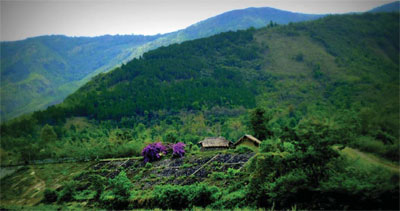
    Manipur, a little Shangarila located in North-East India, is a Jewel of India. This little corner is a paradise on Earth where Mother Nature has been extra generous in her bounty. Least touched and least discovered Manipur promises to be the great tourist discovery of the 21st century. An oval shaped valley surrounded by blue green hills, rich in art and tradition has inspired description such as the Switzerland of the East? with its cascading rapids, tripling rivers, varieties of flowers, exotic blooms and lakes.

    The people of Manipur include Meitei, Nagas, Kuki-Chin-Mizo and Gorkhas groups and Muslims and other colourful communities which have lived in complete harmony for centuries. These are the people whose folklore, myths and legends, dances, indigenous games and martial arts, exotic handlooms and handicrafts are invested with the mystique of nature and an indefatigable Joie de vivre.

    Shaheed Minar
    The indomitable spirit of the patriotic Meitei and tribal martyrs, who sacrificed their lives while fighting the British in 1891, is commemorated by this tall Minar at Bir Tikendrajit Park in the heart of Imphal city.

    Khwairamband Bazar/ Ima Market
    A unique all women’s market, having 3,000 or more “Imas” or mothers who run the stalls. It is splited into two sections on either side of a road. Vegetables, fruits, fishes and household groceries are sold on one side and exquisite handlooms and household tools on the other.

    Kangla
    The centre of Manipur’s power till 1891, the historical embodiment of Manipur Rulers and the people of Manipur, Kangla have a significant place in the heart and mind of the people of Manipur Govindajee temple, outer and inner moat and other relics are perfect reflections of the rich art and culture of Manipur and her civilization.

    Shree Shree Govindajee Temple
    A historic Vaishnavite centre, adjoining Manipur’s former Maharajas’ Royal Palace, the Govindajee temple is one of the most attractive sights for the tourists. Twin domes, a paved courtyard, and a large raised congregation hall form a perfect backdrop for priests who descend the steps, to accept offerings from devotees in the courtyard. The shrines of Lord Krishna and Balaram and Jagannath flank the two sides of the presiding deity. Early hours Prayer (Aarti) is a must for devoted followers, exudingspiritual fervour and ecstasy.

    Manipur State Museum
    This interesting Museum near the Polo Ground has a fairly good collection and display of Manipur’s tribal heritage and a collection of portraits of Manipur’s former rulers. Particularly interesting items are costumes, arms & ammunitions, relics and historical documents.

    War Cemetery
    Commemorating the memories of the British and Indian soldiers who died during the World War II, these War Cemeteries are managed by the Commonwealth War Graves Commission. Serene are well maintained, the War Cemetery carries little stone markers and bronze plaques recording the sacrifice of those gallant soldiers.

    Manipur Zoological Garden
    Manipur Zoological Garden at Iroisemba is only 6 kms. on the Imphal-Kangchup Road at the foot of the pine growing hillocks . Here apart from various endangered species, tourists can have an opportunity to see the graceful brow antlered deer (Sangai), one of the rarest & endangered species in the world, in sylvan surroundings.

    Loukoi Pat
    This tiny lake located near the Tiddim Road on N.H. 150 at Bishnupur is a retreat for visitors from within and outside the state. Boating facilities and the scenic beauty of the place is able to mesmerise the visitors.

    Khonghampat Orchidarium
    10 kms. from Imphal on National Highway No. 39 is the Central Orchidarium which covers 200 acres and houses over 110 rare varieties of orchids, which include dozens of endemic species. The peak blooming season is March- April.

    Bishnupur
    27 kms. from Imphal on the Tiddim Road, is a picturesque town situated at the foot hills that rolls down to the valley. The 15th century Vishnu Temple built of peculiarly small bricks supposedly of Chinese influence during the reign of King Kiyamba is of a historical importance. Bishnupur is also famous for its chiselled stoneware.

    Red Hill (Lokpaching)
    Red Hill is a hillock about 16 kms. from Imphal on Tiddim Road (NH – 150). It is a thrilling spot where the British and the Japanese fought a fierce battle during World War II. War Veterans had constructed “India Peace Memorial” a monument in memory of Japanese soldiers who died in the battle. It is a place of pilgrimage for Japanese tourists.

    Sadu Chiru Waterfall
    About 20 Kms. from Imphal beside the Tiddim Road (NH150) is a picturesque site famous for its perennial Water Fall in a scenic foot hill. There are three waterfall spots. This is a newly open tourist spot.

    Kangchup
    16 kms. from Imphal towards west, is a health resort on the hills over-looking the Manipur valley. The scenery is picturesque and worth seeing. With the construction of Singda Dam here, the place has become one of the important picnic spots.

    Loktak Lake
    48 Kms. from Imphal, is the largest fresh water lake in the North East Region. From the Tourist Bunglow set atop Sendra Island, visitors get a bird’s eye view of life on the Lake small islands that are actually floating weeds on which the Lake-dwellers live in the backdrop of the shimmering blue water of the Lake, labyrinthine boat routes and colourful water plants. The Sendra Tourist Home with an attached Cafeteria is an ideal tourist spot. Boating and other water sports are organised here in Takmu Water Sports Complex.

    Moirang
    45 kms. from Imphal, and situated near the Loktak lake, this town is one of the main centres of early Meitei folk culture with the ancient temple of the pre-hindu deity, Lord Thangjing, situated here. In the month of May, men and women, dressed in colourful traditional costumes sing and dance in honour of the Lord at the Moirang “Lai Haraoba” which is a ritual dance festival held every year.

    This town also has a special place in the history of the Indian Freedom struggle. It was at Moirang that the flag of the Indian National Army was first unfurled on April 14, 1944. The INA Museum containing letters, photographs, badges of ranks and other memorabilia reminds the visitors of the noble sacrifices made by the INA under the charismatic leadership of Netaji Subhas Chandra Bose.

    Keibul Lamjao National Park
    The only floating National Park in the world, on the Loktak Lake is the last natural habitat of the Sangai (Rucervus eldii eldii) the dancing deer of Manipur. A glimpse of the deer in this unique wetland ecosystem is a must for any wildlife enthusiast. Other wildlife to mention a few are: Hog deer, Otter and a host of water fowls and migratory birds can also be sighted during November to March. The forest Department of Manipur maintains watch towers and two rest houses within the park.

    Khongjom War Memorial
    Khongjom War Memorial, 36 kms. from Imphal on the Indo-Myanmar road is a major historical place. It was here that Major General Paona Brajabashi, one of the great warriors of Manipur proved his valor against the superior might of the invading British Army in 1891. The hillock at the foot of which he laid down his life in defence of his motherland, is reminiscent of the past heroic deeds of Manipuri warriors. A war memorial has been constructed on the top of Kheba hill; and Khongjom day is celebrated every year on 23rd April.

  • POOR SLEEP ACCELERATES SKIN AGEING

    POOR SLEEP ACCELERATES SKIN AGEING

    Anew study has found that sleep quality impacts skin function and ageing. The recently completed study by physician-scientists at University Hospitals (UH) Case Medical Center, commissioned by Estee Lauder, demonstrated that poor sleepers had increased signs of skin ageing and slower recovery from a variety of environmental stressors, such as disruption of the skin barrier or ultraviolet (UV) radiation.

    Poor sleepers also had worse assessment of their own skin and facial appearance. “Our study is the first to conclusively demonstrate that inadequate sleep is correlated with reduced skin health and accelerates skin ageing. Sleep deprived women show signs of premature skin ageing and a decrease in their skin’s ability to recover after sun exposure,” Primary Investigator Elma Baron, MD, Director of the Skin Study Center at UH Case Medical Center and Associate Professor of Dermatology at Case Western Reserve University School of Medicine, said.

    “Insufficient sleep has become a worldwide epidemic. While chronic sleep deprivation has been linked to medical problems such as obesity, diabetes, cancer and immune deficiency, its effects on skin function have previously been unknown,” she said. Skin functions as an important barrier from external stressors such as environmental toxins and sun-induced DNA damage.

    The research team set out to determine if skin function and appearance is also impacted by sleep quality, which is vital to the growth and renewal of the body’s immune and physiological systems. The researchers found that good quality sleepers recovered more efficiently from stressors to the skin. Recovery from sunburn was more sluggish in poor quality sleepers, with erythema (redness) remaining higher over 72 hours, indicating that inflammation is less efficiently resolved.

    A Transepidermal Water Loss (TEWL) test was used at various time points to determine the ability of the skin to serve as an effective barrier against moisture loss. In measurements 72 hours after a skin barrier stressor (tapestripping), the recovery of good quality sleepers was 30 percent higher than poor quality sleepers (14 per cent vs. -6 percent) demonstrating that they repair the damage more quickly.

    Additionally, poor quality sleepers were significantly more likely to have a higher Body Mass Index (BMI). For example, 23 per cent of good quality sleepers were obese compared to 44 per cent of poor quality sleepers. Not surprisingly, self perception of attractiveness was significantly better in good quality sleepers (mean score of 21 on self evaluation) vs. poor quality sleepers (mean score of 18).

  • Ways You’re Hurting Your Back

    Ways You’re Hurting Your Back

    For days you’re back has felt sore and stiff and you’re not sure why? You haven’t done anything out of the ordinary, nor are you suffering from any injuries. And yet, here you are, wincing in pain with every step you take and trying everything you can to find some relief. Back pain isn’t always caused by a dramatic injury. In fact, the vast majority of back pain is caused by every day activities; things that you’d never think could cause any type of discomfort. From a violent sneeze to lugging an oversized designer bag, you just might be contributing to your own pain and may not even be aware.

    Ah-Choo!
    Most of the time, a sneeze is just a sneeze. You sneeze, blow your nose and move on. But sometimes, the sudden, extreme motion of a sneeze can actually cause the joints in the spine to shift, jam or otherwise move, causing pain. In fact, if one or more of your discs are already on the verge of herniating, an especially explosive sneeze can cause the disc to slip, resulting in extreme pain. The flutter created around the spine from a forceful sneeze can also cause back spasms and other discomforts. If you ever feel a sudden pain in your spine after sneezing, make an appointment to see your doctor to rule out a potentially serious condition. There have been reported cases of serious injuries and even paralysis, caused by a simple sneeze.

    Repetitive motion
    When you think of repetitive motion injuries, you think of carpal tunnel syndrome, an inflammation of the nerves and tendons in the arms caused by repetitive tasks like typing or using a computer mouse. However, repetitive motion can also cause back pain. For example, a worker packing boxes in a factory might experience back pain from constant lifting and bending motions, or a landscaper might feel stiffness and pain from lugging heavy equipment all day or bending to weed out flower beds.

    The key to avoiding these types of injuries is to change positions frequently. Also, make an effort to avoid repeating the same motions in the same way for an extended period. If possible, ask your employer to perform an ergonomic evaluation of your workstation, and make adjustments to ensure that your body is supported and you can go about your routine without harming yourself in any way.

    Not enough movement
    While repetitive motion is a major cause of back pain and discomfort, so is a sedentary lifestyle. The longer you sit still, the more likely the fluid surrounding the joints of your spine will stiffen and you’ll experience discomfort. Attempt to get at least 30 minutes of exercise each day, and if you have to spend hours at your desk, take frequent breaks to stretch and loosen your muscles and joints. You’ll experience far less pain and stiffness in your back.

    Sleep
    Tucking in for the night is supposed to relax and rejuvenate you—but if your mattress is in poor shape, your pillow is old (or you have too many pillows) or your position isn’t right, you could wake up feeling less than refreshed and might even experience some pain and discomfort. If your mattress is lumpy, saggy, too firm or too soft, it is not supporting your spine and your body will not be able to enjoy a restful slumber.

    Your mattress is supposed to support your body so your muscles can relax, but if you’re constantly adjusting to get comfortable, your muscles stay tight and engaged—and you’ll wake up feeling stiff and achy all over. Likewise, if your pillow does not provide adequate support to your head and neck, your back will hurt in the morning. Ideally, you should sleep on a firm but comfortable mattress, on your side or back with pillows especially designed to suit your particular sleeping position.

  • Meet Himalayan Yogi Yogiraj Gurunath Siddhanath

    Meet Himalayan Yogi Yogiraj Gurunath Siddhanath

    An Illumined Being with direct experiences of Mahavatar Babaji Gorakshanath, Yogiraj Gurunath Siddhanath spent his early years in the Himalayas with the great Nath Yogis in whose presence he was transformed, realizing the unity of all Yogas and Religions. A Master of Kundalini Kriya Yoga, Yogiraj’s message to Humanity is EARTH PEACE THROUGH SELF PEACE. In conveying his message, Yogiraj goes beyond the limited reach of words and offers the grace of direct Experience. Yogiraj will bless Purnima Desai, her institution Shikshayatan and students at the 25th anniversary celebrations of the institution on the auspicious occasion of Guru Purnima on Saturday and Sunday, July 20 and 21. He will hold healing and enlightenment workshop on Saturday from 4 to 9 P.M. and give lessons in Kriya Yog empowerment from 1 to 6 P.M. at Community Center, 143-09 Holly Avenue, Flushing, NY 11355.
    Yogiraj Gurunath Siddhanath was born in Gwalior (northern), India on May 10, 1944, and is descended from the ancient family of Ikshavaku Rama of the Solar Dynasty. Though he belonged to a royal family, with all the comforts of palace life, he was a born siddha and went into spontaneous enlightened states from the age of 3.

    During his childhood days, Yogiraj Gurunath Siddhanath was aware of his larger self dwelling in his helpless little body. From the age of three, he would sit long hours in meditation and have visions of Shiva, Krishna, Rama and Christ. He took his schooling at Sherwood College, Nainital, situated in the lower mountains of the Himalayas. There, he would utilize the later hours of the night to move into profound states of meditative consciousness.

    In his early years, he was blessed with the presence of great Himalayan yogis and divine beings. Spiritually realized from a very young age, he cast away his royal ties after completing his educational responsibilities and fulfilled his calling as a yogi. An Illumined Being with direct experiences of Mahavatar Babaji Gorakshanath, Yogiraj Gurunath Siddhanath spent his early years in the Himalayas with the great Nath Yogis in whose presence he was transformed, realizing the unity of all Yogas and Religions.

    A Master of Kundalini Kriya Yoga, Yogiraj’s message to Humanity is EARTH PEACE THROUGH SELF PEACE. In conveying his message, Yogiraj goes beyond the limited reach of words and offers the grace of direct Experience. While traveling as a teenager in the Himalayas, Yogiraj was blessed and empowered by the spiritual supermen of the Himalayan caves. His divine transformation flowered after his deep and personal experiences with the supreme yogi- Christos known as the Mahavatar (Supreme Spirit Incarnate) Shiva- Goraksha-Babaji (the same mentioned by Paramahansa Yogananda in his “Autobiography of a Yogi”).

    With these blessings he was charged with the duty to spread the teachings of “Earth peace through Self peace” and spiritual evolution of Consciousness through the divine science of Kundalini Kriya Yoga meditation. Besides the Himalayan Masters, he is one of the rare Siddhas known to us who is broadly accessible and can impart direct Shivapat, means his soul consciousness of a still mind state of knowingness, sowing the seeds of peaceful co-existence.

    He bestows three distinct graces:
    1. Shaktipat – Healing energy transmission, where he transmits his kundalini energy.
    2. Pranapat – Cleanses your karma from the root cause, where he breathes through your breath.
    3. Shivapat – Shares his own Samadhi (still-mind state of soul awareness), which boasts your spiritual evolution. This is the true genius of Yogiraj. The sincere will receive this dimension of his soul consciousness of natural enlightenment (Unmani Avastha) through direct experience as to what true Yoga is rather than through intellectual exploration.

    Yogiraj Gurunath Siddhanath’s unique contribution to the yogic treasury is his work in
    1) The “Unified Field of Consciousness” which is Shivapat, the zero-mind state of knowingness.
    2) His legacy of the Luminous Swan as to where our soul Consciousness resides in the body; for the first time ever documented in his film ‘Wings to Freedom’.
    3) The Alchemy of Total Transformation via the medium of consolidated mercury, also called the elusive ‘philosophers stone’, which is a closely guarded secret of the Himalayan Masters. Yogiraj addressed the Global Ethics Committee of the United Nations, New York, in October 2007. It is said that Indian scientist Aryabhatt discovered the ‘zero’; Indian philosopher Vivekananda spoke about it; and Indian Yogi Gurunath Siddhanath gave it, showing what India has to offer to the world citizenry and proving that at the level of divine consciousness, humanity is one.

    For over 40 years, Yogiraj has healed and transformed millions all over the world with his transmissions of kundalini shakti energy and has shared freely his own Samadhi (enlightened state) of peaceful bliss-consciousness. Yogiraj has taught yoga and spirituality to world leaders and has given experiential discourse before the United Nations, yet he prefers nothing more than to sit in the simple pristine forests and mountains and meditate on God in tranquility.

    In that spirit, Yogiraj built with his wife the Hamsa Yoga Sangh Mother Center, the Siddhanath Forest Ashram in the gentle valley of Sita Mai outside the city of Pune, in the Simhagad region. His wife of 35 years, Gurumata Shivangini (affectionately called Ayie or “Mother” by Yogiraj’s students) is a powerful yogini in her own right. Together they have raised two children and are now proud grandparents, demonstrating by example that it is not necessary to live as a renunciate in order to meditate and achieve enlightenment.

    They spend much time at the Siddhanath Forest Ashram, which is also available to all sincere seekers worldwide to come and rejuvenate spiritually. It is a Siddha Peeth (land spiritualized by the shakti of a spiritual master), a Tapo-Bhoomi (kundalini power center), and holds one of the earth’s most powerful Earth Peace temples. This temple houses the largest known solid parasmani (alchemical mercury) Shivalinga, which alchemically transmutes the mercurial mind which meditates upon it into a still mind of enlightened Consciousness.

    Hamsa Yoga Sangh, a non-profit organization was born in the late 1970’s by Yogiraj and his wife Gurumata Shivangini to inspire spiritual evolution through the pristine ancient meditative practices of Kriya Yoga, Hamsa Yoga and Siddhanath Surya Yoga. Hamsa Yoga Sangh seeks to awaken a deeper understanding of the harmony underlying all religions and thus unfold the blossom of love which unites all humanity.

    The practices of Yoga are universal in spirit and complement all faiths and religions. The Kriya Yoga originated by Shiva-Goraksha- Babaji, the Himalayan Mahavatar, is the crest jewel of spiritual techniques, flowering the practitioner with lightning speed into the likeness of one’s own divinity. Kriya Yoga is rightly called the lightning path, and exemplifies the glorious Indian heritage of pure spirituality.

    Yogiraj holds public events to expand awareness and invite more souls to awaken to their birthright. These open gatherings with the master are a chance to see the yogi face-to-face and feel the spiritual energy which radiates from his presence. These events include Satsangs, Kundalini Kriya Yoga Empowerments, and New Life Awakening Retreats. A Satsang is an evening of spiritual communion with a realized master.

    The benefits of attending one of Yogiraj’s satsangs include the healing of mental and emotional traumas through interdimensional energy transmissions called Pranapat and Shaktipat, and a temporal impartations of expanded bliss-awareness called Shivapat. Those who are receptive will experience the at-one-ness of all beings as well as a calm, still mind, bereft of thoughts, with the attendant feelings of bliss and joy.

    These experiences will strengthen your resolve to practice the discipline of yoga as taught by Yogiraj, or simply to keep doing what you are already doing better. A Kriya Yoga Empowerment is an initiation into Mahavatar Babaji’s Kriya Yoga by personal empowerment from Yogiraj, enabling the practitioner to experience the expanded still mind spheres of consciousness and bliss: one’s natural state of enlightenment. Every cell becomes oxygenated and flooded with pranic life.

    The Hamsa Yoga New Life Awakening Retreats are very special events, where sincere seekers have the opportunity to experience personal one-on-one time with the master, learn powerful yoga meditation techniques, recharge themselves and make significant progress in their spiritual practice. The peaceful setting is Ideal for removal of stress and tension.

    During these retreats, Yogiraj offers the 3 distinct graces of a True Living Master which awakens you to the next level of spiritual experience: the spiritual impetus of Pranapat breathing through your breath; continuous healing transmissions of Shaktipat energy; and the sharing of his own Samadhi – an enlightened state of peaceful blissconsciousness. Yogiraj’s 2013 World Tour includes a Satsang – Healing & Enlightenment Workshop and a Kriya Yoga Empowerment Workshop in New York City, and a New Life Awakening Retreat in Catskill Mountains NY.

  • Shikshayatan Celebrates 25th Anniversary With Blessings From Yogiraj Siddhanath

    Shikshayatan Celebrates 25th Anniversary With Blessings From Yogiraj Siddhanath

    Her credo: “Duty with sincerity and honesty” takes in to account the importance of hard work. She is a staunch believer in “Work is Worship” and “God helps those who help themselves”.
    Shikshayatan and Purnima Desai are synonymous. Purnima founded the cultural organization- Shikshayatan which means house of learning, on the auspicious day of VIJAYADASHMI- the day Lord Rama achieved victory over demon king Ravana- on Thursday October 20, 1988. Purnima says she felt the need for such an organization to impart knowledge about Indian Culture to the young generation who are born and brought up in U.S. A. and who are deprived of the rich Indian cultural heritage.

    About the activities of Shikshayatan, she said, “Shikshayatan conducts regular and organized classes to young and adults to impart knowledge about Indian culture – philosophy, languages such as Sanskrit, Hindi, and imparts training in Classical and Light Vocal music and in Instrumental music, like Harmonium, Keyboard, Tabla, Violin, Sitar, Flute etc, and the Classical and light dance etc.”

    To serve the humanity on the planet Earth Shikshayatan has opened its doors to all nationalities to come together for peace, harmony and team spirit. Shikshayatan has successfully and continuously offered vocal and instrumental lessons flexibly throughout the calendar year for the last 25 years and it provides a stage for young and old performers alike.

    In addition it has begotten several loyal and dedicated students who showed their support by providing community performances in churches, temples, at various functions of organizations, at South Street seaport Diwali celebrations, Public libraries, Public schools etc. Shikshayatan provides a very healthy, happy peaceful and comfortable atmosphere akin to one in India to all seekers who want to be connected to Indian art & culture.

    Shikshayatan has a faculty of highly educated, multitalented and professional artists who are renowned and are spreading Indian culture to western world. Pandit Kamal Mishra is a great asset to the organization since 1989 and has proved his multiple talents through teaching and as a performing artist. We have an accomplished Tabla artist Anand Ramanaju who joined our faculty recently.

    Pandit Sujan Rane, the great classical vocalist will also will be performing this year accompanied by a great Tabla player Naren Budhakar. Purnima has celebrated many festivals of India, birthdays of saints, sages, patriotic leaders to give the knowledge of India and her sacrifices, morality and spirituality. “Our students are academically growing on top and flowering spiritually also”, says Purnima.

    She adds, “I also want to mention that we are blessed by saints, sages, spiritual masters like Amma, Sant Morari Bapu, Acharya Mridula Shashtri, Swami Bua ji, dignitaries and diplomats- Hillary Clinton, Gary Ackerman Dr. Karan Singh, Dr. Abid Hussain, Lalit Mansingh, Neelam Deo, Shashi Tripathi, scholars, renowned artists- Sonal Mansingh, Padmini Ramachandran, Archana Joglekar, Pandit Ramesh Narayan, Partho Bose, Aditya Narayan Chatterjee and many more, poets – Dr. Bijoy Mehta, community leaders, world renowned astrologers and healers Swami Chakradhar, Shakunta Devi and many community leaders .

    The services she rendered have not only given Purnima a deep inner satisfaction but have brought her immense recognition and honor. She is recipient of many citations, felicitations, certificates, awards and rewards for her community work since 1988. Asked about her mission in life, she told The Indian Panorama: “My mission is to serve humanity and vision is to have a full fledged institution.

    Manurbhav – Manushya ban – Be Human is real goal we teach which means have the true qualities of a human being for Peace, Prosperity with Politeness.” Her credo: “Duty with sincerity and honesty” takes in to account the importance of hard work. She is a staunch believer in “Work is Worship” and “God helps those who help themselves”. In the last 25 years that Purnima has been running the great institution she so lovingly founded to promote Indian culture and heritage she has come to be known as dynamic and versatile personality and as an ambassador of Indian art & culture in the United States.

    She could not achieve it all alone. She received immense support of her family. Her husband Ashok C. Desai and her three daughters Komal, Tejal and Kaveeta and many well wishers have been a constant support and source of encouragement. Purnima is highly educated with a number of degrees under her belt. She is a B.A. (Edu.Hons)., C.C.O.S.W., M.B.A., Real Estate Manager., Computer Programmer and Music and Dance professional.

    Born in a Brahmin family in Calcutta, India on MAGHI POORNIMA she lived in Calcutta for 19 years, moving to Delhi where she lived for 4 years. It was a brief one year stay in Mumbai, then Bombay, before she moved to New York where she has been living for 41 years.

    She attributes many of her qualities to her close association with her late grandfather L.K. Desai, her grandmother late Mani Desai, her father D. P. Desai, and her mother Bhanumati, who was especially her greatest inspiration, besides her association with late Prime Minister Morarji Desai, G.L. Mehta, Dr. H. B. Desai, Dr. P.G. Shukla, Dr. P. Jayaraman, and many other scholars.

    A motivating and dedicated teacher in Vocal and Instrumental music, dance, languages Indian philosophy, Sanskrit Shlokas, etc. Purnima is an acknowledged vocalist who has many music albums to her credit- Devanjali, Shivanjali, Krishnanjali, Ambikaanjali, Pushpaanjali, Vedanjali, Mahaviraanjali, Raashtraanjali etc. It is a little rare that a person is as multifaceted and versatile as Purnima is. Besides the above, she is a poetess who has written many poems and sung them in her music albums and participated in Kavi Sammelans in New York, Canada and U.K.

    She is a journalist too in her own right. She is publisher/editor of Abhyudaya, an educational and literary magazine in Hindi & English for children, youth, and adults She has authored many books. A Children’s books -“Give All Get All” has 25 short stories with high moral values and coloring book. A book of patriotic songs is titled Rashtranjali. The book was released by a well known saint, Sant Morari Bapu.

    Then there are books that contain spiritual songs- – Shivanjali, Bhajan Mani Mala Series: Ganeshanjali, etc. Theater also fascinates her. She is a Script Writer, Producer and Director of small plays -Apna Desh Apne Tyohaar and Bal Ramayan for Bharatiya Vidya Bhavan, NY, USA. Add to that her skill as a program director of cultural events. She has produced and directed more than hundred cultural programs for youngsters and adults for various organizations, institutions, ashrams, temples, churches, libraries, schools, delegates, etc.

    She does not stop here. She is a painter with proficiency in oil painting. But she paints only as a hobby. With such skills, performances, services and accomplishments it is a natural corollary that she would be recognized. She has received a number of recognitions, honors and awards. She is a recipient of Dharma Kalyaan Jyoti Madalsa Award by Maa Yog Shakti.

    All Brahmin Convention 2001 commenced by Brahmin Samaj of U.S.A. honored her with an award of “Excellence and Accomplishments for brilliance, versatility, expertise, dedication, commitment and dignifying Worldwide Brahmin Community through [her] prolific, meritorious contribution and glorious accomplishments in the field of cultural and Educational activities”.

    During the Cultural Festival of India organized on July 12 through August 11 in Edison, NJ, she was felicitated for her “outstanding contributions and achievements by a person of Indian origin living in America in the field of Academics.” On March 17, 2006, World Business Forum honored her with the awards: “Person of the Year” and “Woman of the Era” at the Hilton Hotel in NY.

    She also received the “Samaaj Bandhu” and “Best Teacher’s Award” from the Probidhini Foundation; “Sangeet Vishaarad” on May 17th 2009 from Maha Mandaleshwar Maa Yog Shakti Saraswati, Spiritual head and Founder & President of MYSIM. She received a citation from New York City Council for being “an outstanding citizen, one which is worthy of the esteem of both community and the great City of New York” on October 2, 2009. Purnima is also a recipient of “AMBASSADOR FOR PEACE” from Universal Peace Foundation in 2011.

    This is the woman and this her institution that she dreams of making a true Indian cultural center. And she is ready to make any sacrifice to realize her dream for Indian Americansyoung and old- and for India, the cradle of the finest cultural heritage. And she is not alone in this. Her family is committed to her vision and dream . Her supporters are there to encourage her. Above all, Purnima has an indomitable spirit and she has always drawn inspiration from Tagore’s “Ekla Chalo, ekla chalo”. Hum to nikle the safar per akele hee; log milte gaye, kafila banata gayaa”.

    She also received the “Samaaj Bandhu” and “Best Teacher’s Award” from the Probidhini Foundation; “Sangeet Vishaarad” on May 17th 2009 from Maha Mandaleshwar Maa Yog Shakti Saraswati, Spiritual head and Founder & President of MYSIM. Purnima is also a recipient of “AMBASSADOR FOR PEACE” from Universal Peace Foundation in 2011.

  • WAYS TO REDUCE STRESS

    WAYS TO REDUCE STRESS

    Have a laugh
    While all of us have work and family responsibilities, stressing out too much about them will simply cause you more grief — both mentally as well as physically. There are several ways you can unwind — watch your favourite comedy, catch up with close friends and talk about funny memories. Research says that every time you laugh out loud, increased oxygen flows to your organs, blood flow increases, and stress automatically reduces.

    Spend time with your pet
    Pets are known not only to give you unconditional love, but spending time with them is actually good for your health. Studies say that when you pet your dog/ cat even for just a few minutes, your body releases feelgood hormones like serotonin, prolactin, and oxytocin, and also decreases the amount of the damaging stress hormones. This results in lower blood pressure, less anxiety and even better immunity.

    Get rid of the clutter
    Are you surrounded by too many things in a not-sovery big space? Having too much stuff can leave you feeling overwhelmed and bog you down, eventually leading to stress. Living in constantly messy surroundings brings on unwanted anxiety. Therefore, experts say you need to de-clutter to de-stress. Don’t start by wanting to clear up everything at once. That will only stress you out further. Begin with a small space and gradually move to bigger things. A space that is uncluttered can feel satisfying and soothing.

    Do the housework
    While this might seem like a mundane, everyday chore, try to do things a bit differently. Put on your favourite music or TV show in the background, make a list of all that needs to be done, and get down working. Not only will you burn calories and get your work down, you won’t be tired and stressed out at the end of it.

    Drink juices
    Researchers say that the vitamin C present in orange juice can actually help you manage stress better because it lowers levels of stress hormones like cortisol. Remember that vitamin C-rich foods such as orange juice, grapefruit juice, strawberries, or sweet red peppers boost your immune system.

    Sing out loud
    When was the last time you sang loudly to your heart’s content? Turn up the radio and start singing. No matter how bad you think you are, studies show that singing can actually make you feel happier and feel less stressed. Singing also benefits your breathing, heart and immune system.

    Go for a walk
    One of the best ways to beat stress is to exercise. It helps your body produce endorphins that make you feel good. Exercising in warm weather can boost your mood while a daily brisk walk of about 30 minutes can greatly reduce stress levels.

    Have some sex
    If you’re using stress as an excuse to abstain from sex, think again. Having sex is actually a great way to ease stress because it lowers blood pressure, boosts self-esteem as well as increases feelings of intimacy with your partner. It also helps you sleep better.

    Breathe deeply
    Invest in some lavender or rosemary scents and take a deep whiff — it will instantly put you in a more relaxed state and lower levels of the stress hormone cortisol. If you prefer not to use scents, practice the act of deep breathing regularly. This sends oxygen surging through your bloodstream, helping to calm down and beat stress.

  • Home Remedies To Keep You Super Fit

    Home Remedies To Keep You Super Fit

    Seafood for ageless skin
    Eating fish three times a week cuts wrinkling and sagging by 30 per cent, as seafood is rich in protein, minerals and omega-3 fats — nutrients that nourish the collagen and muscles that keep skin smooth. Salmon, for one, is also rich in astaxanthin — an antioxidant that reduces fine lines and wrinkling.

    Green tea to beat stress
    Green tea has compounds that help your brain use blood sugar for fuel and stimulate the production of energising hormones called endorphins. So the next time you’re feeling sapped of energy, docs say, sip on green tea.

    Walnuts for a strong heart
    Cardiologists recommend eating five to six walnuts daily to cut your risk of a heart attack by half and add almost three healthy years to your life. Turns out these crunchy treats are one of the richest natural sources of artery-healing monounsaturated fats.

    Turmeric for good memory
    Adding turmeric to your diet could sharpen your memory by at least 30 per cent, say experts. This happens because of turmeric’s active ingredient — curcumin — is one of the most powerful brain-nourishing antioxidants ever discovered.

    Quell stress with breathing
    Take to belly breathing to ease stress and anxiety. Inhale slowly and deeply through your nose for a count of six, allowing your belly to relax and expand as you do. Hold for a count of four, then slowly exhale through your mouth for another count of seven. Repeat until you feel fine.

    Nix pains with naps
    Have frequent headaches, backaches, sore joints or other pain problems? Don’t worry, just go off to sleep. Studies suggest getting a little more snooze could cut your discomfort by half within one month. Sleep boosts your production of growth hormones, which reduce inflammation and speed healing of damaged tissues.

    Cinnamon to maintain BP
    According to researchers, adding 1/2 teaspoon of cinnamon to your daily diet could improve your blood sugar control by 29 per cent or more — it slows carb absorption in your small intestines.

    Veggies strengthens immunity
    Eat plenty of colourful veggies to prevent illness. Carrots, peppers, and okra are great for boosting immunity. The more colourful the better. It’s what’s in the plant’s pigment that keep the lining of your respiratory tract healthy so viruses can’t get a foothold and increase the production of disease-fighting immune cells.

    Honey to kill virus
    Unpasteurised honey is packed with natural antibiotics and healing enzymes, and eating it when you’re ill can cut three days off your sickness. It also kills the virus that causes sinus infections and other cold complications.

  • USE FRUITS FOR A FLAWLESS FACE

    USE FRUITS FOR A FLAWLESS FACE

    Fruits like mango and pomegranate can be very useful to clear scars and marks on your face and even to nourish your skin. Use them on your face once a week to get a natural glow. But it is first vital to know your beauty fruits and their properties well. Ritu Makhija, CEO of Smart Brand Products Pvt Ltd. explains what makes a fruit special for face.
    MANGO: Its rich Vitamin C pulp is an effective treatment for pimples and acne. You can also get rid of scars and blemishes with its use.
    NONI FRUIT: It helps to heal wounds on the skin. This also helps to treat acne. Pomegranate: Known for its anti-ageing benefits and antioxidant content, it is packed with Vitamins A, C and E that protect the skin from free-radicals while cleansing.
    APRICOT: It is good for mature, dry, sensitive or inflamed skin. It contains antioxidants which nourish and make skin feel fresher.

  • THINGS A GUY NOTICES ABOUT YOU FIRST

    THINGS A GUY NOTICES ABOUT YOU FIRST

    Your eyes met, he give you a quick glance and in that split second seems to have made up his mind about you and turned away. What just happened? Well it was a mental checklist and you did pass muster. Read on to find out what a guy notices about you before he decides to ask you out.

    Let down your hair
    You don’t have to have Rapunzel’s long locks, but a healthy mane definitely attracts men. They fantasise about running their fingers through those locks as they look into your eyes.

    A genuine smile
    Does your smile reach your eyes? If your answer is in the affirmative you have a reason to grin more because men are good at judging if you have a genuine smile as it says you are having fun and are relaxed.

    The pitch of your voice
    Studies show that men are drawn to voices in a slightly higher register because they are reliable signs of youth and reproductive health.

    Your hip-to-waist ratio
    If your waist is noticeably smaller than your hips, it signifies fertility something than men instinctively notice.

    Your eyes
    People focus on eyes more than they do on any other body part.

  • Food – 5 Styles To Cook The Classic Biryani

    Food – 5 Styles To Cook The Classic Biryani

    Little else can compare to the grandeur of a biryani. Beautifully aromatic and blended with spices, rice and meat has long since been the favourite of khansamas and cooks everywhere. But the classic biryani has also seen variations over time, regional as well as in cooking styles. We present a few of them…

    Raan Biryani A whole leg of slow-cooked lamb is served along with the fragrant biryani rice, in this style. The serving is large, usually enough for four people.

    Calcutta Biryani
    Bengali food has inherited a large number of influences. Says chef Ashish Shome, “A key influence to the cuisine came was due to Wajid Ali Shah, the last Nawab of Avadh. This can be seen with the liberal usage of rose or kewra. It can be well seen in the very popular Calcutta Mughlai Biryani. Years of recession, forced chefs to use eggs and potato along with meat. Later on that evolved as the special feature of this style of making biryani.”

    Chettinad Chicken Biryani
    This is a dish of the Chettinad region of Tamil nadu state in South India, known for its spiciest and one of the most aromatic cuisines. Says chef Himanshu Taneja, “The dish is hot and pungent with fresh ground masala, and topped with a boiled egg that’s usually considered essential part of a meal. Chefs use a variety of sun-dried meats and salted vegetables. The meat includes fish, prawn, lobster, crab, chicken and lamb. Most people do not eat beef andpork.”

    Dryfruit Biryani With cashewnuts, almonds and raisins, this biryani is is as rich as it is tasteful.

    Samudri Khazane ki Biryani Says chef Sudhir Pai, “This particular recipe is influenced from Bohri Biryani, which is a a little more fragrant and less spicy than the usual fare and also its more of a pulao thing than a regular biryani. The variation I have created here uses an assortment of fresh seafood instead of traditional chicken and added pomegranate seeds to the green chutney masala which gives a special tang as well as thickness to the green chutney.”

  • At Rs 1.23 Lakh Per Square Foot, Mumbai Flat India’s Costliest

    At Rs 1.23 Lakh Per Square Foot, Mumbai Flat India’s Costliest

    MUMBAI (TIP): The Mumbai realty market threw up another record when a 10th-floor, sea-facing flat of the marquee SamudraMahal in Worli sold at the rate of Rs 1.23 lakh per square foot, the highest in the country. Leading glassware company Borosil bought the 1,706 sq ft, three-bedroom apartment for Rs 21 crore from Behroze Zavaray Poonawalla, sister-in-law of Cyrus Poonawalla, who runs one of the world’s biggest vaccine-makers and is a race horse owner.

    It had bought another flat in the building last month. The deal overrode the Rs 1.2 lakh psf paid for a luxury apartment in Tahnee Heights on Nepean Sea Road by Jindal Drugs in June 2012. Flat 310 has a carpet area of 1,706 sq ft and a built-up area of 2,625 sq ft, with servant quarters. Amenities in the 28-storey building, home to corporate czars, industrialists and even members of royal families, include a swimming pool, health club, children’s play area and a garden.

    In an email response, a Borosil spokesperson confirmed the deal, saying the flat has been bought as investment. “As a part of realignment of its investment in real estate properties, the company has decided to purchase property in one building while disposing of an equivalent space in another building. The company believes appreciation in property prices in the new building is likely to be higher…,” said the spokesperson. Industry experts said the transaction is a one-off and does not reflect general market sentiments.

    “Apartments in such landmark buildings like Samudra Mahal and Il Palazzo will continue to fetch premium rates because of their location, profile of residents and upkeep,” said Nikhil Bhatia, head (Western region), CBRE, global property consultants.

    This June, Borosil purchased a duplex flat with a carpet area of 3,127 sq ft, equivalent to 3,638 sq ft built-up area, for Rs 42.5 crore in Samudra Mahal. “Prices in this building have seen constant rise in the past. Considering its prime location and its inhabitants, the trend is likely to continue,” said the Borosil spokesperson.