
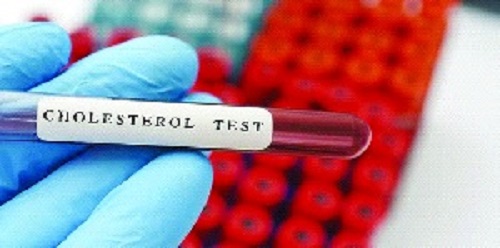

New guidelines on cholesterol management are urging doctors and patients to act earlier even if it’s as early as the age of 30, to prevent heart attacks and strokes later in life.
The recommendations, released by the American College of Cardiology and the American Heart Association along with nine other medical groups, highlight a growing consensus among experts: the earlier high cholesterol is treated, the better the long-term health outcomes.
For decades, cholesterol management has focused mostly on middle-aged and older adults.
But the updated guidance suggests that prolonged exposure to high levels of LDL cholesterol, commonly called “bad cholesterol”, can silently damage arteries over many years, raising the risk of cardiovascular disease later in life.
The guidelines say adults in their 30s may need to consider cholesterol-lowering medication, particularly statins, if they have high LDL cholesterol or other risk factors for heart disease.
Statins are among the most widely prescribed medications worldwide and work by lowering LDL cholesterol, the fatty substance that can accumulate along artery walls and form plaques that narrow blood vessels.
Experts say treatment should be considered for adults aged 30 and above who have LDL cholesterol levels of 160 milligrams per deciliter or higher, a strong family history of early heart disease, or a high long-term risk of developing cardiovascular disease.
For people already taking statins, the updated guidance sets clearer targets. Adults aged 30 to 79 with borderline or intermediate risk are advised to reduce LDL cholesterol to below 100 mg/dL to prevent a first heart attack or stroke. Those at very high risk should aim for levels below 55 mg/dL.



Be the first to comment