
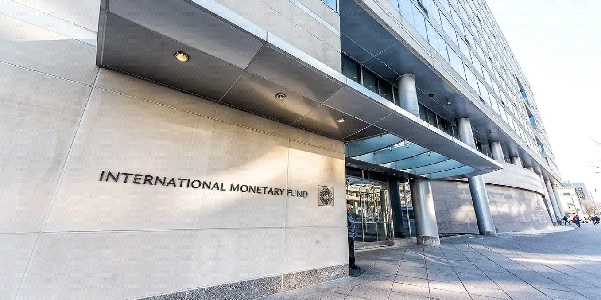

Colombo (TIP): International Monetary Fund has approved fresh funding worth around £512 million ($695 million) for Sri Lanka as the country continues navigating a fragile economic recovery shaped by rising oil prices, geopolitical tensions and the aftermath of Cyclone Ditwah.
The latest payout forms part of Sri Lanka’s broader 48-month Extended Fund Facility programme worth roughly £1.8 billion ($2.4 billion), which was introduced to support economic reforms following the country’s severe financial crisis.
The approval comes after a combined review of Sri Lanka’s reform progress by the IMF executive board, which said the country had continued implementing key economic measures despite mounting external shocks.
In a statement following the decision, Kenji Okamura said Sri Lanka’s reform programme had helped preserve stability during difficult conditions, including the economic fallout from Cyclone Ditwah and the ongoing conflict in West Asia.
War and oil prices cloud Sri Lanka’s recovery
The IMF warned that the economic outlook for Sri Lanka has become more uncertain because of rising global energy prices linked to the US-Iran conflict.
Okamura said the war had “significantly worsened” the country’s outlook and increased downside risks for growth, inflation and tourism revenues.
According to IMF projections, Sri Lanka’s economic growth is expected to slow to around 3 per cent in 2026 as higher oil prices increase inflationary pressure and weaken the country’s current account balance.
Tourism, one of Sri Lanka’s most important foreign currency earners, could also face pressure if regional instability continues affecting travel demand.
The IMF said temporary fiscal easing in 2026 would be appropriate to help cushion the economic impact of the shocks, with the Sri Lankan government already rolling out relief measures and additional spending linked to cyclone recovery efforts.
Cyclone Ditwah struck Sri Lanka in November 2025, killing more than 600 people and causing widespread destruction across the island. A World Bank assessment estimated direct damages at around £3 billion ($4.1 billion).


Be the first to comment