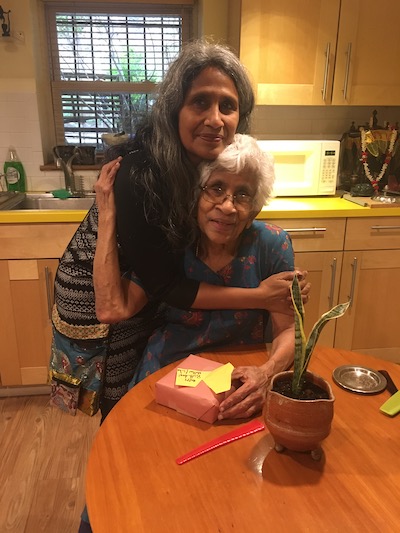
Sunita Viswanath, Cofounder, Hindus for Human Rights
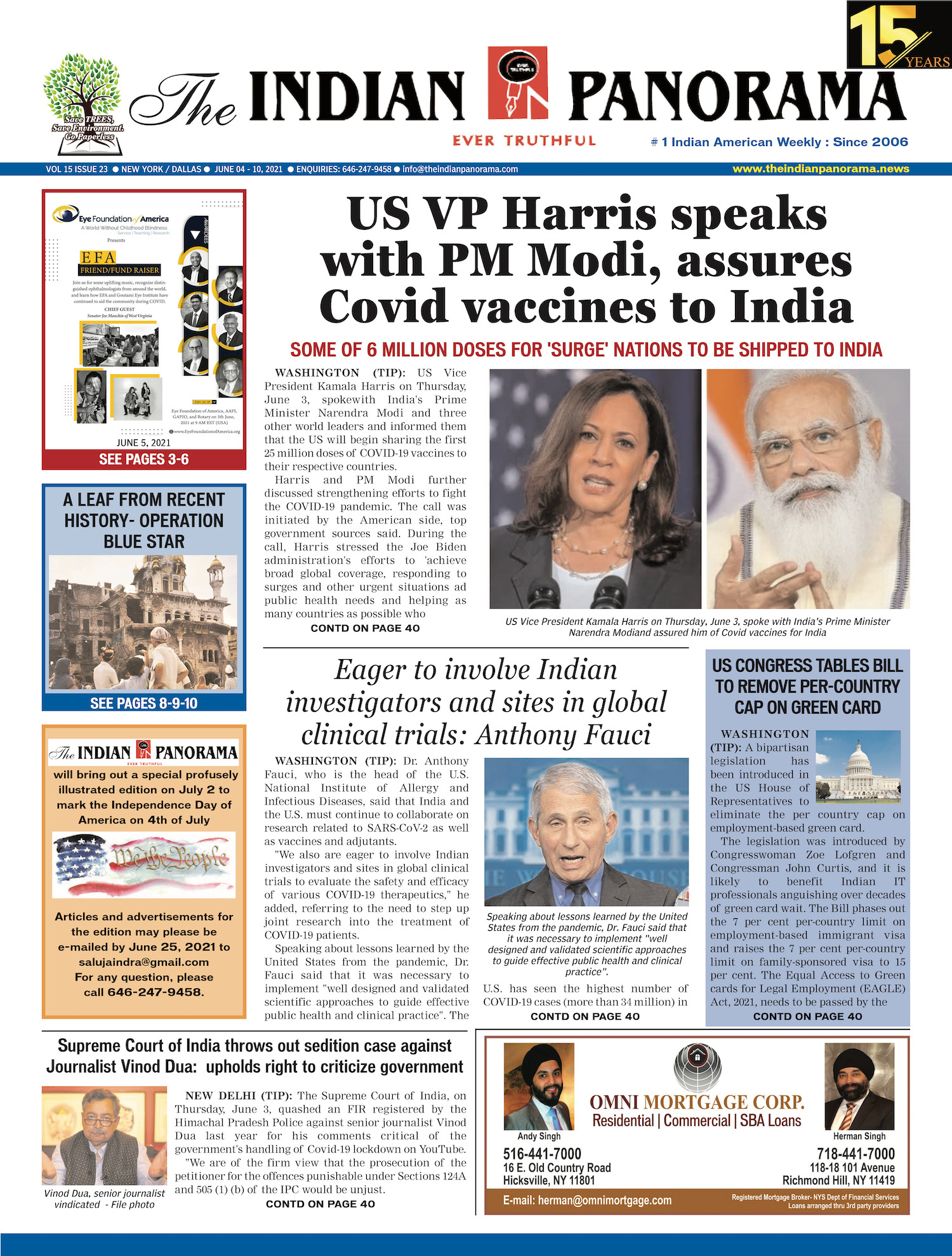
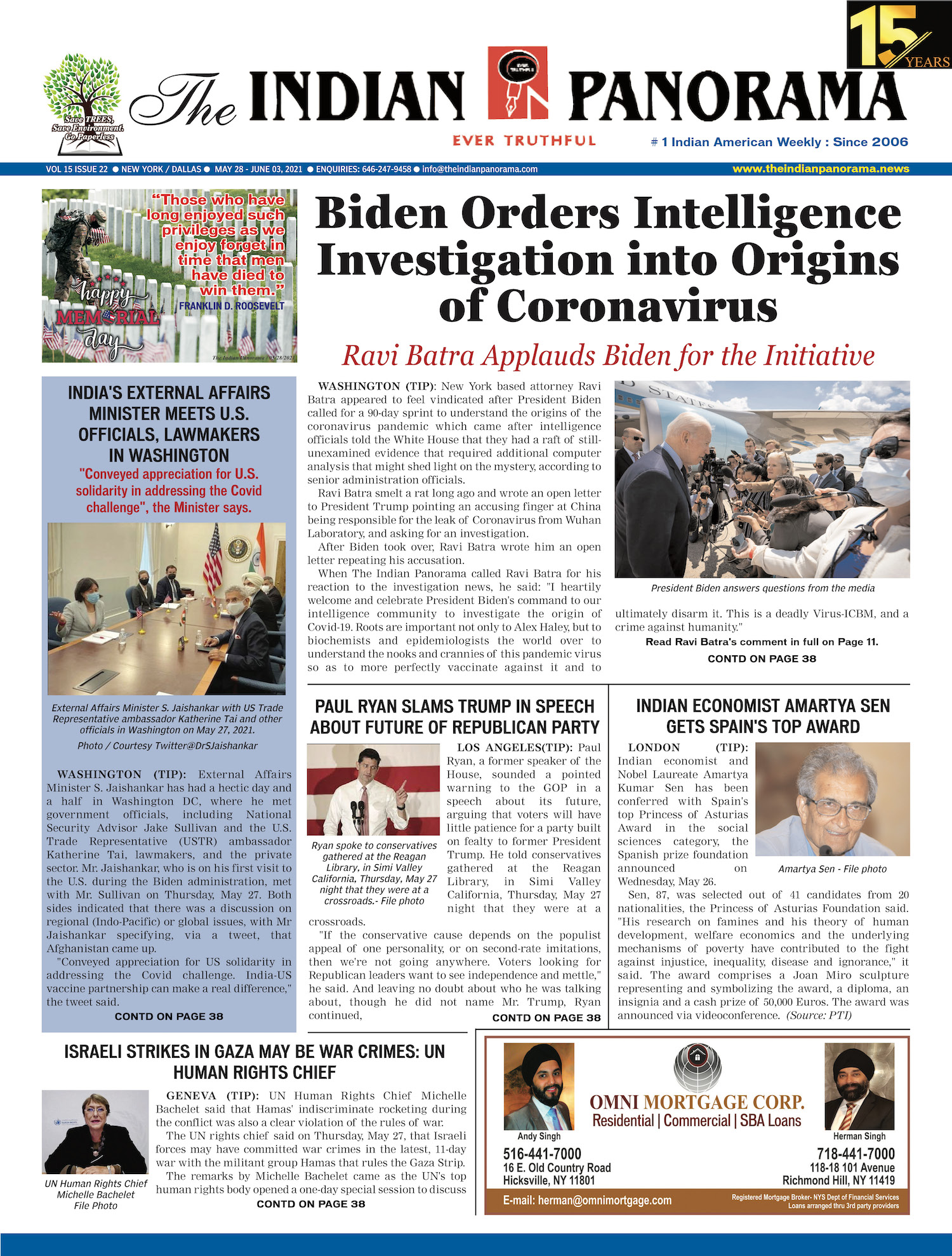
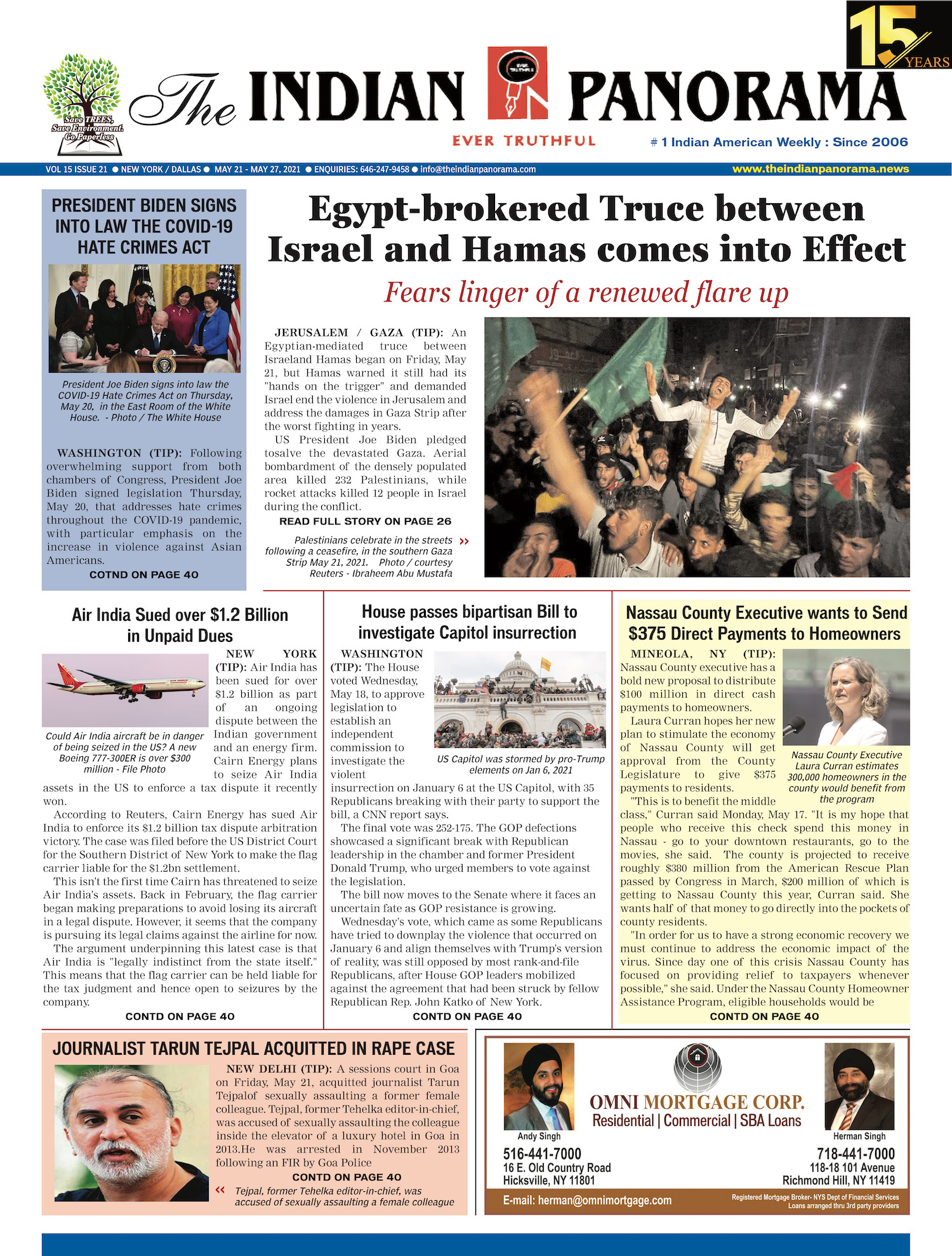
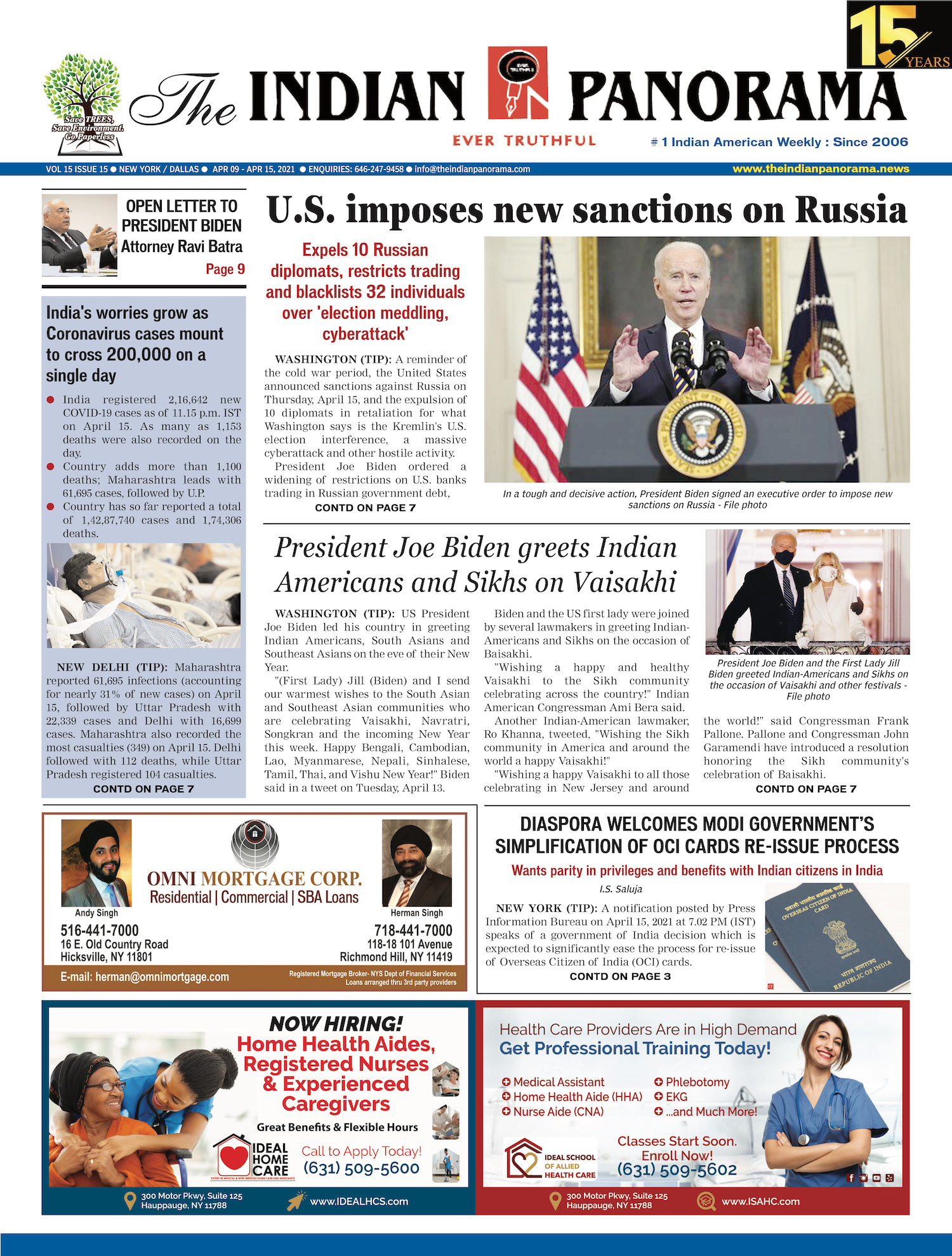
This Mother’s Day, the country of my birth, India, is going through the nightmare of nightmares with a second covid surge. While my family in the South of India seems not to have been affected so far, almost every friend and colleague in India is either ill with covid, has family members who are ill, or has lost one or more loved one. The numbers are astounding. According to the New York Times, “On Saturday, India reported nearly 3,700 deaths, its highest daily toll yet. Over the weekend, the country logged 401,993 new cases and then 392,488, tallies that no other country has ever seen. And experts say the real toll is far higher.” And many experts say that these numbers could be vastly undercounted. Every international and national news platform is bringing us harrowing stories and images of people gasping for breath and dying for want of oxygen, for want of a hospital bed; and cremation grounds overwhelmed by the number of deaths.
What prayer can I have on Mother’s Day, except a prayer that the best scientific minds and humanitarian hearts come together and ensure that this crisis is solved within India and is kept from spreading across the planet.
Just as Maa Bhumi Devi (Mother Goddess Earth) swallowed up Sita, her daughter, to protect her from any further suffering, I pray to Bhudevi to forgive us for the devastation we wreak upon her daily and come to the rescue of all of us.
Samudra Vasane Devi
Parvatha Sthana Mandite
Vishnu Patni Namasthubya
Pada Sparsha Kshmasmave
Salutations to the divine consort of Lord Vishnu
The oceans are your clothes and the mountains your jewels.
This man should not have been in a hurry to go. Just over fifty, Harvinder Riar’s best was yet to come . His death is a colossal loss to Punjabi journalism.
Riar was a professional journalist, one of the few Punjabi journalists in the US.
He came to be recognized in a big way as an ace TV anchor with the popular program “Mudda” on JUS Punjabi TV , and reigned supreme for around 15 years when he fell out with JUS TV and started his own TV channel “Baaz”., over a year ago.
He also published a Punjabi newspaper “Reporter” .
A multifaceted person, he was a tremendous communicator whether as anchor and presenter on TV channels, or as commentator and master of ceremonies at various sports and cultural events, or as a reporter/ commentator/ editor of newspaper. The Punjabi community will surely miss him.
Riar’s death has created a vaccum which , I don’t think is fillable.
His death is a personal loss to me even as it is for the world of Punjabi journalism and community.
Rest In Peace, the one and the only one, Harvinder Riar.
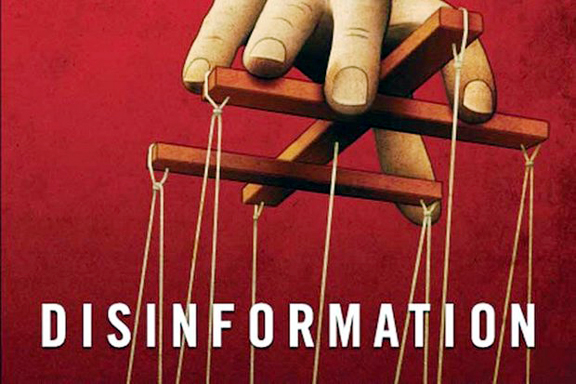
The disinformation infodemic requires a concerted and coordinated effort by governments, businesses, non-governmental organizations, and other entities to create standards and implement defenses. Taking advantage of the frameworks, norms, and tactics that we have already created for cybersecurity is the optimum way to meet this threat. We must protect our society against these threats or face the real possibility of societal breakdown, business interruption, and violence in the streets.
Cybersecurity focuses on protecting and defending computer systems, networks, and our digital lives from disruption. Nefarious actors use attacks to compromise confidentiality, the integrity and the availability of IT systems for their benefit. Disinformation is, similarly, an attack and compromise of our cognitive being. Nation-state actors, ideological believers, violent extremists, and economically motivated enterprises manipulate the information ecosystem to create social discord, increase polarization, and in some cases, influence the outcome of an election. There is a lot of similarity in the strategies, tactics and actions between cybersecurity and disinformation attacks. Cyberattacks are aimed at computer infrastructure while disinformation exploits our inherent cognitive biases and logical fallacies. Cybersecurity attacks are executed using malware, viruses, trojans, botnets, and social engineering. Disinformation attacks use manipulated, miscontextualized, misappropriated information, deep fakes, and cheap fakes. Nefarious actors use both attacks in concert to create more havoc. Historically, the industry has treated these attacks independently, deployed different countermeasures, and even have separate teams working in silos to protect and defend against these attacks. The lack of coordination between teams leaves a huge gap that is exploited by malicious actors.
Cognitive hacking
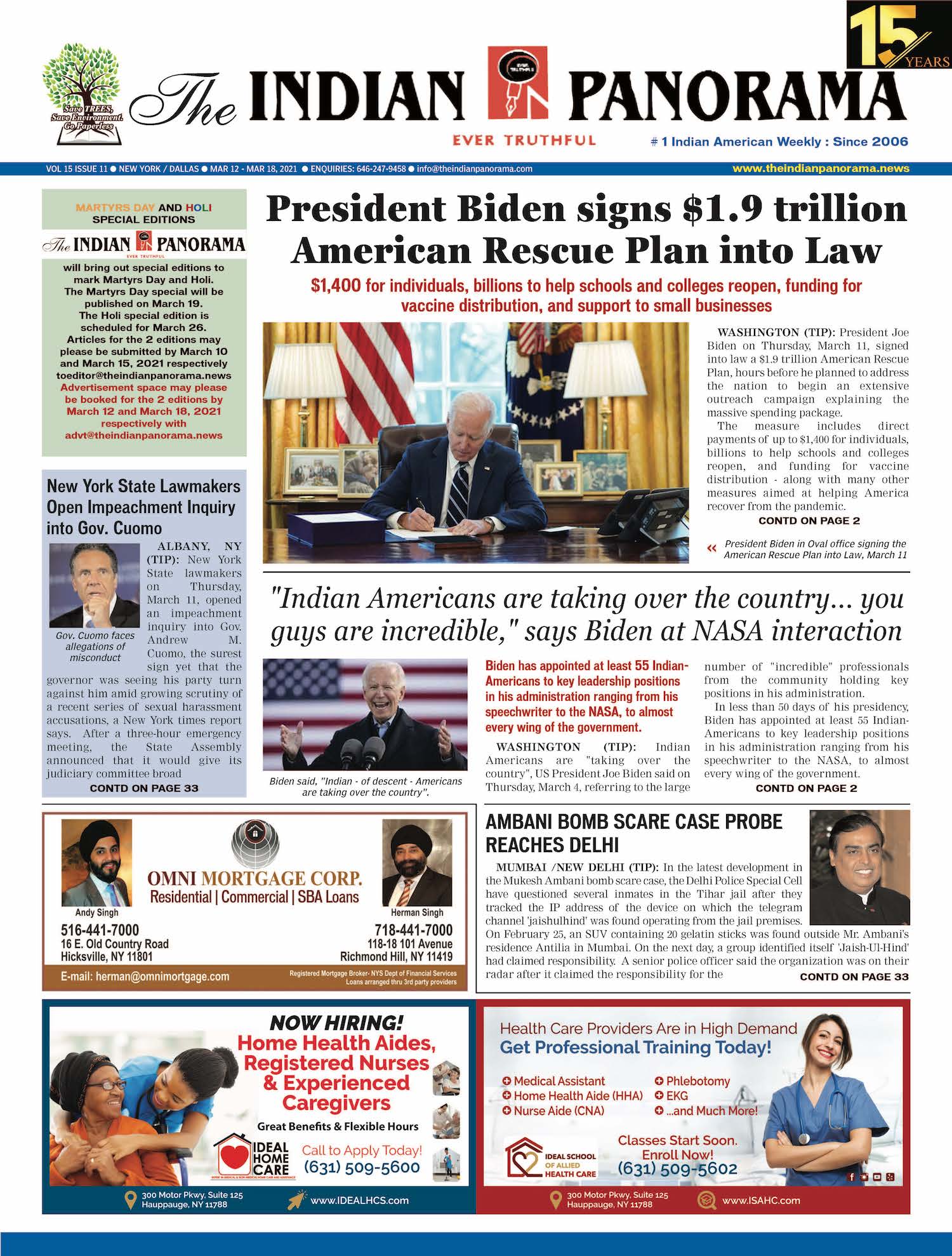
Cognitive hacking is a threat from disinformation and computational propaganda. This attack exploits psychological vulnerabilities, perpetuates biases, and eventually compromises logical and critical thinking, giving rise to cognitive dissonance. A cognitive hacking attack attempts to change the target audience’s thoughts and actions, galvanize societies and disrupt harmony using disinformation. It exploits cognitive biases and shapes people by perpetuating their prejudices. The goal is to manipulate the way people perceive reality. The storming of the U.S. Capitol by right-wing groups on January 6, 2021, is a prime example of the effects of cognitive hacking.
The implications of cognitive hacking are more devastating than cyberattacks on critical infrastructure. The damage wrought by disinformation is challenging to repair. Revolutions throughout history have used cognitive hacking techniques to a significant effect to overthrow governments and change society. It is a key tactic to achieve major goals with limited means.
For example, QAnon spread false information claiming that the U.S. 2020 presidential election was fraudulent, and conspiracy theorists (in the United Kingdom, the Netherlands, Ireland, Cyprus and Belgium) burned down 5G towers because they believed it caused the novel coronavirus pandemic. COVID-19 disinformation campaigns have prevented people from wearing masks, using potentially dangerous alternative cures, and not getting vaccinated, making it even more challenging to contain the virus.
Spreading disinformation
Distributed Denial-of-Service (DDoS) is a well-coordinated cybersecurity attack achieved by flooding IT networks with superfluous requests to connect and overload the system to prevent legitimate requests being fulfilled. Similarly, a well-coordinated disinformation campaign fills broadcast and social channels with so much false information and noise, thus taking out the system’s oxygen and drowning the truth.
The advertisement-centric business modes and attention economy incentivize malicious actors to run a sophisticated disinformation campaign and fill the information channels with noise to drown the truth with unprecedented speed and scale. Disinformation is used for social engineering threats on a mass scale. Like phishing attacks, to compromise IT systems for data extraction, disinformation campaigns play on emotions, giving cybercriminals another feasible method for scams.
A report released by Neustar International Security Council (NISC) found 48% of cybersecurity professionals regard disinformation as threats, and of the remainder, 49% say that threat is very significant; 91% of the cybersecurity professionals surveyed called for stricter measures on the Internet.
Deep fakes add a whole new level of danger to disinformation campaigns. A few quality and highly targeted disinformation campaigns using deepfakes could widen the divides between peoples in democracies even more and cause unimaginable levels of chaos, with increased levels of violence, damage to property and lives.
Cybersecurity experts have successfully understood and managed the threats posed by viruses, malware, and hackers. IT and Internet systems builders did not think of security till the first set of malicious actors began exploiting security vulnerabilities. The industry learned quickly and invested profoundly in security best practices, making cybersecurity a first design principle. It developed rigorous security frameworks, guidelines, standards, and best practices such as defense-in-depth, threat modelling, secure development lifecycle, and red-team-blue-team (self-attack to find vulnerabilities to fix them) to build cybersecurity resilience. ISACs (Information sharing and analysis centers) and global knowledge base of security bugs, vulnerabilities, threats, adversarial tactics, and techniques are published to improve the security posture of IT systems.
We can learn from decades of experience in the cybersecurity domain to defend, protect and respond, and find effective and practical solutions to counter and intervene in computational propaganda and infodemics. We can develop disinformation defense systems by studying strategy and tactics to understand the identities of malicious actors, their activities, and behaviors from the cybersecurity domain to mitigate disinformation threats. By treating disinformation as a cybersecurity threat, we can find effective countermeasures to cognitive hacking.
Defense-in-depth is an information assurance strategy that provides multiple, redundant defensive measures if a security control fails. For example, security firewalls are the first line of defense to fend off threats from external systems. Antivirus systems defend against attacks that got through the firewalls. Regular patching helps eliminate any vulnerabilities from the systems. Smart identity protections and education are essential so that users do not fall victim to social engineering attempts.
We need a defense-in-depth strategy for disinformation. The defense-in-depth model identifies disinformation actors and removes them. Authenticity and provenance solutions can intervene before disinformation gets posted. If the disinformation still gets by, detection solutions using humans and artificial intelligence, internal and external fact-checking can label or remove the content.
Today, the response to disinformation is in silos of each platform with little or no coordination. There is no consistent taxonomy, definitions, policy, norms, and response for disinformation campaigns and actors. This inconsistency enables perpetrators to push the boundaries and move around on platforms to achieve their nefarious goals. A mechanism like ISACs to share the identity, content, context, actions, and behaviors of actors and disinformation across platforms is needed. Information sharing will help disinformation countermeasures to scale better and respond quickly.
Education is key
A critical component of cybersecurity is education. Technology industry, civil society and the government should coordinate to make users aware of cyber threat vectors such as phishing, viruses, and malware. The industry with public-private partnerships must also invest in media literacy efforts to reach out to discerning public. Intervention with media education can make a big difference in understanding context, motivations, and challenging disinformation to reduce damage. The freedom of speech and the freedom of expression are protected rights in most democracies. Balancing the rights of speech with the dangers of disinformation is a challenge for policymakers and regulators. There are laws and regulations for cybersecurity criminals. More than 1,000 entities have signed the Paris Call for Trust and Security in Cyberspace, for stability and security in the information space. Similarly, 52 countries and international bodies have signed the Christchurch Call to Action to eliminate terrorist and violent extremist content online.
The disinformation infodemic requires a concerted and coordinated effort by governments, businesses, non-governmental organizations, and other entities to create standards and implement defenses. Taking advantage of the frameworks, norms, and tactics that we have already created for cybersecurity is the optimum way to meet this threat. We must protect our society against these threats or face the real possibility of societal breakdown, business interruption, and violence in the streets.
(The author is a technologist and innovator, is the Director of Technology and Operations for the Customer Security and Trust organization at Microsoft)
The US authorities have charged several members of the Proud Boys in connection with the January 6 attack in Washington. Ottawa added 12 other groups to its list of terrorist entities — three neo-Nazi groups, eight organisations described as affiliates to al-Qaeda and Daesh (Islamic State), as well as Hizbul Mujahideen, a Kashmiri group. Blair said Canadian intelligence agencies had been working for months, and in some cases, years to gather evidence needed to list the groups.
“Canada will not tolerate ideological, religious or politically motivated acts of violence,” said Blair.
Founded in 2016, the Proud Boys began as an organisation protesting political correctness and perceived constraints on masculinity in the United States and Canada, and grew into a group that embraced street fighting.
Former US president Donald Trump, asked last September whether he would denounce white supremacists and militia groups, called on the Proud Boys to “stand back and stand by”.
The listing will likely have “a bit of a polarising response” on Proud Boys members, said Jessica Davis, a former senior intelligence analyst with the Canadian Security Intelligence Service spy agency.
“For some individuals this may have a dampening effect…However, there are probably some hard-core members who will be further radicalised by this,” said Davis, president of Insight Threat Intelligence.
It was tough to say how many Proud Boys members there were in Canada, said Evan Balgord, executive director of the Anti-Hate Network of Canada.
“Before the announcement there were about eight chapters,” he said by phone, adding: “I would expect they’re pretty much done for here … under that name, they’re done.”
The group itself does not hold major financial assets, as far as Balgord knows.
The move underscored constitutional concerns about a Canadian government’s ability to designate a group as a terrorist entity, said Leah West, a national security professor at Ottawa’s Carleton University and former lawyer with the Canadian Justice Department.
Designations are impossible to challenge beforehand and difficult to address afterward, especially given lawyers may be reluctant to provide counsel to members of a terrorist group, she said by phone. Reuters
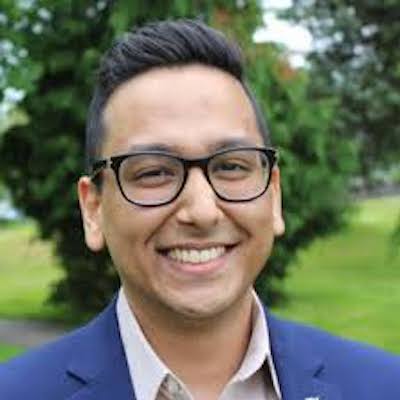
WASHINGTON (TIP): Ashwani K. Jain, a young Indian American who held multiple roles during the Obama administration, plans to seek the Democratic nomination for Maryland governor next year with an expressly generational appeal for votes.
The 31-year-old son of Indian immigrants who grew up in Maryland, acknowledged in a campaign video that his youth and inexperience may turn off some voters, marylandmatters.org reported.
“I understand that some will say that this overly ambitious, eager millennial with a baby face and no elected experience is not qualified or ready for this position,” Jain said. But, he argued, “elective experience is not the only kind of experience that matters.”
“In a state that’s becoming younger and more diverse than ever before, voices like mine are growing in Maryland and deserve to be heard, because decisions made about us should not be made without us,” Jain asserted,
In his announcement speech, Jain noted that he would be the first millennial governor in the US and the first governor of color in Maryland.
Jain said that, if elected, he would seek to make state government policies more equitable, would promote diversity in his cabinet, and would seek to eradicate the influence of money in state government and politics.
He invoked Obama toward the end of his announcement speech. “Yes, it’s true that we are the underdogs in this election,” Jain said, “but history is shaped by underdogs and those who are told to wait in line ― including a former community organizer who said, ‘Yes, we can!’”
During the Obama administration Jain worked at the White House and in the Department of Health and Human Services.
A childhood cancer survivor, who said his illness gave him a higher purpose, Jain also served as director of outreach for the administration’s “cancer moonshot,” which was headed by then-vice president Joe Biden.
He recalled recovering in a hospital and watching young children die and their parents suffer financial ruin.
“I turned from survivor to advocate,” he said. “I found my purpose in public service.”
During an unsuccessful campaign for Montgomery County Council in 2018, Jain often told a story about being in the Make-a-Wish program, which grants children with grave illnesses a fantasy wish, Maryland Matters recalled.
Jain’s was to meet actor Denzel Washington ― a meeting that took place backstage in 2005 at a Broadway theater, where Washington was starring in a revival of Shakespeare’s “Julius Caesar.”
Jain has been a volunteer with the Make-a-Wish organization ever since ― and a poster of Washington as Caesar hung behind Jain during his announcement video last Wednesday, along with a printed sheet of computer paper that said, plainly, “Jain for Governor,” taped to a whiteboard.
Jain did not participate in Montgomery County’s public financing system for political candidates in 2018, and proved to be a skillful fundraiser, Maryland Matters noted.
He took in about $233,000 for his council race, including $47,000 from his own pocket. President Obama’s Housing and Urban Development secretary, Julian Castro, headlined a fundraiser for Jain during his 2018 campaign.
Earlier this year, closing out his campaign account and opening one for his gubernatorial bid, Jain forgave the $47,000 debt.
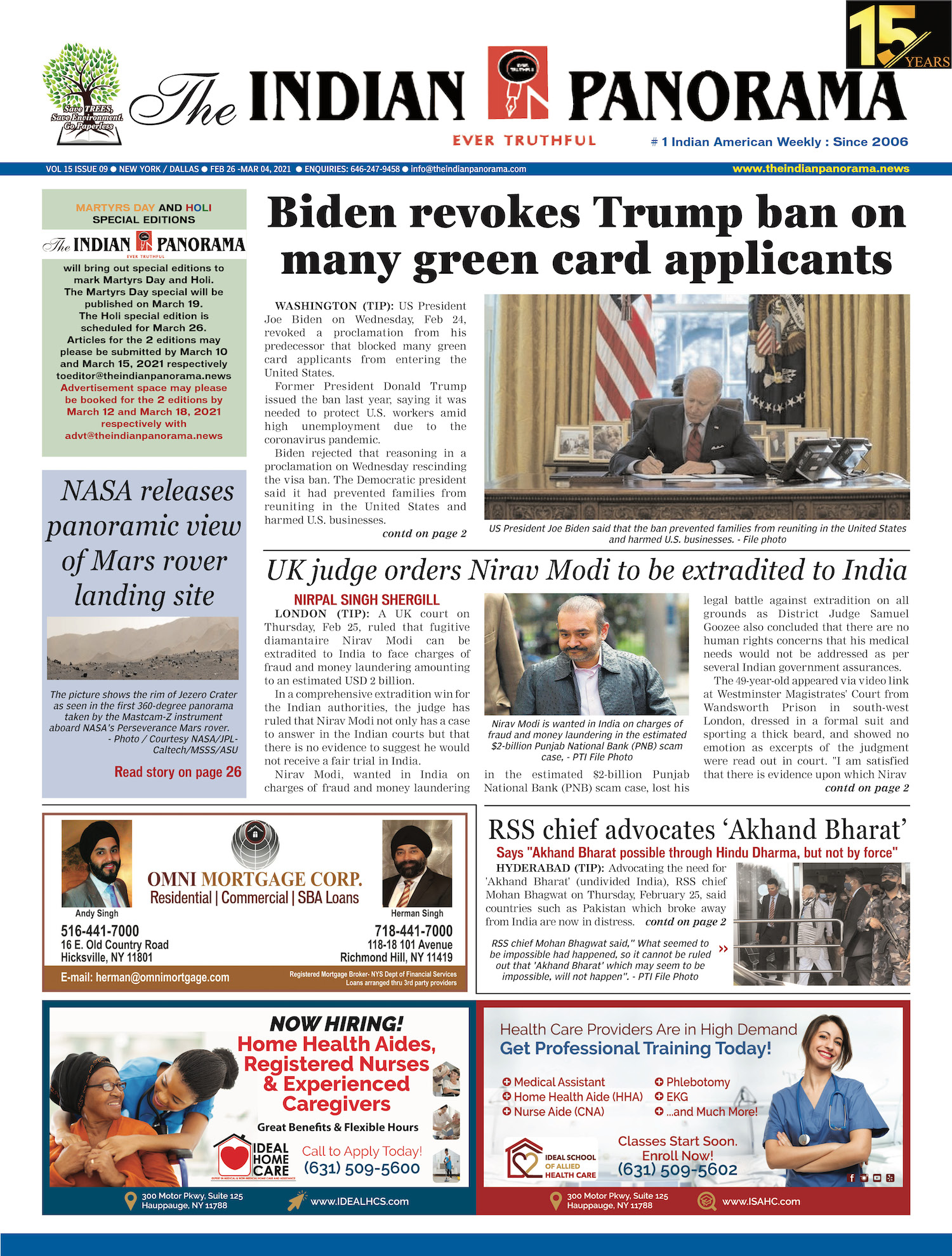
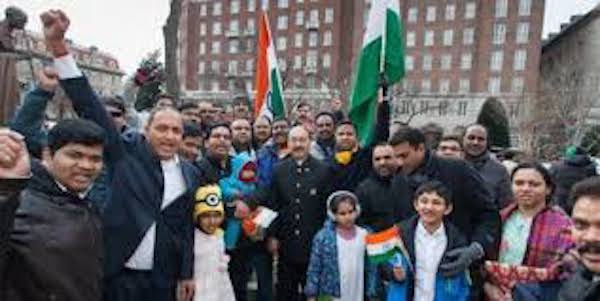
NEW YORK (TIP): In the wake of Indian American community’s extraordinary success in the November election, prominent civic leader Frank Islam would like it to redouble it efforts to maintain and increase its participation in the political process.
The community’s participation in the November election was “historically high” due “the presence of one of our own, Kamala Harris, as a Vice Presidential candidate,” he noted in a keynote speech at an event to celebrate India’s January 26 Republic Day.
“Today, in addition to Harris, a record number of Indian Americans are serving in the Biden administration,” said Islam, entrepreneur, philanthropist and civic leader, at the virtual meeting organized by Indian Overseas Congress, Washington DC Chapter on Wednesday, Jan 27.
“On Day one of the Biden administration, nearly 20 Indian Americans began serving in various capacities”, he said predicting “that number will continue to increase.”
Talking about the emerging role that “Indian Americans are playing in the United States, in India and in the world”, Islam, Azamgarh, India-born alumnus of Aligarh Muslim University, said, “In my half a century as an American, I have never experienced a moment like this.”
“Our presence as Indian Americans goes beyond the executive branch,” he said noting there are four Indian Americans in the US House of Representatives and more than a dozen in various statehouses across the country.
“There is only one reason for that.” said Islam. “It is our increased participation in the political process and our empowering civic engagement.”
“Now, having fought for and received a seat at the table, we should not rest on our laurels,” he said. “We must redouble our efforts to maintain and increase our participation in the political process, starting with local politics.”
“It is critical for us to be politically engaged not only as Indian Americans but also as responsible citizens of this nation,” said Islam.
He expressed his firm belief that “engaging in political activities focused not just on winning elections but also on creating a common cause and a unified people are pivotal to the future of this democracy.”
“All of us should be involved in those type of activities in order to ensure that we continue to build a more perfect union and develop this country in a way that benefits the many as opposed to the few,” said Islam.
“Political engagement is one form of civic engagement that we should invest ourselves in to make our society and this nation a better place,” he said.
“Political engagement is especially important because it can provide the lever for progress in other forms of engagement,” Islam added.
Citing former presidents John F. Kennedy and Dwight Eisenhower, one Democrat and the other a Republican, he said, “While political engagement can be partisan in nature, to be responsible it must not be completely so.”
“It must be bipartisan and subservient to civic engagement. Doing what is best for the country and its citizens must be more important than blind loyalty or allegiance to a political party,” Islam said.
“This is why I urge each of you to stay politically and civically engaged. And I ask you to take your participation and activism to the next level.”
Paying tribute to the Constitution of India, Islam described it as “an extraordinary document that captured the spirit of India and delineated the path forward for the nation.”
Noting the similarities between the US and Indian Constitutions, he said, “The beauty of the document is that, although it is considered a living document, as it can be amended or modified easily, many of the basic principles enshrined in it have been accepted as inalienable human rights.”
“But our recent history has proven that laws and principles are only as good as the institutions and people that guard and implement them,” Islam said.
“Nowhere has this been more apparent than in our own country, the United States,” he said noting that the US “just emerged from such a dark and sad chapter in our history” after “witnessing a transfer of power that was far from peaceful.”
“The good news is that even though the country remains deeply divided politically, our democracy remains intact,” Islam said.
“It is intact because our institutions are strong. And, because many leaders, both Republicans and Democrats “stood united to protect and defend that constitution,” he said.
Islam also fondly recalled his visit to India in 2015, as part of the US delegation accompanying President Barack Obama, the first and only US President to attend a Republic Day event as the guest of honor.
“As an Indian American, watching the ceremonial parade on Rajpath was a proud and humbling moment for me,” he said.
Sam Pitroda, the global chairman of Indian Overseas Congress, emphasized the need to strengthen the secular forces in India.
Mohinder Singh Gilzian, the president of IOC USA and George Abraham, Vice Chairman, IOC, USA also addressed the gathering.
The program included several patriotic songs. Johnson Myalil, the president of the Washington DC Chapter, welcomed the gathering.
Secretary Vipin Raj proposed the vote of thanks. Mohamed Thahir, program chair of the DC Chapter, served as the Master of Ceremony.
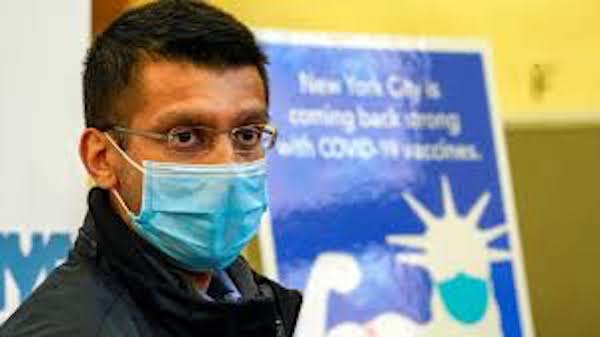
NEW YORK (TIP): Dave Chokshi, the Indian American Health Commissioner of New York City, said that he has tested positive for the novel coronavirus and warned that the disease “continues to circulate in our communities, and all of us are potentially exposed to the virus”.
In a statement issued on Wednesday, February 3, Chokshi, who assumed office on August 4, 2020, said: “In New York City and across the country, Covid continues to circulate in our communities, and all of us are potentially exposed to the virus. A testament to this fact is that I recently got tested and received a positive diagnosis for Covid-19.”
The Health Commissioner said that he has mild, but manageable symptoms, adding that the city’s Test and Trace Corps has been notified of his diagnosis and will alert anyone who was potentially exposed, Xinhua news agency reported.
“This is a reminder, if we ever needed one, that Covid is still with us and we all must continue to wear masks, wash our hands, socially distance and stay home if feeling ill,” he added.
Reacting to the development, New York City Mayor Bill de Blasio said that “Covid is everywhere around us”, and “Chokshi has been doing absolutely amazing work and grueling work protecting all of us, but we’re all human beings. There’s the possibility that Covid can reach us. It doesn’t change the overall reality”.
Following the Health Commissioner’s positive Covid-19 diagnosis, the Mayor was questioned about why he and his top officials had not been vaccinated.
“I think it is incumbent upon all of us who do not yet meet the criteria to defer to those in greater need,” de Blasio said.
“I don’t want to get a vaccination when a senior citizen could be getting that vaccination or a first responder could be getting that vaccination.” Chokshi took over as the city’s health Commissioner in the midst of the raging Covid-19 pandemic following the resignation of his predecessor Oxiris Barbot.
A primary care physician at Bellevue Hospital and associate professor at the NYU School of Medicine, Chokshi has served in leadership roles at NYC Health+ Hospitals over the past six years.
Since the onset of the pandemic early last year, New York City has registered at least 621,218 confirmed coronavirus cases and 27,354 deaths.
The city’s biggest hot spots include the South Bronx, north and southeast Queens, and much of Staten Island.
DAVIS, CA (TIP): Indian Americans on Sunday, January 31, held protest against the vandalism of a Mahatma Gandhi statue in California’s Davis and demanded reinstallation of the statue.
In a statement by Deputy Chief Paul Doroshov of the Davis Police Department, the statue, broken off at the ankles and the top half of its head broken off, was found by a park worker around 9 am (local time) on Wednesday.
Stepping up in support of the Indian community at the vigil was the Mayor of Davis Gloria Partida who deeply regretted the incident. The mayor informed the protesters that they have initiated an investigation. “Vandalism will never be condoned. Mahatma Gandhi is our inspiration and we will not allow this. Not on our watch,” the mayor added.
“Pro-Khalistan radical groups from neighboring towns outside of Davis tried to intimidate the attendees in an attempt to stop the event and tried to assault a lady speaker at the event,” Bhaskar Vempati, President of the Indian Association of Sacramento, one of the cohosts of the event told media.
“Police had to be called in to control the aggressive protestors. A police report has been filed on the incident of assault on the lady speaker,” Vempati further added.
The Consulate General of India in San Francisco has separately taken up the matter with the City of Davis and local law enforcement authorities.
Speaking to Media, Dr TV Nagendra Prasad, Consul General of India, San Francisco said, “The City Council has condemned the incident and issued a statement. I did take it up separately and the city council and police authorities assured me to bring the culprits to justice. They also allowed and provided security to the vigil by the community today.”
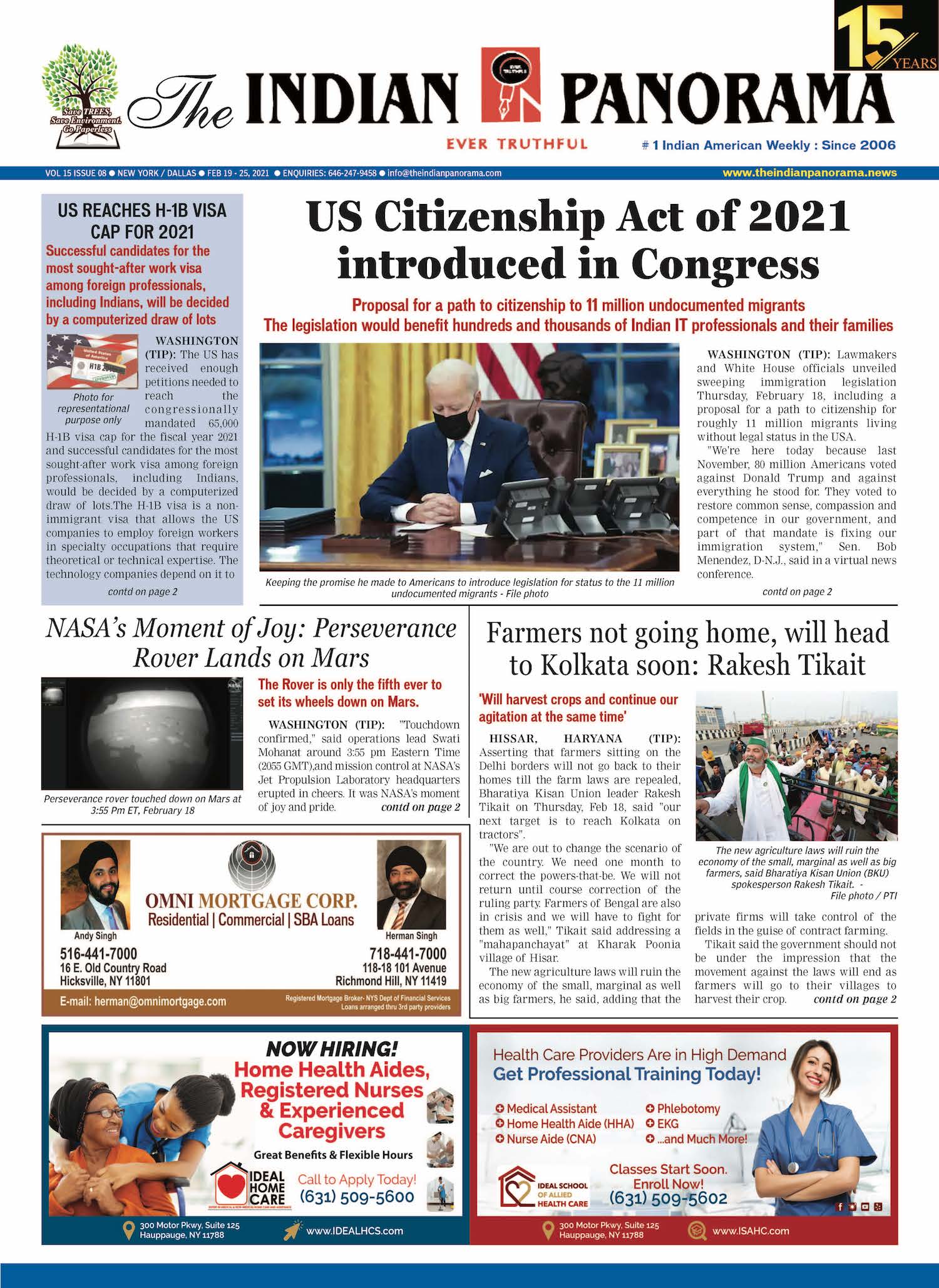
WASHINGTON (TIP): US President Joe Biden has appointed Indian-origin Raj Panjabi to lead his Malaria Initiative, which is mainly in African and Asian countries.
“After being sworn in this morning, I’m honored to share that I’ve been appointed by” Joe Biden as the president’s Malaria Coordinator to lead the US president’s Malaria Initiative, Raj Panjabi said on twitter. “I’m grateful for this chance to serve,” he added.
Born in Liberia, Raj Panjabi and his family fled the county during its civil war and arrived in the United States as refugees in the 1990s.
My family and I arrived in America 30 years ago after fleeing civil war in Liberia. A community of Americans rallied around my family to help us build back our lives. It’s an honor to serve the country that helped build back my own life as part of the Biden-Harris Administration.
“In the face of unprecedented crises, I am humbled by the challenges our country and our world faces to build back better. But as I have learned in America: we are not defined by the conditions we face; we are defined by how we respond,” Raj Panjabi said in a series of tweets.
As a doctor and public health professional who has cared for patients alongside the staff of the President’s Malaria Initiative and its partners USAID and Center for Disease Control, Raj Panjabi said: “I’ve been inspired by how they’ve responded to fight malaria, one of the oldest and deadliest pandemics, and saved lives around the world.”
He said this mission is personal for him. “My grandparents and parents were infected with malaria while living in India. As a child in Liberia, I fell sick with malaria, and as a doctor serving in Africa, I have seen this disease take too many lives,” he said.
“I’ve seen how” the Malaria Initiative and its partners have responded with resolve in the countries where it operates.
“I’ve seen the relief on the faces of parents whose children survived malaria because they were treated with medicines and by health workers backed by its support,” he said.
Raj Panjabi fled Liberia during the country’s civil war at age nine, becoming a refugee in the US. He returned to Liberia as a medical student and in 2007, co-founded Last Mile Health. He has served as an assistant professor of medicine at the Harvard Medical School, an associate physician at the Brigham and Women’s Hospital and the CEO and co-founder of Last Mile Health, according to his profile on LinkedIn.
Raj Panjabi and the Last Mile Health team played a key role in the 2013-16 West Africa Ebola epidemic, helping train over a thousand frontline and community health workers and support the government of Liberia to lead its national Ebola Operations Centre. Raj Panjabi delivered testimony on the Ebola epidemic at the US Senate Foreign Relations Subcommittee.
In response to COVID-19, he led Last Mile Health to support governments in Africa to train frontline health workers. He served as the advisor to former president Ellen Johnson Sirleaf in her role as the co-chair of the Independent Panel for Pandemic Preparedness and Response at the World Health Organization (WHO). Raj Panjabi has cared for patients with COVID and urgent care needs.
He is a graduate of the University of North Carolina School of Medicine, trained in internal medicine and primary care at Massachusetts General Hospital and Harvard Medical School, and received a master’s degree in public health in epidemiology from Johns Hopkins. He has served as a faculty member at the Harvard Kennedy School.
Signup to our Newsletter!
Don’t miss out on all the happenings around the world