
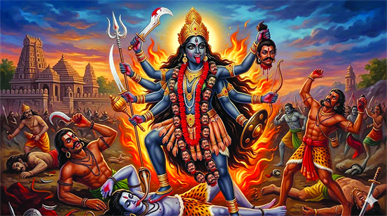

Bhadrakali Jayanti, to be observed on 13 May this year, is a deeply sacred occasion dedicated to the fierce and protective form of the Divine Mother, Bhadrakali. Rooted in ancient Hindu tradition, this day commemorates the appearance of the goddess who embodies both destruction of evil and the preservation of cosmic balance. Revered across various regions of India, Bhadrakali is seen as a guardian force—one who shields devotees from adversity while guiding them toward strength and inner clarity.
In the vast and intricate tapestry of Hindu spirituality, the worship of the Divine Feminine occupies a space of profound reverence and mystery. Among the many manifestations of the Goddess, Bhadrakali stands as a powerful embodiment of both ferocity and benevolence-an awe-inspiring deity who destroys evil while fiercely protecting her devotees. Bhadrakali Jayanti, the sacred observance dedicated to her, is not merely a ritualistic festival; it is a deeply spiritual occasion that celebrates the triumph of divine justice, cosmic balance, and inner transformation.
The Sacred Origin of Bhadrakali
The origins of Bhadrakali are rooted in ancient Hindu scriptures, particularly the Shiva Purana and Devi Mahatmya. The name “Bhadrakali” itself carries layered meaning-Bhadra signifies auspiciousness and benevolence, while Kali represents time, power, and transformation. Together, the name reflects a paradox: a fierce goddess who embodies ultimate compassion.
According to legend, Bhadrakali was born from the wrath of Lord Shiva. When Shiva learned of the self-immolation of his consort Sati during the infamous Daksha Yajna, his grief turned into uncontrollable rage. From this divine fury emerged Bhadrakali, a terrifying yet righteous force destined to annihilate arrogance and restore cosmic order. In some traditions, she is also associated with the slaying of the demon Darika, a tyrant who had become invincible through boons and whose cruelty had disturbed the balance of the universe. Bhadrakali’s victory over such forces symbolizes the ultimate triumph of righteousness over evil.
A Goddess of Contrasts: Fierce Yet Protective
Bhadrakali is often depicted with multiple arms, holding weapons such as a trident, sword, and skull cup, her eyes blazing with divine intensity. Yet, beneath this fierce exterior lies a deeply nurturing aspect. She is regarded as a guardian deity, particularly in southern India, where she is worshipped as a protector of villages and communities.
Her dual nature reflects a deeper philosophical truth within Hinduism-the idea that destruction is not inherently negative but is often a necessary precursor to renewal. In this sense, Bhadrakali is not merely a destroyer of demons but also a remover of ignorance, ego, and inner darkness.
The Significance of Bhadrakali Jayanti
Bhadrakali Jayanti is observed on the full moon day (Purnima) of the month of Vaishakha in many regions, although dates and customs may vary. The festival commemorates the appearance of the goddess and serves as a reminder of her protective presence in the lives of devotees.
Spiritually, the day is considered highly potent for invoking strength, courage, and clarity. Devotees believe that sincere prayers offered on this day can help overcome obstacles, dispel fear, and bring about inner transformation. The festival is particularly significant for those seeking protection from negative influences and guidance in times of uncertainty.
Rituals: Invoking the Divine Power
The rituals of Bhadrakali Jayanti are marked by devotion, discipline, and symbolic intensity. Devotees begin the day with early morning baths, often followed by visits to temples dedicated to the goddess. Homes and temples are decorated with flowers, lamps, and sacred symbols, creating an atmosphere of sanctity.
One of the central rituals is the chanting of hymns and mantras dedicated to the goddess, including verses from the Durga Saptashati. These recitations are believed to invoke the protective energy of the goddess and cleanse the mind of negativity.
Offerings typically include red flowers, fruits, coconut, and sweets, all symbolizing purity and devotion. In some regions, special worship rituals involve fire ceremonies, where offerings are made into the sacred fire while chanting mantras.
Fasting is also observed by many devotees as a means of spiritual purification and discipline. The fast is often broken after evening prayers, symbolizing the completion of a day dedicated entirely to the divine.
Regional Celebrations: A Cultural Mosaic
The celebration of Bhadrakali Jayanti varies across India, reflecting the rich diversity of regional traditions.
In Kerala, Bhadrakali is one of the most revered deities, and her festivals are marked by elaborate temple rituals and vibrant performances. Traditional art forms like Theyyam and Mudiyettu bring to life the legends of the goddess through dramatic storytelling, music, and dance.
In Tamil Nadu, temples dedicated to Bhadrakali witness large gatherings of devotees who participate in special worship and community feasts. The goddess is often worshipped as a fierce protector, and rituals may include symbolic acts of devotion that reflect deep faith and surrender.
In parts of Himachal Pradesh and Uttarakhand, Bhadrakali is worshipped in local forms, often associated with village deities. Here, the festival takes on a more intimate and community-centered character, with prayers offered for protection, prosperity, and harmony.
The Inner Meaning: A Journey Within
Beyond its external rituals and celebrations, Bhadrakali Jayanti carries a profound inner message. The demons that the goddess destroys are not merely external forces but also symbolic of the inner conflicts that individuals face-fear, anger, ego, and ignorance.
Worshipping Bhadrakali becomes, therefore, an act of inner transformation. It is a call to confront one’s own shadows, to embrace change, and to cultivate strength and resilience. The fierce form of the goddess reminds devotees that true compassion sometimes requires courage and that destruction can be a pathway to renewal.
Bhadrakali in Contemporary Times
In today’s fast-paced and often chaotic world, the relevance of Bhadrakali Jayanti remains undiminished. The festival offers a moment of pause-a chance to reconnect with deeper spiritual truths and to seek guidance from a higher power.
For many, the goddess represents empowerment, especially for women, symbolizing the strength to overcome adversity and assert one’s identity. Her worship transcends ritual, becoming a source of inspiration and inner strength in everyday life.
The Eternal Flame of Divine Power
Bhadrakali Jayanti is not just a celebration of a deity; it is a celebration of divine energy-the dynamic force that sustains the universe. It is a reminder that within every individual lies the potential for transformation, the power to overcome darkness, and the ability to restore balance.
As lamps are lit, hymns are chanted, and prayers are offered, devotees are not merely honoring a distant goddess-they are awakening the divine force within themselves. In the fierce yet compassionate gaze of Bhadrakali, they find both protection and purpose, both destruction and renewal.

Be the first to comment