
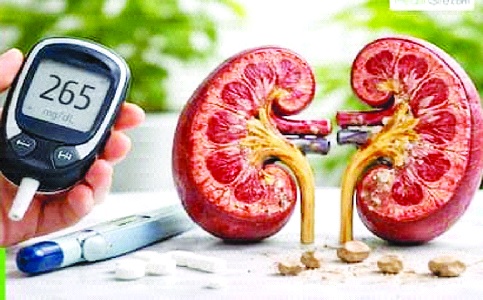

When it comes to blood sugar, the pancreas usually takes centre stage. It produces insulin, the hormone that helps move glucose from the bloodstream into cells. But another pair of organs is quietly involved in the process: your kidneys.
Known primarily for filtering waste and producing urine, the kidneys also help regulate glucose levels, contribute to the body’s energy supply and influence how much sugar is removed from the bloodstream. This lesser-known role makes kidney health particularly important for people concerned about diabetes and metabolic health.
Your kidneys handle glucose every day
Blood constantly passes through the kidneys, where it is filtered to remove waste and excess substances. Glucose is also filtered during this process.
Under normal circumstances, the kidneys recover almost all of the filtered glucose and return it to the bloodstream. This prevents the body from unnecessarily losing an important source of energy.
Special transport proteins in the kidney’s tubules are responsible for much of this recovery. One of the most important is SGLT2, which reabsorbs most of the glucose filtered by the kidneys.
This carefully controlled process helps keep blood glucose within its normal range.
The kidneys can produce glucose too
The kidneys don’t simply recycle glucose-they can also make it. During fasting, such as overnight when you have not eaten for several hours, the body needs to maintain a steady supply of glucose for tissues that depend on it. The kidneys contribute to this process by producing glucose through gluconeogenesis.
The liver remains the primary organ responsible for maintaining blood glucose during fasting, but the kidneys can make a meaningful contribution.
This is one reason the kidneys should be viewed as active metabolic organs rather than merely filtration systems.
What happens when blood sugar stays high?
The kidney has a limit to how much glucose it can reabsorb. When blood glucose becomes very high, the amount of filtered glucose can exceed the kidney’s ability to reclaim it. The excess then passes into the urine. This is known as glucosuria.
In diabetes, prolonged high blood glucose can also alter normal kidney function. The kidneys may increase glucose reabsorption, potentially making it harder for the body to lower blood sugar.
This creates an important connection between diabetes and the kidneys: high blood sugar can affect kidney function, while changes in kidney glucose handling can influence blood sugar.
Why some diabetes medicines target the kidneys
The kidney’s role in glucose reabsorption has become the basis for an important group of diabetes medicines known as SGLT2 inhibitors.
These medicines reduce glucose reabsorption in the kidneys, allowing more glucose to leave the body through urine. This lowers blood glucose.
Their significance goes beyond sugar control. Certain SGLT2 inhibitors have also been shown to protect kidney and cardiovascular health in appropriate patients.



Be the first to comment