
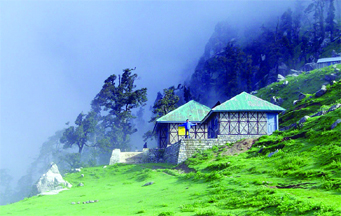

In an age where travel itineraries are often dictated by social media trends and crowded tourist circuits, the true essence of exploration lies in venturing into the unknown. While popular hill stations have their undeniable charm, it is the offbeat destinations-quiet, raw, and largely untouched-that offer a deeper, more intimate connection with nature and culture.
These hidden retreats are not just places on a map; they are experiences waiting to unfold. Here, the journey itself becomes part of the adventure. Roads may be less defined, connectivity limited, and accommodation options modest-but every challenge adds to the thrill. What awaits, however, is unmatched serenity, pristine landscapes, and cultural authenticity that remain unspoiled by mass tourism.
From the misty valleys of the Northeast to the stark, high-altitude deserts of Himachal, here are some of India’s most captivating offbeat hill stations that promise discovery at every turn.
Ziro Valley – A Cultural Tapestry in the Clouds
Nestled in the Lower Subansiri district, Ziro Valley is often described as one of India’s most picturesque and culturally rich landscapes. Surrounded by pine-clad hills and dotted with lush rice paddies, the valley is home to the indigenous Apatani tribe-a community celebrated for its sustainable agricultural practices and deep ecological wisdom. What sets Ziro apart is its unique cultural identity. Elderly women of the tribe, adorned with traditional facial tattoos and nose plugs, reflect a heritage that has endured for centuries. Life here moves at a gentle pace, guided by tradition and harmony with nature. In September, the tranquil valley bursts into life during the Ziro Music Festival, where global and indie artists perform against the backdrop of open fields and rolling hills. With its growing cultural and ecological significance, Ziro has even been proposed for inclusion in UNESCO’s World Heritage Sites.
Mashobra – Nature’s Quiet Sanctuary
Just beyond the bustling charm of Shimla lies the serene hamlet of Mashobra. Connected via the historic Hindustan-Tibet Road, this quaint town offers a refreshing escape into nature’s embrace. Mashobra is enveloped in dense forests of oak, cedar, and rhododendron, making it a haven for birdwatchers, nature lovers, and creative souls. Unlike its popular neighbor, Mashobra remains blissfully uncrowded, allowing visitors to immerse themselves in silence and scenic beauty. The region is also part of a wildlife sanctuary, adding an element of wilderness to its charm. Whether it’s long forest walks, apple orchard visits, or simply soaking in mountain views, Mashobra invites you to slow down and reconnect.
Munsiyari – Where Adventure Begins
Perched at 2,298 meters in the Kumaon region, Munsiyari is a paradise for trekkers and adventure enthusiasts. Often referred to as the “Little Kashmir” of Uttarakhand, it offers sweeping views of the majestic Panchachuli peaks.
Surrounded by thick forests of deodar, pine, and rhododendron, Munsiyari serves as a gateway to some of the most thrilling Himalayan treks, including the route to the Namik Glacier and the Milam Glacier. Beyond trekking, the region offers opportunities for birdwatching, photography, and cultural immersion in local Kumaoni traditions. Its remote location ensures that the beauty remains pristine and largely untouched.
Araku Valley – The Green Heart of the Eastern Ghats
Hidden within the Eastern Ghats, Araku Valley is a lush paradise known for its coffee plantations, tribal culture, and scenic landscapes. Often dubbed the “food bowl of South India,” the valley is a delightful blend of natural beauty and agricultural richness. The journey to Araku is as mesmerizing as the destination itself-winding roads, tunnels, and mist-laden hills create a cinematic experience. The region is home to attractions like the stunning Borra Caves, the cascading Katiki Falls, and the picturesque Dumbriguda Waterfalls.
Visitors can also explore tribal museums, taste locally grown organic coffee, and experience the vibrant culture of indigenous communities.
Dharamkot – A Bohemian Retreat in Hills
Overlooking McLeod Ganj, Dharamkot is a tranquil village that has earned a reputation as a spiritual and backpacker’s haven. Far removed from the hustle of nearby towns, Dharamkot offers a slower, more mindful way of life. The village is dotted with meditation centers such as Vipassana Meditation Centre and Tushita Meditation Centre, attracting seekers from across the world. It also serves as the base for the popular Triund trek, known for its panoramic views of the Dhauladhar range. Quaint cafés serving global cuisines, yoga retreats, and scenic viewpoints add to its laid-back, artistic vibe.
Kaza – Into the Mystic Cold Desert
At an altitude of 3,650 meters, Kaza lies in the heart of Spiti Valley-a cold desert that mirrors the stark beauty of Tibet and Ladakh. With vast barren landscapes, dramatic mountain formations, and deep blue skies, Kaza offers an otherworldly experience.
The region is steeped in Buddhist culture, with ancient monasteries such as Key Monastery and Tangyud Monastery standing as spiritual anchors.
Despite its remoteness, Kaza has a small but lively market featuring bakeries, cafés, and shops catering to travelers and trekkers. It is a destination for those seeking solitude, adventure, and spiritual reflection.
Aru Valley – A Hidden Paradise in Kashmir
A serene extension of Pahalgam, Aru Valley is a breathtaking landscape of meadows, rivers, and snow-capped peaks. The gentle flow of the Lidder River and the sight of grazing horses create a postcard-perfect setting.
Aru is also a base for treks to the Kolahoi Glacier and other alpine regions. Nearby attractions such as Betaab Valley and Baisaran Valley further enhance its appeal.
Whether you choose to camp under the stars or explore its scenic trails, Aru Valley offers a peaceful retreat into nature.
Kibber – Life at the Edge of the Sky
At 4,205 meters, Kibber is among the highest inhabited villages in the world. Its stark terrain, characterized by rugged mountains and vast open spaces, creates a sense of awe and isolation.
The nearby Kibber Wildlife Sanctuary is home to rare Himalayan species, including the elusive snow leopard. The village’s monasteries and traditional homes offer a glimpse into a lifestyle shaped by extreme conditions and deep spiritual roots.

Be the first to comment