

A vegetarian diet is often associated with a healthy lifestyle, but new research suggests that women who avoid meat may need to pay particular attention to bone health as they grow older. While a well-planned vegetarian diet can provide many important nutrients, researchers have found an association between vegetarian diets and a higher risk of hip fractures in women later in life. The findings highlight the importance of ensuring adequate intake of protein, calcium, vitamin D and other nutrients that contribute to strong bones.
Hip fractures are among the most serious injuries associated with ageing. They can significantly affect mobility and independence and may require surgery, prolonged rehabilitation and, in some cases, long-term care. The risk of fractures generally increases with age as bone density declines, particularly after menopause when falling levels of oestrogen can accelerate bone loss in women.
Vegetarian diets exclude meat and, depending on the type of vegetarian diet followed, may also exclude fish, poultry or other animal-derived foods. Although such diets can be nutritionally adequate, people who eliminate major food groups need to make sure that they replace the nutrients those foods provide. For women, this becomes particularly important with advancing age, when maintaining muscle mass and bone strength becomes increasingly challenging.
One possible explanation for the association between vegetarian diets and hip fractures is lower protein intake. Protein plays an important role not only in maintaining muscles but also in supporting the structure and strength of bones. Strong muscles are equally important because they help with balance and movement and can reduce the likelihood of falls. If a vegetarian diet is low in protein or overall calories, it may contribute to lower muscle mass and poorer bone health over time.
Calcium and vitamin D are also central to maintaining strong bones. Calcium provides much of the mineral structure of bone, while vitamin D helps the body absorb calcium effectively. Dairy products can be an important source of both protein and calcium for lacto-vegetarians, while fortified plant milks, tofu made with calcium, leafy green vegetables, beans, nuts and seeds can also contribute to calcium intake. Vitamin D can be obtained from fortified foods and supplements when necessary, although requirements vary from person to person.

Coronavirus
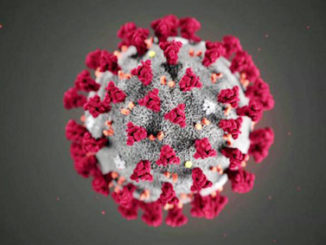
Germany records highest daily death toll since start of Covid
Another 1,244 Covid-19 deaths have been reported in Germany in a 24-hour period, the highest daily figure since the start of the pandemic, official data showed. To date, 43,881 people in Germany have succumbed to […]
Comments
Annihilate the Monster of Coronavirus
As we transition to 2021, my mind takes a bird’s -eyeview of the world . 2020 has not been a kind year. Besides the usual natural calamities that hit many parts of the world,, including […]

United States
Fewer than 2 million signed up for Medicaid under the health law: REPORT
WASHINGTON (TIP): The Obama administration has said that 6.3 million people were determined to be eligible for Medicaid between October and December. But the study, from health-care industry consulting firm Avalere Health, suggests that only […]
Be the first to comment