
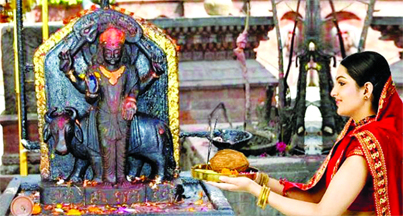

Among the many spiritual observances in the Hindu calendar, Shani Jayanti holds a unique and deeply powerful place. Dedicated to Lord Shani, the divine embodiment of justice, discipline, karma, and truth, the festival marks the birth anniversary of Shani Dev, one of the most revered and feared deities in Hindu belief.
Observed on the Amavasya, or new moon day, of the month of Jyeshtha according to the Hindu lunar calendar, Shani Jayanti is considered highly auspicious for seeking relief from hardships, overcoming karmic obstacles, and attaining spiritual growth through humility and righteous living.
For millions of devotees across India, the occasion is not merely about rituals or astrological remedies. It is a day of introspection, self-discipline, devotion, and acceptance of the universal law of karma that Lord Shani represents.
The Divine Origin of Shani Dev
In Hindu scriptures, Lord Shani is regarded as the son of Surya Dev, the Sun God, and Chhaya, the shadow form of Goddess Sandhya. According to ancient legends, Chhaya was a devoted ascetic who spent long periods immersed in severe penance while carrying Shani in her womb. During this intense spiritual practice, she remained exposed to harsh sunlight and difficult conditions.
It is believed that the powerful austerities performed by Chhaya influenced the unborn child, giving Shani Dev his dark complexion, immense spiritual strength, and deeply serious nature. Scriptures describe Shani as a deity associated with patience, justice, detachment, endurance, and karmic accountability.
One popular legend states that when Shani Dev first opened his eyes after birth, the intense power of his gaze caused Surya Dev’s chariot horses to stumble and the sunlight itself to dim momentarily. This story symbolises the immense cosmic influence associated with Shani.
The Lord of Karma and Justice
Among the Navagrahas, or nine celestial influences in Hindu astrology, Shani Dev is considered the ruler of Saturn. Unlike deities associated primarily with blessings or prosperity, Lord Shani is regarded as the divine dispenser of justice who rewards or punishes individuals according to their karma. In spiritual philosophy, Shani Dev is not seen as cruel, but impartial. His role is to ensure that every soul learns from its actions. Hardships attributed to Shani are believed to encourage discipline, honesty, humility, patience, and spiritual maturity.
This is why Shani is often called the great teacher among the planetary deities. Devotees believe that sincere effort, truthfulness, compassion, and righteous conduct can reduce the challenges associated with Shani’s influence.
Legends Associated With Shani Dev
Several fascinating legends surrounding Shani Dev are narrated in the Puranas and folk traditions.
The Story of Lord Hanuman and Shani Dev
One of the most widely known legends connects Lord Hanuman with Shani Dev. According to the story, Shani once attempted to influence Hanuman during his mission to Lanka. Hanuman, however, trapped Shani beneath his tail and continued his journey, causing Shani great discomfort.
After being released, Shani Dev promised that devotees who worship Hanuman with sincerity would receive protection from severe difficulties associated with Saturn’s influence. This legend explains why many devotees recite the Hanuman Chalisa on Saturdays and during Shani Jayanti.
King Vikramaditya and the Test of Shani
Another popular legend tells of King Vikramaditya, renowned for his wisdom and justice. When the king once underestimated Shani’s power, the deity decided to test him. Vikramaditya lost his kingdom, wealth, and status, suffering years of hardship before eventually regaining everything through patience, humility, and virtue.
The story symbolises the transformative power of suffering and the belief that even the greatest individuals must face karmic lessons.
Rituals and Observances of Shani Jayanti
Shani Jayanti is observed with great devotion, especially in states such as Maharashtra, Uttar Pradesh, Madhya Pradesh, Rajasthan, and Karnataka. Devotees wake up early, take ritual baths, wear clean dark-coloured or black clothes, and visit Shani temples to offer prayers.
Some of the common rituals include:
– Offering mustard oil to Shani Dev idols
– Lighting sesame oil lamps
– Donating black sesame seeds, black cloth, or iron
– Feeding the poor and needy
– Chanting Shani mantras and hymns
– Reading the Shani Mahatmya
– Observing fasting throughout the day
The crow, regarded as the vehicle of Shani Dev, is also symbolically fed during the observance.
Many devotees visit famous temples dedicated to Shani Dev, including Shani Shingnapur Temple, one of the most renowned pilgrimage sites associated with Lord Shani.
Astrological Importance of Shani Jayanti
In Vedic astrology, Shani is considered one of the most influential planetary forces. Periods such as Sade Sati and Shani Mahadasha are often associated with major life challenges, karmic lessons, and transformation.
For this reason, Shani Jayanti is regarded as especially significant for individuals seeking relief from obstacles, delays, financial difficulties, health issues, or emotional struggles linked with Saturn’s influence.
Astrologers believe that sincere prayers, charity, disciplined conduct, and selfless service performed on this day can help reduce negative karmic effects and invite spiritual protection.
The Spiritual Symbolism of Lord Shani
Though often feared, Shani Dev represents profound spiritual truths. His energy symbolises:
– Discipline over indulgence
– Truth over deception
– Patience over haste
– Humility over ego
– Karma over illusion
In many ways, Lord Shani reminds humanity that actions have consequences and that true spiritual growth often emerges through struggle, responsibility, and self-reflection.
Unlike deities associated with instant blessings, Shani teaches the value of perseverance and ethical living.
Charity and Service on Shani Jayanti
Acts of charity hold special importance during Shani Jayanti. Devotees believe that helping the poor, feeding animals, supporting labourers, and serving the elderly please Lord Shani. Black sesame, urad dal, footwear, blankets, and food are commonly donated. Such acts are considered symbolic expressions of compassion and humility – virtues closely connected with Shani Dev’s teachings.



1 Trackback / Pingback