
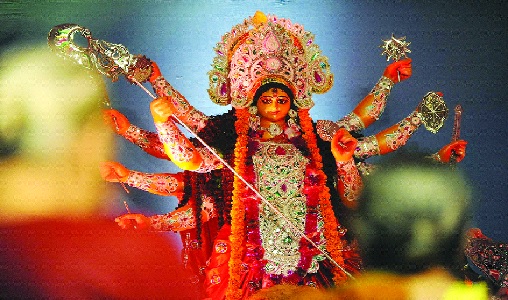

Sharad Navratri, the nine-night festival dedicated to the divine feminine, will begin on October 11, 2026, and culminate on October 19, with Vijayadashami falling on October 20. The festival brings together prayer, fasting, ritual, music and community celebrations while inviting devotees to reflect on the deeper meaning of strength, compassion, wisdom and spiritual renewal.
Every year, as the autumn season sets in, India comes alive with the energy of Sharad Navratri. Homes are cleaned and decorated, temples glow with lamps, devotional songs fill the air and communities gather for Garba, Dandiya and Durga Puja celebrations. Yet beyond the color and spectacle lies a deeply spiritual festival centred on Shakti – the divine feminine power that sustains, protects and transforms the universe.
Navratri literally means “nine nights”. During these nine days, devotees worship the nine manifestations of Goddess Durga, collectively known as the Navadurga. Each form represents a distinctive quality of the divine – from courage and penance to motherhood, wisdom, destruction of evil and spiritual fulfillment.
The 2026 festival begins with Ghatasthapana and the worship of Goddess Shailputri on October 11. The nine-day observance concludes on October 19, while Vijayadashami or Dussehra will be celebrated on October 20.
The sacred beginning: Ghatasthapana
The first day of Navratri marks the invocation of the Goddess through Ghatasthapana, or Kalash Sthapana. A sacred pot filled with water and adorned with mango leaves and a coconut is installed as part of the ritual. In many homes, barley seeds are also sown in a decorated vessel. Their growth over the nine days becomes a symbol of life, prosperity and renewal.
Devotees begin their day with a bath, prayers and meditation before performing the puja. Flowers, fruits and other offerings are presented to the Goddess, while sacred texts and hymns are recited. The atmosphere of Navratri encourages devotees to turn inward, observe discipline and devote time to prayer and contemplation.
The festival’s emphasis on austerity is particularly evident in the practice of fasting. Many devotees abstain from grains and certain spices and instead consume fruits, potatoes, sweet potatoes, buckwheat, water chestnut flour, sabudana and makhana. Rock salt, or sendha namak, is commonly used in fasting meals. But fasting is not merely viewed as dietary restriction. At its heart is the idea of self-control and purification – an opportunity to step away from excess and concentrate on spiritual discipline.



Be the first to comment