

The Energy Hierarchy: What Your Body Burns First
Your body doesn’t look in the mirror and decide to burn fat; it runs on strict biochemical survival rules. When you need energy, your body pulls from three primary buckets: carbohydrates (glycogen), stored body fat (adipose tissue), and protein (muscle tissue).
- Glycogen: This is your body’s preferred, high-octane fuel. It’s stored in your liver and muscles and is incredibly easy to break down.
- Fat Stores: Once your readily available glycogen levels drop due to a calorie deficit, your body shifts to oxidizing fatty acids for fuel.
- Muscle Tissue: Muscle is essentially a massive storage unit for amino acids. If the energy crisis (your diet) is too severe, the body triggers a process called gluconeogenesis, breaking down its own muscle tissue to convert it into glucose.
The goal of smart dieting is to maximize fat burn while keeping that third bucket locked down.
The Triad of Muscle Preservation: Why You Lose Muscle
To prevent your body from scavenging its own muscle for energy, you have to fight three specific physiological triggers.
1. The Rate of Weight Loss
If you cut your calories too drastically, your body cannot physically liberate fat fast enough to meet the energy deficit. Research published in the International Journal of Sports Nutrition and Exercise Metabolism compared a fast weight loss group (losing 1.4% of body weight per week) to a slow weight loss group (losing 0.7% per week).
The results were stark: the slow weight loss group gained a small amount of muscle mass (+2.1%) while losing fat, whereas the fast weight loss group lost structural muscle mass and saw their metabolic rate drop.
- The Takeaway: Rapid weight loss forces the body to burn muscle because fat cannot be converted into energy quickly enough to cover a massive deficit.
2. Protein Intake
When you are in a calorie deficit, muscle protein breakdown naturally increases. If you aren’t eating enough protein, your body will harvest amino acids from your muscles to run vital organs. You can add whey protein to your diet to complete your nutrition without adding too much calories.
A landmark study in The American Journal of Clinical Nutrition put two groups on a heavy 40% calorie deficit. The high-protein group (eating 2.4 grams per kilogram of body weight) managed to gain 2.6 pounds of muscle while losing 10.6 pounds of fat in just four weeks. The lower-protein group lost significantly less fat and failed to gain muscle.
- The Takeaway: High protein consumption provides an external source of amino acids, signaling to your body that it doesn’t need to break down its own walls for fuel.
3. Resistance Training
Your body operates on an efficiency principle: if you don’t use it, it will get rid of it. Muscle is metabolically expensive; it burns calories just sitting there. During a diet, your body wants to dump this expensive tissue to save energy.
Lifting weights sends a mechanical signal to your nervous system that these muscles are vital for survival. Data from the Journal of the American College of Nutrition showed that dieters who only did cardio lost a significant amount of lean mass, while those who lifted weights preserved 100% of their muscle tissue and shifted all weight loss directly to fat.
- The Takeaway: Resistance training creates the necessary tension to override the body’s natural urge to downsize muscle during a shortage of food.
Indicators that You’re Losing Muscle, Not Fat
Scale weight alone is a terrible metric for body composition. If you are losing weight but burning muscle instead of fat, you will typically notice these specific red flags:
- The “Skinny Fat” Effect: You are physically smaller, but your body fat percentage remains high. Your clothes fit differently, but you look soft rather than lean.
- Rapid Strength Drops: If your bench press or squat numbers plummet by 10% to 15% within a few weeks, you are actively losing the contractile muscle tissue required to move that weight.
- The Missing “Pump”: Because your muscles are chronically depleted of glycogen and water, they will look flat in the mirror, and you’ll struggle to get a localized blood flow pump during workouts.
- Persistent Exhaustion: Severe muscle wasting is accompanied by high cortisol (stress hormone) levels, leaving you lethargic throughout the day, not just during your workouts.
Addressing the Flip Side: Weight Gain Pitfalls
This balance matters just as much when you are trying to gain weight. Many people adopt a “dirty bulking” strategy—eating an unrestricted number of calories from processed foods to drive the scale up.
However, your body has a hard physiological limit on how much muscle it can build in a given timeframe. According to reviews by sports scientists at the National Strength and Conditioning Association (NSCA), an excessive calorie surplus does not accelerate muscle growth; it simply spills over into accelerated fat gain. To build clean muscle quality, a modest surplus of 200 to 350 calories above your daily maintenance level is all that is required.
Frequently Asked Questions
1. Can you burn fat and build muscle simultaneously?
Yes, this is known as body recomposition. It is highly achievable for beginners, individuals with a higher starting body fat percentage, or those returning to the gym after a long break. It requires a conservative calorie deficit combined with high protein intake and consistent heavy lifting.
2. How can I accurately track if I am losing fat instead of muscle?
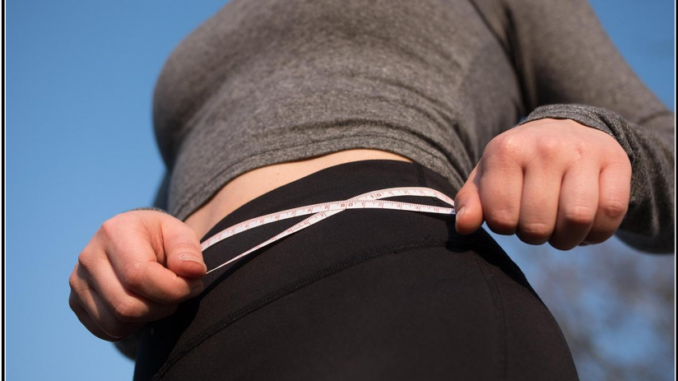
Avoid relying solely on the scale. Use a combination of tracking your strength in the gym (which should remain relatively stable), taking weekly photos in consistent lighting, and using waist circumference measurements. If your waist is shrinking but your strength is staying the same, you are losing fat.
3. Is cardio required to burn body fat?
No. Fat loss is driven entirely by a net energy deficit (burning more calories than you consume). Cardio is a tool to help increase your daily energy expenditure, but it cannot override a poor diet, and excessive amounts can actually accelerate muscle loss if protein and lifting are neglected.
References & Verifiable Data:
- For tracking optimal protein targets based on lean mass: com Protein Guide
- For evidence-based sports nutrition guidelines: International Society of Sports Nutrition (ISSN) Position Stands
- For metabolic data regarding rate of weight loss: PubMed Central / National Institutes of Health (NIH)



Be the first to comment