

When it comes to losing weight, many people find themselves caught between two extremes. Eating more can seem like a direct route to weight gain, while skipping meals may appear to be an easy way to cut calories. In reality, neither approach is necessarily healthy or sustainable. What matters more is the overall quality and quantity of food, eating patterns, physical activity and the body’s individual needs.
Food provides the energy and nutrients the body needs to function. Carbohydrates, proteins and fats supply energy, while vitamins and minerals support everything from immunity and metabolism to bone health and muscle function. Consistently eating too little can leave the body without adequate fuel and may result in tiredness, weakness, headaches, irritability and difficulty concentrating.
Skipping meals does not automatically lead to healthy weight loss. Some people who miss meals may become extremely hungry later and compensate by eating larger portions or choosing calorie-dense foods. Others may experience low energy and find it harder to remain physically active. Over time, a pattern of restrictive eating followed by overeating can make maintaining a healthy weight more difficult.
At the same time, eating frequently or eating large portions can contribute to weight gain when total calorie intake consistently exceeds the body’s energy requirements. The issue is therefore not simply whether someone eats three meals, five meals or skips breakfast. Overall energy intake, food quality, portion sizes and activity levels matter.
A sustainable approach to weight management begins with balanced meals. Instead of drastically reducing food, aim to include a combination of vegetables, fruits, whole grains, pulses, lean protein and healthy fats. Protein-rich foods can help with satiety and support muscle maintenance, while fibre-rich foods can help keep you feeling full for longer.
Portion awareness is equally important. Even nutritious foods contain calories, and regularly eating portions much larger than the body requires can contribute to gradual weight gain. Eating slowly, paying attention to hunger and fullness cues and avoiding distracted eating can make it easier to recognise when enough food has been consumed.
Liquid calories can also be easy to overlook. Sugary soft drinks, sweetened tea and coffee, energy drinks and some packaged beverages can add substantial amounts of sugar and calories without providing much satiety. Choosing water or unsweetened beverages more often can be a simple way to reduce unnecessary calorie intake.
Another common mistake is eliminating entire food groups without a medical reason. Carbohydrates, for example, are an important source of energy. Rather than avoiding them completely, choose nutrient-rich sources such as whole grains, oats, brown rice, millets, beans, lentils and vegetables, while limiting highly refined and heavily processed carbohydrate-rich foods.

Featured
Back from the Brink
The financial markets worldwide felt relieved after the US Congress reached an agreement shortly before the deadline was to expire on Wednesday. A debt default would have raised the cost of borrowings for the US. […]
Featured
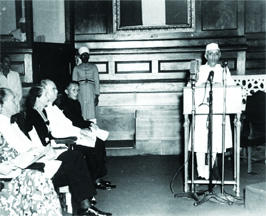
India’s freedom struggle: From first invasion to midnight of Independence
India’s journey to freedom was neither swift nor simple-it was a centuries-long saga of resilience, rebellion, and renaissance. While the climax arrived on 15 August 1947, the struggle had its roots in the earliest invasions […]

Coronavirus
2020 felt like a decade for world markets due to COVID
While lockdown life has kept time standing still for nearly everyone through 2020, Wall Street has been locked in at super fast-forward. The stock market tumbled through years’ worth of losses in just over a […]
Be the first to comment