Tag: Health

Read the latest health news, diet, fitness, medical news and healthcare tips on theindianpanorama.news/health. Get all the healthcare news, including wellness, fitness, diet and weight loss & more.

  • Butter face masks for glowing, supple skin

    Butter face masks for glowing, supple skin

    The butter face mask is super beneficial for your skin. It is a very good source of Vitamin E and certain minerals that are healthy for your skin. Regular application of butter face mask can ensure glowing and flawless skin. Also, people suffering from chronic skin dryness can easily get rid of the dryness by applying rosewater and butter face mask. It acts as a great moisturizer for your skin. It’s also packed with fatty acids and Vitamin A which gives your face a natural glow. It also tends to get rid of that annoying oily skin as well. Let’s take a look at the recipes for butter face masks.

    You need

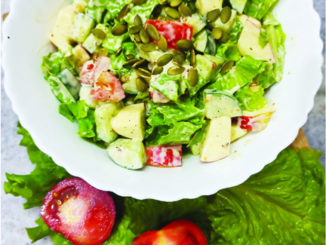
    Making a butter face mask at home is a very simple process. All you need is some unsalted butter, banana, rosewater, and cucumber. In this article, we’ll learn to prepare three different variations of the butter face mask using only these above-mentioned ingredients, right at the comfort of your home. The butter face mask is simply one of the best beauty care products you can easily accomplish at home with very little effort and it is also very beneficial for the skin at the same time. So, gather up all of the ingredients, and let’s get going.

    First Variation

    To prepare the mask, you will need some unsalted milk and a banana. Peel off the banana and throw it in a bowl, then, mash the banana until it turns into something semi-liquid. Once it turns semi-liquid, heat some unsalted butter in a pan on medium to high flame and pours the melted butter into the bowl.

    Mix both the ingredients well, the banana liquid and butter mixture should blend thoroughly. Leave the mixture and the bowl aside and let it rest for 10 minutes, and that’s it. Our banana butter face mask is now ready.

    Second Variation

    To prepare this mask, we’ll need some rosewater and our main ingredient, unsalted butter. Add both of them to a bowl, melt the butter before adding. Stir both of the ingredients properly until it turns into a thick paste. Once you achieve a thick paste-like substance, you’re done. Your rosewater butter face mask is ready for facial application.

    Third Variation

    Now, for our third and last butter face mask variation recipe of this article, you will need cucumber alongside unsalted butter. Before adding both of them in a bowl, we need to attain these in a liquid form first. In order to do so, cut the cucumber into 12-13 equal small pieces and add them into a juicer. Crush them until cucumber juice is produced. For the butter, simply heat it on a low flame and there you have some melted butter. Now, add both cucumber juice and melted butter in a bowl and mix them properly. Leave the mixture aside and let it rest for about 20-30 minutes. There you go, you have successfully prepared your cucumber juice butter face mask.

    Application

    In order to apply a butter face mask, first, make sure that you wash your face well before the application. Dry it up using a towel, leaving no water on your face. Now, with the help of a cosmetic brush, apply the face mask all over your face. Let it sit for about 15-20 minutes at least. Once it dries up, clean your face using cold water and apply some moisturiser afterward.

  • Global Covid-19 cases top 102mn

    The total number of global coronavirus cases has topped 102 million, while the deaths have surged to more than 2.20 million, according to the Johns Hopkins University. In its latest update on Saturday morning, the University’s Center for Systems Science and Engineering (CSSE) revealed that the current global caseload and death toll stood at 102,007,480 and 2,204,494, respectively. The US is the worst-hit country with the world’s highest number of cases and deaths at 25,909,336 and 436,541, respectively, according to the CSSE. India comes in second place in terms of cases at 10,720,048. The other countries with more than a million confirmed coronavirus cases are Brazil (9,118,513), the UK (3,783,593), Russia (3,771,514), France (3,212,640), Spain (2,743,119), Italy (2,529,070), Turkey (2,464,030), Germany (2,207,393), Colombia (2,077,633), Argentina (1,915,362), Mexico (1,825,519), Poland (1,502,810), South Africa (1,443,939), Iran (1,405,414), Ukraine (1,253,127), Peru (1,119,685) and Indonesia (1,051,795), the CSSE figures showed.

  • One year into Covid-19: India at 4th spot on global toll, Mexico third

    On January 30 last year, India reported its first-ever case of the coronavirus disease (Covid-19) after an Indian student of the Wuhan University in China was detected positive in the state of Kerala, according to the Union health ministry. Since then, the country has been one of the largest contributors of coronavirus cases and related fatalities. But on Friday, January 29,India dropped to the fourth position as far as cumulative toll is concerned as Mexico secured the third spot. From September, India was in the third spot after the Unites States and Brazil. According to worldometers figures, the United States has added the maximum number of deaths 447,459 followed by Brazil which has 222,775 deaths. Mexico added 1,506 deaths on Thursday, taking the toll to 156,000. According to news agency AP, due to an extremely low rate of testing, the actual toll to date can be more than 195,000. India’s cumulative toll stands at 154,010. In September 2020, India witnessed the worst situation with the highest number of cases (over 1 million) and deaths (nearly 16,400) in the first 14 days globally. Cases stood between a range of 75,000 to more than 90,000 during these days while the highest single-day toll was seen on September 8 (1,133). However, October proved to be a relief as the daily Covid-19 cases in the country were lesser than the daily recoveries. On October 28, the single-day tally fell below between the 37,000-mark and on December 22, less than 20,000 cases were registered and the deaths were at 301, lowest since June. In January this year, the daily deaths have been below the 200-mark and since the past two weeks and 18 of the country’s states and Union Territories (UTs) have reported one or fewer deaths a day on an average since last week. Meanwhile, the seven-day average of coronavirus deaths on Thursday had reached 140- the lowest in more than 8 months.       Source: HT

  • Germany sees positive trend in Covid-19 infections

    Berlin: The number of new Covid-19 infections in Germany remained below the previous week’s levels, with another 14,022 cases reported within one day, the Robert Koch Institute (RKI) said. So far, more than 2.19 million infections have been registered in Germany since the outbreak of the pandemic, according to the federal government agency for disease control and prevention. The death toll related to Covid-19 stood at 55,752, Xinhua news agency reported on Friday. To stop the spread of infections in the country, Germany entered a second lockdown at the beginning of November. The lockdown, failing to reverse the trend in infections, was tightened and recently extended until mid-February. Non-essential shops, schools and restaurants in Germany were closed and strict contact restrictions imposed. The 7-day incidence nationwide also continued to decrease and reached October levels, with 94 new infections per 100,000 inhabitants over the last seven days, according to the RKI.

  • India fastest in world to reach 3 million vaccinations

    India fastest in world to reach 3 million vaccinations

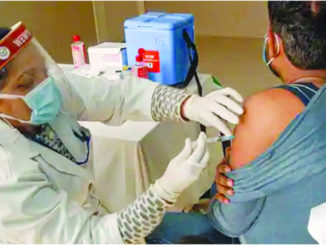
    India took only 13 days to complete the vaccination of three million (30 lakh) people, fastest in the world, the health ministry has said. This rate of vaccination puts India ahead of the United States which took 18 days to reach the three million mark. Israel took 33 days and the United Kingdom took 36 days to cover three million vaccination, health ministry data revealed. States that have vaccinated more than two lakh beneficiaries include Karnataka (2,86,089), Maharashtra (2,20,587), Rajasthan (2,57,833), Uttar Pradesh (2,94,959). Though India started its vaccination drive much after these countries, the vaccination rate has been higher in the country which is credited to both the seamless management of beneficiaries and the absence of vaccine hesitancy among the beneficiaries. From an average of 2 lakh people getting vaccinated on a day while the vaccination drive started on January 16, the per day number has jumped to five lakh, as the number of sites and sessions has also gone up.

  • Obesity may impact Covid vaccines’ efficacy: Experts

    Obesity may impact Covid vaccines’ efficacy: Experts

    Covid-19 vaccines may not be fully effective in people who are suffering from obesity, as experts on Tuesday suggested that the process of healing may be slower in obese people as compared to the healthy ones.

    According to a report on Nature, obesity correlates with a dulled immune response to Covid-19. And vaccines for a handful of other conditions often don’t work as well in obese people, suggesting that a shot for Covid-19 might not provide as much protection as researchers would like.

    “The severity of Covid-19 is potentially high in obese or diabetic people. The fact is that the immunity and the process of healing may be slower in an obese person than a healthy person,” Navneet Sood, Pulmonary Consultant, Dharamshila Narayana Superspeciality Hospital, told IANS.

    “Such conditions also influence the immune system’s response to vaccines. Same is applied on Covid-19 vaccine. But there is no study yet which strongly confirms the direct relation between Covid-19 vaccines’ effectiveness and obesity,” Sood added. Obesity can cause chronic, low-grade inflammation, which is thought to contribute to the increased risk of conditions such as diabetes and heart disease. As a result, people who are obese might have higher levels of a variety of immune-regulating proteins, including cytokines.

    The immune responses unleashed by cytokines can damage healthy tissue in some cases of severe Covid-19, according to the report.

    According to a recently released study, published in the journal Perspectives on Psychological Science, suggests that depression, stress, loneliness and poor health behaviours can weaken the body’s immune system and lower the effectiveness of new Covid-19 vaccines.

    The researchers emphasise that environmental factors, as well as an individual’s genetics and physical and mental health can weaken the body’s immune system, slowing the response to a vaccine.

    “In addition to the physical toll of COVID-19, the pandemic has an equally troubling mental health component, causing anxiety and depression, among many other related problems. Emotional stressors like these can affect a person’s immune system, impairing their ability to ward off infections,” said the researcher of the study Annelise Madison from the Ohio State University in the US.

  • Signs you are single but not ready to mingle

    Signs you are single but not ready to mingle

    You know you have been single for too long and your friends keep telling you to find someone and get in a relationship. But you somehow feel like you are simply not ready to commit. This can be because you are still not over your ex or because you just want to enjoy your singledom. Before getting into a relationship, you need to ask yourself if you actually want to get into one or are simply doing it because of pressure from your friends. Have a look at these signs that tell you that you are not ready to jump on the dating wagon.

    You feel incomplete

    You are constantly waiting for a partner to come and fill a void in you. You don’t feel happy by yourself and want someone to complete you and accompany you to social gatherings. You feel sad and alone and are desperately waiting for your knight in shining armour.

    You are trying too hard

    Whenever you are out, you are always scanning the place for a potential partner and are on all dating sites. Instead, you should use this time to just focus on yourself and your interests and grow as an individual and when you’ll least expect it, love will come to you.

    You are still in love with your ex

    This is perhaps, the most evident reason there is that you are simply not ready to mingle with anyone as of yet. You still have feelings for your ex and are not over them.

    You can’t handle rejection

    You need approval from others and are so afraid of rejection that you are always trying to change yourself to become someone else to please them. It is very important to be yourself and stick to who you are as an individual while being in a relationship instead of trying to be someone you are not.

  • You need a serum in your skincare routine

    You need a serum in your skincare routine

    It’s only recently that face serums have become the BIG thing in the world of skincare. And already the market is saturated with different serums for different skin types. But are they worth the hype or are serums just a fad? Aren’t moisturisers enough? Well, while it is true that moisturisers are enough to provide your skin with the nourishment it needs, as you age your skin starts demanding more and more from you. And that’s where a serum comes to the rescue! Simply put, face serums do things that your moisturisers cannot. The molecules in serums are smaller than your regular moisturiser which helps actives penetrate deeper into your skin to give better results.

    Moreover, when your skin starts ageing, it needs nutrients—vitamins and minerals—to keep it glowing and looking young. And for that, serums are needed as they come loaded with ingredients like AHAs, vitamin C, niacinamide, and hyaluronic that cater to your different needs.

    If you are still contemplating whether to add a serum to your skincare regimen or not, then here are 4 benefits of using serums that will help you make up your mind!

    Face serums deeply hydrate your skin

    Serums go deeper into your skin and provide much more hydration than your moisturiser can. Moreover, when you age, your skin produces fewer sebum (or natural oil), and there’s decreased cell renewal which can lead to dry skin. So, it becomes important to provide the nourishment, which a serum can easily provide. Go for face serums that feature hyaluronic acid which helps in locking the moisture in your skin.

    Help you shrink your pores

    As your skin ages it loses elasticity which can make pores appear larger. Serums can very well help you in shrinking enlarged pores by making them seem smaller. Moreover, antioxidants and active ingredients present in pore-refining serums can help unclog pores, unlike the moisturisers, thus reducing the formation of blackheads and whiteheads.

    If large enlarged and clogged pores is a concern, then opt for serums with AHAs like glycolic acid or lactic acid.

    Give you younger skin

    Most serums are high on antioxidants and have ingredients such as retinol, resveratrol and vitamin C which help fight off signs of ageing such as wrinkles and fine lines. Furthermore, these active ingredients also repair your skin, giving your visage the much-needed radiance.

    Can reduce skin irritation

    Your skin can get irritated because of several reasons, including allergens and the weather. Not to mention, the skin tends to get more sensitive as we age, leading to redness, itchiness and irritation. In this situation, skin damage is inevitable–and your moisturiser is not enough to undo it.

    Many serums have calming and anti-inflammatory active ingredients, such as aloe vera, glycerin, and shea butter, which can help soothe your skin and nourish it at the same time.

  • Connoisseur’s Choice – Mixed Sauce Pasta

    By Tript Arora

    Mixed sauce Pasta is the Indian derivation of Red Sauce pasta. This recipe is not an authentic Italian recipe. This is an Indian street food and now officially adopted by the Chefs. It tastes great and is loved by both kids and adults. My daughter loves it . I have done the authentic Italian recipe of Penne Arrabiata also. You can check out my website for that recipe by the same name. I have received so many requests asking for how to boil perfect pasta without making it soggy. I have explained the full process in my Penne Arrabiata recipe and I am again giving it below for the first timers visiting my website.  For this recipe also we are using Penne pasta made of Durum Wheat. You can use any other type also. Penny takes around 12 to 15 minutes to get done. Do add salt to pasta while boiling otherwise the pasta tastes bland. Not to forget a spoonful of cooking oil which keeps the penne apart. All said and done, let us begin the recipe. It tastes  awesome and you will love it. If you like my website then Please Subscribe by leaving your email address, so that you never miss a recipe from me.

    We need 

    1 Cup Penne Pasta, 1 Big Tomato, 12 Cloves of Garlic finely chopped, ½ Red Bell Pepper, 2 Tbsp Sweet Corn, ¼ Cup Broccoli Florets, 1 Tbsp All purpose Flour / Maida, 1 Tbsp Salted Butter, 1 Tbsp Chilli Flakes, 1 Tbsp Mixed Herbs, 1 Tsp Chilli Sauce, 1 Tbsp Tomato Sauce, 250 Ml Milk, 3 Tsp cooking Oil.

    Here we go To boil the pasta

    Heat water in a deep, thick bottomed pan, bring it to a boil. Add one tablespoon salt and one tablespoon of cooking oil to it. Add the one cup of pasta to it.Let it boil on high flame for 15 minutes exactly. To prevent overflowing of water, place a wooden spoon/spatula/chopstick diagonally over the pan. Try it today and thank me later. After 15 minutes of boiling, turn off the flame. Do not cover with a lid. To check if your pasta is just right, take out one Penne and cut it with a knife. If it cuts smoothly, the pasta is done. If it shows rough edges and uncooked insides then boil it for 1-2 minutes more and re-check. The pasta should not be over boiled, else it will be soggy, drooping and the dish will not taste good. Strain the pasta out.

    To make sauce

    Give a cut at the base of the tomato and keep it on flame till the skin is charred. Remove the skin and cut it into small pieces. Keep aside. (This is called dry roasting)

    Heat a pan. Add 1 Tsp of oil to it. Saute the vegetables in it till a little soft but Crunchy. Remove the vegetables from the pan and keep aside. In the same pan add 1 Tsp of oil and saute chopped garlic till fragrant . Add chopped tomato and saute for 1 to 2 min till the rawness goes away. Take this out and put it in a grinder jar and make a smooth puree. Keep aside. (Instead of making a puree yourself, you can even use readymade tomato puree, adding a teaspoon of garlic powder)

    In the same pan add 1 Tbsp of butter and as soon as it melts add 1 Tbsp All purpose flour or Maida to it. Saute for 30 sec or till it turns slightly pink. Add 250 ml milk to it and keep on stirring to avoid lumps. Stir in the previously made garlic tomato Puree and Add the saute vegetables to it. Mix them in the sauce. Toss the pasta in the sauce and coat it with sauce gently so as not to break the pasta. Serve it hot as a snack or as a light meal.

    Preparation time: 20 minutes

    Total Cooking Time: 20 minutes

    Tips: Always boil the pasta al dente otherwise it will lose its shape in the sauce. You can make the sauce in advance and can add the pasta at the time of cooking. You can also add mozzarella cheese if you like after adding pasta.

  • 4 deaths in 5 days; none related to shots: Govt

    New Delhi (TIP): A total of 1,12,007 health workers were inoculated on the fifth day of the national Covid vaccine drive, taking the cumulative beneficiary number to 7,86,842. The Health Ministry said there had been four deaths across India after vaccination, but none of these was related to the shots. In all, 82 adverse events were reported, the highest numbers of vaccination sessions were undertaken in Karnataka, where 36,211 were vaccinated, followed by Andhra Pradesh 22,548 and Maharashtra 16,261. Additional Secretary, Health, Manohar Agnani said, “In the death reported in Moradabad, the post-mortem has confirmed it was cardio-pulmonary disease. In Bellary, the post-mortem suggests it was myocardial infarction. In Shimoga, it was a suspected case of myocardial infarction, while in Nirmal (Telegana), the post-mortem report is awaited.” The ministry announced a new feature in the Co-Win software. Called the “allot beneficiary”, it is meant for pre-registered beneficiaries who can be added to the session as additional beneficiary over and above the scheduled number of beneficiaries.

  • 15K fresh cases continue India’s low Covid streak

    15K fresh cases continue India’s low Covid streak

    New Delhi (TIP): With 15,223 new coronavirus infections reported in the last 24 hours, India on Thursday, Jan 21,  continued with its streak of low single-day cases, increasing the overall tally to 1,06,10,883, health officials said. For the past 14 days, the country has been recording less than 20,000 daily new infections even as the toll remained below 300-mark for the past 24 days. India on Tuesday reported 10,064 new coronavirus infections, the lowest single-day spike in seven months. The country had recorded over 10,000 cases on June 6 last year for the first time, and within that week it had hovered around the same number before a steady climb that took the daily figures close to a lakh cases in September. The Ministry of Health and Family Welfare on Thursday said that with 151 fresh deaths, the overall toll in India stood at 1,52,869. As per the Ministry’s data, 1,02,65,706 people have recovered so far and currently there are 1,92,308 active cases.

    The recovery rate stands at 96.70 per cent, while the fatality rate at 1.44 per cent. About 72 per cent of the daily new cases are reported from six states — Kerala, Maharashtra, Tamil Nadu, Gujarat, Chhattisgarh and Karnataka. The nationwide immunisation drive began across the country on January 16, with approval of two Covid vaccines in the country. As many as 8,06,484 beneficiaries have received the Covid vaccines jabs so far, with 1,31,649 people inoculated on Wednesday.

    France’s daily COVID-19  cases hit two-month high

    The number of confirmed coronavirus cases in France hit a two-month high at 26,784, health authorities said. A higher daily tally, at 28,393, was registered on Nov. 18, 2020, according to official data. Meanwhile, the country’s coronavirus death toll increased by 310 within a day. Currently, a total of 25,686 people are hospitalized, 2,852 of them in intensive care. The two tallies rose by 119 and 13 respectively in the last 24 hours. To date, France has recorded 2,965,117 people having caught COVID-19, of whom 71,652 have died.

    Since Saturday, a nationwide curfew starting at 6 p.m. instead of 8 p.m. has been put into effect to contain the viral circulation amid the spread of highly infectious virus variants. “The curfew is an effective protection to limit the circulation of the COVID-19,” government spokesman Gabriel Attal said early Wednesday after a cabinet meeting.

    “Let’s give this curfew a chance,” he said, noting that an earlier curfew imposed in the worst-hit departments since early January had a “positive impact on the virus circulation.” “Obviously, if the situation deteriorates in a significant way, other national measures will be decided,” Attal added. The earlier nationwide curfew was among a series of stricter COVID-19 rules announced by French Prime Minister Jean Castex last week. According to the rules, non-European travelers arriving in France would have to present a negative COVID-19 test less than 72 hours before boarding their flights. They would have to self-quarantine for seven days and then take a second test.

    Another 107,000 people have been vaccinated against COVID-19 in the past 24 hours in France, bringing the total to 692,777 since the start of the campaign, reported BFM TV. As the world is struggling to contain the pandemic, vaccination is underway in France and some other countries with the already-authorized coronavirus vaccines.

  • Global Covid-19 cases top 96.8 mn, toll at 2.07 million

    The total number of global coronavirus cases has topped 96.8 million, while the deaths have surged to more than 2.07 million, according to the Johns Hopkins University. In its latest update on Thursday morning, the University’s Center for Systems Science and Engineering (CSSE) revealed that the current global caseload and death toll stood at 96,823,968 and 2,073,866, respectively. The US is the worst-hit country with the world’s highest number of cases and deaths at 24,432,807 and 406,001, respectively, according to the CSSE. India comes in second place in terms of cases at 10,595,660, while the country’s death toll soared to 152,718.

    The other countries with more than a million confirmed cases are Brazil (8,638,249), Russia (3,595,136), the UK (3,515,796), France (3,023,661), Italy (2,414,166), Spain (2,412,318), Turkey (2,406,216), Germany (2,090,195), Colombia (1,956,979), Argentina (1,831,681), Mexico (1,688,944), Poland (1,450,747), South Africa (1,369,426), Iran (1,348,316), Ukraine (1,210,854) and Peru (1,073,214), the CSSE figures showed.

    Brazil currently accounts for the second highest number of fatalities at 212,831.

    The countries with a death toll above 20,000 are Mexico (144,371), the UK (93,469), Italy (83,681), France (71,792), Russia (66,214), Iran (57,057), Spain (54,637), Colombia (49,792), Germany (49,499), Argentina (46,216), Peru (39,044), South Africa (38,854), Poland (34,141), Indonesia (26,857), Turkey (24,487), Ukraine (22,264) and Belgium (20,554).

  • UK medical experts urge caution as Covid toll tops 90K

    British medical experts have called on the public to remain cautious despite the progress in vaccine rollout as Britain is still not out of woods in fighting coronavirus. Their appeal came after Britain on Tuesday reached the grave milestone of 90,000 Covid-related deaths, Xinhua news agency reported. Liverpool-based Public Health expert John Ashton, who last Spring predicted the virus would lead to at least 100,000 deaths across the country, said the latest figures did not surprise him. Ashton told Xinhua: “Although the official figure has now exceeded 90,000, if you study the reports from the (British) Office for National Statistics (ONS), more than 100,000 people have already died with Covid-19 listed on their death certificates.” Possible allergic reactions to Moderna COVID-19 vaccine under probe

    US-based drugmaker Moderna has confirmed that it has received a report from California’s health department that several individuals at one vaccination centre in San Diego were treated for possible allergic reactions after vaccination from one lot of the company’s COVID-19 vaccine.

    The company is “fully cooperating” with the California Department of Public Health (CDPH) in investigating these reported adverse events, Moderna said. The confirmation comes after California State Epidemiologist Dr Erica Pan on Sunday recommended halting the administration of lot 41L20A of the Moderna COVID-19 vaccine due to possible allergic reactions that are under investigation.

    “A higher-than-usual number of possible allergic reactions were reported with a specific lot of Moderna vaccine administered at one community vaccination clinic. Fewer than 10 individuals required medical attention over the span of 24 hours,” said Dr Pan. “Out of an extreme abundance of caution and also recognizing the extremely limited supply of vaccine, we are recommending that providers use other available vaccine inventory and pause the administration of vaccines from Moderna Lot 041L20A until the investigation by the Centers for Disease Control and Prevention (CDC), US Food and Drug Administration (FDA), Moderna and the state is complete.”

  • The Biden-Kamala era

    India needs to sidestep the eddies

    The most-used words in Joe Biden’s inaugural speech were ‘America, American and Americans’ and ‘nation, people and democracy’. The message to heal a badly split America, its apogee reached in the mob assault on the Capitol barely a fortnight back, is understandably Biden’s top-most priority. But apart from some intense navel-gazing, Biden also declared that ‘America is back’. Hopefully, this will not be an America that under Trump was nickel-and-diming even close allies. India was robbed of zero-duty access to over Rs 40,000 crore worth of exports to the US and PM Modi mocked for high import duty on Harley Davidson motorcycles. Though India has been a bipartisan success story so far, this is more because the US still has to make further ingress into its markets and defense sectors. But like all of Washington’s other partners, India will be hoping the Biden-Kamala team will usher in predictability and sensitivity to the needs of others. Unlike in the Obama administration, the Left has a firm hook into the White House this time. Several of Biden’s appointees are instinctively ranged against ill-liberalist and majoritarian tendencies. Trump’s free pass to the Modi government on the CAA, lynchings and the communal riots was facilitated due to New Delhi’s enthusiastic over-identification with Washington’s China-baiting in the Indo-Pacific. With Kamala Harris as Vice-President, human rights issues will not get overlooked. The farmers’ agitation will be the latest on the list. The Modi government has to instead get the US more interested in non-military areas of cooperation that have been marked by friction and apathy. The shifting of supply chains away from China ought to start with pharmaceuticals and move on to other areas of high dependency. In the military field, India and the US must move to higher-level strategic discussions that lead to a division of labor in the Indian Ocean. India will also need elbow room in its foreign choices — to source oil from Iran and Venezuela and defense platforms from Russia. The Modi government will need to sidestep eddies to carve out a more meaningful relationship with the new US administration in the post-Covid, post-Galwan Valley world.

    (Tribune, India)

  • India, Singapore commit to further enhance bilateral defence ties

    New Delhi (TIP): India and Singapore on Wednesday,  Jan 20,  signed an implementing agreement on submarine rescue support and cooperation between their navies during the 5th Defence Minister’s Dialogue held over video conference, a joint statement said. The signing of an implementing agreement is very significant between two submarine operating navies, said maritime affairs expert Rear Admiral Sudarshan Shrikhande (retd). “We have had a growing defence relationship with several ASEAN  members and naval cooperation between Singapore and India goes back to the early 1990s. Cooperation in submarine rescue enables sharing of resources and expertise and much faster response should an accident happen. It is cost-effective and, importantly, time-effective when time is the most critical factor,” Shrikhande said. In another move to deepen military cooperation, defence minister Rajnath Singh and his Singaporean counterpart Ng Eng Hen expressed their support to the early conclusion of agreements to facilitate live firing drills and to establish reciprocal arrangements for the cross-attendance of military courses.

    Punjab, Haryana among 10 most innovative states

    Haryana (sixth) and Punjab (10th) find place among the top 10 most innovative states as Karnataka ranks first, the Centre’s policy think tank, NITI Aayog, has said in its report — India Innovation Index 2020. Released by NITI Aayog Vice Chairman Rajiv Kumar in the presence of members VK Paul (Health), Ramesh Chand (Agriculture) and CEO Amitabh Kant, the index places Himachal Pradesh at the top among the hill and north-eastern states. Chandigarh has made a leap forward to rank second among the UTs after Delhi.

    The index, launched last year, ranks states based on whether they provide a conducive environment for registering new businesses, applying for patents, human capital and investments, among other measures.In the second edition, Maharashtra has overtaken Tamil Nadu for the second spot. Telangana has claimed the fourth place, with Kerala moving one notch up to fifth slot, pushing Haryana to sixth place on the list of 17 major states. Bihar has featured at the bottom. “There is a very strong correlation between innovation and development. As states become more innovative, their per-capita GDP (gross domestic product) rises,” said Amit Kapoor, chairman of the Institute for Competitiveness, a Gurugram-based organisation that worked with NITI Aayog to develop the index.

  • Indian American Vidur Sharma Appointed as Covid Testing Adviser

    Indian American Vidur Sharma Appointed as Covid Testing Adviser

    WASHINGTON (TIP): Joe Biden has named Indian-American health policy expert Vidur Sharma as testing advisor in his COVID-19 Response Team, as the US President-elect laid out his ambitious goal to intensify vaccinations across the country to tackle the spread of the deadly pandemic.

    The announcement of Sharma’s appointment as Policy Advisor for Testing was made by Biden on Friday along with additional members of the White House COVID-19 Response Team.

    During the Obama administration, Sharma served as a health policy advisor on the Domestic Policy Council.

    Sharma supported the implementation of the Affordable Care Act, aligned Federal Department and Agencies, and collaborated with community stakeholders to further the administration’s health policy agenda.

    He also served as Deputy Research Director with Protect Our Care, a coalition of advocacy organizations dedicated to preventing the repeal of the ACA. Since then, Sharma has advised health sector organizations on value-based care arrangements at PwC Strategy. Born in Wisconsin and raised in Minnesota, and the son of Indian immigrants, Sharma is a graduate of Harvard T.H. Chan School of Public Health and Saint Louis University.

    Among other appointments announced Friday were Amy Chang, Policy Advisor; Abbe Gluck, Special Counsel; David Kessler, Chief Science Officer of COVID Response; Rosa Po, COVID Response Team Deputy Chief of Staff; Andy Slavitt, Senior Advisor to the COVID Response Coordinator; Ben Wakana, Deputy Director of Strategic Communications & Engagement; and B. Cameron Webb, Senior Policy Advisor for COVID-19 Equity.

    The Transition said that the appointees will play integral roles in implementing and executing Biden’s strategy to effectively and equitably vaccinate as many people as possible, while also increasing testing and taking other important steps that will be key to changing the course of the pandemic.

    “We are in a race against time, and we need a comprehensive strategy to quickly contain this virus. The individuals announced today will bolster the White House’s COVID-19 Response Team and play important roles in carrying out our rescue plan and vaccination program. At a time when American families are facing numerous challenges, I know these public servants will do all that is needed to build our nation back better,” said Biden.

    Biden on Friday announced an ambitious goal of inoculating 100 million Americans with COVID-19 vaccines in the first 100 days of his administration. During his election campaign, Biden, who will take over as the 46th President of the US, made tackling COVID-19 and the economic hardships it had put on Americans a core pitch to voters.

    The US is the worst-affected country in the world with more than 23,523,000 COVID-19 infections and 391,955 deaths, according to the Johns Hopkins Coronavirus tracker.

    Vice President-elect Kamala Harris said, “Containing the coronavirus pandemic is one of the defining challenges of our time. This outstanding team will help us defeat this challenge by helping get this virus under control, responsibly reopen our economy, and safely reopen our schools. I look forward to working closely with these dedicated public servants not only to address this urgent crisis, but also to build better preparedness for future pandemics and other public health threats.” “There is hard work ahead to contain COVID-19. These appointees are immensely qualified to join our White House efforts to contain the coronavirus and build our nation back better. The president and vice president-elect have put together a bold rescue package and national vaccination plan and these individuals will work tirelessly by marshalling every part of our government, working directly with communities, and trusting science to make it a reality,” said incoming White House Chief of Staff Ron Klain.

  • First-degree relative with kidney disease increases risk by three-fold

    First-degree relative with kidney disease increases risk by three-fold

    In a large population-based family study, family history of kidney disease was strongly associated with increased risk of chronic kidney disease. In this large population-based family study recently published in the American Journal of Kidney Diseases, researchers investigated the familial aggregation of CKD by comparing the risk of chronic kidney disease (CKD) in individuals with an affected first-degree relative to that in the general population. Participants with an affected first-degree relative were observed to have a threefold higher risk of CKD compared to that in the general population, independent of BMI, hypertension, diabetes, hypercholesterolemia, history of cardiovascular disease (CVD), and smoking status. The authors of this study observed a 1.56 fold higher risk in those with an affected spouse, suggesting that shared environmental factors and/or assortative mating play a role. Heritability of eGFR was considerable (44 per cent), whereas heritability of UAE was moderate (20 per cent). Heritability of kidney-related markers and serum electrolytes ranged between 20 and 50 per cent. These results indicate an important role for genetic factors in modulating susceptibility to kidney disease in the general population.

  • Metabolism may play role in recurrent major depression

    Metabolism may play role in recurrent major depression

    Researchers have found that certain metabolites — small molecules produced by the process of metabolism — may be the predictive indicators for persons at risk of recurrent major depressive disorder (RMMD). The findings, published in the journal Translational Psychiatry, indicated that the accuracy of this prediction was more than 90 per cent. “This is evidence for a mitochondrial nexus at the heart of depression,” said the researcher, Robert K. Naviaux, a professor at University of California in San Diego. “It’s a small study, but it is the first to show the potential of using metabolic markers as predictive clinical indicators of patients at greatest risk — and lower risk — for recurring bouts of major depressive symptoms,” Naviaux added.

    rMMD is a mood disorder characterised by multiple symptoms in combination — feelings of sadness or hopelessness, anger or frustration, loss of interest, sleep disturbances, anxiety, slowed or difficulty thinking, suicidal thoughts and unexplained physical problems, such as back pain or headaches.

    For the study, the team recruited 68 subjects (45 females, 23 males) with rMDD who were in antidepressant-free remission and 59 age- and gender-matched controls. After collecting blood from patients who were in remission, the patients were followed prospectively for two-and-a-half years.

    Results showed that a metabolic signature found when patients were well could predict which patients were most likely to relapse up to two-and-a-half years in the future.

    Analysis of the most predictive chemicals found they belong to certain kinds of lipids (fats that included eicosanoids and sphingolipids) and purines. Purines are made from molecules, such as ATP and ADP — the major chemicals used for energy storage in cells, but which also play a role in communications used by cells under stress, known as purinergic signaling. The researchers found that in subjects with rMMD, changes in specific metabolites in six identified metabolic pathways resulted in fundamental alterations of important cellular activities.

  • New tiny wireless device might help with weight loss

    New tiny wireless device might help with weight loss

    Scientists have developed a tiny wireless device that could help to fight obesity and to shed body weight by stimulating nerve endings. This device could be inserted via a simple implantation procedure.

    A study led by researchers of Texas A&M University was published in Nature Communications, gastric bypass surgery is sometimes the last resort for those who struggle with obesity or have serious health-related issues due to their weight. Since this procedure involves making a small stomach pouch and rerouting the digestive tract, it is very invasive and prolongs the recovery period for patients. Researchers said their centimetre-sized device provides the feeling of fullness by stimulating the endings of the vagus nerve with light. Unlike other devices that require a power cord, this wireless device can be controlled externally from a remote radio frequency source.

    “We wanted to create a device that not only requires minimal surgery for implantation but also allows us to stimulate specific nerve endings in the stomach,” said Dr Sung II Park, assistant professor in the Department of Electrical and Computer Engineering. “Our device has the potential to do both of these things in the harsh gastric conditions, which, in the future, can be hugely beneficial to people needing dramatic weight-loss surgeries,” he added.

    Obesity is associated with health problems and it has a significant economic impact on the US health care system, costing USD 147 billion a year. Additionally, it puts people at risk for chronic diseases such as diabetes, heart disease and even some cancers. For those with a body mass index greater than 35 or who have at least two obesity-related conditions, surgery offers a path for patients to not only lose the excess weight but maintain their weight over the long term. In recent years, the vagus nerve has received much attention as a target for treating obesity since it provides sensory information about fullness from the stomach lining to the brain. Although there are medical devices that can stimulate the vagus nerve endings and consequently help in curbing hunger, these devices are similar in design to a pacemaker, that is, wires connected to a current source provide electrical jolts to activate the tips of the nerve. “Despite the clinical benefit of having a wireless system, no device, as of yet, has the capability to do chronic and durable cell-type specific manipulation of neuron activity inside of any other organ other than the brain,” he said.

  • Beauty tips for healthy, glowing skin

    Beauty tips for healthy, glowing skin

    Chilled tea bags for puffy eyes : Sipping green tea daily and throwing away the used tea bags? You may want to save it the next time. Other than flushing out toxins from your body, chilled black or green tea bags work wonders for your skin. Using this natural face beauty tip can instantly reduce puffiness around the eyes and make them look brighter and more awake. Put the bags on your eyelids and relax for 5 to 15 minutes as the tea bags work their magic.

    Gram flour for tan : Gram flour or besan is used as a natural, mild exfoliator to get rid of dead skin cells, tan and sunburns. If you want clear, soft and naturally glowing skin here’s the natural face beauty tip you need to know. Take equal amounts of gram flour and curd in a bowl and mix them well to form a paste. Apply this paste evenly on your face and neck, let it dry for half an hour before rinsing off with water. It will gently lift away dead skin cells and deep-set dirt, thereby lightening your skin tone and making it even.

    Tomatoes to control excess oil : Excessive oil on the face doesn’t only affect those with oily skin, in a country like India where the weather is humid in most parts, excessive oil is quite common. Enriched with lycopene, tomatoes contain anti-oxidants along with great cooling and astringent properties. It helps balance the natural oils of the skin and gets rid of any excess oil that you may be struggling with. This natural face beauty tip is also used for reduces signs of aging such as wrinkles and fine lines. Scoop the pulp one tomato and apply evenly on your face. Allow it to dry for 15 minutes and wash off with warm water and reveal naturally glowing skin.

  • India’s coronavirus recovery rate rises to 96.53 percent

    India’s coronavirus recovery rate rises to 96.53 percent

    New Delhi (TIP): India’s COVID-19 caseload rose to 1,05,27,683 with 15,590 people testing positive for the infection in a day while the recoveries have surged to 1,01,62,738, according to the Union Health Ministry data updated on Friday, January 15. The country’s death toll increased to 1,51,918 with 191 daily new fatalities, the data updated at 8 am showed. The number of people who have recuperated from the disease surged to 1,01,62,738, pushing the national COVID-19 recovery rate to 96.53 per cent, while the COVID-19 case fatality rate stands at 1.44 per cent. The COVID-19 active caseload remained below 3 lakh. There are 2,13,027 active cases of coronavirus infections in the country which comprises 2.02 per cent of the total caseload, the data stated. India’s COVID-19 tally had crossed the 20-lakh mark on August 7, 30 lakh on August 23, 40 lakh on September 5 and 50 lakh on September 16. It went past  60 lakh on September 28, 70 lakh on October 11, crossed 80 lakh on October 29,  90 lakh on November 20 and surpassed the one-crore mark on December 19. According to the ICMR, 18,49,62,401 samples have been tested up to January 14 with 7,30,096 samples being tested on Thursday. The 191 new fatalities include 70 from Maharashtra, 19 from Kerala, 17 from West Bengal, 14 from Uttar Pradesh, 10 each from Chhattisgarh and Punjab, eight from Madhya Pradesh, six from Haryana, and four each from Delhi, Andhra Pradesh and Tamil Nadu.

    A total of 1,51,918 deaths have been reported so far in the country, including 50,291 from Maharashtra followed by 12,246 from Tamil Nadu, 12,155 from Karnataka, 10,722 from Delhi, 10,010 from West Bengal, 8,543 from Uttar Pradesh, 7,138 from Andhra Pradesh and 5,473 from Punjab. The Health Ministry stressed that more than 70 per cent of the deaths occurred due to comorbidities. “Our figures are being reconciled with the Indian Council of Medical Research,” the Ministry said on its website and added that state-wise distribution of figures was subject to further verification and reconciliation.

  • UK bans arrivals from South American countries, Portugal over new coronavirus variant

    UK bans arrivals from South American countries, Portugal over new coronavirus variant

    The British government on Thursday, January 14,  announced its decision to ban arrivals from more than a dozen South American countries and Portugal from Friday following the detection of a new coronavirus variant. British Transport Secretary Grant Shapps tweeted: “I’ve taken the urgent decision to BAN ARRIVALS from ARGENTINA, BRAZIL, BOLIVIA, CAPE VERDE, CHILE, COLOMBIA, ECUADOR, FRENCH GUIANA, GUYANA, PANAMA, PARAGUAY, PERU, SURINAME, URUGUAY AND VENEZUELA — from TOMORROW, JAN. 15 at 4 a.m. following evidence of a new variant in Brazil.” “Travel from PORTUGAL to the UK will also be suspended given its strong travel links with Brazil, acting as another way to reduce the risk of importing infections. However, there is an exemption for hauliers travelling from Portugal (only), to allow transport of essential goods.” “This measure does not apply to British and Irish Nationals and third country nationals with residence rights — but passengers returning from these destinations must self-isolate for TEN DAYS along with their households,” he added. The new ban was announced after a meeting of senior British government officials on Thursday, Jan 14, the BBC reported. British Prime Minister Boris Johnson on Wednesday told MPs in the House of Commons, lower house of parliament, that the government was “concerned” about the new virus variant detected in Brazil.

    “We already have tough measures… to protect this country from new infections coming in from abroad,” he said. In December 2020, Britain has suspended flights from South Africa after a discovery of a new and concerning variant there. Johnson said there were “lots of questions” over the latest variant, including whether it is resistant to COVID vaccines. At present, experts are uncertain how effective existing vaccines will be against the new variant, the Evening Standard newspaper reported.

    Patrick Vallance, the British government’s top scientist, told ITV that the new variant contains “a change of the genetic code, at position 484, and that changes a part of the protein, it changes a bit of a shape of the protein”. He said that there is no evidence new variants are more deadly. The latest development came as another 1,564 have died within 28 days of a positive test, the highest daily death toll since the pandemic began in the country, according to official figures released Wednesday. The total number of coronavirus-related deaths in Britain now stands at 84,767, the data showed. Another 47,525 people in Britain have tested positive for COVID-19, bringing the total number of coronavirus cases in the country to 3,211,576, the figures showed. England is currently under the third national lockdown since the outbreak of the pandemic in the country. Similar restriction measures are also in place in Scotland, Wales and Northern Ireland. To bring life back to normal, countries such as Britain, China, Germany, Russia and the United States have been racing against time to develop coronavirus vaccines.

  • Global Covid-19 Caseload Tops 93 mn: Johns Hopkins

    Global Covid-19 Caseload Tops 93 mn: Johns Hopkins

    The overall global coronavirus caseload has topped 93 million, while the deaths have surged to more than 1.99 million, according to the Johns Hopkins University. In its latest update on Friday morning, the University’s Center for Systems Science and Engineering (CSSE) revealed that the current global caseload and death toll stood at 93,051,654 and 1,991,997, respectively. The US is the worst-hit country with the world’s highest number of cases and deaths at 23,308,712 and 388,529, respectively, according to the CSSE. India comes in second place in terms of cases at 10,512,093, while the country’s death toll soared to 151,727. The other countries with more than a million confirmed cases are Brazil (8,324,294), Russia (3,459,237), the UK (3,269,757), France (2,909,879), Turkey (2,364,801), Italy (2,336,279), Spain (2,211,967), Germany (2,004,011), Colombia (1,849,101), Argentina (1,770,715), Mexico (1,571,901), Poland (1,414,362), Iran (1,311,810), South Africa (1,296,806), Ukraine (1,175,343) and Peru (1,040,231), the CSSE figures showed. Brazil currently accounts for the second highest number of fatalities at 207,095. The countries with a death toll above 20,000 are Mexico (136,917), the UK (86,163), Italy (80,848), France (69,452), Russia (63,016), Iran (56,538), Spain (53,079), Colombia (47,491), Argentina (45,125), Germany (44,672), Peru (38,399), South Africa (35,852), Poland (32,456), Indonesia (25,246), Turkey (23,495), Ukraine (21,300) and Belgium (20,250).

  • India’s youngest organ donor at 20 months saves five lives in her death

    New Delhi (TIP): All of 20-months, Dhanishtha became the youngest cadaver donor of India, hailing from New Delhi’s Rohini, the infant was left in a comatose state after she fell from a balcony at her home.

    She was brought to Ganga Ram Hospital on January 8 in an unconscious state. After she was declared brain dead on January 11, her family decided to donate all her functional organs and have now saved the lives of five patients, the hospital informed in a press statement.

    The child’s heart, liver, and both kidneys and corneas were retrieved successfully at the hospital and used in five patients. All her other organs were in excellent condition.

    Inspite of the irreparable loss, her parents, Ashish Kumar and Babita, decided to donate Dhanishtha’s organs to inspire others to come forward and save lives.

    Ashish Kumar said: “During our stay at the hospital, we met many patients who were in dire need of organs. Though we lost our child, our daughter will continue to live, and in the process, improve the quality of life of the needy patients.”

    DS Rana, chairman, Sir Ganga Ram Hospital, said: “This noble act by the family is really praiseworthy and should motivate others. At 0.26 per million, India has the lowest rate of organ donation. On an average, five lakh Indians die every year due to lack of organs.”

  • Germany records highest daily death toll since start of Covid

    Another 1,244 Covid-19 deaths have been reported in Germany in a 24-hour period, the highest daily figure since the start of the pandemic, official data showed.

    To date, 43,881 people in Germany have succumbed to the disease, according to the Robert Koch Institute (RKI), the government’s agency for disease control, Xinhua news agency reported.

    Another 25,164 people have tested positive in the 24 hours, raising the total number of confirmed cases in Germany to about 1.98 million, RKI data showed.

    At a press conference on Thursday,  January 14, RKI President Lothar Wieler warned that a lag in testing over the New Year could mean that the latest numbers still don’t show the full picture, German news agency dpa reported.

    Germany “must massively reduce the case numbers” so as to bring normal life back to Germany, he said, urging more employers to switch to work-from-home models and appealing to the public to reduce contact with others to an absolute minimum. “It is possible that the case numbers have stabilized,” but much more still needed to be done, dpa quoted Wieler as saying.

    Brazil’s Covid vaccination drive to begin Jan-end

    Brazil’s vaccination campaign against the novel coronavirus will begin at the end of January in pandemic hotspot Manaus, capital of northern Amazonas state, Health Minister Eduardo Pazuello said.

    “We are going to vaccinate in January,” Xinhua news agency quoted the Minister as saying to reporters on Wednesday, January 13.

    While Manaus will be the first city to immunise residents, the vaccine will be distributed simultaneously to every state across the country, he said.

    Immunization does not mean “go out to party “, Pazuello warned.

    “It’s not take the vaccine on the 20th and party in the streets on the 22nd.”

    Pazuello explained that “the vaccine induces the production of antibodies” but “this production of antibodies does not happen the next day. The literature speaks of 30 to 60 days”.

    This month, Manaus among Brazil’s hardest-hit cities, registered a rise in deaths from the disease that forced authorities to set up a cold storage to prevent bodies from being buried in mass graves.