Read the latest health news, diet, fitness, medical news and healthcare tips on theindianpanorama.news/health. Get all the healthcare news, including wellness, fitness, diet and weight loss & more.

Johannesburg (TIP): From growing vegetables to spending more time with their children, women’s quality of life improved drastically after piped water was installed near their homes in rural Zambia, Stanford University researchers said on Thursday.
In a study involving 434 households in four Zambian villages, they found not having to walk to a communal water source saved each home about 200 hours per year on average – freeing up time for more productive activities.
“Women and girls benefit the most from alleviation of domestic chores and from food production for nutrition and income generation,” said Barbara van Koppen, emeritus scientist at research organisation the International Water Management Institute.
“This study brings further unique proof that better water supplies enable more domestic and productive uses,” van Koppen, who was not involved in the study, said in emailed comments.
Globally, about 844 million people live without easily accessible water used for cleaning, cooking, drinking and farming, according to the study published in academic journal Social Science & Medicine.
With just 12% of the rural population in sub-Saharan Africa having water piped to their home, villagers – mainly women and girls – have to carry containers averaging 40 pounds (18 kg) from communal water sources, the study found. The four villages included in the research lie in Zambia’s southern province, two of which received piped water to their yard halfway through the study, meaning water was accessible 15 metres (49 feet) away.
The research showed women and girls with piped water supplies spent 80% less time fetching water, or four hours less each week, allowing them to garden, care for the children or sell goods instead.
Their households were four times more likely to grow vegetables either to sell or for their own consumption, and they also reported feeling happier, healthier and less anxious when they spent less time carrying heavy water containers.
“Addressing this problem provides the time and water for women and girls to invest in their household’s health and economic development, in whatever way they see fit,” said study author and Stanford researcher James Winter in a statement.
Despite the fact that previous studies have shown that piped water improves mental health and decreases the risk of infectious diseases, these installations have increased by only 2% in sub-Saharan Africa since 2007, the study found. — Reuters
Expansion comes as City surpasses 100,000 tests per day for three days in a row
NEW YORK (TIP): As the City continues to fight the winter surge of COVID-19 cases, the NYC Test & Trace Corps announced on January 14, the expansion of its partnership with Rapid Reliable Testing (RRT), a subsidiary of Ambulnz, to bring rapid antigen testing to its entire mobile testing fleet in order to reach more communities in need of convenient and safe testing at no cost. This new testing capacity is being added as demand for testing grows, where the City reached a new milestone of more than 100,000 tests per day for three days in a row from January 4-6.
“The increase in COVID-19 cases makes it more important than ever that all New Yorkers continue to get tested often, and the record-breaking testing numbers of recent days show that communities are hearing our call,” said NYC Test & Trace Corps Executive Director Dr. Ted Long. “Our growing fleet of mobile rapid testing units expands our ability to provide flexible and convenient testing at no cost where the need is greatest.”
Since the launch of mobile rapid testing in partnership with RRT last month, the number of units providing the service has grown from two to 20, with rapid testing expected to be available in 30 mobile units by the end of next month. Mobile rapid units provide test results in approximately 15 minutes, and each mobile testing unit can perform up to 300 tests per day.
“With increased knowledge, comes increased safety,” said Stan Vashovsky, CEO of Ambulnz. “Enabling our entire Mobile Testing Unit fleet for Rapid Antigen testing provides the people of New York with ~15 minute results, and provides the City with a better understanding of positivity rate trends. This creates transparency that helps keep us all safer, and limit the spread of the virus.”
While adding more testing options, the City also marks a new milestone in testing. More than 100,000 New Yorkers were tested each day for three days in a row on January 4, 5, and 6. The City currently has capacity to administer 120,000 tests per days, offered at more than 300 sites. Mobile rapid testing enhances the current testing capacity of administering 120,000 tests per day, offered at more than 300 sites across the city.
The new rapid mobile units will be deployed citywide on a week-to-week basis according to need, and no appointment is required. To view locations of Ambulnz mobile testing sites, visit www.rrtesting.com/nyc-testing. For a current schedule of all mobile deployments, visit nyc.gov/covidtest, where you can also find other testing sites near you at no cost. Or call the NYC Test & Trace Corps hotline at 212-COVID19.
“During this pandemic, we’ve seen such great demand for rapid testing and rightly so—it is one of the most important tools in our arsenal in the fight against COVID-19 and now we are bringing that capability to our mobile testing units to help reach the communities who need it most,” said Manhattan Borough President Gale A. Brewer. “I’ve had first-hand experience working with NYC Test & Trace Corps to bring these COVID-19 mobile testing units in Manhattan and I’m glad to hear that they will now be employing rapid testing. I know that New Yorkers are always grateful to be able to access this resource and I look forward to this expansion.”
“The COVID-19 pandemic has brought never before seen challenges to our society. We should all be incredibly proud of the testing infrastructure that our public hospital system, NYC Health + Hospitals, has been able to build up over the past ten months with the NYC Test and Trace Corps,” said Assemblyman in District 81 in the Bronx, Jeffrey Dinowitz. “New Yorkers have some of the broadest and most efficient access to testing anywhere in the nation, and credit for this must go to the incredible efforts of these public health workers and leaders.”
“National Black Leadership Commission on Health applauds NYC in reaching these important milestones and to be a partner on this effort. Expanded access to rapid testing at this critical time will remove barriers to knowing test results on a more timely basis,” said the Commission’s President and CEO C. Virginia Fields.
“Testing is an essential part of our City’s response during this pandemic to help identify and isolate any positive cases of COVID-19,” said Council Member Adrienne Adams. “We have to stay vigilant in order to save lives and I applaud the expansion of mobile rapid testing units to ensure that communities that need it most will have easy access to testing.”
About Test & Trace Corps
The Test & Trace Corps is the City’s comprehensive effort to test, trace, and provide support for every case of COVID-19 and every person exposed to the virus that causes COVID-19. Through a partnership with NYC Health + Hospitals and the Department of Health and Mental Hygiene, the Test & Trace Corps allows the City to immediately isolate and care for those who test positive for the virus and then rapidly track, assess, and quarantine anyone who may have been exposed. To help all New Yorkers safely separate at home and monitor their health status, the Take Care pillar of the Test & Trace Corps also offers free hotel rooms with wraparound services for New Yorkers who are unable to safely separate in their own homes. For those safely separating at home, contact tracers perform daily calls and conduct in-person visits as necessary. These calls allow tracers to gauge the progress of cases, ensure proper compliance with separation protocol, and connect people to more supportive services as necessary. Today, 98% of all COVID-19 cases and 97% of contacts reported following isolation and quarantine requirements.
About NYC Health + Hospitals
NYC Health + Hospitals is the largest public health care system in the nation serving more than a million New Yorkers annually in more than 70 patient care locations across the city’s five boroughs. A robust network of outpatient, neighborhood-based primary and specialty care centers anchors care coordination with the system’s trauma centers, nursing homes, post-acute care centers, home care agency, and MetroPlus health plan—all supported by 11 essential hospitals. Its diverse workforce of more than 42,000 employees is uniquely focused on empowering New Yorkers, without exception, to live the healthiest life possible. For more information, visit www.nychealthandhospitals.org and stay connected on Facebook at https://www.facebook.com/NYCHealthSystem or Twitter at @NYCHealthSystem.
About Ambulnz
Ambulnz is a leading provider of mobile medical services and medical transportation in the U.S. and UK. Ambulnz’s TeleHealth+ provides non-emergency medical services to patients in their homes, delivering the full promise and potential of telemedicine. Their experienced medical field staff of more than 1,500 EMTs, paramedics, and licensed practical nurses work under the guidance of MD1 Medical Care PC to fill the gap between a visit to the doctor’s office and a traditional telemedicine call. Ambulnz uses disruptive, AI-powered technology to dispatch and manage their fleet, and is the only medical transportation company that offers ambulance, ambulette, and medical sedan options to accommodate every type of patient need. Their Rapid Reliable Testing division has already tested over 750,000 individuals for COVID-19, helping manage the spread of the pandemic. Ambulnz is the largest private ambulance company responding to COVID-19 in New York City and has transported over 15,000 COVID-19 patients nationally. For more information about Ambulnz, visit www.ambulnz.com or follow them on Facebook, Twitter, Instagram and LinkedIn.
Women and men age differently. With age, women experience the slowing down of metabolism and their bodies also start to lose muscle mass and slow down due to physical changes such as menopause which makes middle-aged women more prone to weight gain, mood changes, and other health issues.
Hence, post the age of 40, nutritional needs and metabolism rates (how fast the body converts food to energy) for most women undergo significant change. Maintaining a healthy diet and getting regular exercise can help them feel significantly better and boost their overall health. Avoiding smoking and drinking alcohol or fizzy drinks is known to alleviate menopause symptoms. In addition to this, avoiding spicy, fried foods is also recommended.
Chia seeds
Chia seeds are packed with fibre, omega 3 fatty acids, magnesium for healthy bones and complete plant-based protein. Because they absorb water so well, consuming chia seeds can help with satiety and curb unexpected hunger pangs more easily. Chia seeds can be added to a morning smoothie or oatmeal to increase the nutritional value of the meal.
Citrus fruits
Oranges, grapefruits, lemons and limes include tons of antioxidants, fibre, vitamin C, and other nutrients that research has proven to boost brain health, aid in weight loss, protect the heart and keep the skin radiant.
Eggs
They are rich in vitamin D and full of iron, both nutrients that women often lack. Eggs are also a great source of protein for menopausal women and they have been linked to reduced cholesterol levels, heart disease risk, and obesity. The moderate fat and high protein content, plus the lack of carbohydrates and sugars, makes eggs an excellent choice for women over 40.
Oily fish
Healthy fats found in oily fish such as salmon and trout should be consumed daily. These foods help to manufacture necessary hormones in women’s bodies. They also support brain, heart, and joint health. Foods with healthy fats also help keep the stomach full for longer. Omega 3 fatty acids that are found in oily fish may also help to reduce menopausal symptoms such as hot flushes and night sweats.
Nuts
Nuts make for a filling snack that can help with weight loss because they’re high in fibre, have healthy fats, and high amounts of protein.
Carrots
Packed with vitamin A, carrots help keep the skin smooth and vision sharp. This vegetable contains fibre and has an active ingredient that helps fight dark spots, wrinkles, and acne.
Researchers have found that the healing process that follows a brain injury — from trauma to infection and stroke — could spur tumour growth. “Our data suggest that the right mutational change in particular cells in the brain could be modified by injury to give rise to a tumour,” said Peter Dirks, Professor at the University of Toronto.
The finding, published in the journal Nature Cancer, could lead to a new therapy for glioblastoma patients who currently have limited treatment options with an average lifespan of 15 months after diagnosis, the researchers said.
“Glioblastoma can be thought of as a wound that never stops healing,” Dirks said.
“We’re excited about what this tells us about how cancer originates and grows, and it opens up entirely new ideas about treatment by focusing on the injury and inflammation response,” he added.
The researchers applied the latest single-cell RNA sequencing and Machine Learning (ML) technologies to map the molecular make-up of the glioblastoma stem cells (GSCs), which Dirks’ team previously showed are responsible for tumour initiation and recurrence after treatment.
They found new sub-populations of GSCs that bear the molecular hallmarks of inflammation and which are commingled with other cancer stem cells inside patients’ tumours.
It suggests that some glioblastomas start to form when the normal tissue healing process, which generates new cells to replace those lost to injury, gets derailed by mutations — possibly many years before patients become symptomatic, Dirks said.
Once a mutant cell becomes engaged in wound healing, it cannot stop multiplying because the normal controls are broken and this spurs tumour growth, according to the study.
The team collected GSCs from 26 patients’ tumours and expanded them in the lab to obtain sufficient numbers of the rare cells for analysis. Almost 70,000 cells were analyzed by single-cell RNA sequencing, which detects what genes are switched on in individual cells — an effort led by Laura Richards, a graduate student in Pugh’s lab.
The data confirmed extensive disease heterogeneity, meaning that each tumour contains multiple sub-populations of molecularly distinct cancer stem cells, making recurrence likely as existing therapy is unable to wipe out all the different sub-clones.
People with detectable brown fat are less likely to suffer cardiac and metabolic conditions ranging from Type-2 diabetes to coronary artery disease, a new study suggests.
Brown fat, also called brown adipose tissue, helps maintain your body temperature when you get too cold. Unlike white fat, which stores calories, brown fat burns energy and scientists hope it may hold the key to new obesity treatments. “For the first time, it reveals a link to lower risk of certain conditions. These findings make us more confident about the potential of targeting brown fat for therapeutic benefit,” said Paul Cohen, Assistant Professor at The Rockefeller University Hospital in the US.
The study, published in the journal Nature Medicine, confirms and expands the health benefits of brown fat suggested by previous studies.
For the study, the researchers reviewed 130,000 PET scans from more than 52,000 patients and found the presence of brown fat in nearly 10 per cent of individuals.
Several common and chronic diseases were less prevalent among people with detectable brown fat. For example, only 4.6 per cent had Type-2 diabetes, compared with 9.5 per cent of people who did not have detectable brown fat. Similarly, 18.9 per cent had abnormal cholesterol, compared to 22.2 per cent in those without brown fat.
Moreover, the study revealed three more conditions for which people with brown fat have lower risk: hypertension, congestive heart failure, and coronary artery disease — links that had not been observed in previous studies.
Our hair and skin need ample protection from the dry or chilly air that can leave the skin irritated and itchy. Let us find out some simple tips on how to keep our hair and skin healthy.
Follow regular skin routine
Always follow the basic skincare routine of cleansing, toning & moisturizing when the winter season sets in. For effectiveness, clean the skin twice a day. Once you wash your hands and face, apply moisturizer to reduce skin damage. Make sure you moisturize on damp skin for longer effectiveness. Adding moisture to the dry air with the help of a humidifier at work and home can help to keep the skin hydrated.
Apply sunscreen
Everybody likes sitting outside and soaking the sun rays during winters. But the rays from the sun contain Ultra-Violet (UV) radiations which can cause various skin problems. So, it’s necessary to take proper care of the skin with a good quality sunscreen lotion. So next time when you venture out on a sunny day, make sure to apply sunscreen on your skin.
Homemade face masks
The cold and dry air of the winter season removes the oil or sebum that holds the moisture on the skin. A simple and easy remedy to overcome this is to apply homemade face masks. Applying homemade skin and face masks is a way better option than applying the chemical-induced products available at the store. It’s easy to make and you can prepare it using various ingredients like jojoba oil, rose water, honey, aloe vera, cucumber, coconut oil, butter, banana, avocado, papaya, orange, and milk. The facemasks made from these natural products can help to maintain normal skin moisture levels and prevent skin problems like dryness, itchiness or dullness.
Use oil to moisturize hair
Maintaining a strong, silky and shiny hair during winters are tough. Hairfall, itchy scalp and dandruff are some of the common hair problems associated with the winter season. You can use herbal oils, olive oil, almond oil, coconut oil or mustard oil based on your preference. All you have to do is massage the scalp with the oil, leave it for two hours and then wash it with a mild shampoo. Oil helps in maintaining moisture in the scalp and hair. For optimum benefits, once you apply the oil, cover the scalp and hair with a towel soaked in warm water. This will help the oil to penetrate deeper into the hair roots and increase blood circulation in the scalp.
Dry hair properly
Drying the hair properly is very important. Always dry your hair at room temperature whenever possible. Due to a busy schedule, it may not always be possible to dry your hair at room temperature. At such times, you can use a branded and good quality hair dryers to dry your hair. Make sure to not use the dryer directly at the root of your hair. Also, try to minimize the use of a dryer because it can make the hair cuticles dry and brittle.
Keep the haircut easy
Always choose an easy and maintenance-free haircut during winters. Long hair carries the risk of breakage when you run your fingers through them all day. So, go short to reduce the hair breakage and to avoid split ends in the hair.
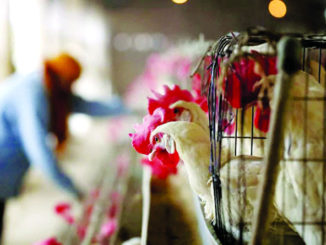
New Delhi (TIP): As a Bhopal-based laboratory confirmed that 437,000 poultry birds in Haryana died because of bird flu, the Centre on Friday, January 8, asked the six states where deaths because of the disease have been confirmed to increase their vigil and act to curb the outbreak. The Centre has confirmed bird flu in Kerala, Rajasthan, Madhya Pradesh, Himachal Pradesh, Gujarat and Haryana, the government said in a statement.
“So far, the disease has been confirmed from six states. It is learnt that culling operations have been completed in both the affected districts of Kerala. The disinfection process is underway,” the statement read.
Following the confirmation of bird flu, Haryana is set to start the biggest culling of birds in any state. Officials said 166,000 birds would be killed in the next few days. Culling of birds is to take place within 1 km of Kheri and Ghanauli villages from where samples tested positive for bird flu, they said. Two of the three samples sent by the Haryana animal husbandry department from poultry farms in Panchkula’s Barwala belt to the National Institute of High Security Animal Diseases (NIHSAD) laboratory in Bhopal tested positive for avian influenza on Friday. “As per the report received, it has been confirmed that birds of two poultry farms were infected with avian influenza (H5N8). Though this bird flu strain is less pathogenic, the state government has issued a notification for the affected poultry farms of Panchkula as a precautionary measure,” Haryana’s animal husbandry and dairying minister JP Dalal said on Friday. Tests done on three batches of samples sent to a Jalandhar lab from Barwala were inconclusive, following which the samples were sent to the Bhopal lab. More than 437,000 poultry birds have died in Panchkula’s Barwala and Raipur Rani areas, considered to be Asia’s second largest poultry belt, over the past 26 days. On Friday, the central team visited the community health centre in both areas. Arrangements have been made at the community health centre in Raipur Rani, and isolation wards set up, while Tamiflu tablets have been procured to check human-to-human transmission of the influenza, said Dr Saroj Aggarwal, deputy civil surgeon, Panchkula. “We are ready to deal with any situation.” (Source: HT)
Budget session will be as long as earlier: Speaker
Indicating that the upcoming Budget session of Parliament will have a Question Hour, Lok Sabha Speaker Om Birla on Friday, Jan 8, said questions of Opposition parties will be answered and issues raised by them discussed when the House meets for the next session.Speaking to reporters in Dehradun, Birla said the upcoming Budget session will be of the same duration as it had been in the past and there will be discussions on all issues. The Lok Sabha Speaker was in Dehradun to address an event part of an outreach programme for Panchayati Raj Institutions — ‘Panchayati Raj System: Strengthening the Decentralised Democracy’. The event was aimed at introducing panchayat members to the functioning of Parliament and to provide them with an exposure to democratic principles and ethos.
India-UK flights resume
Weeks after flights between the United Kingdom and India were suspended following the detection of a more infectious strain of the novel coronavirus, air services between the two countries resumed Friday. The first flight carrying 256 passengers from London landed in New Delhi on Jan 8 morning, reported news agency ANI. The government had suspended flights on December 23. As flights resume in a calibrated manner, for the next two weeks, till January 23, only 15 flights will operate between the two countries. The incoming flights will land only in Delhi, Mumbai, Bengaluru, Chennai and Hyderabad. The government has put out the standard operating procedure for travellers entering India. According to the guidelines, all passengers will have to undergo mandatory self-paid RT-PCR tests on arrival.
India, Japan sign pact for 50-bn yen loan
India and Japan on Friday signed an agreement for a loan of up to 50 billion yen (about Rs 3,550 crore) to back New Delhi’s economic support programmes for the poor and vulnerable affected by the Covid-19 crisis. CS Mohapatra, additional secretary in the department of economic affairs and Japanese ambassador Satoshi Suzuki signed the agreement in New Delhi for the loans with an interest rate of 0.65% per annum and a repayment period of 15 years, including a five-year grace period. Japan had earlier provided budget support of 50 billion yen and grant assistance worth one billion yen (about Rs 71 crore) to support the Indian government’s efforts to counter the Covid-19 crisis.
Anxieties, worries, fears, despair are as much part of human experience as hope and faith, And, when a poet weaves them into a beautiful web of words, they seem to lose their hostilities and become a welcome companion. So, you get simultaneously the feelings of agony and ecstasy. With over 25 years in the frenetic aviation industry, Vandana remained a closet poetess till the Covid Lockdowns dialed down the pace of life a few notches.
Going by the nom de plume- Bindu, Vandana’s writings touch the depths of your soul & tug at the heartstrings. Just like the word Bindu which is Sanskrit for the point from which all creation and consciousness begins, this publication is the beginning of her creative journey.
The poems reflect her emotions and possibly the emotion that the world went through in 2020 – from despair and despondency, to quiet acceptance, to realization of the silver lining of families getting closer and finally hope of a better world emerging.
New Faith
Lockdown! Lockdown! Lockdown! Lockdown!
Stay home! Stay Safe! Help keep Us Safe!
Today’s new mantra we all chant,
New faith of all, an era dawns!
Temples, mosques, churches all closed,
Please stay away, don’t come too close.
God’s angels are in new avtar,
A stethoscope, brave caring heart.
What ails mankind? Just stop and think,
Is it a viral pandemic?
Nation, religion, riches, rules,
Cleaved us apart, divide and rule!
All were enmeshed, a clueless quest,
In Juggernaut of Man’s progress,
Trail of destruction left in wake.
Lone edifice, standing in state.
An “Act of a God” or “man playing God”,
Has brought Humanity to a halt!
Entangled in man’s web self made,
Web disintegrates as race is braked!
This time to pause, to think, reflect,
To pray at home, regain lost strength,
Let man made lines of hate be gone,
All faiths unite, and be reborn.
*****************
Godly Humor
Vexed, perplexed, distressed, am I,
Your Godly humor evades me.
The ambulance goes dashing by,
As do processions celebratory,
The little newborn is carried home,
The corpse in coffin too moves on.
For all, the road is just the same,
It does not cry, laugh or proclaim.
A quiet witness to life’s drama,
Myriad emotions, changing actors.
Who are we, moving on this path,
From birth to death, we race apart?
Machines, or shadows, puppets no strings?
An atom of some larger being!
What humors you, I fail to see!
Please answer me! Oh Bhagwanji!!
The saint dies young, the sinner lives!
Your logic remains incomprehensible.
The criminal thinks a judge he is!
Whole and intact, a beggar still!
I plan and plan, none fructifies,
The path I chose, does vaporize.
You are the master strategist,
Creating paths where none exist.
My soul is restless, bound I am,
Past is my blinder, sight is blinkered.
Your vision is beyond 360 degrees.
Encompassing dimensions seen unseen.
I lose today, yet hope remains,
Tomorrow I may win life’s game.
Win or lose or length of game,
Of most Import is game well played.
Please give me faith to walk the faith,
Tread on the path that you create.
Give me the strength oh Lord benign,
To appreciate Your humor divine.
**************
Good morning All !
A new day calls
The sun still rises in the east,
Our heart still beats a symphony!
The chirping birds a blessing sing!
Angels on earth with feathered wings!
Which way opens? Which will close?
The choice may not be mine, I know.
I choose to bask in sunshine bright,
Enjoy the peace of moonless nights,
The drenching rain which hides my pain.
And thank God for his daily grace.
****************
Battle of love
Each day we warred!
Passionately sparred!
Battled from far!
On matters not!
She in her home,
I safe in mine.
Both locked away
To rest and hide.
When cause was none,
Then what the fun?
A question always
Plagued their mind.
Oh those who watch,
Don’t cringe and nod!
Of no import,
This war being fought!
A pause in time,
Hibernate a while!
Blood flow may slow,
Not cease, go cold.
Alone alive,
Mansion sublime,
Bricks, stones formed home
Her safety zone.
Yet loneliness,
Chronic ailment,
Had her in hold,
Choking her soul.
Disease was grave!
Unspoken, brave,
The pill was call,
Out of the box!
Each morning call,
Her medicine shot !
Adrenaline kick!
That made her tick.
No walls or miles
Could lock their smiles!
Her lonely heart,
Beats strong apart.
*****************
Amaltaas
Amaltaas! Amaltaas! Swaying in the breeze,
Your golden blooms, with sun compete!
More golden than the sun by far!
Ocean of gold, while it’s a mere star!
Amaltaas! Amaltaas! Golden your shade!
We hide and seek amidst your glade.
A shimmering golden flowery sea,
Golden your carpet ‘neath our feet!
The golden showers of your flowers,
Swirling, enhance our whole attire!
The sun’s gold orb when shining bright,
Gives us the light, yet still we hide.
It’s brilliance unsurpassed by none,
Shines fiercely bright, sparing not one.
It’s scorching heat, burns all in path
Defiant blooms the Amaltaas.
And when the blooms are dried and gone,
The seed pods hang in disciplined form.
Providing instruments for joy,
A rhythmic toy for girls and boys.
Your dark green fronds still shade and shield,
All passerbys from sun’s glory.
This wordless lesson we must learn,
It matters not fame or power.
The gentle and the kind beget
More genuine love and all’s respect.
The sun shines brightest in the sky,
Yet in our hearts, Amaltaas does lie.
********************
Strange Times
I, Me, Myself.
Living together in one shell.
A phone in hand, sheltered yet sad,
What ails the soul, don’t understand!
A message tings, my heartbeat blinks.
What message comes? oh what to think?
Another’s gone, the pyre’s lit.
A Neighbor’s hand, Son’s video call.
No shoulder lent, tears unchecked fall.
A soothing touch, memories recalled.
Strange lives we live, Time freeze persists.
Distant distraught, in virtual hearts.
Another ting, new message rings,
My world is captured in this thing.
A grandchild’s laugh, a carefree dance,
I see, I hear, arms enfold – can’t!
I live alone, yet world’s my home,
Connected souls, just call from phone.
Each day we pass, a grace bestowed,
To thank for blessings known unknown.
**************
Simply Human – A Luxury
North, South, East, West, news, news, such unrest.
The world has not seen a weapon that without a bomb launched or a bullet fired could devastate economies of all nations on earth in one fell swoop, and render their citizenry dead or fearing for life itself.
2020, to paraphrase FDR, is a year that will live in infamy, and it is also the year when Neville Chamberlain reigned supreme. Indeed, no less than President Trump – who has stood taller than any before him, including, Richard M. Nixon, when he was a Communism-buster up until prior to his 1967 abdication in Foreign Affairs’ pages with a quid pro quo op-ed entitled “Asia After Viet Nam” – called the Virus the “China Virus,” yet, then incredulously declared: that we are fighting “an invisible enemy.” No, we are not Mr. President. The Virus isn’t our enemy, just as on December 7, 1941 the Japanese bombs and bullets weren’t the enemy; Imperial Japan was, by attacking us at Pearl Harbor, in Hawaii. Then, FDR, after sentencing that day “to live in infamy,” unleashed the indominatable General Douglas MacArthur. The same General, who when first expelled from Philippines, left written messages for the people of Philippines: “I shall return.” And, return he did. Promise made; promise kept. Indeed, a short few years later on September 2, 1945 there was a Surrender Ceremony. A visit to the USS Missouri website proudly shows that the infamous history started at Peral Harbor was in-fact stopped, and a new history of American Freedoms, for all, was made to wit:
“On the teak decks of USS Missouri, WWII finally came to an end on 2 September 1945. The Surrender Ceremony, which formally brought an end to the bloodiest conflict in human history, lasted a mere 23 minutes. It began at 0902 with a brief opening speech by General Douglas MacArthur. In his speech, the General called for justice, tolerance, and rebuilding. After MacArthur’s speech, Foreign Minister Mamoru Shigemitsu, representing the Emperor of Japan, signed the Instrument of Surrender. He was followed by the Chief of the Army General Staff, General Yoshijirō Umezu, who signed for the Japanese Army. After this, General MacArthur signed the Instrument of Surrender as the Supreme Allied Commander with 6 pens. Of these pens, he gave two to former POWs Lt. General Jonathan Wainwright and Lt. General Lt. General Arthur E. Percival. Following MacArthur, other allied representatives followed in this order:
Fleet Admiral Chester W. Nimitz signed for the United States; General Xu Yongchang for the Republic of China; Admiral Sir Bruce Fraser for the United Kingdom; Lt. General Kuzma Derevyanko for the Union of Soviet Socialist Republics (USSR); General Sir Thomas A. Blamey for the Commonwealth of Australia; Colonel Lawrence Moore Cosgrave for the Dominion of Canada; General Philippe Le Clerc for the Provisional Government of the French Republic; Lt. Admiral Conrad E. L. Helfrich for the Kingdom of the Netherlands;Air Vice Marshal Leonard M. Isitt for the Dominion of New Zealand.
5-Star General MacArthur’s Remarks – that day – on the deck of the USS Missouri are illuminating, and hence, worthy of reproduction so we may escape, even belatedly, History’s “curse of repetition” upon those who forget the past, while cuddling up to happy-amnesia:
“We are gathered here, representatives of the major warring powers, to conclude a solemn agreement whereby peace may be restored. The issues involving divergent ideals and ideologies have been determined on the battlefields of the world, and hence are not for our discussion or debate. Nor is it for us here to meet, representing as we do a majority of the peoples of the earth, in a spirit of distrust, malice, or hatred.
But rather it is for us, both victors and vanquished, to rise to that higher dignity which alone befits the sacred purposes we are about to serve, committing all of our peoples unreservedly to faithful compliance with the undertakings they are here formally to assume. It is my earnest hope, and indeed the hope of all mankind, that from this solemn occasion a better world shall emerge out of the blood and carnage of the past — a world founded upon faith and understanding, a world dedicated to the dignity of man and the fulfillment of his most cherished wish for freedom, tolerance, and justice. The terms and conditions upon which surrender of the Japanese Imperial Forces is here to be given and accepted are contained in the Instrument of Surrender now before you. As Supreme Commander for the Allied Powers, I announce it my firm purpose, in the tradition of the countries I represent, to proceed in the discharge of my responsibilities with justice and tolerance, while taking all necessary dispositions to insure that the terms of surrender are fully, promptly, and faithfully complied with. I now invite the representatives of the Emperor of Japan and the Japanese government and the Japanese Imperial General Headquarters to sign the Instrument of Surrender at the places indicated.”
[After the Instrument of Surrender was executed by all, he concluded with:]
“Let us pray that peace be now restored to the world, and that God will preserve it always. These proceedings are closed.” (Emphasis added)
InWWII – we were united with USSR and China (not today’s Chinese Communist Party’s (CCP’s) People Republic of China (PRC)), but the Republic of China (ROC) – today, known as Taiwan, when General Chiang Kai-shek was head of ROC. I cite the above snippet of history to document the gross geopolitical malpractice of leaders, here at home and abroad, since 1945. Indeed, CCP’s brilliant Chairman Mao, who had originally joined under the leadership of General Chiang, revolted, caused a civil war, and finally expelled him in 1949 from Mainland China to a mere island, Formosa, aka Taiwan. CCP’s China is a new world order – different from feudalism, communism, socialism, corporate-capitalism and our cherished Bill of Rights embedded in our Separated Powers regime – as it is an amalgam of all. Indeed, there are 99 million members of CCP – think corporate governance and the now-disappeared “Avon Lady.” Everybody in China is directly and intimately known by a CCP Member.
From Chiang Kai-shek, to Harry Truman, to Pandit Nehru, and above all others, to Richard Nixon who rolled out the red carpet for CCP’s China and gifted the critical multi-polar Permanent Seat on the United Nations Security Council – after unilaterally amending History and taking it away from ROC – the world could not, and sadly did not, see the slowly moving tortoise of CCP-China as a threat greater than the fast-moving Adolf Hitler.
We are at the Third Act of CCP’s “rejuvenation” of the Ming Dynasty’s Tribute System. Indeed, President Xi has honestly stated his China Policy to be “rejuvenation” – almost with as much delight as Edgar Allen Poe had in writing the Purloined Letter. What former National Security Advisor H.R. McMaster warned about in The Atlantic on May 19, 2020 – “What China Wants” – but left off at, I have continued – as I must warn as Paul Revere did – that our “Emperor wears no clothes,” to metaphorically assert without doubt, that our China Policy – created and effectuated by our Deep State and Executive and Legislative Leaders – is both a misdiagnosis, and a mistreatment that embraces de facto, if not de jure, impotent Chamberlain while rejecting the necessary Churchill, who to them is truly “invisible,” let alone “necessary.” Giving us governmental malpractice that is both decrypt, as it is impotent.
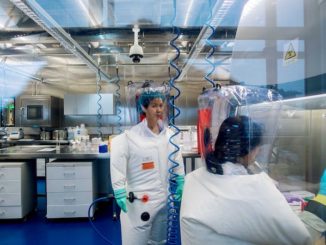
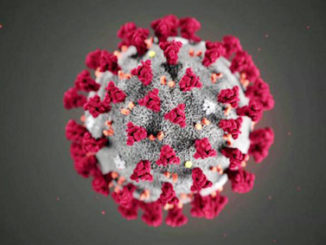
The world has not seen a weapon that without a bomb launched or a bullet fired could devastate economies of all nations on earth in one fell swoop, and render their citizenry dead or fearing for life itself. Coronavirus, with its transplanted from Bats’ “Spike Glycoprotein (S)” – which I wrote about in my Open Letter to President Trump on April 14, 2020, and the next day United States opened its then-Preliminary Investigation of China – is now the very piece of protein that Pfizer and Moderna’s mRNA-based vaccines now – in error – implant in every patient, and after the initial 2-shots, require a booster shot every 3 months, for life. Result: the enemy get refreshed, while our body’s “T cell” get exhausted or run out. Indeed, Merck’s CEO Kenneth C. Fraizer has correctly said: we don’t even understand the Virus yet, let alone treat it. How right he is. This vaccine frenzy is nothing short of a global clinical trial – worse than if you signed up for one – for now, as a patient, you don’t get paid, and if you suffer a severe reaction, you can’t sue as they have a liability shield, courtesy of Operation Warp Speed that didn’t have to do 10 years of public health studies to identify its efficacy, but its side effects. Risks vs Benefits. A patient with a migraine headache would never accept decapitation as a solution; yet, now, we are to accept this vaccine with a public health study over 10-years of time. Yes, we need a vaccine; but, we need the raw truth about the creation of SARS-CoV2, its escape from the Wuhan lab, its variations, etc., before we can figure out the correct cure.
Kompromat – is a term used to suggest Russia’s ability to control another person or nation through some act or knowledge that the target would not like exposed. Blackmail. In our social media-connected world, with data that documents one’s hallucinations as if “fact,” our exceptional separated powers regime is sadly checkmated. As 2021 is the Year of Hope, like never before, I end with a wish that just as the Ming Dynasty voluntarily gave up its Tribute system, so does President Xi Jinping; and, instead, he joins in transparent disarming of SARS-CoV2 and dismantles his Jaws of War (which I have previously described). Otherwise, let Churchill be re-born as an American – worthy of everyday hardworking Americans who toil to achieve the American Dream, as merit alone can – and uphold our Flag high and free, as those who died doing so in 1814 at Fort McHenry and caused lawyer-poet Francis Scott Keys to be so moved by their undying courage and national pride to write “The Star-Spangled Banner.”
(Ravi Batrais a senior attorney and advisor to many governments. Twitter @RaviBatra)
As we transition to 2021, my mind takes a bird’s -eyeview of the world . 2020 has not been a kind year. Besides the usual natural calamities that hit many parts of the world,, including USA where we have regular storm season which causes huge destruction inmany parts of the country, the one catastrophe that befell the world is the COVID-19- a virus which by the end of the year 2020 had snuffed out 1,833,437 lives and infected 84,281,678.Worse, it still is raging, and threatening to appear in different avatars. The world shook and is stillshaking before this monster of a virus which nobody appears to be certain, when it will withdraw or get decimated. The number one country of the world, the most powerful nation in the world USA has the distinction of being the weakest before the might of Coronavirus, with lives lost 355,935 and 20,672,813 persons infected. People living in fear. People living under lockdown. No travel, No outings, No parties. Schools closed. Entertainment centers closed . Life came to a standstill. Consider the health implications of a forced confinement, and long periods of quarantine for those infected and even for those not infected, because they had come in contact with those infected. Most believe life will never again be the same for them.
There is a ray of hope in the vaccines which have been developed. It should go to the credit of scientist and pharmaceutical companies which came up with the vaccines in record time of less than a year. In the U.S. Pfizer-BioNTech COVID-19 Vaccine and Moderna’s COVID-19 vaccine are already being administered. In Britain , University of Oxford- Astrazeneca’s vaccine has been approved, and Britons are getting the shots. Russia and China have also come up with their indigenous vaccines. So has India where an indigenous vaccine “Covishield” is on the threshold of getting approval of the government of India and will soon be available. The question is, though we have now close to half a dozen vaccine brands available , will there be enough for the whole world, a population of 7.8 billion?. Another is, how long will it take to vaccinate each of the inhabitants of the planet?
The very question of distribution of vaccine in various countries is causing worries. There is bound to be a scramble for getting vaccinated. Who wants to die? Nobody, I believe. I hope we all remember when in the initial days of the pandemic hitting the world, here in USA where we are proud of our ethical standards, we had seen PPE disappearing from shelves in the stores. Even paper towels and sanitizers, the basic protections needed against Coronavirus disappeared from stores. We submitted to price gouging. Only those who had resources could buy even the basic stuff like paper towels and sanitizers. I was personally aware of the many stores run by the self-proclaimed“charitable” Indian community which were unashamedly exploiting the hapless situation of people. It should go to the credit of the administration that many were disciplined.
However, my concern is , based on what happened at the beginning of the outbreak of the virus with regard to PPE, the same may not happen now with regard to the vaccine. It will have to be ensured that , one, all get it; and two, all get it without having to pay a high price. I am afraid, when the present talk of vaccinating the whole population gets a little old, and the vaccine is available on stores, the usual greed of pharmaceutical companies and pharmaceutical dealers will come into play, jacking up the price of the vaccine, and making the vaccine beyond the reach of the people at the lower step of economic ladder. Added to it, price gouging may also come in to play. We cannot change the basic nature of the businesses who never miss an opportunity to make money, however loud their claims of high ethical standards. .
I may be a little assured of a seemingly just deal for the people in America, but to be thinking of a “seemingly just deal” in India is beyond my imagination. India may be a democracy, but it has a feudal system and a feudal mindset. A country which believes in “might is right”; a country which believes in caste supremacy; a country which is known to have an exploitative society, one cannot imagine the vaccine to be reaching the poorest of the poor. To a vast number (close to 60%) , one meal a day is a luxury. A vast number of India’s population does not know what a doctor is, what medicines are. It is a country at the mercy of gods, and the lesser gods that people themselves chose to serve them, who, took no time to become their feudal masters. I am worried for the people of India.
The enemy is still there. We have to continue to fight until the enemy is vanquished. It will need the united strength of the whole world to annihilate the demon of Coronavirus. It will also need a willing suspension of our greed for the sake of the need of the suffering masses.
My heart goes out to the families who lost their loved ones to Covid. I bow my head to our heroes- doctors, nurses , frontline workers who lost their lives in the line of duty.
Let me take this opportunity to express my gratitude to the loyal readers and patrons of The Indian Panorama who have been a great support for the last 15 years. I must thank my family who have been my best counselors and advisers , guiding and supporting me at each step. I am obliged to every single person with whom I ever came into contact for the very opportunity to know them.
Let us welcome 2021 with an attitude of hope and faith. Happy New Year!
It’s the first time since reopening there have been so many cases in one day. More than 25,000 have been confirmed in December alone
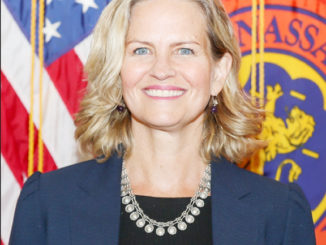
MINEOLA , NY (TIP): Nassau County’s daily positivity rate of the coronavirus topped 10 percent on Wednesday — the first time that has happened since the county reopened. It also had one of the largest daily increases in positive cases. According to Nassau County Executive Laura Curran, 1,273 people tested positive for the coronavirus on Wednesday, out of 12,161 tested. That puts the county’s positivity rate at 10.5 percent. It is also one of the largest daily increases in infections since April. Since the pandemic began, there have only been seven days that have seen a larger increase than Dec. 29. “Nassau County is seeing daily spikes in our COVID-19 hospitalizations and our positivity rates are double what they were only a month ago,” Curran said. “Our numbers continue to move in the wrong direction and the last thing we want is to have our businesses and schools close when we are so close to having large-scale vaccine distribution.”
Since the first recorded case of the coronavirus in Nassau County on March 5, there have been 86,306 confirmed cases of the virus in the county. In December alone, there were 25,134 cases confirmed — 29 percent of the total infections. There have been 121 deaths from the virus this month.
New Coronavirus Cases, Deaths in Nassau County.
According to Curran, there are 664 people in Nassau hospitals with the coronavirus, 66 of which are in the ICU, and 40 on ventilators. “We need all to stick to our commonsense guidance to avoid welcoming the new year with new restrictions,” said Curran. “I urge residents to celebrate the New Year responsibly so we can enter 2021 with a clear path to our recovery.”
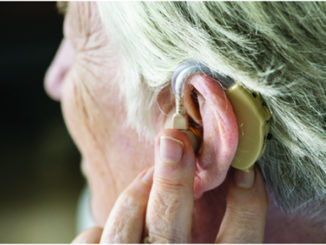
A new study from Tel Aviv University (TAU) presents an innovative treatment for deafness, based on the delivery of genetic material into the cells of the inner ear. The genetic material “replaces” the genetic defect and enables the cells to continue functioning normally.
The scientists were able to prevent the gradual deterioration of hearing in mice that had a genetic mutation for deafness. They maintain that this novel therapy could lead to a breakthrough in treating children born with various mutations that eventually cause deafness.
The study was led by Professor Karen Avraham of the Department of Human Molecular Genetics and Biochemistry at TAU’s Sackler Faculty of Medicine and Sagol School of Neuroscience. The paper was published in EMBO Molecular Medicine. Deafness is the most common sensory disability worldwide. According to the World Health Organization, there are about half a billion people with hearing loss around the world today, and this figure is expected to double in the coming decades. One in every 200 children is born with a hearing impairment, and one in every 1,000 is born deaf. In about half of these cases, deafness is caused by a genetic mutation. There are currently about 100 different genes associated with hereditary deafness. “In this study we focused on genetic deafness caused by a mutation in the gene SYNE4 — a rare deafness discovered by our lab several years ago in two Israeli families, and since then identified in Turkey and the UK as well,” Professor Avraham reports.
Sometimes, you may make a lot of effort to take care of your tresses, only to find them falling away in clumps. While it is a heartbreaking sight, it has become alarmingly common for adults in their late 20s and early 30s. Dr Jyoti Gupta, a consultant dermatologist in New Delhi, says that as doctors, they have been noticing an early-age of onset of baldness, “as early as 16-18 years of age”. Most of them start coming to dermatologists by the age of 25, when hair loss becomes more evident. “Though some hair thinning and receding hairline is expected with age, more millennials are seeking consultation and expressing concern about hair loss,” she says.
Dr Gupta explains some possible reasons behind hair loss, and what you can do to remedy the situation. Read on.
– Stress: Stress puts the hair follicle out of growth cycle, causing premature hair loss. Everyone should engage in at least one kind of calming activity like mediation, yoga, etc., which can release stress.
– Nutritional deficiency: Due to the easy availability of food from outside, there has been more intake of junk and non-nutritional food items, creating a deficiency of many major nutrients like iron, vitamin D, B12, zinc, folic acid, and proteins. Adding them as supplements to the diet will definitely help reduce the fall.
– Smoking: Nicotine and other drugs can reduce blood flow to the skin and hair, leading to hair thinning.
– Intake of supplements: Many supplements like whey protein, anabolic steroids taken for muscle building can lead to more testosterone activity and hair thinning.
– Hair treatments: Continuous hair bleaching, straightening and use of hair extensions can cause damage to roots leading to hairline recession and hair loss.
– Hormonal disturbances: Thyroid issues, PCOS problems, diabetes, obesity can all cause thinning, and if you are diagnosed, you must begin the treatment process.
– Genetics: If in your family, either maternal or paternal side has a history of baldness, then it can present in you at an early age with more advanced baldness. It is recommended to start prescription products like minoxidil, finasteride, PRP therapy to take care of genetic hair loss.
“There are many nutritional, medical, non-surgical, and surgical interventions to help in this issue,” says Dr Gupta.
A new method for visualising the air exhaled while someone is speaking or singing could shed light on how diseases such as COVID-19 spread, and help evaluate the effectiveness of face masks, according to a study.
The novel system, described in the journal Applied Optics, images temperature differences between exhaled breath and the surrounding air to estimate how far the breath travels before being dispersed into the surrounding air.
According to study author Thomas Moore from Rollins College in the US, the new technique can also be used to study the details of how breath flows from the mouth while speaking or singing, which could be useful for music instruction and speech therapy. Originally developed to study the flow of air through musical instruments such as organ pipes, Moore said he began imaging the breath of people speaking and singing.
“I realised that by scaling up my existing system, I could likely determine how far the breath extends and how effective masks may be in limiting the extent of the breath,” he added.
While most existing approaches used to image exhaled breath require expensive equipment and can image only a relatively small area, Moore said the new design used common commercially available optical components to overcome these limitations. The new technique, Moore explained, was based on the fact that the speed of light changed depending on the temperature of air it passed through.
“As breath is warmer than the surrounding air, the light transmitted through the exhaled air arrives at the camera slightly sooner than light that did not pass through it,” which he said “can be used to create images of the air”.
According to Moore, the technique can reveal new information that may affect how we approach distancing and masking requirements, especially when outdoors. “The pandemic has caused an economic catastrophe for many musicians, and any information we can give them that will help them get back to work is important,” he added.
New Delhi (TIP): In a bid to build trust and enable confidence in the Covid-19 vaccine amongst people, the Union Health Ministry will rope in celebrities, faith leaders, media, and RWAs to disseminate accurate and transparent information. A 88-page document on Covid-19 vaccine communication strategy has been released by the ministry. It seeks to disseminate timely, accurate and transparent information about the vaccine to alleviate apprehensions, ensure its acceptance and encourage uptake. According to the document, the government aims to achieve this using three strategies, first by using the social influence or endorsements from experts and official voices, establishment of a National Media Rapid Response Cell and involving community mobilisers and frontline workers to engage with the community. Three platforms will be used to disseminate information, which includes celebrities from entertainment industry, sports and politics, influencers like local leaders, faith leaders, social cultural leaders, panchayat leaders and teachers. Frontline workers will also be roped in.
The second platform includes community groups such as Gram Sabhas, School Management Committees, Children’s School Cabinets, the NSS, the NYKS, Scouts and Guides and Cooperatives. Thirdly, social media, community media, mass media and outdoor media will be used.
WhatsApp will also be used for proactive messaging. WhatsApp content toolkit and guide will be made for all campaign partners, including Ministries, at national and state level to ensure cohesive campaign. Coordination groups will be established for social media coordination. “Identify and engage WhatsApp champions from WhatsApp Groups, e. g. school principals, RWA chairpersons, who can disseminate information and can counter misinformation. All states will need to ensure that partners have tools to support the introduction of Covid-19 vaccine through digital and social media amplification to reach audiences,” the document stated.
King County, which represents greater Seattle, has $14 million of COVID-19 funding for 2021, roughly enough to fund its operations for a single month, and a fraction of the $87 million emergency COVID-19 aid it received in 2020, said Ingrid Ulrey, the public health policy director for King County. “We’ve been on pins and needles the whole last three or four months, watching what’s happening at the federal level, waiting, watching,” she said. When newly approved federal funds finally trickle down to her level, she expects them to be less than this year, insufficient and too late. “It’s shockingly low,” she added. “We have a huge new, unprecedented, daunting task of vaccine delivery.” King County is at risk of being unable to hire the up to 40 additional staff needed to begin the next wave of public vaccinations. In counties across the United States, the funding crisis has limited the hiring of needed vaccine staff, delayed the creation of vaccination centers, and undermined efforts to raise public awareness, officials told Reuters.
The federal government spent more than $10 billion to speed COVID-19 vaccine development but has so far disbursed little funding for distribution, even as it pushed the responsibility of actual immunizations onto state and local governments. A new $2.3 trillion pandemic aid and spending package provides $8.75 billion to states to assist in vaccinations, in line with what state and local officials had requested, but months after distribution work should have begun. “The Federal Government has distributed the vaccines to the states. Now it is up to the states to administer. Get moving!” U.S. President Donald Trump tweeted on Wednesday. The promised wave of newly approved vaccinations has been only a ripple: around 2.8 million Americans have received a shot, including fewer than 170,000 residents of nursing homes, one of the most at-risk groups, according to the Centers for Disease Control and Prevention (CDC). That is far fewer than the 20 million vaccinations the federal government promised for December. Nearly 10 million of the 12.4 million doses the government has distributed to states sit unused, and on Tuesday President-elect Joe Biden said it would take years, not months, to vaccinate most Americans at the current pace. Hospitals and pharmacies CVS and Walgreens are in charge of the first wave of vaccinations of health care workers and long-term care residents. But local health systems will take a leading role in immunizing the next, bigger waves, and will be critical for groups such as the uninsured, underinsured, homeless and others.
The overall number of global coronavirus cases has topped 82.6 million, while the deaths have surged to more than 1.80 million, according to the Johns Hopkins University. In its latest update, the University’s Center for Systems Science and Engineering (CSSE) revealed that the current global caseload and death toll stood at 82,625,514 and 1,802,560, respectively. The US is the worst-hit country with the world’s highest number of cases and deaths at 19,722,442 and 341,964, respectively, according to the CSSE. India comes in second place in terms of cases at 10,244,852, while the country’s death toll soared to 148,439. The other countries with more than a million confirmed cases are Brazil (7,619,200), Russia (3,100,018), France (2,657,624), the UK (2,440,202), Turkey (2,194,272), Italy (2,083,689), Spain (1,910,218), Germany (1,719,912), Colombia (1,626,461), Argentina (1,613,928), Mexico (1,401,529), Poland (1,281,414), Iran (1,218,753), Ukraine (1,076,880), South Africa (1,039,161), and Peru (1,010,496), the CSSE figures showed. Brazil currently accounts for the second highest number of fatalities at 193,875.
The countries with a death toll above 20,000 are Mexico (148,439), Italy (148,439), the UK (72,657), France (64,508), Russia (55,692), Iran (55,095), Spain (50,689), Argentina (43,163), Colombia (42,909), Peru (37,574), Germany (32,665), South Africa (28,033), Poland (28,019), Indonesia (21,944) and Turkey (20,642).
Cases of the more contagious variant of Covid-19 first identified in the UK have been confirmed in several European countries as well as Canada and Japan.
Infections linked to people who arrived from the UK were reported in Spain, Switzerland, Sweden and France.
A couple found infected in Ontario, Canada, had no known travel history or high-risk contacts, officials say.
Japan is to ban most non-resident foreign nationals from entering the country for a month.
Since reporting infections in five passengers who had all arrived from the UK, the country has confirmed two more cases, one of which is said to have been domestically transmitted.
News of the new variant triggered travel restrictions around the world last week.
Meanwhile, several EU countries have started to vaccinate people against the virus ahead of a co-ordinated rollout across the whole bloc on Sunday.
Health workers in north-east Germany said they were not prepared to wait another day to distribute the newly approved Pfizer-BioNTech vaccine. They began by immunising elderly residents of a nursing home in Halberstadt.
In Hungary, the state news agency said the first recipient of the vaccine was a doctor at Del-Pest Central Hospital. The authorities in Slovakia also said they had begun vaccinating.
The head of the European Commission, Ursula von der Leyen, has released a video on Twitter celebrating the vaccine rollout, calling it a “touching moment of unity.
What is the new variant?
The new variant first detected in southern England in September is blamed for sharp rises in levels of positive tests in recent weeks in London, south-east England and the east of England
About two-thirds of people testing positive in these areas could have the new variant – but this is only an estimate, the Office for National Statistics (ONS) says.
Three things are coming together that mean the new variant is attracting attention:
– It is rapidly replacing other versions of the virus
– It has mutations that affect part of the virus likely to be important
– Some of those mutations have already been shown in the lab to increase the ability of the virus to infect cells
– All of these build a case for a virus that can spread more easily, says the BBC’s health and science correspondent, James Gallagher. Experts say the leading vaccines developed in recent months should still work.
One health story dominated headlines for virtually all of 2020: the coronavirus pandemic. But while Covid-19 did slow down medical research in other areas, the science didn’t stop. Researchers rolled out new ways to cope with common diseases, and even a treatment for another feared virus.
Here are the accomplishments that may have flown under the public’s radar in 2020.
A treatment for Ebola
Six years ago, the world had its eyes on a different virus: Ebola, in West Africa. In October, the Food and Drug Administration approved Inmazeb, the first treatment for the deadly disease. Inmazeb is a monoclonal antibody cocktail made by the drugmaker Regeneron. A study that began in 2018 during an Ebola outbreak in the Democratic Republic of Congo showed that the drug improved survival rates; researchers found that nearly 34 percent of patients who received Inmazeb died, compared with 51 percent of patients who received a control.
Monoclonal antibodies are made in the lab to mimic the body’s natural immune response. This year, Regeneron also developed a monoclonal antibody cocktail for Covid-19, which President Donald Trump received when he was hospitalized with the illness.
In December, the FDA approved a second treatment for Ebola, another monoclonal antibody drug called Ebanga, made by Ridgeback Biotherapeutics.
Weekly insulin shot
People with Type 2 diabetes may find reprieve from daily shots with an experimental form of insulin. In September, researchers at the Dallas Diabetes Research Center found that a once-weekly insulin shot was able to lower blood sugar just as well as a daily insulin shot in those with Type 2 diabetes.
The research, while relatively small with just 247 participants, was published in the New England Journal of Medicine.
The hope is that patients with Type 2 diabetes will be more likely to adhere to a once-a-week injection than a daily shot.
One pill to cut the risk of heart problems
A single pill that combines four medications meant to lower blood pressure and cholesterol plus an aspirin was found in November to cut the risk of heart disease, the nation’s No. 1 killer.
A large study of 5,713 participants published in November found that the so-called polypill cut the risk for heart attack and stroke in at-risk patients by nearly a third.
The polypill used in the study was a combination of a statin called simvastatin, a beta blocker called atenolol, a diuretic called hydrochlorothiazide and an ACE inhibitor called ramipril. All are sold as generics, which means this could be a low-cost method of treating patients at risk for heart events.
What’s more, patients may be more likely to comply with their doctor’s orders if they need to fill and take only one pill, instead of four.
A blood test to look for Alzheimer’s disease
Also in November, the first blood test to help diagnose Alzheimer’s disease became available in the U.S.
Toward a cure for sickle cell disease
Early December brought early but promising results from the first studies on gene editing for excruciatingly painful and inherited blood disorders most likely to occur among those of African descent.
The technology, called CRISPR, involves permanently altering DNA in a person’s blood cells. The approach could possibly cure sickle cell disease, in which crescent-shaped red blood cells clump together to the point that they’re unable to flow easily throughout the body, starving organs and tissue of the oxygen they need.
Using CRISPR, doctors are essentially able to switch off a faulty gene that creates the problem. In studies, 10 patients were able to remain without pain episodes for at least several months, and were able to be free of regular blood transfusions previously necessary to treat their disorders.
The only other potential cure for sickle cell disease involves a complicated bone marrow transplant from a closely matched donor who does not have the disease.
Pediatric heart hope
One of the last advances of 2020 was the Food and Drug Administration’s approval of a heart pump to be used in children in need of a heart transplant.
Abbott’s HeartMate 3 heart pump is meant for children with a specific condition called advanced refractory left ventricular heart failure that requires a full heart transplant. Without intervention, the condition is deadly, as the heart is too weak to pump on its own.
Two years after the implant — which is permanent — Abbott said patients who received the pump had a 79 percent survival rate, comparable to those who received a heart transplant. But patients who receive heart transplants must be put on medications to suppress their body’s natural immune response to attack the new heart for the rest of their lives. A device like Abbott’s does not require such medication.
The technology, called CRISPR, involves permanently altering DNA in a person’s blood cells. The approach could possibly cure sickle cell disease, in which crescent-shaped red blood cells clump together to the point that they’re unable to flow easily throughout the body, starving organs and tissue of the oxygen they need.
While lockdown life has kept time standing still for nearly everyone through 2020, Wall Street has been locked in at super fast-forward. The stock market tumbled through years’ worth of losses in just over a month this spring, only to turn around and pack an entire bull market’s worth of gains into less than nine months.
Even within the span of a few hours, the market in 2020 would sometimes careen to a loss that would have been remarkable for a full year. Consider one day in March, when the S&P 500 plunged 12% after President Donald Trump acknowledged a recession may be on the way because of the pandemic.
That was a worse loss than the index has suffered in 45 of the last 50 full years.
The good news is that the crazy action for markets in 2020 was likely a singular response to COVID-19, not a preview of a new normal.
Market watchers say investors can expect movements closer to what they’re used to next year, as the economy is nursed back to health following the rollout of one or more COVID-19 vaccines.
If anything, analysts say the whiplash provides another lesson that holding steady is often the best response for investors to crashing prices, rather than trying to time the market.
The fast-forward movements of this year just mean sticking to that strategy paid off much more quickly this time around. “It’s almost universally the case that you do not want to sell into a panic,” said Yung-Yu Ma, chief investment strategist at BMO Wealth Management.
“That is something that investors still have a hard time realizing in a moment where it seems like there’s every reason to sell. But that principle is definitely a lesson to be taken away.”
Of course, the temptation to sell was tough to ignore when so much confusion was crashing through the market this year and prices were zooming at what seemed 10 or 100 times normal speed.
Consider: – Between Feb. 19 and March 23, the S&P 500 plunged nearly 34% as panic over the economic damage the pandemic could cause swept through markets .
That’s close to the average drop of 39.4% for the 14 bear markets that have struck since 1929.
But the average bear market lasted nearly 20 months. This one ran its course in a little more than 20 trading days and was the fastest on record, according to S&P Dow Jones Indices.
– Almost as quickly as it plunged, the stock market zoomed higher again.
It regained all its losses in less than five months, and the surge was so lightning-quick that many professional investors at first doubted it could last.
The S&P 500 has climbed 63.9% in eight-plus months, as of Thursday.
That rivals the 64.8% it rose in the entire bull market that lasted 31 months following the 1987 Black Monday crash.
– Through all the tumult, the S&P 500 had 10 days this year where it swung up or down by more than 5%.
Over the last decade, outside of 2020, that happened just once.
Since the Great Depression, only 2008 had as many big daily moves, and back then investors were bracing for the collapse of the entire financial system.
In retrospect, analysts say all the market’s moves make sense.
Early in the sell-off, investors were flying blind regarding how infectious and deadly this new coronavirus was and how long widespread lockdowns would last.
Wall Street’s instinctive reaction to any kind of uncertainty is to flee, and stocks sold off.
But the Federal Reserve and Congress both stepped in forcefully during March, promising unprecedented amounts of aid for markets and the economy.
Interest rates went back to nearly zero, dollars flooded into far-ranging corners of the bond market and Washington sent out cash payments to most Americans to help fill the economic cavern created by the corona virus.
“They learned a lot of lessons during the financial crisis, and they applied them,” said Margie Patel, senior portfolio manager at Wells Fargo Asset Management.
That quick action – and commitment to keeping markets afloat – is one of the biggest takeaways of the year for her.
“You had the government explicitly telling you we have a floor for the markets below which values will not go.”
With the Federal Reserve promising to keep interest rates low even if inflation rises back above its 2% target, many professional investors say they expect the market to be much calmer in 2021.
And beyond the efforts of the Fed, encouraging data on potential COVID-19 vaccines means much of Wall Street expects life to begin returning to normal in 2021, which should broaden the economic recovery, restore corporate profits and also help smooth out Wall Street’s ride.
“There seem to be a lot of things to worry about,” Patel acknowledges.
“But when you look at the big picture, it’s surprising how good things are.”
2020 was, arguably, one of the toughest years in the history of mankind, and even as it comes to a close, uncertainly over a new coronavirus strain, vaccine distribution and reopening continues to loom over the horizon. Some critics would argue that while living through a pandemic was hard, it was made tougher by the response from leaders of countries across the world. Others, however, would claim that it was precisely because of these leaders that the unprecedented crisis became easier to sail through. Whatever one’s personal opinion, the crisis brought out the best and the worst in world leaders. Here’s how they reacted to one of the gravest crisis humanity has had to face.
Donald Trump
U.S. President Donald Trump’s response to the coronavirus has been the most divisive, at least in the United States. In fact, according to reports, his response, or the lack of it for some, might have been one of the significant reasons for his defeat in the November Presidential elections, which saw President-elect Joe Biden win the Presidency. In January, Trump had said that the US administration has the pandemic “totally under control” and that “it’s going to be just fine”. From that statement about a year ago to now, as US reels through increasing virus cases and is the worst-affected country in the world, things have changed rapidly. Trump’s critics blame the pandemic’s effects solely on him, while his supporters insist that he did all that he could.
Xi Jinping
Considering the fact that coronavirus originated in China, Xi Jinping, the Chinese President, has been under considerable pressure to answer uncomfortable questions about the pandemic. But in China itself, reports suggest that the administration has been able to bring the spread of the virus under control using strict and authoritarian measures, which critics have said are anti-democratic in nature. Through this all, the Japan Center for Economic Research has said that China’s economy is on its way to maintaining a positive year-on-year GDP growth rate.
Narendra Modi
Prime Minister Narendra Modi has arguably been one of the more successful leaders to have responded in a timely manner to the pandemic. In March, he declared a ‘Janata Curfew’, which was followed by a nationwide lockdown. Throughout the extensions of the lockdown, and the subsequent reopening process, PM Modi continued to address the nation and meet Chief Ministers of states virtually. His critics have, however, slammed the sudden lockdown announcement and the government’s handling of the migrant crisis, as also the unchecked effects of the government’s moves during the pandemic on economy.
Jacinda Ardern
New Zealand Prime Minister Jacinda Ardern has been highly praised for her handling of the pandemic in her nation. Ardern had announced Level 4 restrictions in March, when New Zealand had 102 cases. “But so did Italy once,” she had reasoned. The restrictions were unprecedented in the country’s history, with police forces and military personnel being deployed to ensure that they are followed. While cases were reported in August after months of the nation going virus-free, the pandemic has been under control in New Zealand, and for her efforts, Ardern was named as one of the world’s 100 most powerful women in 2020 by Forbes.
Boris Johnson
The new strain of coronavirus and the fresh set of crises brought forth by it for the United Kingdom apart, UK Prime Minister Boris Johnson hasn’t been viewed too positively for his handling of the pandemic, if reports are to be believed. In March he had said that he is shaking hands “continuously” and that he did, in fact, shook hands “with everybody” at a hospital with coronavirus patients. By the end of that month, he had tested positive for the virus, and was hospitalised in April. Ever since, 2020 has been a year of intermittent lockdowns for the UK, with the latest lockdown being imposed after a fast-spreading variant of coronavirus was detected.
Jair Bolsonaro
Brazilian President Jair Bolsonaro has been perhaps the most criticised leader on this list for his handling of the pandemic. He has called coronavirus “little flu” and “fantasy” among other adjectives, which doesn’t make his response to it hard to imagine. Moreover, even as the death numbers soared, he had said, “… You can’t stop a factory because of traffic deaths”. Brazil now has the third highest number of coronavirus cases in the world, and it remains one of the few countries to have never imposed a nationwide lockdown since according to Bolsonaro it ends up affecting the economy. Now he has said that he won’t be taking the vaccine since that’s his “right”.
Tsai Ing-wen
Taiwanese President Tsai Ing-wen has been credited with controlling the pandemic in Taiwan successfully without actually imposing any lockdown. According to reports, this was due to a quick response which was assisted by effective monitoring and tracing of contacts. Travelling to Taiwan now requires a negative COVID-19 test result taken three days before boarding a flight to the country, not to mention 14 days of quarantine. Forbes called Tsai one of the 100 most powerful women in 2020.
Vladimir Putin
The Russian President has claimed that Russia’s handling of the pandemic has been better than the US’, and while that is up for debate, some critics have said that the top Russian leadership is unaware about the pandemic’s scale on the ground. Although cases have been rising, Putin had in October said that the country won’t be going into a lockdown again (Russia had imposed a nationwide lockdown from March to May), though certain restrictions will continue to be in place. (Source: Moneycontrol)
In the last 12 months, the novel coronavirus has paralyzed economies, devastated communities and confined nearly four billion people to their homes. It has been a year that changed the world like no other for at least a generation, possibly since World War II.
When the world celebrated the dawn of a new decade with a blaze of firework parties and revelry on January 1, few could have imagined what 2020 had in store.
In the last 12 months, the novel coronavirus has paralysed economies, devastated communities and confined nearly four billion people to their homes. It has been a year that changed the world like no other for at least a generation, possibly since World War II.
More than 1.6 million people died. At least 72 million people are known to have contracted the virus, though the actual number is likely much higher. Children became orphans, grandparents were lost and partners bereaved as loved ones died alone in hospital, bedside visits considered too dangerous to risk.
“This is a pandemic experience that’s unique in the lifetime of every single person on Earth,” says Sten Vermund, infectious disease epidemiologist and dean of Yale School of Public Health. “Hardly any of us haven’t been touched by it.”
Covid-19 is far from the deadliest pandemic in history. Bubonic plague in the 14th Century wiped out a quarter of the population. At least 50 million succumbed to Spanish Influenza in 1918-19. Thirty-three million people died of AIDS.
But contracting coronavirus is as simple as breathing in the wrong place at the wrong time.
“I went to the gate of hell and came back,” said Wan Chunhui, a 44-year-old Chinese survivor who spent 17 days in hospital. “I saw with my own eyes that others failed to recover and died, which has had a big impact on me.”
The scale of the global disaster was scarcely imaginable when on December 31, Chinese authorities announced 27 cases of “viral pneumonia of unknown origin” that was baffling doctors in the city of Wuhan.
The next day, authorities quietly shut the Wuhan animal market initially linked to the outbreak. On January 7, Chinese officials announced they had identified the new virus, calling it 2019-nCoV. On January 11, China announced the first death in Wuhan. Within days, cases flared across Asia, in France and the United States.
By the end of the month, countries were airlifting foreigners out of China. Borders around the world started to close and more than 50 million people living in Wuhan’s province of Hubei were in quarantine.
New disease, lockdown
AFP images of a man lying dead on his back outside a Wuhan furniture shop, wearing a face mask and holding a plastic bag, came to encapsulate the fear pervading the city. AFP could not confirm the cause of his death at the time. Emblematic of the horror and claustrophobia also was the Diamond Princess cruise ship on which more than 700 people ultimately contracted the virus and 13 died.
As the horror went global, the race for a vaccine had already begun. A small German biotech company called BioNTech quietly put their cancer work aside and launched another project. Its name? “Speed of Light”.
On February 11, the World Health Organization named the new disease as Covid-19. Four days later, France reported the first confirmed death outside Asia. Europe watched in horror as northern Italy turned into an epicentre.
“It’s worse than the war,” said Orlando Gualdi, mayor of the Lombardy village of Vertova in March, where 36 people died in 25 days. “It’s absurd to think that there could be such a pandemic in 2020.”
First Italy, then Spain, France and Britain went into lockdown. WHO declared Covid-19 a pandemic. US borders, already closed to China, shut to much of Europe. For the first time in peacetime, the summer Olympics were delayed.
By mid-April, 3.9 billion people or half of humanity were living under some form of lockdown. From Paris to New York, from Delhi to Lagos, and from London to Buenos Aires, streets fell eerily silent, the all too frequent wail of ambulance sirens, a reminder that death loomed close.
Scientists had warned for decades of a global pandemic, but few listened. Some of the richest countries in the world, let alone the poorest floundered in the face of an invisible enemy. In a globalised economy, supply chains ground to a halt. Supermarket shelves were stripped bare by panic buyers.
Chronic underinvestment in healthcare was brutally exposed, as hospitals struggled to cope and intensive care units were rapidly overwhelmed. Underpaid and overworked medics battled without personal protective equipment.
“I graduated in 1994 and government hospitals were utterly neglected then,” said Nilima Vaidya-Bhamare, a doctor in Mumbai, India, one of the worst-hit countries. “Why does it take a pandemic to wake people up?” she asked in May.
In New York, the city with more billionaires than any other, medics were photographed having to wear bin liners. A field hospital was erected in Central Park. Mass graves were dug on Hart Island.
‘Absolute calamity’
“It is a scene out of a horror movie,” said Virgilio Neto, mayor of Manaus in Brazil. “We are no longer in a state of emergency but rather of absolute calamity.” Bodies were piling up in refrigerated trucks and bulldozers were digging mass graves.
Businesses closed. Schools and colleges shut. Live sport was cancelled. Commercial airline travel saw its most violent contraction in history. Shops, clubs, bars and restaurants closed. Spain’s lockdown was so severe that children couldn’t leave home. People were suddenly trapped, cheek by jowl in tiny apartments for weeks on end.
Those who could, worked from home. Zoom calls replaced meetings, business travel and parties. Those whose jobs were not transferrable were often sacked or forced to risk their health and work regardless.
In May, the pandemic had wiped out 20 million American jobs. The pandemic and global recession could push to 150 million the number of people living in extreme poverty by 2021, the World Bank has warned.
Social inequities, which for years had been growing, were exposed like never before. Hugs, handshakes and kisses fell by the wayside. Human interaction took place behind plexiglass, face masks and hand sanitizer.
Instances of domestic violence soared, so did mental health problems. As city dwellers with means congratulated themselves on riding out the pandemic at palatial second homes in the countryside and governments floundered, tempers boiled among those trapped in cities and rage spilled onto the streets.
The United States, the world’s biggest economy and a country without universal healthcare, rapidly became the single worst-hit nation. More than 300,000 people have died while President Donald Trump pooh-poohed the threat and touted questionable treatments such as hydroxychloroquine and floated the idea of injecting disinfectant.
By May, he launched Operation Warp Speed, with the US government spending $11 billion on developing a Covid-19 vaccine by the end of the year. Trump touted it as the biggest US endeavour since creating the atom bomb in World War II. Not even the rich and powerful could buy immunity. In October, Trump contacted Covid-19 as had Brazilian leader Jair Bolsonaro in July. Trump’s response to the pandemic likely helped cost him the election to Joe Biden. British Prime Minister Boris Johnson spent three days in the ICU with coronavirus in April.
A-list movie star Tom Hanks and his wife fell sick. Cristiano Ronaldo, one of the greatest footballers of his generation, tennis champion Novak Djokovic, Madonna, Prince Charles and Prince Albert II all tested positive.
2021 vaccine drive
As the year draws to a close, governments are on the cusp of innoculating millions, starting with the elderly, medics and the most vulnerable before moving into mass campaigns presented as the only ticket back to a normal life.
In December, Britain became the first Western country to approve a vaccine for general use and then roll out the innoculation developed in the BioNTech lab in cooperation with US pharmaceutical giant Pfizer. The United States quickly followed suit and regulatory approval is expected in Europe by the end of the month.
“If I can have it at 90 then you can have it too,” said Margaret Keenan, the British grandmother who became the first person to receive the approved Pfizer/BioNTech vaccine.
As wealthy nations rush to buy up stocks, 2021 will likely see China and Russia vie for influence by expanding beyond their borders their own, cheaper vaccines.
The extent to which the Covid-19 pandemic will leave a lasting legacy is far from clear. Some experts warn it could yet take years to build up herd immunity through mass vaccination, especially in the face of entrenched anti-vax beliefs in some countries. Others predict lives could snap back to normal by the middle of next year.
Many expect a more flexible approach to working from home, increased reliance on technology and supply chains that become more local. Travel is likely to resume, but how quickly is uncertain. The disease can leave otherwise healthy young people debilitated for months.
If home-working for white-collar workers remains common place, what will happen to commercial real-estate in downtown cities? Could urban centres start to de-populate as people, no longer bound by the commute, move away in search of greener or quieter lifestyles?
There are also concerns about the impact on civil liberties. Think tank Freedom House says democracy and human rights have deteriorated in 80 countries as governments abuse power in their response to the virus.
Others predict that fear of large crowds could have profound consequences, at least for public transport, cultural, sporting and entertainment venues, and the cruise ship industry.
“I think there are going to be some profound shifts in our society,” warned Yale School of Public Health’s Vermund.
The world economy is also in for a rough ride. IMF has warned of a recession worse than that which followed the 2008 financial crisis. But for many, the pandemic is just a spot on the long-term horizon of a far deadlier, far more challenging and far more life-changing calamity.”Covid-19 has been something of a big wave that’s been hitting us, and behind that is the tsunami of climate change and global warming,” says astrobiologist Lewis Dartnell whose 2014 book “The Knowledge” advises how the world can rebuild following a global catastrophe. (Source: AFP)
The world has not seen a weapon that without a bomb launched or a bullet fired could devastate economies of all nations on earth in one fell swoop, and render their citizenry dead or fearing for life itself.
2020, to paraphrase FDR, is a year that will live in infamy, and it is also the year when Neville Chamberlain reigned supreme. Indeed, no less than President Trump – who has stood taller than any before him, including, Richard M. Nixon, when he was a Communism-buster up until prior to his 1967 abdication in Foreign Affairs’ pages with a quid pro quo op-ed entitled “Asia After Viet Nam” – called the Virus the “China Virus,” yet, then incredulously declared: that we are fighting “an invisible enemy.” No, we are not Mr. President.
The Virus isn’t our enemy, just as on December 7, 1941 the Japanese bombs and bullets weren’t the enemy; Imperial Japan was, by attacking us at Pearl Harbor, in Hawaii. Then, FDR, after sentencing that day “to live in infamy,” unleashed the indominatable General Douglas MacArthur. The same General, who when first expelled from Philippines, left written messages for the people of Philippines: “I shall return.” And, return he did. Promise made; promise kept. Indeed, a short few years later on September 2, 1945 there was a Surrender Ceremony. A visit to the USS Missouri website proudly shows that the infamous history started at Peral Harbor was in-fact stopped, and a new history of American Freedoms, for all, was made to wit:
“On the teak decks of USS Missouri, WWII finally came to an end on 2 September 1945. The Surrender Ceremony, which formally brought an end to the bloodiest conflict in human history, lasted a mere 23 minutes. It began at 0902 with a brief opening speech by General Douglas MacArthur. In his speech, the General called for justice, tolerance, and rebuilding. After MacArthur’s speech, Foreign Minister Mamoru Shigemitsu, representing the Emperor of Japan, signed the Instrument of Surrender. He was followed by the Chief of the Army General Staff, General Yoshijirō Umezu, who signed for the Japanese Army. After this, General MacArthur signed the Instrument of Surrender as the Supreme Allied Commander with 6 pens. Of these pens, he gave two to former POWs Lt. General Jonathan Wainwright and Lt. General Lt. General Arthur E. Percival. Following MacArthur, other allied representatives followed in this order:
Fleet Admiral Chester W. Nimitz signed for the United States; General Xu Yongchang for the Republic of China; Admiral Sir Bruce Fraser for the United Kingdom; Lt. General Kuzma Derevyanko for the Union of Soviet Socialist Republics (USSR); General Sir Thomas A. Blamey for the Commonwealth of Australia; Colonel Lawrence Moore Cosgrave for the Dominion of Canada; General Philippe Le Clerc for the Provisional Government of the French Republic; Lt. Admiral Conrad E. L. Helfrich for the Kingdom of the Netherlands;Air Vice Marshal Leonard M. Isitt for the Dominion of New Zealand.
5-Star General MacArthur’s Remarks – that day – on the deck of the USS Missouri are illuminating, and hence, worthy of reproduction so we may escape, even belatedly, History’s “curse of repetition” upon those who forget the past, while cuddling up to happy-amnesia:
“We are gathered here, representatives of the major warring powers, to conclude a solemn agreement whereby peace may be restored.
The issues involving divergent ideals and ideologies have been determined on the battlefields of the world, and hence are not for our discussion or debate. Nor is it for us here to meet, representing as we do a majority of the peoples of the earth, in a spirit of distrust, malice, or hatred. But rather it is for us, both victors and vanquished, to rise to that higher dignity which alone befits the sacred purposes we are about to serve, committing all of our peoples unreservedly to faithful compliance with the undertakings they are here formally to assume.
It is my earnest hope, and indeed the hope of all mankind, that from this solemn occasion a better world shall emerge out of the blood and carnage of the past — a world founded upon faith and understanding, a world dedicated to the dignity of man and the fulfillment of his most cherished wish for freedom, tolerance, and justice. The terms and conditions upon which surrender of the Japanese Imperial Forces is here to be given and accepted are contained in the Instrument of Surrender now before you.
As Supreme Commander for the Allied Powers, I announce it my firm purpose, in the tradition of the countries I represent, to proceed in the discharge of my responsibilities with justice and tolerance, while taking all necessary dispositions to insure that the terms of surrender are fully, promptly, and faithfully complied with. I now invite the representatives of the Emperor of Japan and the Japanese government and the Japanese Imperial General Headquarters to sign the Instrument of Surrender at the places indicated.”
[After the Instrument of Surrender was executed by all, he concluded with:]
“Let us pray that peace be now restored to the world, and that God will preserve it always.
These proceedings are closed.” (Emphasis added)
InWWII – we were united with USSR and China (not today’s Chinese Communist Party’s (CCP’s) People Republic of China (PRC)), but the Republic of China (ROC) – today, known as Taiwan, when General Chiang Kai-shek was head of ROC. I cite the above snippet of history to document the gross geopolitical malpractice of leaders, here at home and abroad, since 1945. Indeed, CCP’s brilliant Chairman Mao, who had originally joined under the leadership of General Chiang, revolted, caused a civil war, and finally expelled him in 1949 from Mainland China to a mere island, Formosa, aka Taiwan.
CCP’s China is a new world order – different from feudalism, communism, socialism, corporate-capitalism and our cherished Bill of Rights embedded in our Separated Powers regime – as it is an amalgam of all. Indeed, there are 99 million members of CCP – think corporate governance and the now-disappeared “Avon Lady.” Everybody in China is directly and intimately known by a CCP Member.
From Chiang Kai-shek, to Harry Truman, to Pandit Nehru, and above all others, to Richard Nixon who rolled out the red carpet for CCP’s China and gifted the critical multi-polar Permanent Seat on the United Nations Security Council – after unilaterally amending History and taking it away from ROC – the world could not, and sadly did not, see the slowly moving tortoise of CCP-China as a threat greater than the fast-moving Adolf Hitler.
We are at the Third Act of CCP’s “rejuvenation” of the Ming Dynasty’s Tribute System. Indeed, President Xi has honestly stated his China Policy to be “rejuvenation” – almost with as much delight as Edgar Allen Poe had in writing the Purloined Letter. What former National Security Advisor H.R. McMaster warned about in The Atlantic on May 19, 2020 – “What China Wants” – but left off at, I have continued – as I must warn as Paul Revere did – that our “Emperor wears no clothes,” to metaphorically assert without doubt, that our China Policy – created and effectuated by our Deep State and Executive and Legislative Leaders – is both a misdiagnosis, and a mistreatment that embraces de facto, if not de jure, impotent Chamberlain while rejecting the necessary Churchill, who to them is truly “invisible,” let alone “necessary.” Giving us governmental malpractice that is both decrypt, as it is impotent.
The world has not seen a weapon that without a bomb launched or a bullet fired could devastate economies of all nations on earth in one fell swoop, and render their citizenry dead or fearing for life itself. Coronavirus, with its transplanted from Bats’ “Spike Glycoprotein (S)” – which I wrote about in my Open Letter to President Trump on April 14, 2020, and the next day United States opened its then-Preliminary Investigation of China – is now the very piece of protein that Pfizer and Moderna’s mRNA-based vaccines now – in error – implant in every patient, and after the initial 2-shots, require a booster shot every 3 months, for life. Result: the enemy get refreshed, while our body’s “T cell” get exhausted or run out. Indeed, Merck’s CEO Kenneth C. Fraizer has correctly said: we don’t even understand the Virus yet, let alone treat it. How right he is. This vaccine frenzy is nothing short of a global clinical trial – worse than if you signed up for one – for now, as a patient, you don’t get paid, and if you suffer a severe reaction, you can’t sue as they have a liability shield, courtesy of Operation Warp Speed that didn’t have to do 10 years of public health studies to identify its efficacy, but its side effects. Risks vs Benefits. A patient with a migraine headache would never accept decapitation as a solution; yet, now, we are to accept this vaccine with a public health study over 10-years of time. Yes, we need a vaccine; but, we need the raw truth about the creation of SARS-CoV2, its escape from the Wuhan lab, its variations, etc., before we can figure out the correct cure.
Kompromat – is a term used to suggest Russia’s ability to control another person or nation through some act or knowledge that the target would not like exposed. Blackmail. In our social media-connected world, with data that documents one’s hallucinations as if “fact,” our exceptional separated powers regime is sadly checkmated.
As 2021 is the Year of Hope, like never before, I end with a wish that just as the Ming Dynasty voluntarily gave up its Tribute system, so does President Xi Jinping; and, instead, he joins in transparent disarming of SARS-CoV2 and dismantles his Jaws of War (which I have previously described). Otherwise, let Churchill be re-born as an American – worthy of everyday hardworking Americans who toil to achieve the American Dream, as merit alone can – and uphold our Flag high and free, as those who died doing so in 1814 at Fort McHenry and caused lawyer-poet Francis Scott Keys to be so moved by their undying courage and national pride to write “The Star-Spangled Banner.”
(Ravi Batrais a senior attorney and advisor to many governments. Twitter @RaviBatra)
The present-day world is passing through a very challenging period when a raging pandemic during the past 10 months or so has snuffed out 1.79 million lives and infected close to 82 million the world over. The terrible virus’s effect on human body and the world will take time to be assessed. Right now, the world is busy fighting this virus, scrambling for a lifesaving vaccine, and living in fear of other variants of the virus, which have been found in some countries, notably in UK where a total lock down has been imposed. Nations the world over have restricted into their territory of travelers from UK for fear that they may bring the new variant of virus supposedly more deadly than COVID-19 and add to their seemingly unsurmountable problems.
So, we thought of asking our wide awake and well-informed readers of their view.
The Question: How has the COVID-19 pandemic affected the world? What is the future scenario? What do we need to do to combat this Virus, and any other, in future? Your personal experience, if any , will be welcome.
We are grateful to the readers who took time to send us their comment which we are pleased to publish here.
We wish them all a Happy New Year.
Anu Jain
Our lives before the virus will not be back anytime soon
COVID-19 has cost us a lot, the lives of our near and dear ones, small businesses shut down, yet it has brought attention to many other aspects of life. For example, HYGIENE; many of us had forgotten the importance of washing our hands after using public transport, before eating food, or even as simple as shaking hands with someone. Another example is MENTAL WELLBEING; people are starting to feel more lonely and many may also be suffering from depression. We all have become much more conscious and aware of these simple yet ignored matters. I am sure we will never forget what COVID-19 has taken from us, but I am sure we will also not be able to turn a blind eye to what it has given us. Some of the positive outcomes from this pandemic is self-improvement and building new skills. Reaching out to and rekindling with people we may not have in a very long time. We have also learned to appreciate what we have in our lives currently. Although, we have to maintain a 6 feet distance but we are fighting this battle together.
In this pandemic, we all have stood together as one big family. I still remember the surge of doctors we had from all over the nation flying into New York, when it was declared an epicenter/hot-zone for COVID-19. During those times, many people, independently and via organizations were empowered to help each other out. I was very fortunate to have the opportunity to get involved and coordinate with many organizations to help out via food donations for many frontline heroes across the New York and New Jersey.
Future may be very uncertain with the many new revelations of the virus such as the new variant discovered in UK, recently. Our lives before the virus will not be back anytime soon, as the effects of this pandemic are here to stay. The format of events and gatherings will be changed forever as well. For example, greetings have already started to change from hugging to a more of a ‘Namaste’ approach. The limit of attendees at gatherings have also been implemented strictly.
Prevention is better than cure, and thus that would be the first step in combating the virus. Hand hygiene, maintaining a 6-ft distance, masks, are all some of the many preventative measures that all of us are already taking. Finally, there is also the vaccine for this virus, it is important to take the vaccine once available and continue to stay updated and informed by following the CDC.gov. We must also reach out to our loved ones and keep on adding new memories to our treasure chest.
(Anu Jain is one of the leading Real Estate Salespersons in Long Island, NY)
Ashok Ojha
2020: A Year of Grief
The year 2020 is coming to an end. When I look back months back I see a long spell of darkness, silence, pain, and grief, all of which generated by the horror of Corona also called Covid-19.
I made a short trip to India in early March. Prior to my departure I decided not to take chances and carry a tiny stock of disinfecting sanitizers and masks. I visited local pharmacies and grocery stores to buy it but found none. These were clear signs that general public were fully aware what was to happen soon. At that time authorities were cautioning against the virus but they were not advising to wear masks until plane loads of the stuff arrived from China.
The news of Corona infection was slowly crossing the borders of America. As I landed in Delhi I learned that a tourist had celebrated his birthday party in a local five-star hotel, travelled to Jaipur and Jodhpur leaving behind a trail of infections. Hospitals in all these cities were scrambling to deal with cases. It was evident that the virus had attacked India. It was a matter of time when it would travel quickly around the world as no restrictions were enforced at airports except for usual security protocols. Soon international flights were being curtailed.
I decided to fly back to the safety of my home in New Jersey. On my way back I found passengers and the crew were totally unaware of using sanitizers, forget wearing masks. On arrival in USA I saw no precautions were taken at the airports. No questions were being asked by officials. Everything was being done to welcome the virus. It was horrifying to hear US officials advising the public not to wear masks since PPE materials were in short supply. This was unforgivable. Didn’t we know enough or were just being complacent?
The entry of the virus into the United States was hastened many other ways. United States flew its citizens from a cruise ship anchored in Japan and was found heavily infected. Infected people as well those not infected shared the same aircraft way home from Japan. Horrified I could watch the scenario unfolding-schools opting for remote learning, crowds of US citizens returning home from Europe jostling at Chicago and other airports, elder care centers unsure of how to handle Corona infected patients. I felt I was writing script of a drama that was unfolding before my eyes. News of infections originating from supermarkets soon found space in newspapers. Few airlines were still flying, as if in defiance.
US is the most advanced nation in the world. Taking precautions or not taking it became a political matter. How can you dictate an American against his will? And he was against doing childish things like covering his face with mask!
Searching for vaccines was a matter that government needed to take. US had the re-sources. The search hurriedly began. The White House took a stand-downplay the threat!
Meanwhile, in May 2020, a black man called Floyd was suffocated to death by a policeman in Minneapolis. The incident unleashed nationwide protests and street demonstrations. “I can’t breathe…” symbolized the agony of the suppressed and ‘Black Lives Matter’ was the new progressive mantra. Protests and demonstrations, violent or not, turned into vehicles for the virus.
Days and months passed by. News and videos of hospitals overwhelmed by Corona infected patients were a common sight on television screen. Infected elderly citizens who lived in Elder Care Homes around the country were dying in droves. Nurses and doctors looking after patients, hospital workers, grocery store employees, meat packing plant workers, teachers and students-were among the vulnerable groups. In New Jersey, government departments were shut down. Most people were working from home. Courts were meeting virtually.
USA conducted the Presidential elections and American elected Democratic candidates Joe Biden as the next President and Kamala Harris as Vice President. But America was yet to see a smooth transition of power. The year is coming to an end and I find no words to explain the actions of sitting President Trump. He has pardoned his associates who were convicted for serious crimes. Trump sacked numerous officials during his tenure. America just watched in awe. His actions were twisting and turning the US Constitution but none could do anything. I realized the enormous power and legal immunity of the American President firsthand.The year 2020 presented a number of grim realities about America. That everything is not perfect in the USA. We must accept certain things as they are: Protection against dis-crimination, equality and justice are not to be taken for granted. One must not depend upon the government for help, even during the emergencies. US laws and the government can’t support the poor, the homeless and the unemployed, even during the emergencies. While the US can’t provide food for everyone the system allows the rich getting richer even when majority of people suffer from pandemic.
COVID-19 has posed so many questions for all Americans-our options for survival are limited. The vaccines are not the final solutions. We are part of a system that doesn’t work as it should all the times.
Let us hope for the better in 2021.
(Ashok Ojha is a senior journalist and a passionate promoter of Hindi abroad)
Dr. V.K. Raju
COVID- 19 and New Year Wishes for 2021
A pandemic is an epidemic of an infectious disease that has spread across the world. Throughout human history there have been a number of pandemics of disease, such as smallpox and tuberculosis, and the most fatal pandemic in recorded history was the black death, also known as the plague. The plague killed over 75 million people in the 14th century. History has the nasty habit of repeating itself. Our longevity in the present century is mainly due to the successes of public health. The most scientific and technological advances have added only 6 to 8 years to our life. Such is the paramount importance of public health, that even in the era of exponential scientific and bioengineering advancements, the impact of basic health protections from the 1900s cannot be underestimated. Let us recollect Charles Edward Winslow’s quote from 1842, “The science and art of preventing disease, prolonging life, and promoting physical and mental health and efficiency through organized community efforts for the sanitation of the environment, the control of community infections, the education of the individual in principles of personal hygiene… will ensure to every individual in the community a standard of living adequate for the maintenance of health.” Obviously, we missed many of these fundamentals during our present epidemic.
Concern for future pandemics includes antibiotic resistant microorganisms called “super bugs” and may contribute to the reemergence of diseases that were thought to be under control. A tuberculosis pandemic ???
One of my very religious Indian patients asked me recently, “Dr. Raju, so many people died so sadly, is it their karma?” I said instantaneously “Some others failed their Dharma, and these people suffered their karma”.
(Dr. V.K. Raju is an internally acclaimed Ophthalmologist. He is committed to his vision of a world without childhood blindness. Through the Eye Foundation of America which he founded almost four decades ago, and Goutami Eye Institute in Andhra Pradesh, he is working tirelessly to prevent avoidable childhood blindness in rural areas of India and elsewhere in the world)
George Abraham
2020: A year to forget
As I recollect, I was in Kerala in January reading about a virus that was sweeping the City of Wuhan, China. Like in the past, I thought it was one of those hyped-up pandemics like bird-flu, and the epidemiologists would go on an overdrive to herald its impact. When I was working for the United Nations, the Bird-flu scare was so intense; the organization went about putting together a disaster recovery plan that included working remotely and replicating the essential applications and data to Geneva’s offices. However, the doomsday predictions were proved to be wrong, and there was no significant impact of Bird-flu on the public, especially on the work environment.
But COVID-19 is not like any other virus in recent memory, it is so ruinous to human life and its well-being, and we are still in the battle to survive. Almost every country in the world has experienced its fierce assault on our way of life. It is an incredible thing to watch as this invisible virus drove the most powerful economies to the ground, forced stores and businesses to shut or close permanently, with most of its streets deserted and senior citizens fighting for their lives alone in their respective nursing homes while leaving millions of people in a state of anxiety and fear.
The pandemic once again revealed that life is so fleeting, and a virus can even isolate one from his/her loved ones and familiar surroundings. We have seen instances where bodies were forklifted to freezer trucks directly from the hospitals and buried without any friends or relatives’ presence. It is indeed a humbling moment; with all the technologies and know-how the humans possess today, there is a limit to what can be done.
As 2020 comes to an end, people are still trying to make sense out of what has hit us and how it has transformed the world forever. As the number of people who have lost their lives creeping towards a two million mark, I hope and pray that human ingenuity would once again be unleashed towards finding a solution. It would also be wise to recognize a divine power that holds sway over our lives and how vulnerable are us even to an invisible virus!
Let us hope and pray for a better year, 2021!
(George Abraham, Former Chief Technology Officer, United Nations)
Mike Ghouse
Happy New Year – the year of optimism
We wish you, your family, and your friends the very best in 2021. Each New Year is a milestone in one’s life. Indeed, it is as much a day of reckoning as it is of celebrations. Reckoning involves reflecting on why you did not get what you had wanted in 2020 and celebrating what you got for your effort and how you made it to where you are today.
Let’s go forward; if I were to ask you on 12/31/2021, how was your 2020? Would you respond, “as planned?” Did you plan it? I am pleased to share the easy way to plan your 2021.
First of all, let’s clean our slates:
If you (and I) have said something nasty to your siblings, spouse, parents, children, friends, clients, or customers – make the effort to call them to apologize. You will not believe the relief it brings. Try with one, if it feels good try with another one. If they are nasty to you, turn the other cheek, that is don’t aggravate it further, say thank you to them, and move on. You did your best to clean the slate. Enjoy being a conflict mitigator and goodwill nurturer.
If others have harmed you, hurt you, and have said nasty things to you, make an effort to call them and say, “look with this Covid, over 325,000 people have gone, don’t know who will be next, I just wanted to clean my slate and seek forgiveness and forgive and go in peace if it were my turn. It is good to free ourselves and live-in peace instead of brooding. Thank you very much.” Please avoid arguments, it will further aggravate the situation.
If none of them are alive, take solid 5 minutes, sit quietly and do it in your heart, the effect will be the same – relief, and freedom from the tension whenever you think about them.
You have everything to gain by cleaning your slate, try it, it is worth it.
Nothing happens by itself; things happen because someone causes them or drives them to happen. Did you let others drive your life, or was it your plan? You cannot go on vacation unless your dream about it, think about it, and plan on it. You cannot buy anything unless you start it with a want. Unlike the planets, stars, and many other things in the universe which are programmed to function precisely, humans were given the free will to chart their course.
God does not do anything; he cannot do good things for you and not for others. Indeed, He has laid everything out for you to pursue your happiness and peace; it is up to you to get it.
Here is a simple way of getting what you want! Plan, plan, and plan. The first thing is to know what you want; you should know where you are driving when you turn the ignition.
Buy a dozen 5×3 Cards or fold three regular blank white papers and cut them into pieces. Write the following item on top of each piece and place them in your pocket or purse; Family, job, health, income, vacation, home, retirement, self-improvement, a new image, spirituality, and volunteerism.
As you start driving, making coffee, watching TV, or whatever you are doing, take one piece at a time, start thinking about that item, pull the car over, or go to a coffee shop, and sit down and write your thoughts in bullets on each piece of paper. I am sure you have a few ideas about your family, job, and the other items, whatever comes to your mind, write it down.
One evening you can sit down for a few hours and put it all together. It would become your guideline and your plan for 2021. The more you stare at it, the more it becomes a part of you. Please do it for fun; you will be amazed at what it will do for you.
Spiritual freedom is indeed the greatest achievement in one’s life and it permanently clings to you till eternity. Those of us, who can free ourselves from tension, pain, anxiety, apprehension, hostility, malice, pressure, tension, stress, strain, and conflicts, are showered with blessings of peace and joy. It is good to be free, “indeed blessed are the peacemakers (Jesus).”
( Dr. Mike Ghouse is a speaker, thinker, author, community consultant, pluralist, activist, newsmaker, and an interfaith wedding officiant. Mike is deeply committed to Free speech, Human Rights, and Pluralism in Religion, Politics, Societies, and the workplace.)
Gobind Bathija
A turning point for world economy and humanitarian issues
The pandemic Corona virus has been the turning point for world economy and humanitarian issues; it has changed our prospects towards life. It made us learn how to live without ultra luxury items in our life.
It also thought us the opportunity to go back to the basic understanding of family togetherness.
Now that the vaccine fever is in, it might give us some kind of relief and we may go back to normal; it may never be the same.
It was the biggest shock since world war II. Closing of the borders led us to stay home and realize the value of travel freedom.
The recent Covid-19 pandemic has had significant psychological and social effects on the communities
(Gobind Bathija is a businessman and community leader)
Tirlok Malik
I have been distressed to see suffering of people
How Covid-19 affected the world , we all know but the lessons we learnt are individual takes.
My personal experience of losing some friends and the sadness I felt for their
family will forever be etched in my memory. I have seen people suffer endlessly.
The other personal experience has been the ugly part of world
politics in the face of a deadly virus in the world that shook my faith in the basic goodness of politicians.
However, one would like to forget Covid 19 and 2020 as a bad dream.
(Tirlok Malik is an Emmy nominated film maker, actor, director of many well-known films in English and Punjabi languages. He is a promoter of Ayurveda and Yoga)
Prakash Waghmare
Needed a Volunteering ‘youth corps’
As of now, Covid-19 pandemic has brought the life as we knew it to a screeching halt. There is going to be ‘New World Order’ because of it. It has made us ‘isolationist’ on every level. It has taught us that we need not be physically in close proximity with each other to sustain ourselves or to sustain all the chores of life. Technology and Science are going to rule our world as never before, eliminating some of the functional responsibilities. Millions have lost their jobs and 1 in 5 are facing food crisis in USA. This will also require retraining ourselves to face this new world order. For the first time in probably decades the employers in every sector had the breathing time in Yr. 2020 to evaluate how much manpower they truly need, especially when Robotics & Artificial Intelligence is aggressively advancing towards them. In addition to safety precautions, it is very essential that at least 75% population gets vaccinated for any country to be safe from a pandemic. As there are almost 40% people against it, we need to create some enticement for the vaccine at government level as well as at private-sector level (certification connected to discounts, etc.). Like ‘common ‘Flu’, this corona virus is likely to be with us for years to come, so we need more research and permanent solution to eliminate it completely as we had done previously with ‘Polio’ or ‘Smallpox’. President Kennedy had floated ‘Peace Corps’ of youths to go out in the world to assist everyday folks. As America is aging, Biden-Harris team should create similar volunteering ‘youth corps’ for domestic issue – let it be any pandemic, hunger or caretaking of old folks etc.
( Prakash Waghmare is a social activist and a prolific writer)
Indu Jaiswal
Year 2020 is also known as Life Changing Year. Since March COVID 19 Pandemic changed our lives and lifestyles. We are following strict infection Control Rules and regulations so that COVID 19 Virus spread can be contained. . During this Pandemic , we have lost members of our family and friends.
There has been an enormous loss of human lives. The Pandemic paused progress of people, changed working environments, forced people to cancel celebrations, vacations, Holiday gatherings and Community oriented functions. Weddings and functions on ZOOM started making a change. Everyone started working from Home and even schools online became challenging for students, teachers and parents.. As a Health Care professional we are going to work to the line of duty and taking care of our patients. As we approach the end of the year we are greeted with a cheering news on COVID 19 Vaccine , which is giving hope to all so that in the coming year 2021, we will be able to fight this invisible Virus. As Mahatma Gandhi said “The Future Depends upon what steps you take today. Strength does not come from Winning. Your struggles develop your strengths. When you go through hardships, and decide not to surrender, that is strength”..
We will continue to be strong and goal oriented, Welcome 2021 of Health, Peace and Joy. On behalf of the Board of Trustees and Executive Members of IAF, I wish you a Very Happy Holiday Season and aHappy New Year 2021
(Indu Jaiswal RDN is a community and social activist, and currently chair of IAF)
Researchers have developed a diagnostic tool, based on nuclear magnetic resonance (NMR), that could be used to detect fatty liver disease or liver fibrosis.
“Since it’s a non-invasive test, you could screen people even before they have obvious symptoms of the compromised liver, and you would be able to say which of these patients had fibrosis,” said study author Michael Cima from the Massachusetts Institute of Technology in the US.
The device, which is small enough to fit on a table, uses NMR to measure how water diffuses through tissue, which can reveal how much fat is present in the tissue.
This kind of diagnostic, which has thus far been tested on mice, could help doctors catch the fatty liver disease before it progresses to fibrosis, the study published in the journal Nature Biomedical Engineering said.
Fatty liver disease occurs when liver cells store too much fat. This leads to inflammation and eventually fibrosis, a build-up of scar tissue that can cause jaundice and liver cirrhosis, and eventually liver failure.
Fibrosis is usually not diagnosed until the patient begins to experience symptoms that include not only jaundice but also fatigue and abdominal swelling.
Signup to our Newsletter!
Don’t miss out on all the happenings around the world