

Most people believe that once water passes through an RO purifier, it becomes completely safe to drink. But a new study by researchers from the Indian Institute of Technology Madras suggests that the real danger may begin after the water is filtered.
The study found that many households may unknowingly contaminate purified water because of poor storage and handling practices, allowing harmful bacteria such as Escherichia coli infection to grow in drinking water.
Researchers tested filtered drinking water samples from hundreds of homes in Chennai where RO purifiers were already installed.
According to the findings, 81 out of 262 filtered water samples contained E. coli bacteria, a microbe usually linked to contamination from human or animal waste.
E. coli can cause diarrhoea, stomach cramps, vomiting, fever, and in severe cases, kidney-related complications.
The researchers said the RO machines themselves were generally functioning properly. The contamination was happening later, mainly because of unhygienic storage methods inside homes.
The study found several common household habits that may re-contaminate purified water storing water in unclean steel or plastic containers, keeping containers uncovered, repeatedly refilling the same vessel without proper washing, and washing storage containers with tap water before adding RO water.
Experts warned that even a small amount of contamination in a storage vessel can allow bacteria to multiply in otherwise purified water.
Researchers also noted that taps, sinks and poorly maintained purifier systems themselves may become breeding grounds for bacteria over time.
The findings are important because RO purifiers are now widely used across Indian households, especially in cities where people are worried about polluted water.
Many families assume filtered water is automatically safe, but researchers say hygiene after filtration is equally important.
The study also observed that households with higher awareness and education levels had lower bacterial contamination in stored drinking water.
Researchers believe this may be because these families paid more attention to cleaning water containers, servicing RO systems, and proper storage habits. Researchers stressed that RO systems still improve water quality significantly by reducing hardness, turbidity and dissolved impurities. The problem is not the purifier itself, but how water is handled afterwards.

Business & Economics
New York Seniors organize a health seminar
Indian Americans
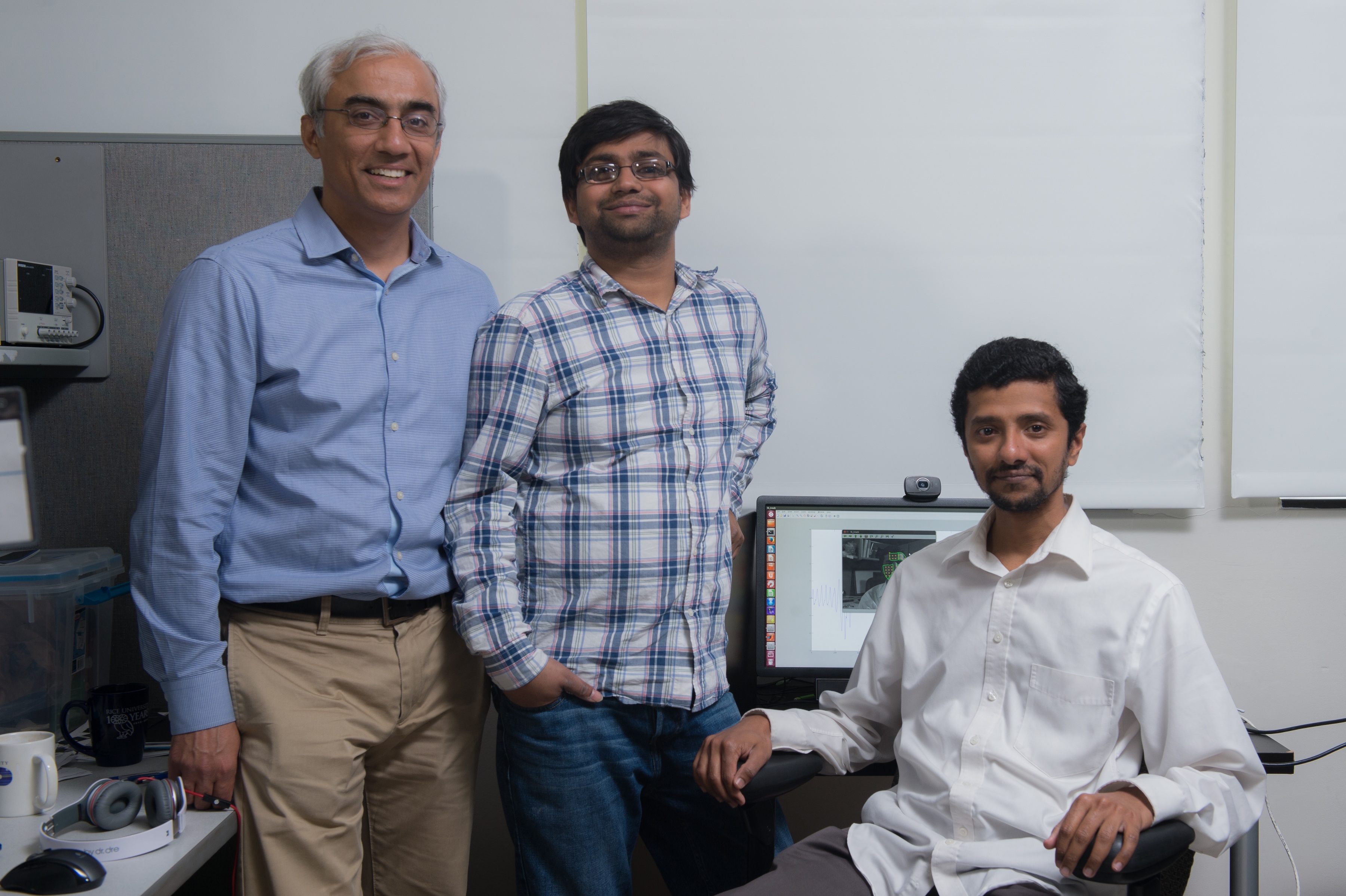
Indian American Team at Rice Univ. Creates Imaging System to Monitor Vital Signs
The Indian American team of Rice graduate student Mayank Kumar and professors Ashok Veeraraghavan and Ashutosh Sabharwal created the touch free video imaging system that will let doctors diagnose patients from a distance with special […]

Comments
New dawn: On Joe Biden
Biden brings hope, but Trump’s regressive politics will certainly outlast his time After trailing but steadily closing the gap since Election Day, Democrat and former Vice-President Joe Biden has seized the lead in the Republican-leaning […]
Be the first to comment