
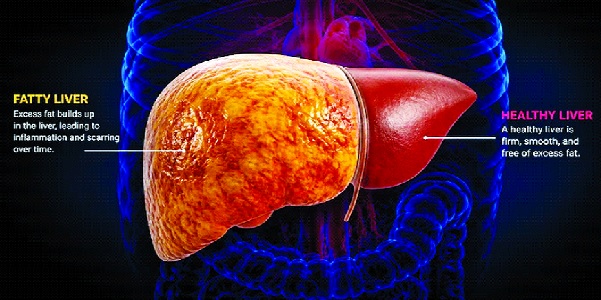

Fatty liver disease is emerging as one of the fastest – growing metabolic health concerns worldwide, but experts warn that the biggest threat is not just the disease itself – it’s that many people don’t know they have it until significant liver damage has already occurred.
Now known as Metabolic Dysfunction-Associated Steatotic Liver Disease (MASLD), the condition was previously called non-alcoholic fatty liver disease (NAFLD). It affects nearly one in three adults globally and is found in up to 70% of people living with Type 2 diabetes. The disease is also linked to a higher risk of cardiovascular disease and other metabolic disorders. According to Priyanka Jain, Business Leader – Ultrasound, Philips Indian Subcontinent, the focus should shift towards identifying people at risk before irreversible liver damage develops.
Unlike many illnesses, MASLD often develops silently. In its early stages, excess fat begins to accumulate in the liver without causing noticeable symptoms. Over time, however, it can progress to fibrosis (scarring) and eventually lead to serious liver complications if left untreated.
WHY FATTY LIVER IS OFTEN DIAGNOSED LATE
One of the biggest challenges with fatty liver disease is that it rarely causes symptoms until the damage has progressed. Routine blood tests may suggest liver abnormalities, but they cannot determine the extent of liver damage. Assessing liver fibrosis is critical because it helps doctors understand how advanced the disease is and guides treatment decisions. Traditionally, liver biopsy has been considered the gold standard for assessing fibrosis. However, biopsies are invasive, expensive and not practical for screening large populations, creating the need for safer and more accessible alternatives.
WHY EARLY DIAGNOSIS MATTERS
Experts say identifying fatty liver disease before irreversible liver damage develops can significantly improve patient outcomes.
Early detection allows doctors to identify patients at higher risk and recommend appropriate treatment and lifestyle changes before the disease progresses. With obesity, diabetes and other metabolic disorders on the rise, experts believe proactive screening strategies will become increasingly important in reducing the long-term burden of liver disease.
NON-INVASIVE IMAGING IS CHANGING LIVER CARE
Recent advances in medical imaging are making it easier to evaluate liver health without invasive procedures. Among the most promising technologies is ultrasound elastography, a non-invasive imaging technique that measures liver stiffness – an important indicator of fibrosis. The technology allows doctors to assess liver tissue during a routine ultrasound examination, reducing the need for liver biopsies.
Because the procedure is non-invasive, it can also be repeated over time, helping clinicians monitor disease progression while improving access to liver assessment across different healthcare settings. Clinical evidence also suggests that newer imaging workflows could make liver assessment faster and more consistent.
In a multi-site study involving patients with fatty liver disease, steatohepatitis and cirrhosis, automated ultrasound elastography showed a high level of agreement with expert clinicians while substantially reducing assessment time. Source: India Today



Be the first to comment